The seven-day pass costs ¥50,000. So you have to burn ¥50,000 of fares in seven days — and the trip most visitors actually take, Tokyo to Kyoto and back, uses barely half of that. There is nothing subjective about the question: it is a subtraction. Here is the threshold, the two traps that push it further away, and something almost nobody has led with since 1 October 2026 — the same pass now has two prices, depending on where you buy it.
The short answer: no, unless you cross a precise threshold
The seven-day Japan Rail Pass costs ¥50,000, roughly €271 at the 19 August 2026 exchange rate. It is not a subscription and it is not a discount: it is an advance. You pay first, and you earn your money back in journeys. So the only question worth asking is arithmetic: can you actually consume ¥50,000 of fares in seven days?
Almost nobody can. The trip most first-time visitors take — a few days in Tokyo, a few days in Kyoto, one return between the two — burns ¥26,640 in non-reserved seats, around ¥28,000 reserved. That is a little over half the price of the pass. Which means that traveller loses roughly ¥22,000, close to €120, by buying it. And they buy it anyway, because every guide answers "it depends" where the subtraction depends on nothing at all.
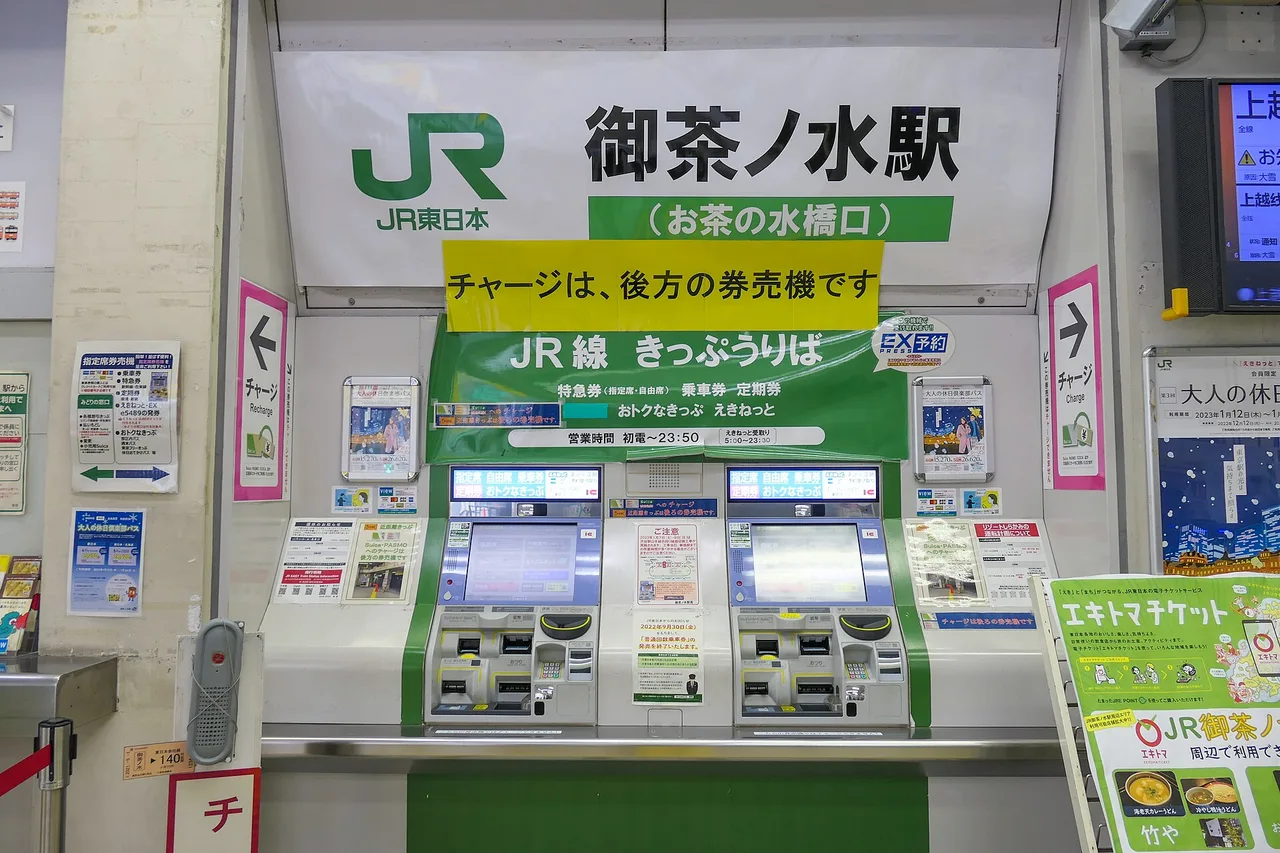
The threshold fits in one sentence, and it is worth remembering: the seven-day pass starts paying off at around three long-distance journeys in the week, not two. One return, even on the longest classic route, is not enough — Tokyo to Hiroshima and back tops out near ¥38,000, still well short of ¥50,000. You need a third real segment: Kanazawa, Hakata, the Tohoku.
What the journeys actually cost, one by one
Here are the figures missing from almost every comparison, because they ruin the argument. These are what you add up before looking at the price of a pass, not the other way round.
| Route | Non-reserved | Reserved seat | Duration |
|---|---|---|---|
| Tokyo → Kyoto — Hikari | ¥13,320 | ≈ ¥14,000 | ≈ 2 hr 40 |
| Tokyo → Kyoto — Nozomi | none | ≈ ¥14,000 | ≈ 2 hr 20 |
| Tokyo → Hiroshima — Hikari / Sakura | ¥18,380 | ≈ ¥19,000 | ≈ 5 hr |
| Tokyo → Hiroshima — Nozomi | none | ≈ ¥19,500 | ≈ 4 hr |
One methodological note that changes the result more than you would expect. The "non-reserved" column no longer exists everywhere: since March 2024, Nozomi trains on the Tokaido line have carried no non-reserved cars at all. Every seat is reserved, which removes the cheapest option on the busiest route in the country. On Hikari and Sakura services, non-reserved seating is still available and saves a few hundred yen per trip.
A second note, heavier still: both sides of the equation are moving at once. On 14 March 2026, JR East raised its fares by 7.1 %, its first major increase — the basic local fare went from ¥150 to ¥160. Dearer tickets mechanically make a pass more attractive; except that the pass went up too, and by more. A calculation made in 2024 is worth nothing today, in either direction.
🔴 The main trap: the pass covers neither Nozomi nor Mizuho
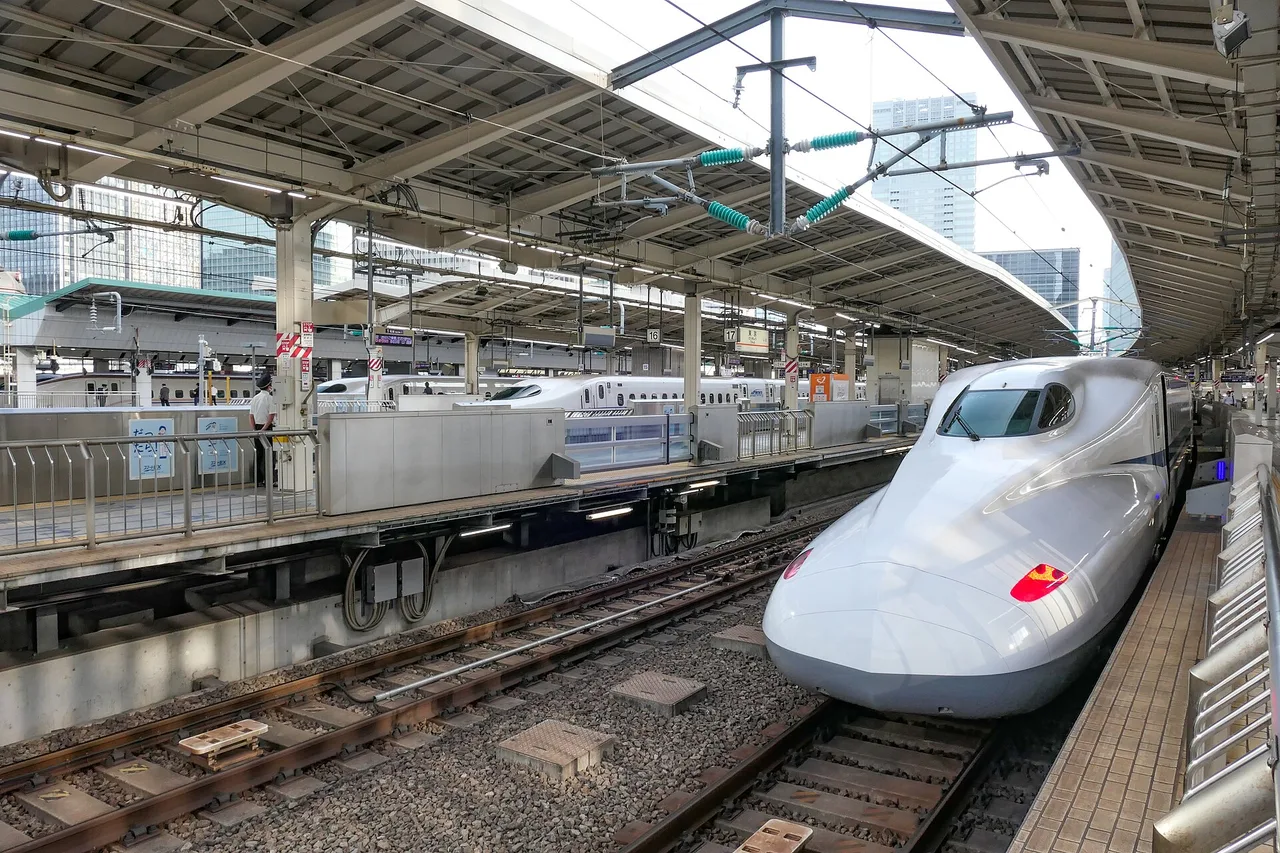
This is the line you discover at the counter, and it is expensive. The Japan Rail Pass is valid on nearly the whole JR network — but not on Nozomi or Mizuho services, which is to say precisely the fastest and most frequent trains, and the ones every app offers you first. The pass leaves you the Hikari, the Sakura and the Kodama, which stop more often.
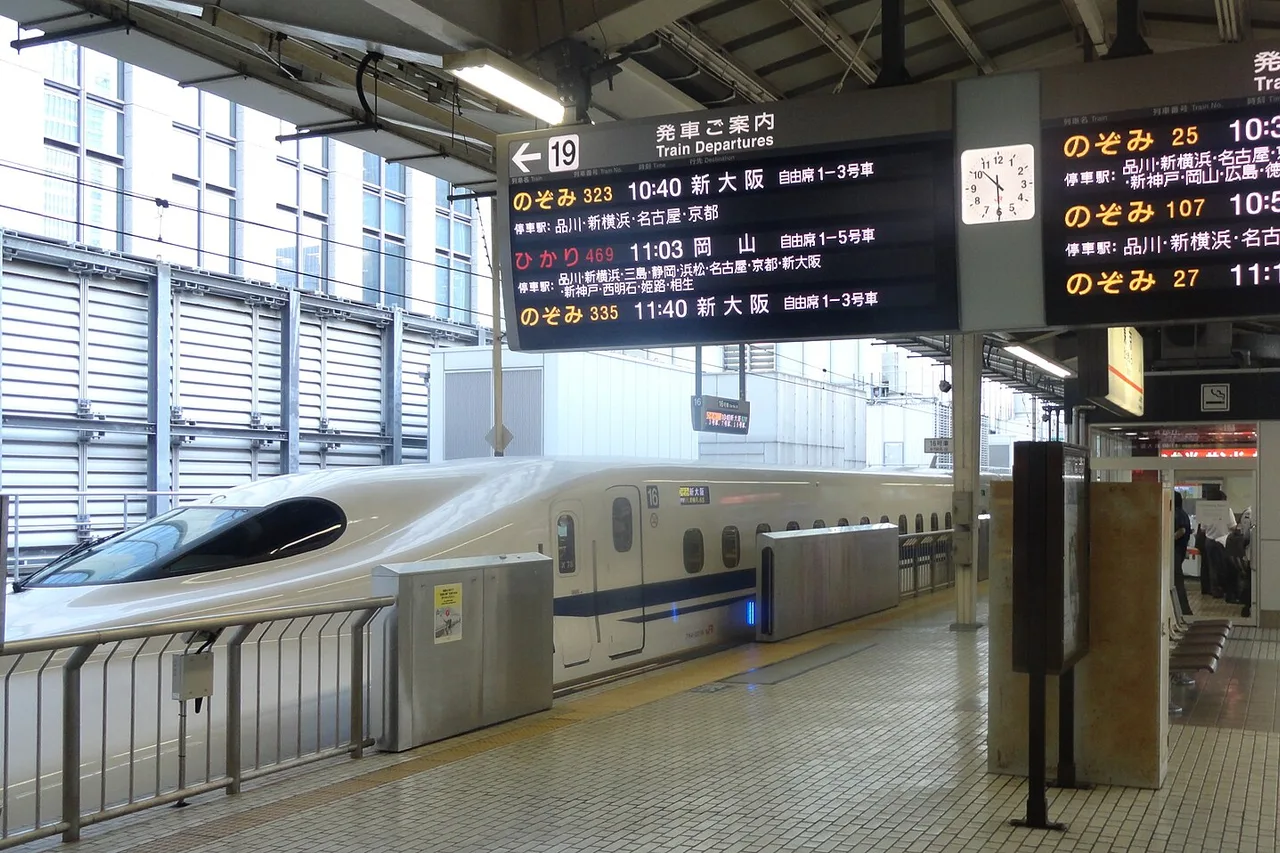
Since October 2023 you can board a Nozomi with the pass by paying a supplement. That supplement is not symbolic, and it is charged per person and each way:
| Route | Supplement each way |
|---|---|
| Tokyo → Nagoya | ¥4,180 |
| Tokyo → Kyoto | ¥4,960 |
| Tokyo → Shin-Osaka | ¥4,960 |
| Shin-Osaka → Hakata | ¥4,960 |
| Tokyo → Hiroshima | ¥6,500 |
| Tokyo → Hakata | ¥8,140 |
The effect on the sum is brutal. A couple buying two seven-day passes and doing Tokyo to Kyoto and back on the Nozomi pays ¥50,000 of pass plus ¥9,920 of supplements each, that is ¥59,920 — about €325 — where individual tickets came to roughly ¥28,000, or €152. Here the pass ends up costing more than double the tickets it claims to replace.
One practical detail makes it worse: the Nozomi supplement cannot be bought from abroad. It is paid on the spot, at a counter, a machine, or through smartEX once the pass is registered. So you have to budget for it without being able to pay it in advance, and budget for it on every journey where you would rather not lose an hour.
🔴 Two prices for the same pass since 1 October 2026
Here is the new fact, and it has gone surprisingly unnoticed. On 9 April 2026 the JR Group announced a rise in the national pass effective 1 October 2026 — its first revision in three years, of the order of 5 to 6 %. But that rise applies only to overseas sales agents. The official site keeps the current fares.
| Pass | Official site | Travel agent | Difference |
|---|---|---|---|
| Ordinary · 7 days | ¥50,000 | ¥53,000 | + ¥3,000 |
| Ordinary · 14 days | ¥80,000 | ¥84,000 | + ¥4,000 |
| Ordinary · 21 days | ¥100,000 | ¥105,000 | + ¥5,000 |
| Green · 7 days | ¥70,000 | ¥74,000 | + ¥4,000 |
| Green · 14 days | ¥110,000 | ¥116,000 | + ¥6,000 |
| Green · 21 days | ¥140,000 | ¥147,000 | + ¥7,000 |
In practice: since 1 October 2026 the seven-day Ordinary pass costs ¥53,000 through an agent and ¥50,000 on japanrailpass.net. The product is strictly the same. The difference lies in where you click — and most travellers click on an agent, because that is what search engines return.
An honest caveat, because it matters: how long that price hold will last is not known. The JR Group says it is keeping the fares "for a limited period" and that the end of it "will be announced once decided". In other words, the window can close without notice. This is not a guarantee, it is a state of affairs on the date of this article.
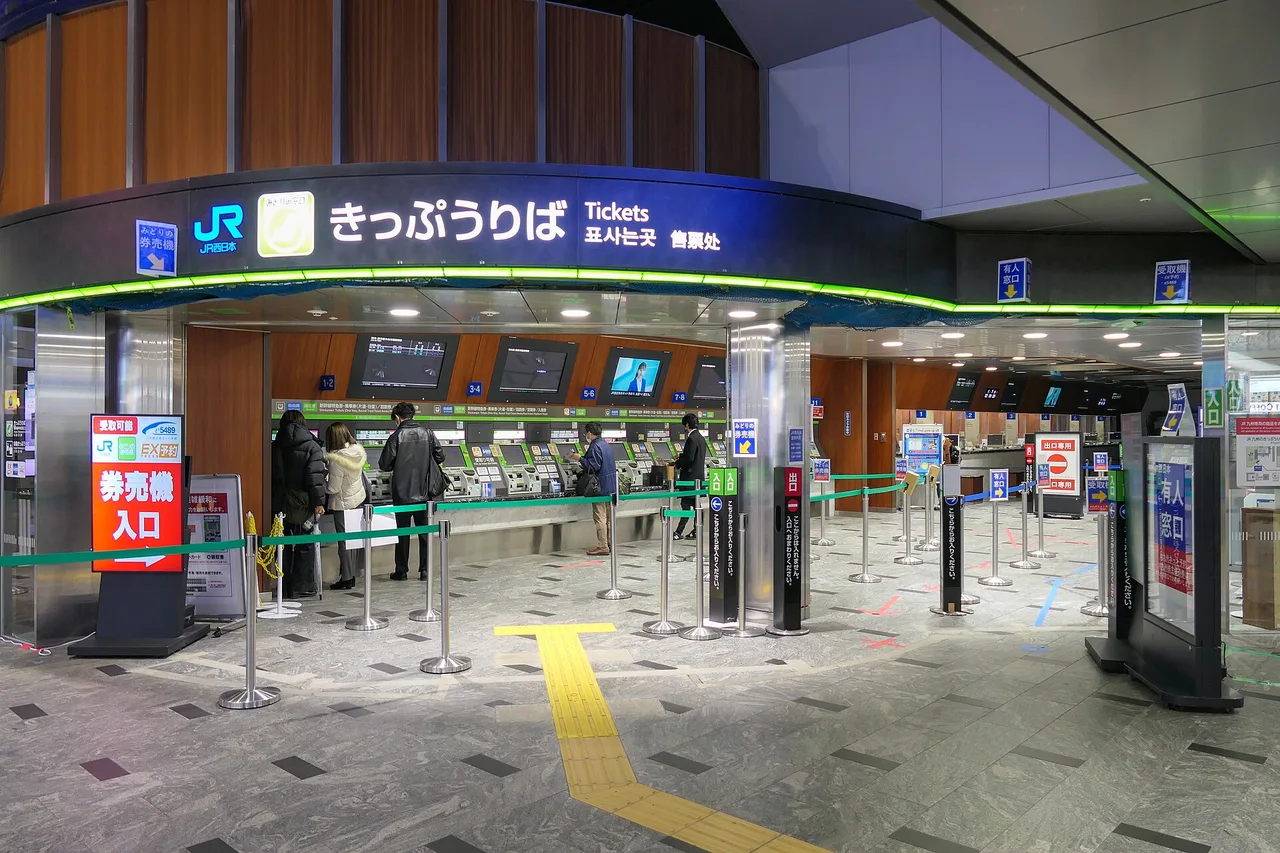
The official Japan Rail Pass website is the only address to remember: that is where the pass is cheapest, and the demonstration above proves it. An agent reselling it at a higher price adds nothing the official site does not already offer.
Regional passes: almost always the better sum
This is the blind spot in the debate. People weigh "national pass" against "individual tickets" as though nothing existed in between, when the JR companies sell dozens of regional passes, far better matched to how people actually travel — by area, not from one end of the archipelago to the other.
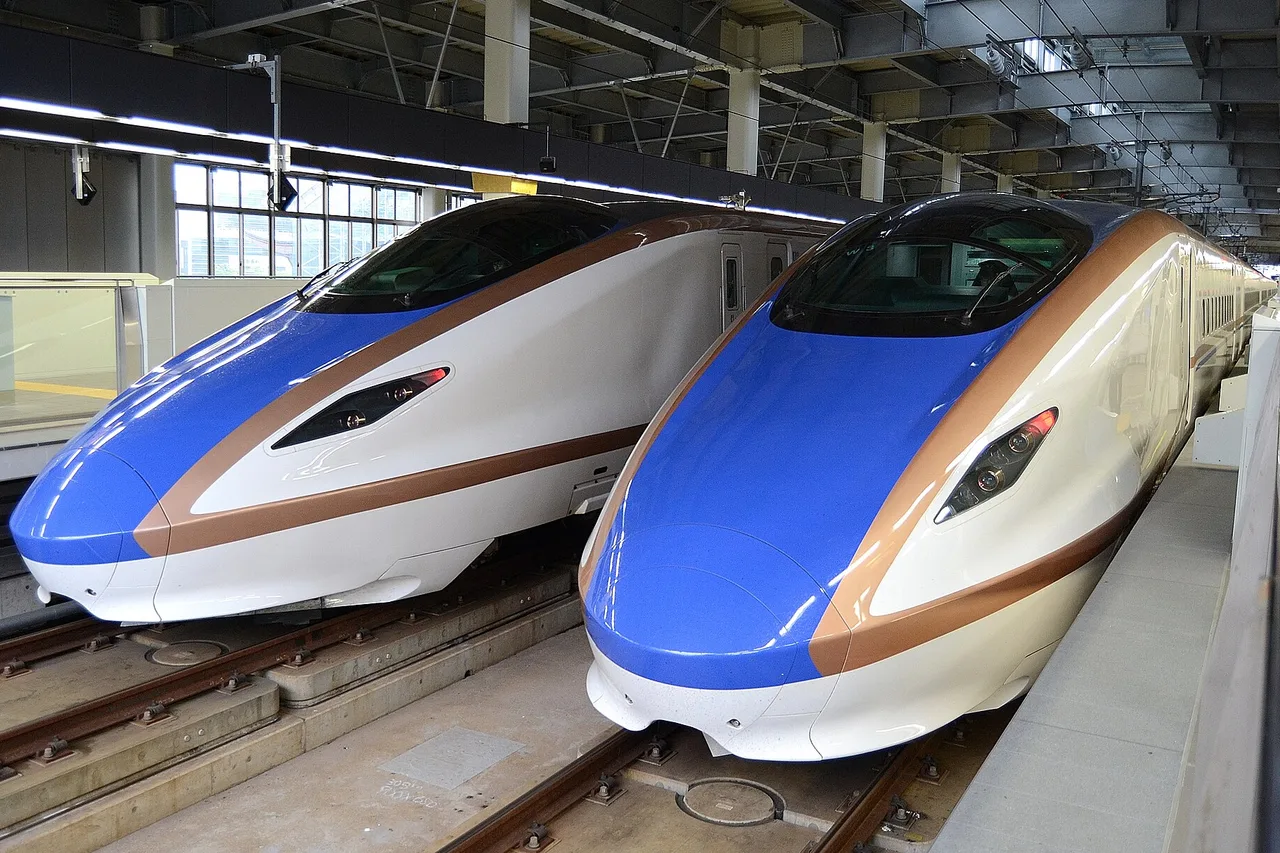
Two examples make the gap plain. The JR Tokyo Wide Pass covers three consecutive days across a widened Kanto — as far as Karuizawa, the Fuji Five Lakes and the Izu Peninsula — for ¥16,000. It is restricted to non-Japanese passports, and its price followed the fare revision of 14 March 2026. The JR Kansai-Hiroshima Area Pass covers five days for ¥17,000, from Kansai out to Hiroshima.
And here is the detail that ought to end the argument: that ¥17,000 regional pass includes Nozomi and Mizuho trains between Shin-Osaka and Hiroshima. The national pass, three times dearer, charges a supplement for those very trains. The cheaper one covers more, on the area you care about — and that is the argument the national pass cannot answer.
The catch is that choosing means comparing, and comparing is tedious: the zones overlap, the durations differ, and the conditions are not always written in the same language. Regional passes and day trips can be compared online before you leave, which spares you finding out at the counter that a ¥17,000 pass would have replaced the ¥50,000 one already in your hand.
The rules that make a purchase fail
Two administrative conditions knock out travellers every year who had otherwise done their sums correctly. The first is entry status: the pass is reserved for visitors entering Japan under Temporary Visitor status, granted at passport control for a tourist stay. Any other entry category makes the exchange impossible, and you find that out at the counter, once you are already there.
The second is the validity of the Exchange Order, the voucher bought before departure. It stays valid for three months from its date of issue, not three months from your trip. Buying very early to "lock in" a fare is therefore the surest way to end up with an expired voucher: a common mistake, and one with no remedy.
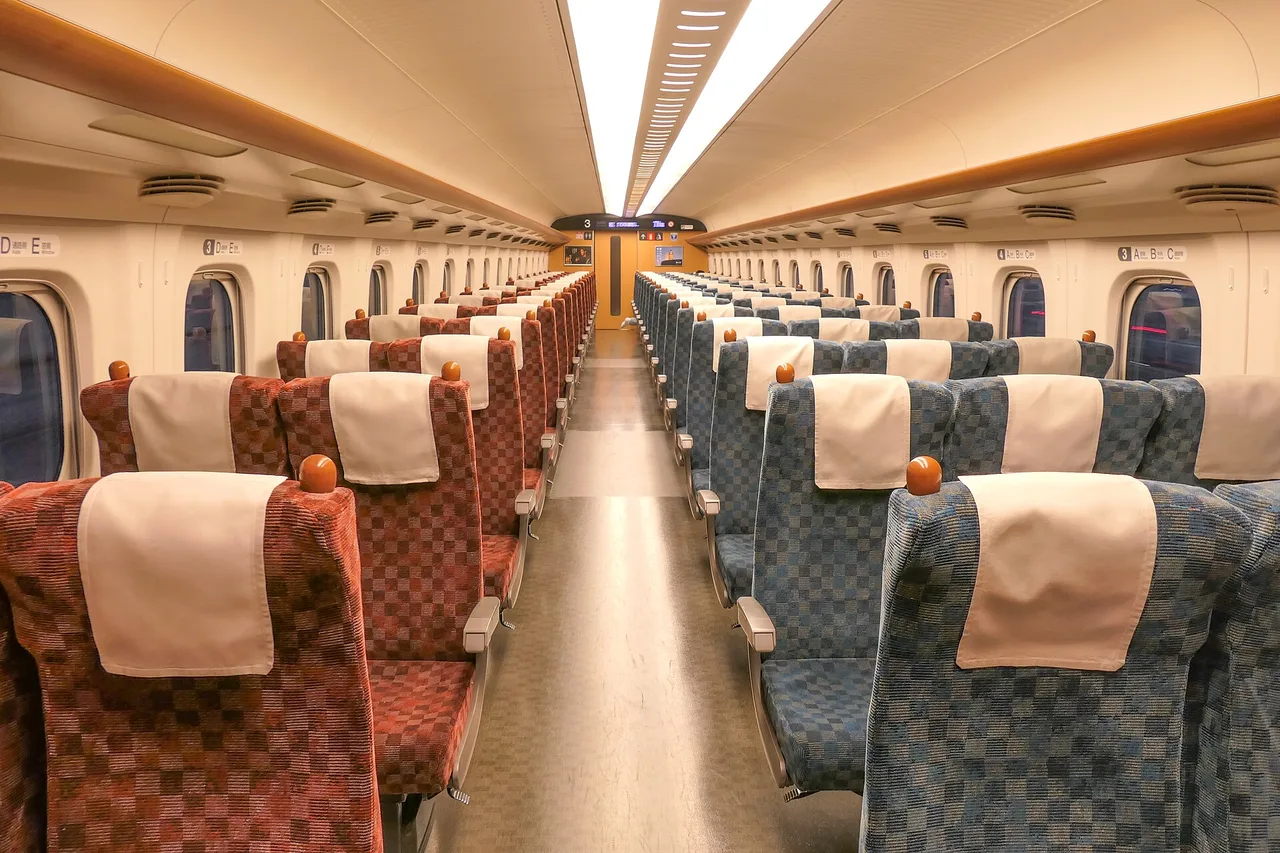
A word, finally, on the Green Car, the Shinkansen's first class. Over seven days it takes the pass from ¥50,000 to ¥70,000: ¥20,000 more, about €108. In exchange, wider seats, quieter carriages, and a better chance of finding space in busy periods. On the trains the pass covers — which are not the fastest — that gap rarely justifies itself, except for a very tall traveller or a very long journey.
Without a pass, how you actually buy tickets
This is the part that worries people, and it is simpler than it looks. Shinkansen tickets are sold at counters, at station machines, or online through the operators' reservation services — smartEX for the Tokaido and Sanyo lines, with collection or direct gate entry by contactless card. You can book the day before, often the same morning, and trains leave every ten minutes on the main corridors.
The only real prerequisite is not a railway one, it is digital: all of this runs from a phone, and Japan belongs to neither the European Union nor the European Economic Area. Your plan covers nothing there, and ordinary roaming is billed at rates unrelated to the service. An eSIM bought before departure activates on landing and costs less than a single day of roaming — it is the purchase that makes all the others possible.
Full guide: Japan eSIM: networks, prices and traps before you buy
Note in passing that seat reservation is free with the pass, and strongly advised on long journeys and in busy periods. It is one of the few pass benefits that cannot be counted in yen: you reserve as often as you like, you change your mind, and you pay nothing more.
What the pass really buys, and it is not money
It would be dishonest to close on the arithmetic alone. The pass buys something else, and that something has value for certain travellers: the freedom not to decide. You get off at a station because the weather is good, you leave again two hours later, you never count. On an improvised trip, in a group, with children and shifting plans, that absence of friction is sometimes worth the yen lost.
It is not worth it on an itinerary fixed in advance, and that describes the vast majority of first trips — the one we set out in our two-week itinerary. Once the dates and the cities are settled, the comparison is mechanical, and the pass almost always loses.
One last option deserves to be known, because it sometimes beats the train and always beats the pass over very long distances: the domestic flight. Tokyo to Sapporo or Tokyo to Fukuoka on a low-cost carrier often costs less than a one-way Shinkansen ticket, for a comparable door-to-door time. The trade-off is familiar: those airports sit far from the centres, and the final leg is paid in time as well as money — a transfer booked before you leave settles that at the price quoted, which is precisely the kind of arithmetic this article argues for. The full cost breakdown is in our two-week budget.
The verdict, by type of trip
Tokyo, Kyoto and back, in one week: no pass. Individual tickets, roughly ¥28,000 against ¥50,000. This is the most common case, and the clearest.
Full guide: Things to Do in Tokyo: Tickets to Book Ahead (2026)
Tokyo, Kyoto, Hiroshima in seven days: very tight, and often a loss. The tickets add up to somewhere around ¥43,000 to ¥45,000 depending on the trains chosen. Add a fourth segment — Kanazawa, say — and the pass moves back ahead.
You are staying in Kanto, or in Kansai: a regional pass. ¥16,000 for three days around Tokyo, ¥17,000 for five days out to Hiroshima, Nozomi included.
You are crossing the archipelago in two weeks: the pass has a case, provided you check the total of your segments. The fourteen-day pass costs ¥80,000, so you need long journeys and many of them, not simply a lot of days.
You want a Nozomi on every leg: no pass. The supplement cancels the advantage, then reverses it. Buy your tickets, take the fast train, and keep the difference.
You are buying a national pass anyway: go through the official site, not an agent. Since 1 October 2026 that is ¥3,000 of difference over seven days, ¥5,000 over twenty-one — for exactly the same piece of paper. And check where to stay in Tokyo before booking: your arrival airport is worth several thousand yen too.