Most Japan budgets are guesses. This one starts from a measured figure — ¥229,000 spent by the average visitor — and rebuilds the bill line by line. Three taxes changed in 2026, and a fourth arrives on 1 November.
The measured figure, and what it actually contains
Almost every Japan budget opens with an "average daily cost" of unclear origin. Yet a recorded, published and far sturdier number exists: the Japan Tourism Agency puts the average foreign visitor’s spending at ¥229,000 for 2025, up 0.9 %. Behind it sits a double record: 42.68 million visitors — a 15.8 % jump on 2024’s 36.87 million — and ¥9.5 trillion spent, against ¥8.1 trillion the year before.
One line of sanity checking: ¥9.5 trillion divided by 42.68 million gives roughly ¥223,000 a head. The two figures hold together, which is reassuring in itself.
| Category | 2025 total | Change |
|---|---|---|
| Lodging | ¥3.5 trillion | +26.7 % |
| Shopping | ¥2.5 trillion | +6.4 % |
| Food and drink | ¥2.1 trillion | +18.8 % |
| All spending | ¥9.5 trillion | +16.4 % |
Two cautions before you make it your budget. First, the amount covers spending on the ground: your flight from Europe is not in it. Second, the average stay is shorter than fourteen days — a great many of those 42 million come from Korea, China or Taiwan for three or four nights. For two weeks you should therefore expect to pass ¥229,000, and the rest of this article says by how much.
Full guide: Cheap flights to Japan: when to book, Haneda or Narita
One last reference point, needed to read every number below: €1 was worth ¥184.57 on 19 August 2026, for a monthly average of ¥182.55. Remember that a euro buys a little under 185 yen, and ¥10,000 becomes about €54.
🔴 Three taxes changed in 2026 — and a 2024 guide is wrong on three lines
Japan broke its visitor record, and the policy answer took the form of levies. These are the easiest lines to forget, because none of them shows up when you book.
The departure tax tripled on 1 July 2026: ¥3,000 instead of ¥1,000. It is included in the price of an air or sea ticket and owed by every passenger, whatever their nationality or class. You will pay it without ever seeing it — but it is there.
Kyoto’s lodging tax changed on 1 March 2026, and it is now the highest in the country. It is counted per person per night, in five bands, and Kyoto is one of the rare cities that exempts nobody: even the cheapest night is taxed.
| Room rate | Tax per person per night |
|---|---|
| Under ¥6,000 | ¥200 |
| ¥6,000 to ¥19,999 | ¥400 |
| ¥20,000 to ¥49,999 | ¥1,000 |
| ¥50,000 to ¥99,999 | ¥4,000 |
| ¥100,000 and above | ¥10,000 |
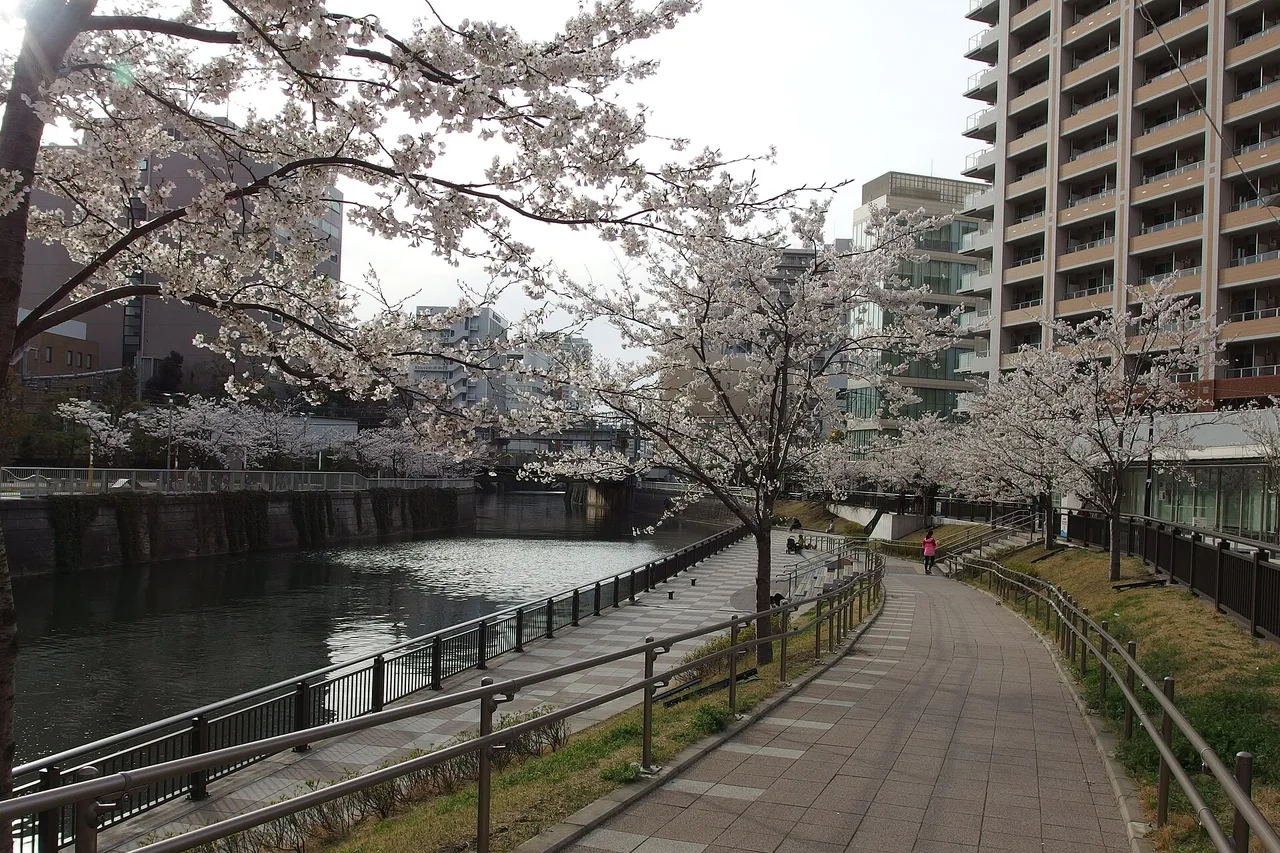
For an ordinary traveller the real effect is ¥400 a night: five nights in Kyoto, for two people, comes to ¥4,000. That is small, but it is not nothing — and above all Kyoto is no longer alone. Around twenty local governments have introduced or widened a lodging tax, more than doubling the number of jurisdictions that levy one; the latest batch took effect on 1 April 2026. Osaka exempts nights under ¥5,000 and caps at ¥500. Hokkaidō applies a prefectural tax of ¥100 to ¥500 on top of which the municipal tax still applies — Sapporo, Otaru, Niseko, Hakodate, Furano and a dozen others have one: the two stack, and that is the commonest trap of a trip up north.
🔴 On 1 November 2026, tax-free shopping reverses direction
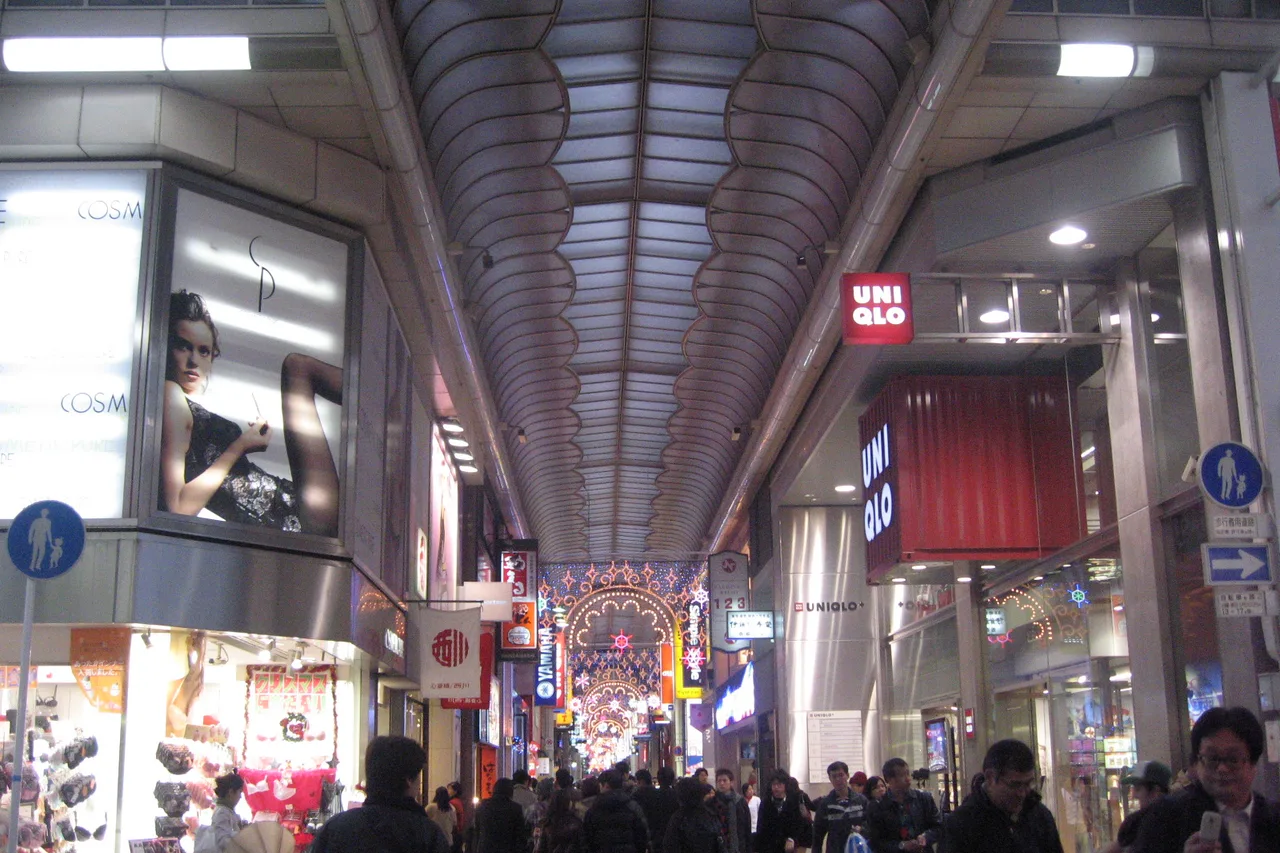
This is the year’s most misunderstood change, because it alters no price at all. Today, in an approved shop, the 10 % consumption tax is deducted straight at the register when you show your passport: you pay the pre-tax price and walk out. From 1 November 2026 the order flips: you pay the tax in the shop, then claim it back before leaving the country.
The threshold itself does not move: you still need ¥5,000 before tax of purchases, in the same shop on the same day. Two constraints do disappear, and that is welcome news: the requirement to seal consumables — cosmetics, medicines, food — in a bag you could not open before leaving Japan is abolished, and the "consumables" category itself is being phased out. The scheme stays limited to non-residents, within six months of entry.
For a budget, the consequence is not an extra cost: it is cash you have to front. On ¥100,000 of purchases you tie up ¥10,000 until the airport. And this is not a minority concern: shopping accounts for ¥2.5 trillion of the ¥9.5 trillion spent by visitors, more than a quarter of the total. If your trip falls after 1 November, plan your card limit accordingly.
Domestic transport: where one decision costs the most
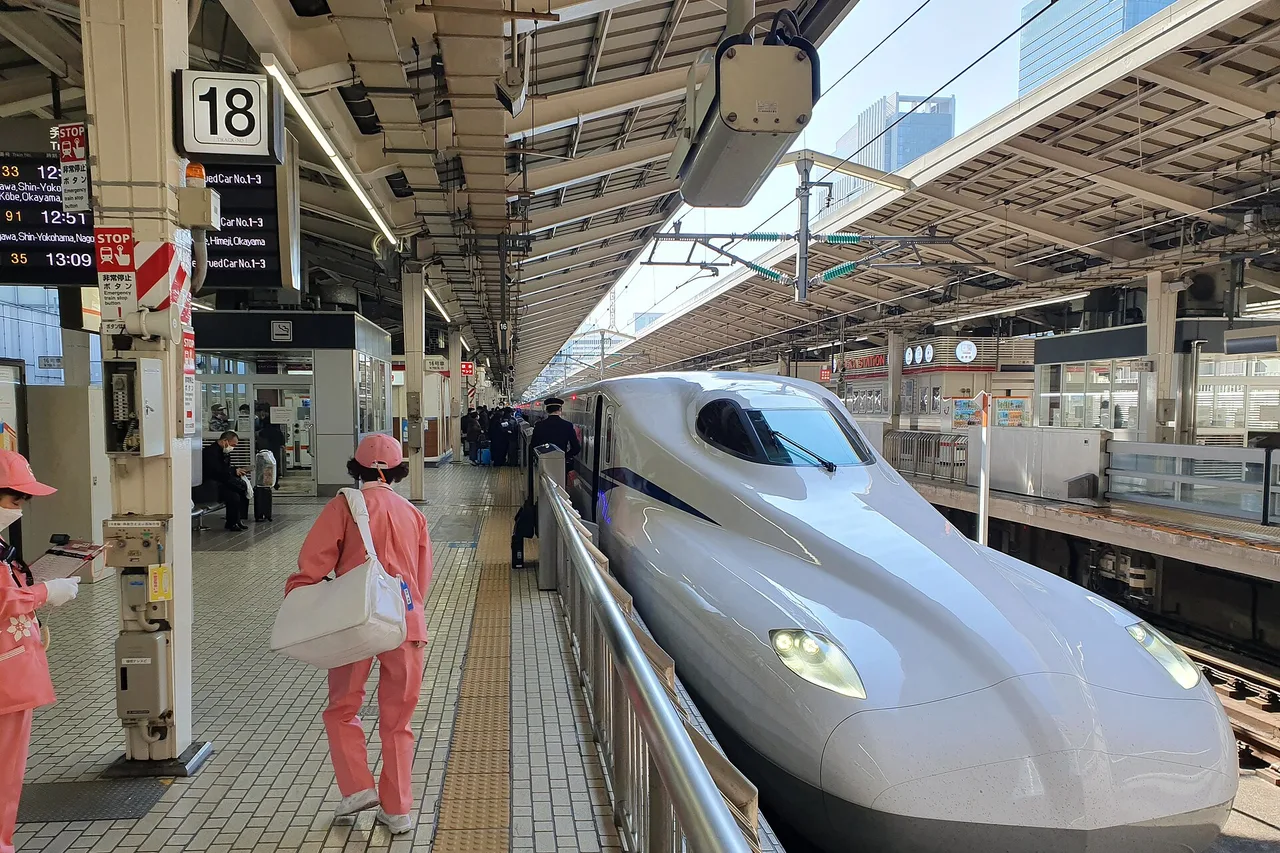
It is not the heaviest line — it is the one where a single decision is dearest. The Japan Rail Pass costs ¥50,000 for 7 days, ¥80,000 for 14 days and ¥100,000 for 21 days, and it rises on 1 October 2026 to ¥53,000, ¥84,000 and ¥105,000. Against that, a classic two-week route has only two or three long legs.
| Leg | Single ticket |
|---|---|
| Tokyo → Kyoto (Nozomi, 2 h 15) | ≈ ¥14,170 |
| Kyoto → Hiroshima | ¥10,770 unreserved, ≈ ¥12,000 reserved |
| Hiroshima → Tokyo (Nozomi) | ¥19,760 |
| Total of the three | ≈ ¥45,900 |
| 14-day JR Pass | ¥80,000 |
The gap is over ¥34,000 a head, and urban trains do not close it. You should also know that the pass gives access to neither Nozomi nor Mizuho without a paid supplement: its holder takes the Hikari, twenty-five minutes slower between Tokyo and Kyoto. The pass wins again if you add Tōhoku, Kanazawa or Kyūshū — but not on the classic triangle.
And above all: the third leg can disappear. Flying into Tokyo and out of Kansai airport, an "open-jaw" ticket removes the Hiroshima → Tokyo return, worth ¥19,760 and half a day. Few engines offer it unprompted: you have to ask by entering two different airports, which multi-city flight comparison tools allow. The flight remains by far the biggest line in your budget — and it is the only one this article does not price, because it varies too much by market and by date for a number written here to still be true tomorrow.
Finally add local transport, ¥800 to ¥1,500 a day depending on whether you walk or cross Tokyo three times.
Sleeping: four tiers, and a gap that decides everything
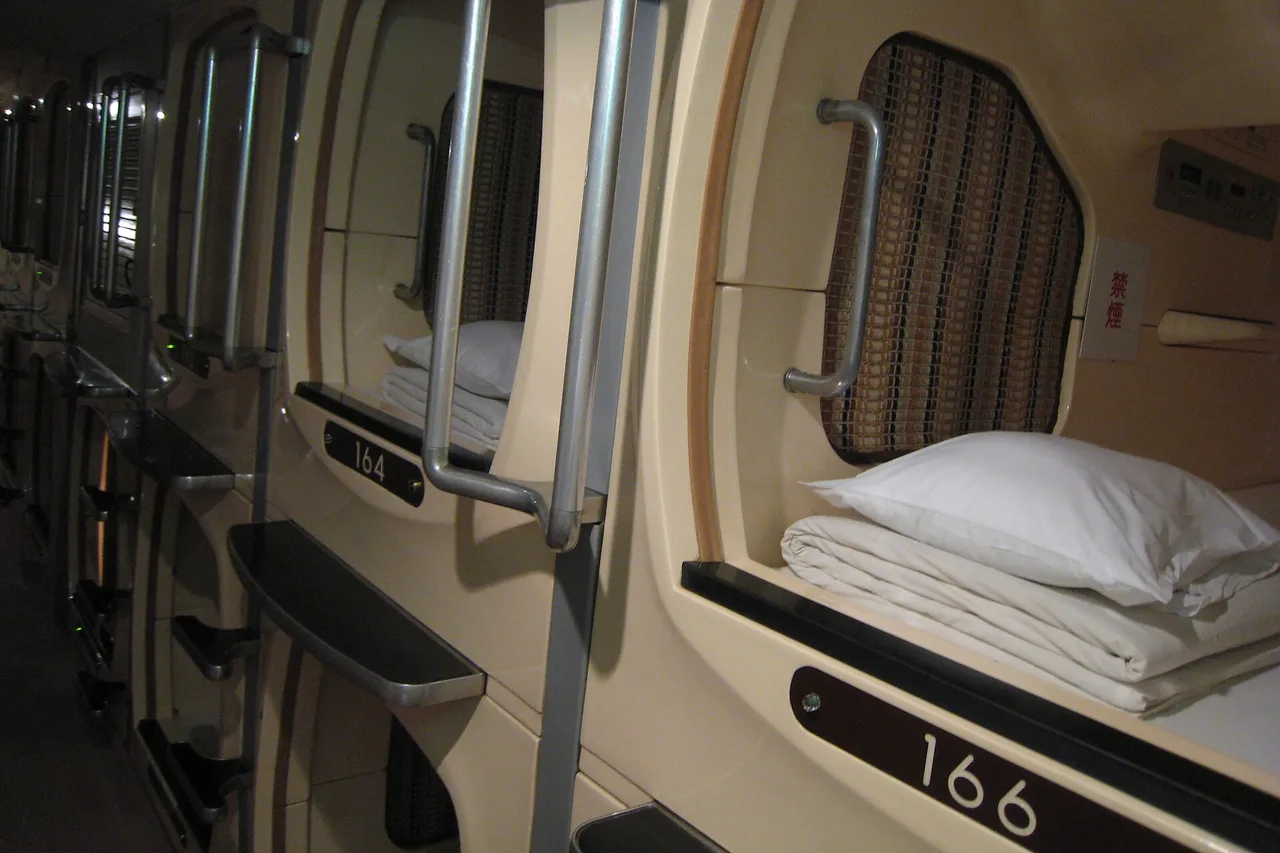
This is the heaviest line — lodging accounts for ¥3.5 trillion of the ¥9.5 trillion spent by visitors — and it is also where you have the most room to manoeuvre.
| Type | Price per night |
|---|---|
| Hostel or capsule (per person) | ¥2,500 to ¥6,000 |
| Capsule in Tokyo (per person) | ¥3,500 to ¥5,500 |
| Business hotel (per room) | ¥8,000 to ¥15,000 |
| Mid-range, Tokyo or Kyoto | ¥12,000 to ¥25,000 |
| High end | ¥30,000 to ¥100,000 and beyond |
The Japanese business hotel is the best value in the country: a small room, faultless cleanliness, a station five minutes away. For two people it often works out cheaper than a capsule each — the calculation most solo travellers forget to redo once they travel as a pair.
Full guide: Where to Stay in Kyoto 2026: Areas and the New Tax
Two warnings. First, lodging tax is read per person per night, never per room: for two, it doubles. Second, cherry-blossom season in late March and early April, and the maples in mid-November, push accommodation prices far more than trains or restaurants. Shifting your trip by two weeks moves a budget more than any decision you make about food.
Eating: the one country where cheap food is not bad food
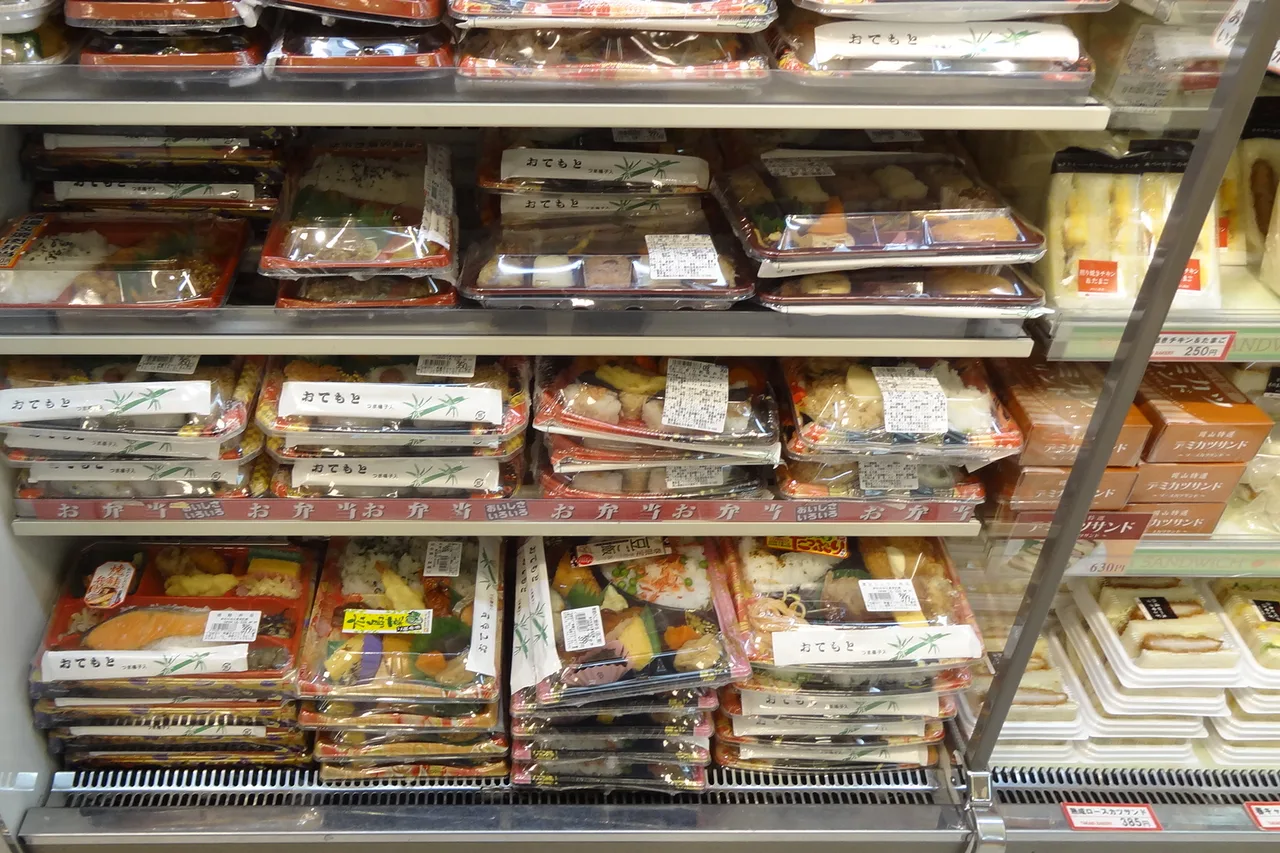
This is the reliable surprise of a first trip. An expensive country, reputed to be expensive, where lunch is better and cheaper than at home.
| What you eat | Price |
|---|---|
| Convenience-store onigiri | ¥120 to ¥250 |
| Convenience-store fried chicken | ¥220 to ¥278 |
| Convenience-store bento | ¥450 to ¥650 |
| Gyūdon (beef bowl), big chains | ¥460 to ¥500 |
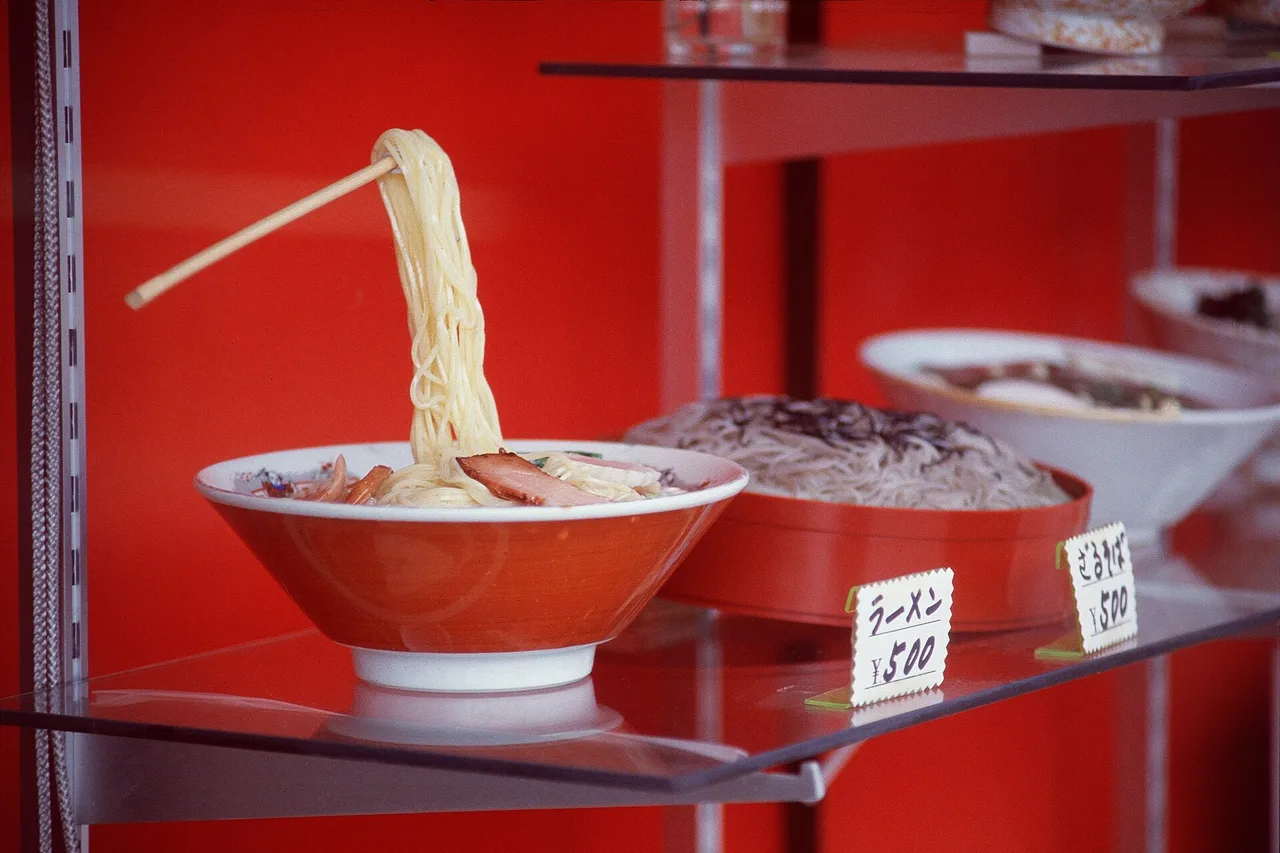
| Ramen | ¥600 to ¥1,200 |
| Lunchtime teishoku (full set) | ¥1,000 to ¥1,500 |
One detail tells the inflation story better than an index: the beef bowl at the three big chains cost under ¥400 in 2020, and one of them went from ¥450 to ¥480 on 8 July 2026. The rise is real, but it is counted in tens of yen — no reason to give anything up.
In practice: ¥2,500 a day is enough for a convenience-store breakfast, a canteen lunch and a simple dinner; ¥5,500 buys a proper restaurant dinner every evening. The aggregators quoting ¥12,000 to ¥18,000 a day for a frugal budget, or ¥25,000 to ¥40,000 for comfort, are including lodging and transport — not just the table.
Sightseeing: the cheapest line of the trip
Nothing on a Japanese trip costs less than what you came to see. Kiyomizu-dera asks ¥500, Nara’s Tōdai-ji ¥800, and Fushimi Inari is free and open at all hours — the only major Kyoto site you can visit at dawn without a ticket or a negotiation. Most of Kyoto is walked: the districts, the lanes, the banks of the Kamo ask for nothing.
The exceptions are digital exhibitions and big urban attractions: teamLab Planets costs ¥3,200 and teamLab Borderless ¥3,800. These are timed tickets, often sold out several days ahead in high season. Buying them in advance from ticketing platforms in Japan saves you from giving up on the spot, and that is also where the regional passes live — the Kansai one, or the Hakone Free Pass, which covers train, funicular, ropeway and the Lake Ashi boat on a single card. Unlike the national JR Pass, those two almost always win.
Reckon on ¥800 to ¥1,500 a day of sightseeing at a sensible pace, ¥3,000 if you string together museums and paid attractions.
The lines people forget, worth nearly a tenth of the total
These are what make a well-built budget slip anyway.
Hotel-change days. The next room is not ready before 3 p.m., the last one turned you out at 10 a.m., and there you are with four hours and a suitcase. Station lockers exist everywhere but are taken before 9 a.m. in the big cities; bookable luggage storage guarantees a place, which a locker never does. The other, more Japanese answer is takkyubin, which forwards your case from one hotel to the next for ¥2,190 within the Kantō and ¥2,310 from Kantō to Kansai in size 140, ¥2,510 and ¥2,630 in size 160 — ¥1,600 to ¥3,700 depending on the bag and the distance.
The travel card. Sales of anonymous Suica and PASMO resumed on 1 March 2025, after two years of chip shortage. The Welcome Suica needs no deposit and takes ¥1,000 to ¥10,000, but it is valid for 28 days from issue — not from first use — and the remaining balance is not refunded. A Tourist PASMO has existed since 20 May 2026 on the same terms. So do not load ¥10,000 the day before you fly home.
Connectivity. Japan is outside the European Union and outside the European Economic Area: your plan covers nothing there and classic roaming is billed dearly. An eSIM activated before departure remains the simplest answer if your phone supports it — a modest budget line, but not one to discover on next month’s bill.
Cash. Japan takes cards almost everywhere, but small restaurants, temples, markets and some buses take nothing else. Carry enough for a few days.
The bill, in three tiers
Here is the sum of the unit prices above, for one person, fourteen days, thirteen nights, excluding the international flight, on a Tokyo – Kyoto – Hiroshima – Osaka route. It must be said plainly: these are additions, not measurements. They are worth what their lines are worth, and their main use is to let you replace the ones that do not look like you.
| Category | Frugal | Comfort | Generous |
|---|---|---|---|
| Lodging (13 nights) | ¥52,000 | ¥85,000 | ¥162,000 |
| Trains and local transport | ¥39,000 | ¥44,000 | ¥92,000 |
| Meals (14 days) | ¥35,000 | ¥77,000 | ¥140,000 |
| Sightseeing | ¥11,000 | ¥21,000 | ¥42,000 |
| Taxes, storage, connectivity | ¥8,000 | ¥12,000 | ¥25,000 |
| Total | ≈ ¥145,000 | ≈ ¥240,000 | ≈ ¥460,000 |
| At ¥184 to €1 | ≈ €790 | ≈ €1,300 | ≈ €2,500 |
The comfort tier lands above the measured ¥229,000 average, and that is to be expected: the average visitor stays less than two weeks. The frugal tier lands below the ¥12,000–18,000 a day the aggregators quote, because it assumes a capsule rather than a hotel — the one line where the gap runs into tens of thousands of yen.
What moves most is not what you think
Many travellers watch the exchange rate as though it decided their budget. Let us look at it. Across 2026 the euro traded between ¥181.25 and ¥187.55, averaging ¥184.45. On a ¥240,000 budget, the gap between the year’s two extremes is about €45 — less than one hotel night.
Over several years the story is quite different: the yen traded far stronger a few years ago, and it is that drift, not a month’s wobble, that made Japan affordable for a European traveller. But it is already inside the prices you see, and there is nothing you can do about it.
What really moves, in order: the airfare, which can vary twofold by date and remains the biggest line; the number of nights in expensive cities; and the season, which drives lodging far more than the rest. The exchange rate deserves a glance and no more.
One last thing this table will never say: in Japan the price is almost always on display — in the window, on the tag, on the ticket machine at the restaurant door. It is a country where you can build a budget before you leave and find it again once you arrive, which is rarer than you might think.
Top-rated activities in Japan, bookable online: