In Madeira a car is almost essential – and driving is easier than its reputation suggests. The VR1 expressway runs along the south coast through 30 tunnels, with no tolls. The challenge starts on the small mountain roads. Here is what to know before you book: the airport, the right car, deposit and credit card, insurance, the rules and fuel prices.
Do you need a car in Madeira?
If you only want to see Funchal: no. For everything else: almost always yes.
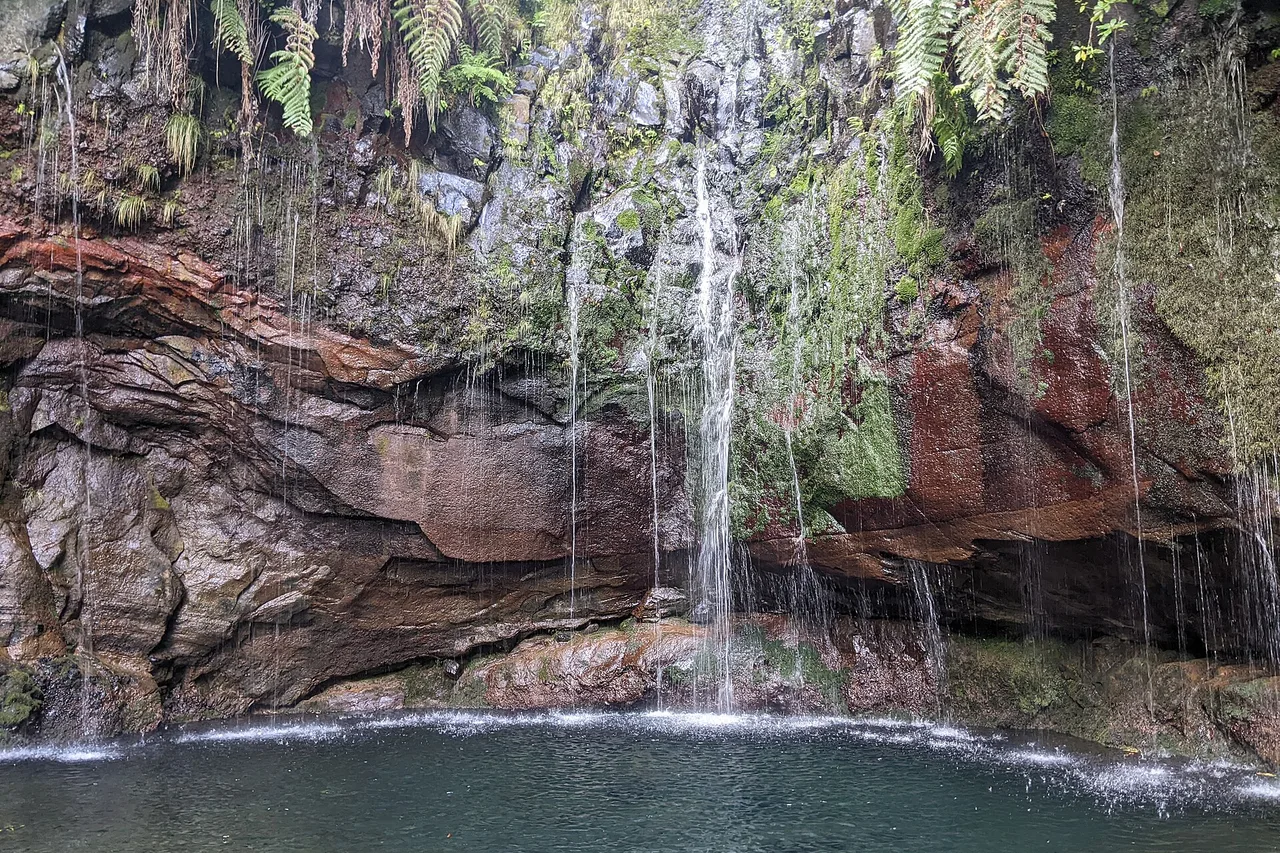
Madeira is a hiking island. The finest levadas, the peaks and the north coast are far from Funchal. Many trailheads are not served by buses at all, others only a few times a day. With a car you can start early, while the paths are still empty.
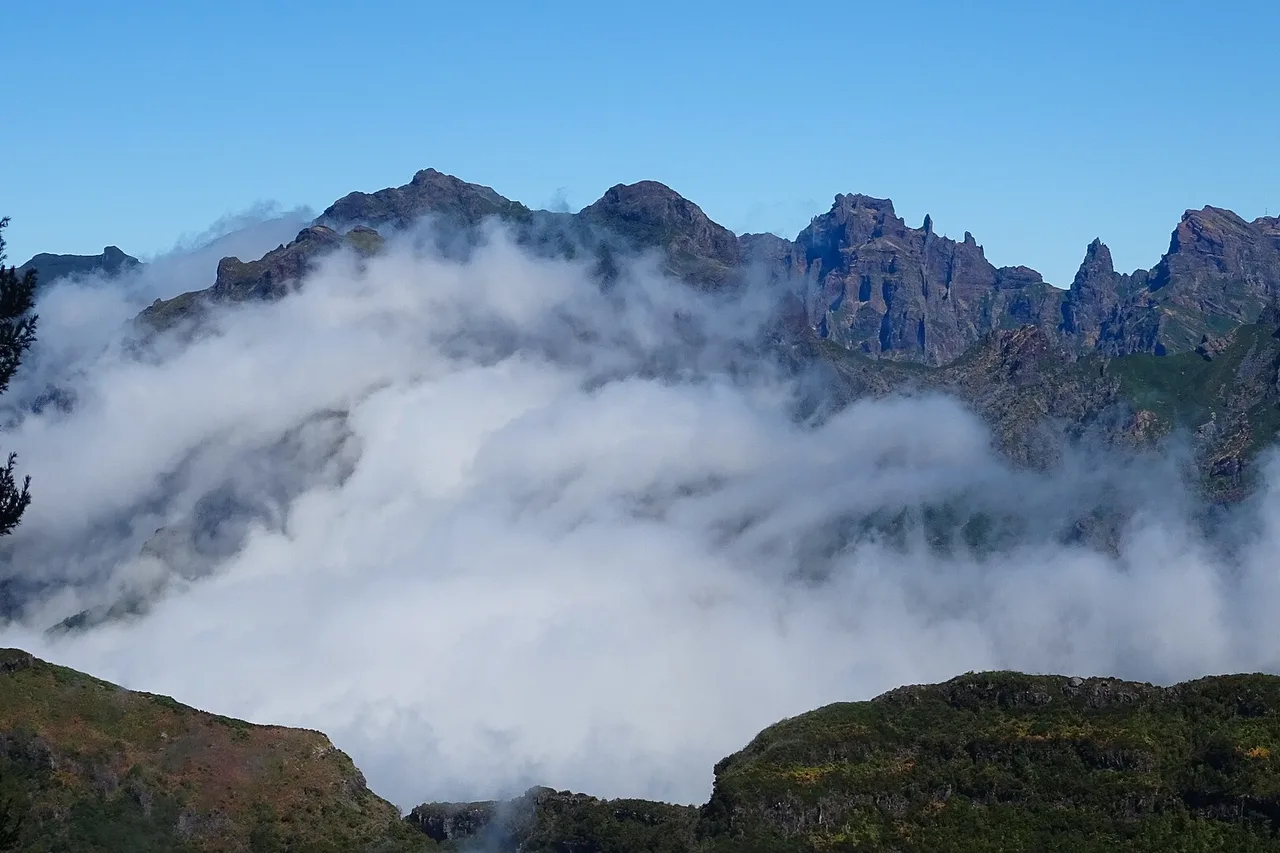
Then there is the microclimate: the north is wetter and the mountains are often in fog while the south is in sunshine. With a car you simply drive to where the weather is better. More in our article on the best time to visit Madeira.
📌 Our advice: stay on the south coast and keep the car for the whole trip. To plan the week, see our one-week Madeira itinerary by car.
Pick-up: at the airport or at your hotel?
Most travellers collect their car at the airport, Madeira International Airport Cristiano Ronaldo. The rental desks are in the arrivals hall on level 0, before security. Some companies have no desk in the terminal: a staff member meets you with a name sign, or a shuttle takes you to their car park. Check in your booking which applies to you.
Good to knowThe most relaxed option is to book your transfer before you go: a driver waits at the terminal exit, and the price is fixed in advance — no haggling on arrival.
Airport transferPre-booked driver on KiwitaxiSome companies also deliver the car to your hotel or to the cruise terminal in Funchal. That is useful if you spend the first days in Funchal: you do not pay rental days for a car sitting in a garage.
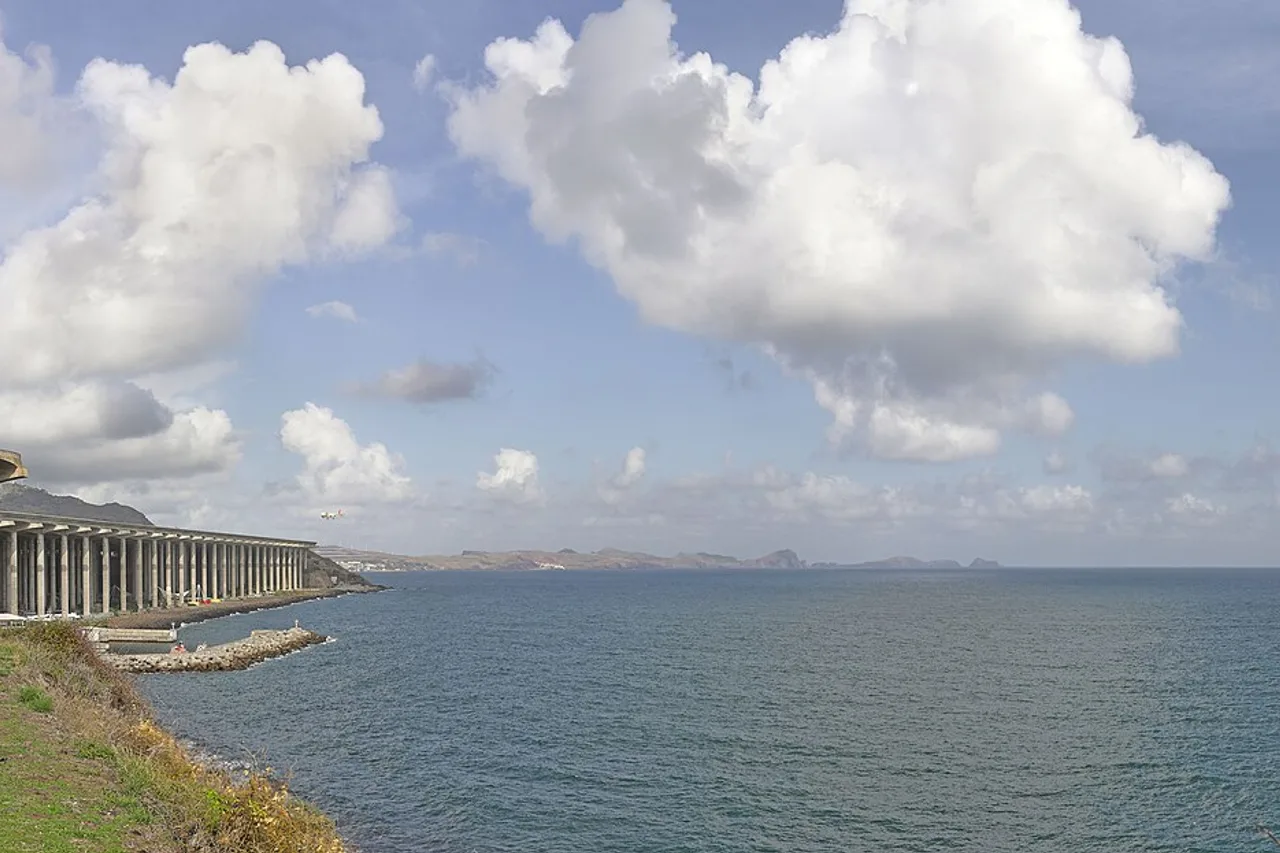
⚠️ At pick-up: photograph or film the car from every side, including the wheels and windscreen, before you drive off. In Madeira, small scratches from narrow roads and tight car parks are common – you do not want to pay for the previous driver’s.
Which car for Madeira?
A small car is fine for two. But do not take the weakest engine: Madeira has climbs that a very small engine, loaded with four people and luggage, can only manage in first gear. From three people, a compact car is more comfortable.
Manual or automatic? If hill starts with the handbrake are not second nature to you, book an automatic. In Madeira’s villages you often stop at a very steep junction with a car right behind you. Automatics are less common in rental fleets: book early, especially for Easter, summer and New Year.
A big SUV is no advantage. Village lanes and Funchal’s car parks are narrow. Compact but with enough power is the right combination.
Deposit, credit card and insurance
This is where most travellers go wrong. Three terms to know:
- The excess is the amount you pay yourself if the car is damaged, even with “fully comprehensive” cover. It is stated in the contract.
- The deposit is usually equal to the excess. The company blocks it on your card at pick-up and releases it after return.
- The credit card normally has to be in the main driver’s name. Many companies do not accept a debit card for the deposit.
Renting without a credit card? Possible with some companies, but the choice is much smaller. You will often have to take the company’s zero-excess cover. Check this before you book, not at the desk.
For the excess, there are two routes:
- The rental company’s zero-excess cover: more expensive per day, but you pay nothing for a scratch, and the deposit is often lower.
- Separate excess reimbursement insurance, for example from a comparison site or an insurer: usually cheaper. But you pay for the damage first, the deposit stays high, and you are refunded later.
📌 Read the exclusions: tyres, underbody, glass and mirrors often are. Those are exactly the parts that suffer on narrow mountain roads. And check the fuel policy: “full to full” is the fairest.
The roads: expressway, mountains, old coastal road
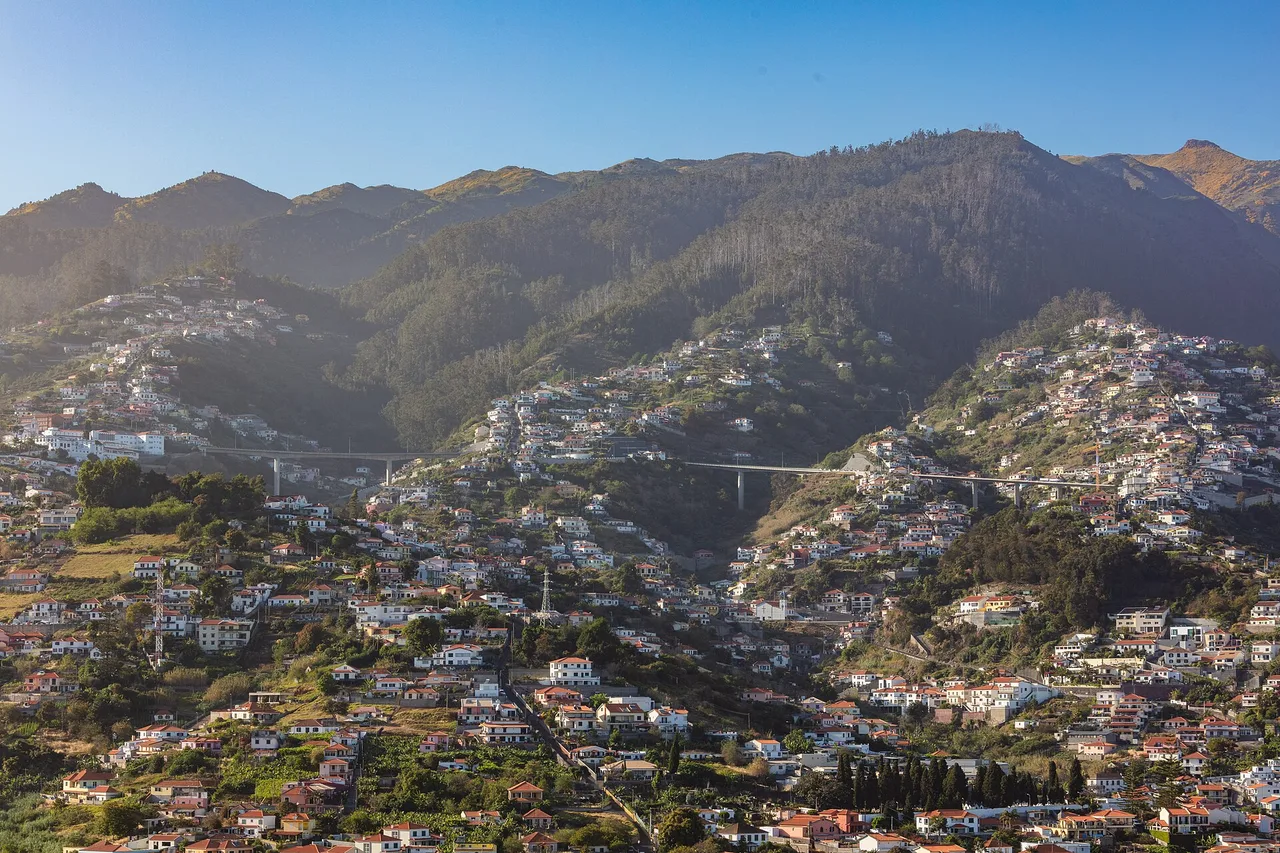
The VR1 is the island’s main artery: a 44-kilometre expressway between Ribeira Brava in the west and Caniçal in the east, passing Funchal and the airport. It has 30 tunnels; the longest, near Caniçal, is about 2.1 kilometres. You pay no tolls. Keep your lights on in tunnels and do not overtake there.
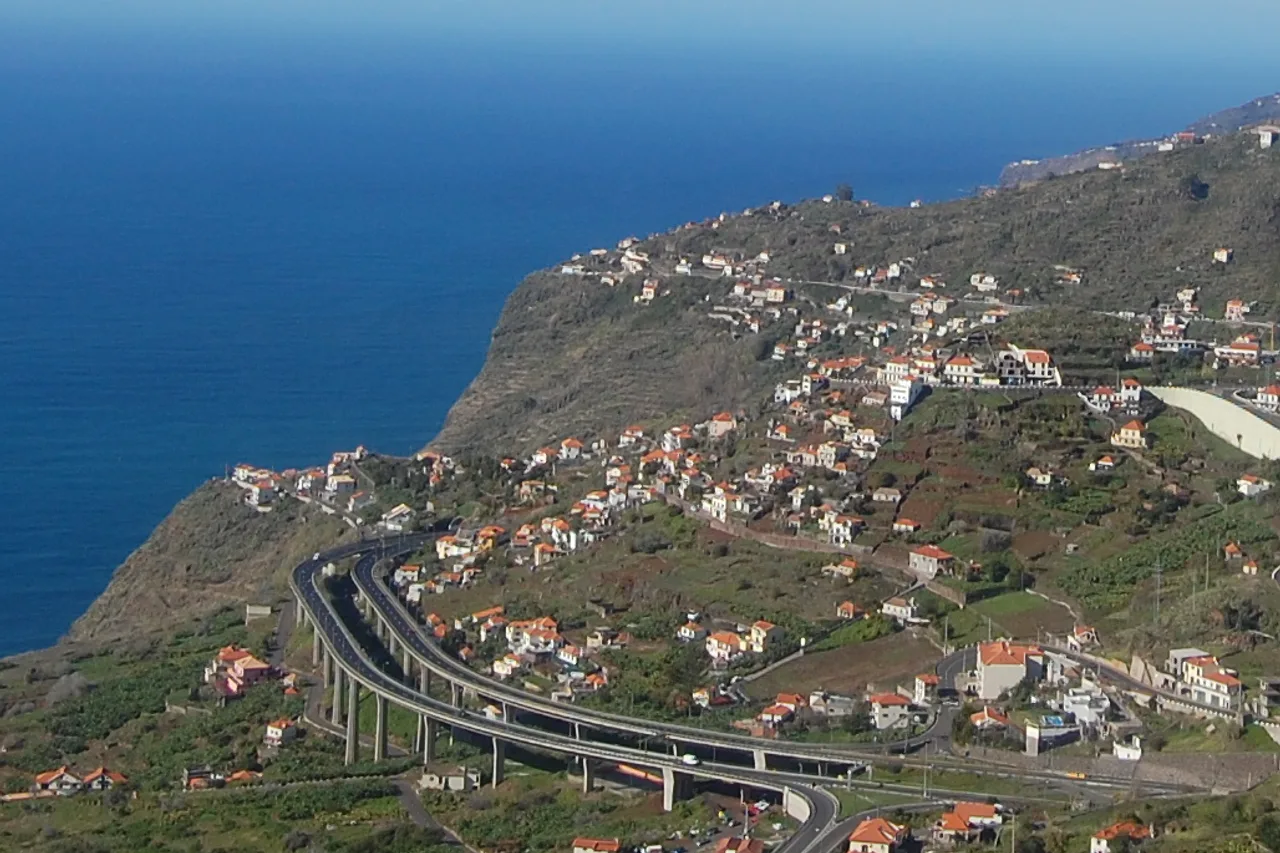
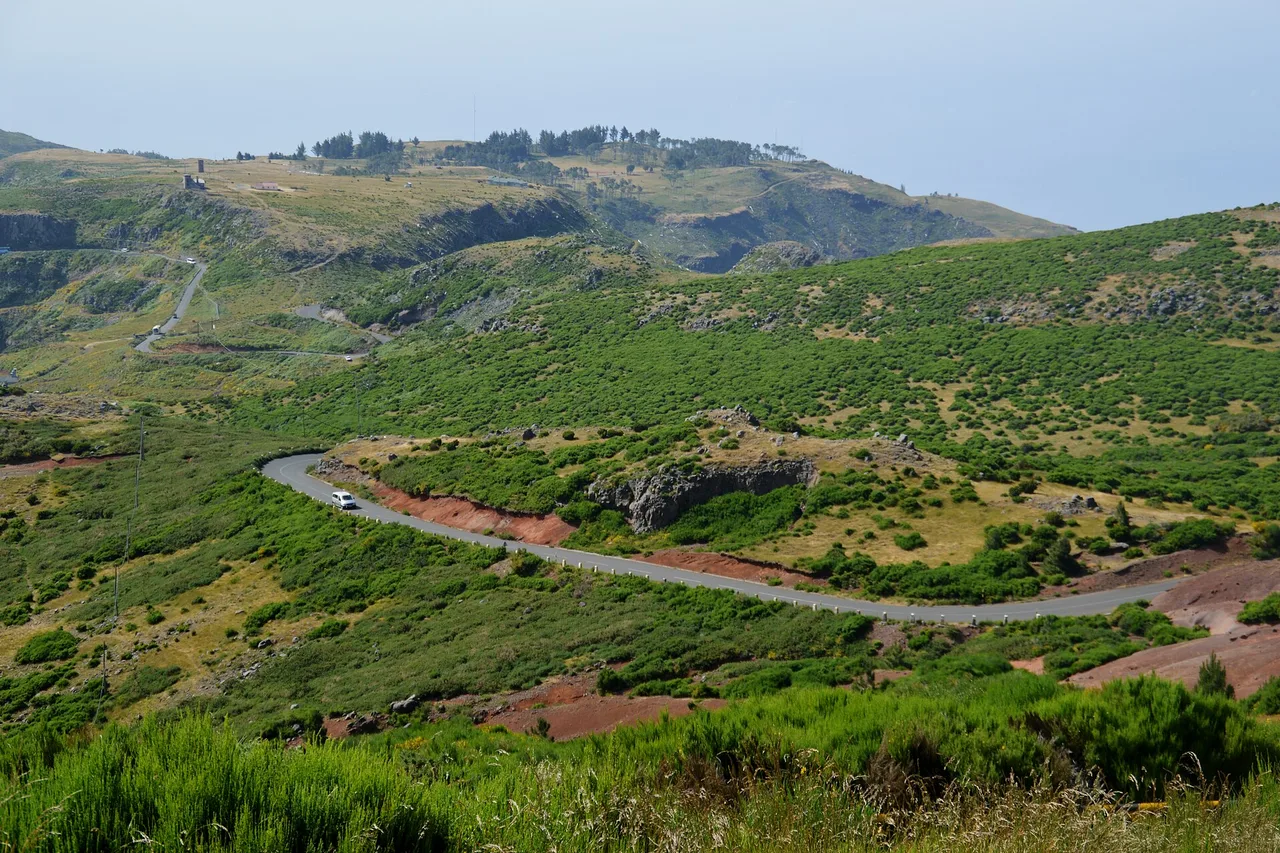
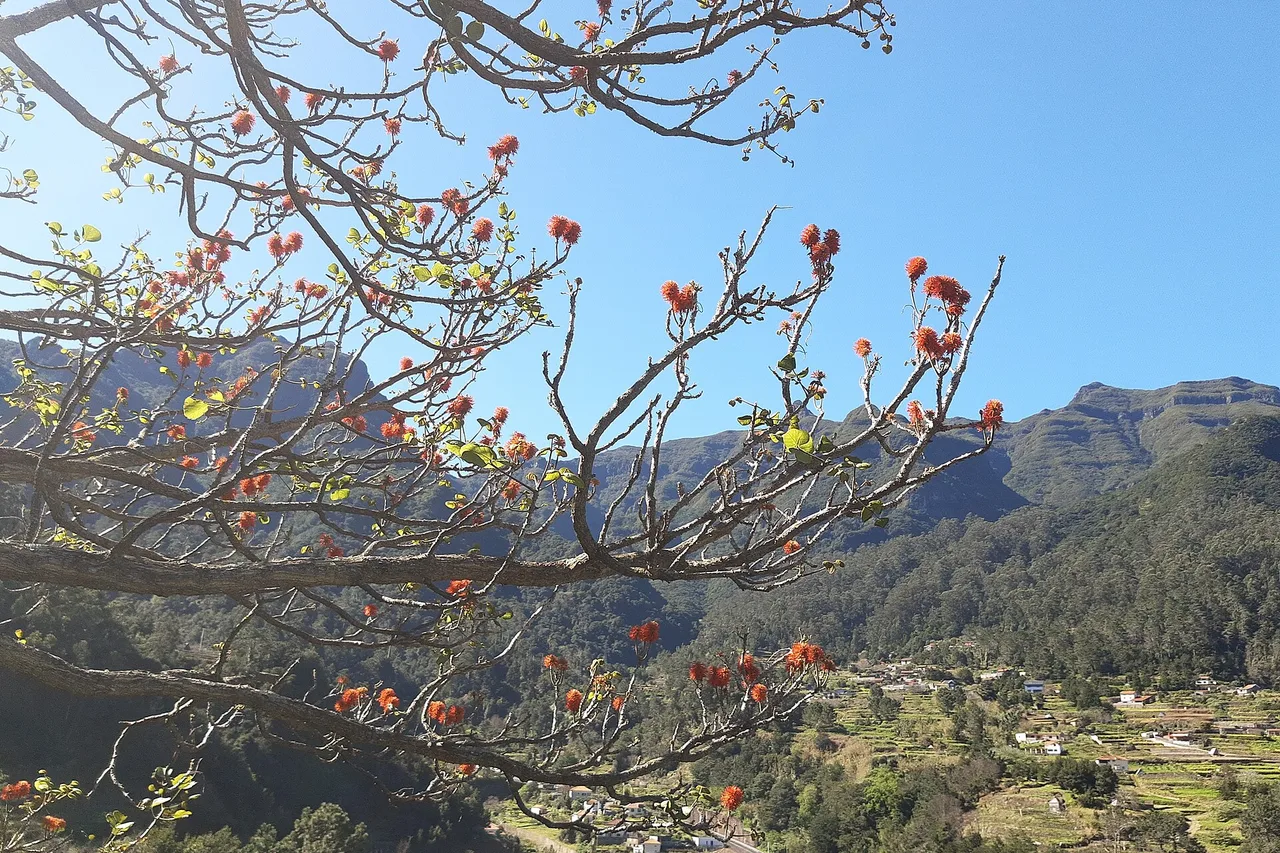
The mountain roads are the real test. They are steep, winding and often narrow. Three rules help:
- Go downhill in a low gear (2nd or 3rd; in an automatic, L or manual mode). Braking alone overheats the brakes.
- Give a short toot before blind bends and keep well to the right. Buses need the full width.
- Take fog seriously. At Pico do Arieiro or the Encumeada pass, you sometimes see only a few metres. Slow down, lights on – or turn back.
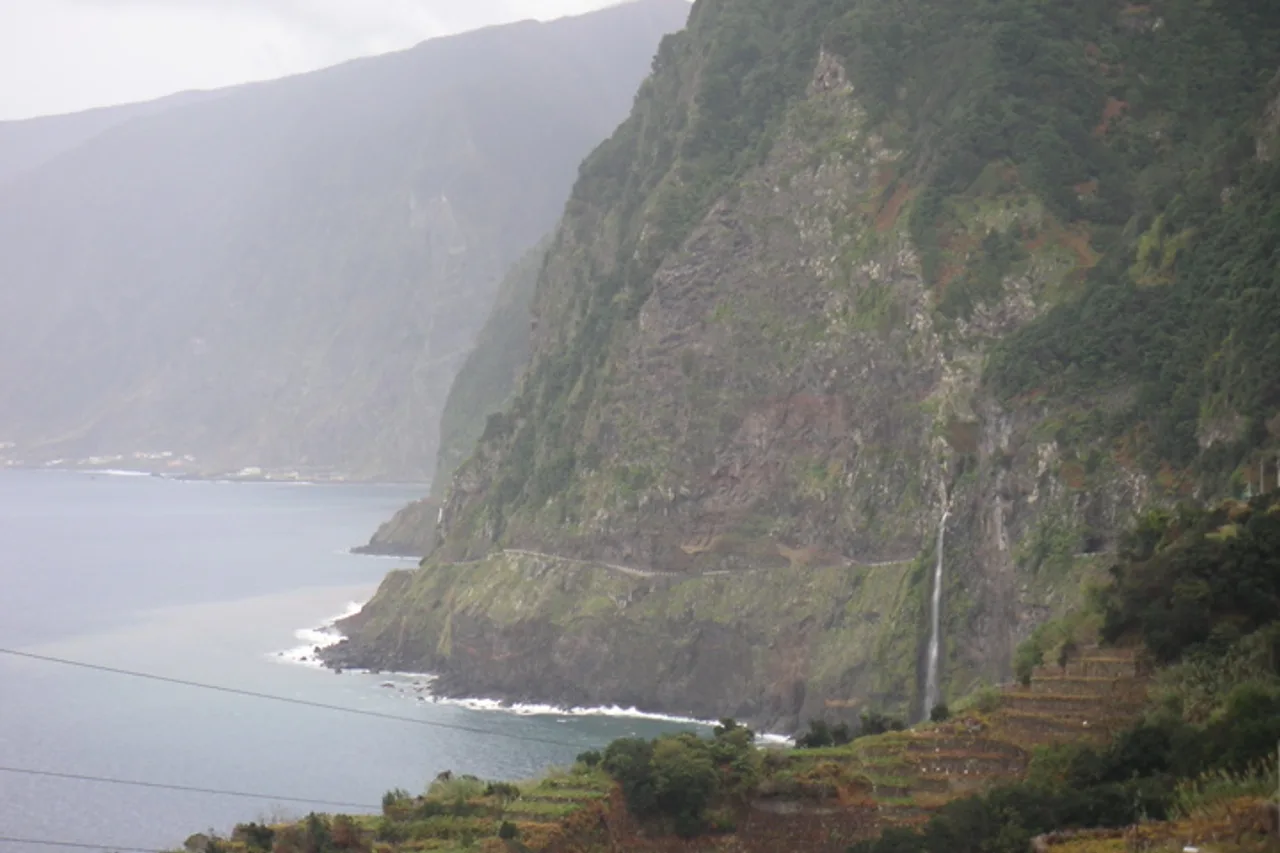
The old coastal roads, such as the old ER101 on the north coast, are spectacular. Many sections are now closed because of rockfall; the new roads run through tunnels. Respect the closure signs: they are there for a reason.
⏱️ Allow more time than your sat nav says. For hikes that means leaving early: the car parks at popular trailheads are small. Our best levada walks list the starting points.
The rules: speed, alcohol, licence
Portuguese traffic law applies in Madeira. According to the official EU portal “Your Europe”:
- Speed: 50 km/h in towns, 90 km/h outside built-up areas, 100 to 120 km/h on expressways and motorways – unless signs say otherwise. On the VR1 and in the mountains, lower limits are often posted.
- Alcohol: 0.5 g/l, and 0.2 g/l for novice and professional drivers. One glass of Madeira wine can be enough.
- Required in the car: reflective vest and warning triangle.
- Phone: hands-free only.
Licence: a licence from an EU country is valid throughout Portugal. With a licence from another country, ask the rental company before booking. The minimum age is set by each company; some charge a young driver surcharge. It is in the rental terms.
Fuel prices and parking
In Madeira the regional government sets maximum fuel prices every week. For the week from 19 October 2026 they were €2.035 per litre of unleaded 95 and €2.085 per litre of diesel. Stations may charge less, never more. The island is small: a week by car rarely takes more than one or two tanks.
Good to knowIn high season, cars get booked up fast and prices rise as the dates approach. Comparing local rental companies before you go lets you lock in the car and the rate in Portugal, with deposit and insurance shown upfront.
Rent a car in PortugalLocal rental companies on LocalrentParking in Funchal is usually paid: at the meter or by app, with a time limit. Read the sign on the street. Yellow lines mean no parking. The covered car parks in the centre are simpler. If your Funchal hotel has no parking, that is a good reason to pick up the car only from day three. Where to stay: our guide Where to stay in Madeira.
Taking the rental car to Porto Santo?
The Porto Santo Line ferry Lobo Marinho links Funchal with the neighbouring island of Porto Santo and also carries cars. The crossing takes about two and a half hours.
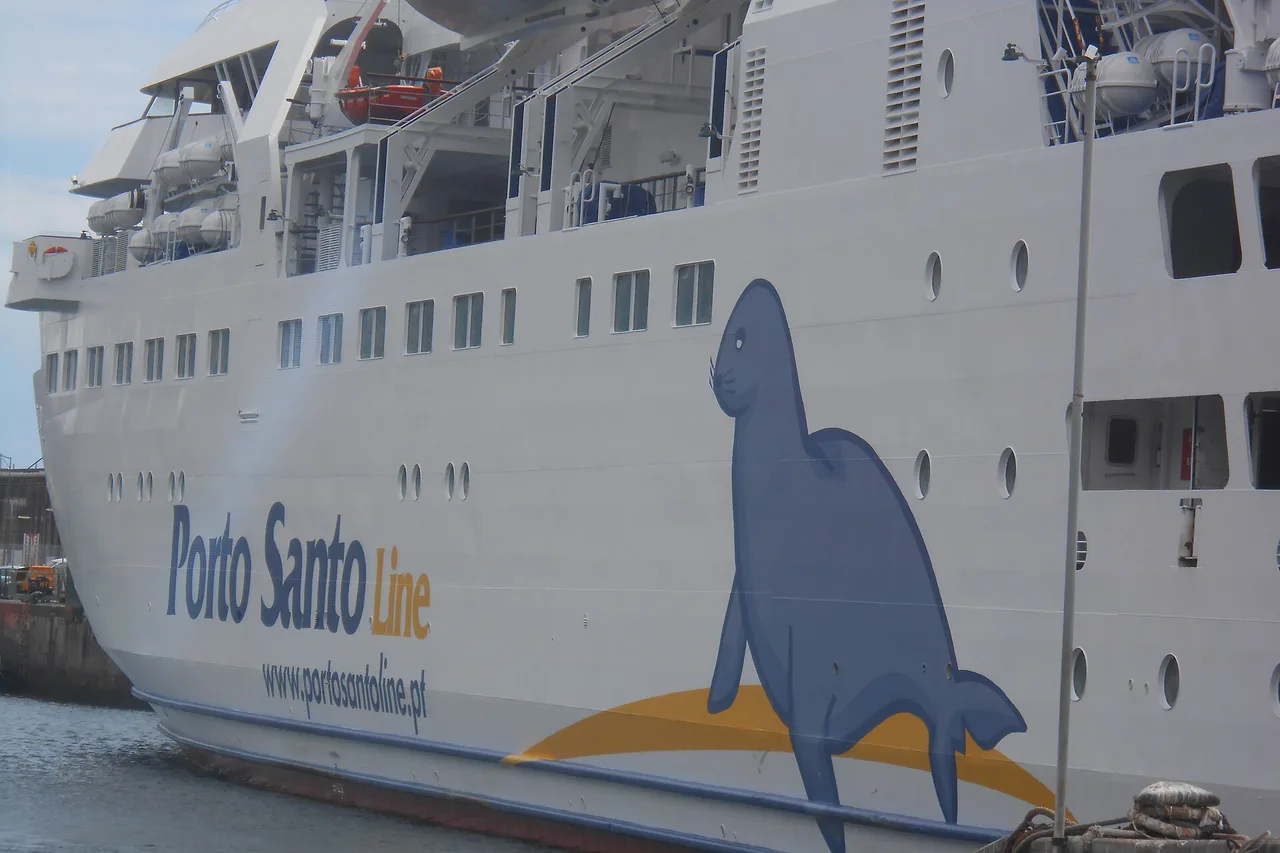
⚠️ Ask your rental company first. The contract says whether the car may go on the ferry. Without written permission, the insurance may not cover damage. Porto Santo is small and flat: for a day trip, many people leave the car in Funchal.
In short
- Compact car with enough power, automatic if hills worry you – book early.
- Credit card in the main driver’s name; without one, check the terms first.
- Understand the excess: rental company cover or separate reimbursement, read the exclusions.
- Photograph the car at pick-up, fuel “full to full”.
- Low gear downhill, horn before bends, turn back in fog.
- No tolls, fuel at weekly maximum prices.
If you are also planning a road trip on the mainland, the rules there are different, especially for tolls. Everything is in our guide Renting a car in Portugal: motorways and tolls.