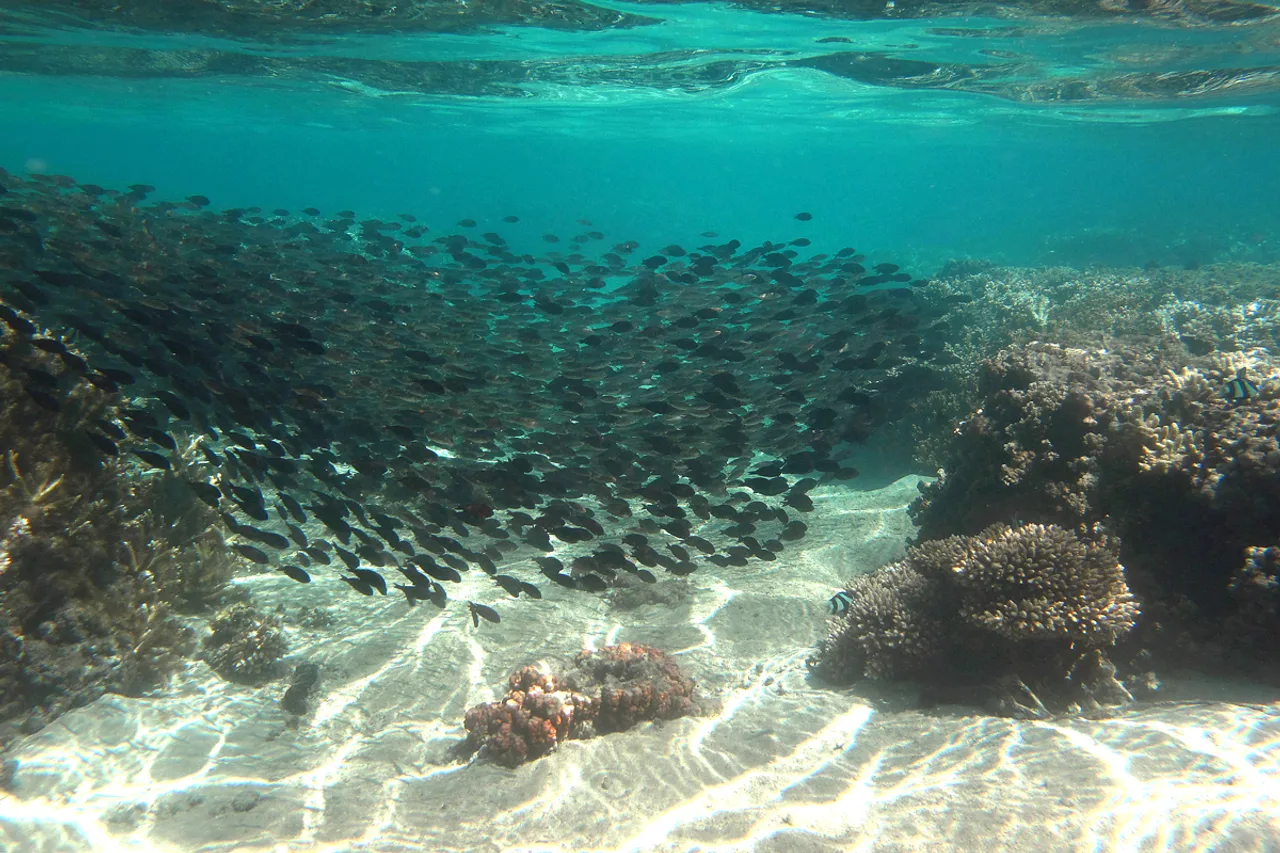
People come to Réunion for the peaks and the volcano — then discover the island’s second face below the surface: a protected coral reef, drop-offs falling into the blue, wrecks, and from July to September whale song as your soundtrack. This guide compares the sites from Saint-Gilles to Saint-Leu, gives real prices and explains what the marine reserve means for divers. Facts and prices checked on November 11, 2026.
Why Réunion is an underrated dive destination
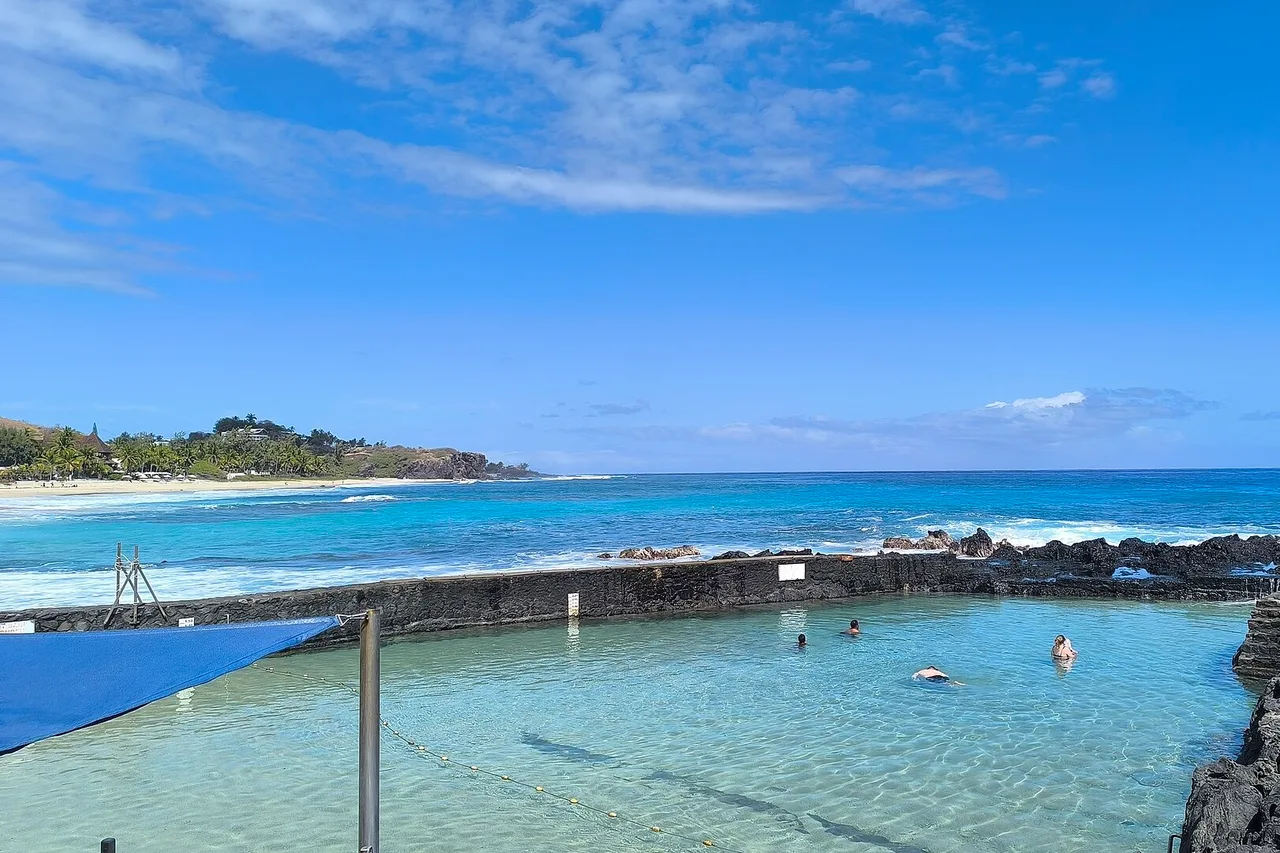
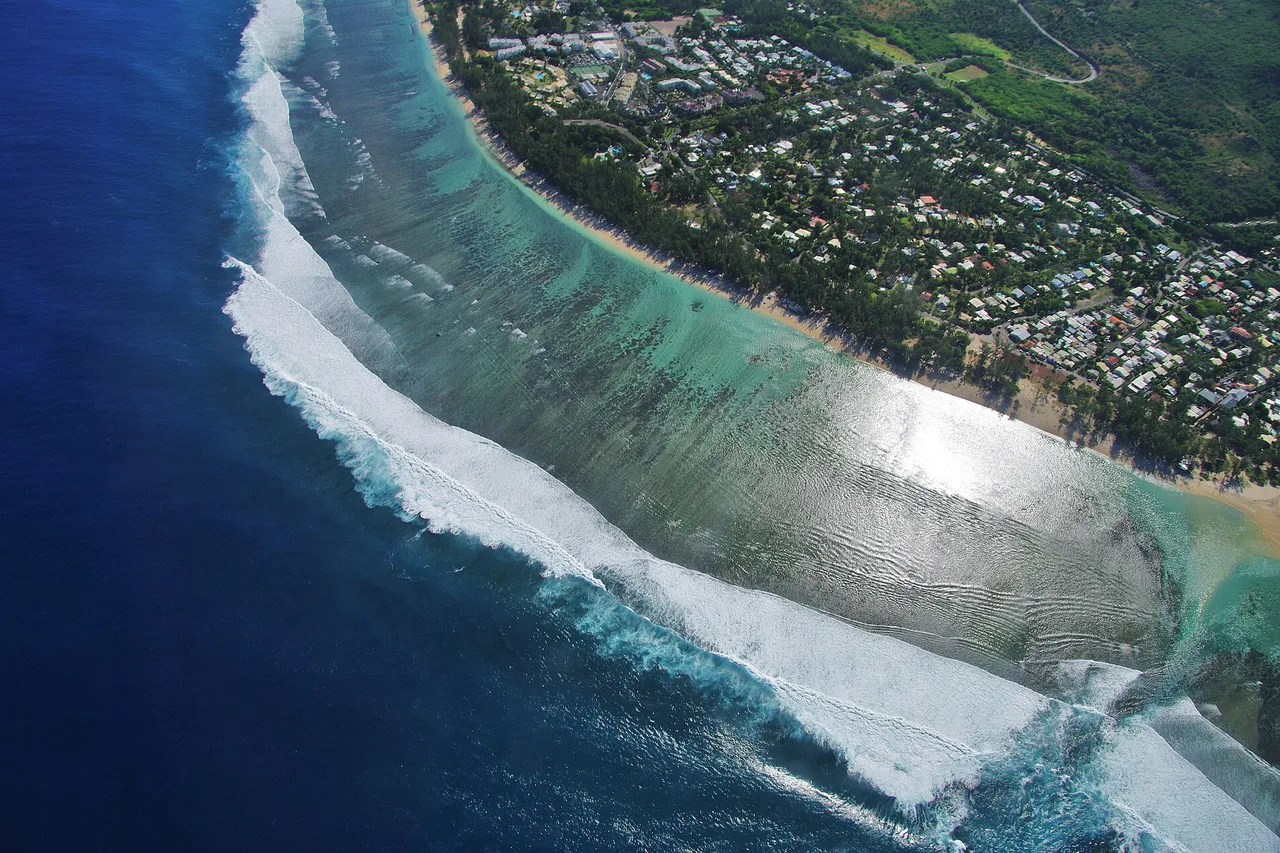
The west coast sits in the lee of the mountains: calm seas, good visibility, and a reef protected since February 2007 by the National Marine Nature Reserve — about 3,500 hectares along roughly 40 km of coastline between Cap La Houssaye and Étang-Salé, covering about 80% of the island’s reefs. Almost every dive site lies off this very shore.
The water is tropical: roughly 23 to 30°C depending on the season — a 5 mm wetsuit does the job in the austral winter, many dive in a shorty in summer. Diving runs year-round; conditions are most reliable from May to November. During cyclone season (November 15 to April 30) a trip can be cancelled at short notice — centres then refund.
And everything is a short boat ride away: dive centres cluster in Saint-Gilles, Saint-Leu and Étang-Salé, with 5-to-15-minute runs to the sites. If you are staying on the west coast anyway (our west coast guide), the reef is your neighbour.
Saint-Gilles: the barrier reef, Grouper Valley and the Hai Siang
Off Saint-Gilles the barrier reef steps down from about 10 to 25 metres: classic territory for your first Réunion dives — groupers among coral gardens, sites like the Petit Couloir and the Roches Merveilleuses, plus gardens of black coral. For a newly certified diver this is the natural starting point.
Right next door, the Vallée aux Mérous (“Grouper Valley”, around 20 metres) packs a lot of life into little space: brown groupers, surgeonfish, and with luck a leopard ray. A very rewarding first encounter with Indian Ocean fauna.
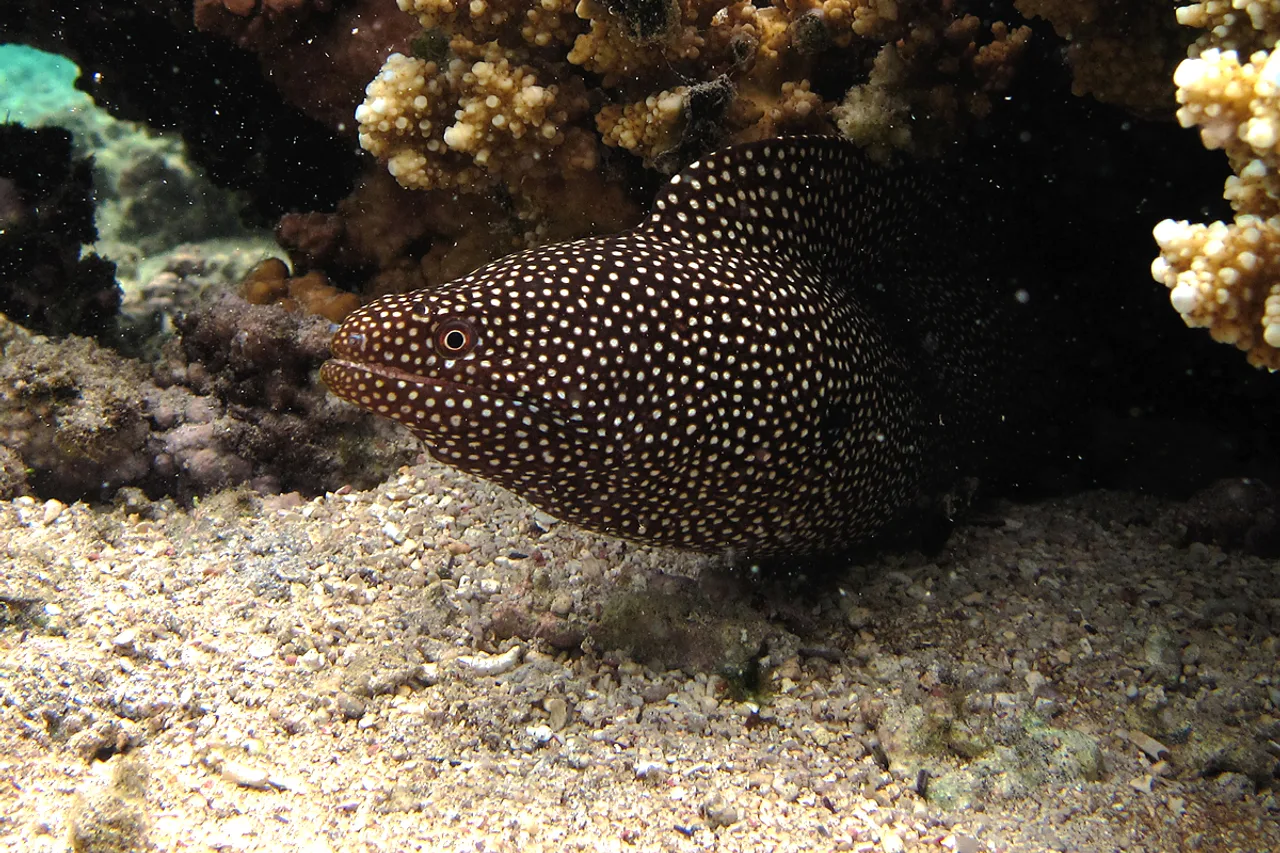
The island’s star wreck is the Hai Siang, a Taiwanese lobster boat sunk off Saint-Gilles — the most frequently scheduled wreck of Réunion’s dive centres, accessible from the second certification level. Gorgonians have colonised the hull, moray eels have moved into the openings; at night it ranks among the island’s most photogenic dives.
Saint-Leu: the Pointe au Sel drop-off
South of Saint-Leu lies the site many guides call the island’s finest: the Pointe au Sel drop-off — a wall tipping into the blue, hard corals on top, schools of fish riding the current line. Saint-Leu bay itself stays calm enough for first dives and training.
Keen on reef sharks? Head for the honestly named “Piège à requins” (“shark trap”, 25 to 30 metres, second level): in good conditions, reef sharks are sighted here regularly — the shy, harmless cousins of the species discussed on land. More on that in the safety chapter.
The deep wrecks: Antonio Lorenzo and Sea Venture
For experienced divers, the Le Port/Saint-Paul corner keeps two deep classics. The Antonio Lorenzo rests beyond 40 metres, reserved for third-level divers; rarely visited, the wreck is known for its unusually good state of preservation — centres offer it as a dedicated themed trip, not a standard exploration.
Deeper still lies the Sea Venture, a cargo ship that dive-site directories place at about 49 metres, not far from the Barge wreck. At these depths: very experienced or technical divers only, short bottom times, mandatory guide. For everyone else, the island’s most beautiful wrecks start shallower anyway.
Turtles, whales in your ears: the wildlife calendar
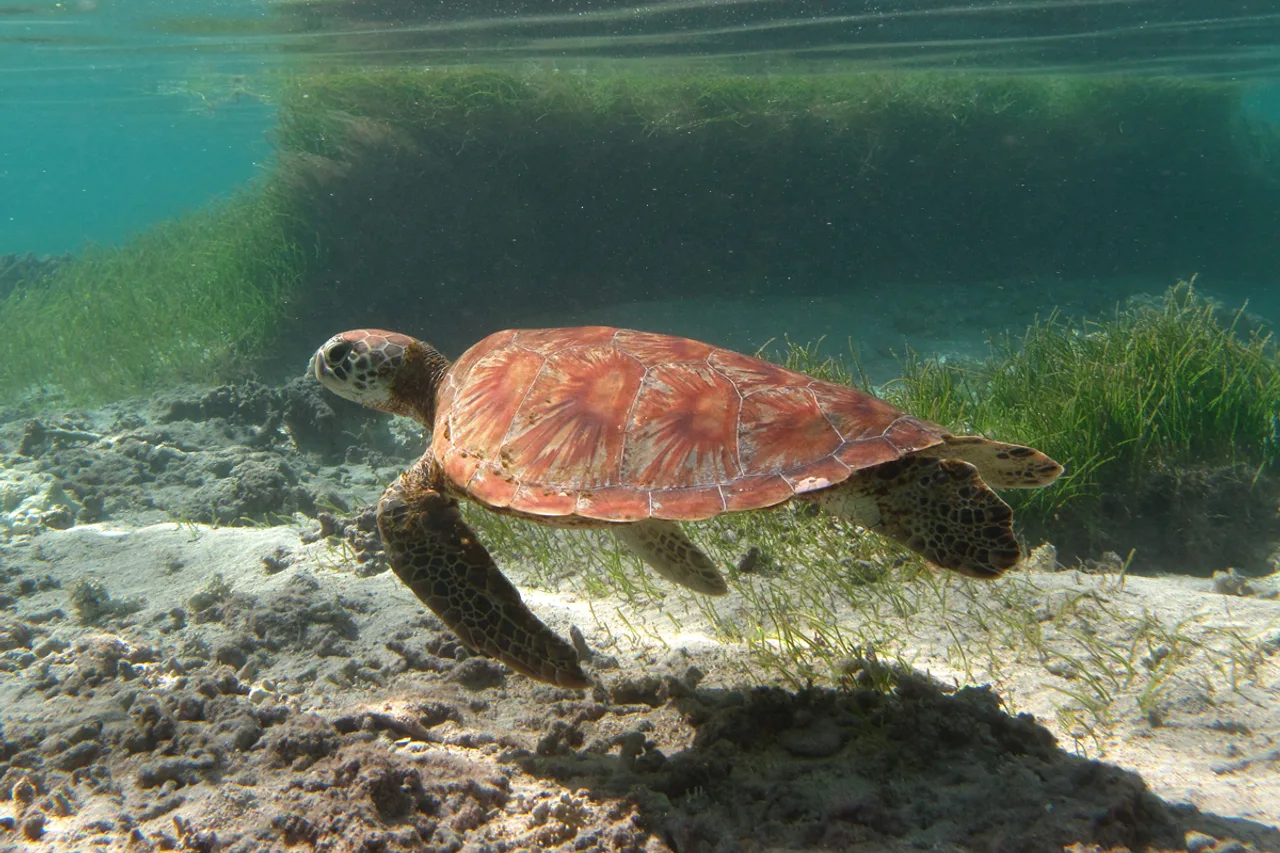
Green sea turtles star in many dives — even snorkellers meet them regularly in the northern part of the La Saline lagoon. In Saint-Leu, the Kélonia turtle observatory tells the story of their return to this coast.
From June to October, humpback whales cruise along the coast (regulated season July 1 to September 30). You do not scuba dive with the whales — in-water approaches are strictly regulated (guided snorkelling only, small groups, time slots). But the best part is free: in season you can often hear whale song right in the middle of a reef dive, carried for kilometres. Details in our whale guide.
Good to knowIn high season the best slots go fast: booking ahead lets you pick your time, and many activities can be cancelled free of charge up to the day before.
See activities in RéunionTours, tickets and day trips on GetYourGuideAdd dolphins offshore, rays over the sand patches, and in the lagoon (open to guided snorkelling since February 2025) a nursery of juvenile fish — our beach and lagoon guide tells you where.
Full guide: Things to Do in Réunion Island: 25 Unmissable Spots, Chosen by Locals
Try dives, prices, certifications: the practical part
Prices are fair for a French overseas department (as of November 11, 2026, “from” prices on booking platforms): try dive 75 to 90 €, guided exploration from about 45 to 65 €, autonomous dives for certified divers from about 45 € in Saint-Leu. Equipment is almost always included.
No certification is needed for a try dive — being able to swim and normal health are enough, and many centres take children from about age 8. The island runs on the French system (FFESSM levels N1 to N3), but centres are used to international guests: PADI/SSI cards are recognised and briefings are available in English.
Planning tip: put your dives at the start of the trip — if swell cancels an outing, there is time for a second attempt. And keep 18 to 24 hours without diving before your flight or a drive up the Maïdo (2,200 m): altitude right after diving is off-limits.
Safety, reserve rules — and the shark question, honestly
The honest answer first: Réunion’s shark risk is real, but it concerns surfers and swimmers outside supervised zones — ocean swimming has been banned outside the lagoon and supervised areas since the 2017 framework order. Guided scuba diving carries on as normal: centres run trips year-round, and divers on tanks are not what the debate is about. Meeting a reef shark means watching a shy animal keep its distance.
Inside the reserve the rules are clear: touch nothing, take nothing, feed nothing, and keep your buoyancy under control — every fin-kick into coral costs decades. Anchoring is banned in the reserve: clubs use fixed moorings and have booked their slots via a dedicated app since 2025. You can tell on the sites, in a good way.
One last calendar note: the best mix of clear water and encounters comes in late austral winter, August to October — visibility, whale song, turtles as standard. To plan the rest of the trip, see our when-to-go guide.