In Saint-Leu you take off from a green slope at 800 m and land twenty minutes later on the beach, right next to the sea turtles of Kélonia — in between, the turquoise lagoon scrolls beneath your feet. Réunion is one of the easiest places on Earth to try paragliding: around 300 flyable days a year, a dozen schools, tandem flights with zero experience required. This guide tells you honestly what a flight really costs, which one to choose — from a first flight to the big Maïdo run —, from what age, and what happens when the weather decides otherwise. Prices checked on 19 November 2026.
Saint-Leu, the paragliding capital of the Indian Ocean
About 90 % of all paragliding flights on Réunion launch from Saint-Leu, on the west coast. The reason fits in one image: a grassy slope facing the sea, stable air warmed by the lagoon and a steady breeze — adding up to close to 300 flyable days a year, a figure very few sites in the world can match.
The site is not only famous among beginners: the Paragliding World Cup held its finals here in 2003 and 2006 — the November 2006 edition won by Swiss pilot Christian Maurer —, a pre-World Cup ran here in 2015 (“Route des Tamarins”), and in October 2024 the Leu Air Festival once again filled the sky above the bay with international pilots. When conditions are on, wings line up over Saint-Leu the way parasols line up on other beaches.
Around a dozen schools and independent instructors share the site — enough competition to keep prices sensible and to find a slot even in high season, booking a classic flight one or two days ahead.
Among the site’s established schools: Adrenaline Parapente — founded by Lionel Lang, flying since 1989 —, Addict Parapente, Air Lagon and Tropic Parapente. The core trade is the same everywhere: morning tandems over the lagoon — comparing mostly matters for time slots and photo options.
The classic flight: from Les Colimaçons to the sand, over the lagoon
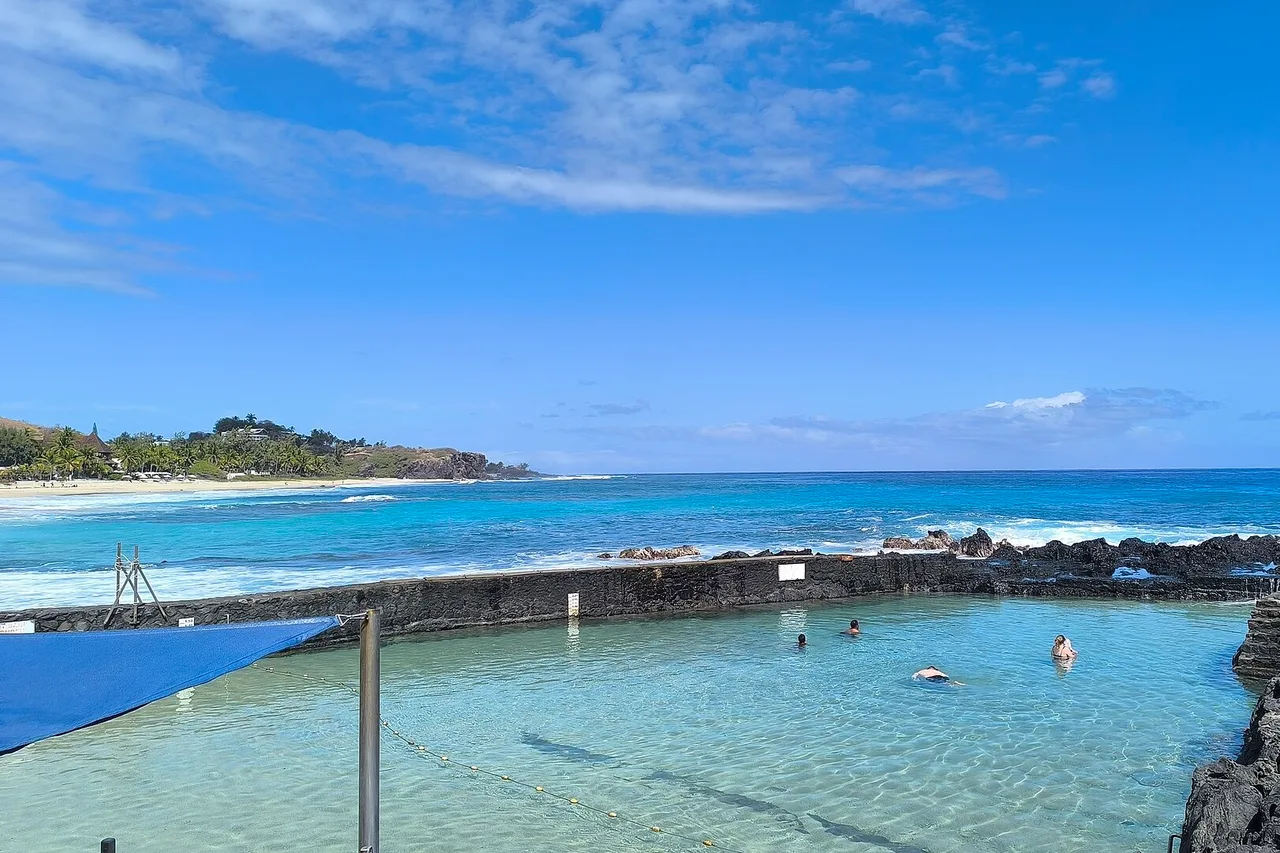
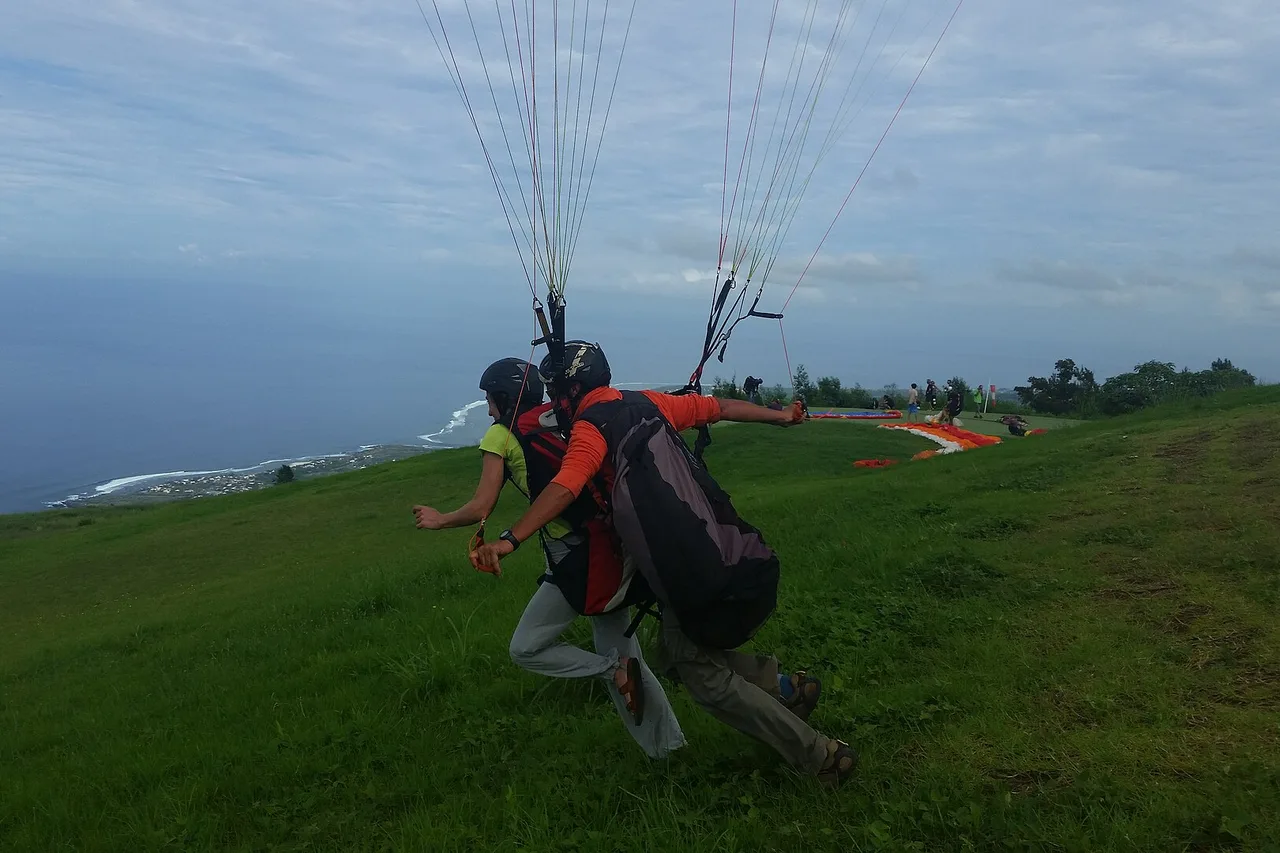
The signature flight launches from Les Colimaçons, in the heights of Saint-Leu, at around 800 m. After a few minutes of briefing, a few running steps beside your instructor — the wing inflates, and the ground drops away without a jolt. Ahead of you, the coral reef draws a white line across the blue, the lagoon turns turquoise, and the bay of Saint-Leu unrolls from end to end below.
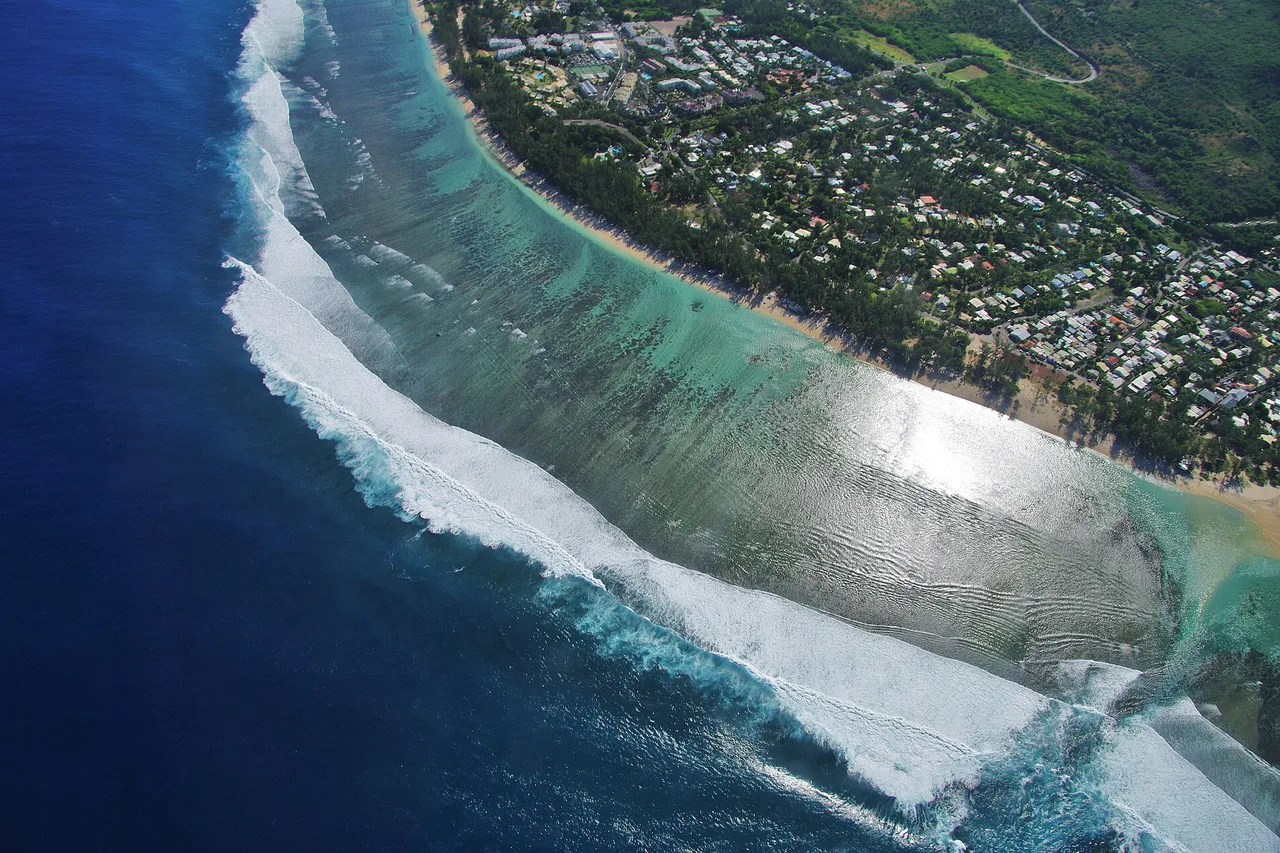
You land gently on the beach, right next to Kélonia, the sea-turtle observatory. Expect 20 to 40 minutes in the air depending on the package and the day’s conditions — the weather always has the final say, never the stopwatch.
No experience is needed: on a tandem, the state-certified instructor flies, you watch. And fear of heights is not the issue you expect: with no contact with the ground, the body loses the reference point that triggers vertigo — instructors repeat it before every first flight, passengers confirm it on landing.
What stays with you is the silence: once off the slope the wind carries you, the wing barely rustles, and below the water shifts from the deep blue of the open sea to pale turquoise behind the reef. Many passengers say it on landing: the 20 minutes felt like 5.
2026 prices: from first flight to the hour-long ride
The rates collected in November 2026 on booking platforms form a simple ladder: first flight of about 20 minutes from €99–120 · 25-to-40-minute flight around €100–140 · long packages from the 1,500 m take-off up to about €165. In-flight photos and videos, shot by your instructor, add €15 to €20.
Good to knowFlight prices often rise as departure gets closer: comparing now, and checking nearby dates too, is often enough to bring the bill down.
Compare flightsCompare airlines on AviasalesTwo honest caveats. These are platform prices on the day of our survey: confirm the exact rate with the school when you book. And a “20 to 40 minutes” range depends on the day’s conditions — nobody can guarantee flight time to the minute, so be wary of anyone who promises it.
Full guide: Flights to Réunion Island: real prices, routes — and when to book
Overall, paragliding on Réunion spans from €75 for the shortest flights to over €300 for the longest. You book online through the platforms or directly with the school — for a classic lagoon flight, one or two days ahead is usually enough.
The big flights: Maïdo and Dimitile
The Maïdo flight is the adventure-story version: departure around 5 am, drive up to the take-off at about 2,200 m — just below the Maïdo lookout (2,205 m) over the Mafate cirque —, then more than 40 minutes of descent and some 15 kilometres down to the beach of Saint-Paul bay or the Pointe des Châteaux near Saint-Leu. Allow the whole morning, from about €300, minimum age 8.
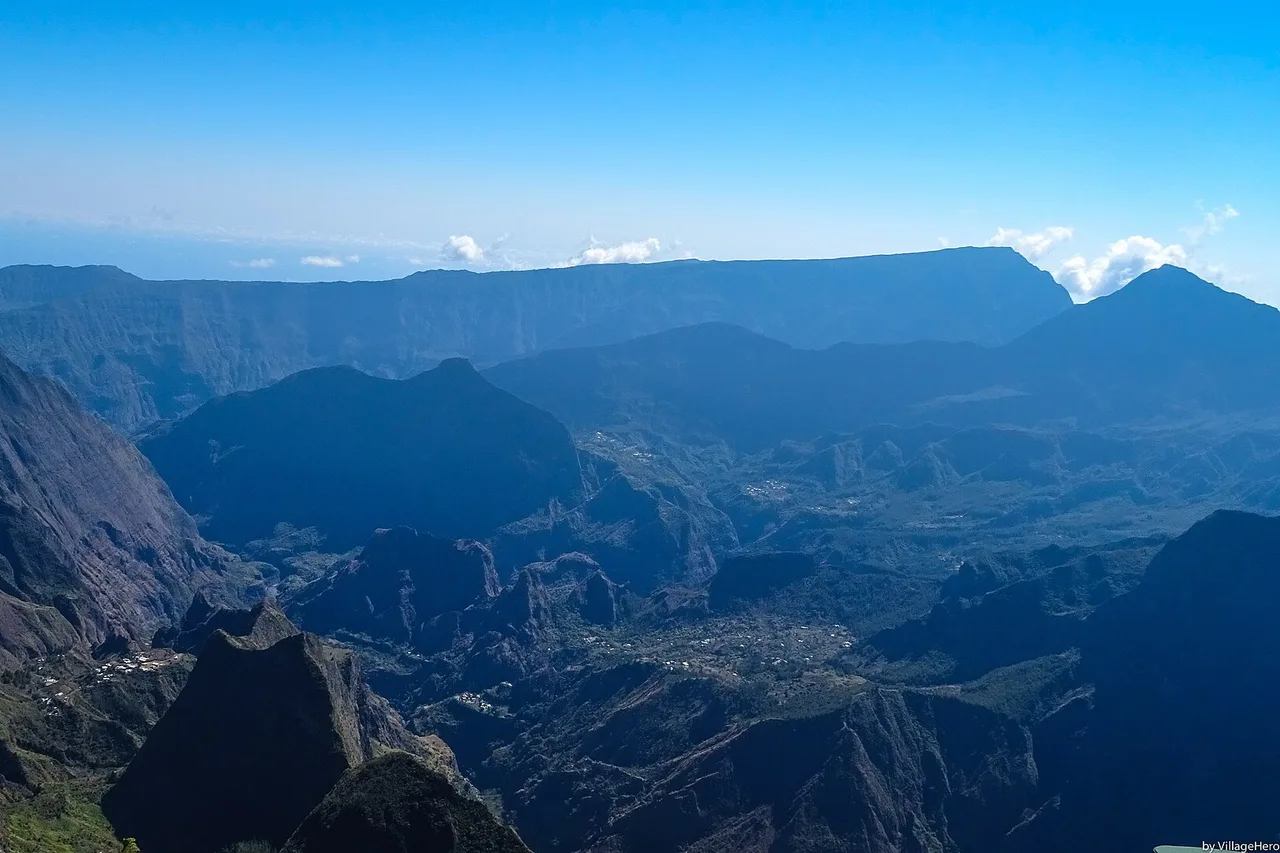
The other big flight is more confidential: the Dimitile, on the flank of the Cilaos cirque above the village of Entre-Deux. You land at the village stadium — but you reach the take-off on foot (a 1 h 30 walk) or by 4x4 (about 50 minutes): half a day for 30 to 40 minutes of flight, from €189. Book these mountain flights at least a week ahead: they only go when the air is perfect.
Who can fly? Ages, weight, fitness
Tandem flying is surprisingly open. Some schools take children from age 3, accompanied by an adult; the Maïdo flight requires a minimum age of 8. At the top end there is no posted age limit — and a maximum weight of around 120 kg, depending on the instructor. No particular fitness is required: a few running steps at take-off, the wing does the rest.
The school provides the harness and helmet. Your part: closed shoes, a windbreaker — it is cooler at 800 m than on the beach — and sunglasses. You fly seated in a harness, like an armchair.
When to fly: mornings, almost all year round
The golden rule is one word: morning. The air is more stable, thermals gentler, visibility at its best — schools schedule most tandems between sunrise and midday; in the afternoon the wind picks up. Add the west coast’s microclimate: around Saint-Gilles and Saint-Leu, less than 700 mm of rain falls per year, while the east gets 3,000 to 5,000 — the sky above the take-off is blue more often than almost anywhere else on the island.
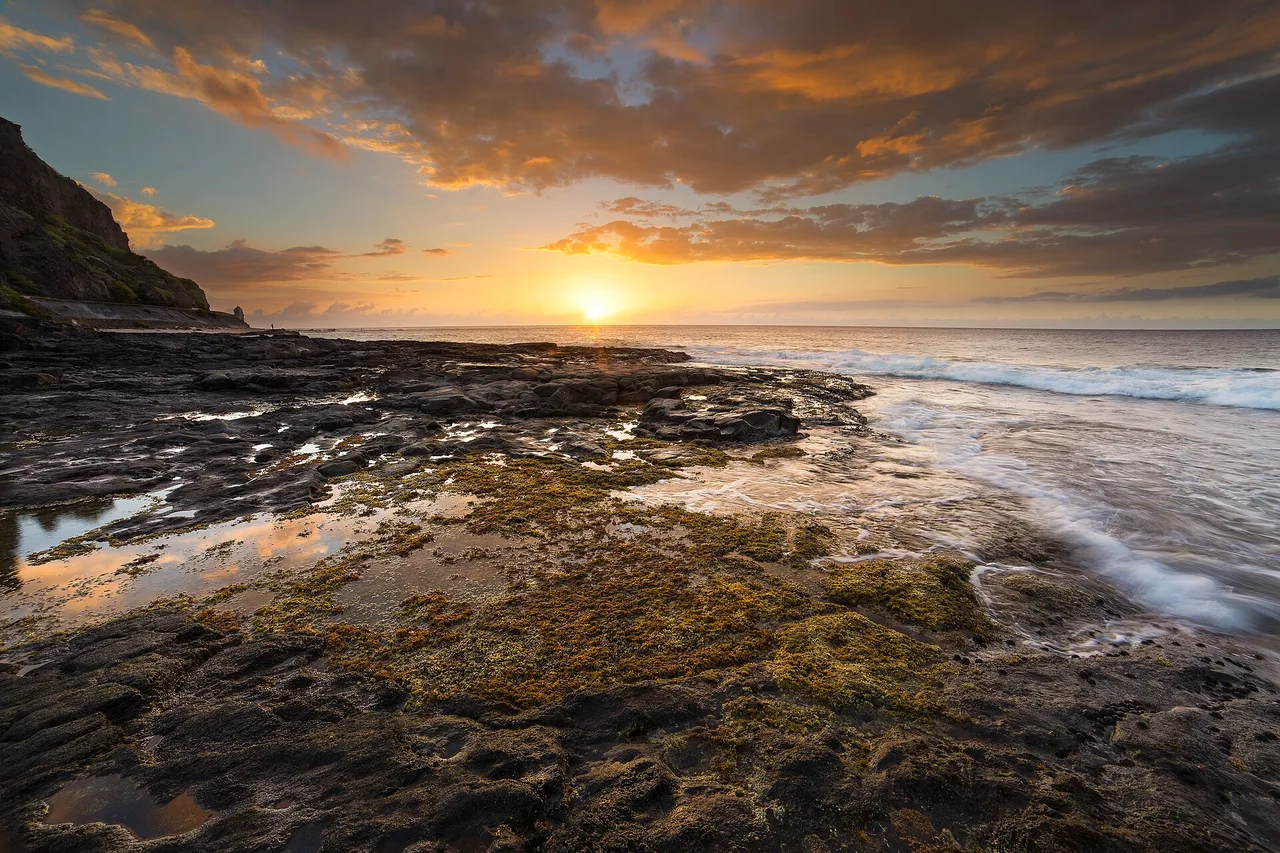
Across the year, Saint-Leu flies in every season — hence the ~300 days. Honesty requires a line: the southern summer is hot and humid, the cyclone season officially runs from 15 November to 30 April, and any alert cancels everything. Our advice: plan the flight early in your stay. If the weather postpones it, you still have days to try again — the school simply gives you a new slot. The best months are discussed in our guide to the best time to visit.
One last tip that costs nothing: even without flying, the site is a show. From the landing field by the beach or from the Colimaçons take-off, you can watch wings launch, spiral and flare all morning — a good way to size up the activity (and your own nerve) the day before you book. If the sky above Saint-Leu is full of wings, conditions are good; if it is empty on a sunny day, the wind has likely turned.
Logistics: getting there, combining, budgeting
Saint-Leu is reached via the Route des Tamarins expressway; in practice a rental car remains the simplest tool (city car from about €35 a day at the airport outside holiday peaks — the pitfalls are in our car rental guide), while the Car Jaune bus helps out (€2 to €15 a ride).
Good to knowIn high season, cars get booked up fast and prices rise as the dates approach. Comparing local rental companies before you go lets you lock in the car and the rate in Réunion, with deposit and insurance shown upfront.
Rent a car in RéunionCompare rental companies on Discover Cars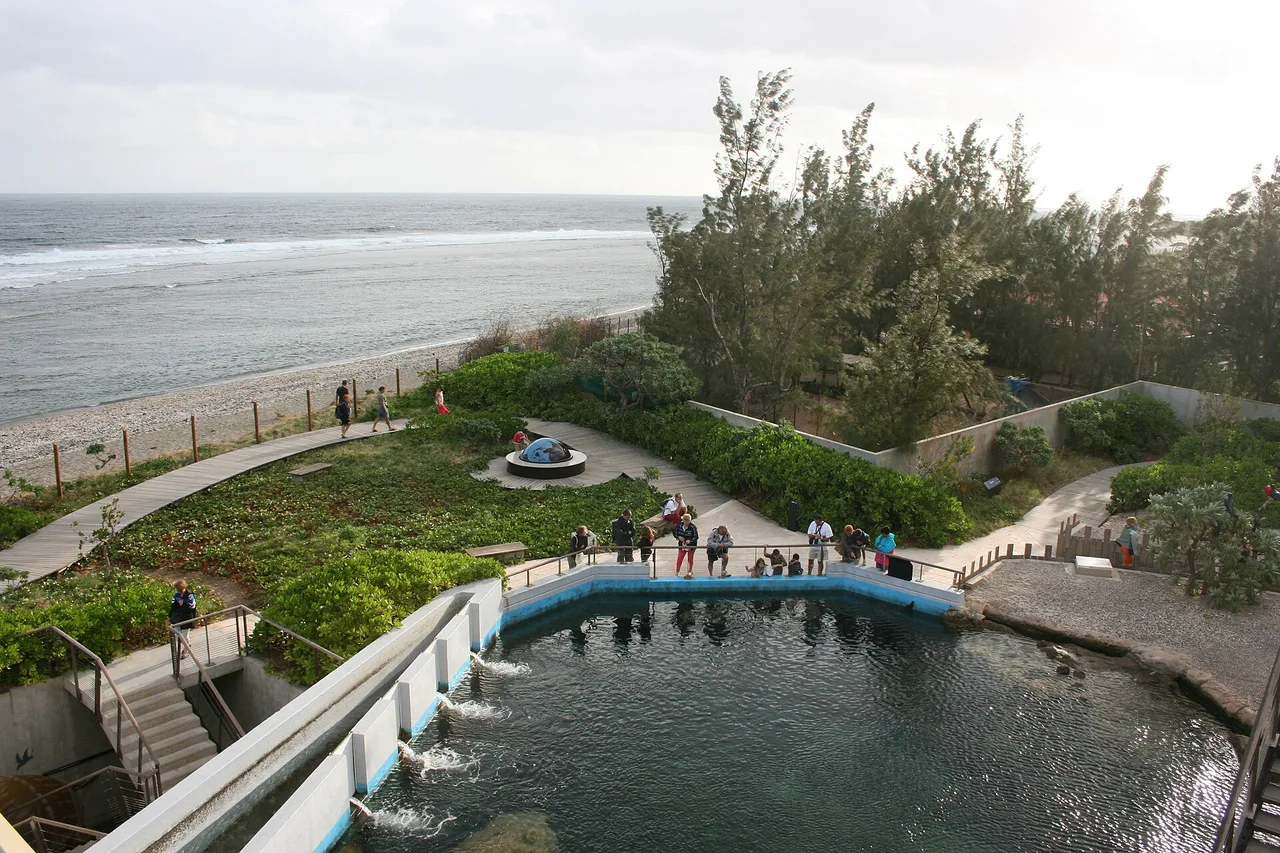
The flight combines naturally with the rest of the west coast: you land next to Kélonia (€9 adult, €6 for ages 4–12), the Ermitage lagoon is fifteen minutes away — the whole shoreline is in our west coast guide, and the money side in our budget guide.
And if the weather grounds the wings, the island keeps a second window on the sky: helicopter tours start at €99–160 per person — less contemplative, just as memorable.