The west is Réunion’s sunny side: the leeward coast, home to the lagoon, the white-sand beaches and almost every sunset of your trip. This guide walks through Saint-Gilles-les-Bains, L’Hermitage and La Saline: where to snorkel, where to swim safely, what the resort town is really like — and what is currently closed. Facts and prices checked on 23 October 2026.
Why everyone ends up on the west coast
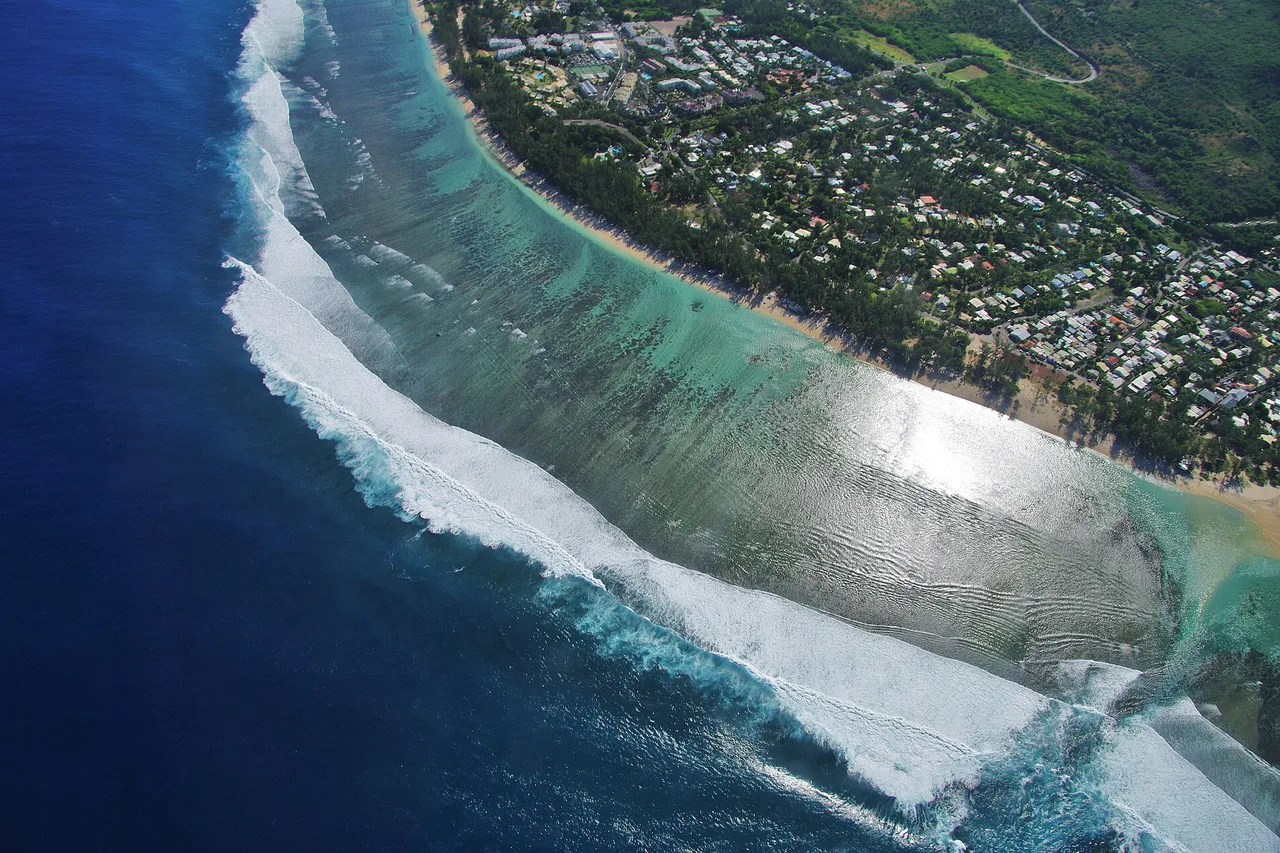
Réunion is an island with two faces, and the trade winds draw the border: the east catches the clouds and gets 3,000 to 5,000 mm of rain a year, while Saint-Gilles in the west receives less than 700 mm. The “leeward coast” is the driest, sunniest corner of the island, and all of its beach life gathers here: between Cap La Houssaye in the north and La Saline-les-Bains in the south stretch the lagoon, the white beaches and the beach bars.
The numbers tell the same story: according to INSEE (late 2025), the west coast counts 2,016 hotel rooms — 53% of the island’s entire supply. Hikers often sleep up in the mountains; anyone after lagoon, sun and sea lands in Saint-Gilles sooner or later. The two combine beautifully: the Maïdo viewpoint (2,205 m), a balcony over the Mafate cirque, sits right above — sunrise at the rim in the morning, fins in the lagoon by afternoon.
Saint-Gilles-les-Bains: the island’s resort town
Saint-Gilles-les-Bains is Réunion’s tourist heart: a marina, streets of restaurants and ice-cream shops, Roches Noires beach in town and L’Hermitage just behind. This is where dive centres, boat trips (dolphins, whales, sunset catamarans) and nightlife concentrate — nowhere else does this volcanic island play the seaside resort quite so well.
One thing worth knowing in 2026: the Aquarium de La Réunion, by the marina, has been closed since 17 August 2026, with no reopening date announced when we checked on 23 October. Check the official website before making it your rainy-day plan.
The Hermitage lagoon: snorkelling in the marine reserve
South of Saint-Gilles begins what most visitors come for: the Hermitage lagoon, shallow, crystal-clear and sheltered from the swell by the reef. Beneath the casuarina trees (filaos) lies the island’s best-known beach; in waist-deep water swim parrotfish, surgeonfish and, with a little luck, a moray eel between the coral heads. No ticket, no tour: a mask is all you need.
Full guide: Things to Do in Réunion Island: 25 Unmissable Spots, Chosen by Locals
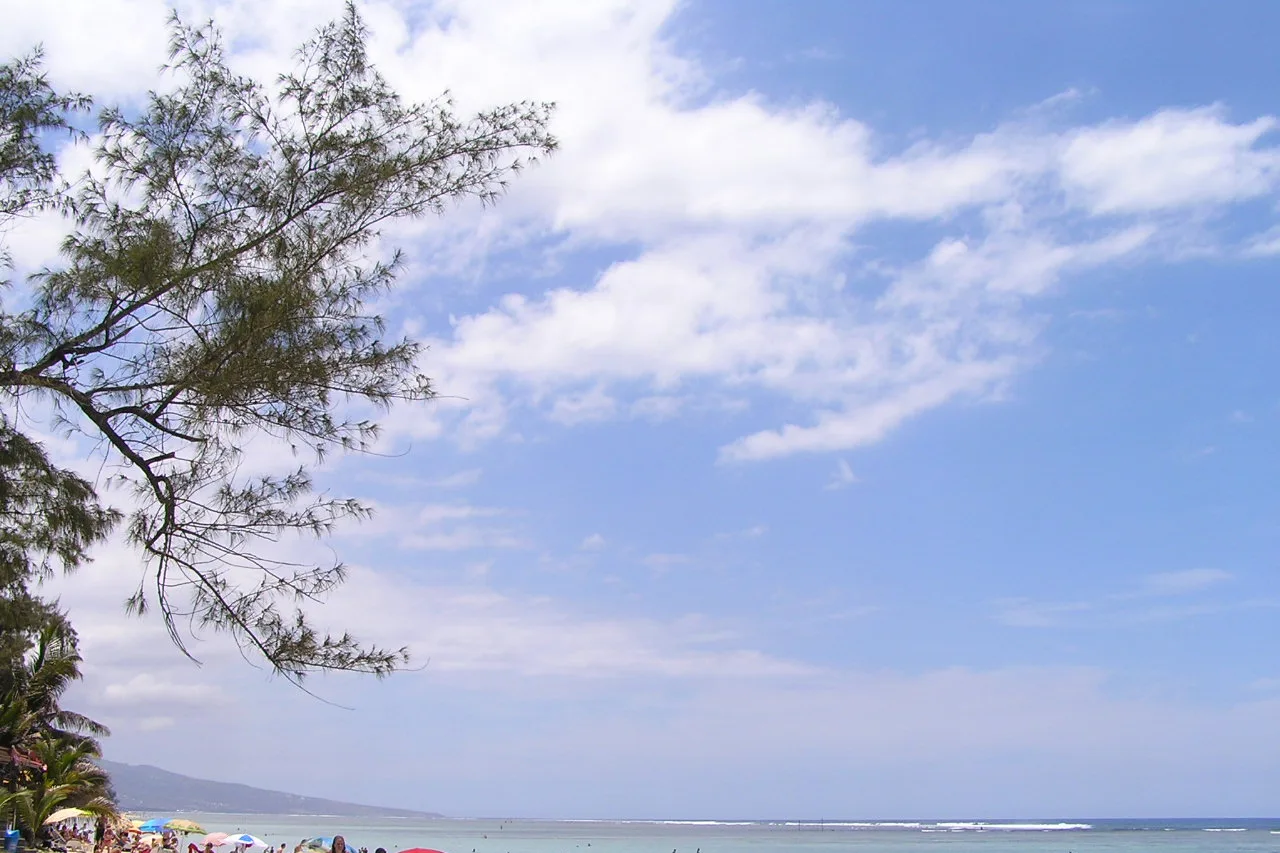
The whole lagoon sits inside the Réunion National Marine Nature Reserve, created in February 2007: about 3,500 hectares along roughly 40 km of coast, from Cap La Houssaye to L’Étang-Salé — close to 80% of the island’s coral reefs are protected within it. Snorkelling (fins, mask, snorkel) has been explicitly allowed in the lagoon since 12 February 2025; the rules remain strict: touch nothing, feed nothing, take nothing — and never stand on the coral. Reinforced-protection zones, marked on site, add their own restrictions.
La Saline-les-Bains and Trou d’Eau: turtles in the seagrass
Follow the beach south and the mood softens: La Saline-les-Bains and Trou d’Eau are where Réunionese families picnic — blankets under the filaos, paddleboards on the water, snack bars facing the lagoon. The water is as clear as at L’Hermitage, but the towels are further apart.
For a moment apart, aim for the northern part of the La Saline lagoon: that is where your chances of meeting a green sea turtle grazing the seagrass are best. Keep your distance and don’t chase — it will often stay for long minutes. No guarantees though: to see turtles for sure, take a boat trip or bring the patience of a calm morning.
Boucan Canot, Cap La Houssaye and the whales
North of Saint-Gilles, Boucan Canot is the island’s most fashionable beach: a bay of pale sand, beach bars, rocks at both ends — there is no reef offshore here, so you swim in the supervised, net-protected zone (more on that below). In the evening the promenade fills up for sunset.
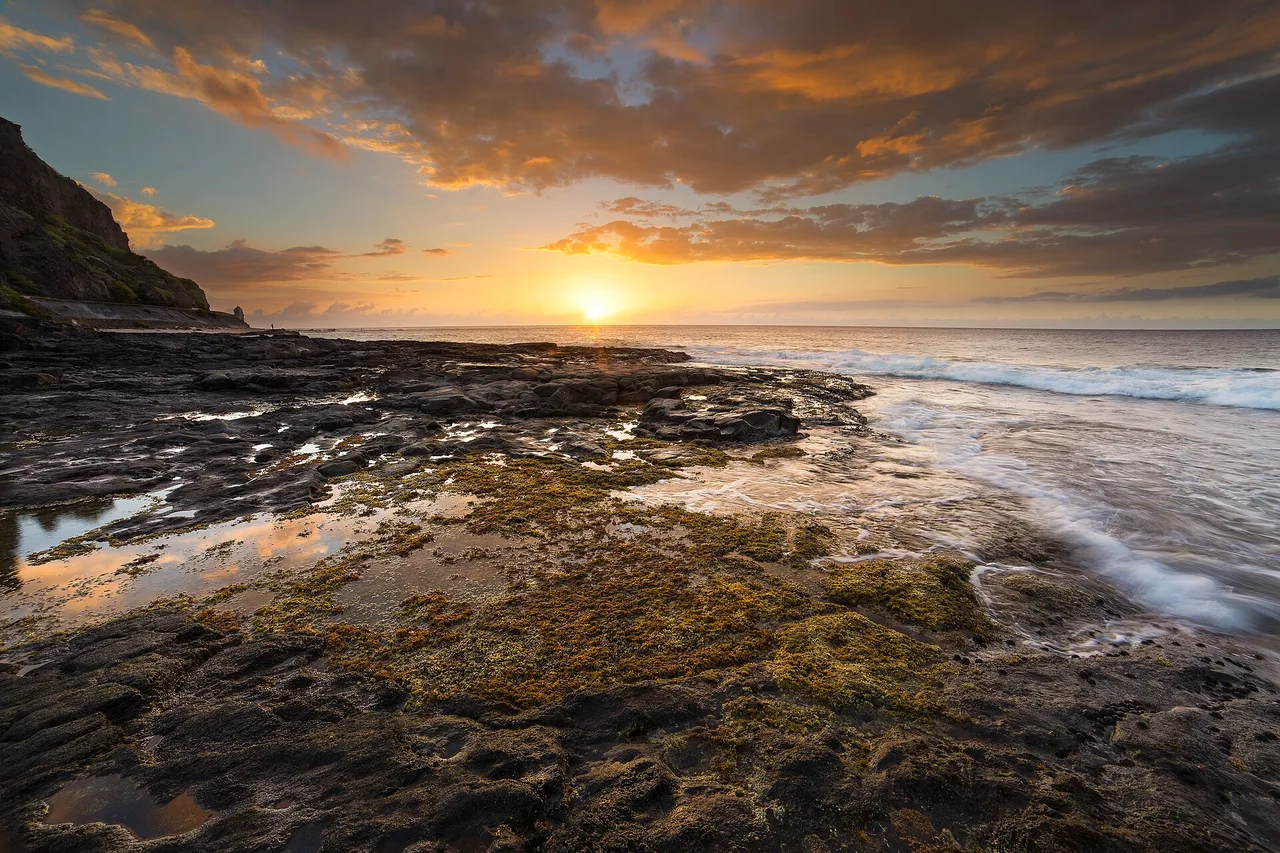
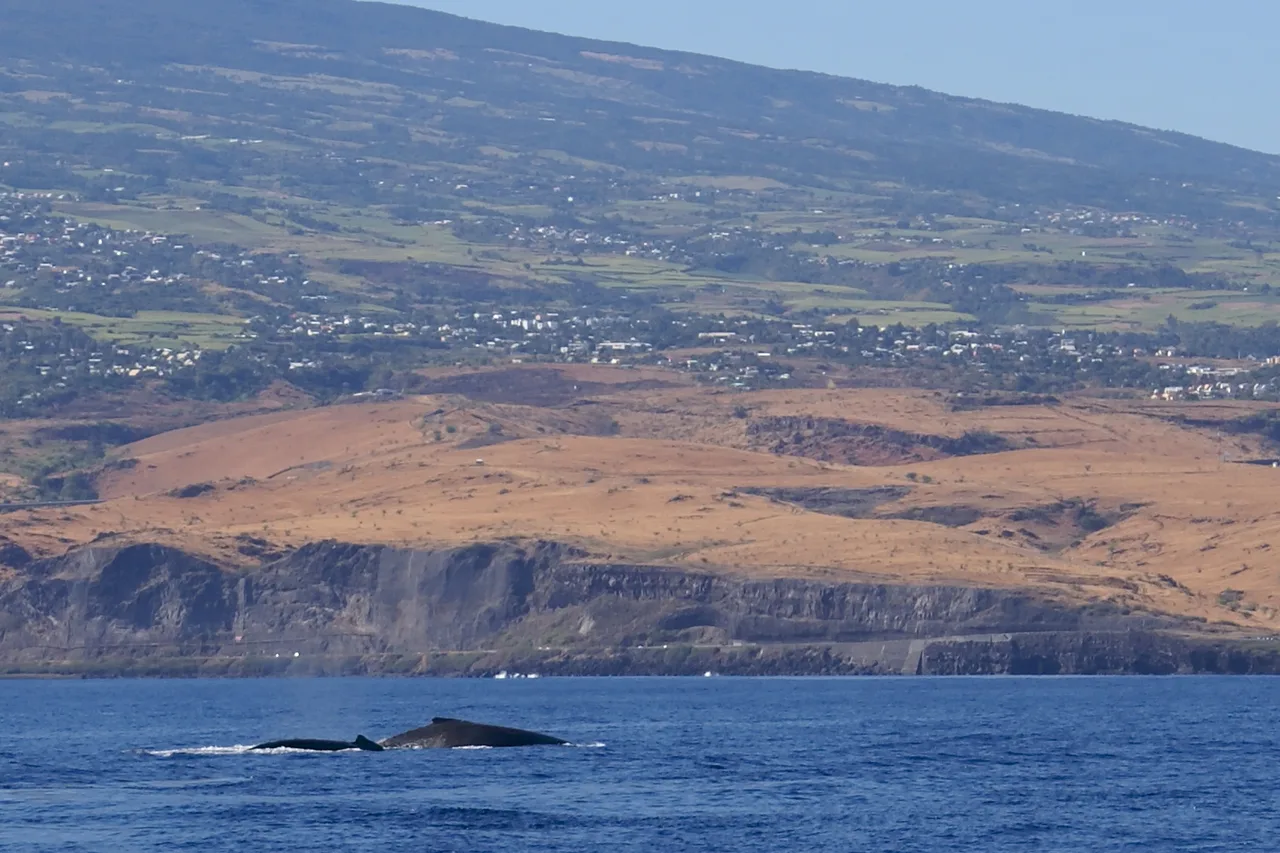
Just beyond begins the savanna of Cap La Houssaye — golden grass, volcanic rock, and from July to September one of the island’s best posts for watching humpback whales from land. Boat approaches are strictly regulated (supervised season 1 July to 30 September, trips €40–90); from the shore, all it takes is patience and binoculars. Our whale-watching guide covers season, rules and operators.
Where can you swim safely on the west coast?
The honest answer every Réunion traveller should know: on Réunion, you do not swim in the open sea. Since the framework decree of 8 February 2017, swimming is banned outside the lagoon and the supervised zones — the reason is sharks, and the rule is taken seriously. What remains is plenty: the entire lagoon from L’Hermitage to La Saline, shallow, warm and reef-sheltered, plus the supervised, net-equipped swimming zones at Boucan Canot and Roches Noires.
Two useful details: the nets are removed as a precaution when the swell tops 1.50 m — on those days the zone closes and the beach flags say so. And at low tide the lagoon gets very shallow: reef shoes spare both your feet and the coral. Every beach, zone and rule in detail: our guide to Réunion’s beaches.
Saint-Paul and the heights: market, history, Maïdo
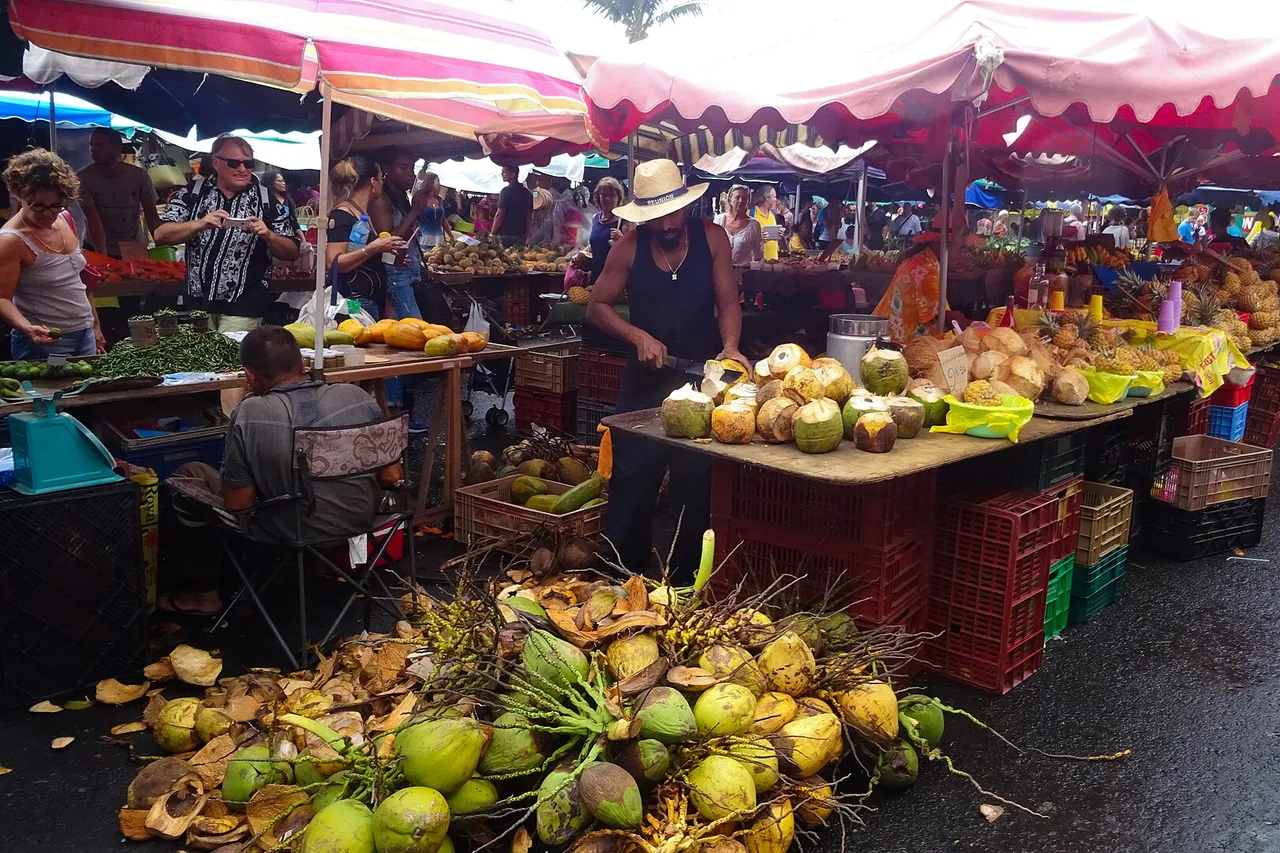
Ten minutes north, Saint-Paul, the island’s first capital, keeps its best appointment: the seafront market, all day Friday and Saturday until noon. Victoria pineapples, vanilla, spices, kaffir lime and street food: this is where the west coast shops, and it is the finest programme for a morning off the beach.
In the heights of Saint-Gilles, the Villèle museum tells the story of the plantation and of slavery — it is being transformed into the future Museum of the Plantation and Slavery, and visits have been reorganised since early 2026: check what is open before driving up. A frank word about the Saint-Gilles ravine: the famous Bassin des Aigrettes and Bassin Malheur pools are officially closed to access — the photos circulating online change nothing. The legal highlight of the heights remains Maïdo (2,205 m): drive up before dawn, look out over the Mafate cirque, be back at the lagoon for breakfast.
Full guide: Renting a Car on Réunion Island: Tips and Pitfalls
Practical: when to come, where to stay, what to expect
When? The west coast works all year round — at its best during the austral winter (May to November): dry, 25–28 °C, with whales passing from July to September. Summer (December to April) is hotter and wetter, with cyclone season; what that means for your itinerary is in our guide to the best time to visit Réunion.
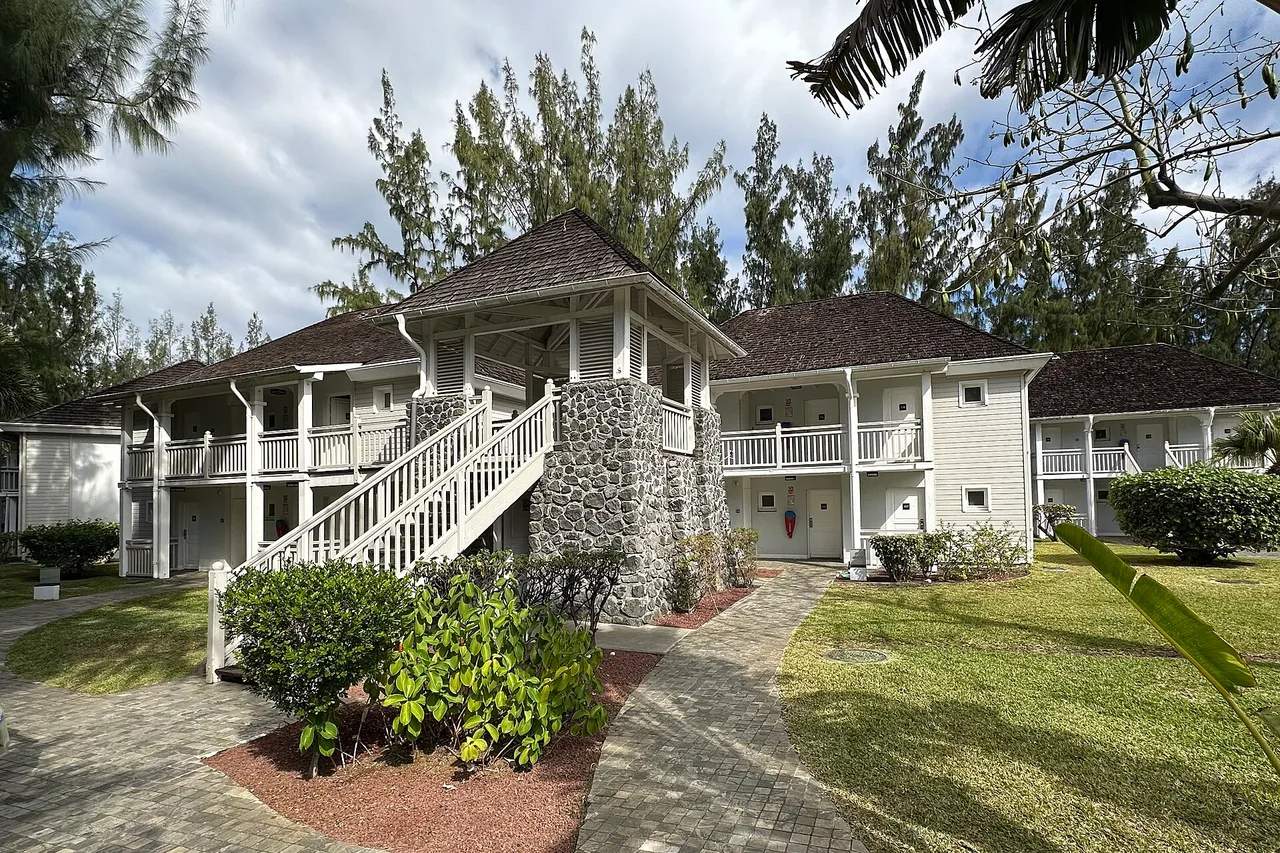
Where to stay? Saint-Gilles and L’Hermitage are the logical base for the beach part of the trip — with the island’s most elastic prices: a 4-star in Saint-Gilles runs from about €60 (March) to about €247 (October) a night depending on the season. Booking early pays, especially around the December holidays. Zones, prices and the right time to book: our guide on where to stay in Réunion. And keep at least one evening for the essentials: sunset on the beach, a picnic under the filaos — the west coast does the rest.