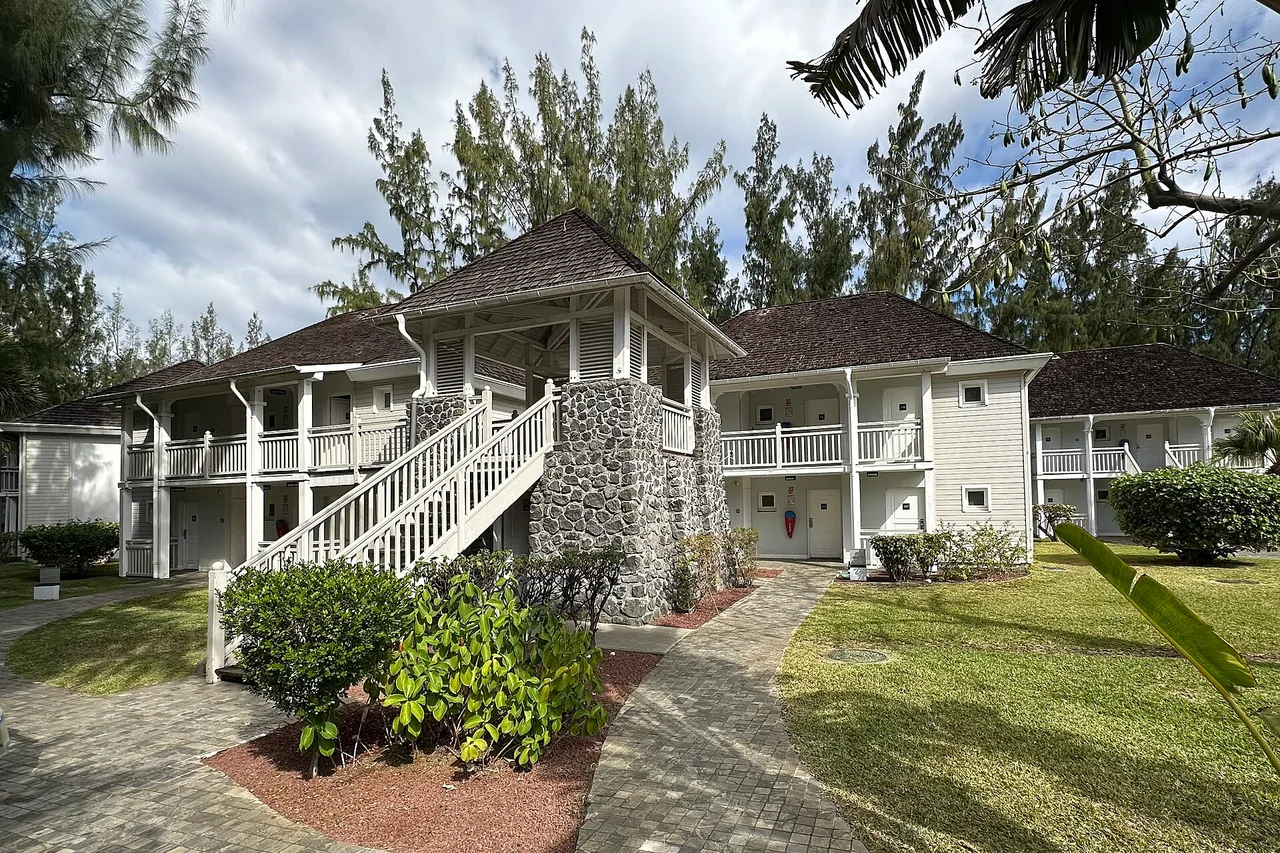
More than half of Réunion Island’s hotel rooms sit on a single coast — knowing that changes how you book. The island is small, yet every area sleeps differently: a beach hotel on the west-coast lagoon, a guesthouse in a Creole home up in the hills, a gîte in roadless Mafate. This guide sorts the areas, gives real nightly prices and the calendar for booking — every figure checked in October 2026.
Understanding the offer: one island, four coasts — and the Highlands
A few numbers make the whole logic visible. At the end of 2025, the French statistics office INSEE counted 97 hotels and collective tourist accommodations on Réunion, totalling about 3,800 rooms and apartments — not much for an island of nearly 900,000 people. And those rooms are spread very unevenly: 53% of the capacity is in the West (2,016 rooms), about a quarter in the South (886) and a quarter for the North and East combined (867).
Add that the hotels run full: 63% occupancy in 2025, with overnight stays up 5% — at peak times, supply is simply short. The good news: alongside the hotels, the island has a dense network of guesthouses (chambres d’hôtes), gîtes and holiday rentals, often family-run and often the more charming choice. Know the areas and book early enough, and you will sleep well — at a fair price.
The West: the lagoon, the beaches — and half the hotel rooms
From Boucan Canot through Saint-Gilles-les-Bains, L’Hermitage and La Saline down to Saint-Leu, this coast lines up everything the island offers in classic seaside holidays: the reef-protected lagoon with its supervised swimming zones, sandy beaches under the casuarinas, restaurants, dive centres — and more than half the hotel rooms, with nearly a third of the island’s classified establishments clustered around Saint-Gilles alone.
It is the right base if you want snorkelling in the morning and dinner by the harbour at night — and the logical first stop of any itinerary. The flip side: it is the most expensive corner of the island. Beachfront hotels mostly run €95–190 a night, and Saint-Gilles’ four-star hotels swing wildly with the month — from about €60 in March to well over €200 in October. It is also the driest, sunniest side: Saint-Gilles gets under 700 mm of rain a year, the east coast four to seven times more.
One alternative often smarter than a hotel on this coast: a rental or aparthotel with a kitchen. In L’Hermitage and La Saline, plenty of apartments hide two or three streets back from the lagoon — same beaches, noticeably gentler prices, and the option of cooking what you bought at the market. For a family or a week-long stay, the difference on the final bill is real; just check the minimum stay, common in high season.
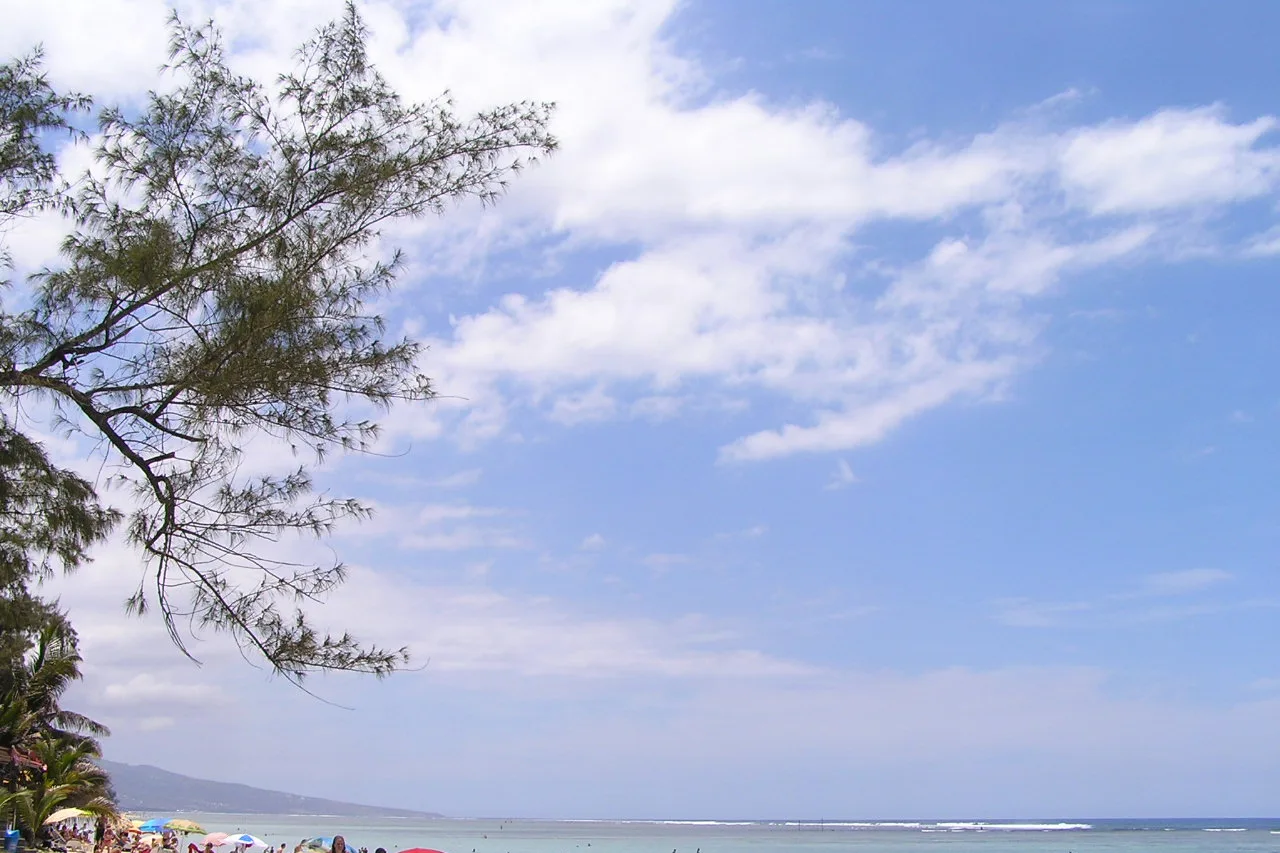
The South: lively Saint-Pierre — and the gateway to the volcano
Saint-Pierre is the island’s second city and its southern counterpoint: a real town where people live, with a big Saturday market, a seafront, bars and a small urban beach. About a quarter of the hotel capacity (886 rooms) is in the South — plus plenty of guesthouses and rentals, often clearly cheaper than Saint-Gilles.
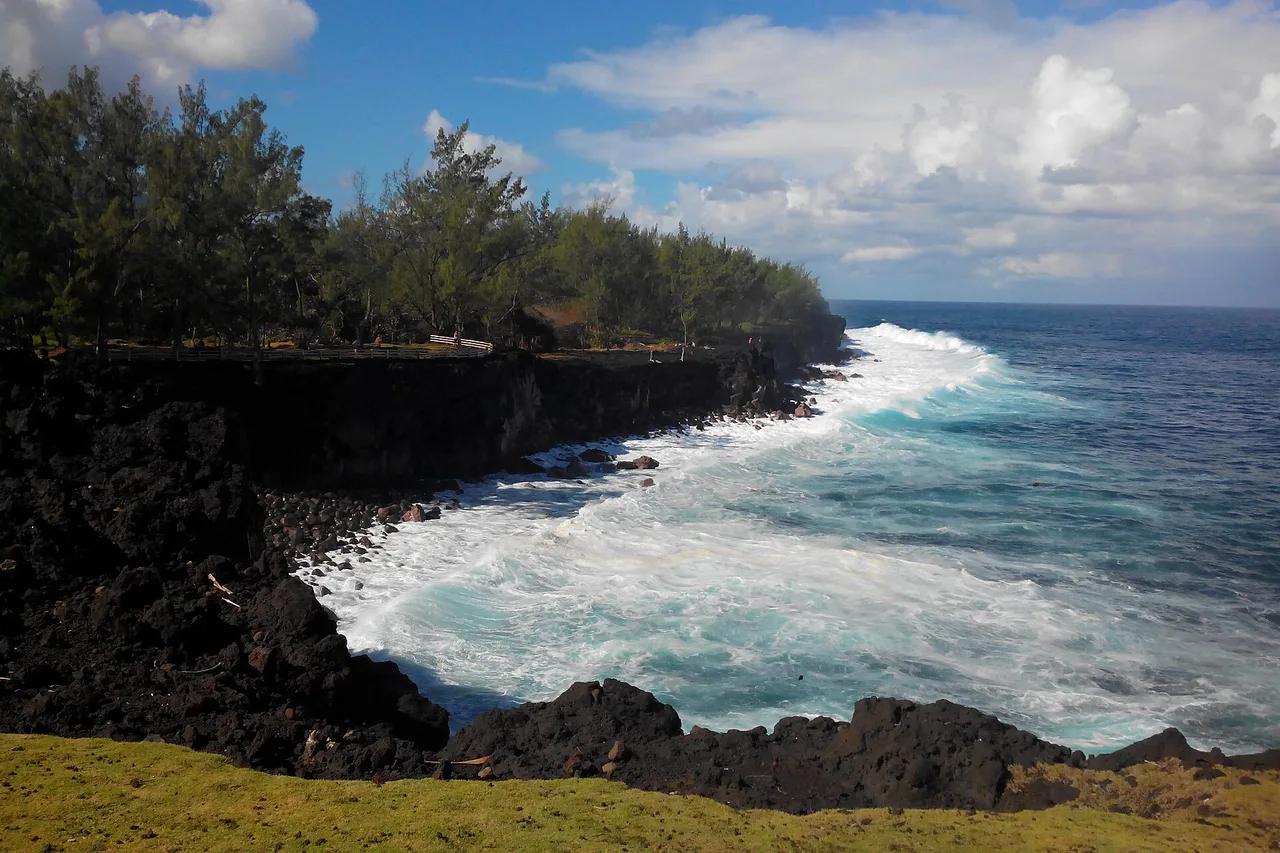
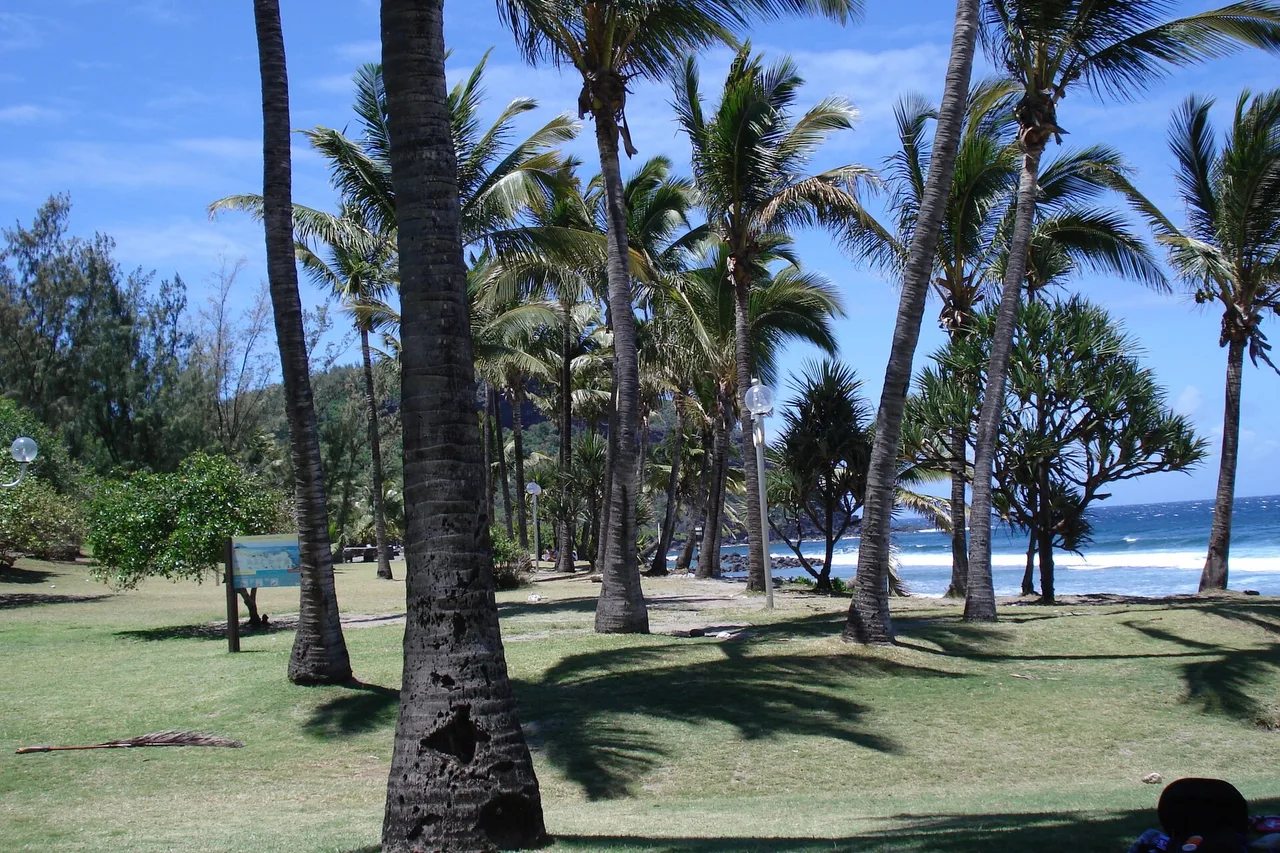
Strategically, the South is gold: this is where you leave early for Piton de la Fournaise, one of the world’s most active volcanoes, reach the wild south with its lava fields, and the bay of Grande Anse with its enclosed swimming pool. To sleep closest to the volcano, the Gîte du Volcan (€40 a night) sits right by the high plain — and is in high demand.
The Highlands and the cirques: gîtes, Creole houses, cool nights
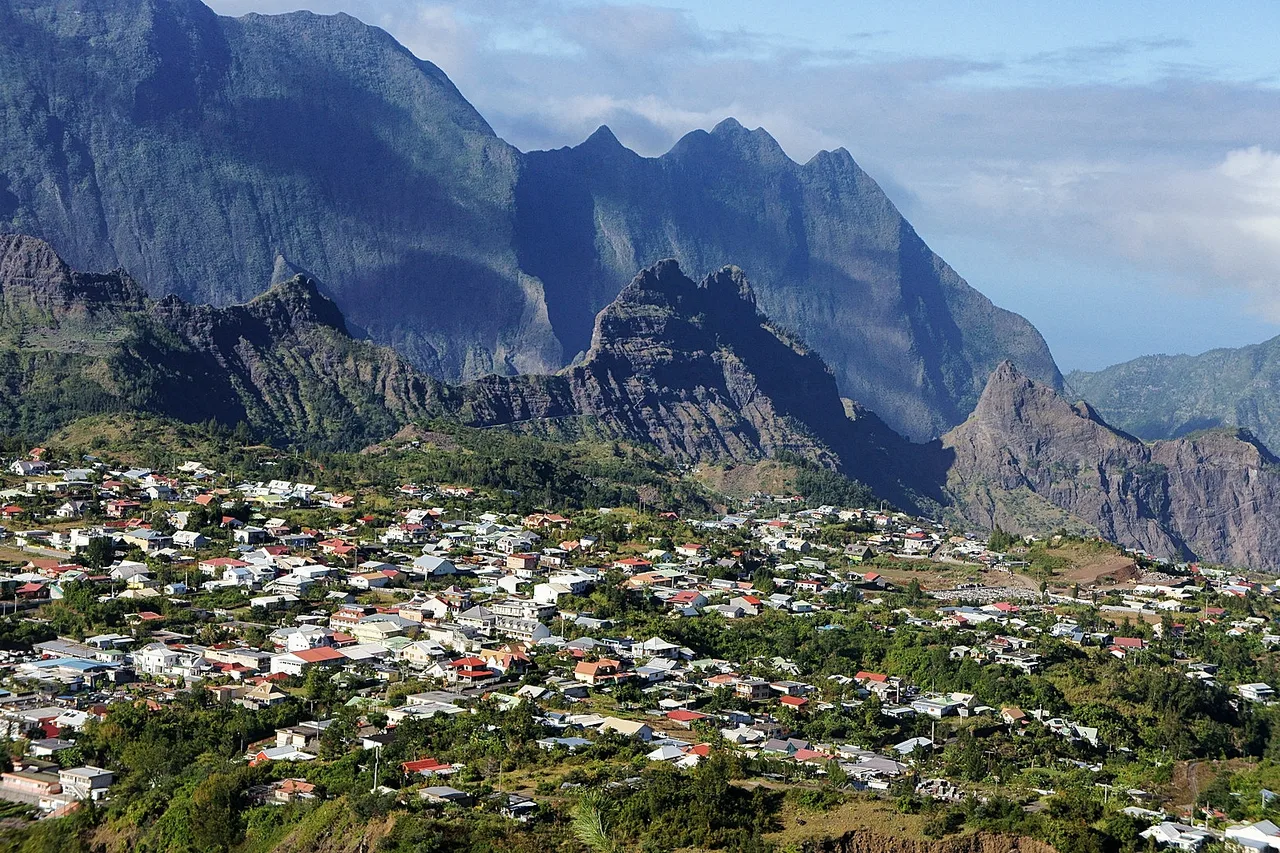
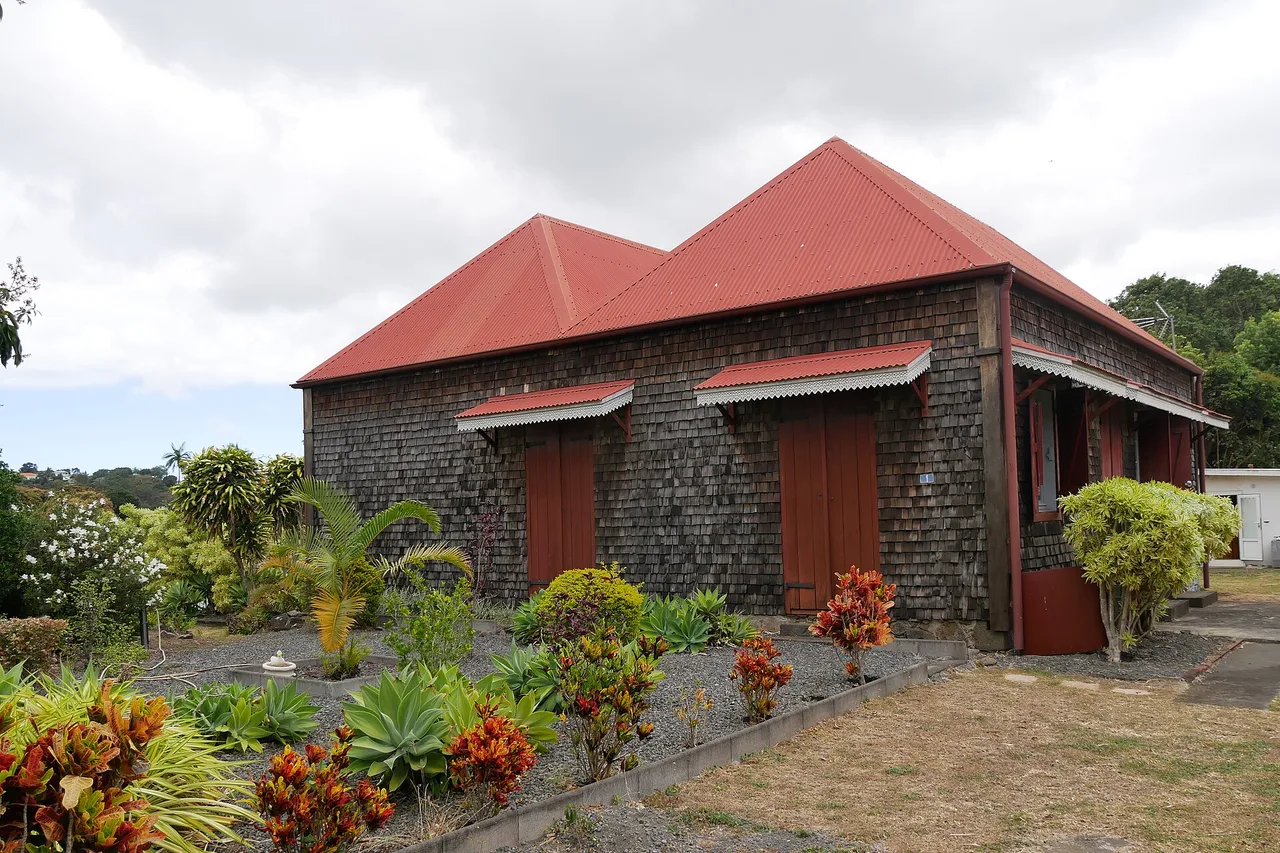
The second half of a Réunion trip happens in the mountains — and you sleep differently there. In Cilaos (thermal baths, lentil fields, the trailhead for Piton des Neiges), in Hell-Bourg in the Salazie cirque — one of the “Most Beautiful Villages of France” since 1998 — or in villages like L’Entre-Deux, you stay in Creole houses with gardens, as a family’s guest, dinner at the shared table. A simple double with breakfast starts around €40–70, stretching from €50 to €150 depending on comfort.
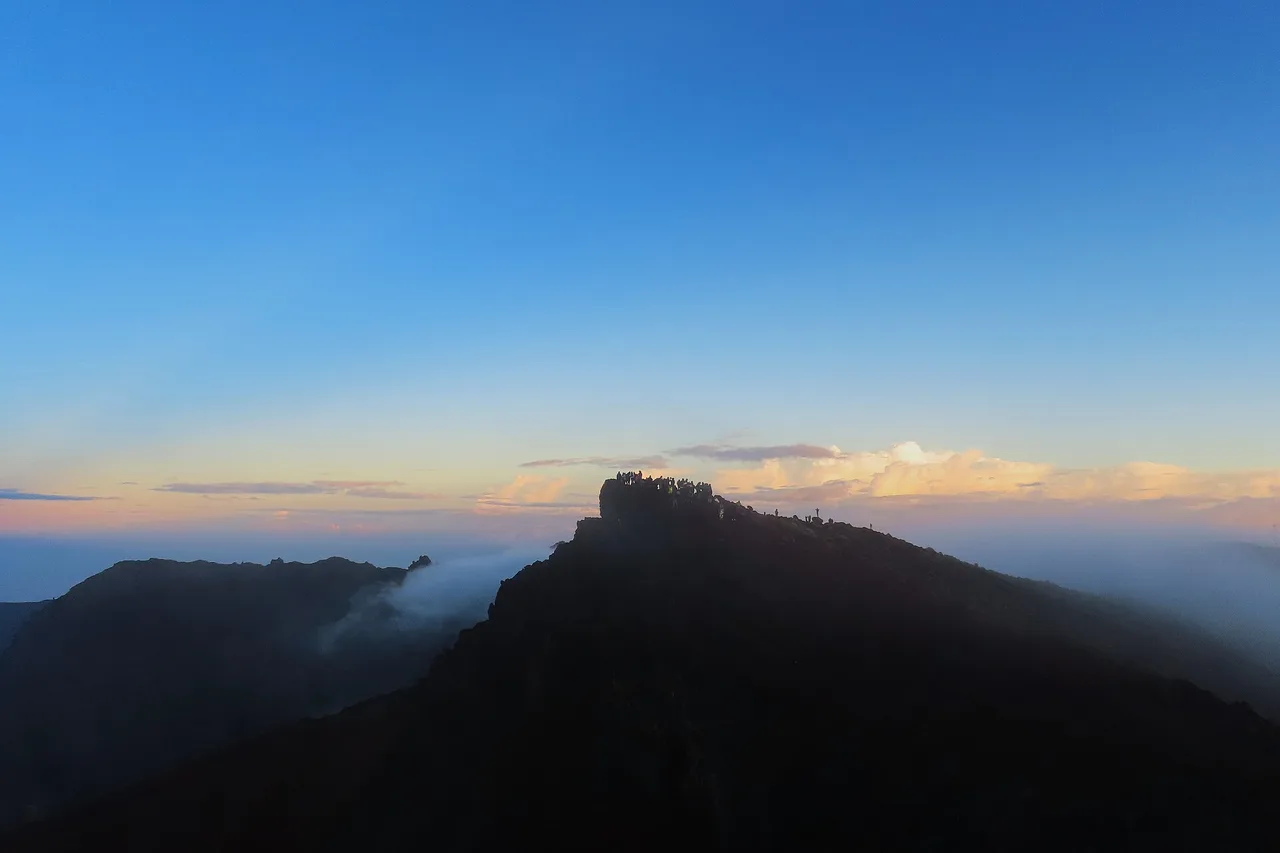
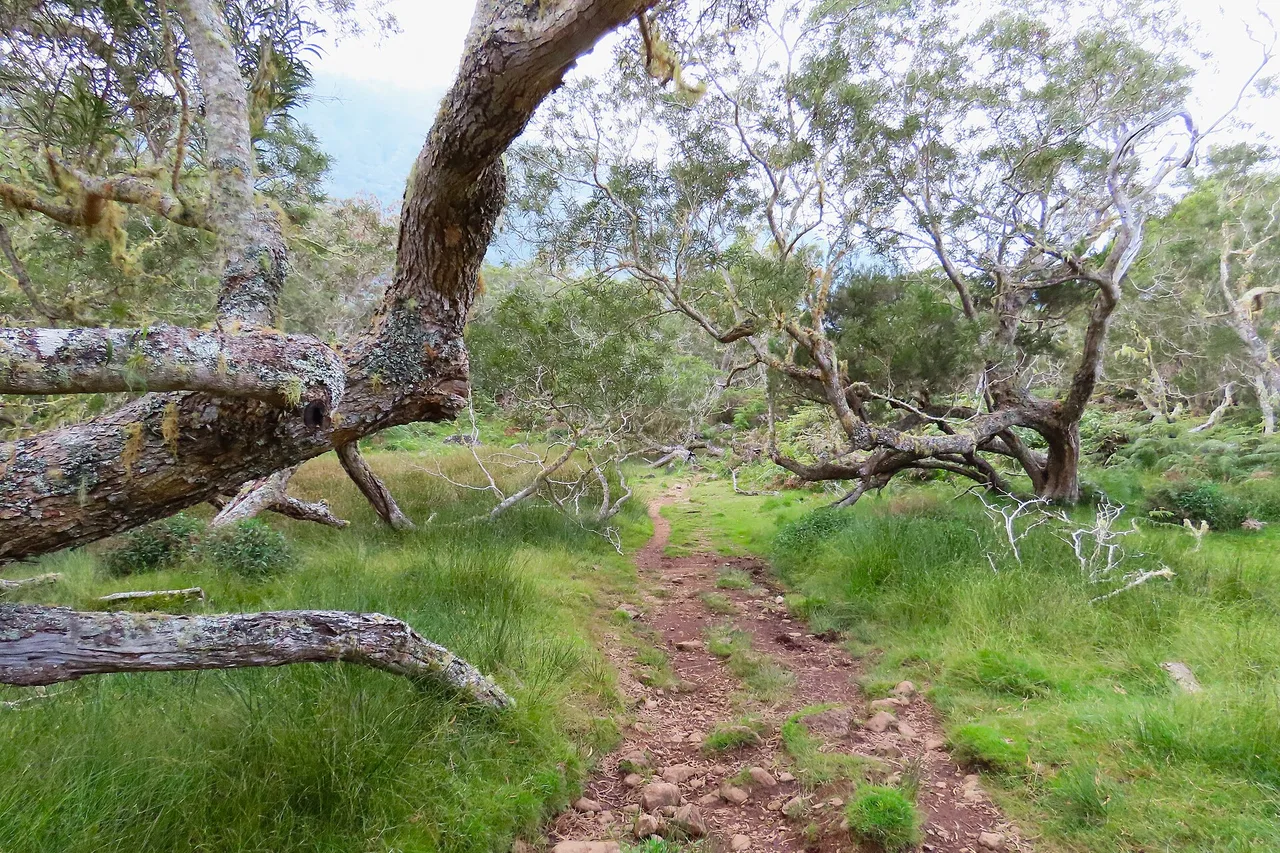
Two particularities to plan for. In Mafate, the roadless cirque, the gîtes (€60–75 half board) can only be reached on foot — book first, then walk. And the mountain huts on the big routes, first among them the Caverne Dufour on Piton des Neiges (dorm €20–21, half board €34, just 48 beds), sell out weeks, sometimes months ahead in the dry season. Nights up there are cool — a real pleasure after a tropical day.
One piece of advice that changes a stay in the Highlands: take the table d’hôtes dinner whenever it is offered. At night, mountain villages often have only a handful of restaurants open, and the house cari or rougail — often cooked with the garden’s vegetables — is exactly what you came for. Order it when you book the room, rarely at the last minute.
North and East: the practical side — and the green, budget side
Saint-Denis, in the north, is the capital, the business centre, and above all the city of Roland-Garros airport: ideal for the first or last night, with urban hotels and Creole streets — but no swimming beach. The East, from Saint-André to Sainte-Rose, is the island’s green side: vanilla, sugar cane, waterfalls, very little tourism — and therefore gentle prices.
To be honest about it: it is also the wettest side — 3,000 to 5,000 mm of rain a year on the east coast, several times the West’s total. If you accept that (it often rains only in the afternoon), this is the island’s most authentic and cheapest corner; North and East together hold 867 rooms, a small quarter of hotel capacity.
Hotel, guesthouse, gîte or rental: nightly prices
The orders of magnitude, read off the comparison sites on 14 October 2026: dorm bed €32–52, private hostel room from about €72. Guesthouses: simple doubles with breakfast from €40–70, averaging around €80, boutique houses up to €150. Rentals and gîtes: monthly averages from €106 (August) to €121 (December). Beachfront hotels: mostly €95–190, with the €200-plus class concentrated in Saint-Gilles. December is the most expensive month, averaging around €175 per hotel night.
Two savings levers outweigh any promo code: the area (the South and East beat the West almost every time) and the calendar — the same four-star room in Saint-Gilles costs about a quarter of its October price in March. For the full cost of a week, car and meals included, see our budget guide.
When to book: the calendar decides
Three periods fill the island. July–August: the southern winter at its hiking best, whale season (July to September) — and at the same time summer holidays in mainland France and Réunion’s own winter school break (in 2026: 4 July to 18 August). October to early December: warm, still mostly dry, with events like the Grand Raid ultramarathon (15–18 October 2026) filling Cilaos, the Highlands and Saint-Pierre. And the festive season: from mid-December to early January families fly in from mainland France, and the southern summer holidays run to early February — December is the priciest month.
Full guide: Things to Do in Réunion Island: 25 Unmissable Spots, Chosen by Locals
Hence a simple plan. For July–August and December: book four to six months ahead, and mountain gîtes and Mafate as soon as reservations open. For the low season (February to June, with the cyclone season until 30 April as the weather risk), a few weeks are often enough — it is the time of the cheapest rooms. And in every case: two or three bases rather than daily driving — west coast, South, one cirque. Sleep where tomorrow starts.
Three booking reflexes, finally. In cyclone season, prefer cancellable rates: a heavy-swell warning or a cyclone can move your nights around. Always compare the all-in price — breakfast, a rental’s cleaning fee — rather than the first line displayed. And for equal comfort, a room two or three streets back from the seafront often costs far less than the same lagoon view.