Tenerife doesn't have one kind of beach — it has two families: volcanic black sand, the kind the island makes itself, and the golden sand of the big engineered bays in the south. Between the two lies an ocean that never behaves the same way twice: mirror-flat water behind a breakwater at Las Teresitas, serious swell on the wild coves of the north. This guide sorts out the finest of them — and says plainly what the brochures won't: where the water is calm, where it doesn't forgive, and which legendary beach is currently closed.
Black or golden: reading the beaches of a volcano island
Tenerife's natural sand is black. It's basaltic lava ground down by the Atlantic, and there's nothing dirty about it — it's actually stunning when white foam spreads across it. One genuine precaution: dark sand gets scorching hot in the sun, much faster than pale sand. Keep your sandals within reach. Golden sand, on the other hand, is almost always an engineering story: reclaimed, sheltered bays along the tourist south, or imported sand — shipped all the way from the Sahara for the most famous beach of all.
The second key: the island has two personalities. The north, exposed to the trade winds, takes the swell head-on — spectacular, wild beaches, often unsupervised. The south and west, in the lee of the island, offer calmer seas and most of the family beaches. It's the same logic that runs through our 25 unmissable things to do in Tenerife: you don't pick a beach in the abstract — you pick it for today's weather and what you want from it.
The golden south: Las Vistas, El Duque, La Tejita, El Médano
For easy swimming, head south. Playa de Las Vistas, between Los Cristianos and Playa de las Américas, curves in a great arc of pale sand protected by breakwaters: tranquil water, a promenade, every comfort within towel's reach. Further west, Costa Adeje strings together Fañabé, Torviscas and above all El Duque, the smartest of them, with blond sand and well-kept sunbeds. These are the beaches for families and children's first swims — lifeguarded in season, easy to reach, no nasty surprises.
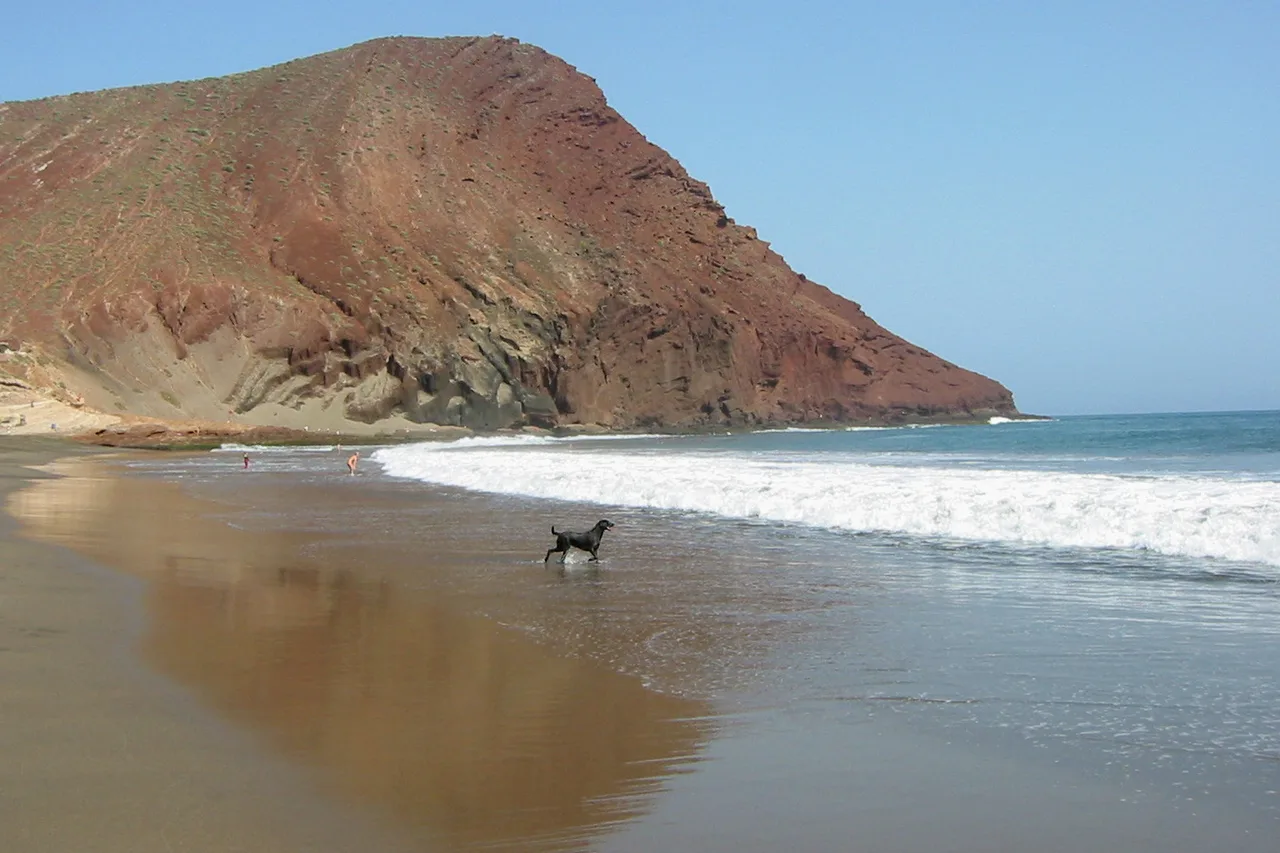
A few kilometres away, the mood changes completely: La Tejita unrolls a long ribbon of natural sand beneath Montaña Roja, a volcanic cone protected as a nature reserve. No buildings, few facilities, a naturist section, and often wind — the same wind that makes the neighbouring village of El Médano one of Europe's most celebrated kitesurfing and windsurfing spots. You come here for space and light rather than a perfect swim: when the wind picks up, the waves rise and caution is due. To choose your day, check the morning wind: exposure changes everything from one spot to the next.
Las Teresitas: the Sahara at the foot of Anaga
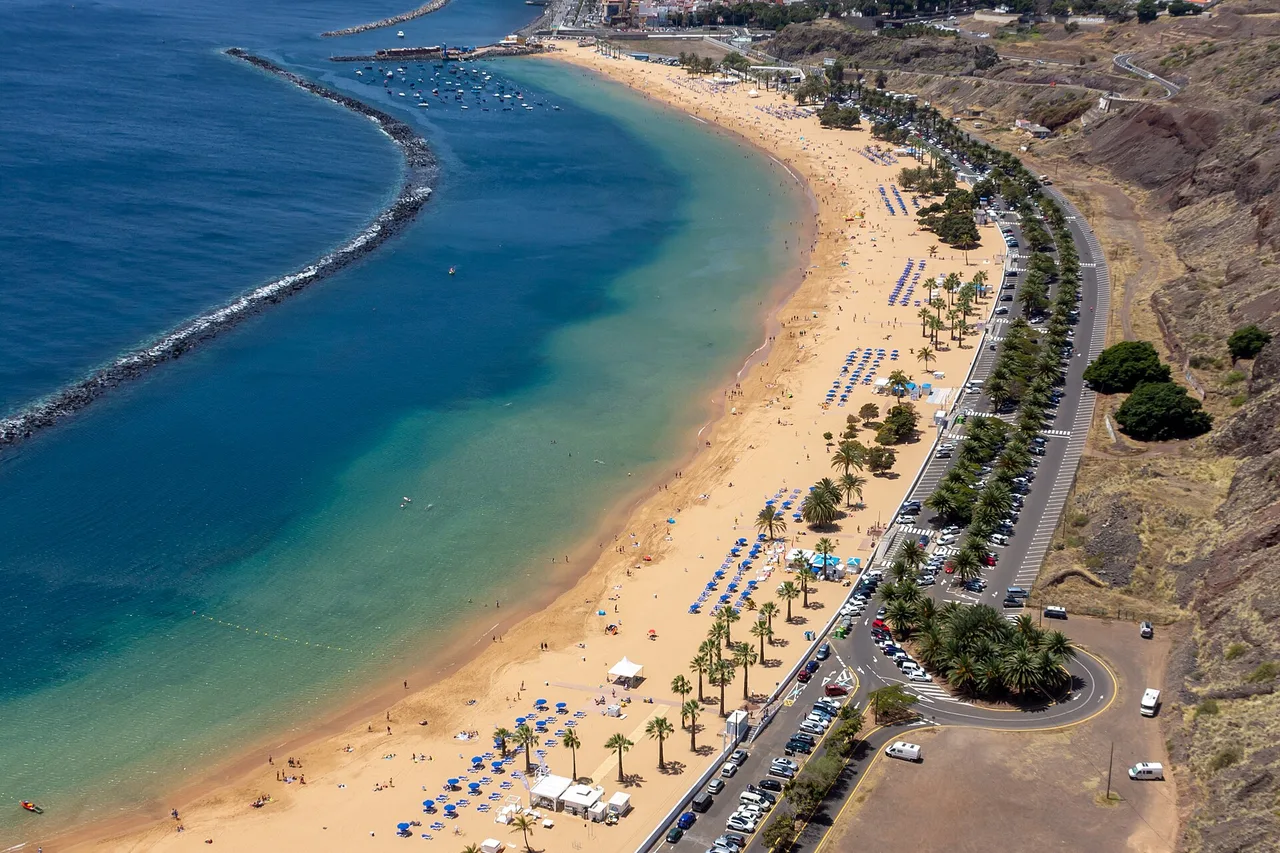
It's the island's postcard, and its story is remarkable: Las Teresitas is an entirely man-made beach. Until the 1960s there was nothing here but pebbles and black sand pounded by the waves. The city of Santa Cruz built a breakwater, then poured in around 270,000 tonnes of pale sand imported from the Western Sahara; the beach opened in 1973. The result: 1.3 kilometres of golden crescent with glassy water, lined with palm trees, the green ridges of Anaga rising behind — ten minutes from the capital.
It belongs to the people of Santa Cruz more than to tourists, and that's what makes it endearing. Come early on a weekday morning: low light on the mountains, a flat sea, and the fishing village of San Andrés just behind for grilled fish at lunch. The water, sheltered by the breakwater, deepens gently — one of the safest swims on the island, children included.
Black sand, proudly: Playa Jardín, El Bollullo and the west coast
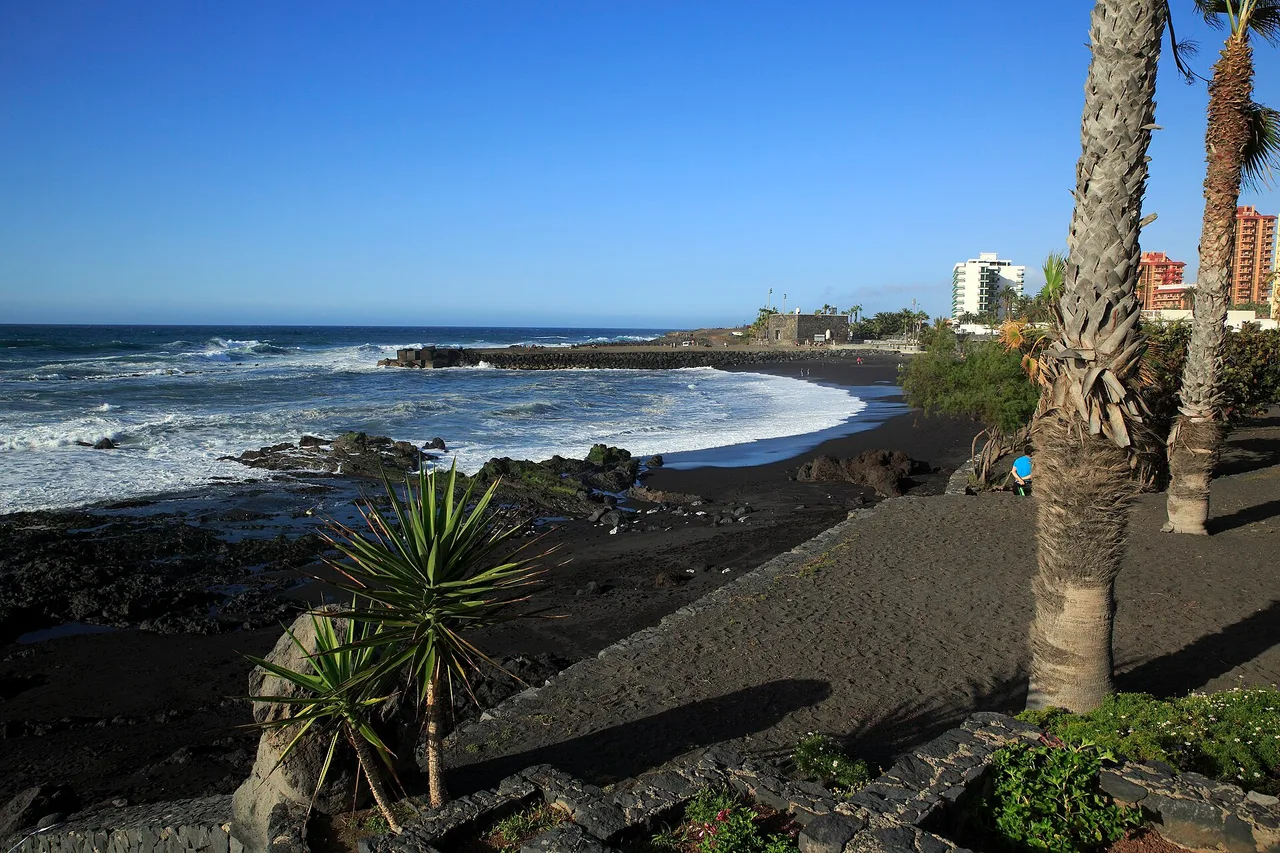
In the north, Puerto de la Cruz has the most elegant of the black beaches: Playa Jardín, designed with its gardens by the Lanzarote artist César Manrique, facing the San Felipe castle. Charcoal sand, palm trees, and Mount Teide in the background on clear days. Honesty requires a note: its water quality has made headlines. The beach stayed closed to swimming for nearly a year over water contamination before reopening in June 2025, and brief, localised episodes were recorded again in June and early August 2026, with one section closed for a few days. Monitoring is now tight — on the day, trust the flags and the official notices on site.
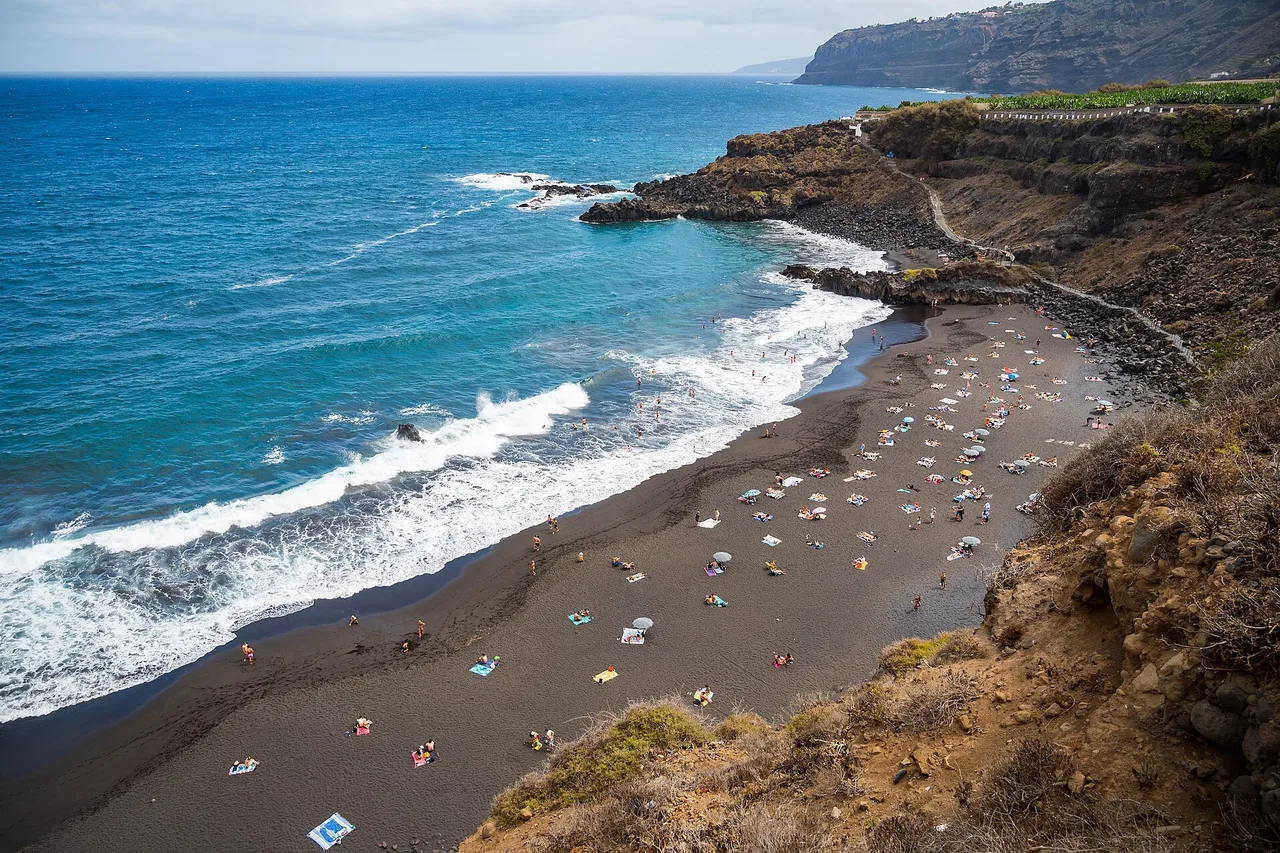
Still on the north coast, El Bollullo is the black cove everyone keeps a photo of: a charcoal inlet beneath cliffs draped in banana plantations, with water that turns turquoise as soon as the sun hits it. You walk down from El Rincón, near La Orotava — the path between the crops is part of the pleasure. But this is a northern ocean beach: powerful waves, real currents, no breakwater and no permanent lifeguard. Swim only in calm seas, and never stray far from the shore.
On the west coast, finally, Playa de la Arena, near Puerto de Santiago and the Los Gigantes cliffs, gathers the island's deepest black sand in a small bay beloved of local families — lifeguarded, but with a shore break that slams on swell days: here too, the flag decides. Its neighbours Playa San Juan and Alcalá offer gentler swims, in the middle of real village life.
The wild north: Benijo, the Anaga sea stacks — and a closure you should know about
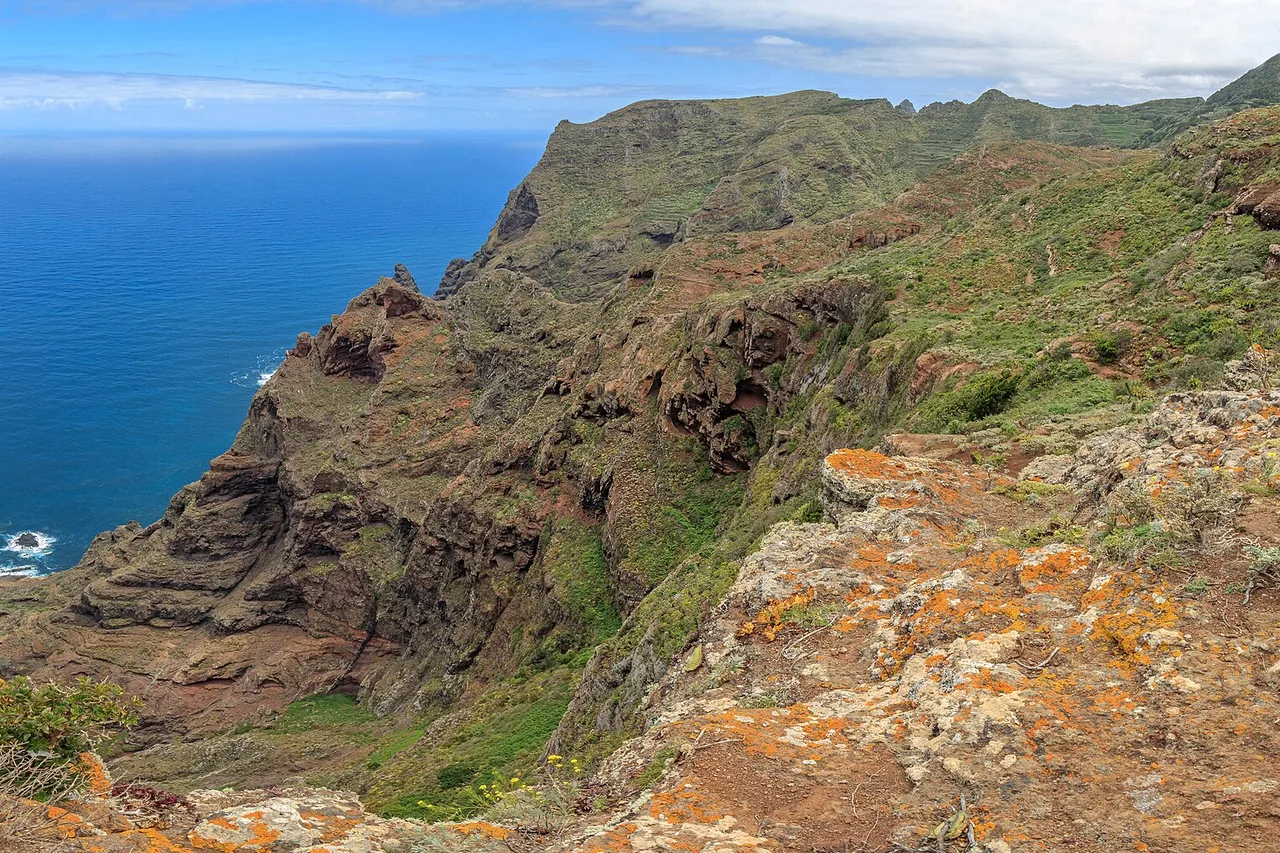
Let's say it plainly, because almost no guide does: Playa de Benijo, the most photographed of Tenerife's wild beaches, has been officially closed since 2024. The slope above its access stairway threatens to give way; in July 2026 around a hundred bathers were evacuated once again, and Santa Cruz local police now fine anyone who goes down despite the ban, while the stabilisation works await their go-ahead. The good news: the spectacle itself isn't closed. From the viewpoint above the beach, the Anaga sea stacks planted in the Atlantic at sunset remain one of the finest images in the Canaries — and the road there, through Taganana, is worth the trip on its own.
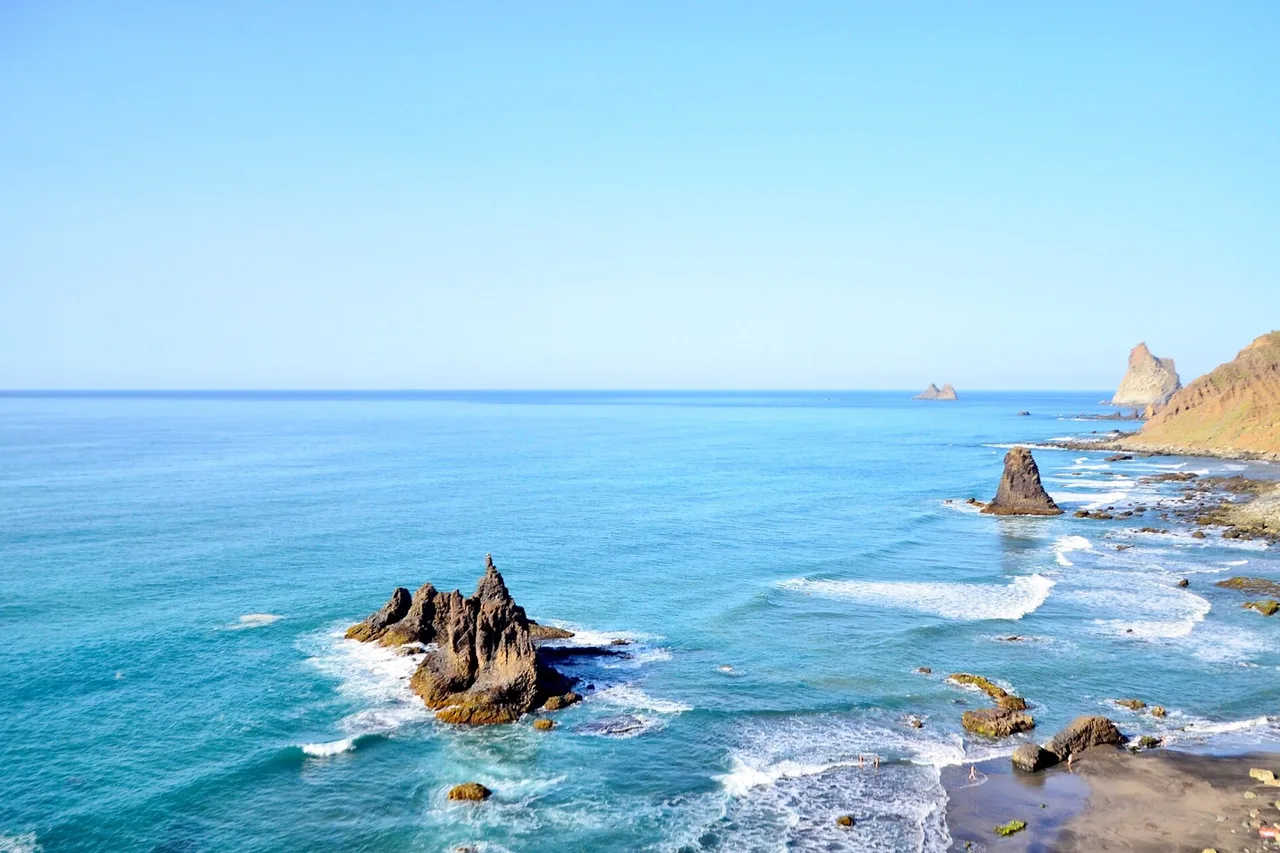
The rest of the Anaga coast keeps its open, untamed beaches, such as Almáciga and Roque de las Bodegas — black sand, rolling breakers, surfers, and hardly anyone out of season. The rule there is simple and non-negotiable: northern swell, strong currents, rare supervision. Before taking the Anaga road, check the state of the sea: the north coast and the south coast rarely live the same day, and that contrast decides everything.
Swimming without drama: flags, currents, good habits
Tenerife's lifeguarded beaches follow the Spanish flag code: green for free swimming, yellow for caution — stay within your depth —, red for no swimming at all, even for strong swimmers. On wild beaches with no flags, you have to do the lifeguard's job yourself: watch the sea for ten minutes before going in, and be wary of a strangely smooth corridor of water between the waves — it's often a rip current heading out. If a current takes you, don't fight it: swim parallel to the shore until you're out of it, then head back in. And never turn your back on the ocean when you're on the rocks.
The right routine comes down to two gestures. Before: a glance at today's conditions, beach by beach. After: keep a record of your favourite bays — photos, notes, and that end-of-day light on black sand that words can't carry. Between two beaches, the island brims with other wonders: the volcano, laurel forests, villages — they chain together beautifully on a coastal road trip.