A Bangkok–Chiang Mai flight takes one hour ten; the night train takes thirteen. The choice looks obvious. It isn’t. Add the ride to the airport, check-in, the departure lounge, the trip into town at the other end, and the hotel night you have to pay for somewhere — and the real gap narrows until it flips. Here are the nine routes that shape any trip through Thailand, measured door to door, with fares checked in August 2026. Plus one right almost no visitor claims: since May 2025, a delayed domestic flight owes you money.
The calculation almost everyone gets wrong
Comparing a one-hour-ten flight with a thirteen-hour train looks absurd. It is in fact the most misleading comparison there is, because it sets flying time against travelling time — two different quantities.
The Bangkok–Chiang Mai flight starts long before the aircraft. You have to reach Don Mueang or Suvarnabhumi from the centre, arrive two hours early, wait at the gate, collect your bag at the far end, then cover the eleven kilometres between Chiang Mai airport and the old town. Door to door, that is a solid four hours — and those four hours fall in broad daylight, in the middle of what you came to see.
The night train consumes the one slice of the day you had no use for: the hours you would have slept. It leaves at 18:40, arrives at 07:15, and replaces a hotel night. The right yardstick is therefore neither duration nor ticket price, but this: how many useful hours does this trip take from me, and how many paid nights does it save?
That single criterion settles almost every route in the country. Sometimes it picks the train, often the plane, more rarely the bus — and it changes its answer depending on whether you have three days or three weeks.
The nine routes that shape a trip
| Route | What wins | Door-to-door time | Typical price | What it does to your day |
|---|---|---|---|---|
| Bangkok → Chiang Mai (night) | Train 9, sleeper berth | 13 h (18:40 → 07:15) | 938 – 1 646 THB | One hotel night saved, the day left whole |
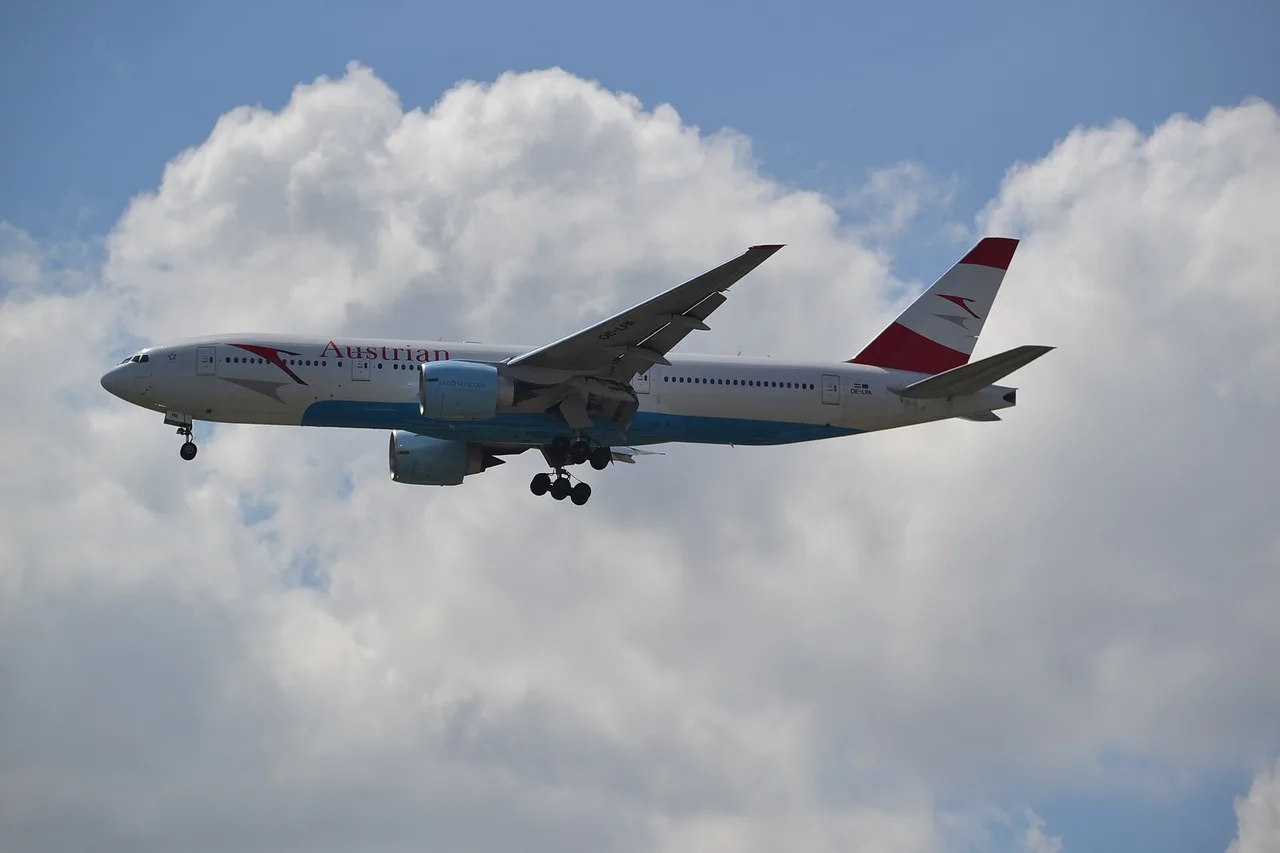
| Bangkok → Chiang Mai (day) | Domestic flight | ≈ 4 h porte à porte | ≈ 900 – 2 000 THB | Half a day goes, despite a 1 h 10 flight |
| Bangkok → Surat Thani | Night train, then bus and boat | ≈ 17-19 h | ≈ 900 – 1 500 THB | You land at dawn, in time for the first boat |
| Bangkok → Phuket or Krabi | Fly, no hesitation | ≈ 4 h 30 porte à porte | ≈ 1 000 – 2 500 THB | The train makes no sense here: two days against four hours |
| Bangkok → Ayutthaya | Ordinary train, ticket at the window | 1 h 30 – 2 h 30 | 15 – 345 THB | There and back in a day, nothing to book |
| Bangkok → Ko Chang | Bus from Ekkamai terminal | ≈ 6 h | ≈ 300 – 600 THB | Early start, boarding in early afternoon |
| Chiang Mai → Pai | Minivan or Green Bus | 3 h – 3 h 45 | 150 – 250 THB | 762 curves: plan nothing on arrival |
| Chiang Mai → Chiang Rai | Green bus, numbered seats | 3 h – 4 h | 150 – 300 THB | Comfortable, in by lunchtime |
| Mainland → island | Ferry or catamaran | 1 h 30 – 3 h | ≈ 400 – 900 THB | The link that decides the whole day |
Read this table by its last column. The first two rows describe the same route by opposite means: it is the most common trade-off of any Thai trip, and the only one the train wins outright. The Phuket row, by contrast, shows a case where hesitating makes no sense.
The night train: the cheapest bedroom in the country
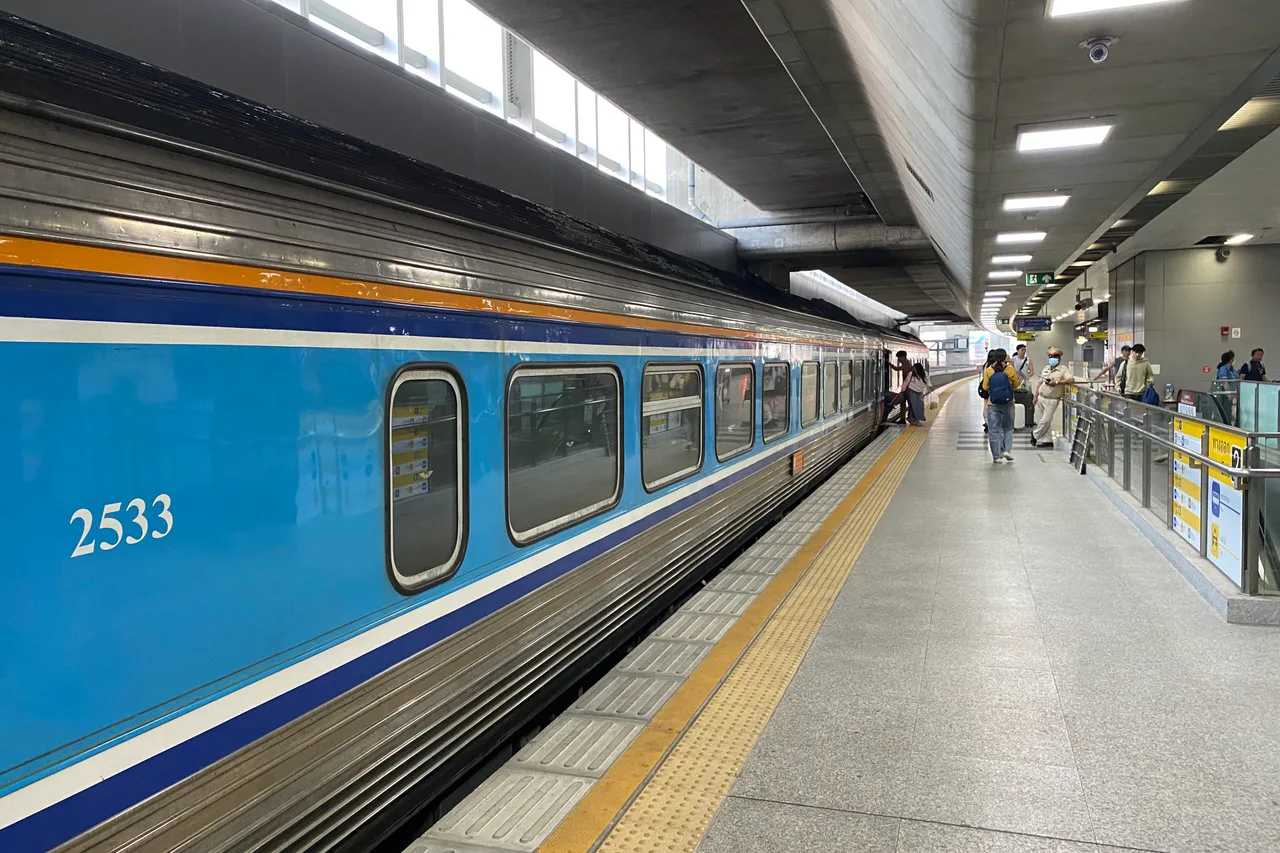
Train 9, between Krung Thep Aphiwat — the big central station that replaced Hua Lamphong for long distances — and Chiang Mai, is the most popular journey on the Thai network, and it deserves to be. It runs with the Chinese-built CNR carriages, the newest in the fleet: air conditioning, a power socket at every berth, individual curtains, reading lights, Western toilets.
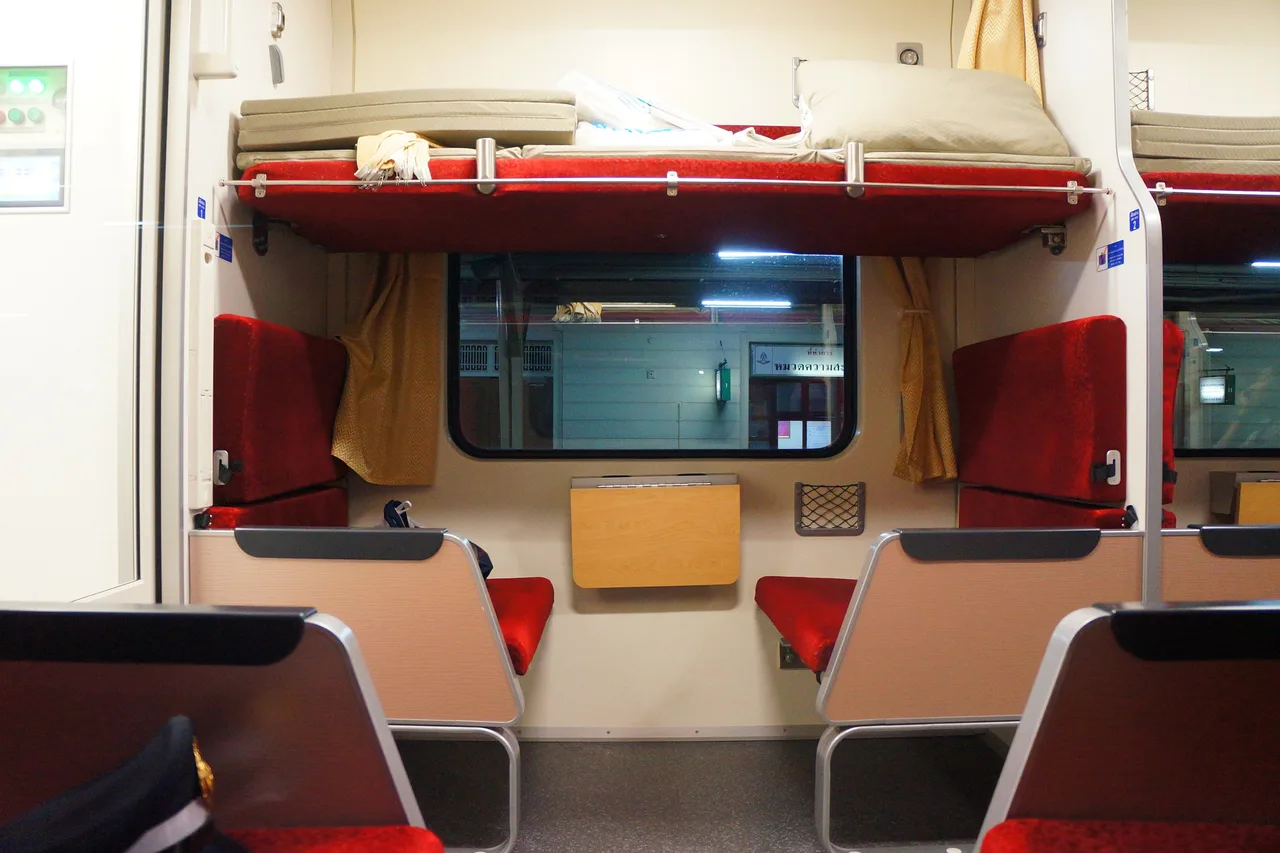
The fares, checked in August 2026, fit in two lines. Second-class sleeper: 938 baht upper berth, 1,038 lower. First class: 1,446 upper, 1,646 lower, 2,446 to have the two-berth cabin to yourself. The gap between upper and lower is worth a pause: the lower berth is wider, has a window, and costs a hundred baht more. At that price there is nothing to think about.
Two practical points beat ten pieces of advice. First, booking opens up to six months ahead, and between November and March the berths vanish within days: this is the one transport in the country where booking late is paid for in lost travel days. Second, online platforms often impose a three-day cut-off and a service fee — around 250 baht — that the station window does not charge.
A word on the future, since the question keeps coming up: the national operator has ordered 184 new carriages, sleepers for the Chiang Mai line among them, expected in service by 2030. Not for this trip, then. The current CNR carriages are what you will board, and they are good.
Day trains, and the train south
Trains are not only for sleeping. To Ayutthaya, the train is the only sensible option: departures from Krung Thep Aphiwat are frequent, the ride takes an hour and a half to two and a half depending on the service, and third class costs 15 to 20 baht. You read that right: less than the metro ride that took you to the station. One strict caveat: third class on ordinary trains is sold only at the window, on the day of departure — there is no point looking for it online, it is not there.
Heading south, the train plays a different role: it does not reach the islands, it brings you closer to them overnight. The night train to Surat Thani drops you at dawn, in time for the bus and boat that serve Samui, Phangan and Tao. The whole chain runs seventeen to nineteen hours and costs less than flying, but it demands one thing flying does not: that three links hold in sequence. That is exactly where itineraries break, and we come back to it below.
Finally, no train serves Phuket, Krabi or Ko Chang. For those, the question does not arise — the table above says so without nuance.
Buses: everything hinges on where you buy the ticket
Thailand’s coach network is dense, cheap and broadly reliable. Yet it carries a dreadful reputation among travellers, and that reputation comes from a single place: the agencies selling "VIP" tickets around Khao San Road.
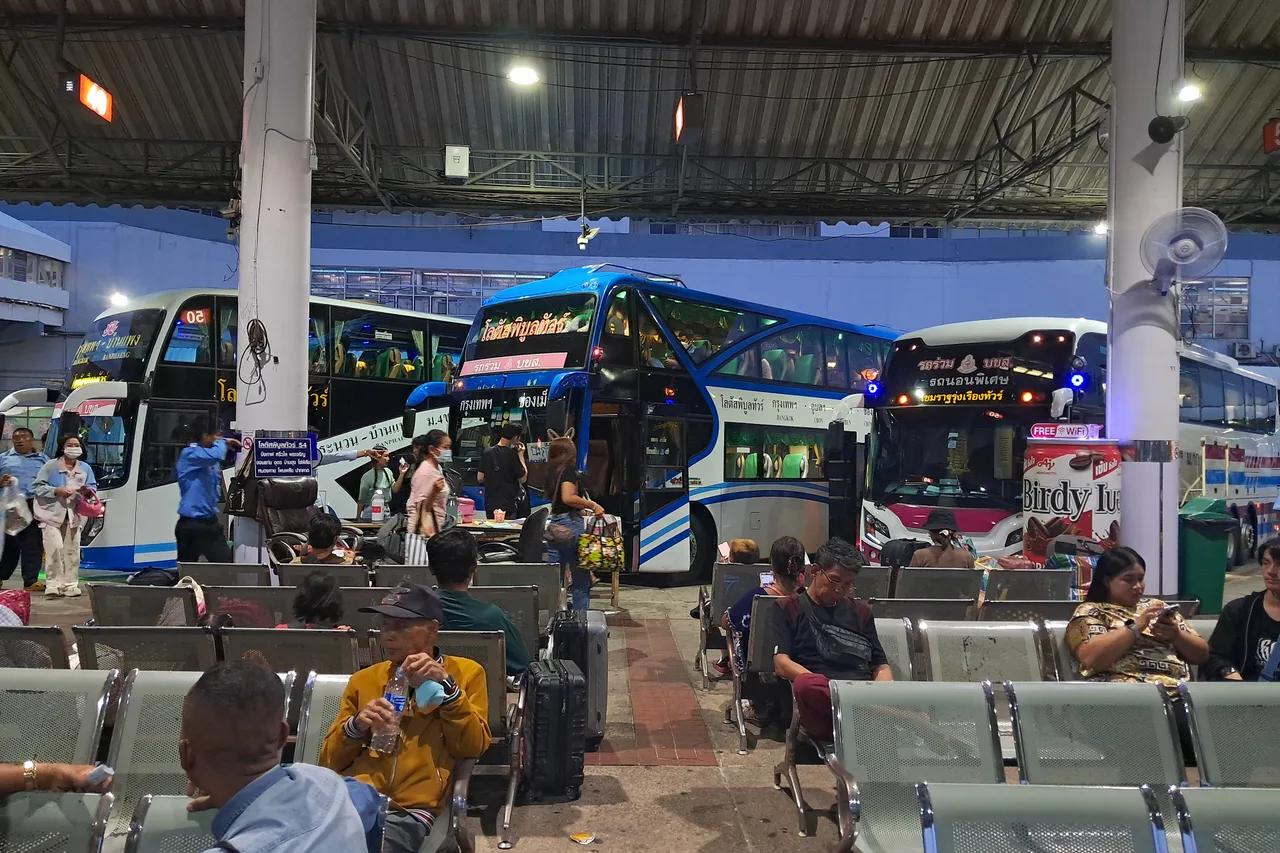
The problem has been documented for years and never changes: departures announced for one hour, made three hours later; "technical" stops at shops where you are pressed to buy; overbooked vehicles; and, regularly, luggage searched in the hold while passengers sleep. The word "VIP" carries no meaning there: it describes a price, not a service.
The remedy fits in one sentence: buy at the official terminal. Bangkok has three, and they do not serve the same regions — Mo Chit 2 for the north and north-east, Sai Tai Taling Chan for the west and south, Ekkamai for the east, meaning Pattaya, Rayong, Trat and the Ko Chang pier. On long distances a genuine VIP or first-class ticket starts around 600 baht, and the vehicle matches what was sold.
On short northern hops the bus remains the best option. Chiang Mai – Chiang Rai takes three to four hours for 150 to 300 baht with numbered seats. Chiang Mai – Pai costs 150 to 250 baht by minivan or Green Bus, three hours to three forty-five — but know what you are buying: the road has 762 curves over roughly 135 kilometres. That is not backpacker folklore, it is a planning fact: schedule nothing on arrival.
Domestic flying: six airlines, two airports, one trap
Six carriers share the domestic sky: Thai Airways, Bangkok Airways, Thai AirAsia, Nok Air, Thai Lion Air and Thai Vietjet. Competition is real and fares show it — a one-way can drop to around twenty-five dollars if bought three weeks ahead.
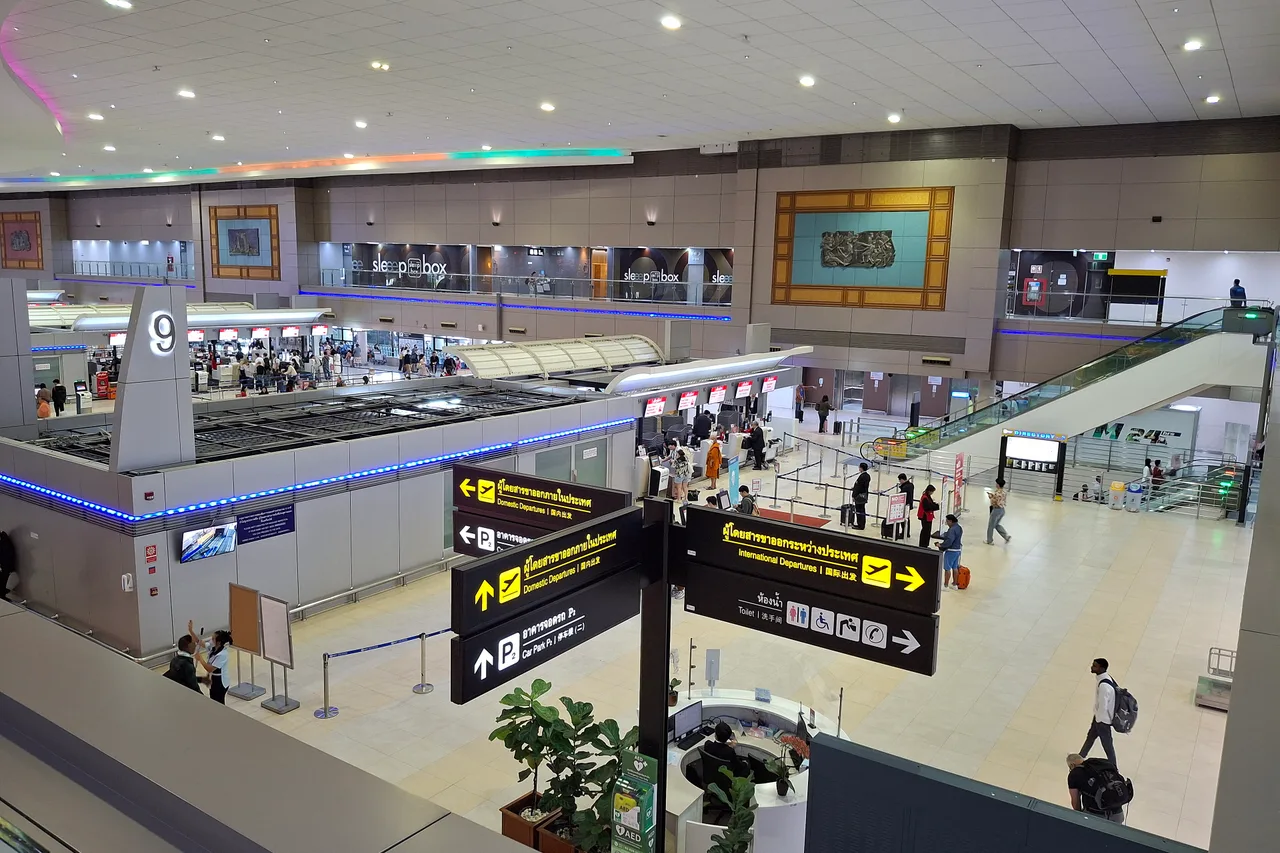
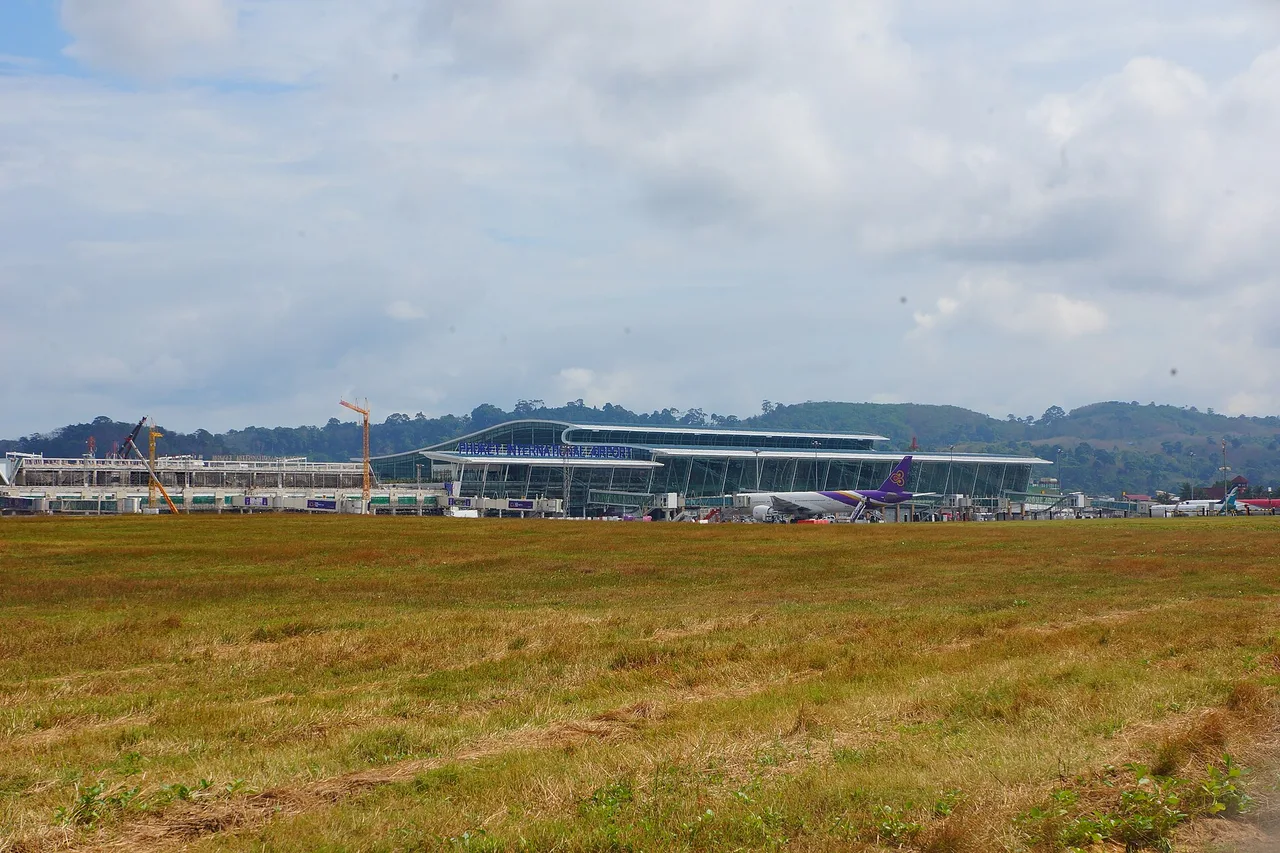
The trap is not the price, it is the airport. Bangkok has two, a good hour apart by road. Don Mueang (DMK) is the low-cost hub — AirAsia, Nok, Thai Lion. Suvarnabhumi (BKK) takes most international traffic plus Thai Airways and Bangkok Airways; Thai AirAsia and Thai Vietjet also fly some routes from there. In other words: your domestic flight does not necessarily leave from the airport your international flight landed at. A transfer between the two needs four hours minimum, and two separate tickets protect you from no delay at all.
The second trap is baggage. Every low-cost carrier caps cabin baggage at 7 kilos, and the check is real. With Nok Air, a "Lite" fare includes only those 7 cabin kilos, while an "X-tra" fare adds 15 kilos in the hold. Bangkok Airways, conversely, includes 23 to 32 kilos depending on class — which explains part of the price gap and makes some comparisons misleading. Since the six airlines do not publish their fares in one place, a domestic flight comparison saves opening six tabs only to find the cheapest one left from the other airport.
Full guide: Phuket Airport Transfer: Taxi, Bus or Pre-Booked Car?
Then the simple case: Bangkok to Phuket or Krabi. Four and a half hours door to door, around 1,000 to 2,500 baht. The night bus exists, takes twelve hours and saves almost nothing once fatigue is counted. Choosing between those two destinations is a separate question — we covered it in our comparison Phuket or Krabi.
🔴 If your domestic flight is delayed, Thailand owes you money
Here is the fact almost every transport guide leaves out, and it is worth several hundred baht per traveller. Since 20 May 2025 the Thai Civil Aviation Board regulation requires airlines to pay compensation, and it applies to any scheduled flight departing a Thai airport — domestic or international, Thai carrier or foreign.
The scale is clear. Beyond two hours’ delay, the airline must provide food and drink and a means of communication. Beyond five hours, it owes 1,200 baht on a domestic flight, accommodation and transfers if you must stay overnight, and a full refund if you abandon the trip. Beyond ten hours, or for a cancellation announced less than seven days before departure, compensation rises to 2,000 baht on a domestic flight under 1,500 kilometres. Two exceptions, and they are legitimate: unforeseeable and unavoidable circumstances, and rerouting offered within three hours.
Full guide: Cheap Flights to Thailand: When to Book, Direct or Stop
One point of honesty, because the opposite is often written: EU Regulation 261/2004 does not apply to a Thai domestic flight. It only bites on departures from an EU airport, or arrivals into the EU on a European carrier. On a Bangkok–Chiang Mai, Thai law protects you, and Thai law alone. It does cover your inbound flight from Europe, so a single trip can fall under two regimes.
In practice almost nobody claims: forms are in Thai, delays drag on, and the sum looks too small to bother with after a ruined flight. That is precisely where handing the claim to a specialist service makes sense — it takes its cut from what it recovers, which means choosing between part of the compensation and, usually, none of it. Keep your boarding pass and a screenshot of the announced schedule: without them no claim stands up.
Ferries: the link that breaks itineraries
No Thai island is reached any way but by boat, and it is the most fragile link in any itinerary. A ferry or catamaran takes an hour and a half to three hours depending on the destination, for 400 to 900 baht. Neither long nor expensive. The problem lies elsewhere: boats run few departures, and they do not wait.
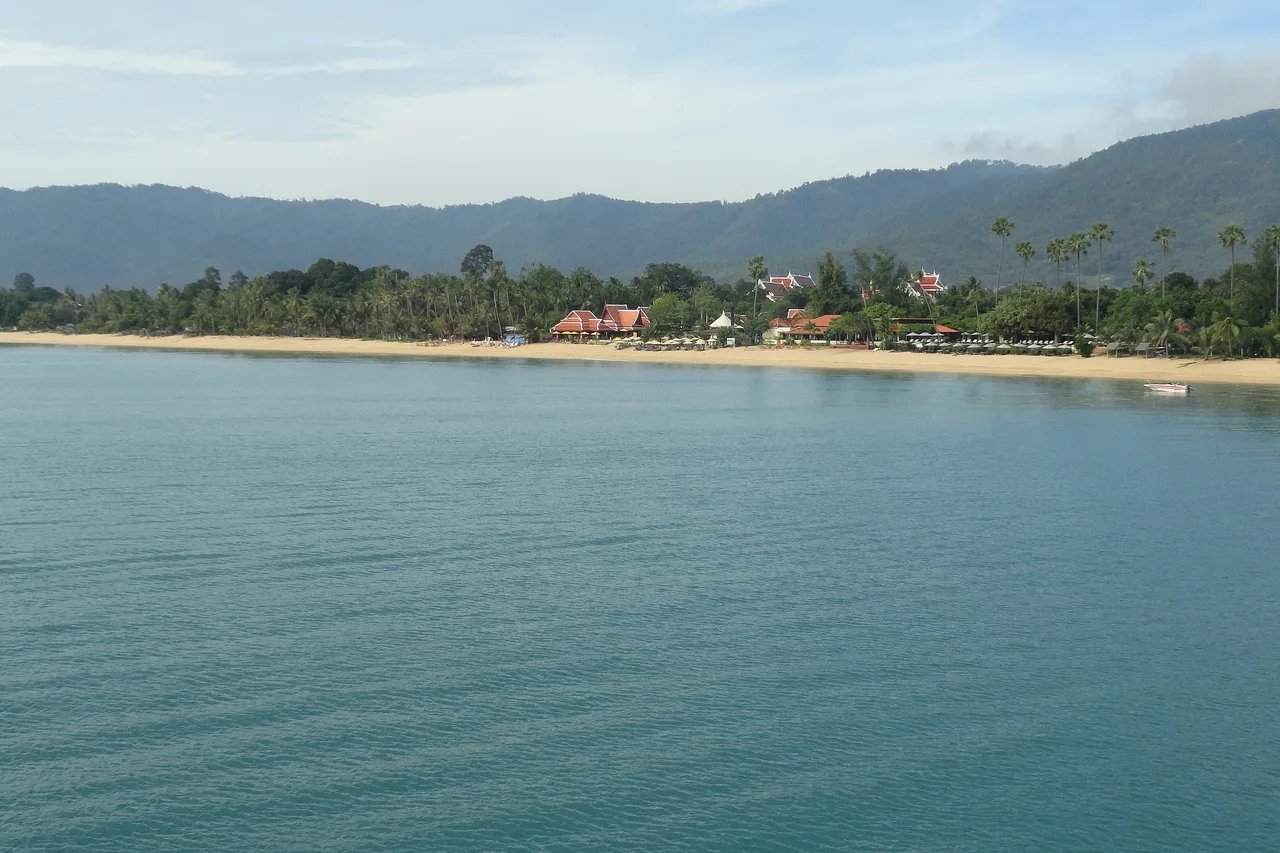
The typical chain to the Gulf — night train to Surat Thani, bus to Donsak pier, catamaran to Samui, Phangan or Tao — involves three connections. Each holds; but if one slips, the whole day goes, because the next boat is tomorrow. The same mechanics apply on the Andaman side between Krabi, Ko Lanta and Ko Phi Phi.
Two simple rules keep the chain intact. First: never put the last boat of the day at the end of a connection — aim for the mid-afternoon one, which leaves you a fallback. Second: when the run from airport or station to the pier exceeds an hour, a transfer booked in advance costs barely more than a taxi haggled on the spot and removes the variable that breaks everything — waiting for a vehicle. In high season, on Phuket or Krabi, that is the difference between boarding and sleeping on the mainland.
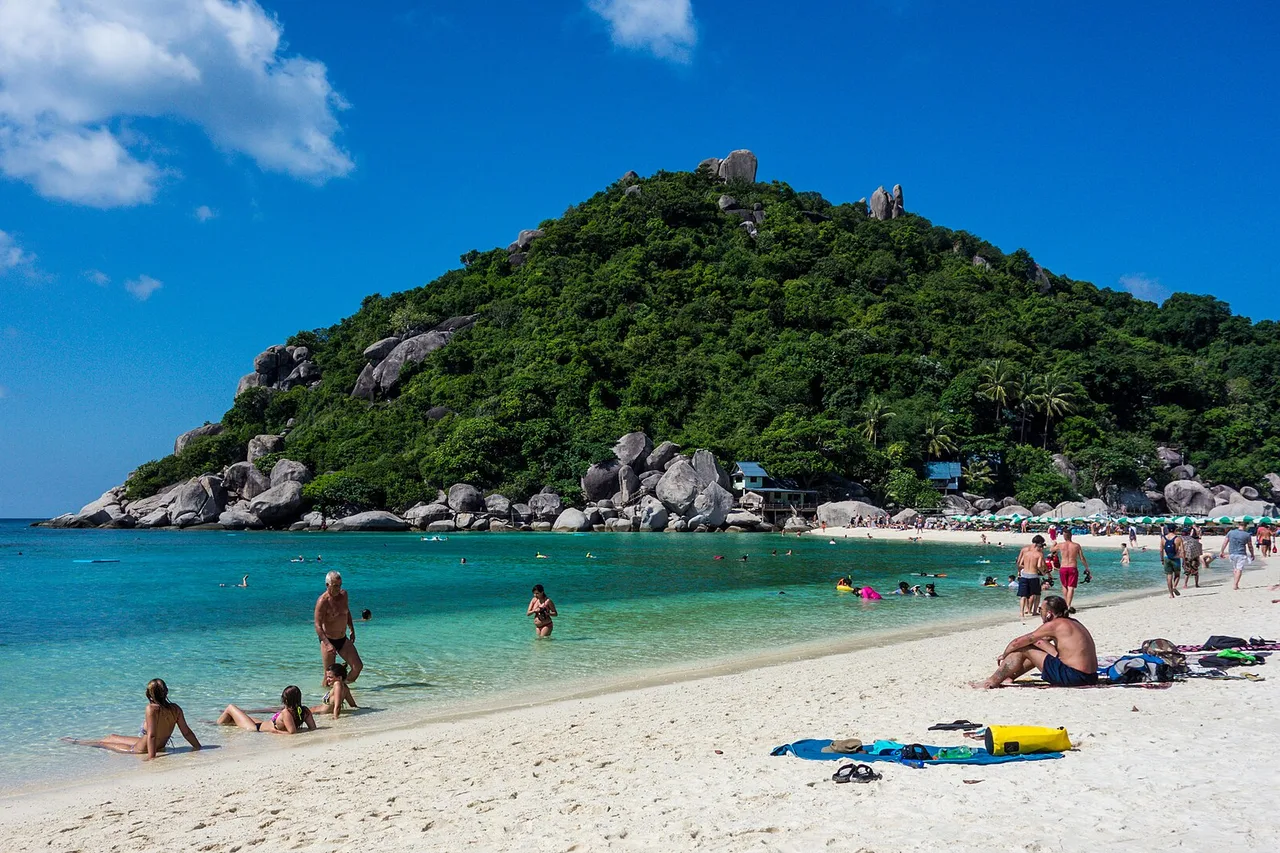
One last budget point, already flagged in our other guides and still true: southern beach resorts cost 40 to 60 % more than Bangkok or Chiang Mai for the same comfort. A missed connection is therefore dearer there than anywhere else, and our three-week budget calculation spells out what that gap means across a whole trip.
On the ground: apps, taxis, songthaews and two-wheelers
Once you arrive the question changes: it is no longer crossing the country but crossing a city. In Bangkok the BTS and MRT remain unbeatable, at 17-45 baht on the metro and 17-65 on the skytrain — bearing in mind that the famous 20-baht cap is reserved for Thai nationals, as we explain in our guide to Bangkok’s districts.
Otherwise, the metered taxi starts at 35 baht and is often cheapest on short hops — provided the meter is running. If it is not, the only useful answer is to get out and take the next one. Among apps, Grab covers the country and is the default fallback. Bolt, often cheaper, is in a grey zone: its operating certificate expired on 31 May 2026 and more than 40,000 drivers were suspended. The app still works; its coverage does not — do not build an airport transfer on it.
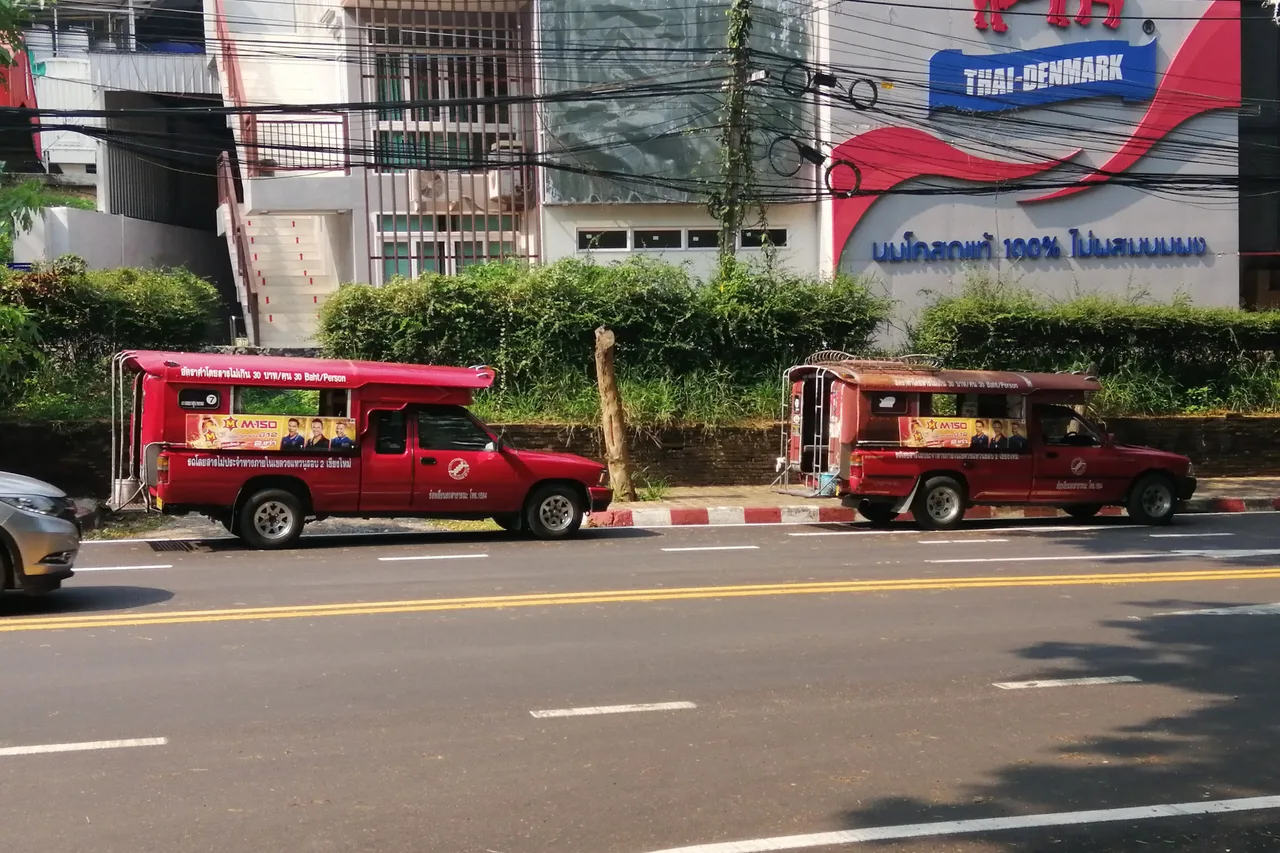
Outside Bangkok local transport takes the form of the songthaew, the pick-up with two benches that serves as both bus and taxi. In Chiang Mai the red ones run without fixed routes: you state your destination, the driver accepts or not, and the price is agreed before you climb in — afterwards it is no longer negotiable.
Then the scooter, and this is the most important paragraph of the article. An International Driving Permit is compulsory, and for a two-wheeler it must carry category A: a category B permit, the car one, does not allow you to ride a scooter in Thailand. Checks are frequent in tourist areas and the fine runs 500 to 2,000 baht — trivial next to the real risk: without a valid permit your travel insurance refuses to cover medical costs after an accident, and a hospital stay runs into tens of thousands of euros. Renting from a professional who insists on seeing the permit, as listed two-wheeler rental firms do, is not red tape: it is the first sign the machine is insured.
The verdict, according to your trip
Two weeks, north to south: night train up to Chiang Mai, fly back down to the islands. You save a hotel night at the start and half a day at the end — that is the backbone of our fifteen-day itinerary.
One week, first trip: fly everything. On a short stay every half-day counts double, and the night train has no time to repay its slowness.
Three weeks or more, tight budget: trains and buses throughout, flights only to the deep south. At that pace the night train replaces four or five hotel nights across the trip, which comfortably funds one more island.
Travelling with children: the night train in a first-class cabin, no hesitation. A lockable two-berth cabin beats a six-in-the-morning flight, and arriving at 07:15 leaves the whole day to settle in.
Rainy season: favour rail and air over sea crossings, which are cancelled by swell more often than by rain itself — the month-by-month detail is in our guide to Thai seasons.
And in every case: keep slack on the last connection of the day. In Thailand it is never the journey that ruins a trip — it is the link that was calculated a little too finely.