Two weeks are plenty for Bali and Lombok — provided you give up half of what you planned, right now. The classic mistake is not picking the wrong places, it is lining up twelve of them and spending the holiday in a car. The itinerary below keeps eight stages, three of them three nights long, with a single sea crossing and a single flight. Every transfer time here has been checked, including the ones agencies like to round down.
What fourteen days allow — and what they do not
Bali and Lombok are neighbours with almost nothing in common. The first is Hindu, densely populated, organised for travellers down to its smallest villages; the second is mostly Muslim, far more rural, and you can drive for an hour without passing a smoothie café. That is exactly why the pairing works: the contrast does the job of a second long-haul flight, without the flight.
Full guide: Flights to Bali: When to Book and Which Stopover
What two weeks do not allow: adding Nusa Penida, the Gilis, Rinjani, a Komodo dive trip and three days of surf at Uluwatu. Every move in Bali costs more time than a map suggests — forty kilometres of secondary road can easily take two hours. The rule that saves an Indonesian itinerary is simple: no more than six changes of accommodation in two weeks, and never two consecutive nights in two different places.
The itinerary at a glance
Eight stages, fourteen nights, one boat crossing and a return flight out of Lombok. Highlighted rows are the second island.
| Days | Stage | Nights | Transfer |
|---|---|---|---|
| 1 | South Bali — Sanur or Canggu | 1 night | 30 to 60 min from the airport |
| 2-4 | Ubud, rice terraces and temples | 3 nights | 1 h to 2 h 30 by road |
| 5 | Sidemen, the rural east | 1 night | 2 h to 2 h 30 by road |
| 6 | Amed and Tulamben — diving | 1 night | no transfer |
| 7-9 | The Gili Islands | 3 nights | 1 h 30 to 2 h by boat from Padang Bai |
| 10 | North Lombok — Senaru | 1 night | 20 min by boat + 1 h by road |
| 11-12 | Rinjani, or the northern waterfalls | 2 nights | no transfer |
| 13-14 | Kuta Lombok and the southern beaches | 2 nights | 2 h to 2 h 30 by road |
Two choices deserve explaining. First, Bali then Lombok, not the reverse: you almost always land in Denpasar, and it is far better to finish in southern Lombok, thirty minutes from Praya airport, than to scramble back to Denpasar the night before your flight. Second, boat out, plane back: the crossing is part of the trip, but doing it again with luggage and a flight to catch is part of nothing at all.
Full guide: Bali airport transfer: taxi, Grab or pre-booked?
Days 1 to 4 — land first, then Ubud
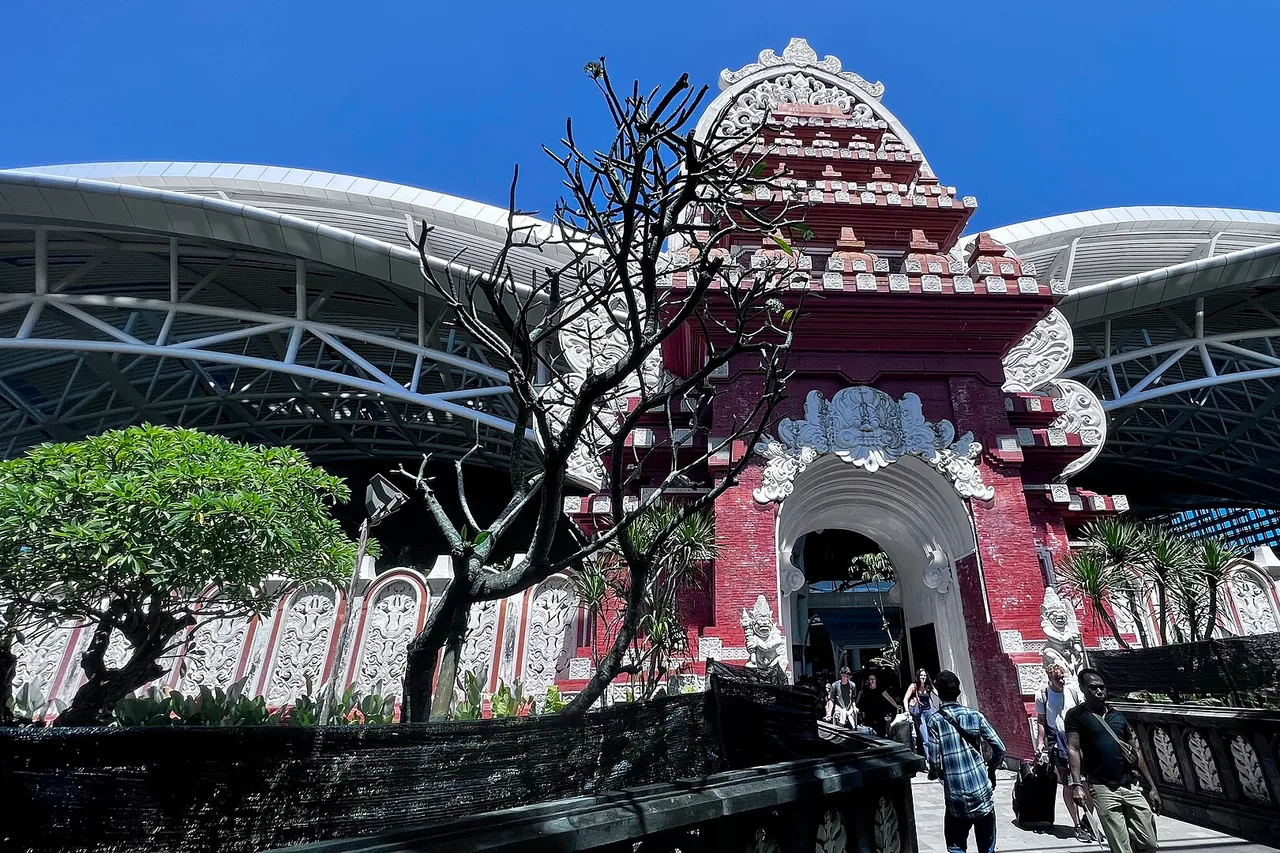
Do not sleep in Ubud on your first night. Denpasar airport is thirty-six to forty kilometres away, which means an hour’s drive at five in the morning and up to two and a half hours on a Friday afternoon. After a night flight, that road is a punishment. Sanur, thirty minutes away, or Canggu, forty-five, let you sleep early and start fresh.
Ubud then deserves three full nights, not two. The town itself takes half a day — market, palace, monkey forest — but everything worth the trip is around it: the Tegallalang terraces to the north, the Sidemen valley to the east, the temples of Tirta Empul and Gunung Kawi, and the countryside you walk through on the Campuhan ridge at first light.
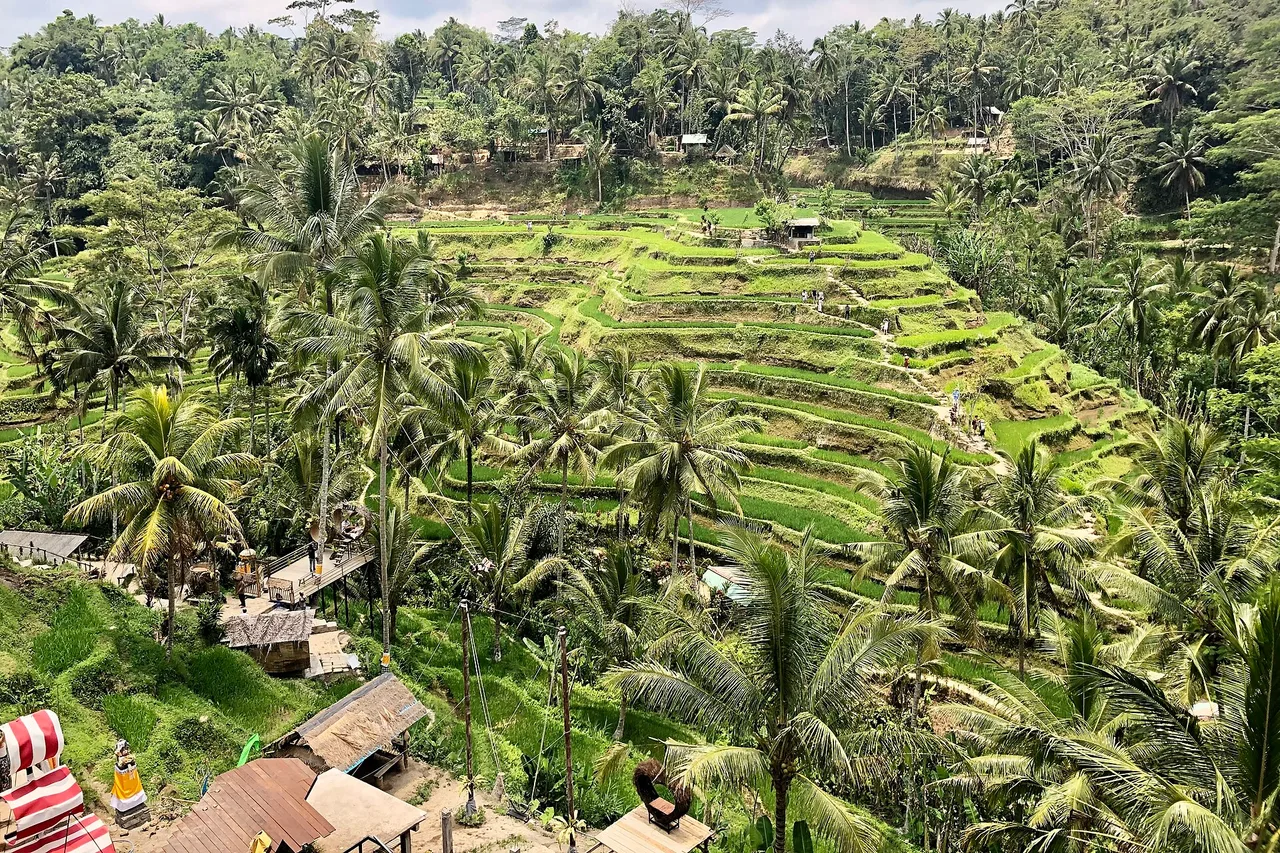
One timing note that applies island-wide: famous sites are visited before eight or after four, never in between. Tegallalang at midday is a queue for a swing; Tegallalang at seven is an empty valley in the mist. That single habit changes a Bali trip more than the choice of hotel does.
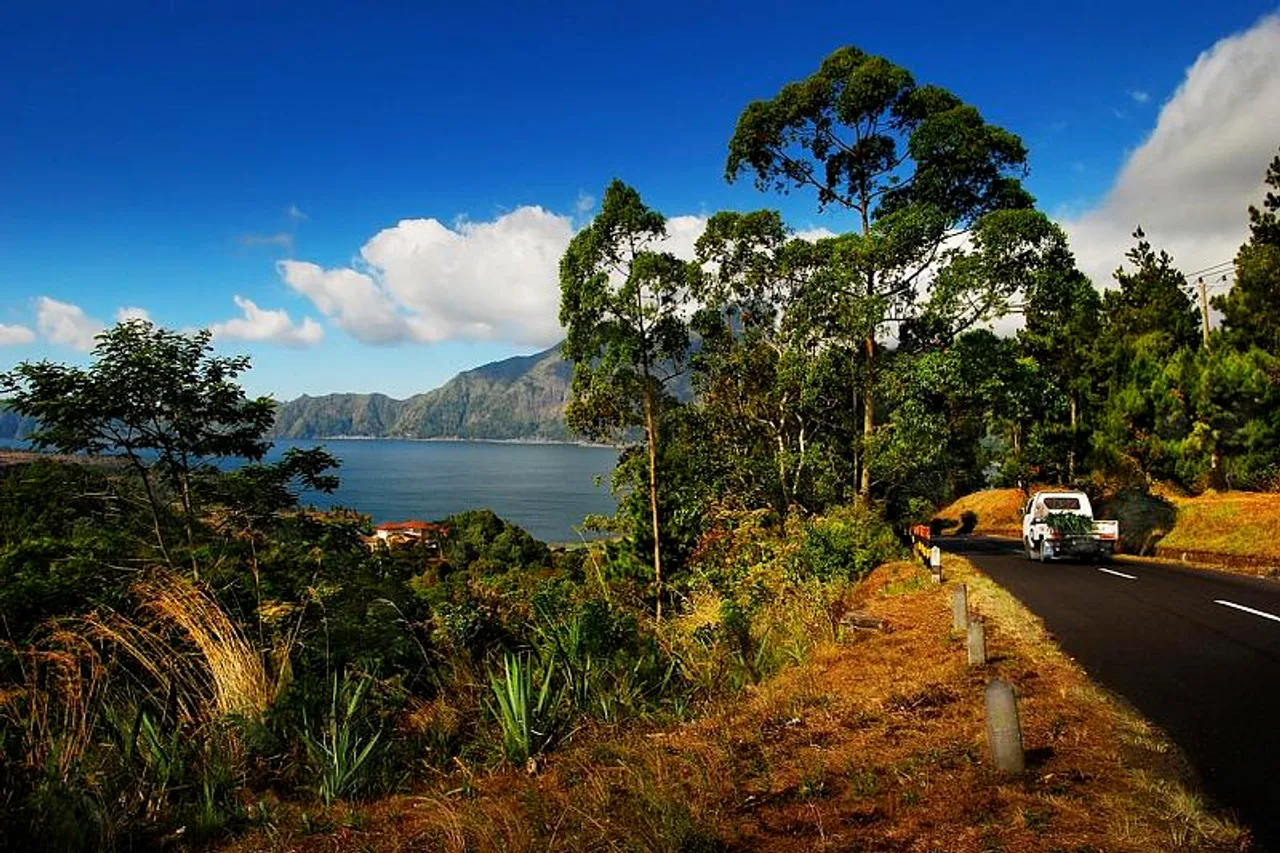
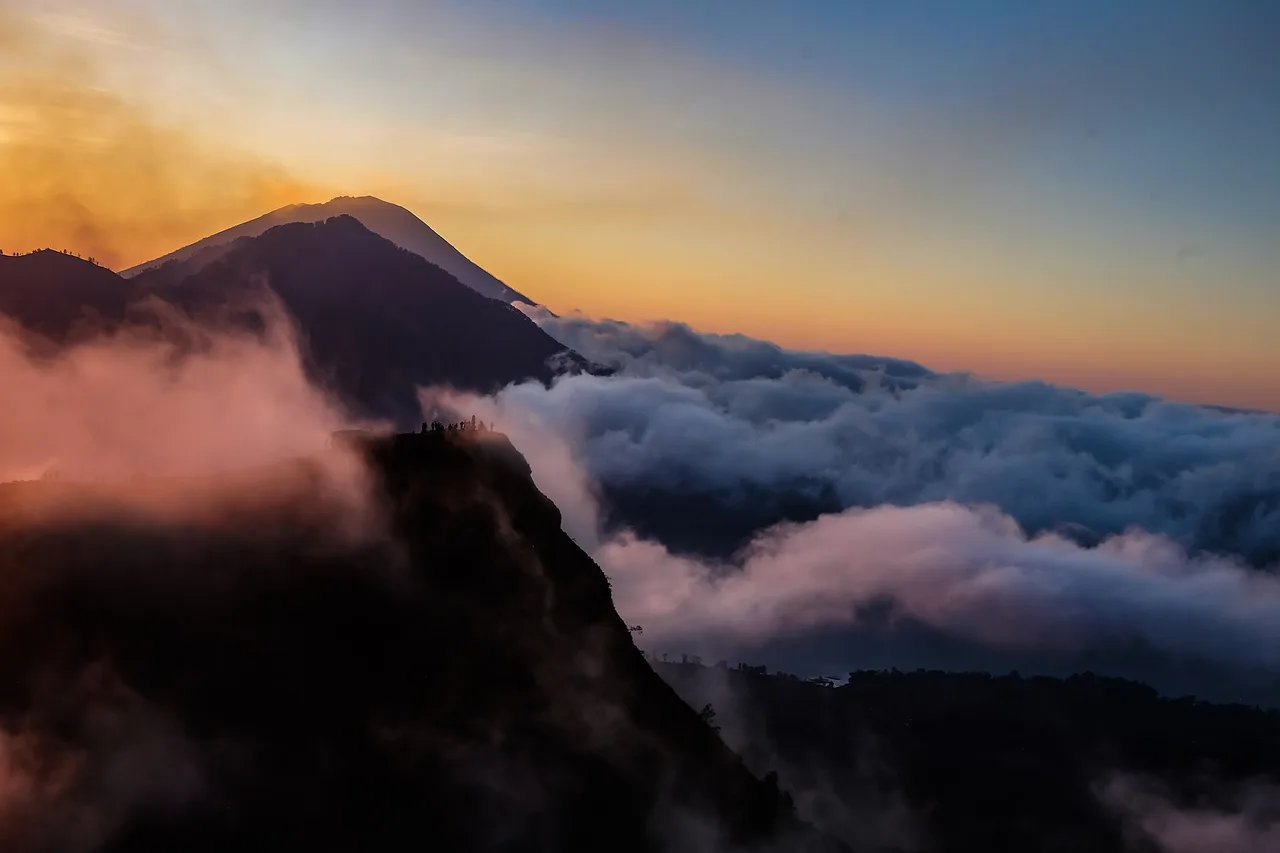
From Ubud, the most memorable outing is still sunrise on Mount Batur: leave around 2 a.m., climb for two hours in the dark, and watch the sun come up over a sea of clouds. The one condition is a clear sky — in the rainy season, one climb in two ends inside the mist. Keep the following day quiet: you are back down by nine, and not good for much afterwards.
A note on the very first hour: Denpasar airport is the only place on the trip where you negotiate a price with your bags in hand after a night flight. Booking the transfer in advance does not shorten the drive — it removes the negotiation, which is not the same thing but matters just as much on day one.
Days 5 and 6 — eastern Bali, and a dive straight off the beach
The east is the part ten-day trips sacrifice, and that is a shame: it is the quietest, the cheapest and the best placed for what comes next. Two options. Sidemen, an hour from Ubud, offers gently terraced rice fields under Mount Agung and almost no traffic. Amed, two and a half to three hours from Ubud, is a string of fishing villages on the north-east coast, the driest part of Bali, sheltered by the volcano.
Amed has one argument nothing else on the island matches: the wreck of the USAT Liberty at Tulamben is reached by fins straight from the shore, a few dozen metres out. A beginner diver — or even a snorkeller — sees a coral-covered cargo hull. It is one of the very few sites of that quality anywhere that needs neither a boat nor advanced certification. If you keep only one water activity in Bali, keep this one.
Day 7 — the crossing: which boat, from which port
Three ways to reach Lombok, and they are not equivalent.
The fast boat is the normal answer. From Padang Bai on the east coast, the crossing to the Gilis takes one and a half to two hours, with fares starting around 400,000 rupiah one way. From Sanur in the south, expect two and a quarter to three and a half hours: longer at sea, but it saves the drive to Padang Bai. From Ubud, Padang Bai is thirty-four kilometres away, an hour to an hour and a half by road — and a missed connection means waiting until tomorrow.
The public ferry Padang Bai to Lembar takes four to five hours, leaves every sixty to ninety minutes, around the clock, and costs a fraction of the price. It lands in south-west Lombok, far from the Gilis: the right call if you are travelling with a vehicle or heading straight for Kuta Lombok, the wrong one if the Gilis are your target.
Flying, finally: Denpasar (DPS) to Praya (LOP) in about fifty minutes. That is what we recommend for the return, not the outbound. One thing deserves saying plainly: the Lombok Strait can be rough, particularly from December to March, and fast boats do cancel for sea state. Leave a margin between your last crossing and your international flight — never the same day.
A word on buying the ticket: fast boat companies sell at the counter, in street agencies and online, with wide price gaps for the same crossing. Comparing times and fares in advance is mostly useful for confirming the exact departure port — that, not the price, is what decides your morning.
Days 7 to 9 — the Gilis: three islands, zero engines
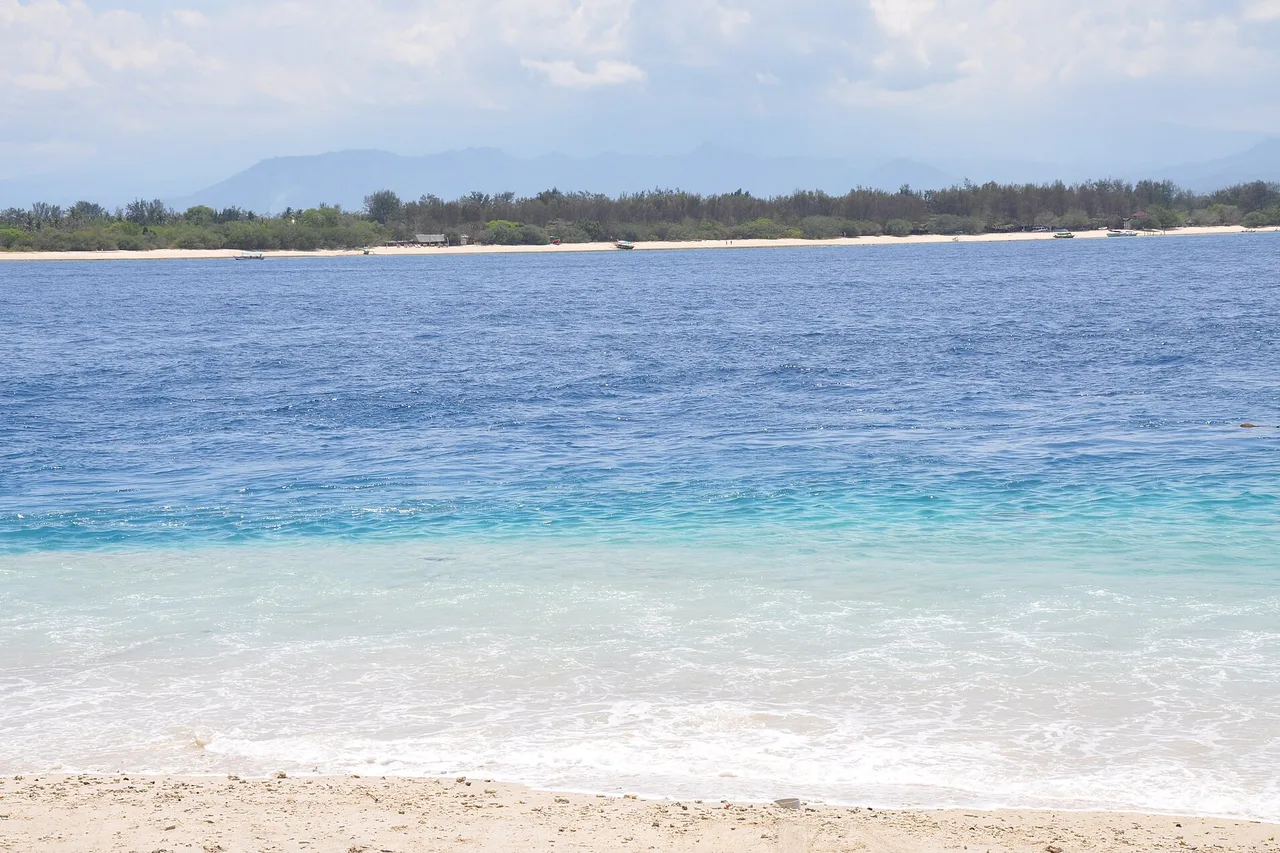
The three Gilis look alike from a distance and not at all up close. Gili Trawangan, the largest — around three hundred and forty hectares, an hour to cycle around — is also the liveliest, with bars and a real choice of restaurants. Gili Air is the compromise: cafés, dive schools, and quiet nights. Gili Meno, the smallest, has almost nothing, which is precisely the point.
What all three share is a remarkable local ordinance: no motorised vehicles are allowed. You walk, cycle, or take a cidomo, the horse-drawn cart. After ten days of Balinese scooters, the silence is an experience in itself. Practical consequence: bring luggage you can drag along a sand track.
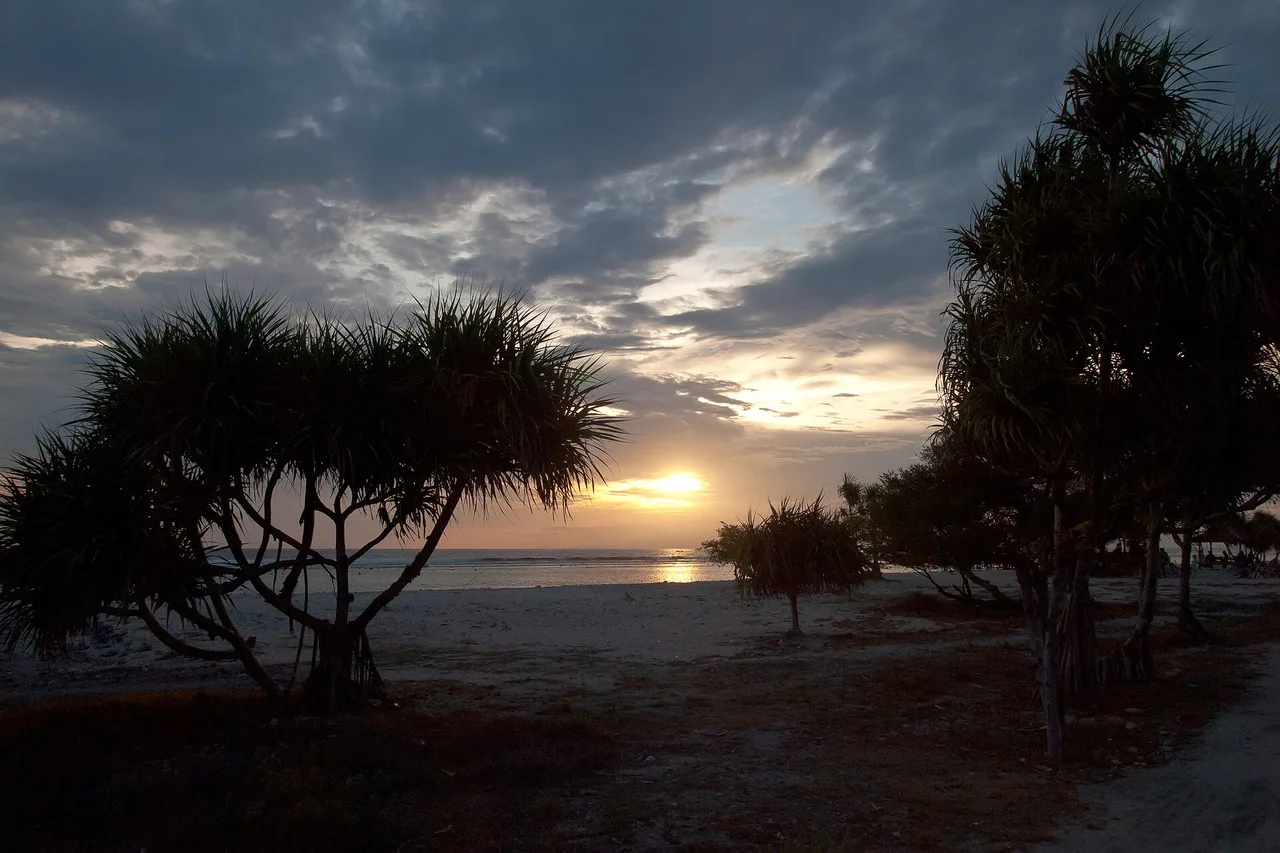
Three nights is the right format: one to arrive and breathe, one full day of snorkelling or diving — green turtles are common around Meno and Air — and a last one for a neighbouring island. Inter-island boats run several times a day and the hop takes about twenty minutes.
Days 10 to 12 — northern Lombok: Rinjani, or the plan B that isn’t one
From the Gilis you reach the mainland at Bangsal: twenty minutes by boat, then a short hour by road to Senaru, the village where the northern treks start. Public boats from Bangsal run from eight in the morning to around half past four, leaving once the boat is full — come in the morning rather than the afternoon.
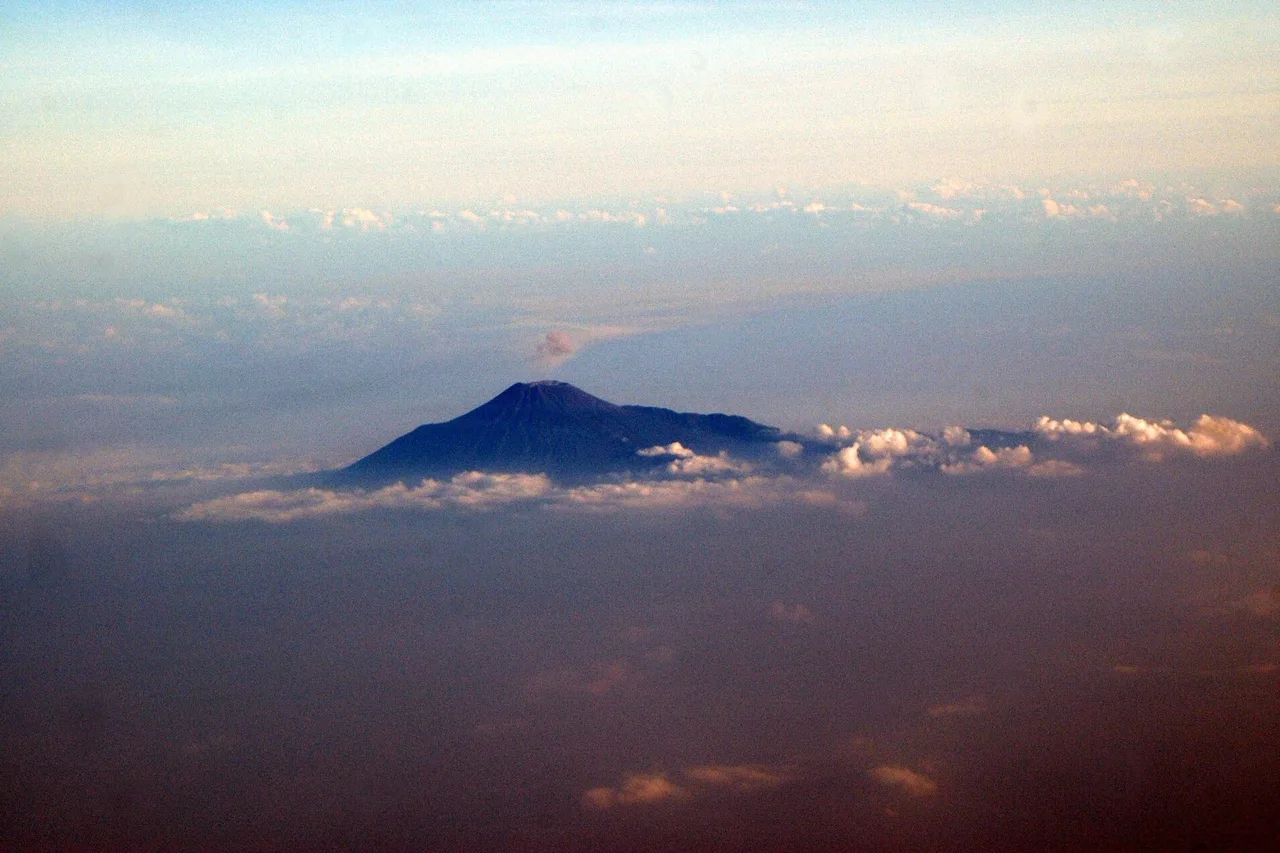
Rinjani, 3,726 metres, is the summit of the trip in the literal sense. But it cannot be improvised, and the rules have changed:
- the national park closes every year from 1 January to 31 March, a decision of the park authority (TNGR), to let the trails recover and limit landslide risk in the heart of the rainy season;
- the entry permit costs 250,000 rupiah per person per day for a foreign visitor (ministerial regulation Permen LHK No. 17/2025, in force since 3 November 2025);
- booking goes through the official e-Rinjani platform, which issues a QR code tied to your passport and chosen route;
- solo trekking is banned: a licensed guide and a registered operator are mandatory, and valid insurance is checked at registration;
- from June to September the quotas fill up: book one to two months ahead.
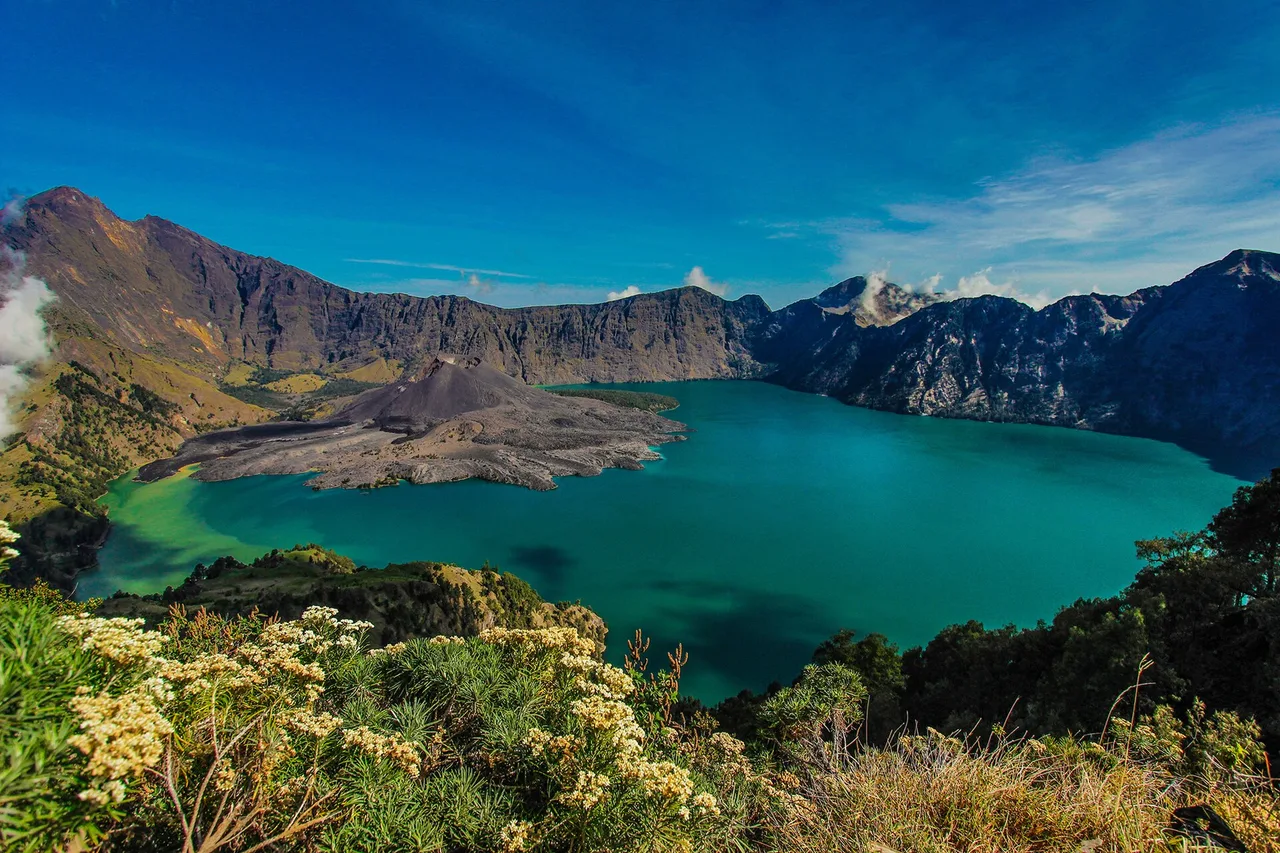
The common format is three days and two nights from Sembalun, with a night on the rim and sunrise at the summit. On a two-week trip that eats three full days and a good deal of energy: it is a choice, not a given.
If the park is closed, if the weather turns, or if trekking simply does not appeal, northern Lombok fills two days without any sense of a consolation prize: the Sendang Gile and Tiu Kelep waterfalls above Senaru are a short, wet walk away; the Sasak villages of the region are visited without a guide; and the rice fields of Tetebatu, on the volcano’s southern slope, look like Ubud thirty years ago, minus the traffic.
Days 13 and 14 — southern Lombok, and home
The road from Senaru to Kuta Lombok crosses the island north to south: allow two to two and a half hours. The south is a run of horseshoe bays — Mawun, Selong Belanak, Tanjung Aan — linked by a coastal road resurfaced in recent years and easy to ride by scooter.
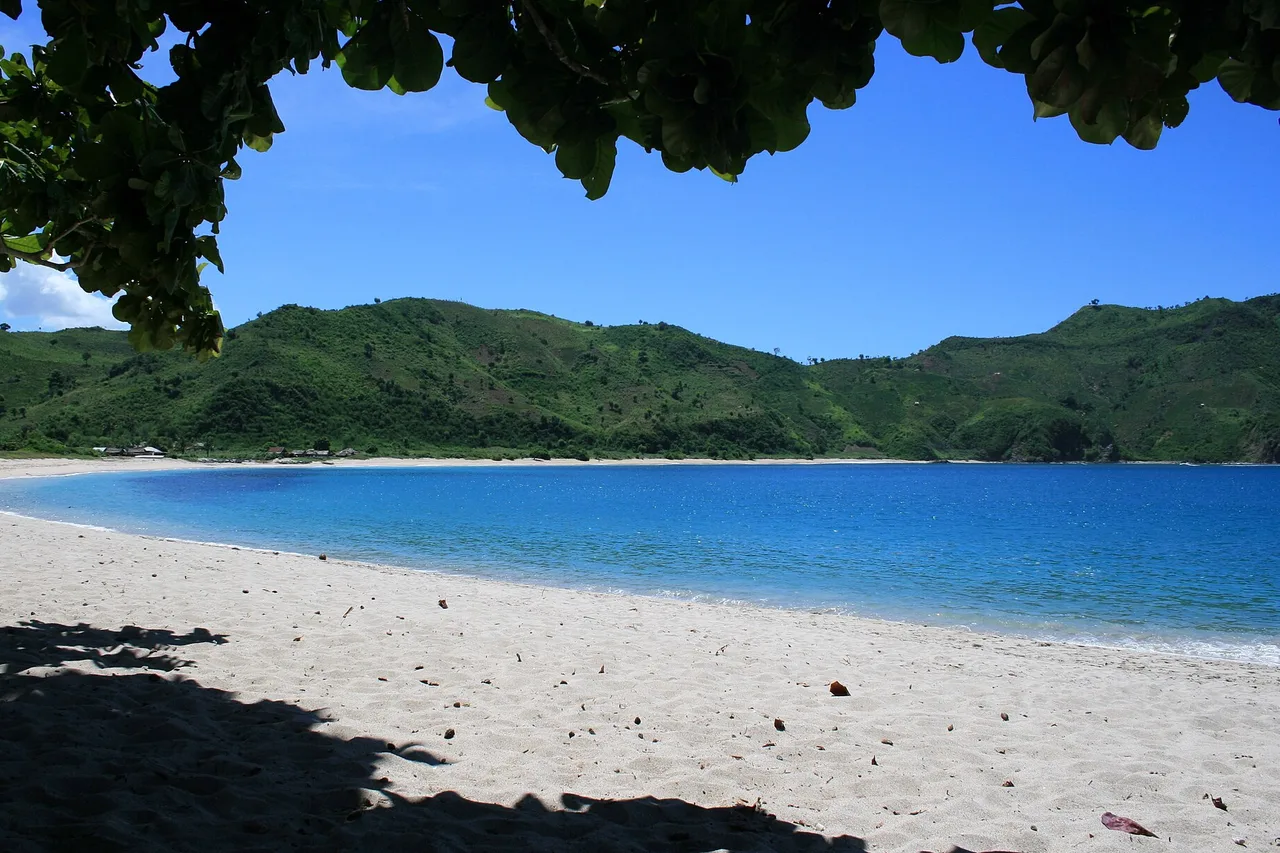
Kuta Lombok has nothing to do with its Balinese namesake: it is a surf village, calmer, with wide beaches and unbeatable sunsets. Selong Belanak is the beginner surf beach par excellence, with a sandy bottom and slow waves; Tanjung Aan, with its round-grained sand, is the most photogenic.
The logistical argument settles it: Lombok international airport, at Praya, is eighteen kilometres from Kuta, about thirty minutes. Finishing here spares you the return crossing and a night spent watching the weather. Swim in the morning, have lunch, and check in.
Paperwork, entry costs and three variations
Two line items to plan before your first meal. The visa on arrival costs 500,000 Indonesian rupiah for thirty days, extendable once; buy it online in advance on the official immigration portal (evisa.imigrasi.go.id) or at the counter on landing. Then the Bali tourist levy: 150,000 rupiah per foreign visitor, once per trip, with no exemption by age, payable on the official Love Bali portal (lovebali.baliprov.go.id), which issues a QR code. Pay before you fly: arrival queues are long and overcharging copycat sites are numerous. Note finally that Nyepi, the Balinese New Year, falls on Monday 8 March 2027: the whole island stops and Denpasar airport closes for twenty-four hours. No flights, no boats, no roads.
Three ways to adapt this route. In the rainy season (November to March): drop Rinjani, closed from January to March, keep the Gilis — the sea is often calm in the morning — and replace long drives with shorter hops. With children: Sanur rather than Ubud as the Bali base, Gili Air rather than Trawangan, and the plane rather than the boat to reach Lombok. Without trekking or diving: add two nights in Ubud and two in southern Lombok, and you get a markedly slower trip, which is probably the best of the three.
Top-rated activities in Bali, bookable online: