It is the first big decision of any Mauritius trip, and the one that shapes everything else. The all-inclusive resort, feet in the lagoon and a wristband on your arm? Or the guesthouse run by a Mauritian family, freer and closer to the real country? There is no universal right answer — there is the stay that matches how you travel. To find it, you need to know exactly what each one gives you, and what it costs. Before booking, the island's map shows what's really around each address.
Budget tip: in Mauritius, some of your activities can cost you less. See how to save thanks to discounts on your activities.
We live here and run Moris Insider, the guide and map of Mauritius built with locals. Here is the honest comparison, no spin, between an all-inclusive hotel and a guesthouse: the real budget, the food, the freedom to move, the beach, and above all who each option genuinely suits.
What "all inclusive" really means in Mauritius
In Mauritius, all inclusive is not a single concept. From one hotel to the next it covers very different realities. In its fullest version it includes the room, all buffet meals, drinks — soft drinks and local alcohol alike — and often some of the non-motorised water sports and the evening entertainment. In lighter versions, certain drinks, à la carte restaurants or excursions stay chargeable.
The main draw is peace of mind: you pay once, and on site you barely reach for your card again. On an island where imported drinks are taxed and therefore expensive, having alcohol and soft drinks included can be a real saving if you drink. Before locking your dates, a look at the season and the sea conditions also stops you booking a resort week in the windiest, wettest stretch.
The guesthouse: the island's other face
On the other side, the guesthouse — a B&B, a small pension, a self-catering flat or a villa — offers a completely different experience. No wristband, no giant buffet here: a human-scale stay, often run by Mauritians, in a village or a residential neighbourhood. You gain authenticity, human contact and, almost always, a lower price. You lose the turnkey side: meals and activities are yours to organise.
It is the choice of travellers who want to see the island, not just a lagoon. You often hire a car, shop at the market, and chat with hosts who share tips no brochure knows. Many guesthouses have a kitchen, which changes everything for budget and freedom. To scout the swimming spots around your rental, the list of nearby beaches quickly proves essential.
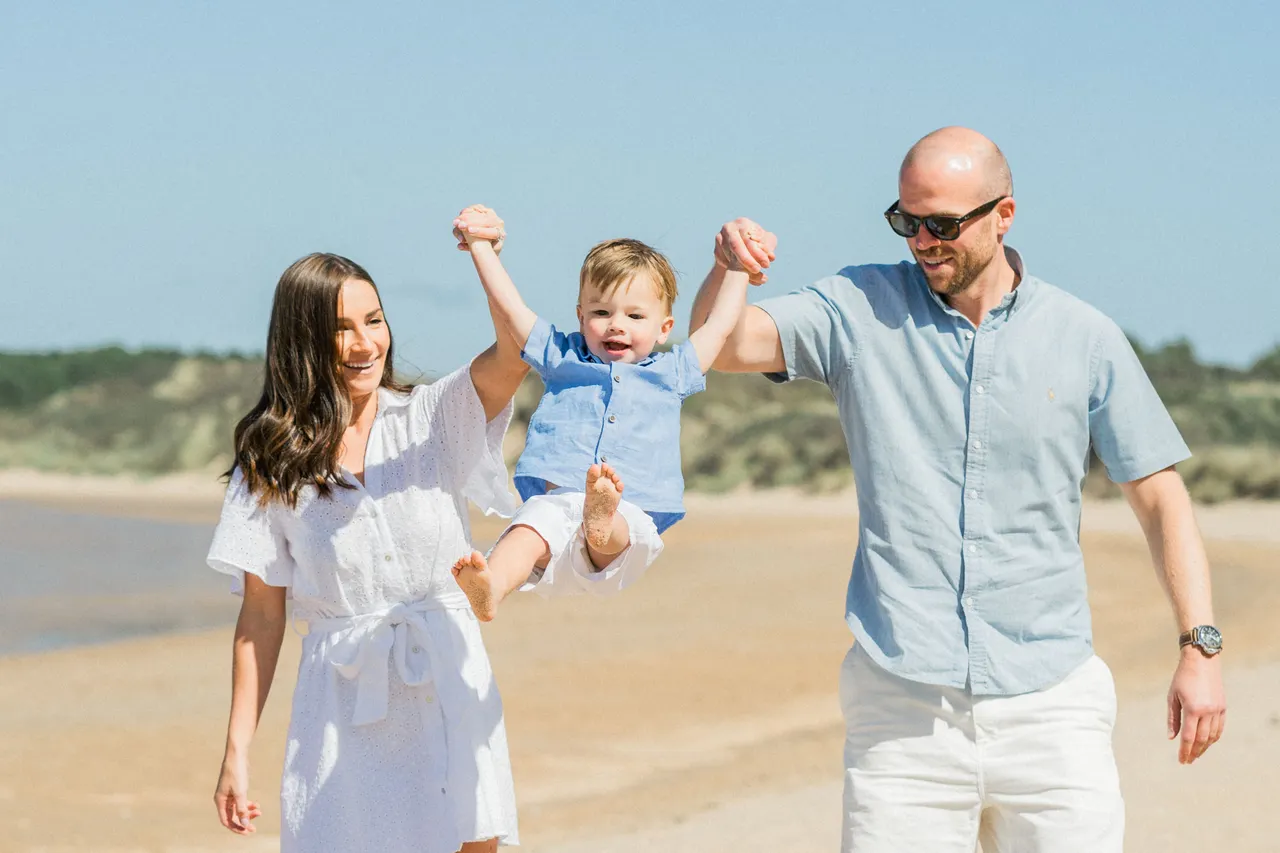
Worth noting: "guesthouse" does not mean uncomfortable. You will find charming B&Bs, villas with a pool and very well-kept pensions. The comfort dial exists on this side too — you just have to read the descriptions and reviews carefully, since there is none of the standardisation of a hotel chain.
The budget match: where the money really goes
This is often the crux. On paper, a guesthouse night is almost always cheaper than an all-inclusive resort night. But the comparison is only fair if you add what is not included: meals, drinks, the car, activities. Once those are summed up, the gap narrows — without, in most cases, ever fully reversing.
So the real question is not "which is cheaper" but "which matches how I consume". If you plan three full meals a day and several drinks, all inclusive can become good value and predictable. If you eat light, skip meals or plan to be out a lot, in all inclusive you pay for meals you never take. To put every line item in perspective, our full Mauritius trip cost guide breaks down what accommodation, a car and food really cost.
Full guide: Renting a Car in Mauritius: Tips & Pitfalls to Avoid
Whatever the stay, the island rewards preparation
Moris Insider gathers hundreds of locally checked spots, the day's sea conditions and a day planner. Enough to know what surrounds your hotel or your guesthouse — in the app, €24.90 once, for life.
Discover the app →Food: hotel buffet or Creole table
This may be the real tipping point. A big resort buffet is comfortable and varied, but often smoothed out for an international palate: you eat well, rarely Mauritian. Yet the island's cooking — Creole, Indian, Chinese, Sino-Mauritian — is one of its greatest treasures, and it lives mostly outside the hotel gates.
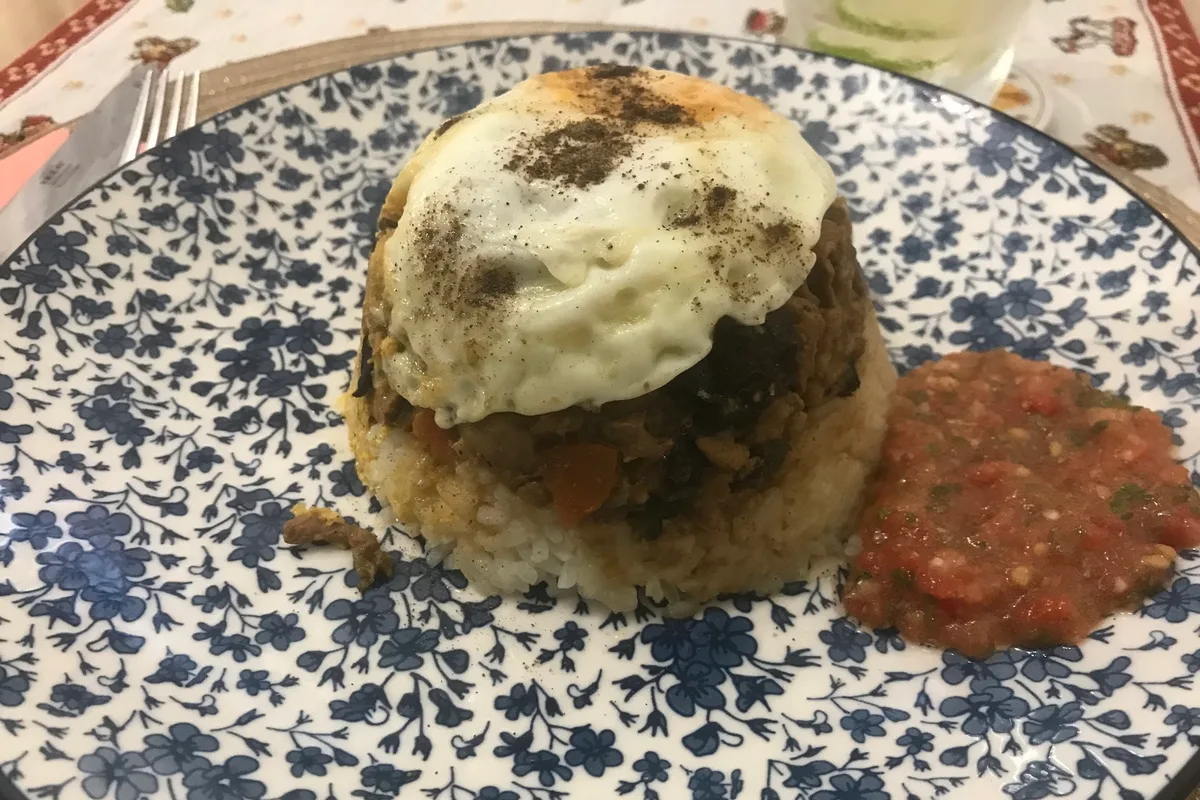
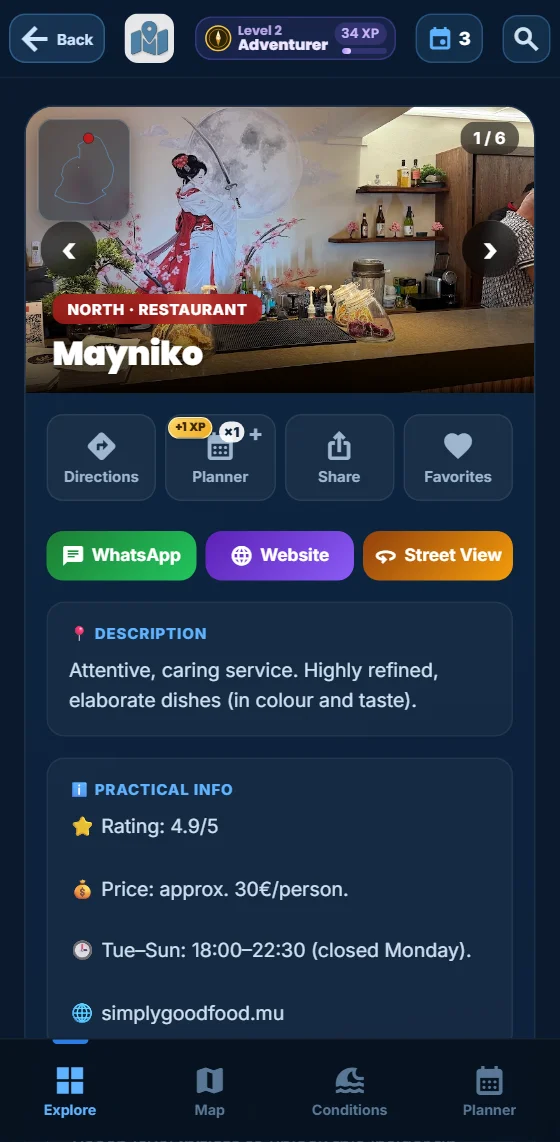
In a guesthouse you have the choice: cook with produce from the market and the street food, book a table d'hote prepared by your hosts, or head to the little village restaurants. A dholl puri from a van, a fish curry in a roadside stall, a plate of noodles in Port-Louis: that is where the real taste of Mauritius plays out, for a few rupees. In all inclusive you have to make the effort to step out for it — and many never do.
That said, the buffet has its fans, and for good reasons: with young children, after a long day, or when you simply want to think about nothing, a hotel that handles every meal is a genuine relief. Again, it all depends on what you are after: discovery or comfort.
Location, beach and freedom to move
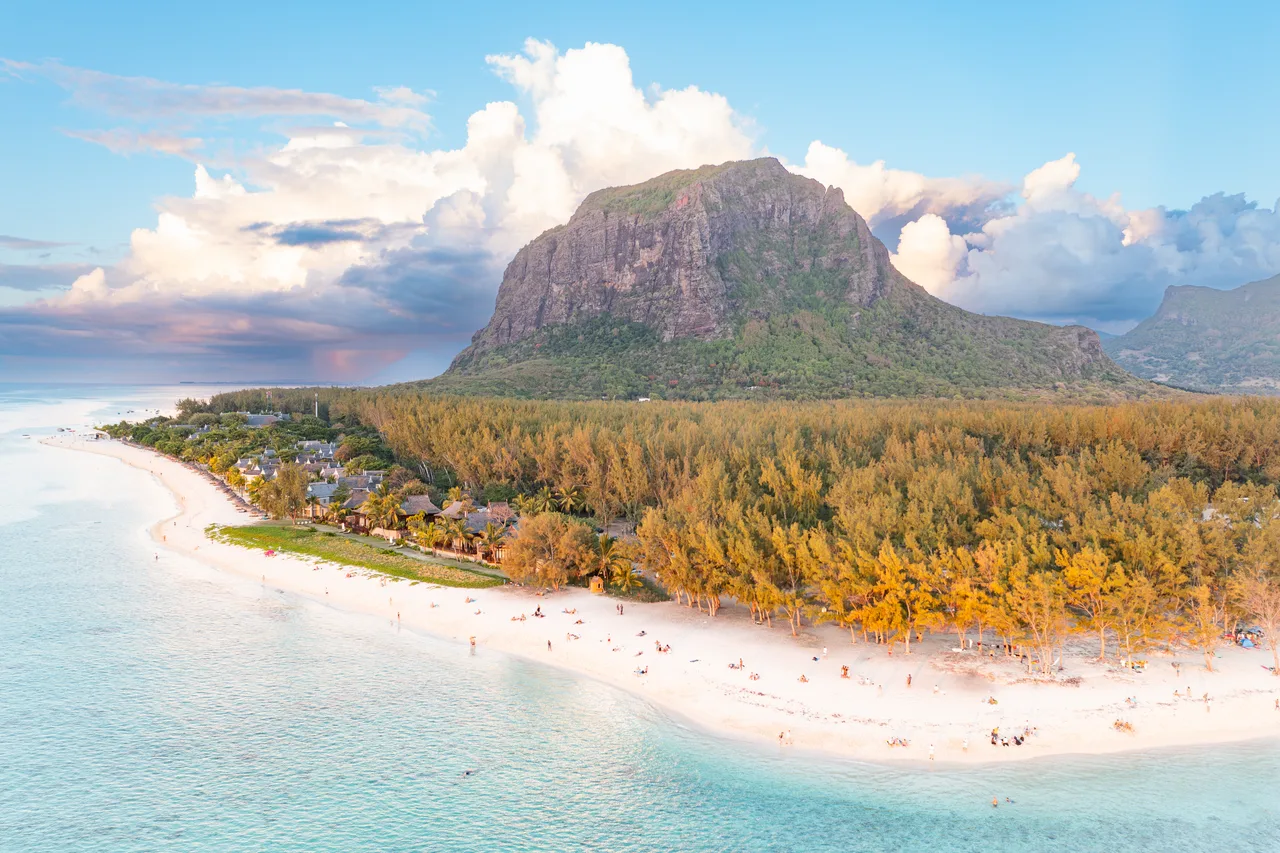
The big resorts often occupy the finest stretches of lagoon, with a groomed beach in front of the hotel and direct access to the water. That is an undeniable comfort: you step down from your room onto the sand. The flip side is a kind of bubble: you can spend a week without really seeing the island, and some hotel beaches give the illusion of private access when, in Mauritius, every beach is public.
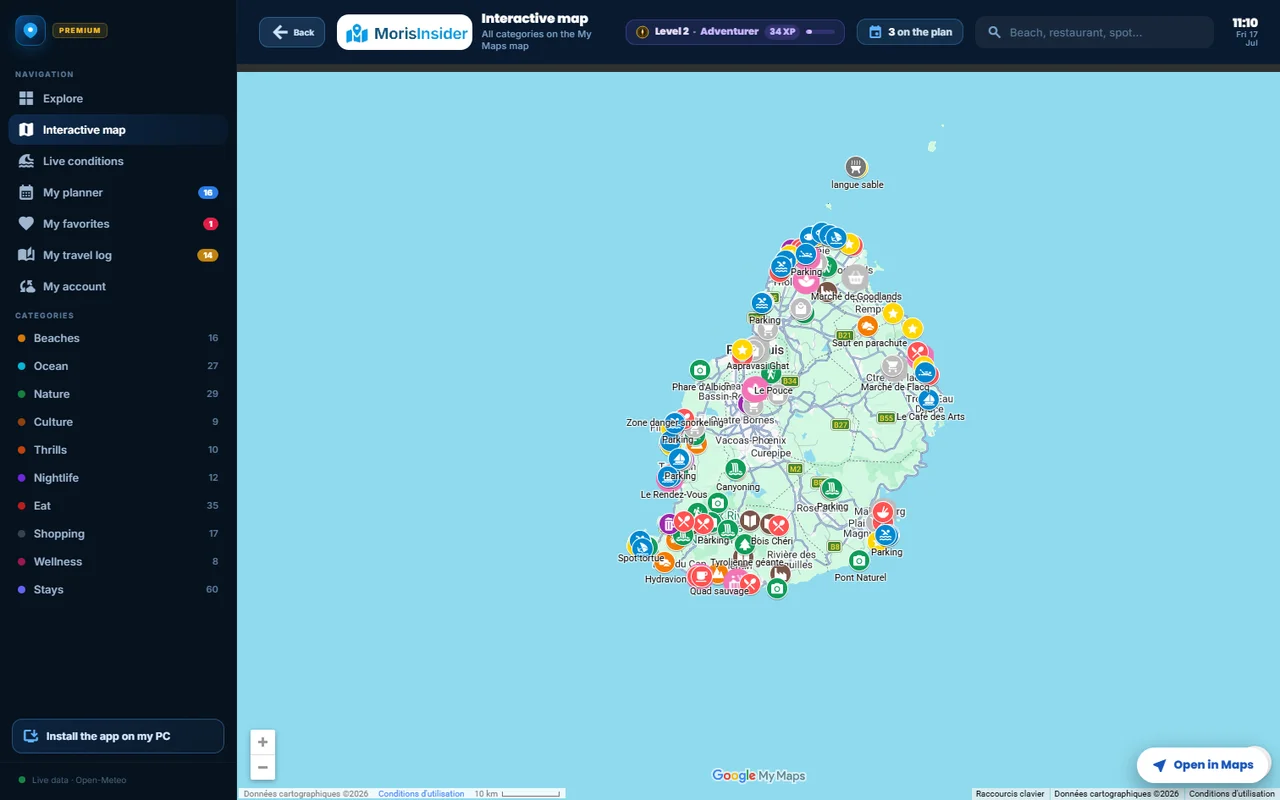
The guesthouse anchors you in a real place and pushes you outside. You are rarely right on the water, but you discover public beaches, villages, markets and inland roads. With a car, the whole island opens up. That is the moment to pull out the map of locally checked spots and build your days. The choice of coast matters a lot too: our guide on where to stay in Mauritius lays out the strengths of each region.
Who all inclusive is right for
All inclusive is not an admission of laziness: for certain travellers it is objectively the best option. It shines for trips where you mainly want to rest and switch off, with no logistics. Families with young children find a reassuring setup: kids' club, pool, unlimited meals, a capped budget. Honeymoons and short breaks (a week to unwind) also gain in simplicity.
It is a sound call, too, for heavy eaters and drinkers, and for anyone put off by driving on the left or by planning. If your Mauritius dream is a sun lounger, a lagoon and a cocktail without ever thinking about the bill, all inclusive delivers on its promise. You can still slot one or two excursions into the week to see the island without giving up the comfort.
Who the guesthouse wins over
The guesthouse comes into its own the moment the trip becomes a desire to explore. It speaks to curious travellers, to those who want to eat local, chat with residents and understand the country beyond the postcard. It also suits tight budgets, long stays and independent travellers who want to set their own hours and programme without constraint.
Families are far from excluded: a villa or a large B&B with a kitchen offers space, flexible meals and often better value than a hotel room. For anyone who likes to move, try things and get a little lost, the guesthouse is the ideal base camp. Note your favourites day by day in a travel journal to keep track of the addresses no one else would have given you.
The smart play: the local mix
Here is the secret few brochures admit: nothing forces you to pick a single camp. Many savvy travellers — and Mauritians hosting family — combine the two. A few nights in a guesthouse to explore a region, roam the island and eat local, then two or three nights in a resort to wind down, feet in the lagoon. You get the best of both worlds.
Another clever variant: half board rather than all inclusive. You keep the comfort of dinner at the hotel but free up your lunches to discover restaurants and street food. Across a single trip, alternating by region also lets you match the stay to what each coast does best. The key is to set off knowing your priorities: rest or discovery, capped budget or freedom, private lagoon or immersion. Once that heading is fixed, the right choice becomes obvious.
Hotel or guesthouse, explore like an Insider
Locally checked spots, live sea conditions and a day planner. €24.90 once, for life. 30-day money-back guarantee.
Discover the app →