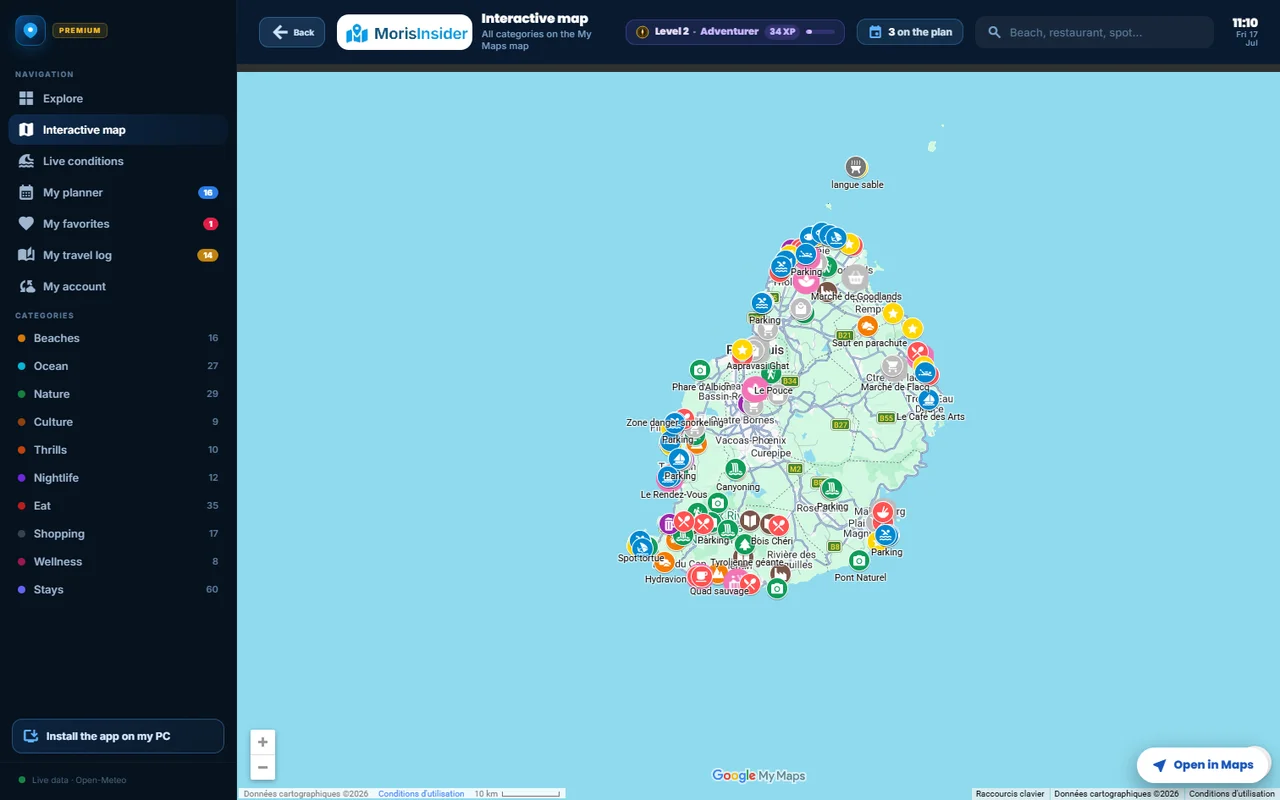
The plane ticket is usually the biggest single cost of a Mauritius trip — and the easiest one to get wrong. Too early, too late, the wrong week or the wrong connection, and the same holiday can cost twice as much. The good news: once you know the airlines, the price calendar and a couple of habits, you book smarter, calmer and often cheaper. Once you land, the island's map is waiting, with the day's weather.
Budget tip: in Mauritius, some of your activities can cost you less. See how to save thanks to discounts on your activities.
We live here and run Moris Insider, the guide and map of Mauritius built with locals. Here is the no-nonsense version of how to handle your flight: where you can fly direct, how long it really takes, when to hit "book", and the tricks that bring the price down.
Direct flights to Mauritius: from where and with whom
Every route lands in the same place: Sir Seewoosagur Ramgoolam International Airport (code MRU), at Plaine Magnien in the south-east. It is the country's only international airport. Several cities offer a direct flight, which is a real comfort on a trip this long.
From London, the direct route leaves Gatwick with Air Mauritius and British Airways. From Paris, Air Mauritius and Air France fly direct from Charles de Gaulle, and Corsair from Orly. From Germany, Condor links Frankfurt to Mauritius direct all year on a modern Airbus A330neo. From India, Air Mauritius connects several cities directly, and Middle East hubs add plenty of one-stop options. From Italy, direct flights are mostly charter from Milan, with most travellers connecting through a hub. Before you lock your dates, a glance at the island's season and weather saves you from landing in a rainy or cyclone spell.
How long the flight really takes
It is long-haul, but not an endless slog. Direct from London-Gatwick, expect around 12 hours. From Frankfurt, roughly 11h30. From Paris, about 11 to 12 hours. Overnight flights are common: you take off in the evening, sleep (a little), and arrive the next morning ready to go.
With a stopover, total travel time changes everything. Via Dubai, Doha or Istanbul, plan on 13 to 20 hours door to door depending on the layover. It is not just about patience: arriving fresh or wrecked shapes your first day. If you land exhausted, keep the first stop easy and look ahead at where to drop your bags the first night.
One more detail: Mauritius runs ahead of the UK and Europe (the gap shifts with the seasons, as the island does not use daylight saving). The mild jet lag fades fast, especially if you sleep on the plane.
Ticket booked? Now the island gets ready
Moris Insider gathers hundreds of locally checked spots, today's sea conditions and a day planner. It turns the wait for departure into useful scouting — in the app, €24.90 once, for life.
Discover the app →When to book: getting the timing right
The question everyone asks: "how many months ahead?" There is no magic formula, but the logic is simple. On a long-haul route to a highly seasonal destination like Mauritius, booking ahead nearly always pays. For dates outside school holidays, 3 to 6 months ahead is a solid target. For Christmas, New Year, February or the summer break, go earlier still: those flights fill fast and prices only rise as the date nears.
Last-minute is still possible, especially off-season, but it is a gamble: you might grab a bargain… or pay full fare for the last seats. If your dates are fixed, do not wait. If they are flexible, you have real room to manoeuvre — more on that below. It also helps to sketch your days on the island before locking the trip length, so you avoid paying for one hotel night too many or missing a key activity.
The price calendar: when it's dear, when it drops
In Mauritius, peak tourist season and peak flight prices overlap heavily. Fares are highest during the European winter and the holidays: December-January, February and every school break. It is simple supply and demand: that's the best weather for escaping the cold, so demand is highest.

By contrast, the shoulder seasons and non-holiday weeks usually offer the best fares, for an island that stays lovely most of the year. Shifting your departure by a few days, avoiding the Saturday changeover, or flying midweek can be enough to melt the price down. Before you fix your dates, cross-check the fare with the real weather for that period: a cheap ticket in the rain is no bargain. For the full picture, our best time to visit Mauritius guide breaks down the climate month by month.
Last point: the flight is only part of the equation. To put it all in perspective (accommodation, car, food), have a look at our full Mauritius trip cost guide.
Direct or via a stopover: how to choose
Direct means comfort: less fatigue, no connection to juggle, one take-off and one landing. Over twelve hours of flying, that counts. A stopover usually plays the price card and opens routes from cities without a direct link — via Dubai, Doha, Istanbul, Paris or Frankfurt depending on the airline.
Our advice: if the price gap is small, take the direct, especially with family. If the stopover genuinely cuts the budget and you travel light, it can be worth it — provided you keep a comfortable connection (avoid anything under 90 minutes at an airport you don't know). And factor in the fatigue on arrival: a long overnight layover can cost you your first beach day. It's worth scouting the beaches near your accommodation ahead of time for an effortless first day.
Landing in Mauritius: the airport and beyond
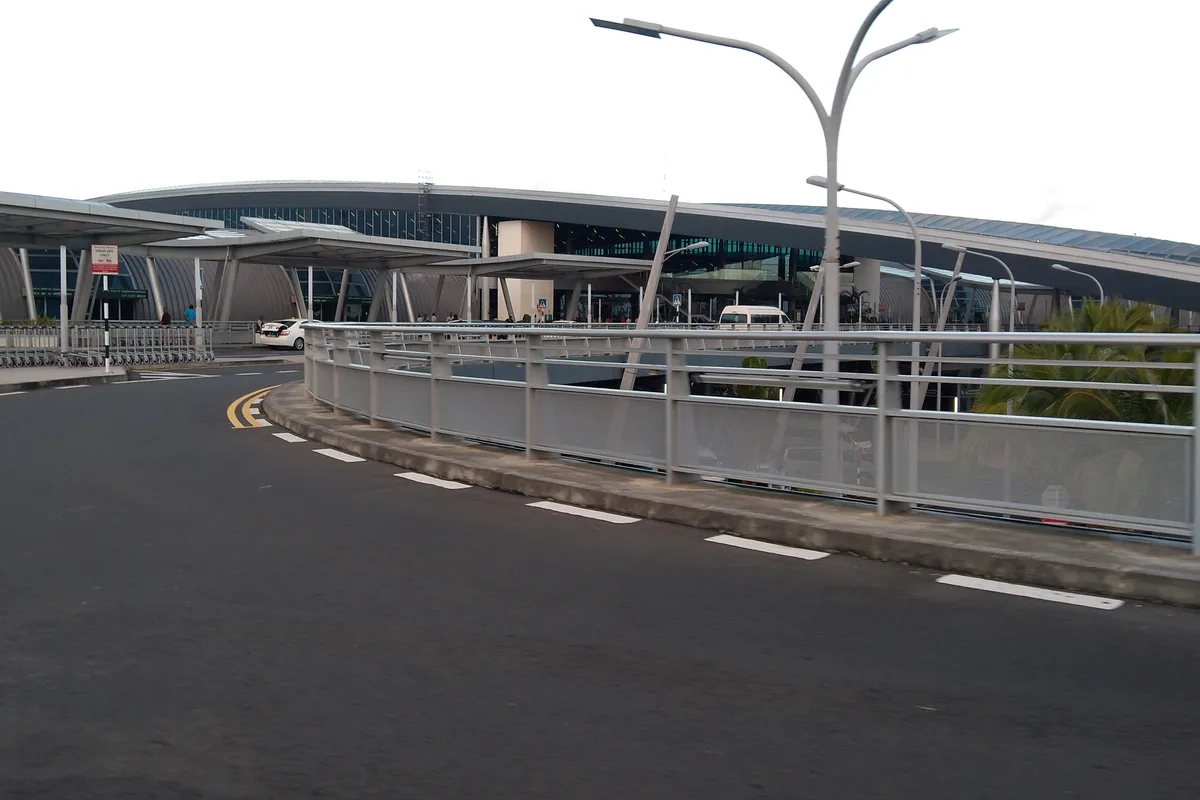
MRU is modern and well organised. On the way out, several ways to reach your accommodation: taxi (agree the price before you get in), a transfer booked ahead by your hotel, or a hire car picked up on site. Since the airport is in the south-east, allow the road time for your coast: the north (Grand Baie) is on the opposite side of the island.
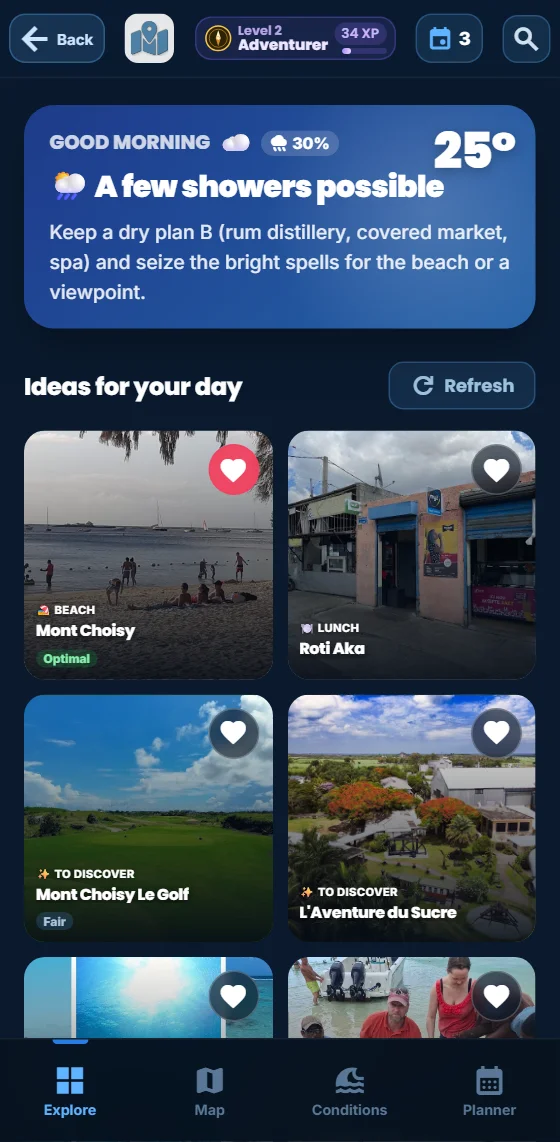
On formalities, many European and other visitors enjoy visa-free entry for a tourist stay — always check the current official rules before you travel, as they can change. Have the usual proof ready (return ticket, accommodation). Once you're past the baggage belt, the real question is: where first? That's when you pull up your map of locally checked spots.
Full guide: Where to Stay in Mauritius: Which Coast to Choose
7 insider tips to pay less
No silver bullet, but habits that add up to a real difference on the final price:
1. Compare several airlines. On routes like London or Paris, the gap between carriers can be sharp. Never stop at the first price.
2. Be flexible on dates. Flying on a Tuesday or Wednesday rather than a Saturday, or shifting a week outside the holidays, can be enough to change price bracket.
3. Book early for busy periods. Christmas holidays and school breaks: the longer you wait, the higher it climbs. Booking ahead is your best ally.
4. Set up price alerts. On comparison sites, an alert tells you when your route's fare moves. You book at the right moment without checking every day.
5. Consider a stopover if the gap is big. A hundred or two hundred pounds saved can justify a few extra hours — you weigh comfort against budget.
6. Check what the fare includes. Checked bag, seat choice, meals: a "cheap" no-bag fare can end up dearer than a full ticket once the extras are added.
7. Think about the whole trip, not just the flight. A slightly pricier but better-timed flight can save you a hotel night or a costly transfer. Keep the big picture, and jot your finds in your travel journal so nothing slips.
Flight booked? Plan the rest like an Insider
Locally checked spots, live sea conditions and a day planner. €24.90 once, for life. 30-day money-back guarantee.
Discover the app →