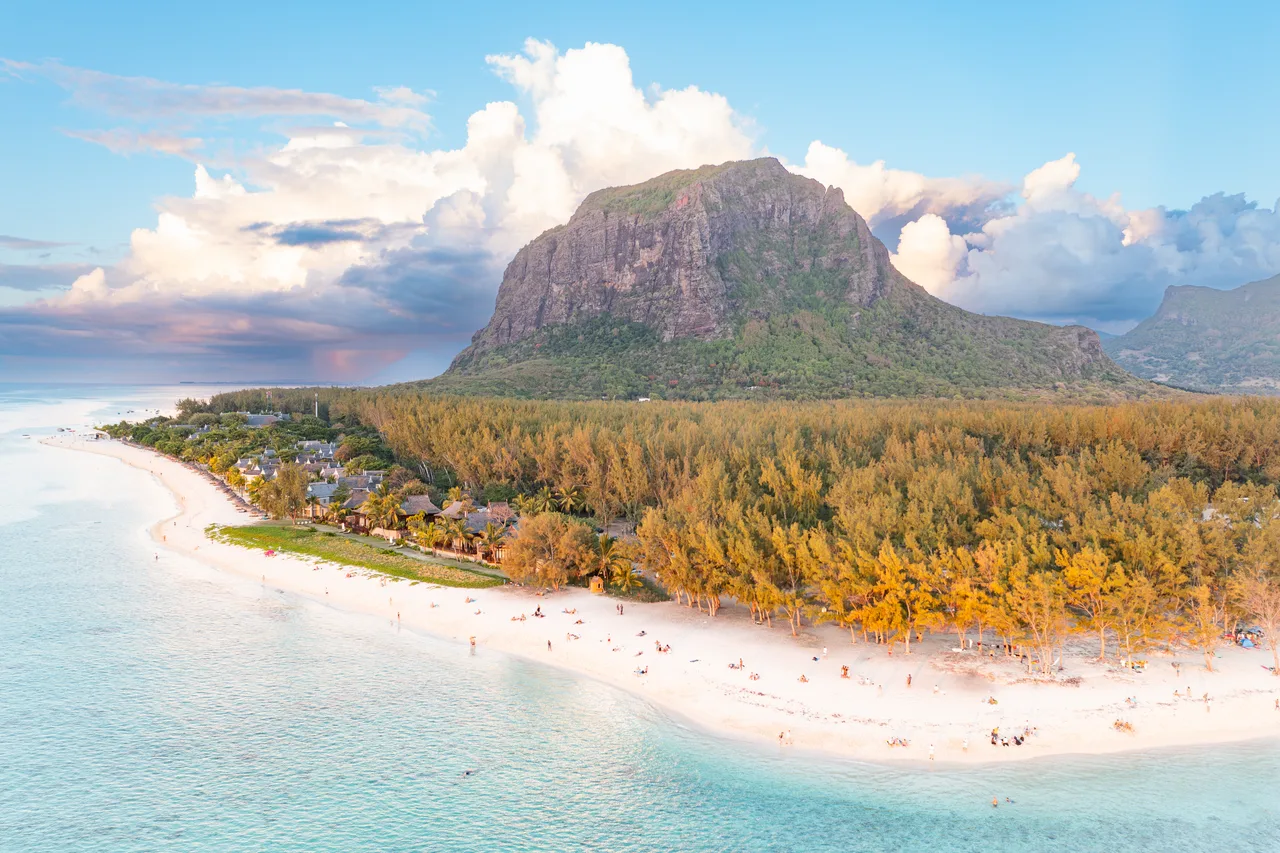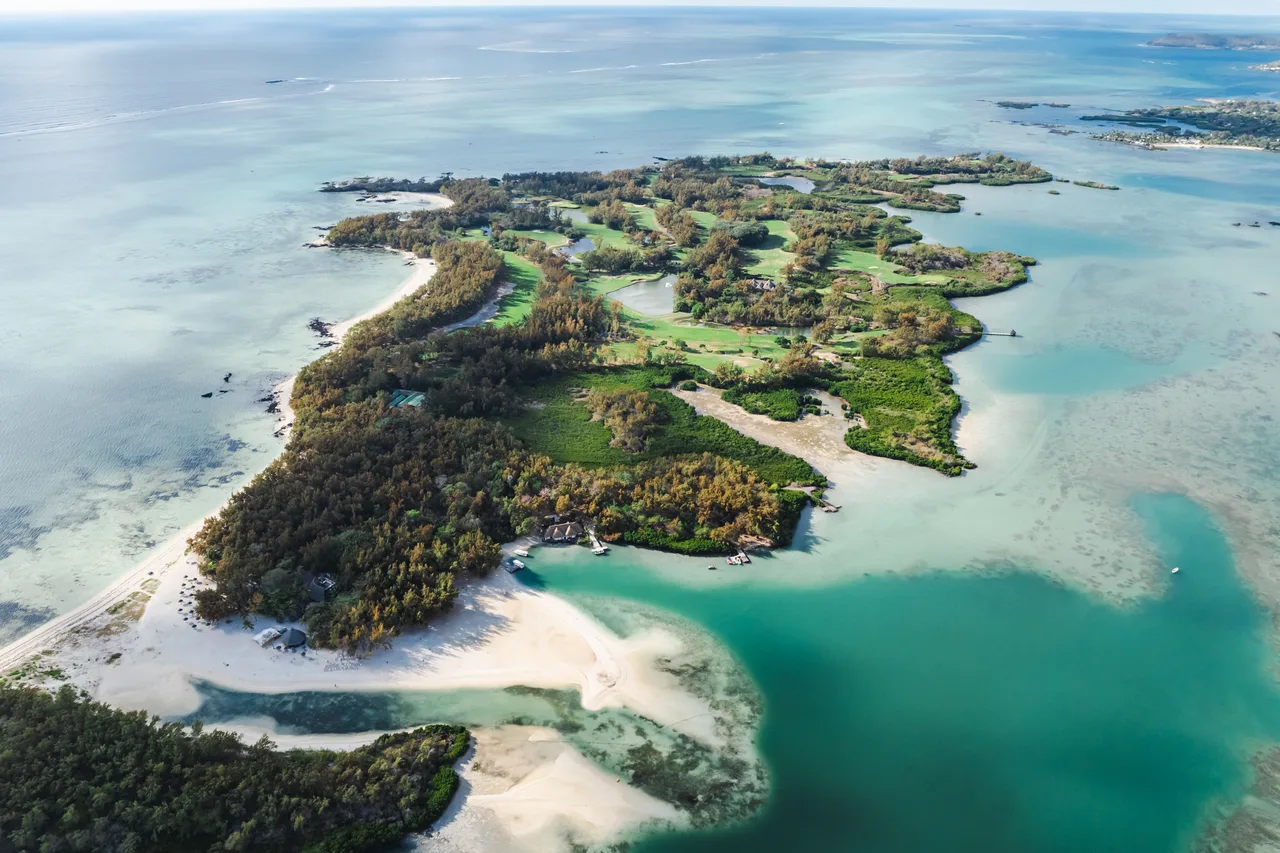
It is THE Mauritius postcard: a near-deserted island with almost-white sand, ringed by a turquoise lagoon so clear you can see your own shadow in the water. Île aux Cerfs earns its reputation — but it has also become the most heavily sold excursion on the island, and the place where you meet the most touts, overpriced trips and bad surprises. Well organised, a day there is glorious. Badly organised, it turns into a tourist trap that empties your wallet without giving you anything more. The island, the waterfall and the spots around are on the island's map, with the day's conditions.
Budget tip: in Mauritius, some of your activities can cost you less. See how to save thanks to discounts on your activities.
We live here and run Moris Insider, the guide and map of Mauritius built with locals. So here is the real how-to: where the island is, how to get there without being ripped off, what you can actually do, the famous waterfall, and above all the honest list of scams to avoid so this day stays a memory rather than a regret.
Where Île aux Cerfs is
Île aux Cerfs is an islet set in the lagoon of the east coast of Mauritius, off the village of Trou d'Eau Douce, in the Flacq region. It is not an isolated island out at sea: it is sheltered by the coral reef, which is why it has such a vast, shallow, calm lagoon of unreal turquoise. The sand is fine and pale, fringed with casuarina trees, and the water is often warmer and more sheltered than on the wind-exposed coasts.
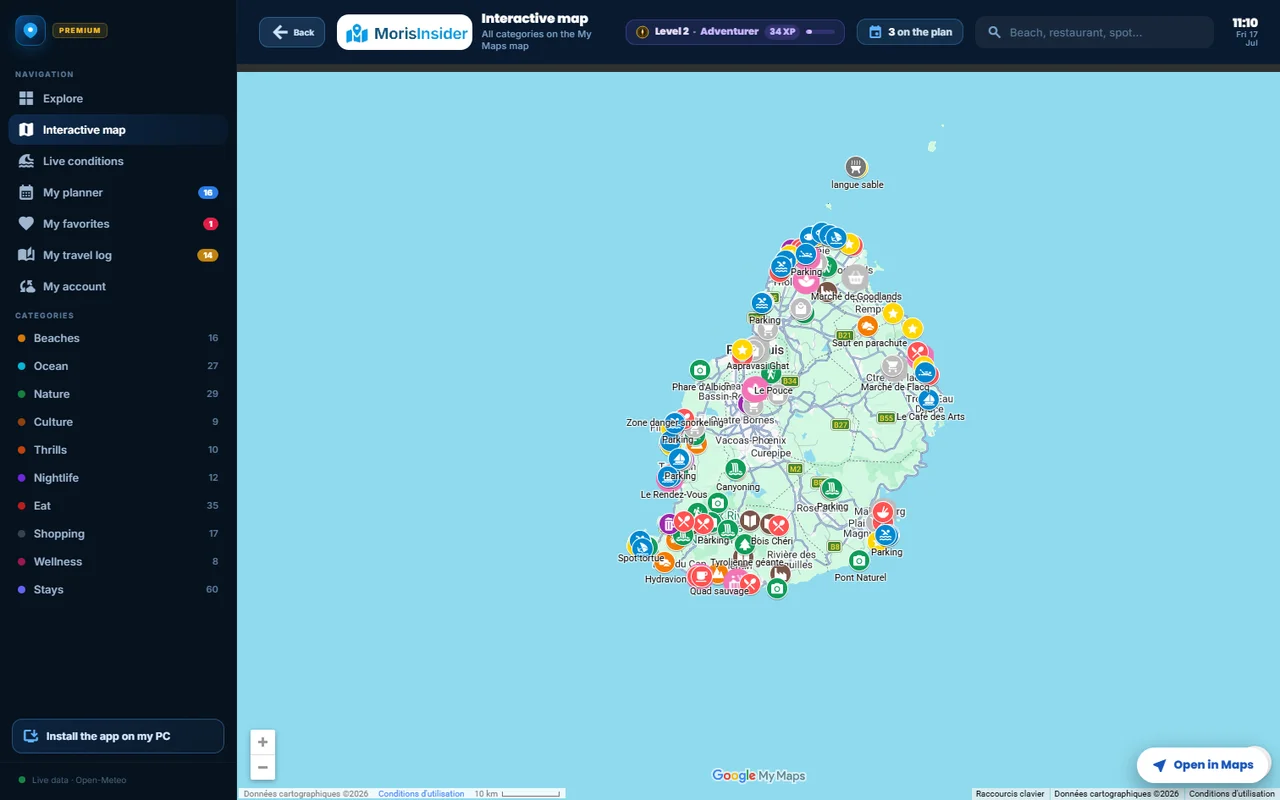
That setting makes it an easy day-trip: you are not really travelling far, you are crossing an arm of the lagoon. It is also what explains its success — and its crowds. To place Trou d'Eau Douce, the other east-coast villages and the region's beaches before you even book, the map of locally checked spots helps you understand what is where and how far it is from your accommodation.
How to get there from Trou d'Eau Douce
You reach Île aux Cerfs only by boat. The classic and most practical departure point is Trou d'Eau Douce, a former fishing village that has become the hub for trips to the island. From there, shuttle boats run back and forth through the morning, alongside private trips by speedboat, catamaran or pirogue. The crossing is short: a few minutes by fast boat, a little longer by slow boat. Other jetties exist further south-east, but Trou d'Eau Douce remains the simplest.
Two logics are open to you. Either you take a simple shuttle and organise your day independently on the island, or you book a full-day excursion (often by catamaran) that includes the crossing, sometimes a barbecue lunch, a snorkelling stop and the waterfall detour. Both are valid: the shuttle gives more freedom and usually costs less, the excursion offers the comfort of everything-arranged. Before you pick your slot, a look at the day's marine weather and sea state stops you landing on a windy morning when the lagoon loses its magic.
Full guide: Mauritius Airport Transfer: Taxi, Bus or Pre-Booked Driver — Which One Is Worth It?
The scams to avoid (the heart of it)
Let us be direct, because this is the real reason for this guide. Île aux Cerfs is stunning, but its success has drawn its share of well-honed little scams. The most common: touts at the harbour or on the road promising a "special" trip at an inflated price, unregistered operators with no insurance or safety, and above all watersports and extras billed with no clear price stated up front — you are offered a "free" tube ride or a parasail, then the bill lands.
The other great classic is pressure once you are on the water: adding unplanned options, a lunch "as a supplement" when you thought it was included, or a paid detour presented as compulsory. None of this is inevitable. The smart move comes down to three gestures: use a registered operator, have it clearly spelled out what is included (crossing, waterfall, lunch, snorkelling) and fix the total price before you board. And above all: you are never obliged to accept an activity offered on the spot. If you want to try parasailing or watersports, ask the exact price before, not after.
Prepare the east coast like an Insider
Moris Insider gathers hundreds of locally checked spots, the day's sea conditions and a day planner. Enough to organise your Île aux Cerfs trip and the rest of the east — in the app, €24.90 once, for life.
Discover the app →What you can actually do
Once ashore, the heart of Île aux Cerfs is the beach. The shallow, sheltered lagoon is perfect for family swimming, and the pale sand simply invites you to lay down a towel and do nothing. For many, that is already the finest part of the day. To spot the most pleasant, least crowded stretches of beach, our pick of the island's finest beaches keeps you off the packed landing jetty.
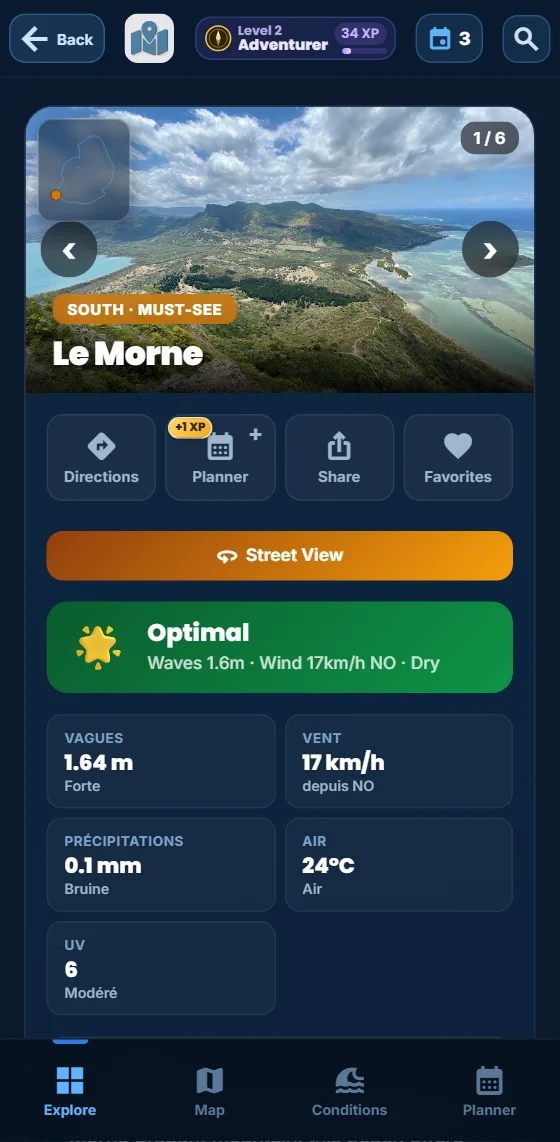
For those who want to move, the island offers a whole range of watersports — parasailing, towed tube, jet-ski, glass-bottom boat — and a well-known golf course sits in the area. Several beach bars and restaurants let you eat on site. Nothing is compulsory: you can have a superb day just swimming and walking along the shore. Just bear in mind that every activity has a cost, and come back to the reflex from the previous section: the price, always, before you say yes.
The Grande Rivière Sud-Est waterfall
Many trips to Île aux Cerfs include a detour well worth taking: the Grande Rivière Sud-Est waterfall. The boat heads up the estuary of the island's longest river, between green banks, to a waterfall tucked into a gorge. It is a welcome nature interlude in the middle of a beach day, and a chance for lovely photos.
One important practical point: this detour is done in a small boat. Large catamarans usually cannot go up to the waterfall; they stop lower down. So if seeing the waterfall matters to you, check that the waterfall stop is actually included in your trip, and on what kind of vessel. This is exactly the kind of detail to clarify before booking — not once you are on the water. To locate this stretch of river and the east's other natural curiosities, the app's nature and waterfalls section places everything on the map.
Beating the crowds: the right timing
It is Île aux Cerfs' best-kept secret: everything hinges on your arrival time. The island is very popular and fills up sharply by mid-morning, when the group excursions land. By leaving on the first shuttles you get a calm lagoon, soft light and near-deserted beaches — the same island, transformed.
Second tip, valid at any hour: walk. The main beach, near the landing jetty, is the busiest. A few minutes' walk along the shore is often enough to find much quieter spots. To set your crossing early and chain the rest of the day without stress, the day planner to organise your Île aux Cerfs day helps you not waste the best hours.
Planning your day well
A few simple reflexes change everything. Bring water, sunscreen and something to snack on: on-site services have a cost, and nothing forces you to buy everything on the island. Bring cash for small purchases, water shoes if you are sensitive, and something to keep your things away from water and sand. A hat and a UV shirt are precious, as natural shade is not guaranteed everywhere.
On organisation, the ideal is to set Île aux Cerfs on a fine-weather morning and keep the afternoon flexible. After a good part of the day in the sun and salt water, a good meal in Trou d'Eau Douce or a street-food van rounds off the trip nicely. And if you come across a genuinely serious operator, note them in your travel journal: today's good tip will serve the next traveller.
Beyond the island: discovering the east
Île aux Cerfs should not overshadow the region around it. Trou d'Eau Douce itself, a former fishing village, has kept an authentic soul and good places to eat; it is an ideal base for exploring the east coast. All around, the Flacq region offers quieter beaches, lively markets and green countryside far from the crowds. Our guide on where to stay in Mauritius lays out the strengths of each coast to help you choose your base.
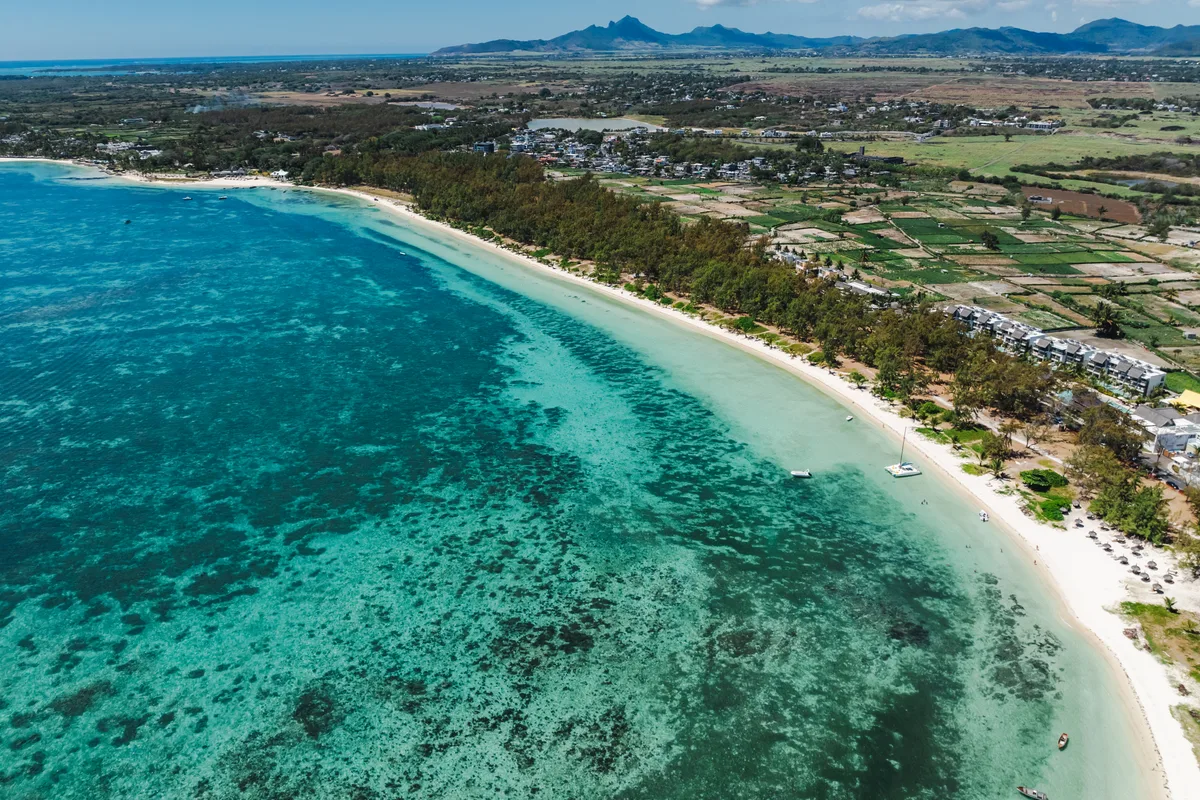
And if you are planning your stay as a whole, think about the season: climate and sea state change everything on the east coast. Our guide on the best time to visit Mauritius lays out the months region by region. The bottom line on Île aux Cerfs: it is as beautiful as its reputation, provided you go early, know the traps, and keep a grip on your budget. Do that, and you will come back with the postcard — without the scam that sometimes comes with it.
Île aux Cerfs and the east, in your pocket
Locally checked spots, live sea conditions and a day planner. €24.90 once, for life. 30-day money-back guarantee.
Discover the app →