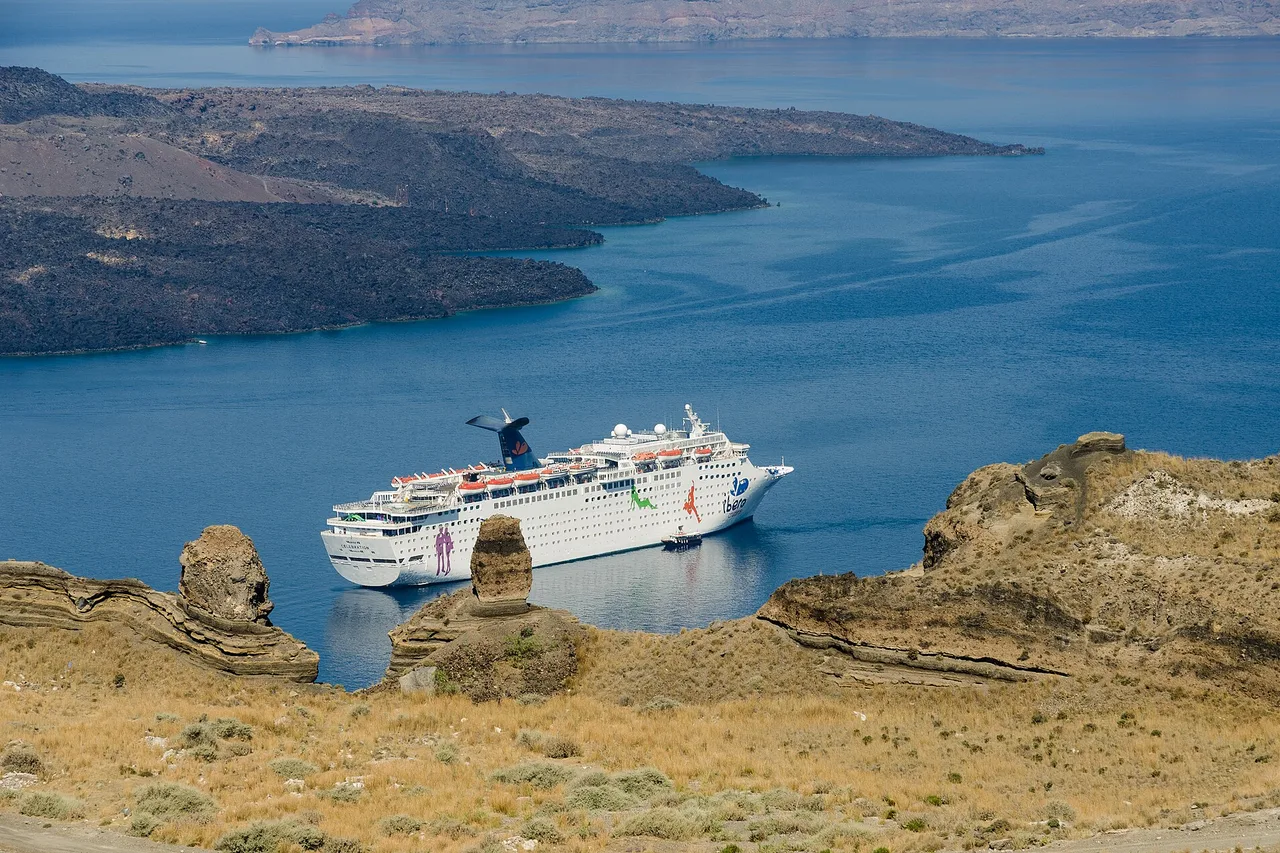
There is an official calendar of the Greek crowd, and it is in no guidebook: it is a tax schedule. Since July 2025 the Greek state has charged €20 for every cruise passenger stepping ashore at Santorini or Mykonos between 1 June and 30 September, €12 in April, May and October, and €4 for the rest of the year. In other words, the administration that counts heads has put a price on each month, and that price varies by a factor of 5. Yet the month is only the first of three scales of crowding — and it is the most expensive of them, not the most effective.
The only official calendar of the Greek crowd is a tax schedule
Here is the document nobody quotes in “best time to visit Greece” articles, and it is worth more than all of them: since July 2025 the Greek state has taxed cruise disembarkation according to the time of year. It did not set a price, it set a calendar — and it dated it to the day.
| Period | Santorini and Mykonos | Other Greek ports | Ratio to low season |
|---|---|---|---|
| 1 June – 30 September | €20 | €5 | × 5 |
| April, May, October | €12 | €3 | × 3 |
| November – March | €4 | €1 | × 1 |
Read the right-hand column: high season is worth 5 times the low, and 1.7 times the shoulder. A state does not vary a levy on that scale out of a taste for nuance. It does it because the pressure really is of that order, and because it holds the figures we do not.
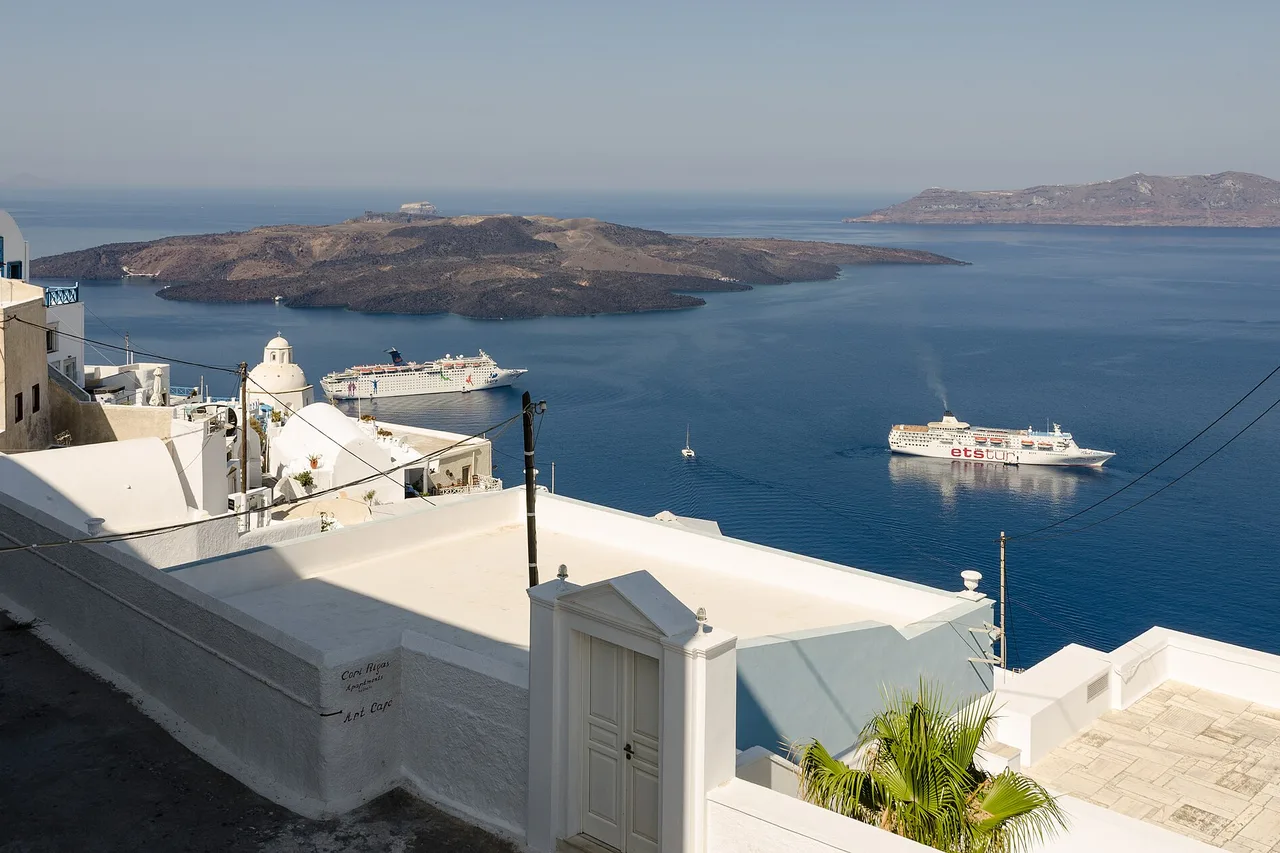
The most useful detail is how sharp the boundaries are. The tariff flips on 1 June and 1 October, not “around the start of summer”. The 31st of May and the 1st of June share exactly the same weather, the same sea, the same light — and not the same official season. That is free information, and it beats any ranking of islands.
⚠️ One point of honesty, because it changes everything: you will not pay this levy. It is owed by the cruise line and absorbed into the fare; a traveller who flies in and takes a ferry owes nothing. So do not read it as an expense to dodge, but as a thermometer — the only one that is public, numbered and dated.
Full guide: Santorini Excursions: What to Book and What It Costs
May or September: the question is settled in the water, not the air
This is the comparison everyone makes, and it is almost always framed wrongly. People compare air temperatures, when what really separates these two months is the temperature of the sea.
| Month | Air (average) | Sea | Sea gap versus May |
|---|---|---|---|
| May | 20 °C | 18.5 °C | — |
| June | 24.3 °C | 21.5 °C | +3 °C |
| July | 26.6 °C | 23.5 °C | +5 °C |
| August | 26.6 °C | 24 °C | +5.5 °C |
| September | 23.8 °C | 23.5 °C | +5 °C |
| October | 20.3 °C | 21.5 °C | +3 °C |
The reason fits in one sentence: the sea runs a month behind the air. Air peaks in July and August at 26.6 °C and then falls; the water keeps climbing into August and is still 23.5 °C in September, when the air has already dropped to 23.8 °C. Between May and September the sea gap is 5 °C — in water, that is the difference between a swim and an act of courage.
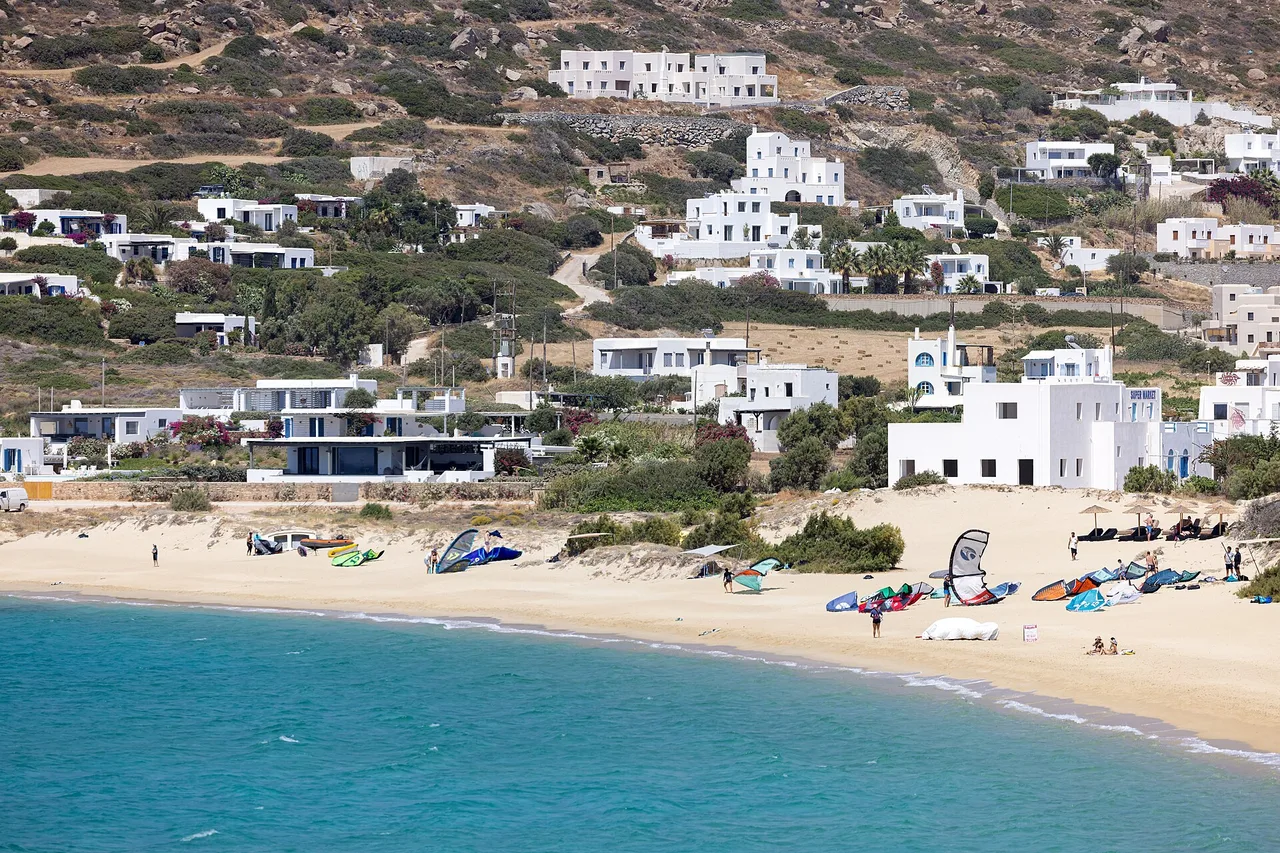
And here is the calculation the table allows, which no article makes. Look for the month whose air most resembles May’s: it is not June, it is October, within 0.3 °C. Its sea, however, is 3 °C warmer than May’s. At identical air comfort, autumn beats spring by 3 degrees of water — and it sits on the right side of the tariff switch.
📌 What the table does not say, and must be added: these are monthly averages, not a forecast. They describe a trend, not your week. Autumn also has its downside: Greek rainfall, under 500 millimetres a year, is concentrated from October to March — summer is all but dry, the late season is not.
The two windows worth the trip, and they have dates
Everything above narrows down to two periods, and they are not “spring” and “autumn”: late May and the first half of October.
Late May enjoys the shoulder tariff until the 31st, air already mild at 20 °C, long days and a countryside still green. Its flaw is single and stark: the water is 18.5 °C. If yours is a beach holiday, this is not your window.
The first half of October has the opposite profile: the sea is still 21.5 °C, the air back down to 20.3 °C, and the tariff returned to shoulder season on the 1st. Arithmetically, it is the best week of the year for anyone who wants to swim without the crowd.
⚠️ What you lose in both cases, and should know before booking: the days get shorter — 11 to 12 hours of sunshine a day in summer against 7.5 to 9.5 in the shoulder months. Some seasonal addresses are shut, and above all island-to-island connections thin out: ferry companies publish their summer timetables from November to May, and the inter-island lines last of all. We cover that in our guide to Greek ferries — out of season, an island-hopping route becomes markedly more fragile.
The crowd is not a month: it is an hour
This is the scale almost nobody uses, and it is the only one of the three that is free. At a site with a quota, the crowd you meet does not depend on the month: it depends on the hour you walk in.
The Acropolis demonstrates it perfectly, because it publishes its numbers. Since 2023 the site has been capped at 20,000 visitors a day and requires a time slot chosen at booking.
| Time slot | People admitted | Entries since opening (at most) |
|---|---|---|
| 8–9 am | 3,000 | 3,000 |
| 9–10 am | 2,000 | 5,000 |
| Across the whole day | — | 20,000 |
The right-hand column is the one that counts, and the one nobody works out. What you share is not your slot’s quota, it is the running total of every slot before it — the people who went in at 8 are still there at 9.30. At opening you are with 3,000 people at most. Across the full day, nearly 6.7 times that many will have passed.
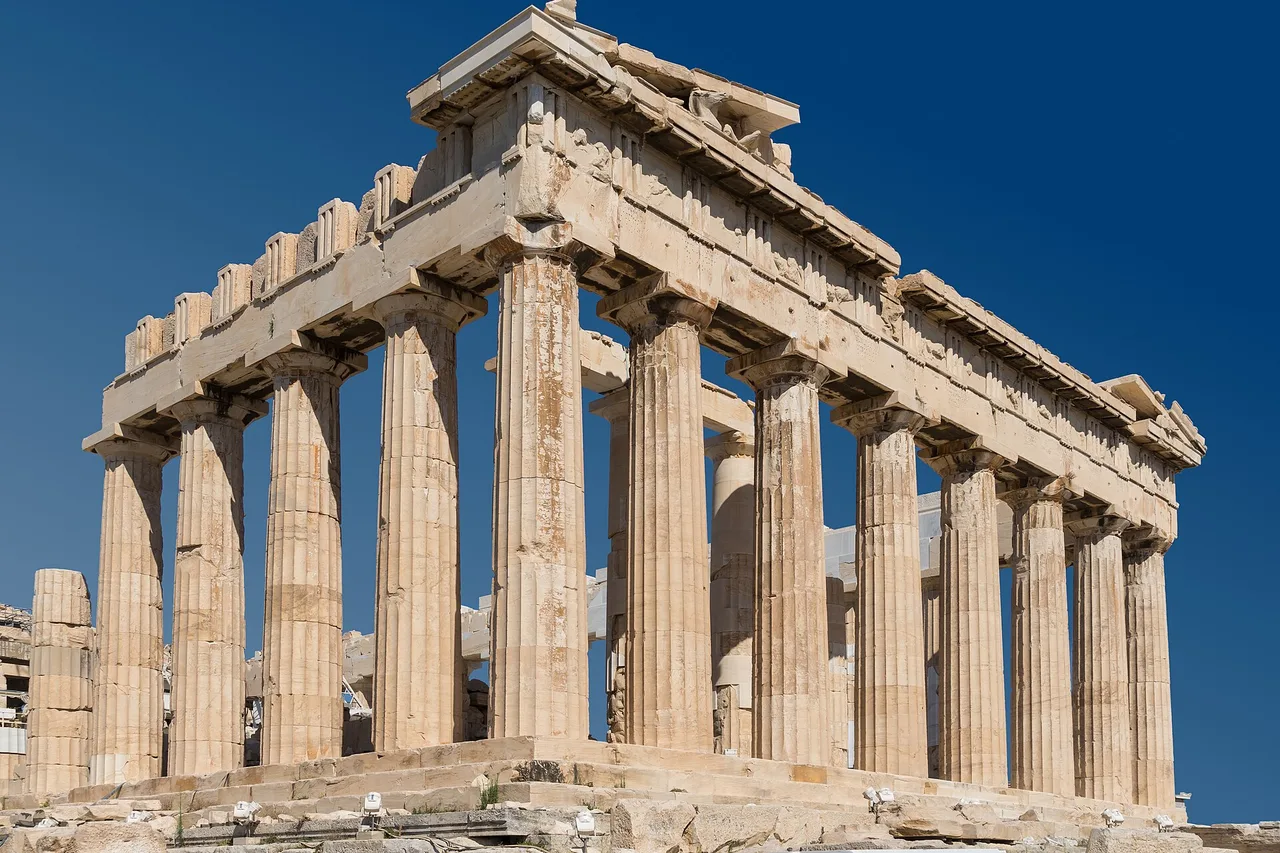
To which midsummer adds an argument that has nothing to do with crowds: heat closes the sites. The Culture Ministry shut the Acropolis and five other major Athens sites from 12:00 to 17:00 — in June and July 2024, then from 22 to 25 July 2025, with temperatures up to 43 °C. That is 5 hours removed from the day, and no temperature threshold is published: the call is made day by day. You cannot plan around it — you can only already be inside.
The practical consequence is simple: in July and August the usable Acropolis day starts at 8 am and may end at noon. Book the first slot, not the mid-morning one. The official site is the reference for buying it, and in midsummer the 8 am slot goes about 2 weeks ahead; a timed ticket from an online ticketing platform is the other route when your slot has gone, or when you are combining several sites at once.
The same place, six hours later, empty
This business of hours reaches far beyond ticketed sites, and it is on the islands that it is most spectacular. The reason rests on a fact people forget: a cruise ship is in port for a day, not a night.
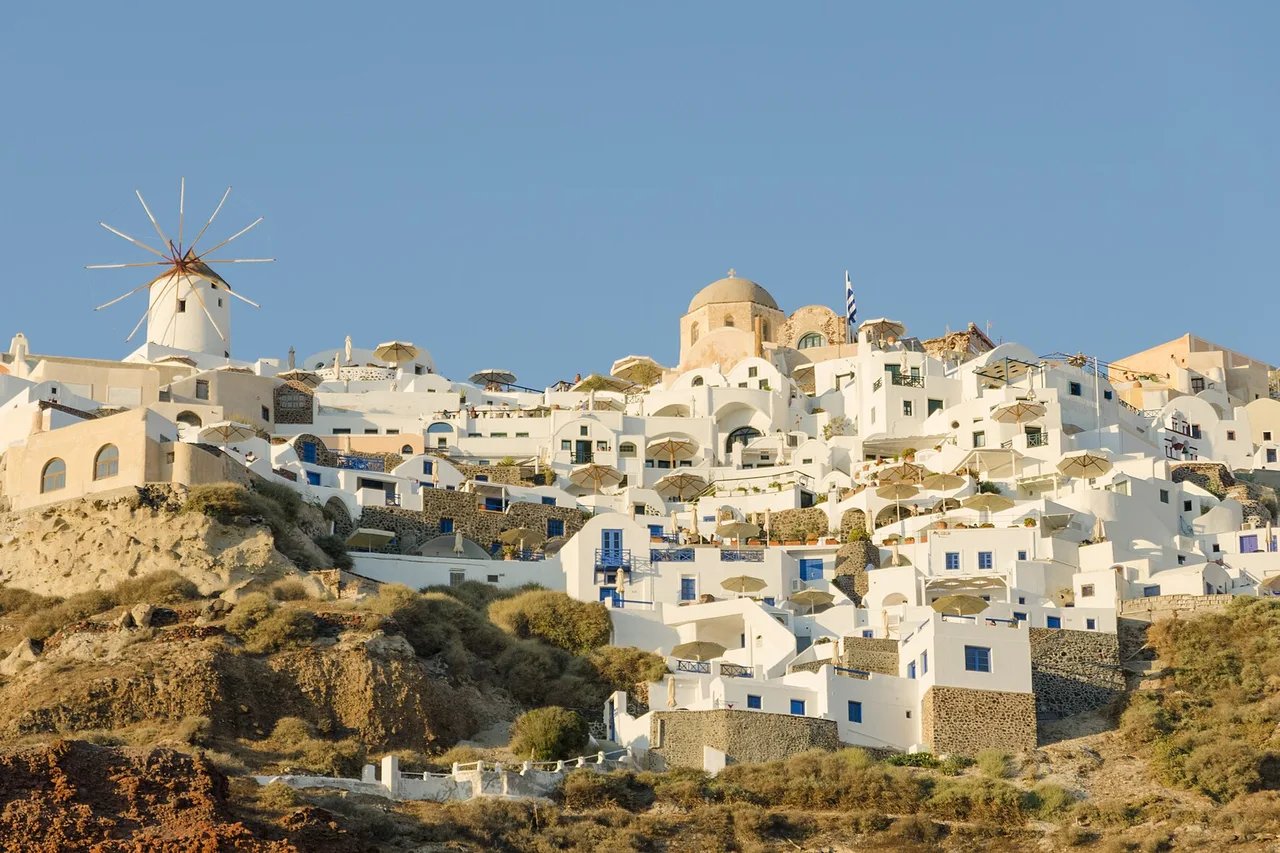
The passengers who fill Santorini or Mykonos do not sleep on the island. They arrive in the morning, occupy the viewpoints during the hottest hours, and are back on board before dinner. The crowd on a cruise island is a crowd of hours, not of days — and the state tariff confirms it, since it taxes “the disembarking passenger”, which is to say a day visit.
What that changes for you is considerable, and free: sleeping there turns the problem inside out. Whoever spends the night on Santorini has the island to themselves from early evening to mid-morning — that is, at sunset and at sunrise, precisely the two moments people come for. Whoever lands for the day will only have seen the densest, hottest slot of all.
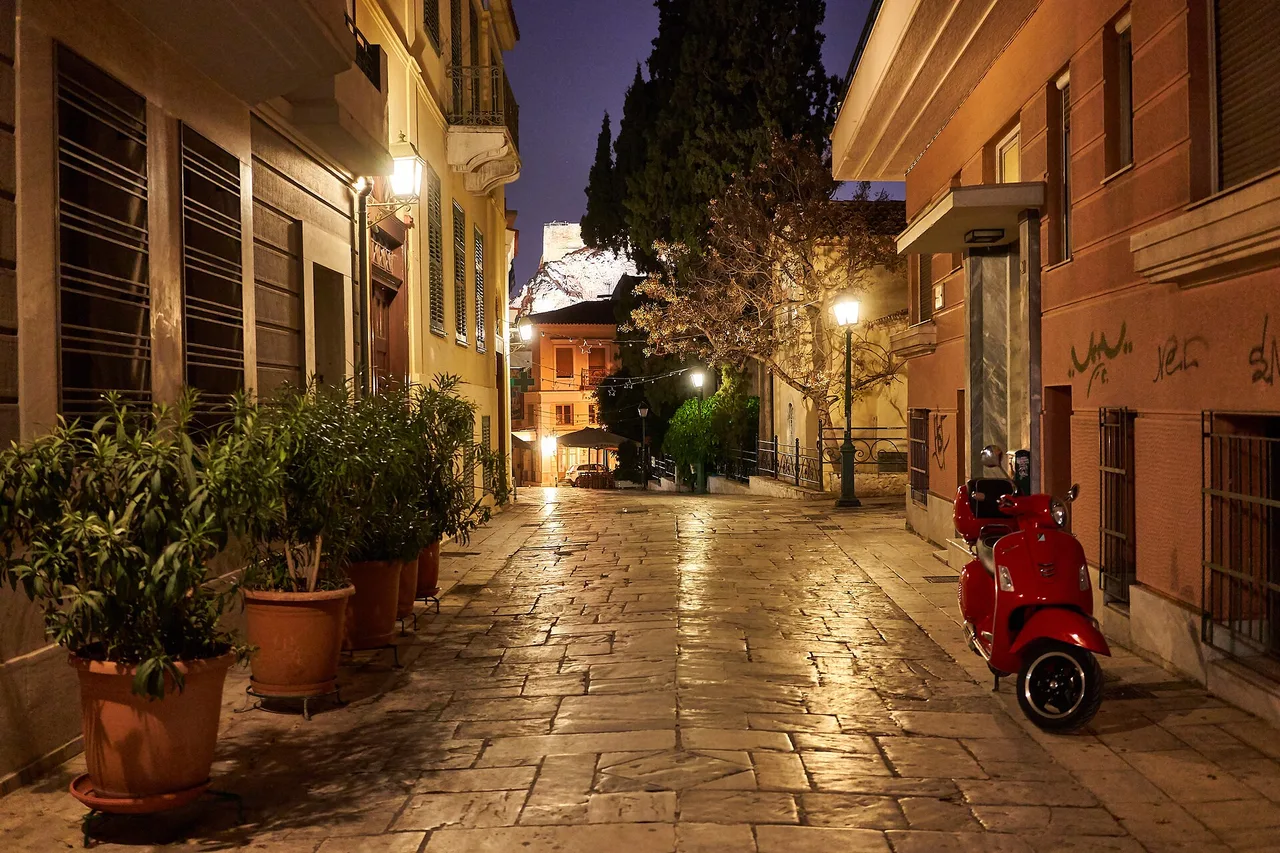
📌 The same mechanism works in Athens, even more simply. Plaka at 9 pm in May and Plaka at 1 pm in July are not the same neighbourhood, and moving from one to the other requires neither a ticket nor a booking: only a watch.
Santorini changed the rules, and it is concrete for 2026
One island is an exception to all of the above, because it stopped waiting: Santorini now caps arrivals at 8,000 cruise passengers a day.
And for 2026 a counting rule has been tightened: ship occupancy is now reckoned at 100 %. A liner with 3,000 berths therefore uses 3,000 of the 8,000 daily slots, not the 2,400 it used before. The effect is measurable in berth bookings: 595 ships scheduled for 2026 against 728 in 2025, which is 18.3 % fewer.
The comparison with its neighbour is instructive, and settles an argument: Mykonos, which applies the same €20 levy but has no cap, saw its traffic grow by 16 to 17 %. In other words, the cap works and the levy alone does not. If you are hesitating between the two islands in high season, that figure beats an impression.
⚠️ And the caveat to keep firmly in mind: this cap applies to cruise passengers only. Arrivals by ferry and by air are not capped, and they are the majority of visitors. A “capped” island is not an empty island — it is only an island whose midday peak has been trimmed.
The other answer: change your Greece, not your month
There is one way out that seasonal articles never consider, and it is often the best: the Greek crowd is not spread across Greece. It sits on a handful of islands and one hill in Athens. The rest of the country is, most of the year, startlingly empty.
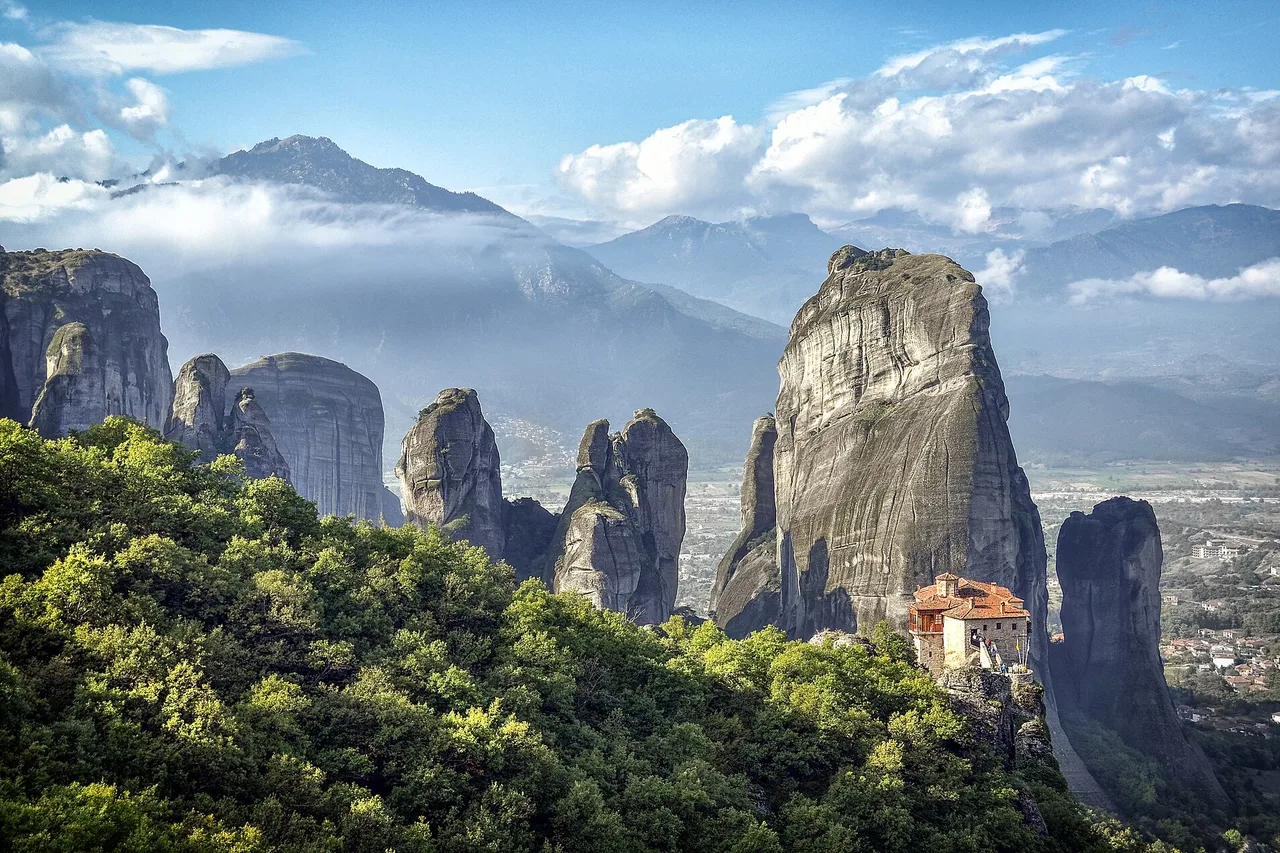
Meteora, the Peloponnese, Epirus, northern Greece: out of season, these regions offer in October what the Cyclades only offer in April, with sites open, villages that live year-round and no day hanging on a crossing. It is also where the shoulder season makes most sense, since nothing shuts.
One practical point decides whether this plan works: the mainland is not visited by ferry, it is visited by car. Sea links thin out off season; roads do not change frequency. A car hired locally, out of Athens or Thessaloniki is what makes the plan possible — and it is the only place in this article where the vehicle question genuinely arises.
Full guide: Car Rental in Greece: Prices, Deposit and Ferries
| Scale | What it changes | What it costs you |
|---|---|---|
| The month | The whole trip: crowds, prices, sea, light | Days of leave, sometimes a pricier flight |
| The day | One island, one site, one evening | One night moved, rarely more |
| The hour | The same visit, at the same price | Nothing at all |
📌 If you keep one line of that table, keep the last. The month is paid in leave days, the day is paid with one night moved, and the hour is not paid at all. Yet it is the hour that makes the biggest difference to what you actually see.
And if you are still weighing the island rather than the date, that question comes first: we handled it in our comparison of the Cyclades islands. Picking the right island in August still beats picking the right month on the wrong one.