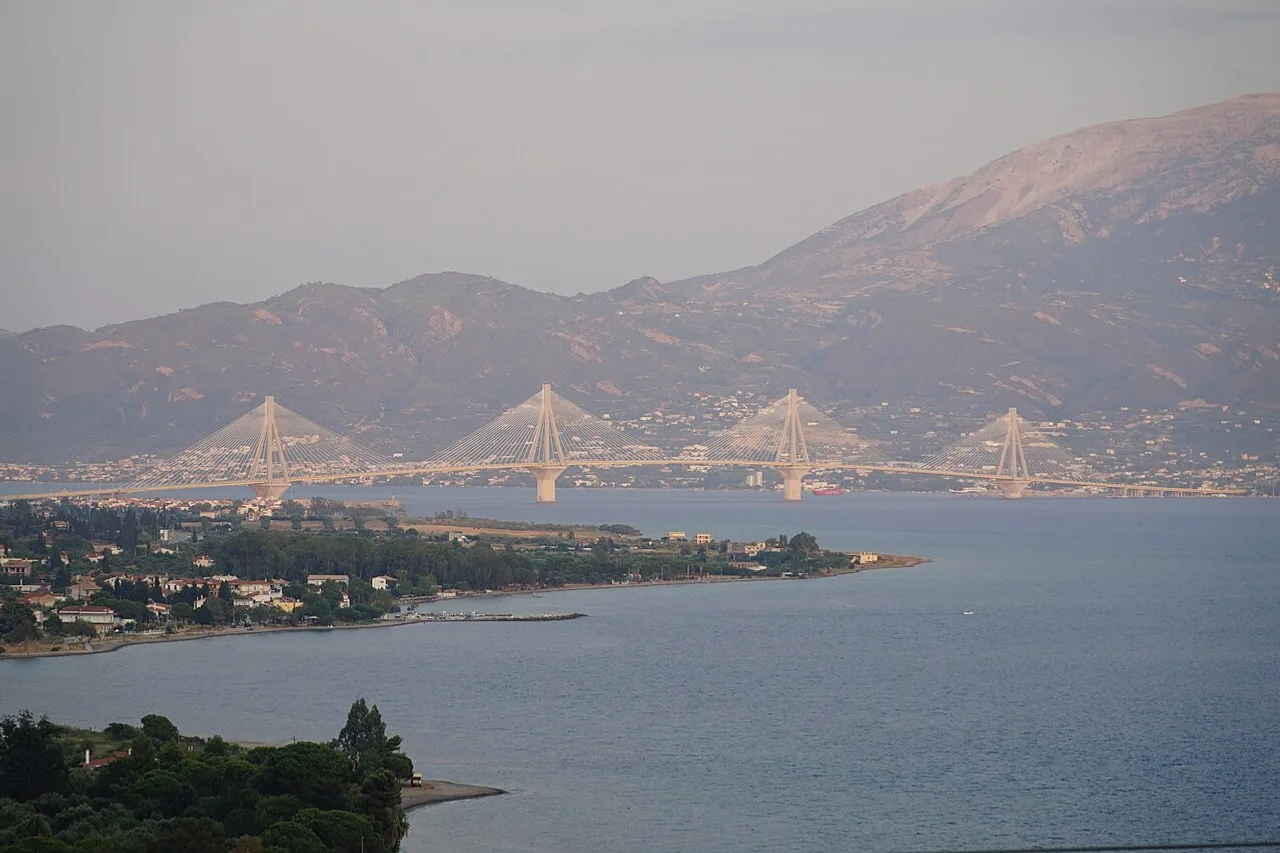
Two thousand eight hundred and eighty metres of bridge cost more than one hundred and forty-seven kilometres of motorway. Crossing the Rio–Antirrio bridge costs €16; the motorway that runs the whole length of the Peloponnese, Corinth to Kalamata, asks €12. That is not trivia: it is the number that decides the shape of your week, because it tells you the bridge is not on your route — it is the way out. Here are the seven days, leg by leg, and the arithmetic behind them.
The number that decides the shape of the trip
Let us begin with the only document that settles a question of itinerary without having an opinion: the Greek toll scale, published on 1 January 2026. It fits into five lines and it holds a fact neither guidebooks nor maps give you.
| Tolled structure | Passenger car | What it opens up |
|---|---|---|
| Rio–Antirrio bridge | €15.90 | The way out towards Delphi and mainland Greece |
| Olympia Odos, full run | €13.80 | Elefsina – Corinth – Patras |
| Moreas, full run | €11.75 | Corinth – Tripoli – Kalamata, 147 km |
| Moreas, Sparta branch | €12.95 | Corinth – Tripoli – Sparta |
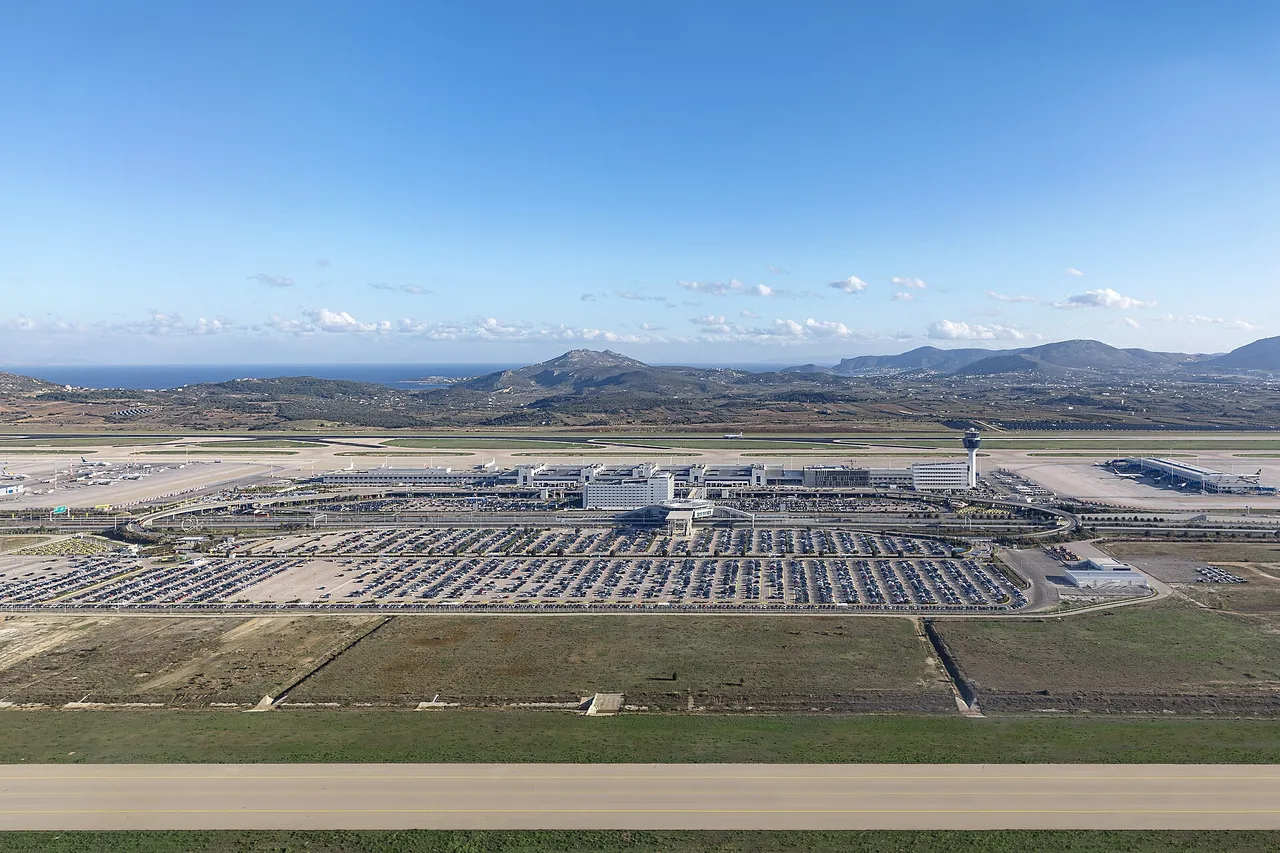
| Attiki Odos | €2.55 | The Athens ring road, from the airport |
Look at the first row, then the third. The Rio–Antirrio bridge costs 35.3 % more than crossing the entire Peloponnese by motorway. Yet the bridge is 2.9 kilometres long and the motorway 147. Reduced to the kilometre, the gap stops being surprising and becomes spectacular.
Full guide: Car Rental in Greece: Prices, Deposit and Ferries
| Structure | Length | Toll | Price per kilometre |
|---|---|---|---|
| The Rio–Antirrio bridge | 2.9 km | €15.90 | 5.52 € |
| The Corinth – Kalamata motorway | 147 km | €11.75 | 0.08 € |
| Ratio between the two | — | — | × 69 |
A kilometre of bridge is worth 69 kilometres of motorway. This is neither a scandal nor a mistake: you are paying for an exceptional structure — 2,252 metres of cable-stayed deck on 4 pylons, set in a strait 65 metres deep, swept by 110 km/h winds and crossed by an active seismic fault. The piers are not anchored to the seabed: they rest on gravel beds that absorb an earthquake's energy by letting the whole thing slide. Opened in 2,004, it remains one of the longest multi-span cable-stayed bridges in the world.
📌 But here is what the table really tells you, and it is a piece of itinerary information: this bridge does not link two points of the Peloponnese — it leaves it. It leads to Nafpaktos, to Delphi, to mainland Greece. A week out of Athens has no reason to cross it. The most expensive toll in Greece is therefore, for you, the one you will probably not pay.
Seven days will not cover it all — and that is good news
Let us say it before the itinerary, because it is what ruins most weeks: the Peloponnese is not an island, it is a region the size of a small country. It contains two different trips, and trying to do both in seven days means spending the week at the wheel.
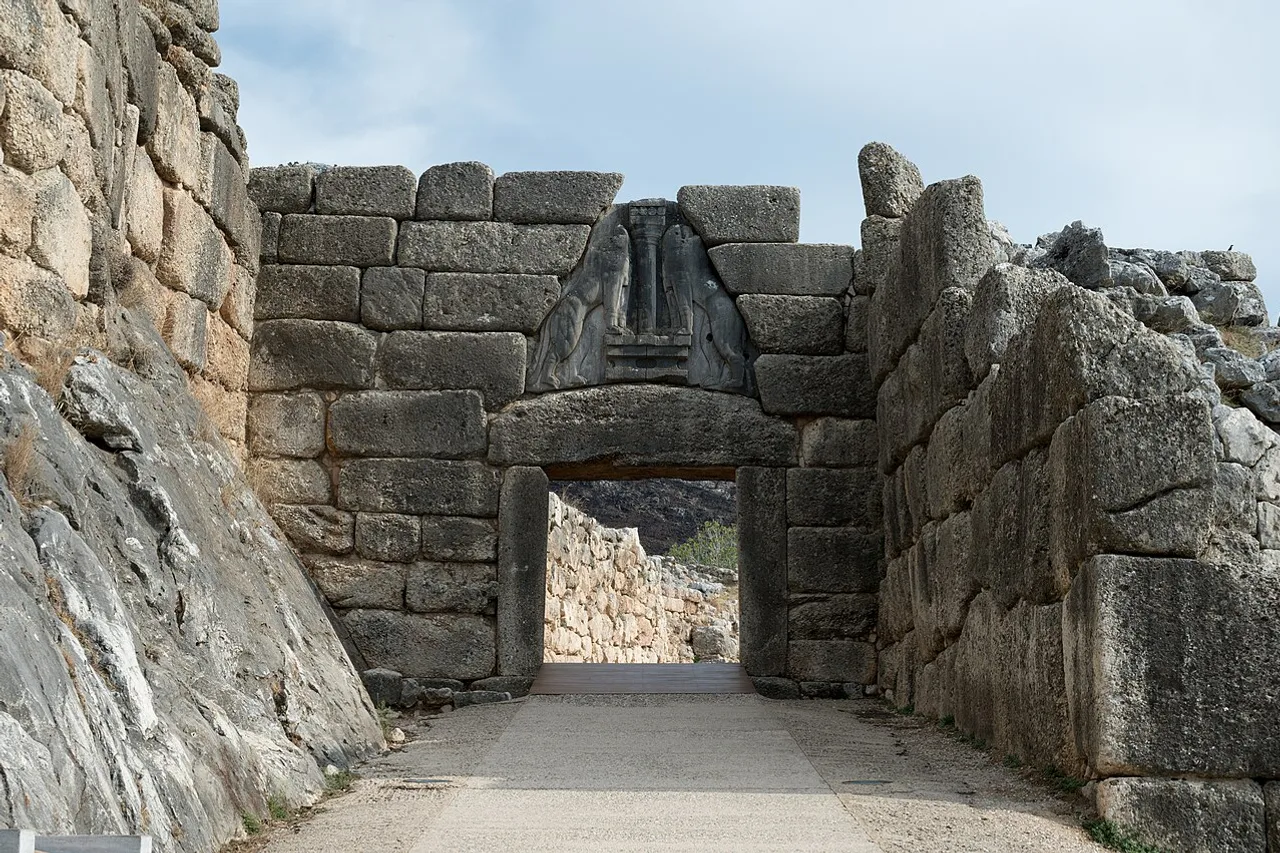
The north is archaeological and compact. Corinth, Mycenae, Epidaurus and Nafplio sit within an hour of each other: you can see it all from one base without unpacking twice. This is the Peloponnese of civilisations, and it is also the easy one.
The south is geographical and slow. Monemvasia, the Mani, the three fingers reaching towards Crete: mountain roads, stone villages and distances that cannot be made up. This is the Peloponnese of landscapes, and it demands time by nature.
The itinerary below does both, and it is honest about the cost: roughly 1,115 kilometres, an average of 159 kilometres a day. That is doable and it is beautiful, but it is a real road trip. If that average sounds high — it is — stop at day 2 and turn the remaining five into day trips from Nafplio: you will come down to about 410 kilometres for the week.
The itinerary, day by day
The route below leaves from and returns to Athens, runs clockwise, and never crosses the bridge.
| Day | Leg | What you do there | Approximate distance |
|---|---|---|---|
| Day 1 | Athens → Corinth → Mycenae → Nafplio | The canal, the Lion Gate, arrival before dark | 145 km |
| Day 2 | Nafplio, fixed base | Epidaurus in the morning, the old town and the Bourtzi after | 60 km |
| Day 3 | Nafplio → Monemvasia | The east coast, and the rock at the end of the day | 170 km |
| Day 4 | Monemvasia → the Mani | Areopoli, Vathia, the Diros caves | 150 km |
| Day 5 | The Mani → Mystras → Sparta | The Byzantine city — a full half-day, not an hour | 90 km |
| Day 6 | Sparta → Olympia | Crossing Arcadia, the sanctuary in late afternoon | 200 km |
| Day 7 | Olympia → Athens | Back by motorway, without crossing the bridge | 300 km |
| Across the week | — | — | 1,115 km |
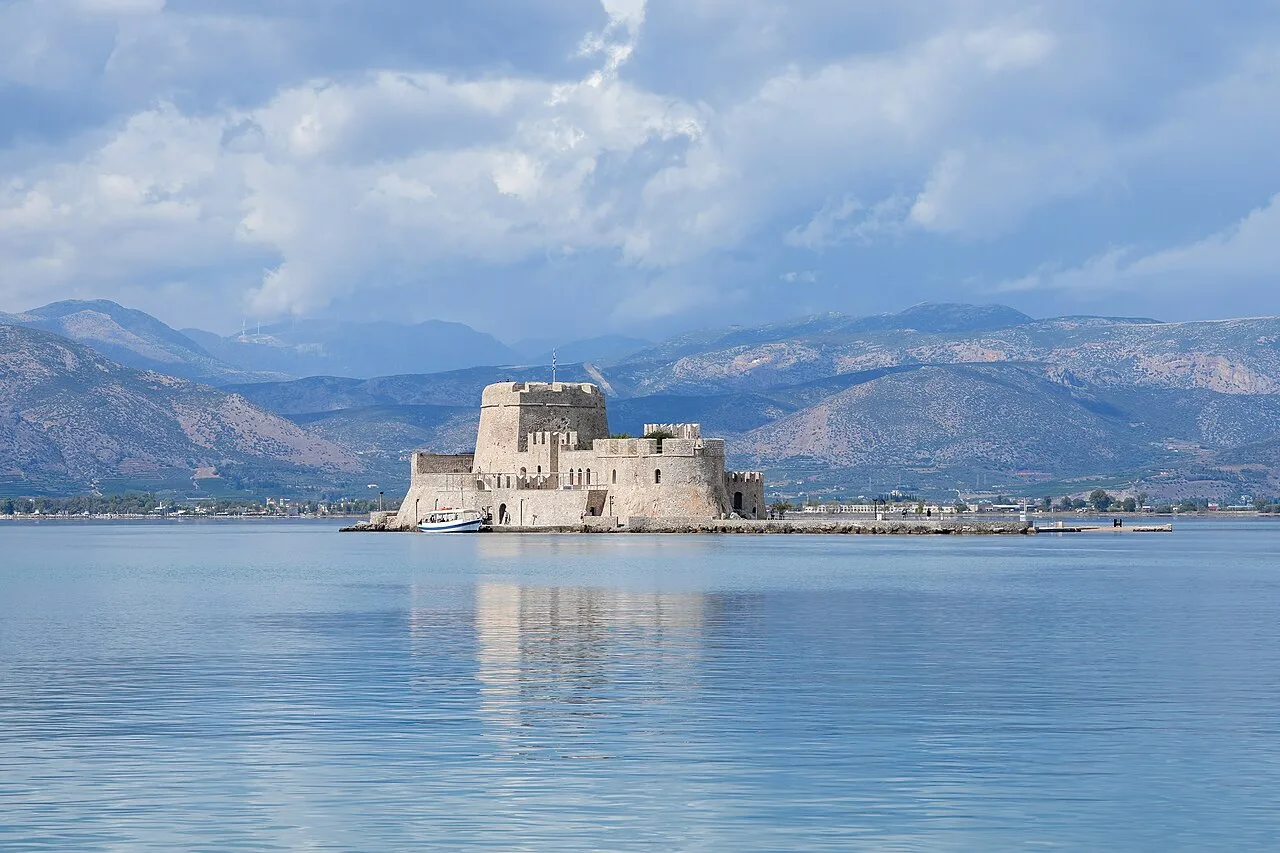
Two remarks about this table, worth more than ten tips. Day 2 is the most important of the week, and it is the only one where you do not change hotel. Nafplio is the single town on this route that deserves two nights: Epidaurus is forty minutes away, Mycenae half an hour, and the old town is best seen in the evening on foot. Unpacking once buys you a whole morning.
⚠️ And day 7 is a driving day, not a visiting day. Three hundred kilometres of motorway from Olympia is three to four hours before any stops: plan nothing else, and above all not an early-afternoon flight. If your plane leaves early, sleep near Corinth the night before rather than at Olympia.
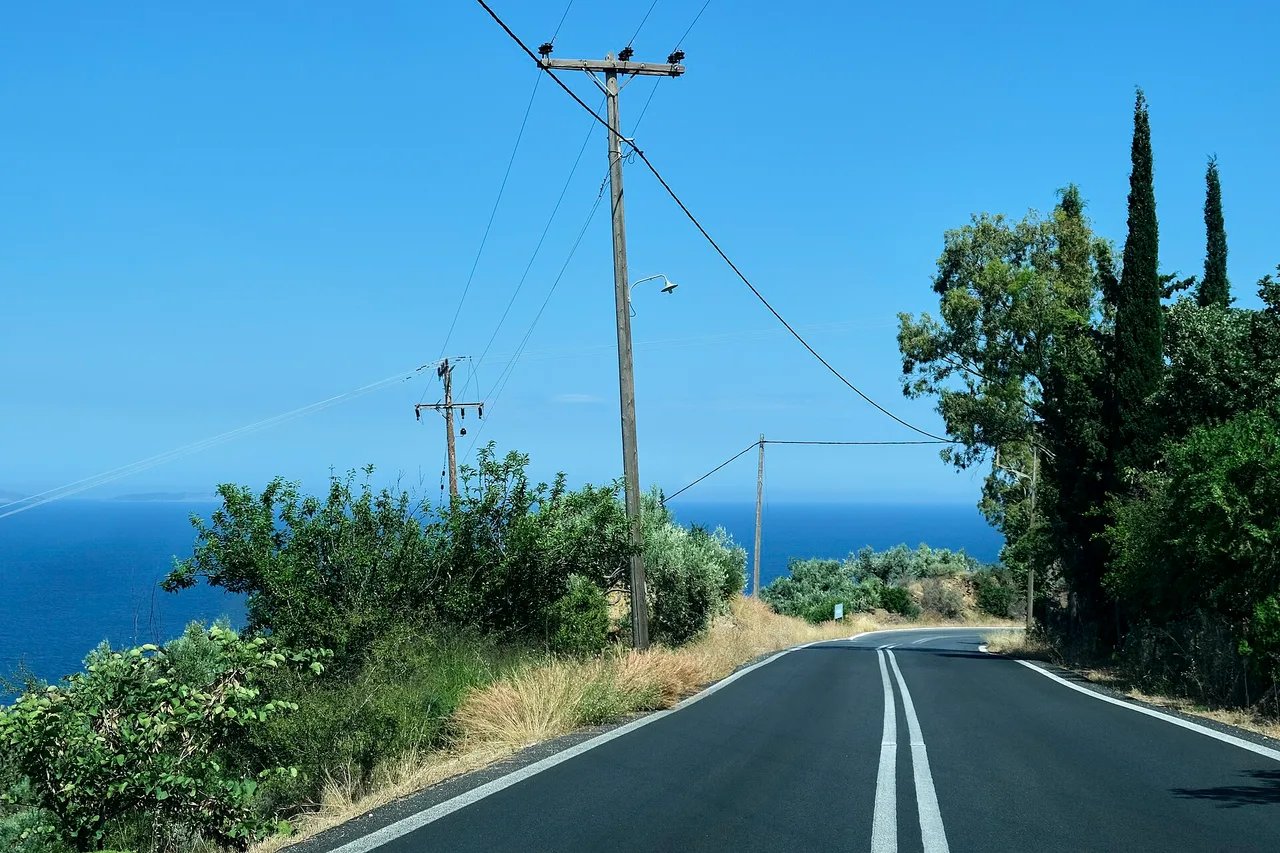
📌 The distances in this table are rounded road distances, not durations. In the Peloponnese the difference between the two is considerable: ninety kilometres of mountain road in the Mani take as long as two hundred of motorway. Count in driving hours, never in kilometres.
The south, if that is the half you choose
Days 3 and 4 are the ones people hesitate over, and yet they are the two legs you remember. Monemvasia is a town you cannot see. From the road all you make out is a brown rock joined to the coast by a causeway; the medieval city is on the other side, hidden from land and sea alike, and entirely car-free.
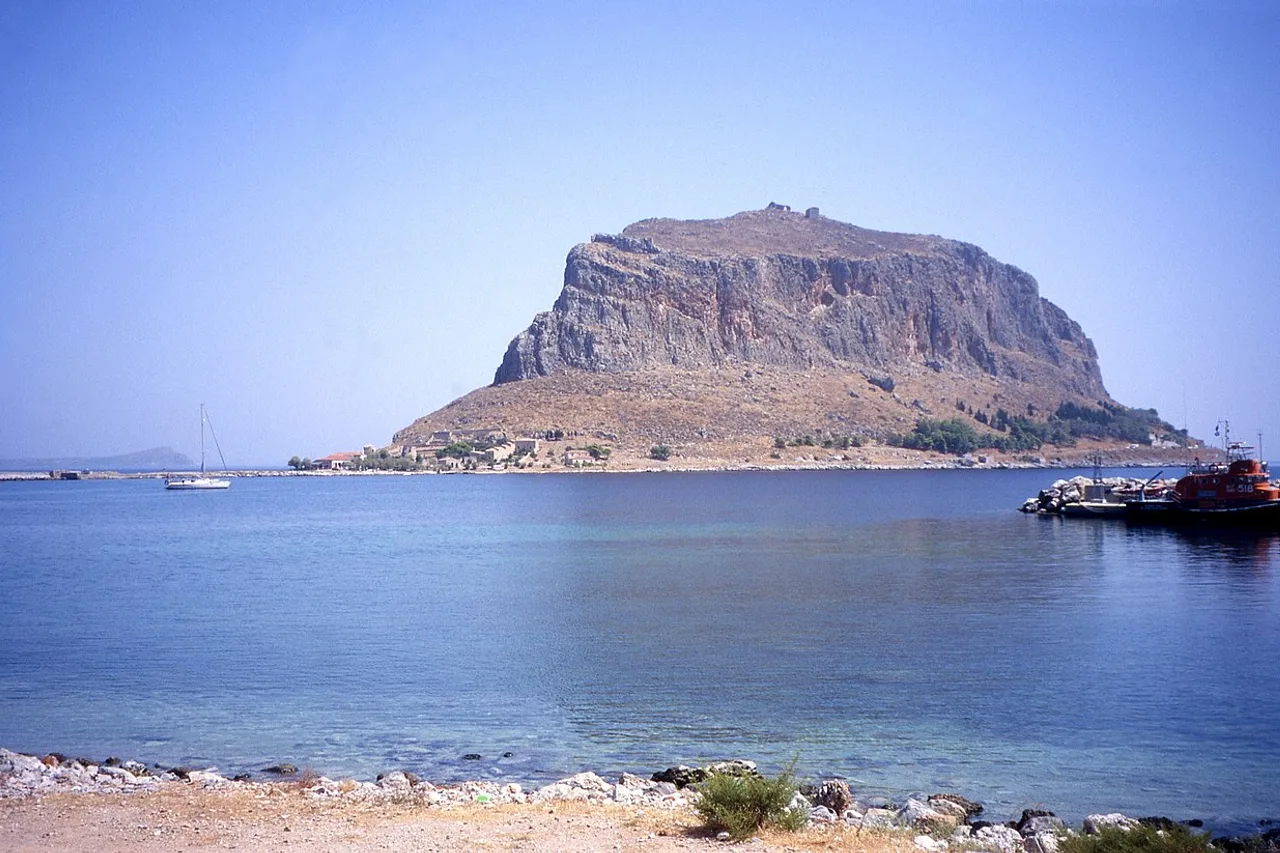
A practical consequence worth knowing before you arrive: you leave the car at the entrance and walk up, on cobbles. Bring shoes and a bag you can carry — which is also why Monemvasia rewards a night far better than a two-hour stop.
The next day the Mani changes register entirely. It is the driest and most vertical Greece there is, a stone peninsula whose villages are built of tower houses — because the families here genuinely made war on one another, and building high meant overlooking your neighbour.
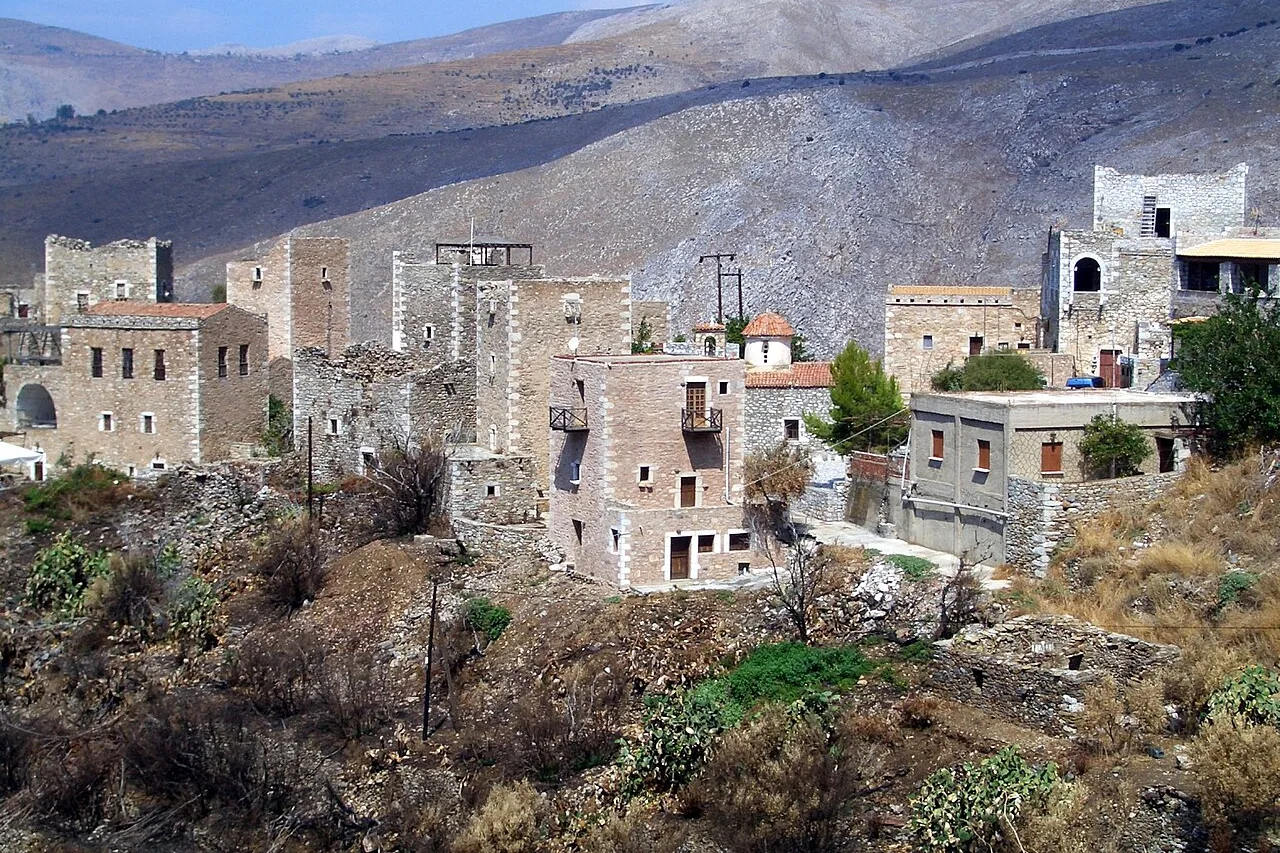
Areopoli is its capital, Vathia its postcard, and the Diros caves the visit that pleases everybody: you go through them by boat, along an underground river. Allow the whole day: the roads of the Mani are beautiful and slow, which is exactly why you came.
Mystras, the half-day nobody plans for
If one scheduling mistake recurs in every copied itinerary, it is this one: Mystras squeezed into an hour between two legs. It is an entire Byzantine capital, abandoned on the flank of Mount Taygetos above Sparta — palaces, frescoed churches, a monastery still lived in, a Frankish castle on top.
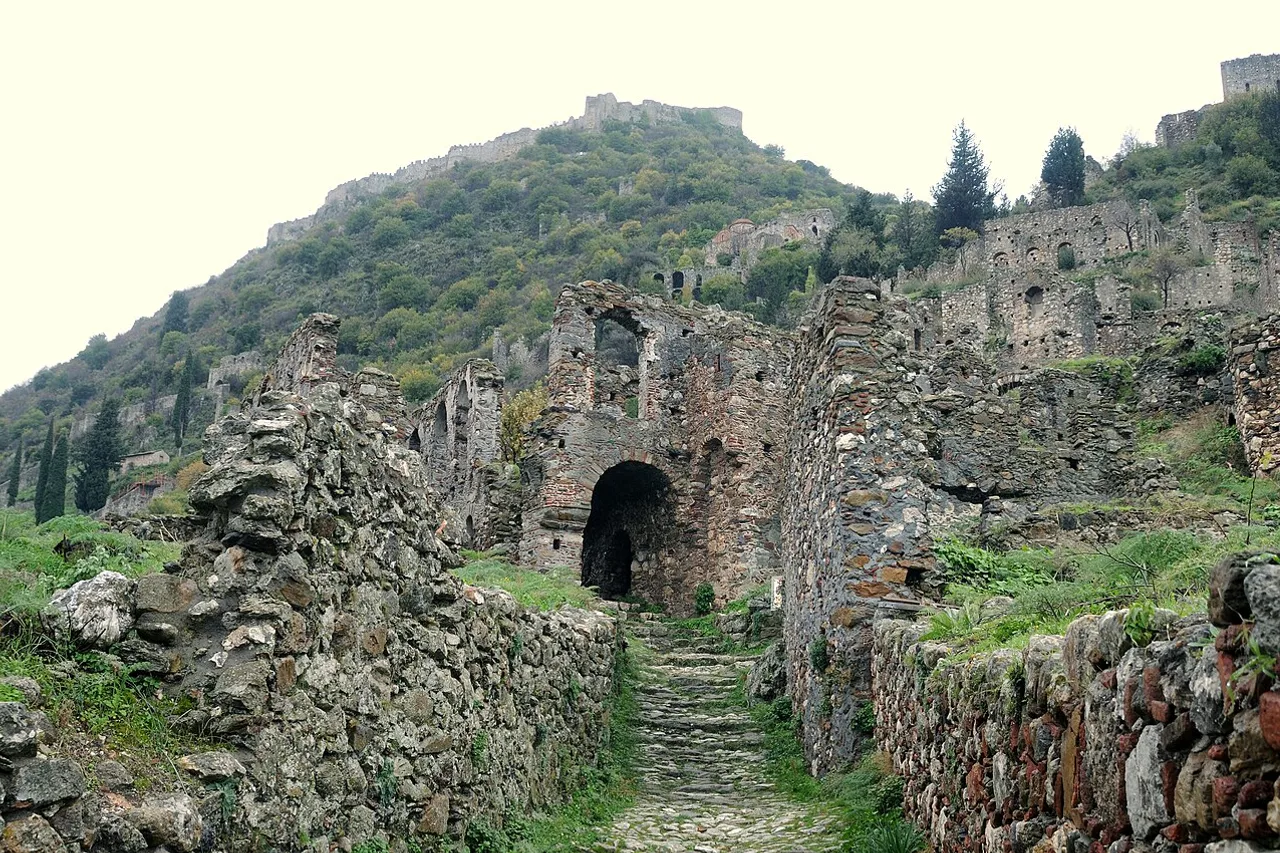
The site is visited going up, on paved paths in full sun. There are two entrances, one low and one high: the clever move is to go in at the top, walk down, and have the car brought round — otherwise you climb it twice. Allow three hours not to rush, and keep them for the morning in summer.
It is also the one place on this route where you stand genuinely alone in front of ruins with no explanation. The site's panels and the leaflet handed out at the gate cover the essentials and cost nothing; if you want the context they leave out — who lived here, why the city was abandoned — an audio-guided tour downloaded before you go runs at your own pace, which is precisely what a site on a slope calls for.
The car: what is decided at the desk, not on the road
A Peloponnese road trip rests on three decisions taken at booking, and none of them can be fixed later.
One: automatic gearboxes are rare and go early. In Greece the vast majority of hire cars are manual. If you only drive automatic, this is not a box to tick at the last minute, it is the first constraint on your booking.
Two: the excess matters more than the headline price. Mountain roads, village car parks and the tracks down to beaches produce scratches; it is the excess, not the daily rate, that decides what you actually pay when something happens.
Three: fuel and filling stations. In the Mani and inland Arcadia, stations are far apart and close early. The rule is simple: never drop below half a tank when leaving a town.
That said, a car booked ahead and picked up at Athens airport is the natural starting point for this route — you collect it on arrival and return it to the same desk after the loop, with no rental day wasted. For what the car does to the overall cost of the trip, we worked the arithmetic out in our article on the budget for a trip to Greece.
Ending the week: loop, or leave
One last decision remains, and it is the one we opened with. On the evening of day 6, at Olympia, you are equidistant from two endings.
| How the week ends | What it costs in tolls | What it gives you |
|---|---|---|
| Loop back by motorway | No bridge toll at all | One more day inside the Peloponnese |
| Leave over the Rio–Antirrio bridge | €16, the priciest crossing in the country | Delphi and mainland Greece — another trip |
Loop back if your flight leaves from Athens, which covers the great majority of trips: the motorway brings you back in half a day and you return the car where you took it. Leave over the bridge if you have extra days — but know that you are not finishing the Peloponnese then: you are starting another trip, on the Delphi side.
📌 One last word on what this article did not tell you, and why. You will find no car hire prices, no hotel prices, no archaeological site ticket prices here. The first change every week; the second were revised in 2026 and our sources contradict each other. A price copied without a source is not information, it is a risk we would be handing you. The only figures in this article are official tolls — and you can check them line by line.
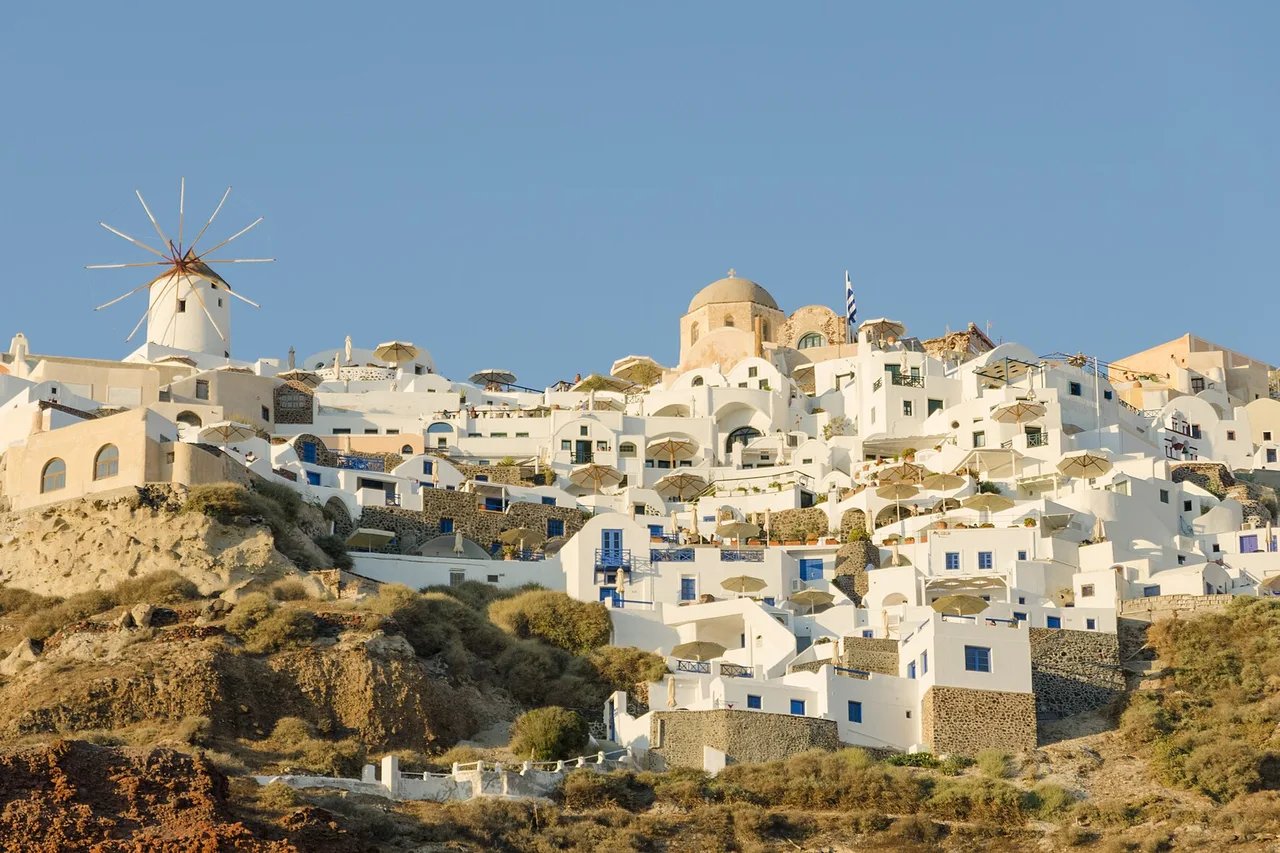
And if, reading this, you conclude that you would rather have sea and white villages than driving and ruins, the question changes shape: we covered it in our comparison of the Cyclades islands.
Top-rated activities in Greece, bookable online: