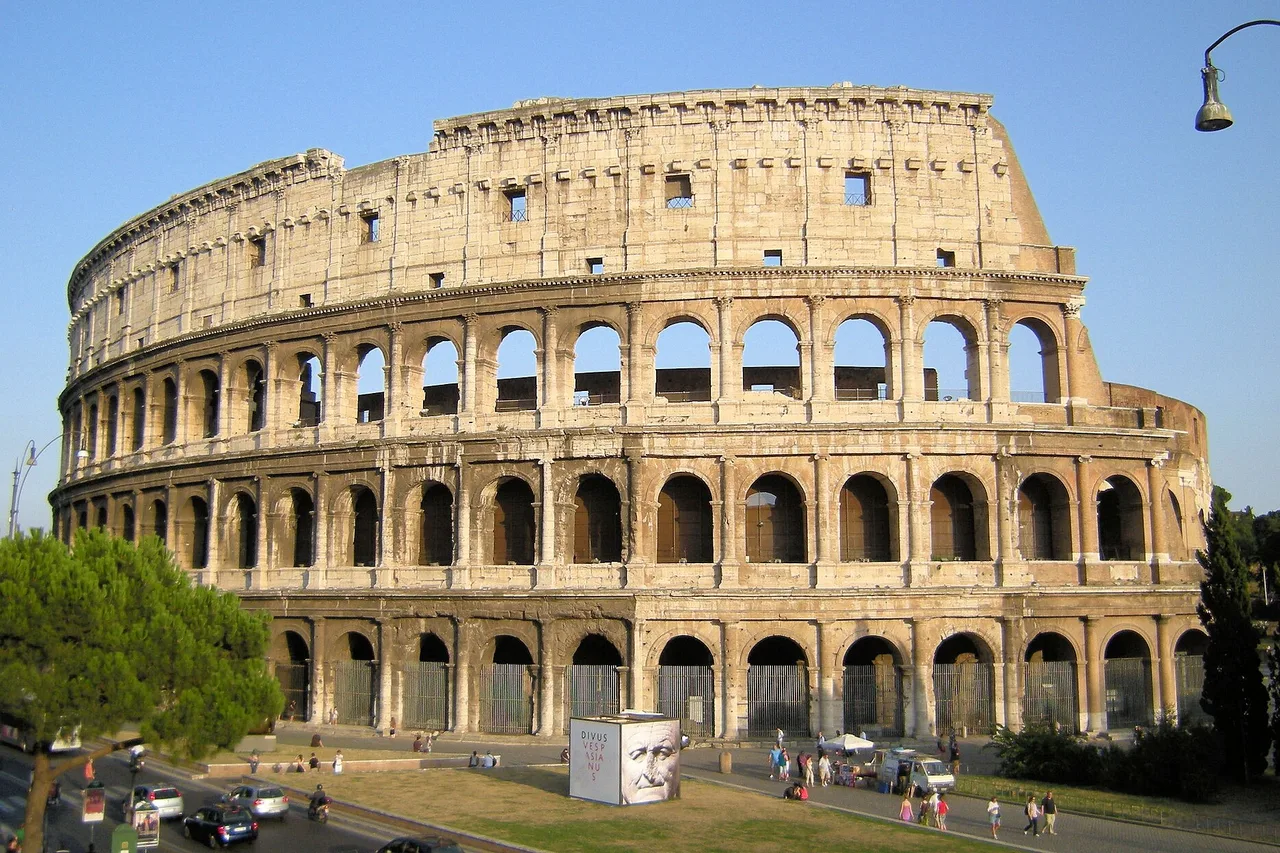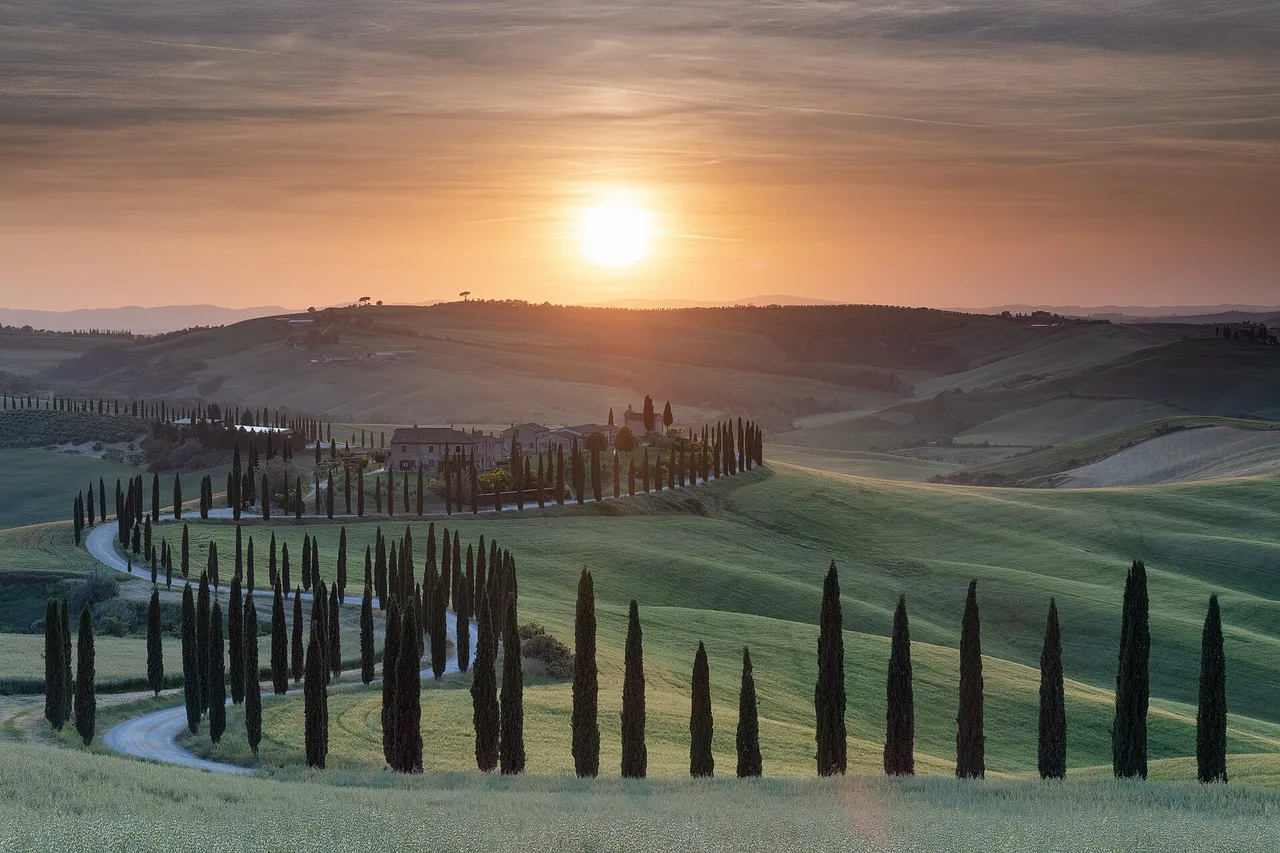
In Italy a hire car pays off in Tuscany and Puglia, but hardly at all in Rome, on the Amalfi Coast or in the Cinque Terre. Checked on 6 October 2026: ADAC shows small cars from €37.35 (Bari) to €43.93 (Pisa, Florence) a day, and 84% of the Localrent fleet is booked in August. The biggest risk is the ZTL: an €83 to €332 fine, plus a fee from the rental company, and the notice can arrive up to 360 days later. Here is what to check before you pay.
Hiring a car in Italy in numbers: the essentials first
A hire car makes sense in Italy where trains do not go: Tuscany, Puglia, small villages. In Rome, on the Amalfi Coast and in the Cinque Terre it usually brings more trouble than it saves. The figures first:
- €37.35 to €43.93 a day for a small car (ADAC portal, 6 October 2026, no travel dates).
- €83 to €332 fine for entering a ZTL, plus a €25 to €50 fee from the rental company.
- €7 to €9 in tolls per 100 km on the autostrada; Florence to Rome about €20.
- Deposit from €150 at Localrent; big brands block it on a credit card.
- 15 to 20% advance payment online, the balance when you collect the keys.
All figures were read on 6 October 2026. Prices change daily: take them as a reading, not as an offer.
What a hire car costs in Italy: season, prices, fuel
For Italy, Localrent publishes no monthly average price, but it does publish how full its fleet is: January 52%, July 82%, August 84%, September 81%, December 41%. September is almost as busy as July. The fuller the fleet, the earlier you should book.
Two reference points for the daily price. For Bari, Localrent gives €40 to €50 for a compact car in high season and €25 to €30 in low season. The ADAC portal showed on 6 October 2026 (before 05:00), for the big brands, small cars from €37.35 in Bari (seven days from €261.48) and from €43.93 in Pisa and Florence (seven days from €307.52), with no dates: starting prices, not offers.
High season in Bari: 7 × €40 = €280 to 7 × €50 = €350. With Localrent you pay 15 to 20% online (€42 to €70) and the balance (€238 to €280) when you collect the keys.
Fuel comes on top: Euro 95 cost €2.156 a litre on the weekly average (European Commission, week of 28 September 2026). At an assumed 6 litres per 100 km that is €13; with €7 to €9 in tolls, 100 km of motorway comes to roughly €20 to €22. The whole picture is in the budget for a 10-day trip to Italy.
Local firms or big brands: what differs
Localrent is not a rental company but a booking site that shows offers from rental firms. According to its terms, questions about the condition and quality of the cars go to the rental company concerned.
| Route | What we read | What to check |
|---|---|---|
| Several firms via Localrent | 15 to 20% advance by bank card only; deposit from €150; deposit filter | The deposit and insurance line behind the “?”; credit card depending on the firm |
| Big brands via ADAC or ÖAMTC | Deposit on a credit card with a PIN, no cash, prepaid or debit cards; full cover with no excess included | Price with no dates; card limit for the deposit |
| Train, bus, ferry instead of a car | Rome, Amalfi Coast, Cinque Terre: ZTL, alternating plates, closed villages | Hire only from the day you need the car |
Can you trust the site? On Trustpilot Localrent stood on 6 and 7 October 2026 at 4.6 out of 5 from more than 5,300 reviews (86% five stars, 5% one star); the page says the company replies to 97% of negative reviews. Criticism concerns insurance disputes after damage and the condition of some vehicles, the two points of the next sections. Its own page shows 4.8 out of 5 from 4,509 reviews with a link to Trustpilot; that figure differs from the Trustpilot page, and we go by the Trustpilot numbers.
You can compare the offers for your dates side by side in the comparison of car hire offers in Italy, sorted by price with delivery costs included.
Deposit, excess, licence, age
The deposit is blocked at pickup; the excess stays with you if the car is damaged. What matters is the line in the offer, not the name of the insurance.
- Standard insurance does not cover damage to wheels, undercarriage, windscreen and interior (Localrent). For Bari, Localrent writes that full insurance is often included in the price.
- After an accident, tell the rental company at once and get a police report.
- According to the broker Auto Europe, collision and theft protection is required by law in Italy and an excess remains; we did not find the legal text. The ÖAMTC portal considers full cover with no excess advisable, and the Verbraucherzentrale (31 July 2026) recommends it covering tyres, rims and undercarriage.
- Licence: ADAC and ÖAMTC write that an EU licence is enough; Localrent also advises an international permit. GOV.UK says a UK photocard licence can be used in Italy. The voucher decides.
- Age: 18 according to ÖAMTC, usually with a surcharge under 25; on the Bari page, 21 and two years of driving experience.
The sum before you click: the price gap per day between two offers of the same category, one with standard and one with extended cover, multiplied by your rental days, is the price of the better cover. Compare it with the excess stated in the offer. We give no “typical” amount, for lack of a neutral source.
ZTL: the trap that costs the most
ZTL stands for Zona a Traffico Limitato: historic centres reserved for residents, delivery drivers and guests with a permit. Ignoring the signs means a fine (Localrent). Cameras record the plate and, with a hire car, the notice goes first to the rental company.
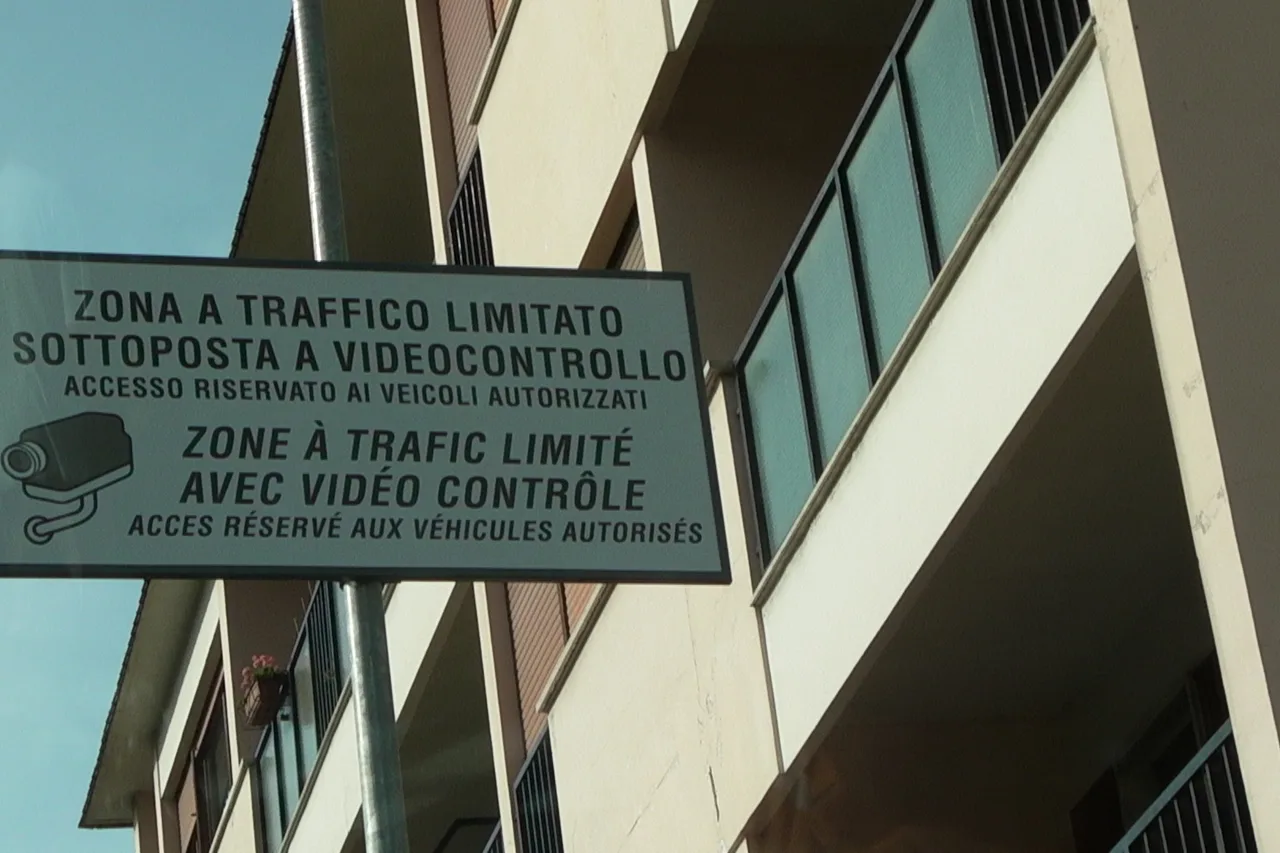
What it costs. The fine runs from €83 to €332 under article 7 of the Italian Highway Code (text read on patente.it on 6 October 2026). The rental company passes it on with its own fee: an independent volunteer project (ZTL Italia) quotes €25 to €50 per notice. Paid within five days of notification, it is reduced by 30% on the minimum: €58.10 instead of €83.
When it arrives. The notice may be served within 90 days, or within 360 days for someone resident abroad (article 201): almost a year after the trip.
One fine per day. Since 14 December 2024, several camera-detected offences in the same ZTL on the same calendar day give a single penalty (article 198, paragraph 2-bis, law no. 177/2024). A second day is a second offence: two days cost at least 2 × €83 = €166, and between €216 and €266 with 2 × €25 to €50 in fees, if each notice arrives separately.
- A display reading “varco attivo” means the zone is enforced; “varco non attivo”, open at that moment (ZTL Italia).
- If your hotel is inside a ZTL, give it your plate and dates before arriving and get written confirmation of the registration.
- Rome: ZTL Monday to Friday 6:30 to 18:00 and Saturday 14:00 to 18:00, according to Localrent.
Autostrade, tolls and fuel
Italy has toll motorways, marked with the letter “A”, and free roads; there is no vignette. Speed limits are 130 km/h on the autostrada, 90 outside built-up areas and 50 in towns (Localrent).
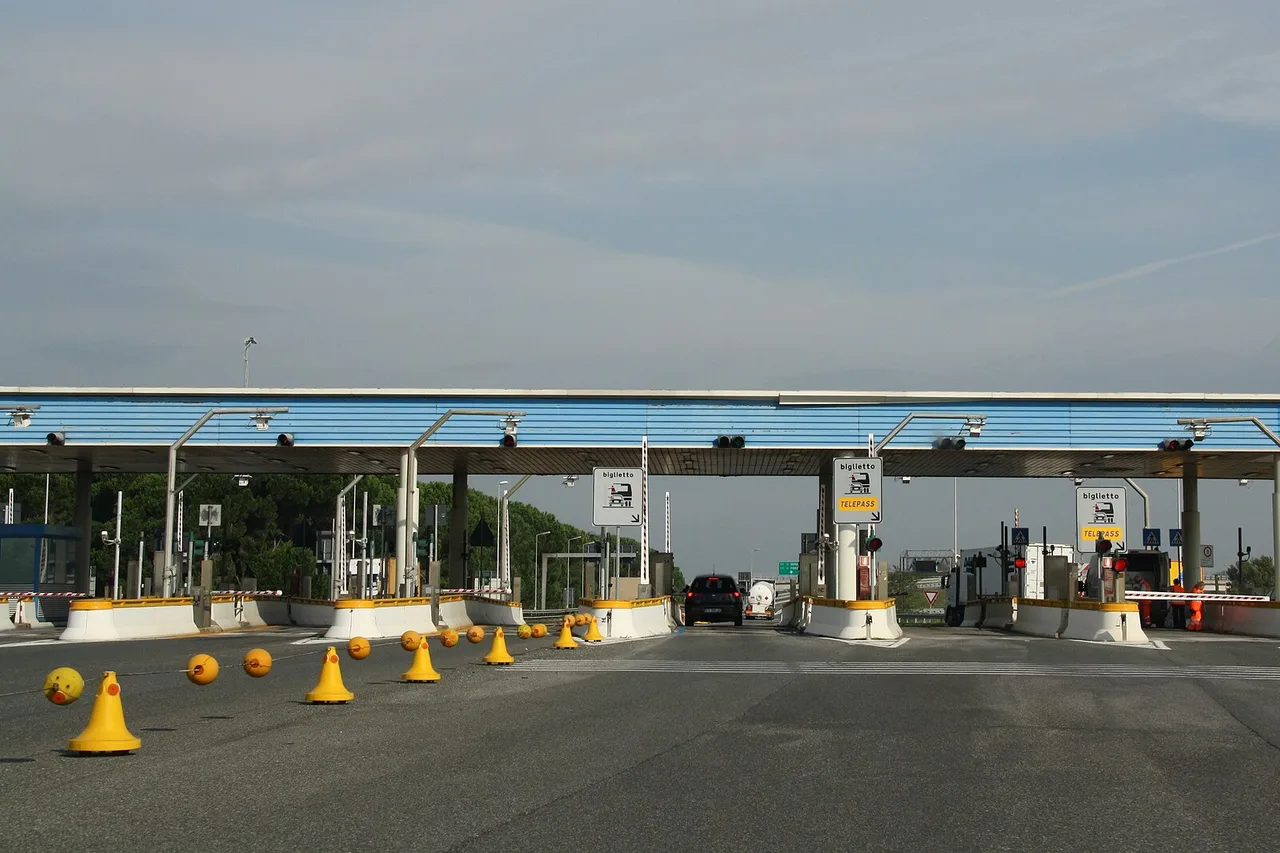
As a rule of thumb ERGO gives €7 to €9 per 100 kilometres. Florence to Rome costs about €20, Rome to Naples about €17 (italien.de, January 2026 tariffs). We give no price for Milan to Rome, because two sources contradict each other.
At the plaza there are card lanes, cash lanes and a yellow Telepass lane for registered users. Lost your ticket? Press the red button and give your entry point, or you pay the maximum. According to Localrent, tolls, fuel, parking and fines are yours to pay, and the car goes back with the same fuel level.
Tuscany and Puglia: where a car pays off
Here no train serves every stop: Tuscany means hill villages, wine estates and country roads; Puglia means coastal towns and trulli villages.
Tuscany. From Pisa, Localrent lists trips to Lucca, Carrara, Volterra and San Gimignano; you collect the car at the airport or have it delivered to your hotel. The Fiat Panda is the most rented car in Italy according to Localrent, a fit for narrow lanes. The terms allow hire cars only on paved public roads: if your agriturismo is at the end of a dirt track (strada bianca), ask in writing. A route: one week in Tuscany between Florence and villages.
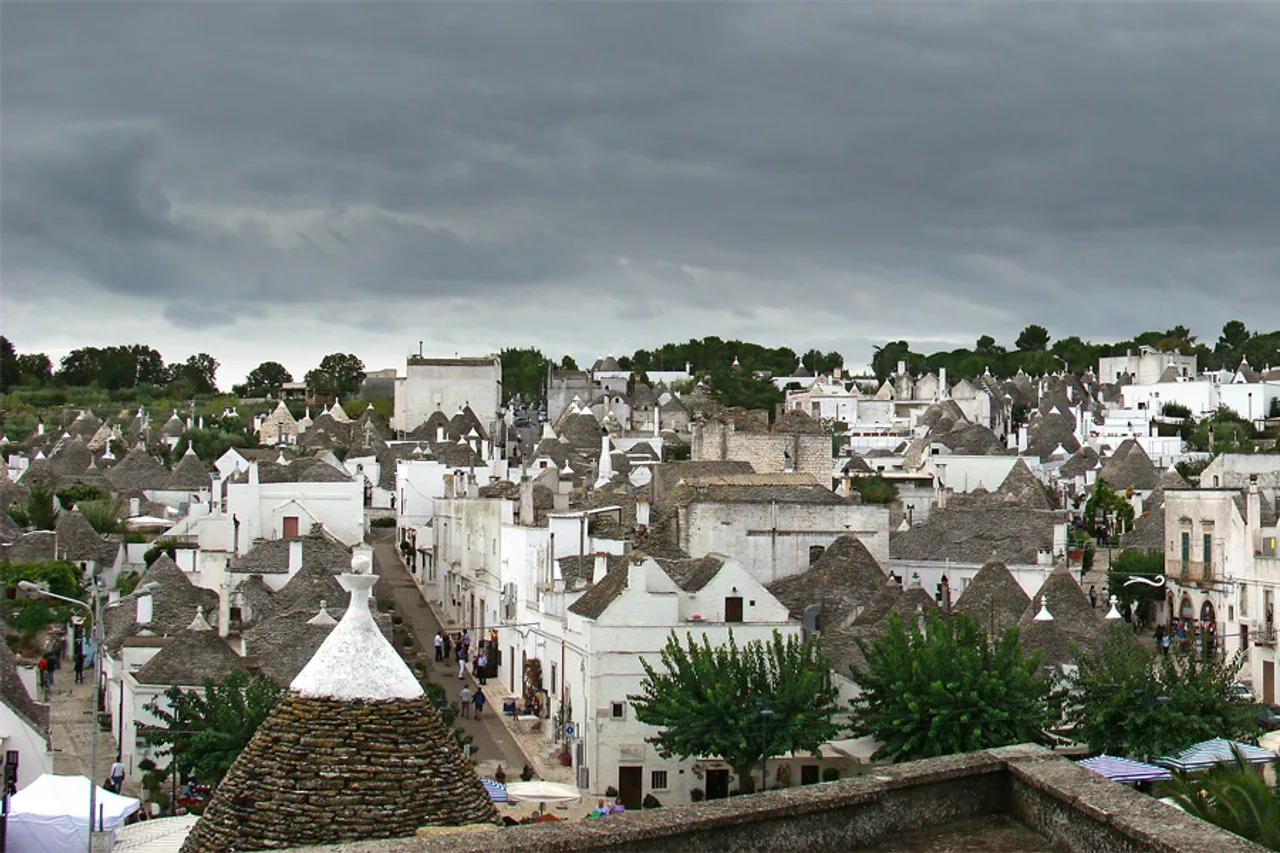
Puglia. Fly into Bari (BRI). For hilly roads Localrent advises an engine of 1.4 litres or more, for narrow lanes a Fiat Panda or VW Up. Localrent names Alberobello and Polignano a Mare; Ostuni is about an hour away, the Castellana Caves 40 km from Bari. The Bari Vecchia ZTL applies from 7:00 to 20:00. For timing: the best time to visit Puglia.
Offers with pickup at the Pisa and Bari airports can be found on Localrent, with airport pickup; behind the “?” of each offer you read the deposit and the insurance.
Where not to hire
With a car, some of Italy’s best-known places are harder to reach, not easier.
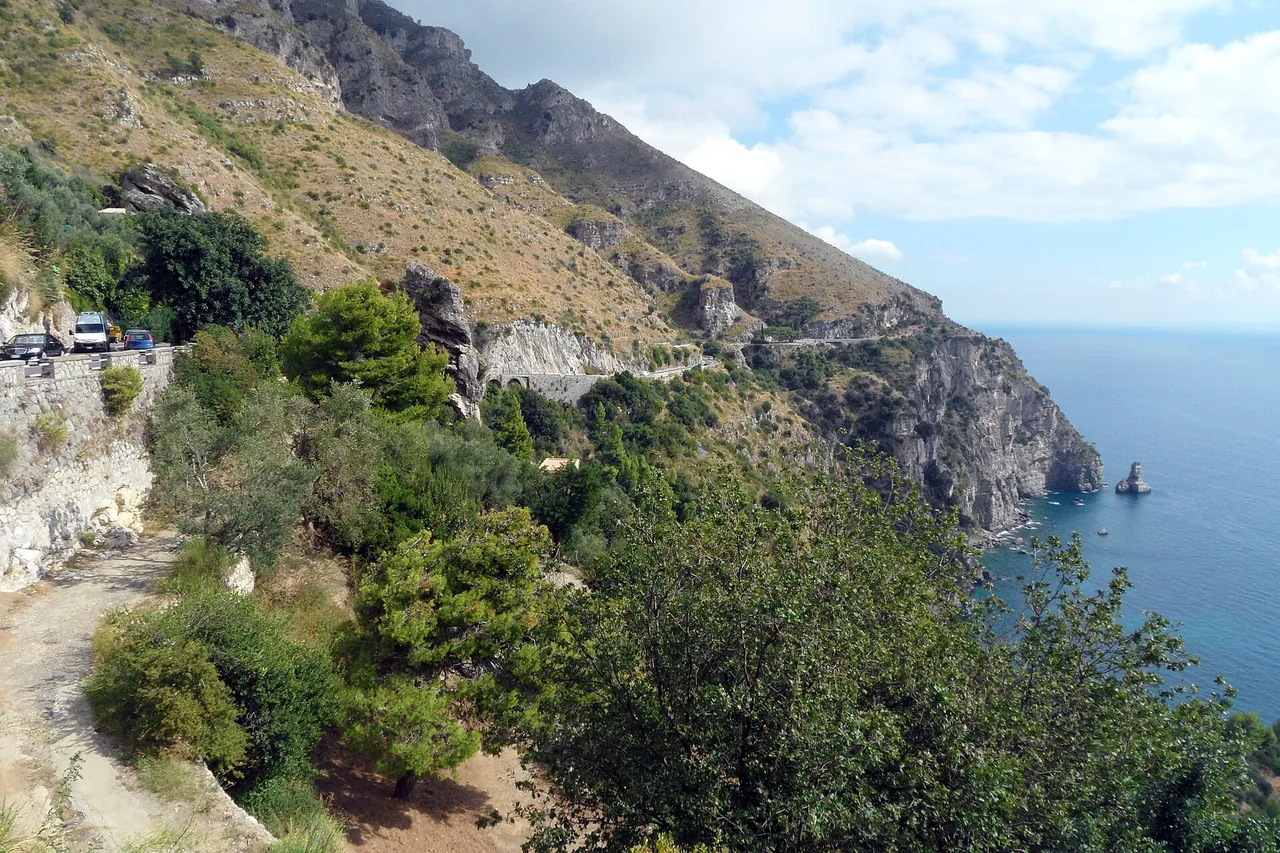
Amalfi Coast. On the SS163 from Vietri sul Mare to Positano, alternating number plates (targhe alterne) apply in 2026 from 10:00 to 18:00: every day from 1 August to 30 September, and weekends and public holidays in October (3-4, 10-11, 17-18, 24-25, 31 October). Residents, and hotel guests with a reservation on the day of arrival and departure, are exempt. You do not know the plate of your hire car when you book. This calendar is the 2026 one: check it for your trip. Buses and ferries: the Amalfi Coast without a car.
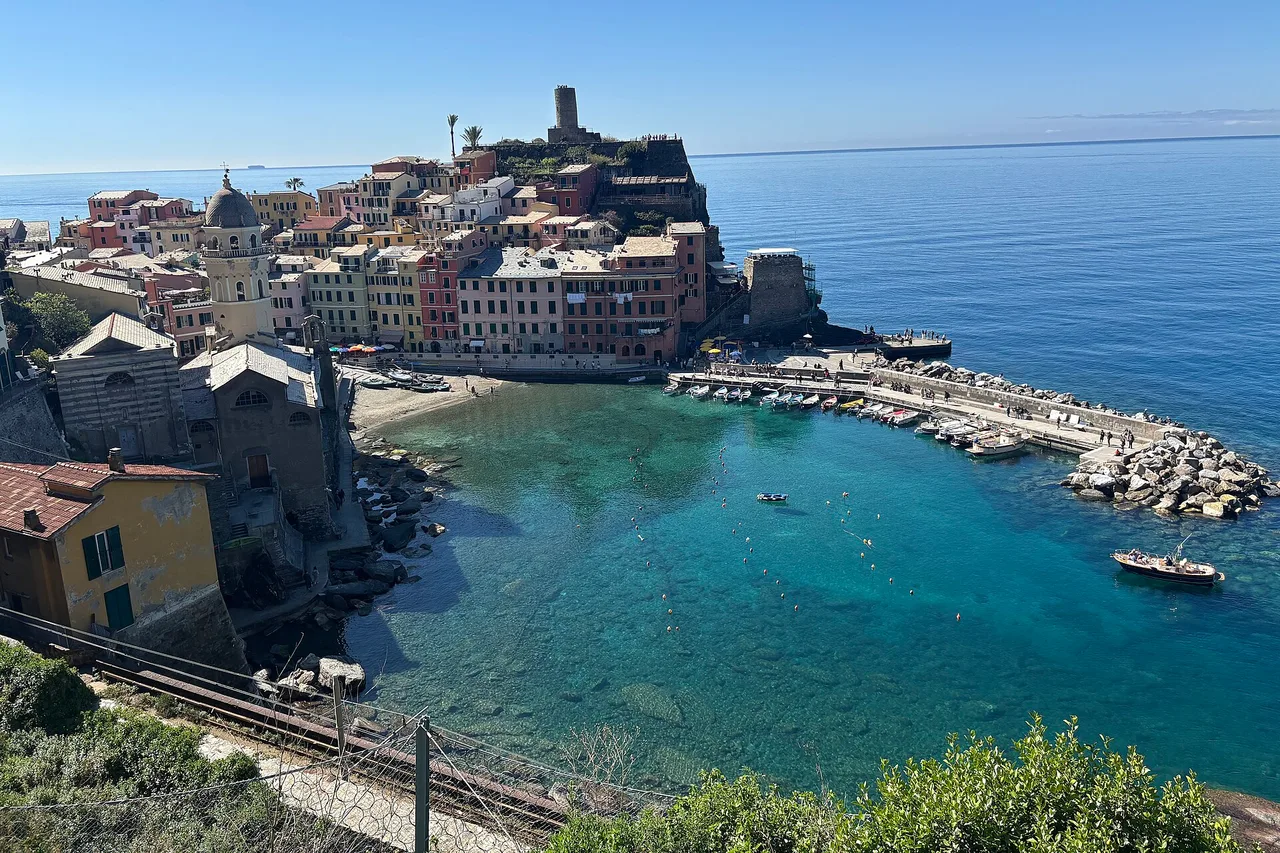
Cinque Terre. Car access to the villages is restricted. In La Spezia, Park Centro Stazione costs €1.50 an hour according to lecinqueterre.org, Europa Parking €1.50 an hour with a €15 daily cap; then train or boat, as in the Cinque Terre in three days.
Rome and other cities. In Rome the ZTL hours apply and blue parking is paid during the day. If your trip is only cities, hire the car on the day you move on.
Before you pay: the checklist
- Deposit and insurance: read the amount and description behind the “?”.
- Card: plan for a physical credit card in the main driver’s name; the advance payment is by bank card only.
- Times: 24 hours minimum are charged; if the return time is later than the pickup time, a day is added. Enter your flight number.
- Photos: photograph the car at handover and return and ask for a written return protocol (EVZ, Verbraucherzentrale).
- Cancellation: free up to 7 days before (30 days for luxury cars and convertibles), or up to 24 hours before with “Free cancellation”; 6% of the amount paid (€2.52 on €42, €4.20 on €70) is kept for the payment service.
If you are driving around Tuscany or Puglia, look at the offers with pickup on the spot and read the voucher before you pay. It arrives by e-mail and is shown at pickup, on a phone if you like.