The short answer: the austral winter, May to November — and if you can choose, May-June or September-November. Dry weather, crystal-clear mornings, open trails, whales offshore and reasonable crowds: that is the golden window. But Réunion is not a destination you can reduce to "the right season". It is a mountain-island where it can be 30 °C at the lagoon and 5 °C on the summit on the same day, it holds the world rainfall records, and it lives through a real cyclone season every year. This guide gives you the full calendar — without sugar-coating, as usual.
Two seasons, not four
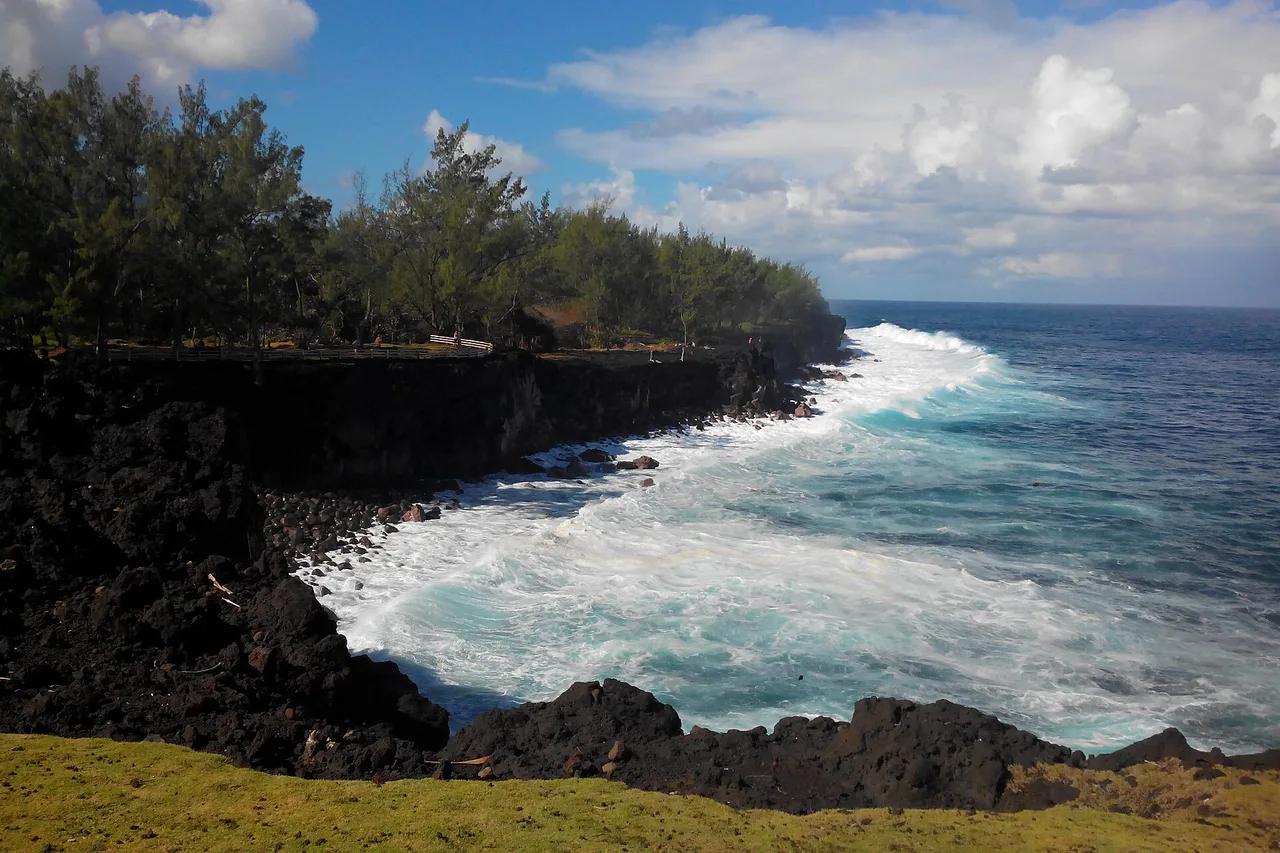
Under this tropical climate — inverted compared to Europe — the Réunion year splits in two. The austral summer (December to March) is hot and humid: 30 to 32 °C at the height of the day on the coast, a sea at 28 °C, stormy afternoon showers and exploding vegetation. The austral winter (May to October, spilling into November) is dry and mild: 25 to 27 °C in the afternoon on the seaboard, a sea holding 23 °C, steady trade winds and spectacularly sharp skies at daybreak.
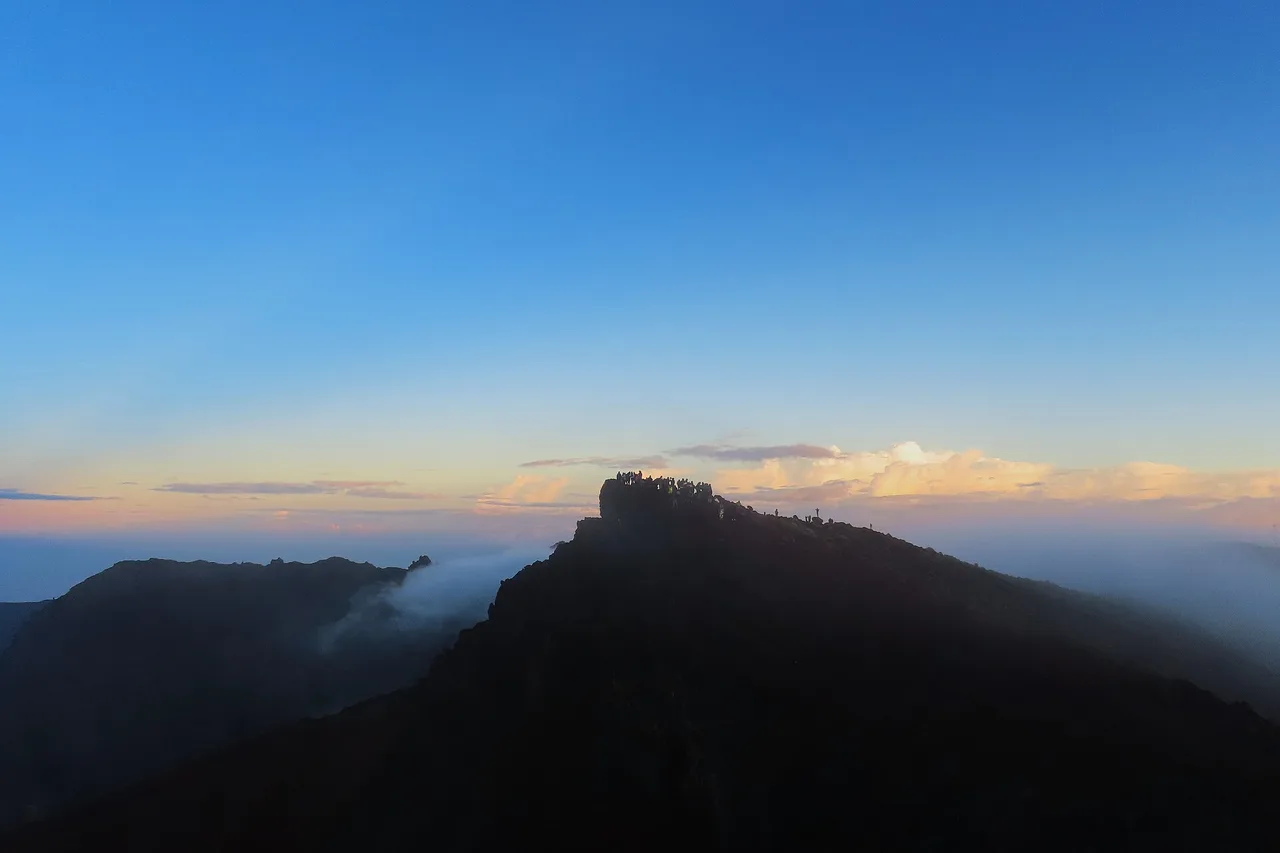
"Winter" is therefore a big word at sea level — you can swim all year round in the west-coast lagoon. It is at altitude that the word regains its meaning: from 1,500 m, subtract 8 to 10 °C from coastal temperatures, and at dawn on a July morning the thermometer can approach 0 °C at the Maïdo or on the summit of Piton des Neiges (3,071 m). That is when the people of the Hauts light their fireplaces — at 21° south.
April and November play the shoulder seasons: neither fully wet nor fully dry, often very pleasant — and noticeably less busy.
Cyclone season, without the drama
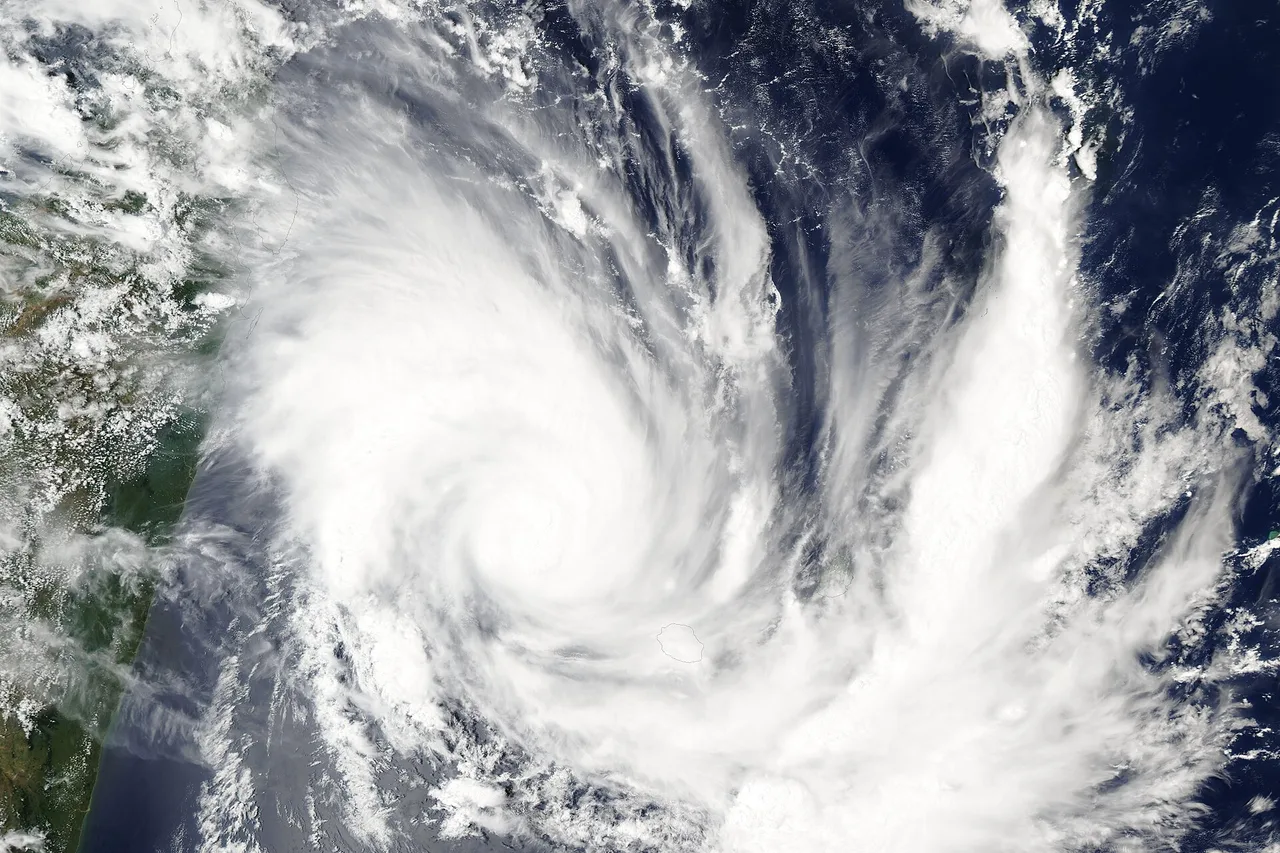
Let's talk about the thing that worries people. The South-West Indian Ocean cyclone season officially runs from 15 November to 30 April, with a core of activity from January to March. That does not mean a cyclone strikes the island every year: most systems pass offshore, and an entire season can go by with nothing worse than swell and a few grey days. But when a storm does come close, it does not do things by halves: Belal, on 15 January 2024, triggered the island's first-ever purple alert — the level created for winds above 200 km/h, during which even the emergency services stay under cover. Garance, on 28 February 2025, crossed the island from north to south with gusts measured at 226 km/h at Sainte-Rose — unseen since Hollanda in 1994.
What to take away, as a traveller: the alert system is one of the best drilled in the world. The prefecture works through clear levels — yellow pre-alert, orange alert, red alert (nobody goes outside), purple alert, then the recovery phase — relayed everywhere, and the island shelters with real discipline. A cyclone is seen coming days in advance; you will never be caught by surprise. If you travel between December and March, simply plan for a flexible itinerary, cancellation insurance, and a day or two of slack before a return flight or a key stage.
And there is the other side of the coin, which the brochures forget: the austral summer is also when the island is at its most beautiful — waterfalls at full flow, lychees, mangoes and Victoria pineapples on every market, saturated greens in the cirques. Some travellers swear by it.
The island that holds the world rainfall records
One remarkable fact to know before packing: Réunion holds nearly all the world precipitation records between 12 hours and 15 days. In January 1966, during cyclone Denise, the Foc-Foc station on the slopes of the volcano recorded 1,144 mm of rain in 12 hours and 1,825 mm in 24 hours — more than Paris receives in two and a half years. In February 2007, the Commerson crater took 3,930 mm in 72 hours under cyclone Gamède. These figures almost always fall on the heights of the volcano, not on the beaches — but they say something very concrete: here, rain is not drizzle, it is an event.
The practical consequence fits in one local rule: after a big rain episode, give the rivers and trails a day or two to come back down. Fords are crossed dry, never under water, and a swimming pool in spate can wait — the island's most beautiful waterfalls and natural pools are earned with a minimum of weather patience.
Microclimates: one island, ten weathers on the same day
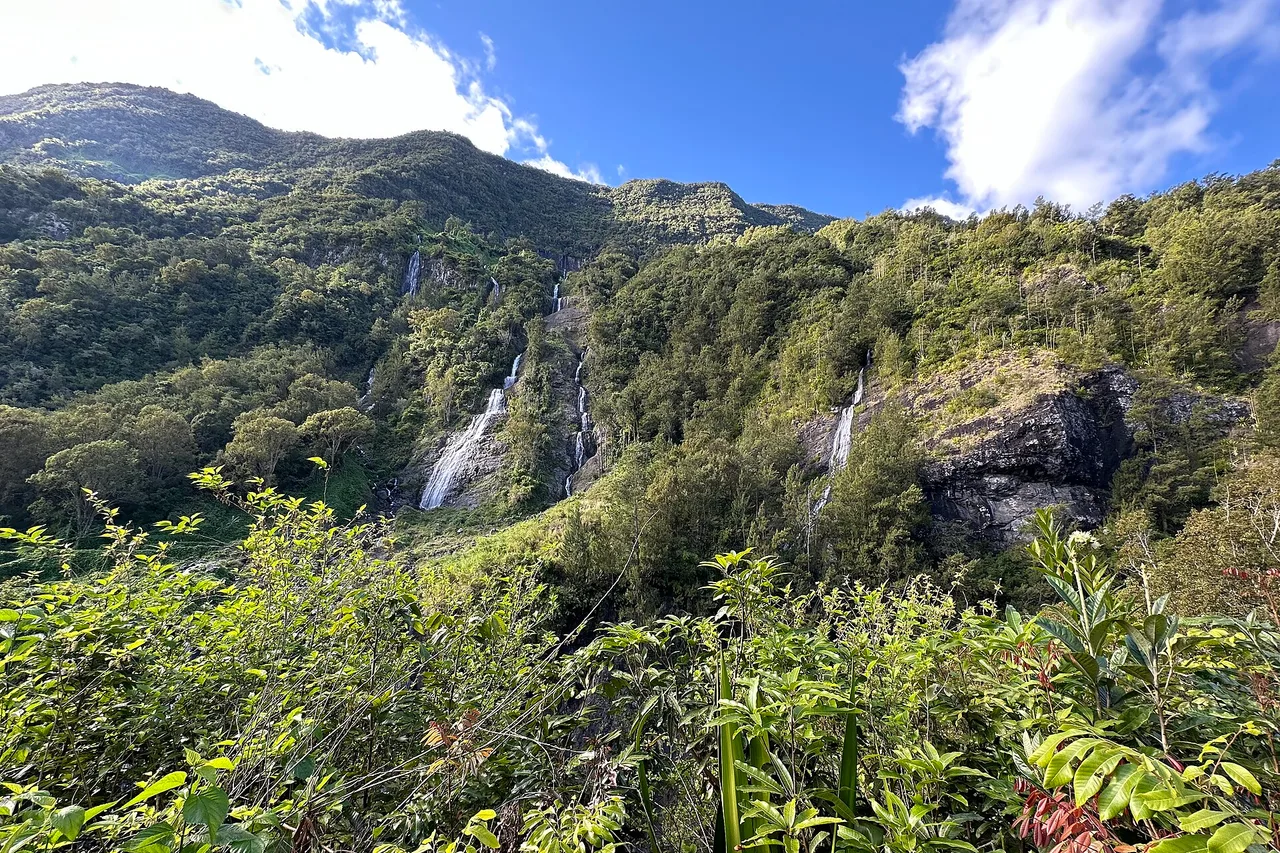
This is THE key to understanding Réunion — and to saving a holiday that a hasty weather report would have ruined. The trade winds push moisture from east to west; the mountains stop it. The result: the windward coast (the East) receives 3,000 to 5,000 mm of rain per year at Sainte-Rose or Saint-Philippe, while Saint-Gilles, on the leeward side, gets less than 700. Twenty minutes' drive can literally change your climate: it can be pouring in Salazie while people sunbathe at La Saline.
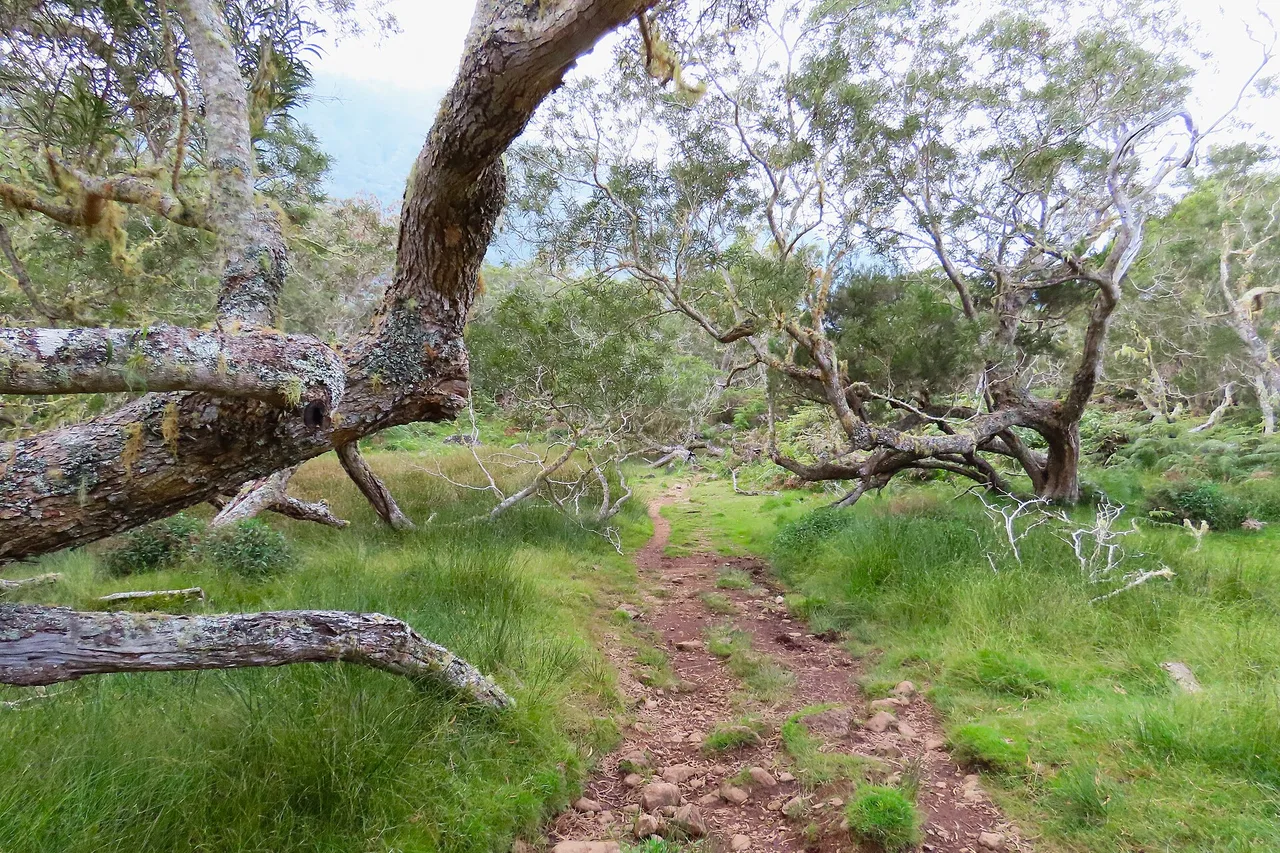
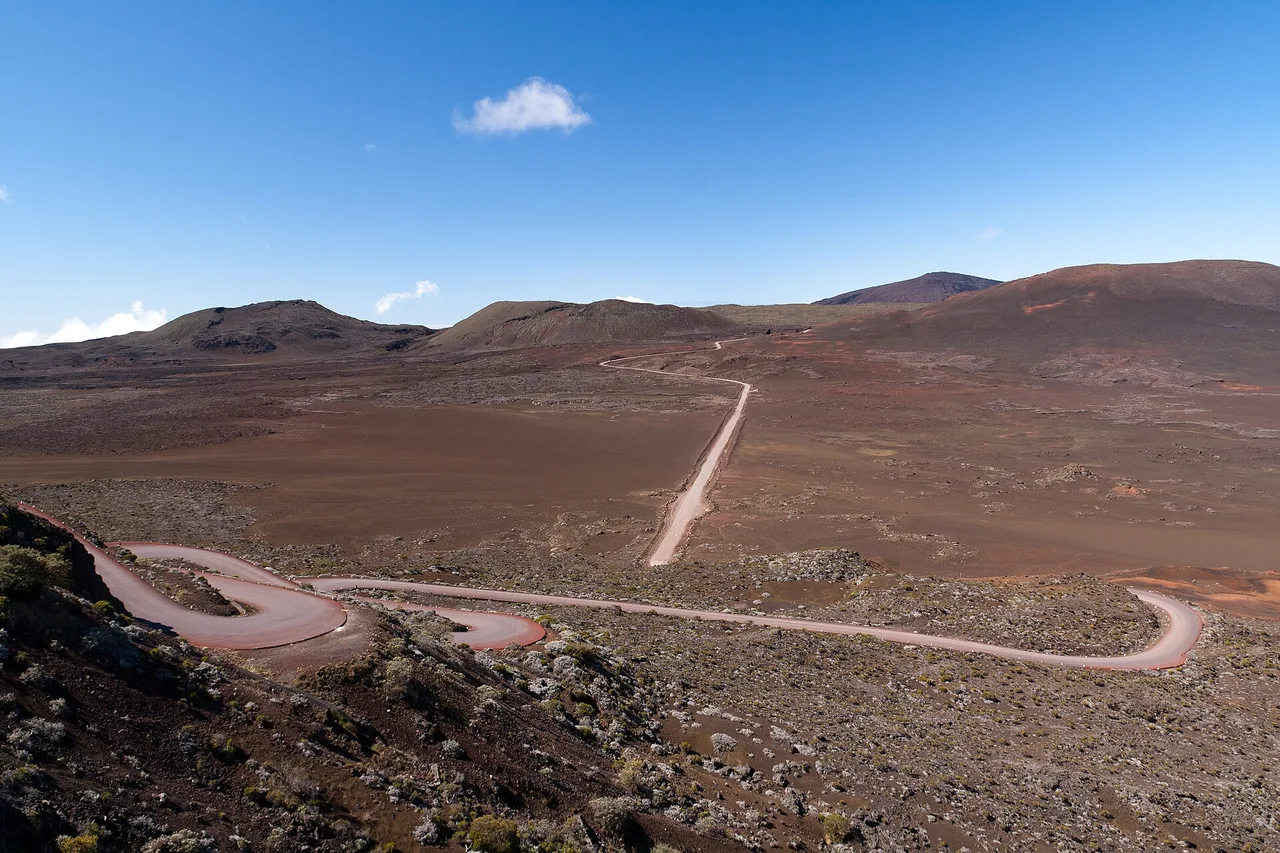
The relief adds its own layer. Each cirque has its character — Salazie the lush wet one, Cilaos drier and sunnier, Mafate changing valley by valley — and the Plaine des Sables, above 2,200 m, alternates cutting sunshine, dense fog and night frost. "It's raining on Réunion" does not exist: it is raining somewhere on Réunion, and it is most likely fine somewhere else.
One last golden rule, valid all year: the mountains are played in the morning. Clouds cling to the slopes by late morning, even in the dry season. For sunrise at the Maïdo, a clear Piton de la Fournaise or the plunging view over Mafate, you leave at dawn — by 11 a.m. it is often too late.
The calendar, period by period
December to March — the austral summer. Hot (30-32 °C), humid, stormy afternoons, real cyclone risk from January to March. The island is sumptuously green, fruit at its peak, waterfalls at full flow. Crowds peak around the holidays; December-January flights are the most expensive of the year. For those who accept the gamble, it is the season for lovers of all things green.
April-May — the transition. The rains calm down, temperatures stay gentle, the vegetation keeps its summer shine. May in particular is an excellent quiet month: trails reopened, water still at 26 °C, low crowds outside school holidays.
June to September — the austral winter, heart of the fine season. Dry, luminous, 25-27 °C on the coast, ideal for hiking — the period most walkers of our 10-day itinerary choose. It is also humpback whale season (June to October), sometimes visible from the sand. Two caveats: the Hauts are cold at dawn, and southern swells sometimes close the netted beaches of the west — the lagoon, though, stays swimmable. July-August coincides with the European holidays: book cars and mountain lodges months ahead.
October-November — our favourite. The sun settles in, the sea climbs back towards 25-26 °C, whales linger early in the period, the flamboyant trees start to blaze and the crowds thin out. To combine lagoon, summits and a reasonable budget, this is probably the best slot of the year.
Choosing your dates by trip type
For hiking — Mafate, the three cirques, the volcano, the long-distance trails: aim for May to November. Dry paths, clear morning panoramas, open huts. Bring proper warm layers: sleeping at the volcano lodge or the Caverne Dufour hut in July means sleeping at 5 °C.
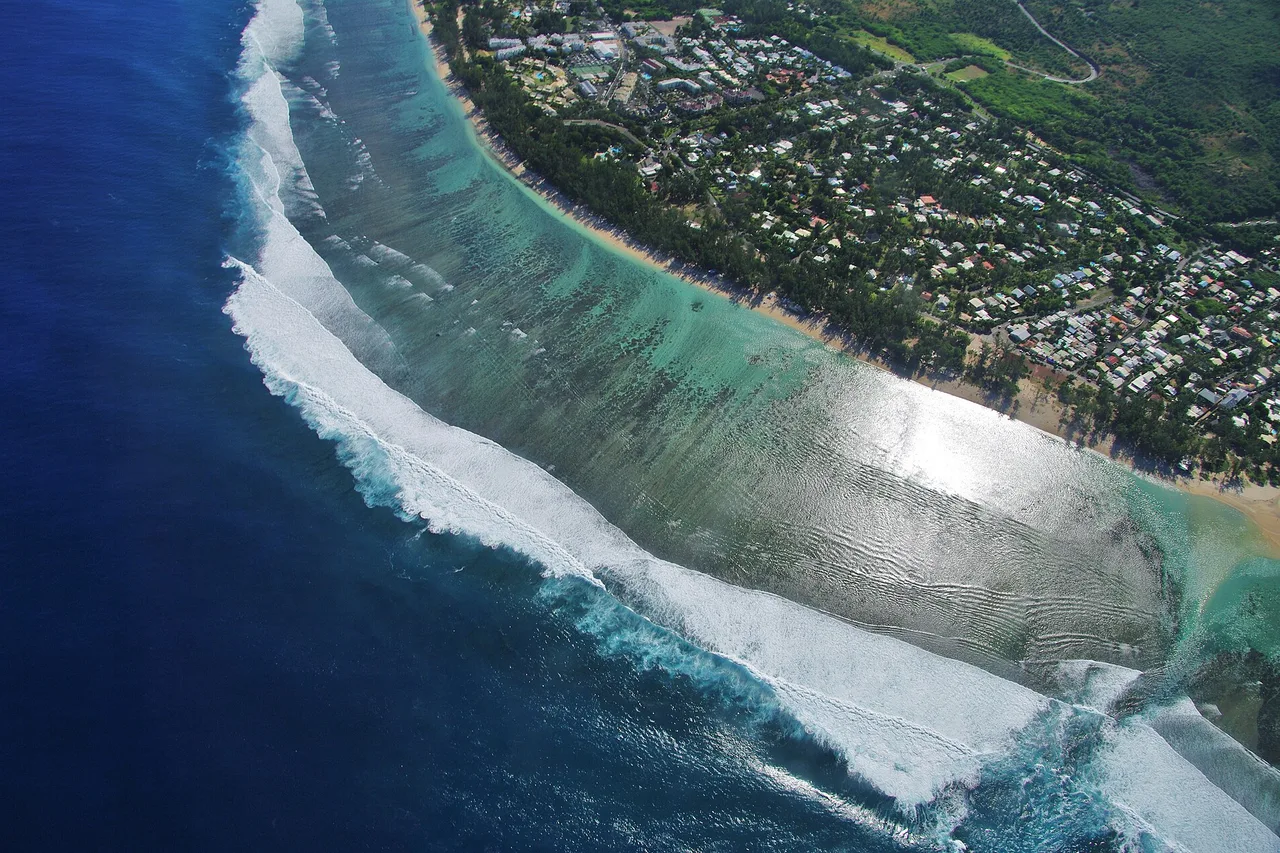
For the lagoon and diving: all year round. The water ranges from 23 to 28 °C, and austral-winter days often offer the best visibility. Beach-by-beach details are in our guide to the beaches and lagoon.
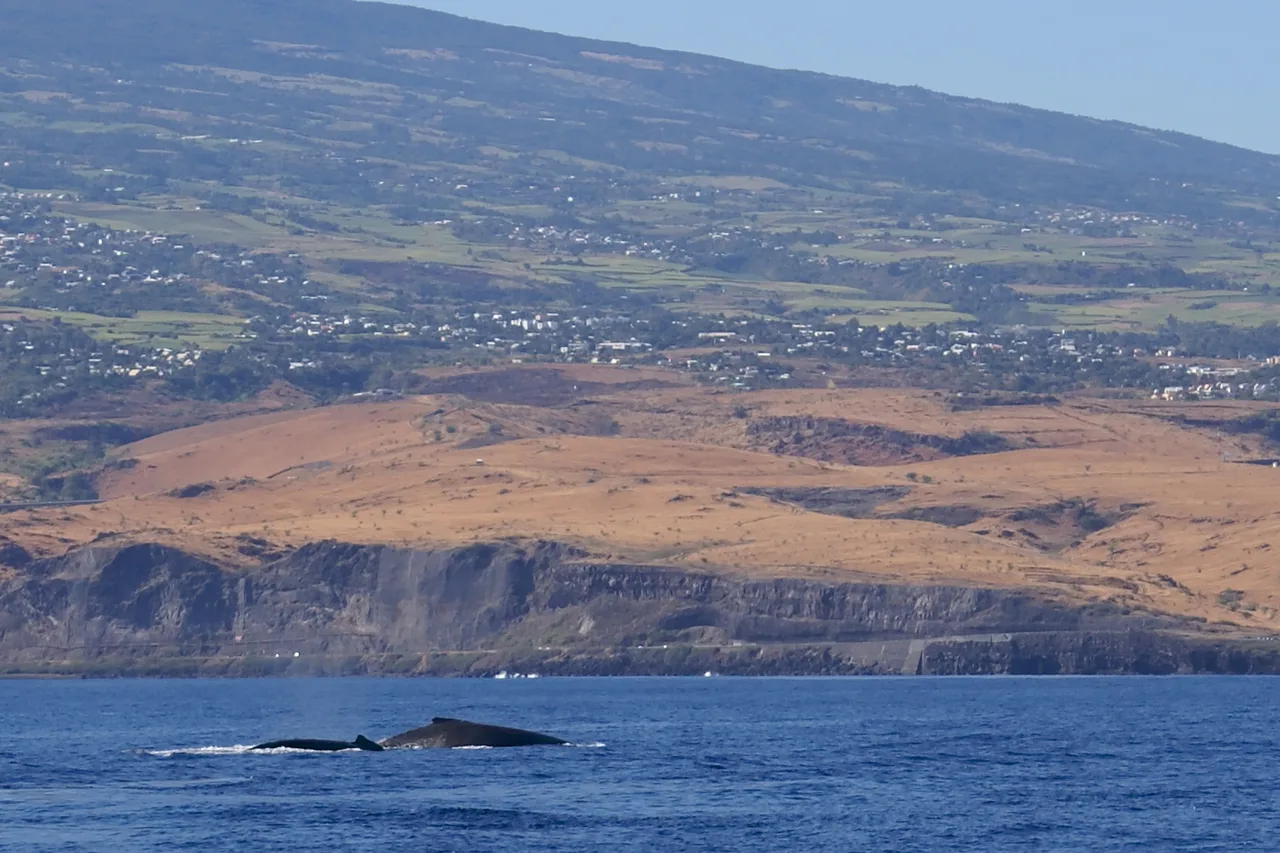
For the whales: June to October, peaking July to September. From the shore, for free, or on a respectful guided trip — approaches are regulated.
For the budget: avoid December-January and July-August, the two airfare peaks. May-June and September-November combine gentler tickets, available accommodation and reliable weather.
A local's word
Don't look for the perfect week: on Réunion it does not exist — and that is good news. Thanks to the microclimates, there is always a corner of the island where the day is beautiful: when the East streams with rain, the West shines; when the coast bakes, the Hauts breathe. The local reflex fits in three moves: check the morning forecast, choose your side of the island accordingly, and do the summits early.
If we are forced to give dates: late September to mid-November for a first trip — warm lagoon, dry trails, possible whales early on, reasonable prices. And if your holidays fall in February, go anyway: watch the forecast, keep a plan B per coast, and let the island show you its greenest face. It disappoints in no season — it just changes face.
The real Réunion, in your pocket
The interactive explorer map: 160 spots checked on the ground, live weather zone by zone and road trips timed on real roads. Free, no account, no card.
Discover Moris Insider →