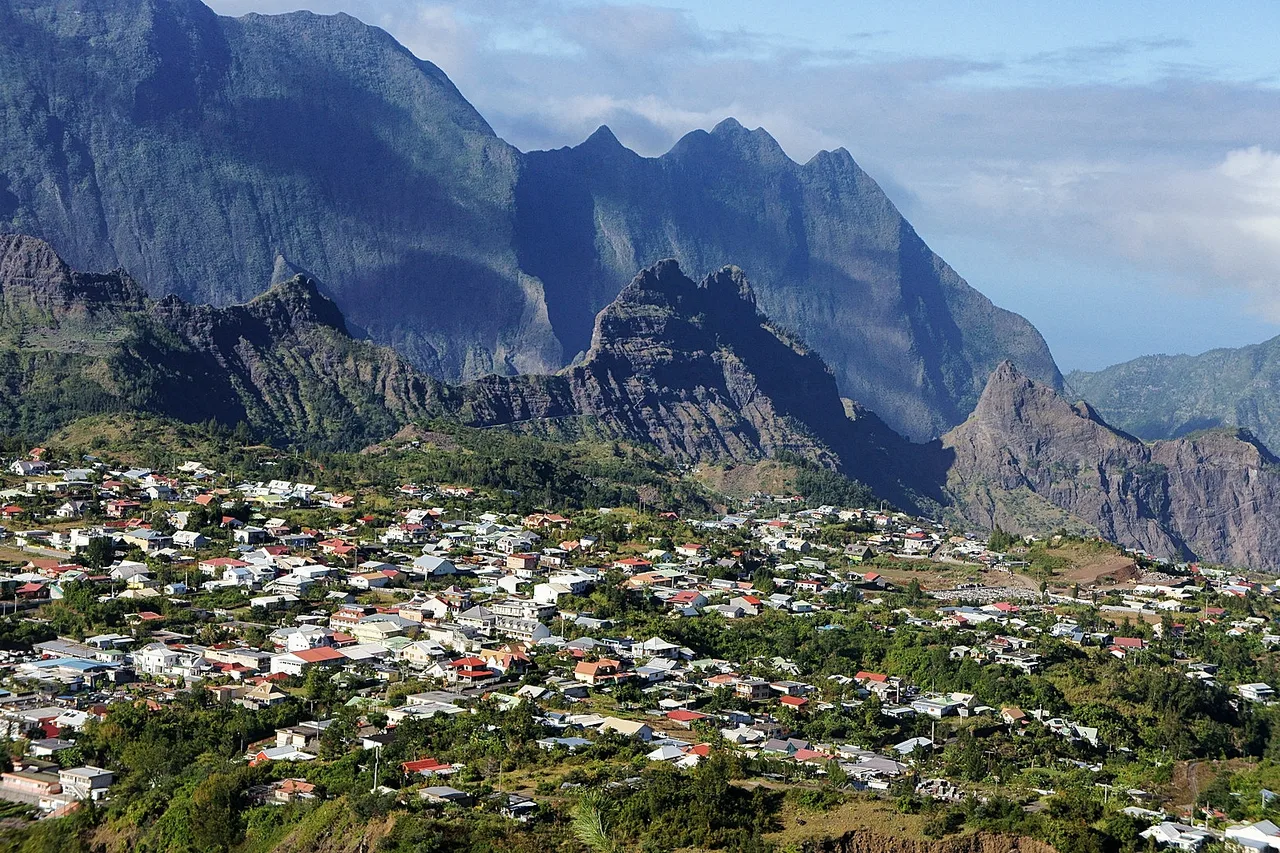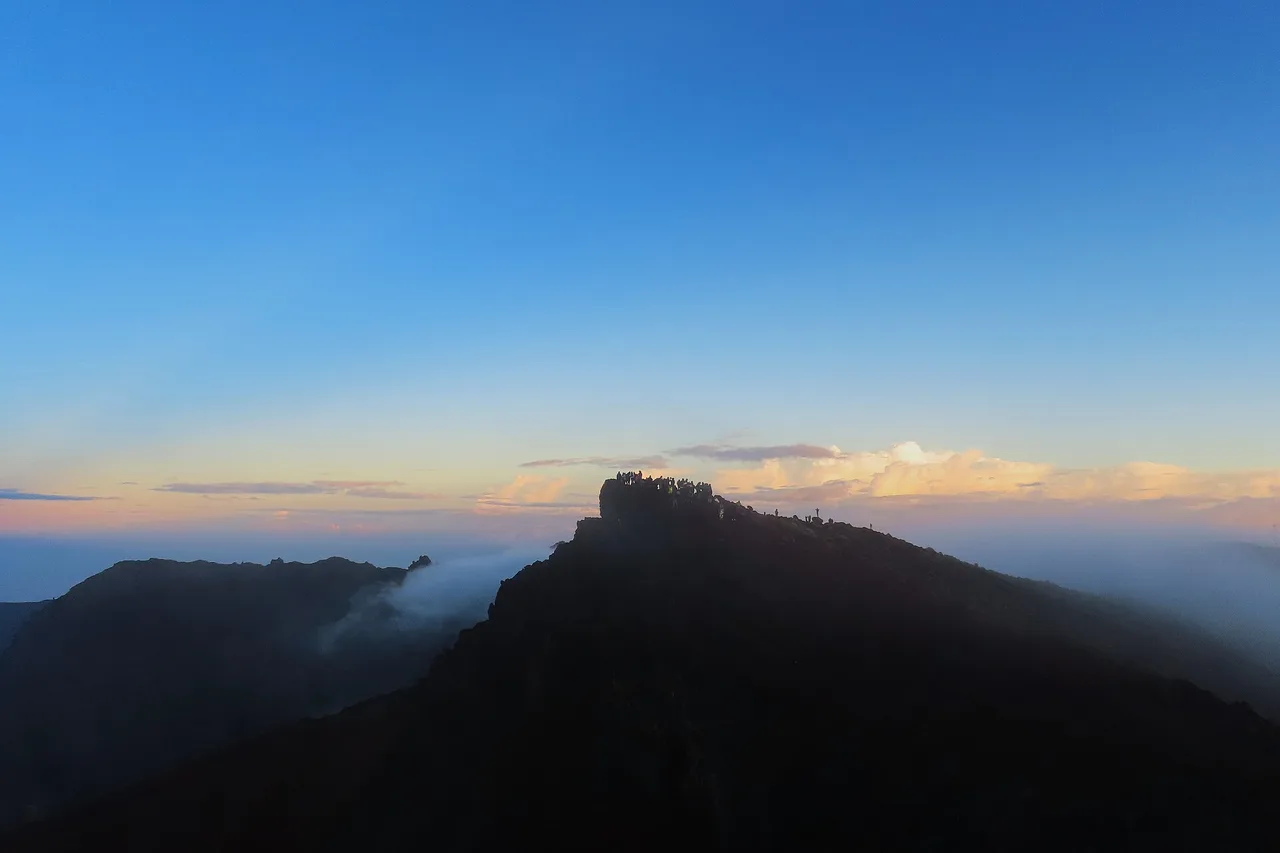
At 6 a.m., at 3,070 m, the sea of clouds catches fire beneath your feet — and you are standing on the highest point of the Indian Ocean. Climbing Piton des Neiges is THE mountain adventure of Réunion Island: two days, a night at the Caverne Dufour hut (2,478 m) and a final push by headlamp. No climbing gear, but a real mountain. Trail, prices, booking, cold: here is the complete guide — figures checked in October 2026.
The roof of the Indian Ocean
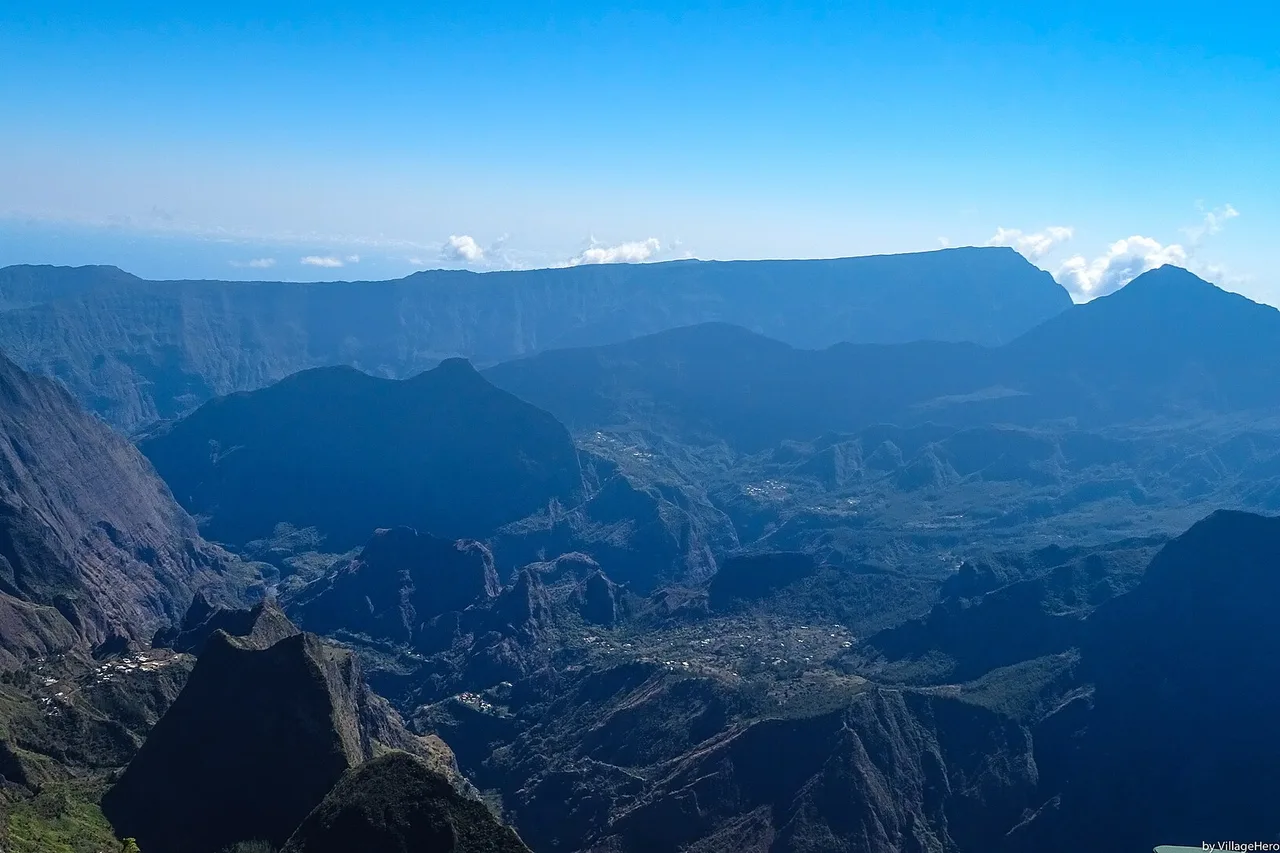
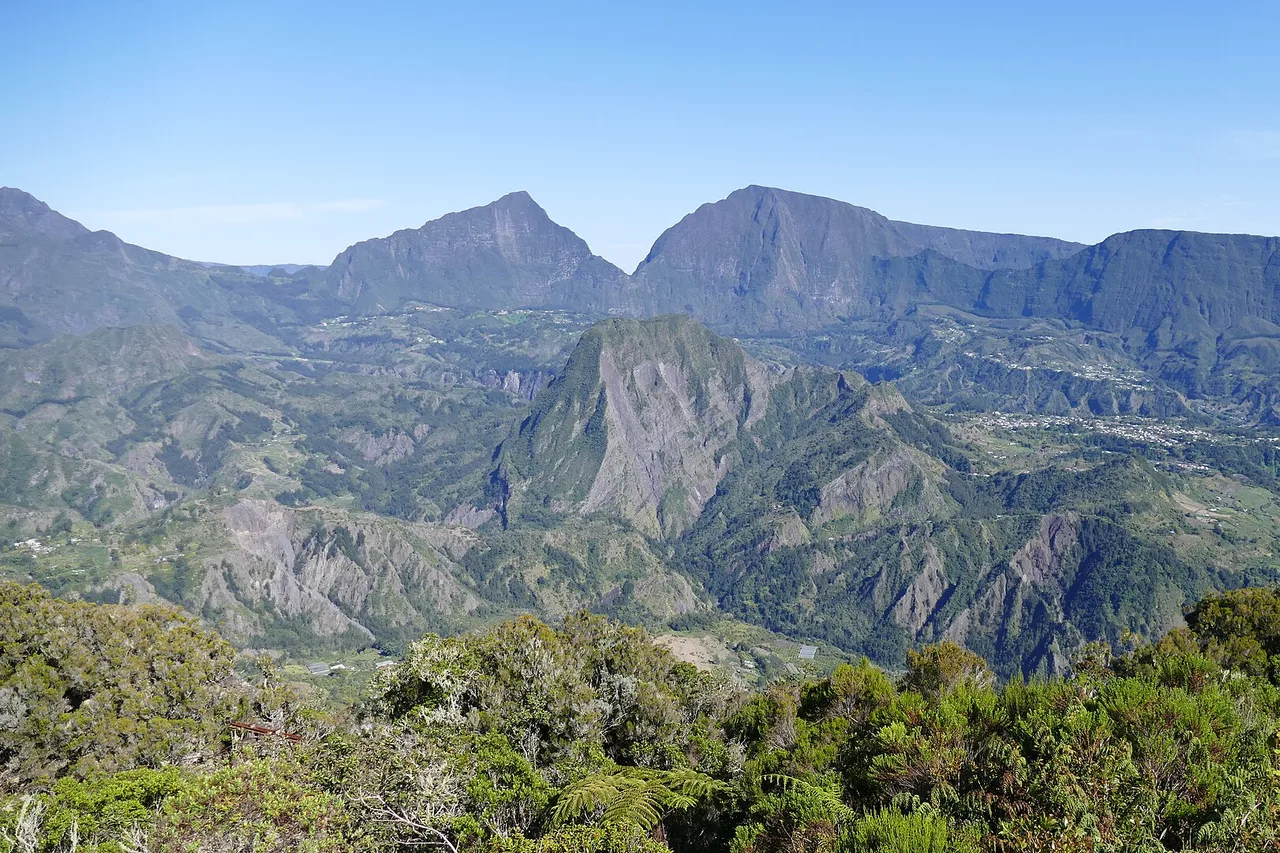
At 3,070 m, Piton des Neiges is the highest point of Réunion — and of the entire Indian Ocean. It is the dormant volcano that built the island: the three cirques of Cilaos, Mafate and Salazie carved themselves into its flanks, and this mountainous heart has been a UNESCO World Heritage site since 2010. Its name — “snow peak” — is misleading: snow here is extremely rare, while frost before dawn is almost the rule in the austral winter.
Technically, the mountain asks for nothing: no rope, no exposed passages. It asks for legs — from the usual Le Bloc trailhead, you climb some 1,730 m of elevation gain to the top. That is why nearly everyone splits the ascent in two: up to the hut in the afternoon, summit at night, sunrise on top. The effort then becomes one of the island’s finest mountain memories.
The classic route: Cilaos to the hut via Le Bloc
Everything starts in Cilaos, the mountain village perched at about 1,200 m, reached by the RN5 road and its roughly 420 bends — the drive is an adventure in itself. The trail leaves from the Le Bloc car park (about 1,380 m), on the road to Bras Sec.
From there, count 4.5 km and about 1,100 m of climbing to the hut — 3 to 4 hours on the way up. The path wastes no time on switchback niceties: it is a staircase cut into the slope, step after step through the mountain forest, until the trees shrink and the view opens over the cirque. Once you top out on the plateau rim, the hut is minutes away. Start in the morning: from midday the clouds roll in and the panorama turns to frosted glass.
The night at Caverne Dufour (2,478 m)
The Caverne Dufour hut — officially the Gîte du Piton des Neiges — is the only roof on the mountain: 4 dormitories totalling 48 beds, plus, from May to November, 4 bungalow tents adding 32 places. You book online through the island’s central reservation system, and you book early: in the dry season, weekends fill up weeks, sometimes months ahead.
Prices (checked in October 2026): €20 per night in the dorm (€21 from July to December), €12–13 for children under 12, €15 in a bungalow tent (€11 per child), plus a €0.80 tourist tax. Half-board — dinner and breakfast — costs €34 per adult (€22 per child) and must be ordered at least 48 hours ahead. The Creole dinner is worth the climb: cari, rice, Cilaos lentils.
Expect a true mountain refuge, not comfort: water is scarce and not drinkable (bottled mineral water is sold on site), there are no showers, the solar power does not charge phones, and you must bring a sleeping bag — blankets are provided. Lights go out around 8 p.m., and the first alarms ring at 4 a.m.
4 a.m.: to the summit by headlamp
Summit day starts in the middle of the night. Around 4 a.m., the first headlamps leave the hut, beanies pulled low. What remains is about 600 m of climbing: steep, stony, guided through the dark by white paint dots on the rock. Depending on your pace, allow 1 h 30 to 2 h — and the cold is waiting up there: before dawn, 0 °C or below is nothing unusual, and the wind does the rest. Gloves, beanie, down jacket: none of it is a luxury.
Then comes the moment you did all this for. Between 6 and 7 a.m. depending on the season, the sun rises out of the ocean, the sea of clouds ignites, and the island unfolds: the three cirques at your feet, Piton de la Fournaise to the southeast, and on clear days a horizon made of nothing but ocean. Don’t linger too long: you still have to get back to the hut (breakfast!) and down to Le Bloc — another 3 hours or so — before the midday clouds.
The other routes — and the day-hike question
Cilaos is the normal route, not the only one. From Hell-Bourg, in the Salazie cirque, a branch of the GR R1 climbs to the hut via Cap Anglais — longer and wilder than the Le Bloc staircase, but through the cloud forest of Bélouve; allow a good half-day of walking. Trails also come up from the Bélouve forest and the Plaine des Cafres. Lovers of long loops simply build the summit into the GR R1, which circles the massif in six stages.
As for the single-day round trip, without a night at the hut: feasible, but let’s face the numbers — 15.5 km round trip, about 1,730 m of elevation gain, 7 to 9 hours of walking, for a summit reached in late morning, when the clouds are already there. The sunrise, this mountain’s real argument, belongs only to those who sleep up high.
Gear, season, safety
The right window is the austral winter, May to November: drier trails, steadier weather, crystal mornings — and cold nights at altitude. The rainy and cyclone season (15 November – 30 April) soaks the paths, and after storms whole sections close by decree: check the official trail status before setting out.
In the pack: 2 to 3 litres of water per person (there is none on the way, and the hut’s water is not drinkable), warm layers plus beanie, gloves and a windproof shell, a headlamp with fresh batteries, proper hiking boots, sun protection for the descent, and cash for the hut and drinks. Two habits avoid most trouble: start early — the mountain is clear in the morning and socked in by noon — and tell someone your route, because mobile signal is missing on several sections.
Before and after: Cilaos deserves a stay
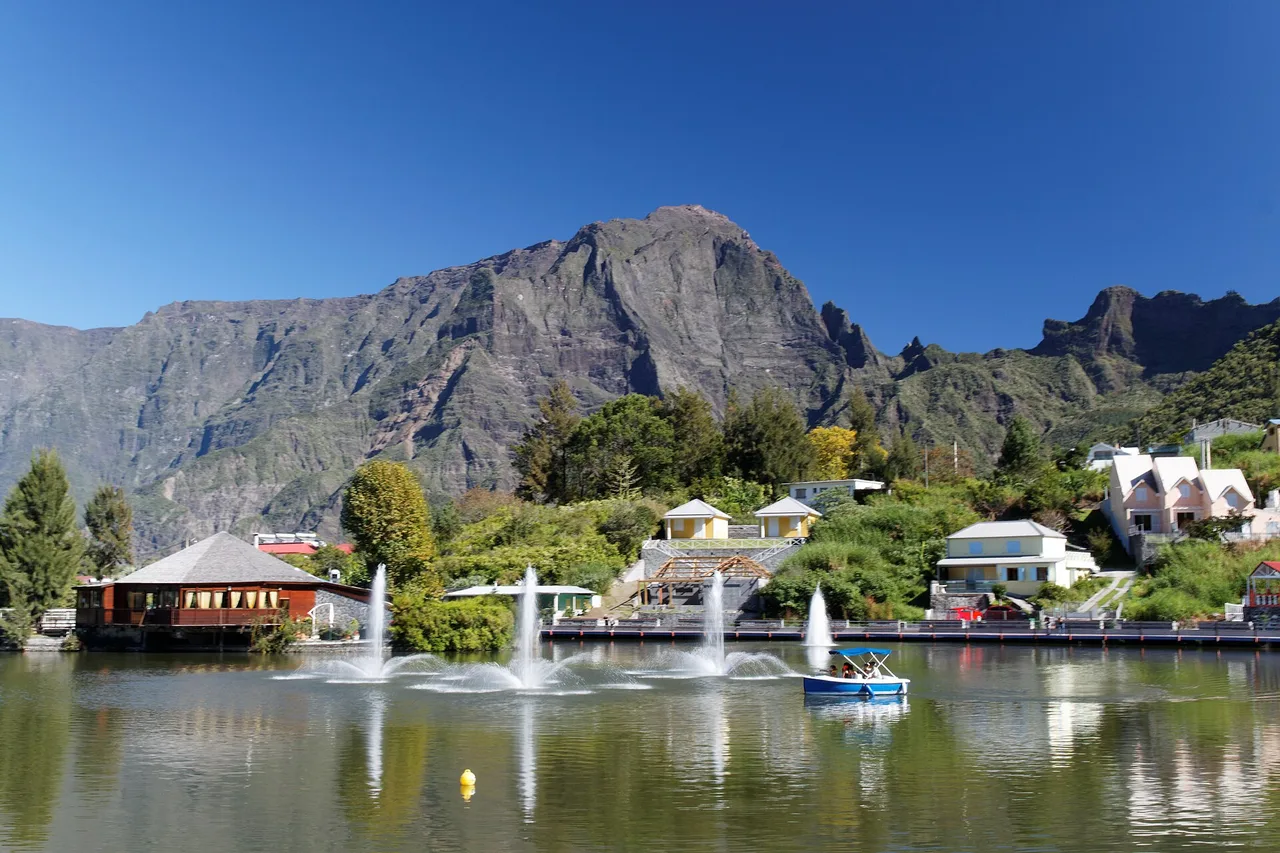
Build a day in Cilaos around the climb. The village has everything tired legs need: thermal baths whose warm springs were already drawing visitors in the 19th century, the famous lentils of Îlet à Cordes on every plate, a small mountain lake — the Mare à Joncs — and lanes of Creole houses. Travelling without a car? The Car Jaune buses (€2 to €6 per trip, €15 for the pass) link the coast to Cilaos, and the local bus serves the Le Bloc stop.
Piton des Neiges is neither a feat of daring nor a box to tick. It is two days of slowness: a staircase in the forest, a lentil cari in a packed hut, an alarm at 4 a.m. — then that moment when the Indian Ocean catches fire beneath your feet. There are worse reasons to get up early.