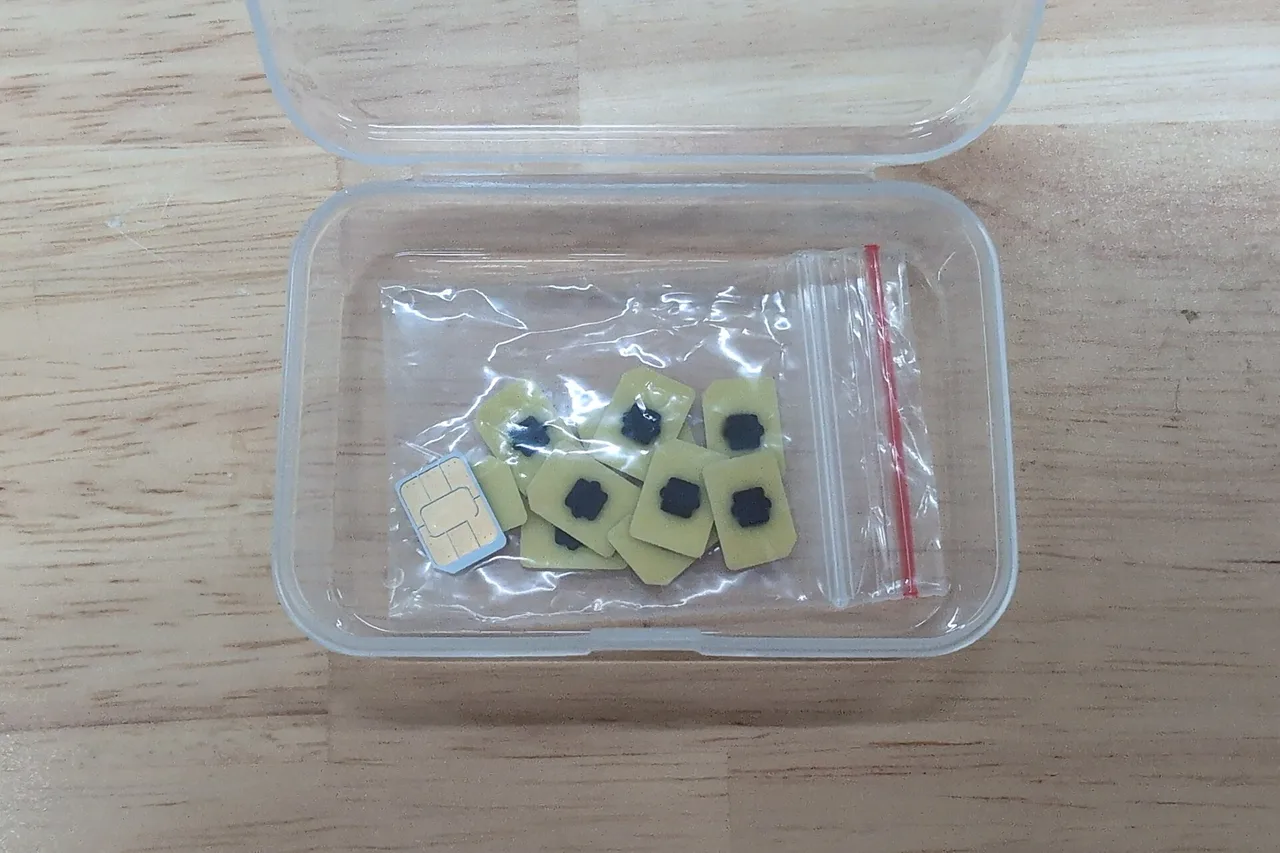
Here is the good news first: Réunion sits 9,000 km from Europe in the middle of the Indian Ocean — but legally, the island is France, and therefore the European Union. For visitors with an EU phone plan, that usually means your phone connects on arrival just like at home, with no horror bill afterwards. Still, it pays to prepare: there are exceptions, there are genuine dead zones, and hikers heading into the island's cirques will be completely offline at times. This guide sorts it out honestly: what actually applies, what an eSIM costs (prices checked on November 26, 2026), and where the network ends.
EU roaming: does it apply on Réunion?
Réunion is a French overseas department and, as an "outermost region", part of the European Union. The EU's "roam like at home" rule therefore applies here in principle: travellers with a German, Italian, Spanish or other EU plan call and browse under their domestic conditions. Germany's o2, for instance, lists the island in its EU zone.
That "in principle" deserves to be taken seriously, though: not every operator files Réunion neatly under its EU zone, and country lists differ from one plan to the next. The only reliable check is your own contract's roaming country list — search for "Réunion", not just "France". Two minutes before departure beat a long argument afterwards. And if you travel on a UK or Swiss plan, the EU rule does not cover you automatically: your own tariff decides, and the island sometimes sits in an expensive world zone.
Fair-use limits work as everywhere in the EU: stay for weeks or carry a huge data bundle and you may only get part of it allocated abroad. For a two- or three-week holiday, that rarely matters.

Why everything here runs on French networks
To understand why the island is so well connected, look at the phone code: Réunion is France, with the euro, French networks and French telecom law. Since May 1, 2016, French operators may no longer charge extra for calls and texts between mainland France and the overseas departments (law of October 15, 2015). Mobile data is where plans differ: most current mainland offers include a dedicated overseas data bundle, often smaller than the domestic one — Free, for example, allocates 35 GB on Réunion with its €19.99 plan (as of November 2026).
For foreign visitors, this is good news at one remove: a market where millions of French holidaymakers simply keep using their phones has built a dense, modern network — and every guest benefits from it.
No EU plan? eSIM or local SIM
If you don't have an EU plan — or your roaming allowance won't stretch to two weeks of maps, photos and video — there are two clean solutions. The most convenient is a travel eSIM: bought in an app before departure, installed via QR code, it activates itself when you land. Your phone needs to be eSIM-capable and unlocked — true of most recent smartphones.
Good to knowWith an EU phone plan, roaming works just like at home. If your carrier isn’t European, set up an eSIM before you leave, while you still have signal: it activates when you land.
Travel eSIMOnline from landing, with SailyThe second is a local prepaid SIM, bought in a shop after arrival from one of the island's four networks. It makes sense mostly for long stays and for anyone who needs a local number — handy for calling gîtes or getting called back by a rental agency. The price per gigabyte is usually good; in exchange, you queue in a boutique with your passport in hand.
What an eSIM actually costs
As a benchmark, here are the official prices from Saily (the eSIM service by NordVPN), checked on the product page on November 26, 2026: 1 GB for 7 days at US$3.99 · 3 GB for 30 days at $8.99 · 5 GB for 30 days at $12.99 · 10 GB for 30 days at $21.99 · 20 GB for 30 days at $33.99. Plans can be shared with up to four travel companions, and a purchased plan keeps for 180 days before it must be activated.
Honesty requires saying this too: these eSIMs provide data only, no local phone number — calls then run over WhatsApp and friends. And if your EU plan already covers Réunion properly, you mostly don't need an eSIM at all: it is the tool of non-EU visitors, short roaming allowances, and heavy data users.
The island's four networks — and 5G
Four mobile networks share the island: Orange, SFR Réunion, Free Réunion and Zeop. That is a lot of competition for 870,000 inhabitants — and you can feel it in the quality along the coast. 5G is marketed by several operators (SFR Réunion lists 5G plans on its April 2026 price sheet, Free Réunion advertises a 5G plan), so browsing is brisk in the towns from Saint-Denis to Saint-Pierre.
For roaming, your phone simply latches onto one of these four networks. On the road, streaming navigation along the coastal highways is no problem at all — which matters when you cross the island in a rental car.
Good to knowIn high season, cars get booked up fast and prices rise as the dates approach. Comparing local rental companies before you go lets you lock in the car and the rate in Réunion, with deposit and insurance shown upfront.
Rent a car in RéunionCompare rental companies on Discover Cars
Coverage: the coast yes, Mafate no
On paper, everything shines: the French regulator Arcep credits Réunion with over 90% of the population covered in 4G. The catch: the population lives on the coast. The centre of the island — precisely where you go hiking — is another story, and Arcep itself labels its coverage maps as computed simulations.
Full guide: Things to Do in Réunion Island: 25 Unmissable Spots, Chosen by Locals
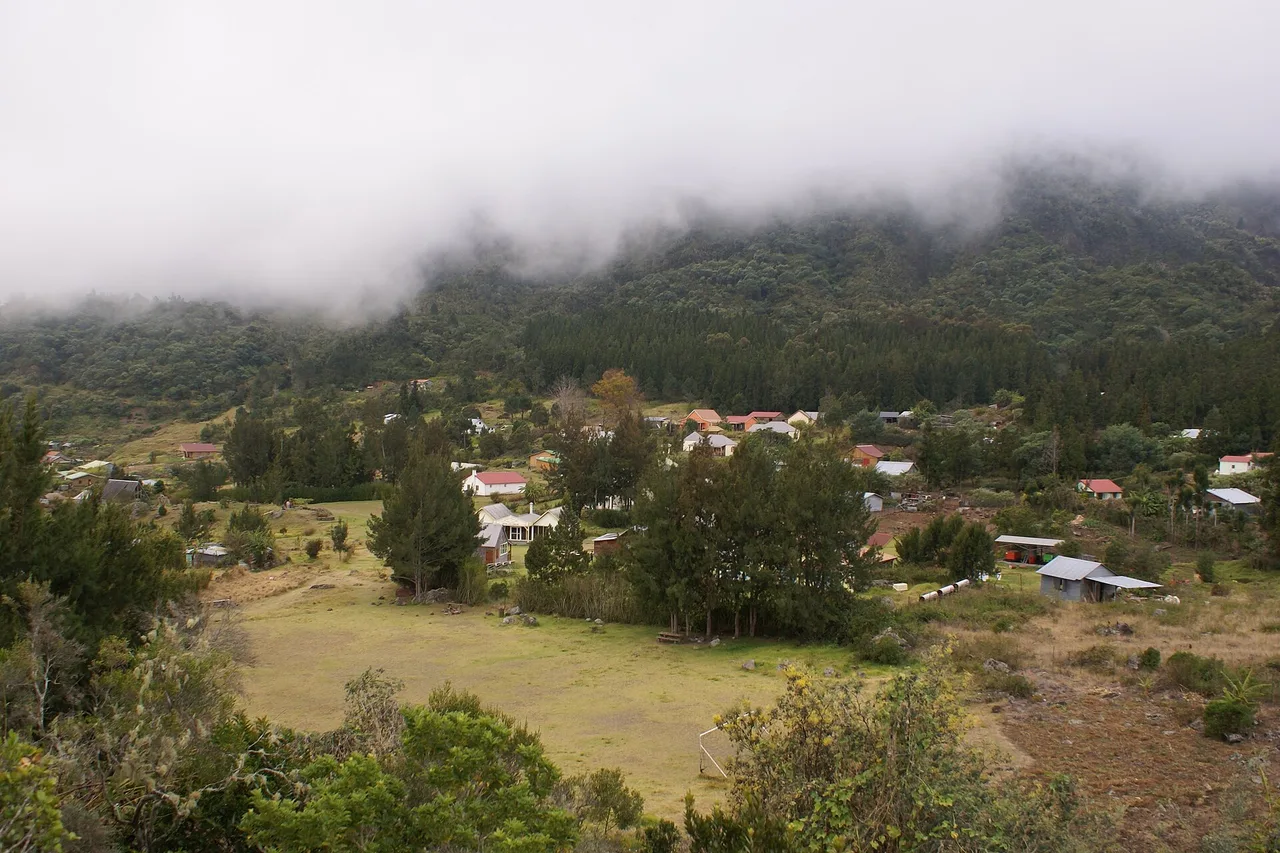
The most honest example is the Mafate cirque: not a single road leads in, the hamlets are supplied by helicopter, many gîtes run on solar power — Wi-Fi is the exception there, and mobile signal only passes in places, on exposed spots. If you are planning the Mafate hike, tell people at home you will be hard to reach for a day or two. The eastern rainforests and ravine bottoms also cut the connection regularly. To check area by area, Arcep's "Mon réseau mobile" map compares all four operators.

Hiking connected: offline maps, power bank, and 112
The practical rule for anyone heading out on the island's trails is simple: download everything before you start — offline maps of the island, GPX tracks of your stages, your gîte booking confirmations. In flight mode with GPS on, a phone navigates perfectly well without any network, and a small power bank keeps multi-day treks relaxed.
Two reassuring facts to finish. One: the emergency number 112 goes through any network your phone can pick up — even if your own operator has no coverage at that spot, the call rides a competitor's network; where no network exists at all, deep inside Mafate for instance, it won't go through either — one more reason to announce your route. Two: in the mountains, clouds climb almost every morning — start early (seasons are discussed in our guide on the best time to visit) and you will have the view, and usually still enough signal at the lookout to send it.
The one-sentence summary: with an EU plan, staying online on Réunion is as uncomplicated as in southern France — just check your operator's country list before flying, download your maps, and enjoy that in Mafate, for once, nobody can expect an answer from you.