Yes, you can swim on Réunion Island — in the lagoon, on net-protected beaches and in supervised zones, in water between 23 and 28 °C all year round. This is not a classic "beach destination": it is a mountain rising from the ocean, and its swimmable coast concentrates into a few kilometres of lagoon plus a handful of managed sites. This guide sorts it out beach by beach — starting with what too many articles gloss over: the shark-risk regulations, what they actually allow, and why they genuinely protect those who follow them.
The rules of the game first: where swimming is allowed
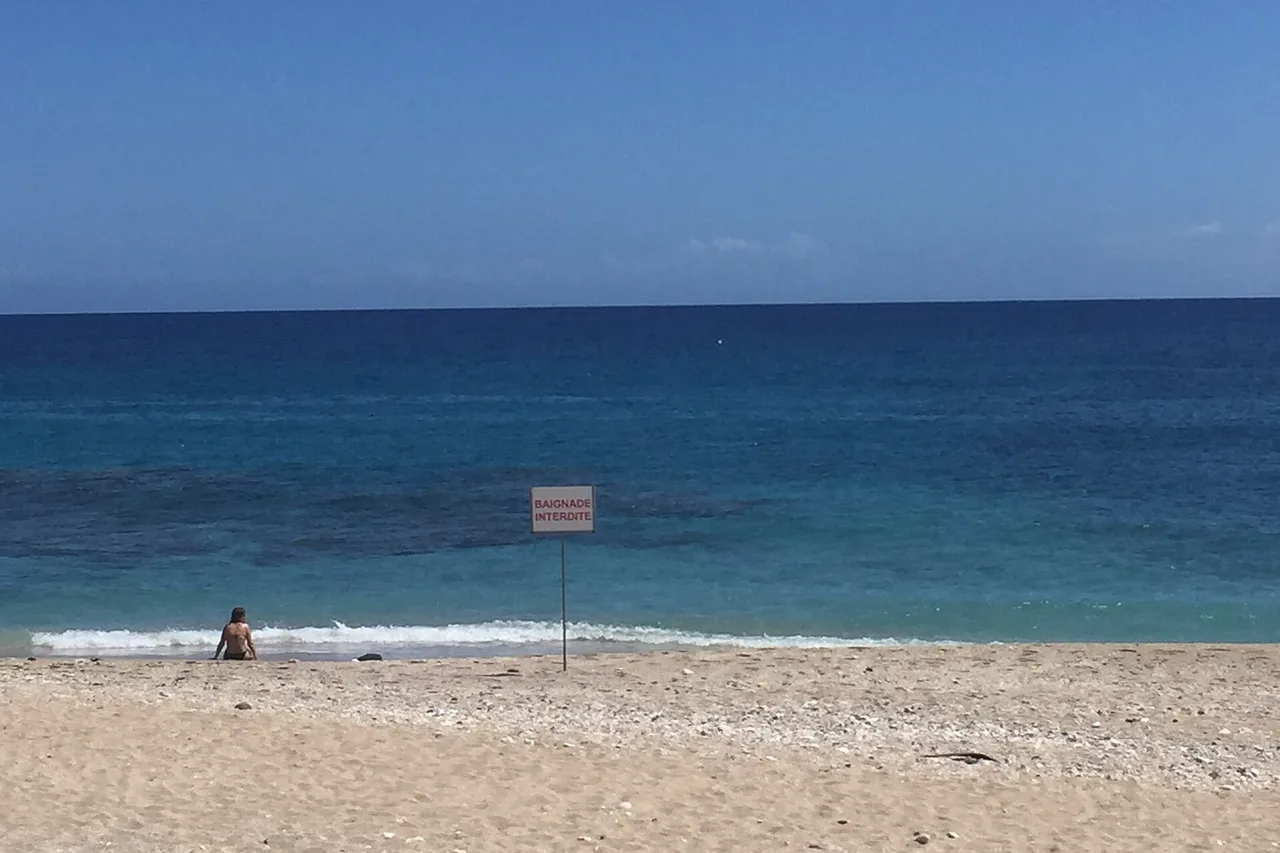
Let's be frank. After a series of bull-shark and tiger-shark attacks in the early 2010s, swimming and wave sports (surfing, bodyboarding) have been banned since 2013 within 300 metres of the shore, except in the lagoon, in equipped areas and in supervised zones designated by the local authorities. The framework order of 8 February 2017 is renewed every year, and the gendarmerie does hand out fines.
One recent change is worth knowing: since 12 February 2025, the prefecture again allows swimming with fins, mask and snorkel within the 300-metre band — years of data show this practice was not targeted by attacks. Plain swimming, however, remains limited to the authorised areas.
In practice you can swim with peace of mind in four kinds of places: the lagoon (Hermitage, La Saline, Saint-Leu, Saint-Pierre), beaches with shark nets (Boucan Canot, Roches Noires), supervised zones such as Étang-Salé, and managed pools like the one at Grande Anse. That is plenty for a beautiful seaside holiday — as the following sections show.
Hermitage: the lagoon's grand beach
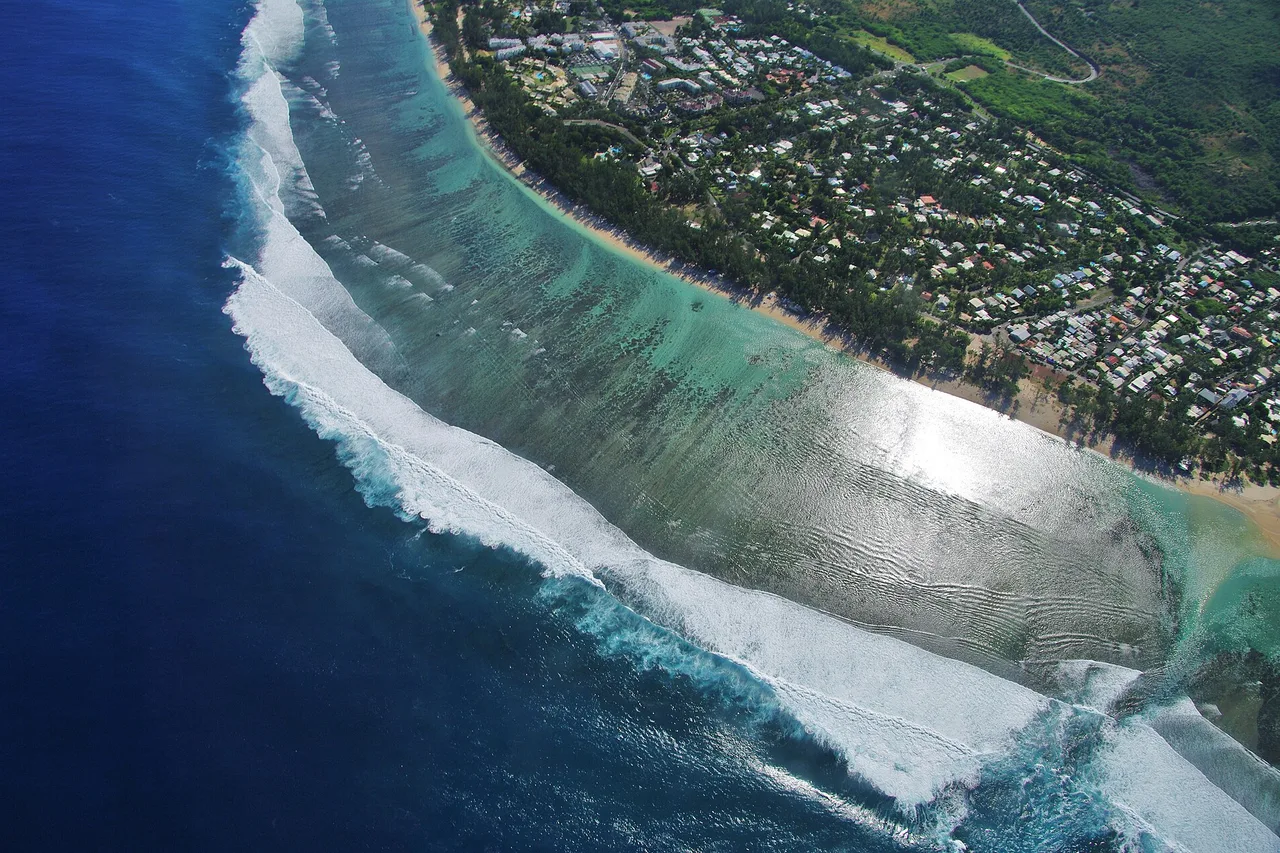
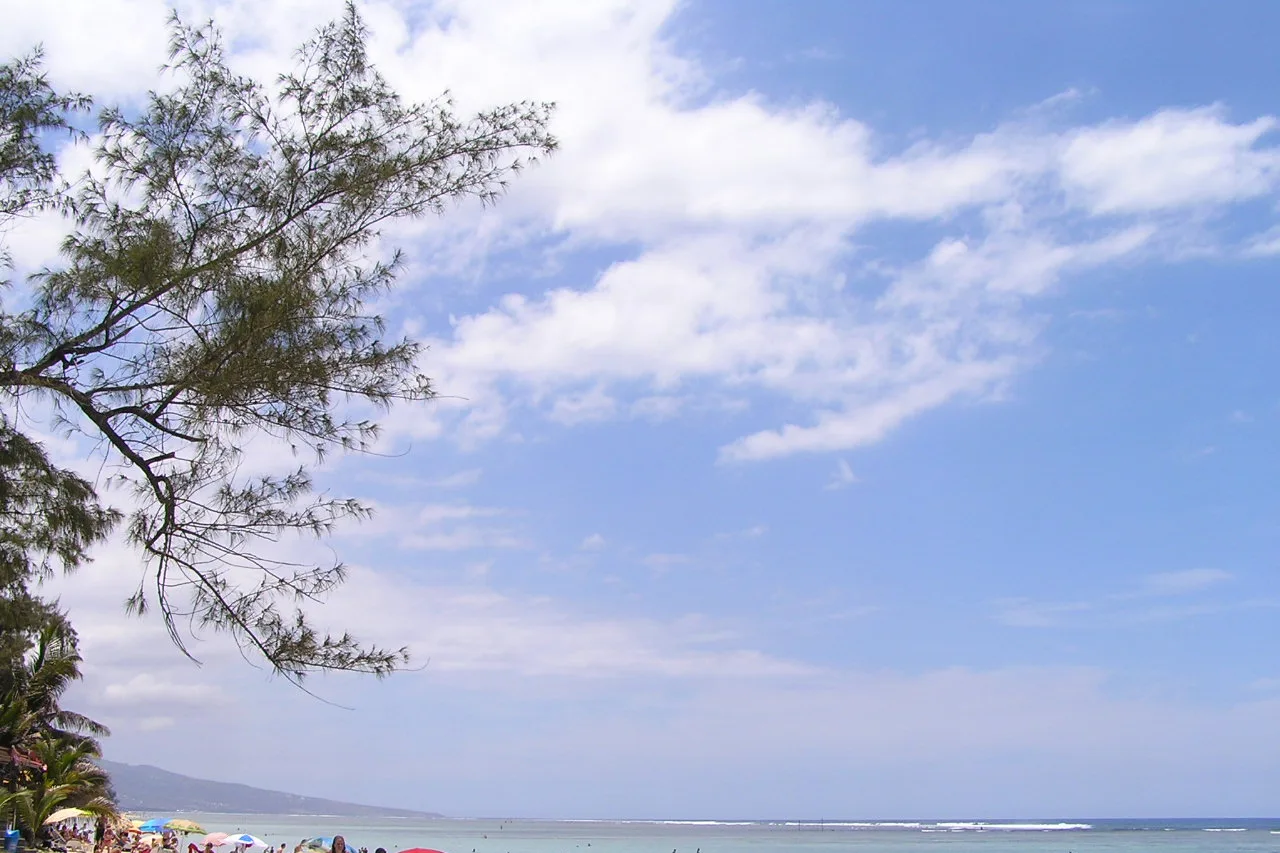
This is the west coast's postcard: the island's largest white-sand beach, shaded by casuarina trees, fronting a turquoise lagoon sheltered from the swell by the coral reef. The water rarely tops 1.5 m: you wade, float and watch — butterflyfish, damselfish, sometimes a trumpetfish gliding between coral heads. Swimming is supervised during the day, and the gentle slope makes it the first choice for families.
Two local tips: come in the morning, when the water is glassy and the wind still asleep; and keep your distance from the coral — more on that below, the marine reserve takes it seriously. At weekends Réunionese families picnic under the casuarinas: the curry-and-samoussa atmosphere is part of the trip.
La Saline and Trou d'Eau: the quiet side of the lagoon
Continuing from Hermitage, La Saline-les-Bains unrolls the same lagoon with fewer people. The Trou d'Eau sector is our favourite for late-afternoon snorkelling: seagrass beds, juvenile fish, low golden light. Beach shacks serve rougail sausage with your feet in the sand — the Réunionese definition of simple happiness.
Further south, Saint-Leu's town beach offers lagoon swimming opposite one of the Indian Ocean's most famous surf breaks (that one is for supervised professionals only). Saint-Leu also makes an excellent base — our 10-day itinerary stops there.
Boucan Canot and Roches Noires: the netted beaches
These two Saint-Gilles beaches have no lagoon — they have something almost better: shark exclusion nets installed between 2017 and 2019 and inspected twice a day by a dedicated team. Boucan Canot is the island's showpiece beach: a blond-sand cove between two headlands, restaurants above, a swell that reminds you this is the open ocean. Roches Noires, in the heart of Saint-Gilles, is more urban and very handy with children.
Worth knowing: when the swell exceeds 1.5 m, the nets are lifted and swimming closes — the red flag is not a suggestion. This happens more often in the austral winter (June–September), when southern swells roll up. A quick look at the day's conditions before loading the car spares you the disappointment.
Étang-Salé: the black sand
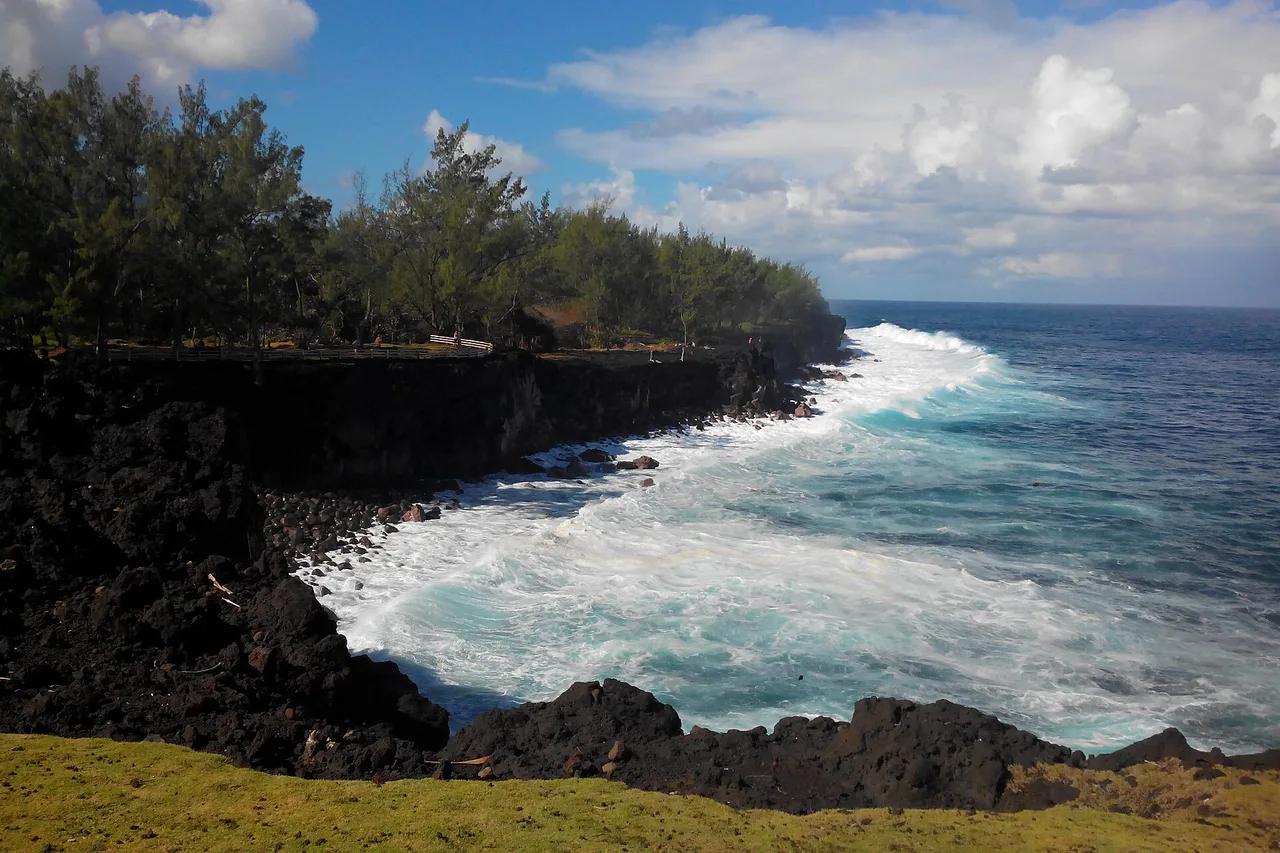
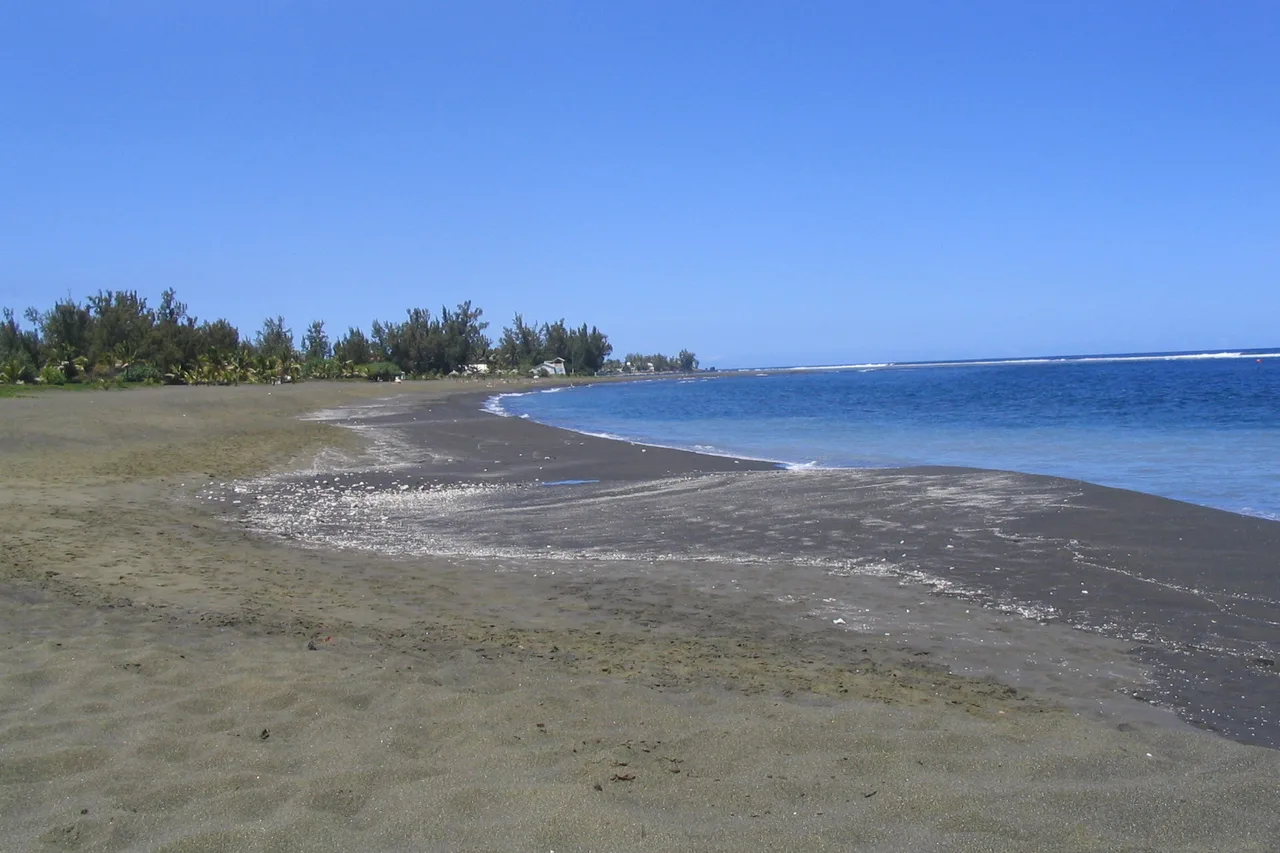
A complete change of scenery: at Étang-Salé-les-Bains the sand is black and volcanic, glittering with basalt — and scorching at midday, so bring sandals. You swim in the supervised zone, marked out and watched by lifeguards. The contrast of dark sand, white foam and deep blue makes this the island's most photogenic beach at sunset.
A short walk away, the Gouffre de l'Étang-Salé is worth the detour to watch the ocean surge into basalt organ pipes — from behind the barriers: the waves there are unpredictable.
The South: Saint-Pierre, Grande Anse, Manapany
Saint-Pierre combines a proper town beach — lagoon, supervised swimming, lively seafront — with the island's best nightlife: Saturday-morning market, rhum arrangé in the evening. It is the gateway to the wild South, which we cover at length in our Réunion essentials.
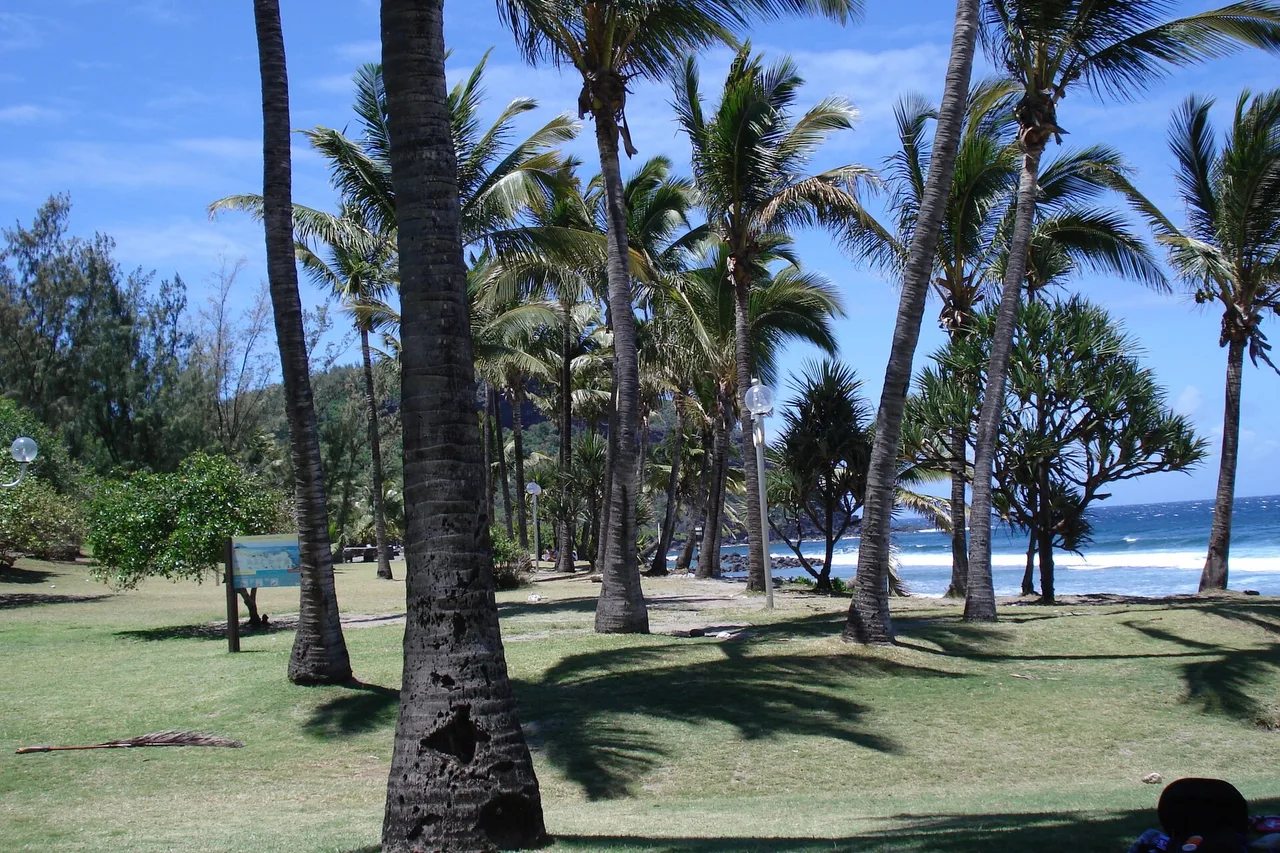
Grande Anse, at Petite-Île, is the South's most photographed beach: a coconut grove, golden sand, powerful waves. You swim only in the rock-rimmed pool, under supervision — offshore currents are notoriously dangerous and the ban is absolute. Manapany-les-Bains closes the list with its natural pool carved into the lava, a little end-of-the-world gem.
And the East? No lagoon on the windward side: that region is about rivers, waterfalls and rock pools — respect the local signs and never go after heavy rain. For day-by-day planning, our complete itinerary balances sea and mountains.
Snorkelling and the marine reserve: the rules that protect the lagoon
The lagoon lies at the heart of the Marine Nature Reserve, created in 2007: roughly 3,500 protected hectares along the west coast. The rules fit in one sentence: look, don't touch. Never stand on coral (even "dead" coral carries regrowing life), don't feed the fish, take nothing, and choose reef-safe sunscreen — or better, a UV rash vest.
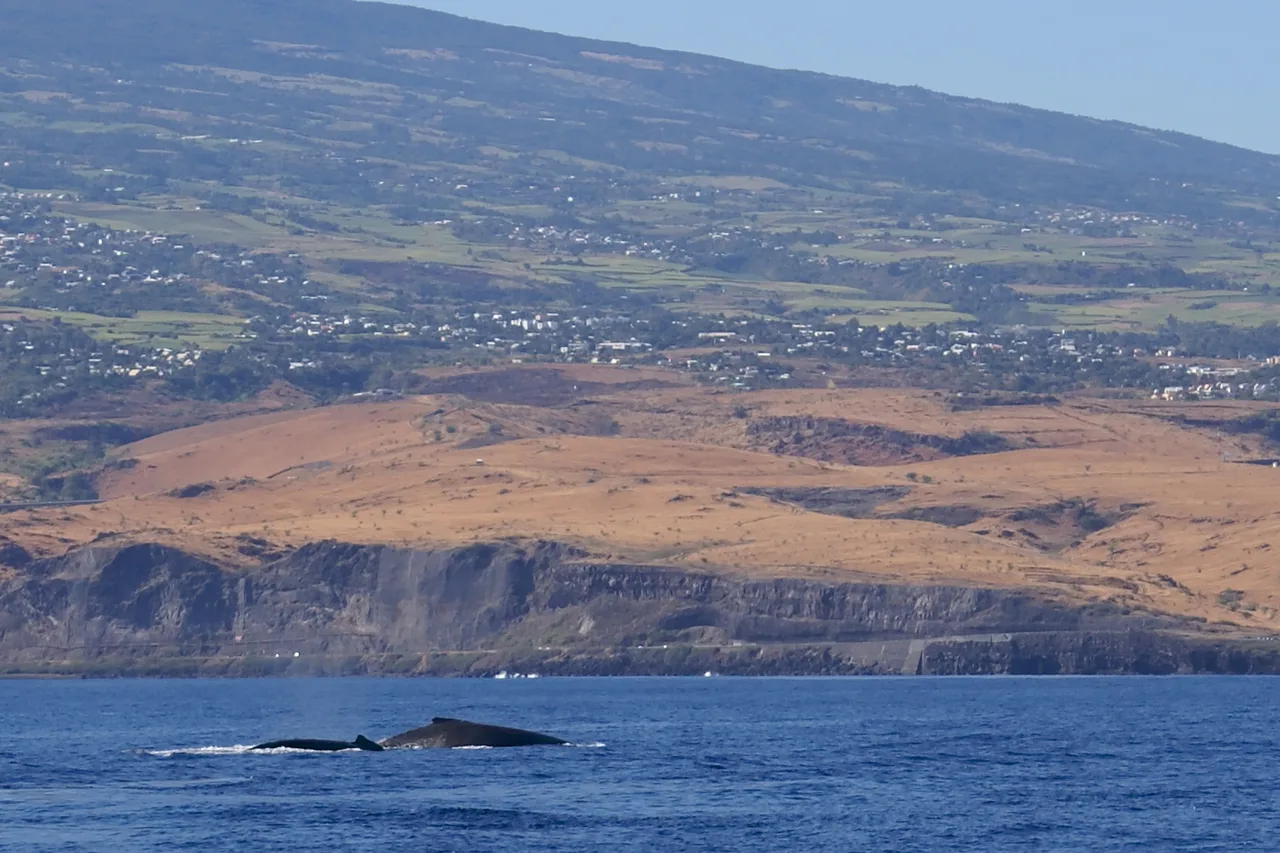
A bonus that exists almost nowhere else: from June to October, humpback whales pass offshore and you can watch them blow from the sand of the west-coast beaches. On some winter mornings, breakfast by the sea turns into a show. After the beach, the volcano is only two hours' drive away — that is the whole magic of this island.
A local's parting advice
Three reflexes make seaside Réunion as safe as anywhere: swim in authorised zones, during supervised hours, respecting the flags. Add reef shoes for the rock pools, a hat (the tropical sun forgives nothing, even through clouds), and the habit of checking the swell before picking your beach — the austral winter sometimes closes Boucan Canot in the morning and reopens it by afternoon.
The rest is pure pleasure: an aquarium of a lagoon, sand in white, black or gold depending on your mood, whales on the winter horizon and beach shacks smelling of curry. Réunion is not a beach island — it is better: a world-island that also has very beautiful beaches.
The real Réunion, in your pocket
The interactive explorer map: 160 spots checked on the ground, live weather zone by zone and road trips timed on real roads. Free, no account, no card.
Discover Moris Insider →