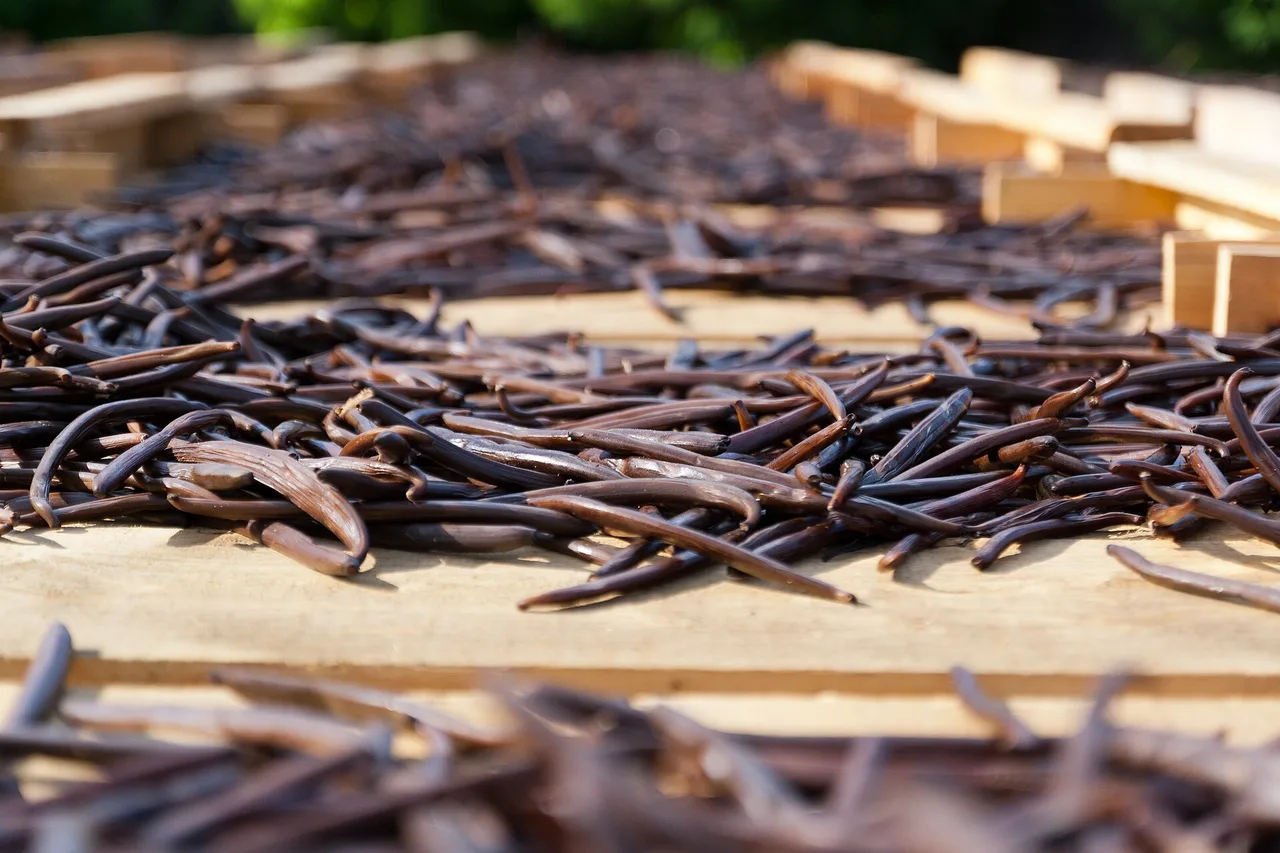
The west coast has the lagoon — Réunion’s east has the scent: vanilla pods drying in the Bras-Panon sun, sugar cane to the horizon, and a rum cellar separated from the Indian Ocean’s waves by nothing but an old stone wall. The green, rainy windward coast is the most authentic part of the island — if you know where to go. This guide takes you to the Bras-Panon vanilla cooperative, to La Vanilleraie at the Creole estate of Grand Hazier, to the Savanna distillery at Bois-Rouge, and to Tamil temples and Creole houses. Prices and hours were read on official sites on November 21, 2026.
The east: the island’s other face
Between Sainte-Suzanne and Sainte-Rose, Réunion shows a different face. No lagoon here and very few hotels — but cane fields, waterfalls and towns where Creole life is not staged for visitors. The reason is the weather: the east is the windward coast of the trade winds, receiving 3,000 to 5,000 mm of rain a year, while Saint-Gilles in the west gets under 700. That very rain makes the region the island’s garden — and the historic land of vanilla and sugar cane.
In practice, the east is not a beach destination: it is a day (or two) of flavours and culture — easy to combine with the wild south or a detour into the Salazie cirque. Start in the morning: the clouds sink in the afternoon.
Bourbon vanilla, a deeply Réunionese story
Vanilla reached the island in 1819, brought by Captain Philibert and the botanist Perrotet — and bore no fruit for twenty years: the bee that pollinates it in Mexico does not exist here. The answer came in 1841 from a twelve-year-old enslaved boy, Edmond Albius: his hand-pollination technique is still used today, flower by flower, every morning of the season. Later, two local growers, Ernest Loupy and David De Floris, devised the curing process that lets the pod develop its aroma without splitting — also still in use.
“Bourbon vanilla” is not a marketing term, it is an origin: Bourbon was Réunion’s old name. Once you have seen and smelled freshly cured, glossy black pods, you understand why they set the standard — and why good vanilla costs what it does: between hand pollination, months of drying and sorting, every pod holds hundreds of human gestures.
Bras-Panon: the Provanille cooperative
The shop window of that story is in Bras-Panon. Founded in 1968, the Provanille cooperative today unites some 140 growers from the east and south-east, curing their green vanilla the traditional Réunion way: scalding, steaming, weeks of sun-drying, maturing in wooden trunks. The guided tour lasts about 45 minutes and follows the whole journey from flower to sorted pod — Edmond Albius’s story included.
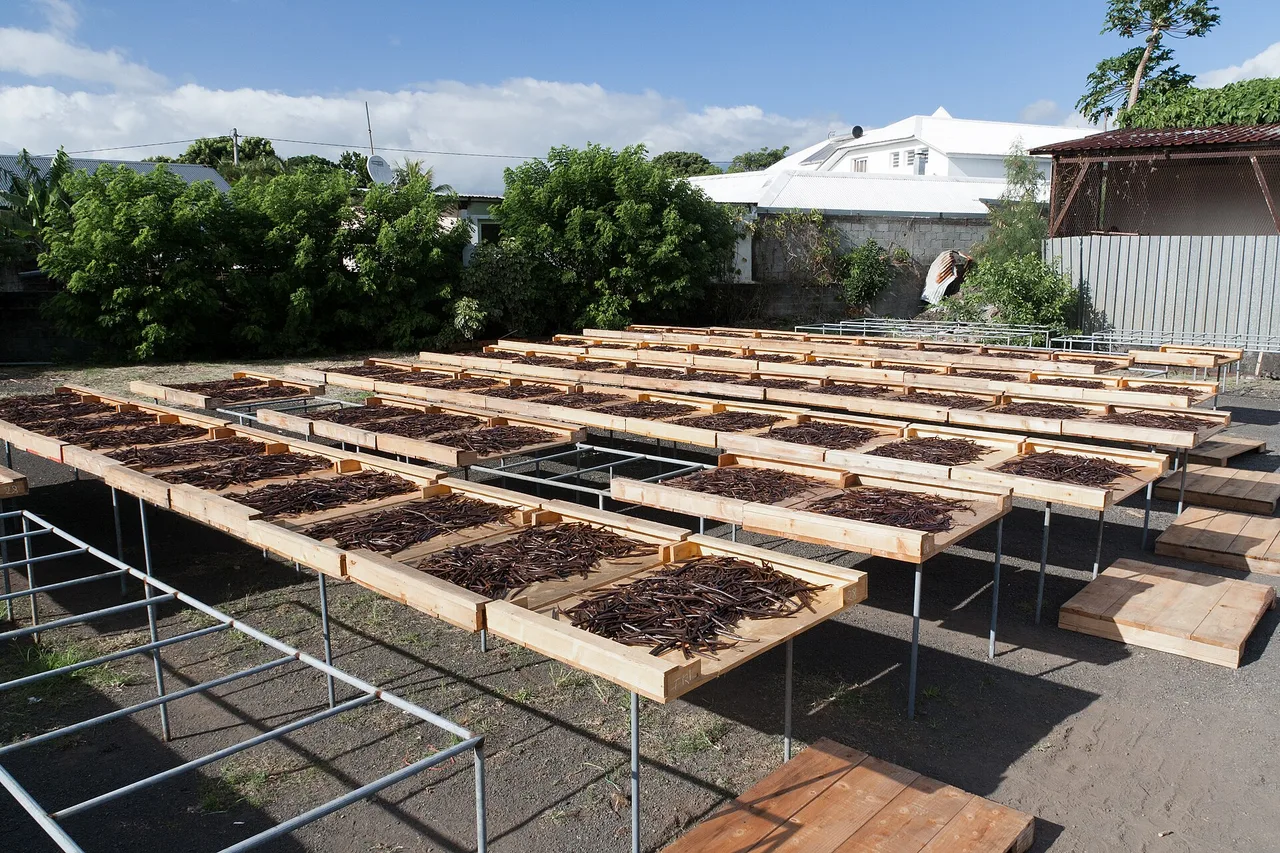
Honestly: the visit is at its best when curing is in full swing — it follows the harvest calendar, and the southern winter is the busiest time. Call before coming for the day’s times; the shop sells pods, powder and vanilla sugar straight from the growers.
Sainte-Suzanne: La Vanilleraie and Niagara Falls
A few kilometres north comes vanilla’s second chapter, and it is the more elegant one: La Vanilleraie at the Domaine du Grand Hazier, an authentic Creole estate set among old trees. Award-winning vanilla is grown and cured here — gold medals at the Paris Agricultural Show in 2011, 2018 and 2019 — and the tour shows the shade house, drying and sorting up close.
Good to knowIn high season the best slots go fast: booking ahead lets you pick your time, and many activities can be cancelled free of charge up to the day before.
See activities in RéunionTours, tickets and day trips on GetYourGuide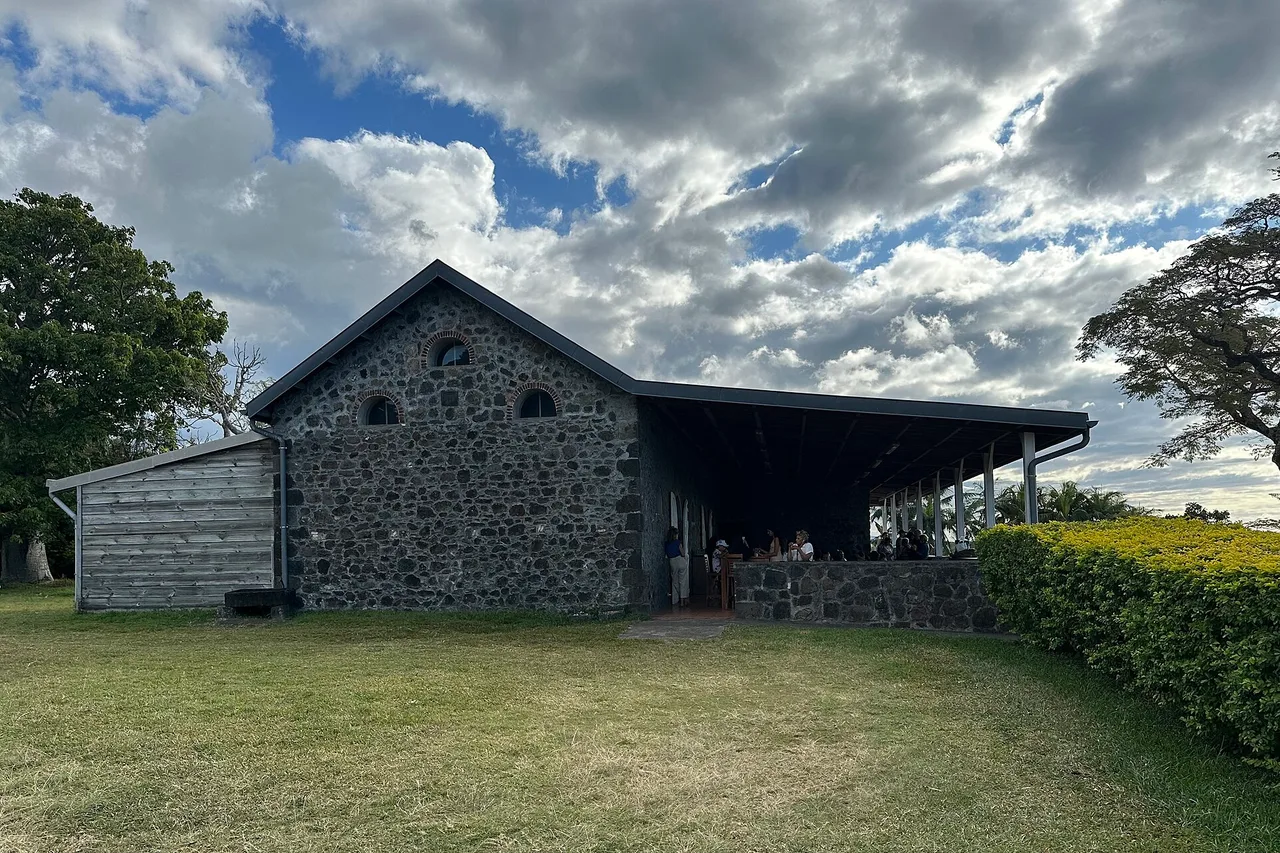
The key facts, read on the official site: open Monday to Saturday, 9:30am-12:30pm and 1:30-5pm, closed Sundays and public holidays; online booking strongly recommended, on-site tickets subject to capacity; free for children under 10, no booking needed, accompanied by an adult.
Full guide: Things to Do in Réunion Island: 25 Unmissable Spots, Chosen by Locals
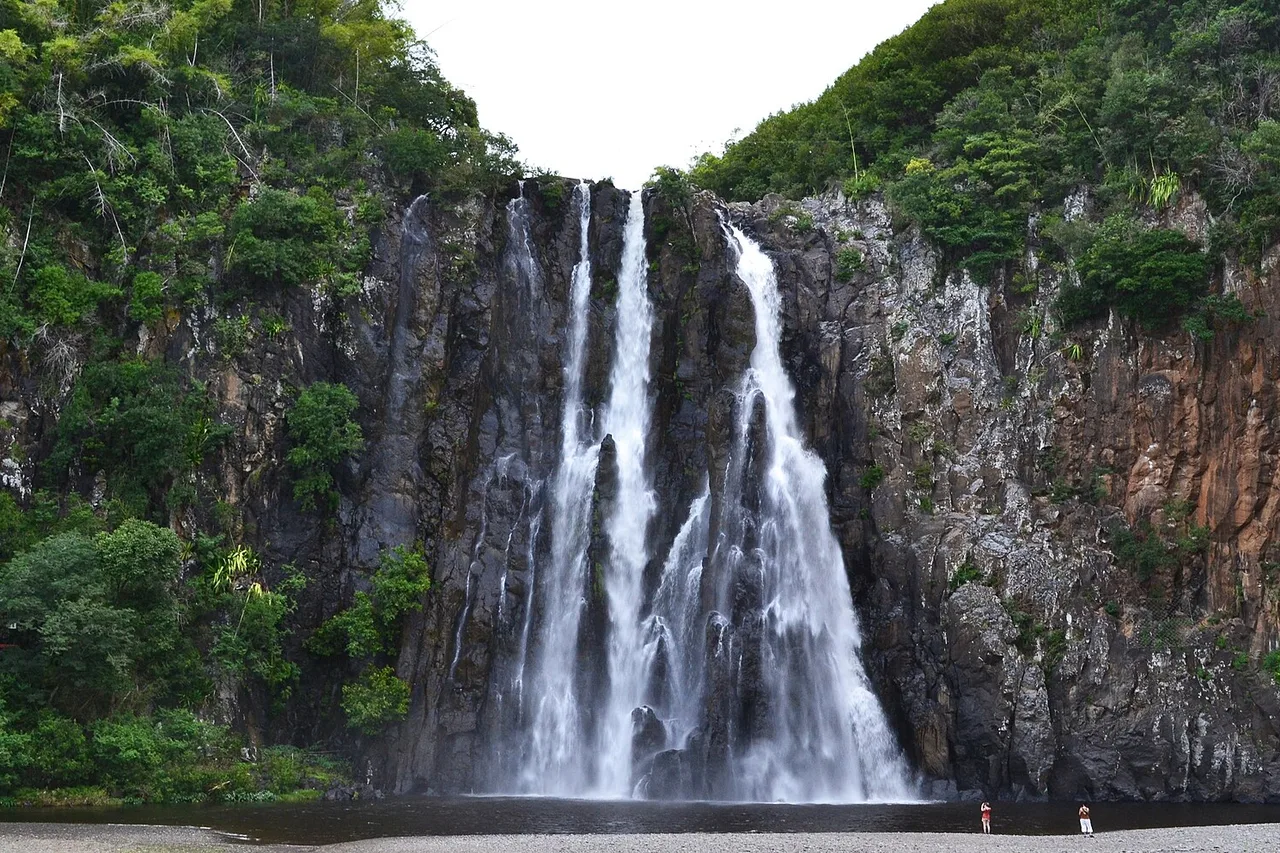
Right next door comes the nature break: Niagara Falls, a drop of about 30 m on the Sainte-Suzanne river, some 2 km from the town centre and free to visit. On Sundays local families spread their picnic blankets here — come on a weekday if you want the pool to yourself.
Bois-Rouge: Savanna rum, between cane and ocean
In Saint-André, cane and rum share a factory gate: the Savanna distillery works right beside the Bois-Rouge sugar mill, and its most famous cellar — the “Chai Humide” — sits so close to the sea that only an old stone wall separates the barrels from the spray. Ageing happens in French oak; distilling runs on columns and a pot still, including a historic Savalle copper column.
The tour formats and prices from the official booking site, as of November 21, 2026: “The Sugar Cane Odyssey” — sugar mill and distillery, 2 hours, ages 12+, guided tasting included, €14 · “Savanna Immersive” — distillery only, for rum lovers, tasting drawn straight from the cask, 2 hours, max 10 people, 18+, €30 · arranged-rum workshop, €36 · “After Rhum” evening tasting, 1.5 hours, 8 people, €70. Book ahead — and confirm the price when you reserve. One honest reminder: the tasting is not for the driver, and alcohol is best enjoyed in moderation.
Creole houses and Tamil temples
The east is also the heart of Réunion’s Tamil culture. Saint-André holds some of the island’s most colourful Hindu temples, and every year the Dipavali festival of lights fills the town with parades and thousands of lamps — a legacy of the Indian indentured workers who came to the cane fields after slavery was abolished. Temples are admired respectfully from outside unless you are expressly invited in.
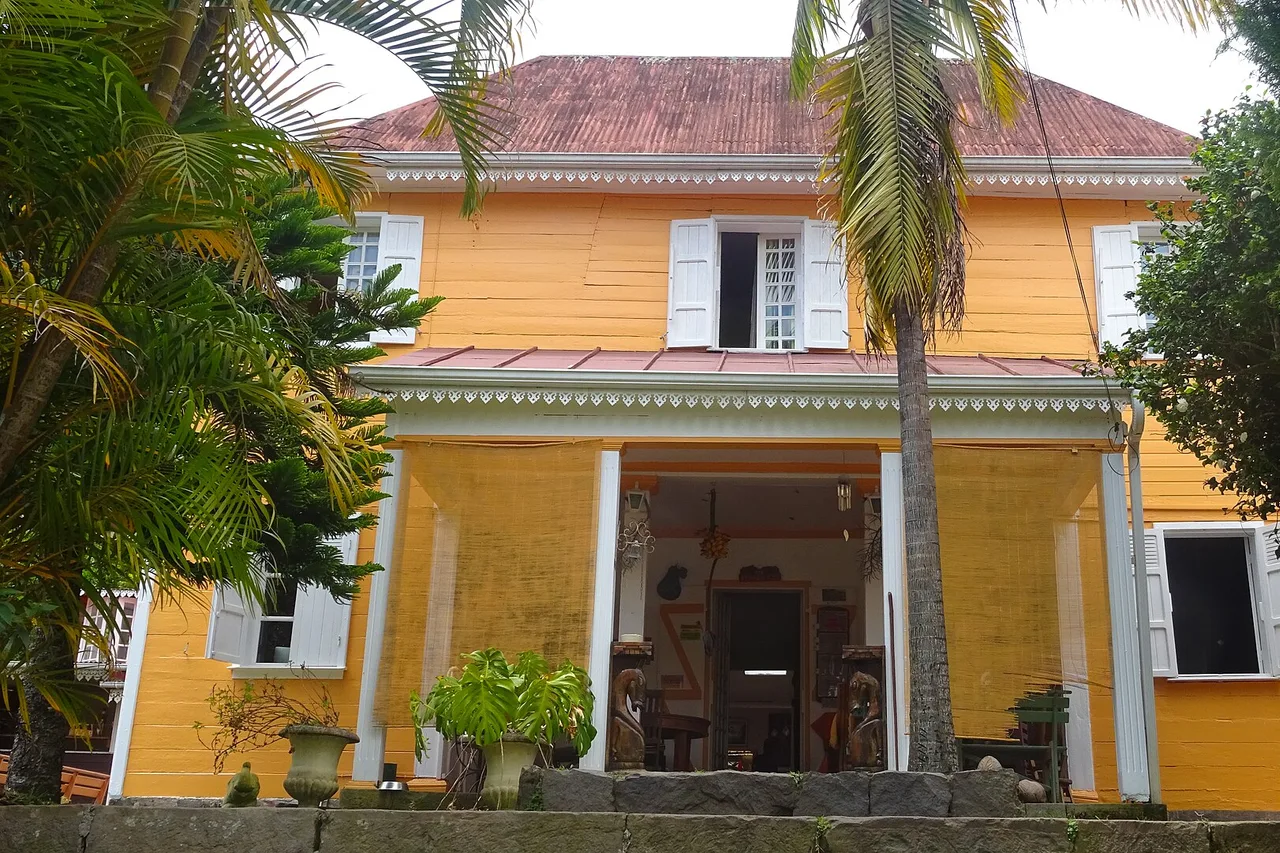
And the Creole houses? The finest open-air museum starts behind Saint-André: the RD48 winds about 18 km up into the Salazie cirque to Hell-Bourg — listed among the “Most Beautiful Villages of France” since 1998, all lambrequin verandas and hydrangea gardens. Full details are in our Salazie guide. Staying on the coast, Creole architecture also shows at Grand Hazier itself and in the old centres of Sainte-Suzanne and Saint-Benoît.
Practical: getting there, when to go, what it costs
Without a car the east becomes hard work: the vanilla addresses, Bois-Rouge and the waterfalls are strung out along the coast road. A small rental car starts around €35 a day at the airport outside holiday periods — the traps and tricks are in our car rental guide. The Car Jaune intercity buses serve the east coast for €2 to €15 a ride, if you can live with bus timetables.
On seasons, honesty first: the east is the wettest corner of the island. The southern winter (May to October) gives the best odds of dry mornings; cyclone season officially runs from November 15 to April 30 — keep an eye on forecasts and a plan B in those months. The best months are weighed in our best time to visit guide.
As for budget, good news: the east’s visits are among the island’s cheapest — €14 for sugar mill + distillery, gently priced vanilla tours, free waterfalls. A full day of flavours in the east costs less than many single boat trips in the west — and it smells of vanilla, cane and rain forest.