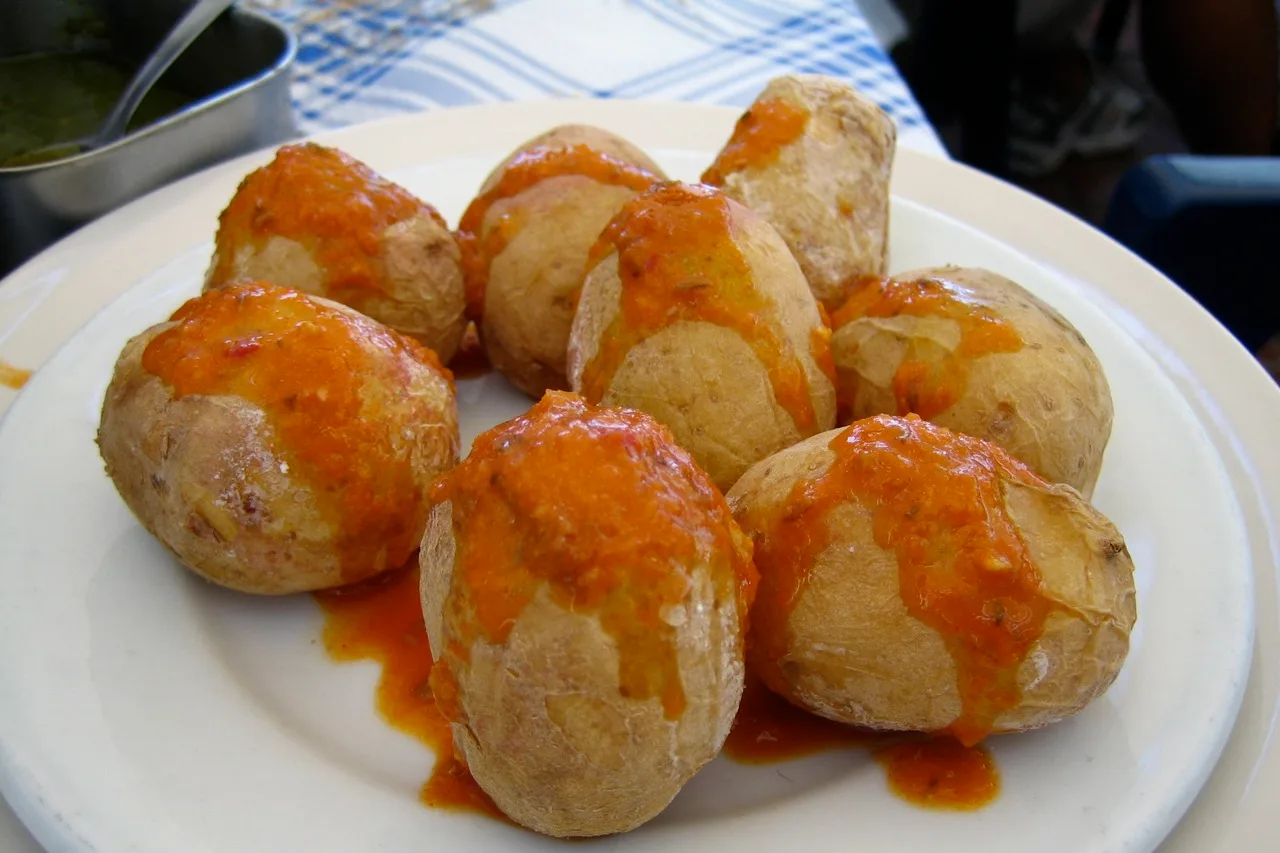
Along the southern seafronts, Tenerife eats international — pizzas, burgers, picture menus. The island's real cooking hides on the north side, in garages and wine cellars where the estate's own wine is served with three dishes chalked on a board: the guachinches. They are the institution Tinerfeños love most, the cheapest table on the island, and quite possibly your best travel memory. This guide explains how they work, what to order — from papas arrugadas to the barraquito —, where to stock up on local produce and why the volcanic wines deserve your attention. The price ranges and rules quoted here were verified at publication, on 22 September 2026.
The guachinche: wine first, food second
It all starts with a winegrower's problem: more wine than buyers. The solution, born in the villages of the north, is to open up the garage or the cellar, line up formica tables and paper tablecloths, and serve the year's harvest with a few family dishes. No neon sign — often just a hand-painted « guachinche » board by the roadside —, no laminated menu, and a bill that makes you smile: expect 12 to 18 € per person, wine included, for a full meal.
The formula is so popular that the Canary Islands government regulated it with Decree 83/2013: a genuine guachinche serves only the wine of its own harvest (plus water), opens no more than four months a year, offers at most three dishes — rounded out with olives, nuts or local fruit — and closes when the barrel runs dry. That is also your checklist for spotting the imitations: a « guachinche » open all year round, with a full menu, draught beer and a card machine, is a restaurant in disguise — common in the tourist south. The real ones cluster on the north slope, along the old road through Tacoronte, El Sauzal, La Matanza, La Victoria and Santa Úrsula — locals speak of the « guachinche route » — and on to La Orotava and Los Realejos.
The Canarian dishes worth knowing
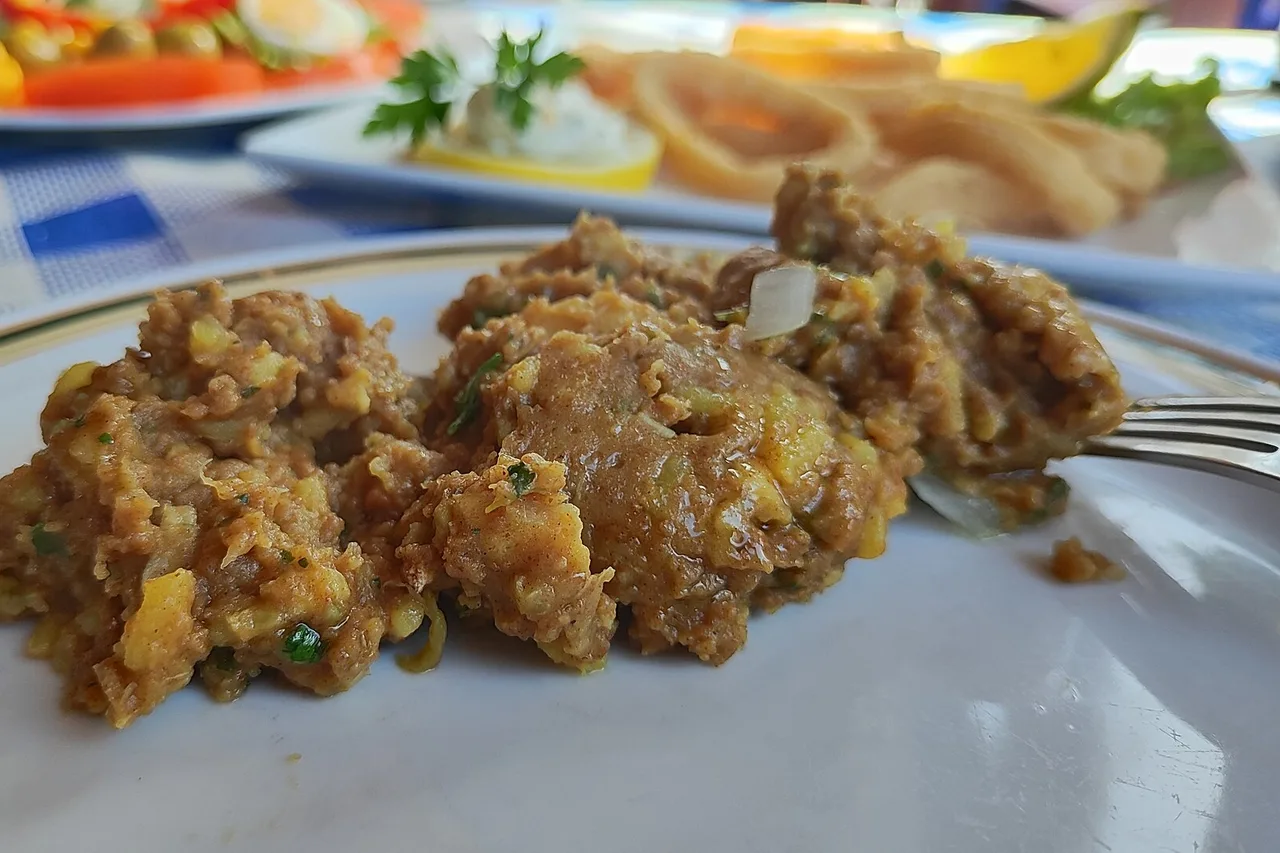
The undisputed star: papas arrugadas, small local potatoes boiled whole in heavily salted water until the skin wrinkles under a veil of salt. Nobody peels them; you dip them in mojo rojo (chilli, paprika, garlic) or mojo verde (coriander or parsley), the two sauces that accompany everything here. Around them revolves the guachinche repertoire: carne fiesta (pork marinated with garlic and spices, fried in bite-sized pieces), ropa vieja (a stew of chickpeas and shredded meat), conejo en salmorejo (rabbit marinated and fried in its sauce), and costillas con piña (boiled pork ribs with corn on the cob).
Two more essentials. Escaldón de gofio: gofio, the toasted-grain flour inherited from the Guanches — the archipelago's first inhabitants —, is kneaded with hot broth into a rustic paste shared by the spoonful. And queso asado con miel de palma: a slab of fresh cheese, grilled and drizzled with cooked palm sap from La Gomera. From the ocean, look out for vieja, cherne or chicharros, simply grilled — the fish of the island's markets.
La Recova in Santa Cruz and the menú del día ritual
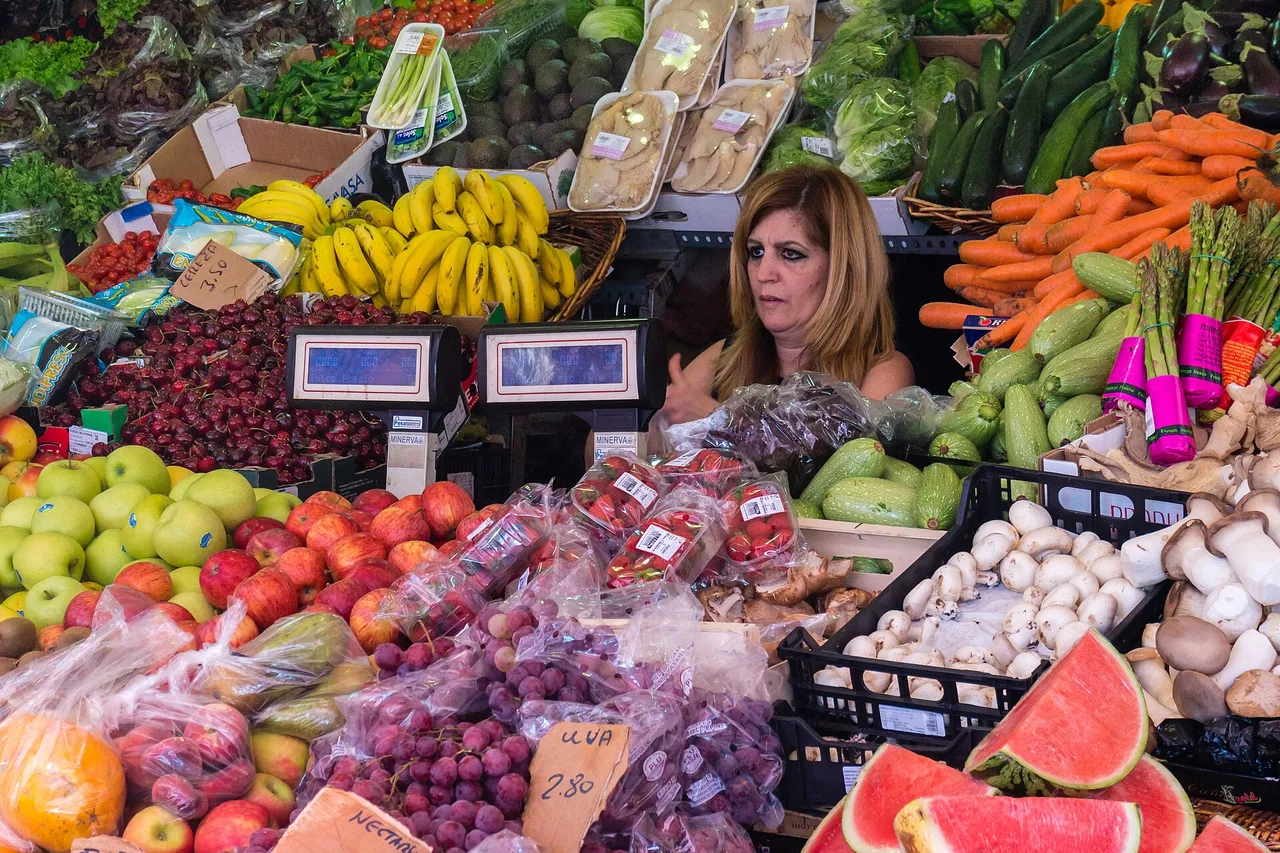
To understand what the island produces, one address: the Mercado Nuestra Señora de África, which everyone in Santa Cruz calls « La Recova ». Under its neocolonial arcades and open patios (Avenida San Sebastián 51), the stalls pile up plátano de Canarias bananas, local mangoes and papayas, farmhouse cheeses from across the archipelago and the morning's fish. It opens Monday to Saturday from 6 am to 2 pm, Sundays from 7 am to 2 pm — Sunday morning, the busiest of the week, it spills over into outdoor stalls. It is also the place to build a road-trip picnic before heading up to the Teide or Anaga.
The other institution to know: the menú del día, the workers' lunch menu — starter, main, dessert and a drink — served in neighbourhood restaurants in Santa Cruz, La Laguna or Puerto de la Cruz for 9 to 13 € (11 € noted in Adeje in May 2026). The old streets of La Laguna, the listed university town, hide tapas tascas perfect for an evening. Item-by-item food prices are in our Tenerife trip cost guide.
Volcanic wines on the way back up
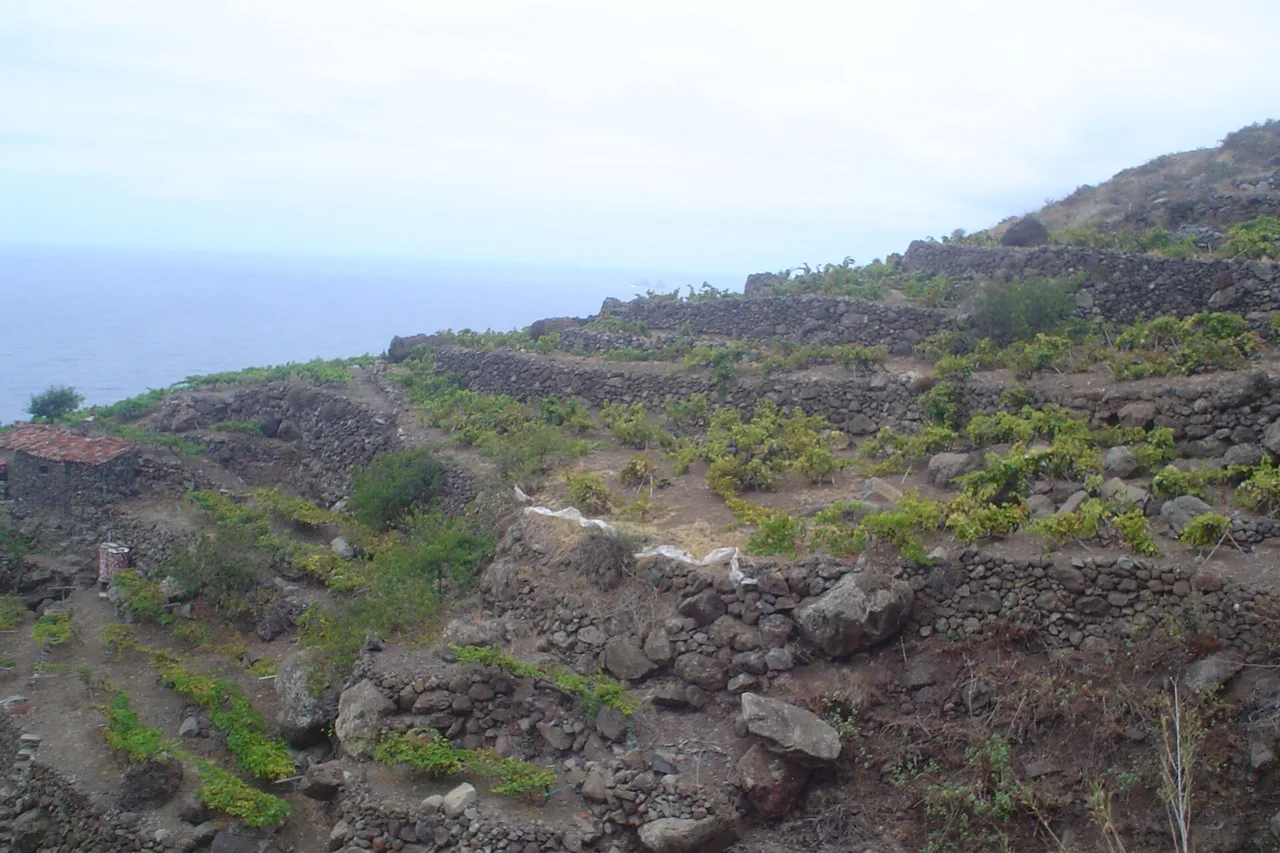
The wine you drink in a guachinche has a history bigger than itself: in Shakespeare's day, England fought over « canary », the islands' sweet malvasía. Today Tenerife's winegrowing plays out on slopes of black ash, and the north side is its heartland: the Tacoronte-Acentejo appellation, created in January 1992, was the first Denominación de Origen in the Canary Islands. It covers the northern municipalities from La Laguna to Santa Úrsula — exactly guachinche country, and that is no coincidence: what you drink there by the carafe is the year's listán negro, a young, light, peppery red, often served cool.
The curious can push on to the bodegas that welcome visitors across the region, or look out in the La Orotava valley for the cordón trenzado, the spectacular training method in which vine stocks form braids several metres long laid over the volcanic soil. Whites from listán blanco, rediscovered malvasías, reds grown on ash: Canarian wine is living a renaissance that the island's wine lists tell better than any museum.
Barraquito and bienmesabe: the sweet section
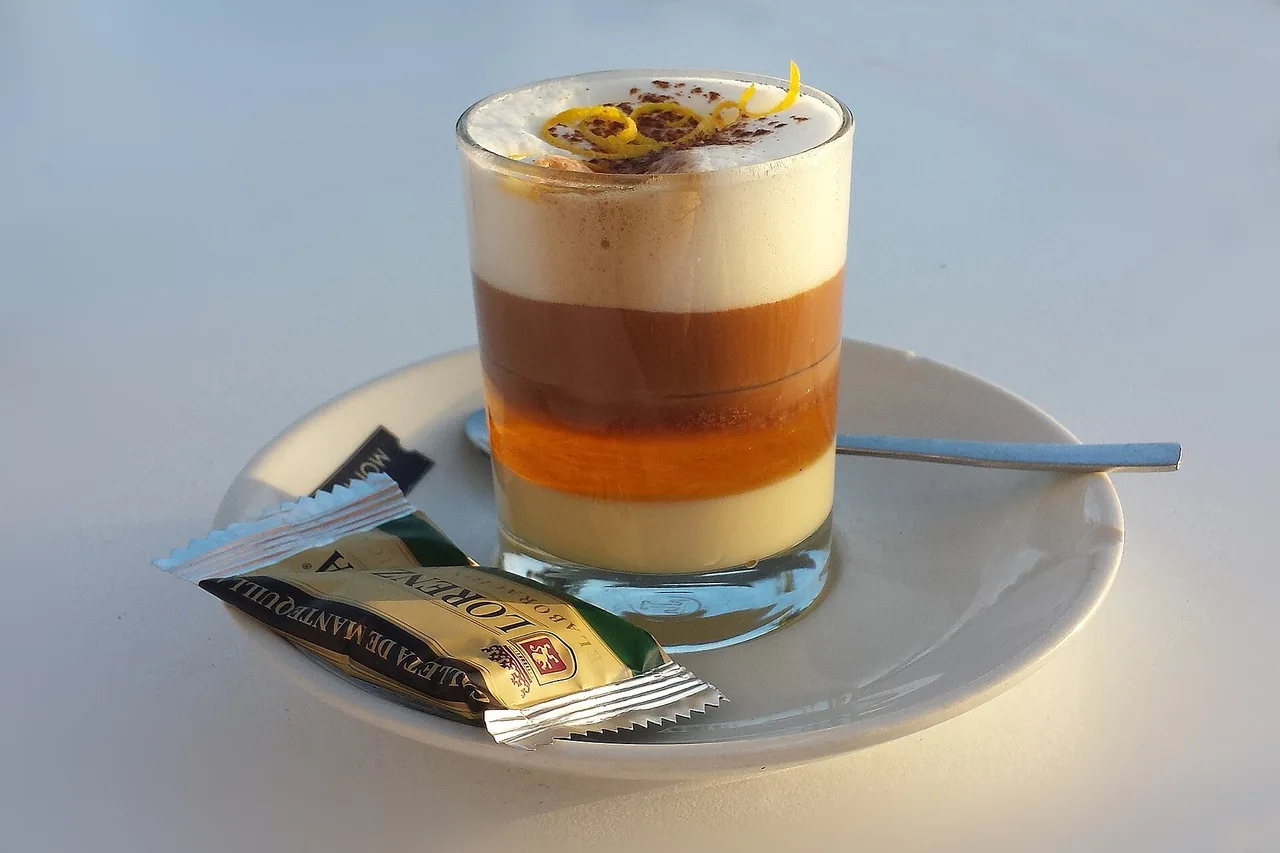
You cannot leave the island without a barraquito, Tenerife's layered coffee: sweet condensed milk at the bottom of the glass, then Licor 43, coffee, frothed milk, a dusting of cinnamon and a twist of lemon zest — the layers stay visible, and you stir only at the last moment. For the alcohol-free version, order a « leche y leche », coffee with both milks. On the dessert side, two classics dominate: bienmesabe — literally « it tastes good to me » —, a dense cream of almonds and honey, and quesillo, the Canarian condensed-milk flan. Frangollo, a corn pudding with raisins, is getting rarer — one more reason to order it when it comes around.
Practical tips for eating local
Three reflexes are enough. Check the opening: a guachinche lives by its barrel — most open after the harvest, from late autumn to spring, and up-to-date online lists (guachinches.info) track which ones are serving this week. Carry cash: many do not take cards, and bread and wine tend to land on the table unordered. Adopt the Spanish clock: lunch around 1.30–3.30 pm, dinner rarely before 8.30 pm; on Sunday lunchtime local families fill everything — come early. Vegetarians will do better at the market than in a guachinche, where the repertoire is carnivorous and the escaldón is often kneaded with meat broth.
For the rest, the island's logic is simple: the south for beaches, the north for the pantry — a criterion that may well decide your base camp, as our comparison north or south: where to stay explains. A run through the wine villages slots easily into a 7-day itinerary, and if you are aiming for guachinche season, our guide to the best time to visit Tenerife will help you pick your dates — winter, the season of the new wine, is also the gentlest for exploring the north.