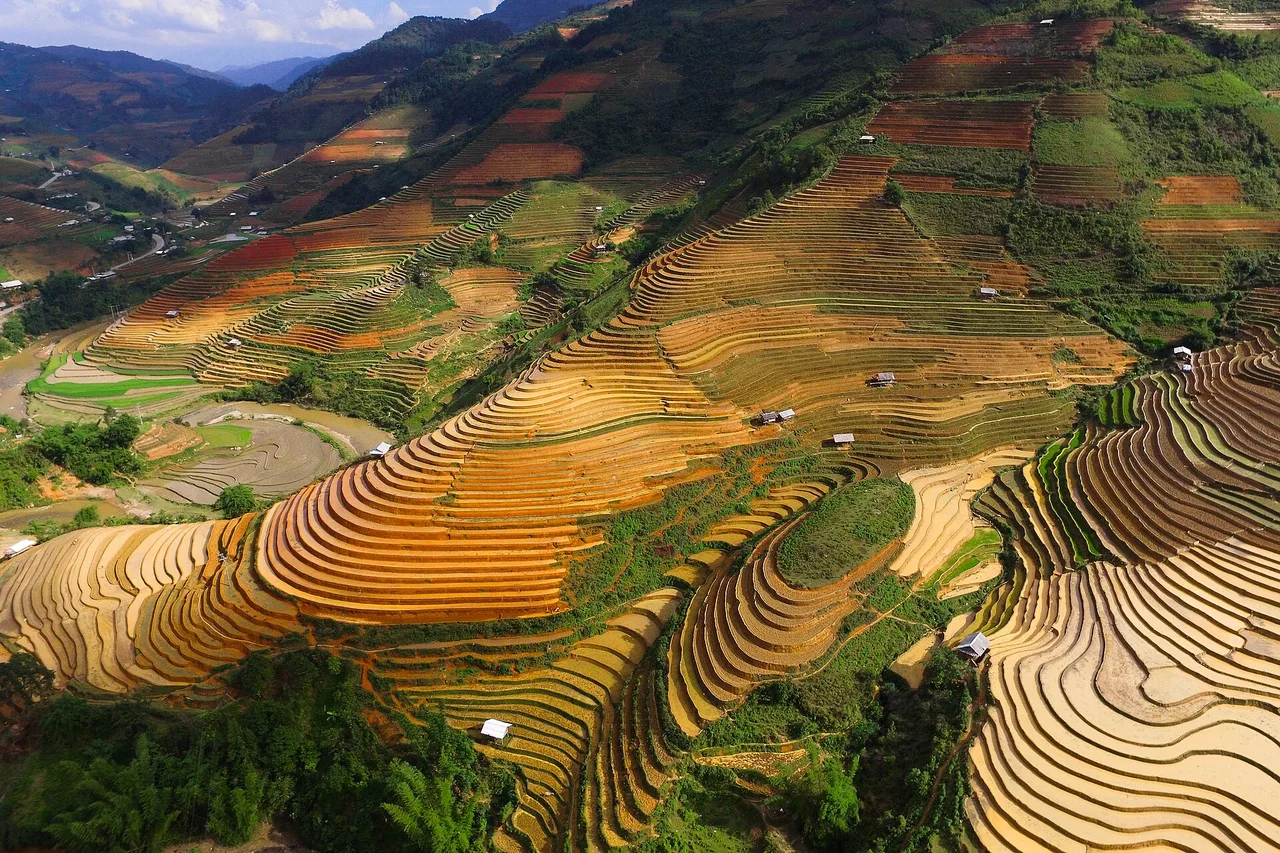
Vietnam stretches for more than 1,600 kilometres – so it doesn't have one best season, it has three. When Saigon is hot and dry, Hanoi can be grey and cool, and Hoi An is sometimes under water in autumn. Here is what climate data and travel guides say for each region, a month-by-month table, and the dates worth knowing for 2026 and 2027.
At a glance: three regions, three seasons
If you only want one answer: February to April is the safest choice for a trip through the whole country – and it is what most travel guides recommend. The grey winter is ending in the north, the centre is dry and the south is still in its dry season.
If you are visiting only one region, you have more room: the north in spring or from October to early December, the centre from February into summer, the south from November to April. The table sums this up – it is no substitute for a forecast, but it shows at a glance where and when things get tricky.
| Month | North (Hanoi, Halong, Sapa) | Centre (Hue, Hoi An, Da Nang) | South (Saigon, Mekong, Phu Quoc) |
|---|---|---|---|
| January | 🌫️ cool, often grey | 🔄 transition | ✅ good time |
| February | 🌫️ cool, often grey | ✅ good time | ✅ good time |
| March | ✅ good time | ✅ good time | ✅ good time |
| April | ✅ good time | ✅ good time | ✅ good time |
| May | ☀️ hot, mostly dry | ✅ good time | 🌧️ rainy season |
| June | 🌧️ rainy season | ☀️ hot, mostly dry | 🌧️ rainy season |
| July | 🌧️ rainy season | ☀️ hot, mostly dry | 🌧️ rainy season |
| August | 🌧️ rainy season | ☀️ hot, mostly dry | 🌧️ rainy season |
| September | 🔄 transition | 🔄 transition | 🌧️ rainy season |
| October | ✅ good time | ⚠️ heavy rain, floods | 🌧️ rainy season |
| November | ✅ good time | ⚠️ heavy rain, floods | 🔄 transition |
| December | 🌫️ cool, often grey | 🌧️ rainy season | ✅ good time |
Why Vietnam has three climates
The country runs for more than 1,600 kilometres from the Chinese border to the Gulf of Thailand. The north has a humid subtropical monsoon climate with four seasons, including a real winter. The centre and south are tropical and essentially have just two seasons: wet and dry.
The averages tell the story. In January they are 16.4 °C in Hanoi, 20.0 °C in Hue and 26.0 °C in Ho Chi Minh City. In July, by contrast, all three cities are almost level, between 27.5 and 29.5 °C. So winter is what separates the regions most – and it is when their rainy seasons drift apart.
Northern Vietnam: Hanoi, Halong Bay and Sapa
In the north, most rain falls in summer. In the mountains the rainy season starts in April or May, peaks in July and August and ends in September or October; in the Red River Delta around Hanoi it can last into November. Summer is also hot and humid.
Winter, from December to February, is dry but often grey. Hanoi stays mild, around 16 °C in January. The mountains around Sa Pa, however, get properly cold: according to the ADAC, snow occasionally falls there between December and February, and the record low is −6.1 °C, measured in January 1974. For hiking in the north, the most pleasant months are March to May and October to early December.
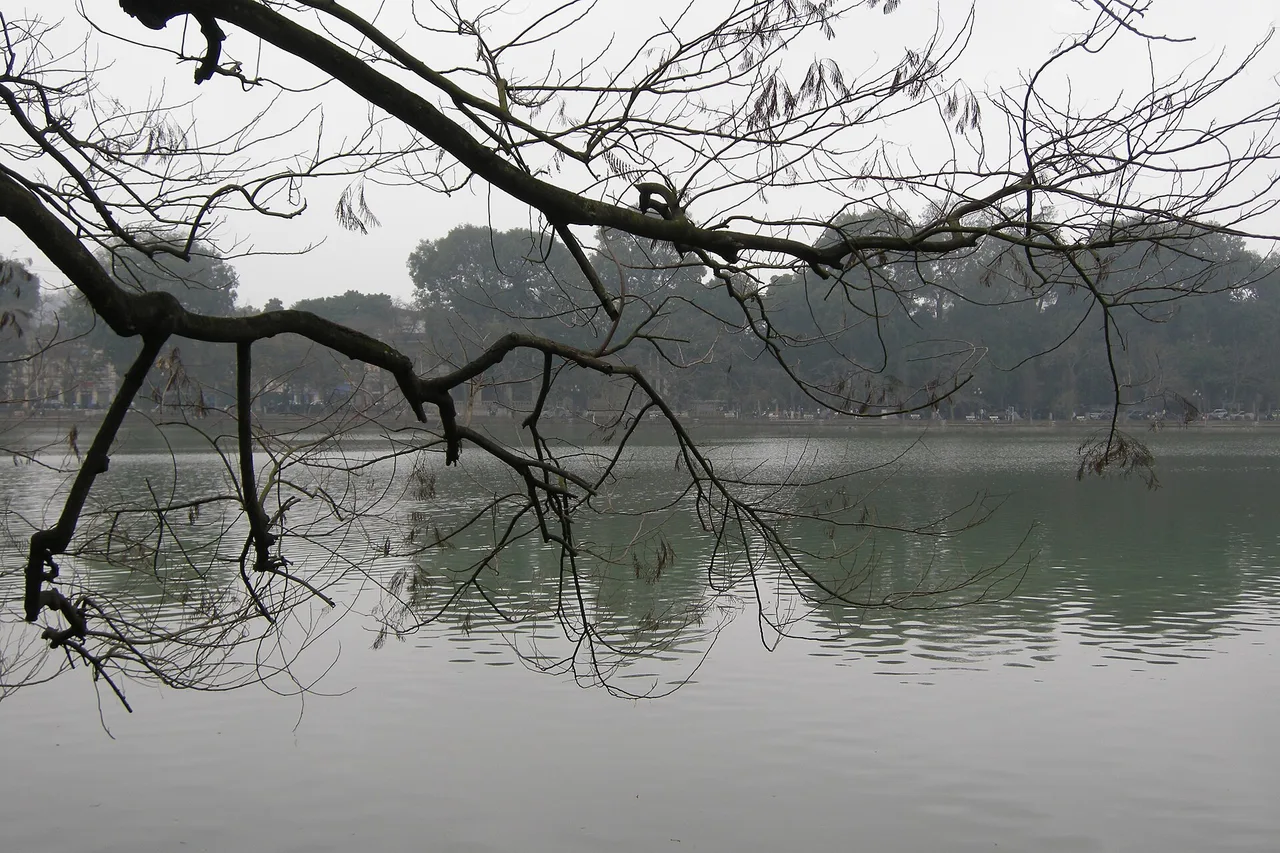
Photographers have a window of their own: the rice harvest. Around Sa Pa the terraces turn golden from late August to early September; in Mu Cang Chai, more from late September to early October. That is still the tail end of the rainy season, so expect clouds and showers.
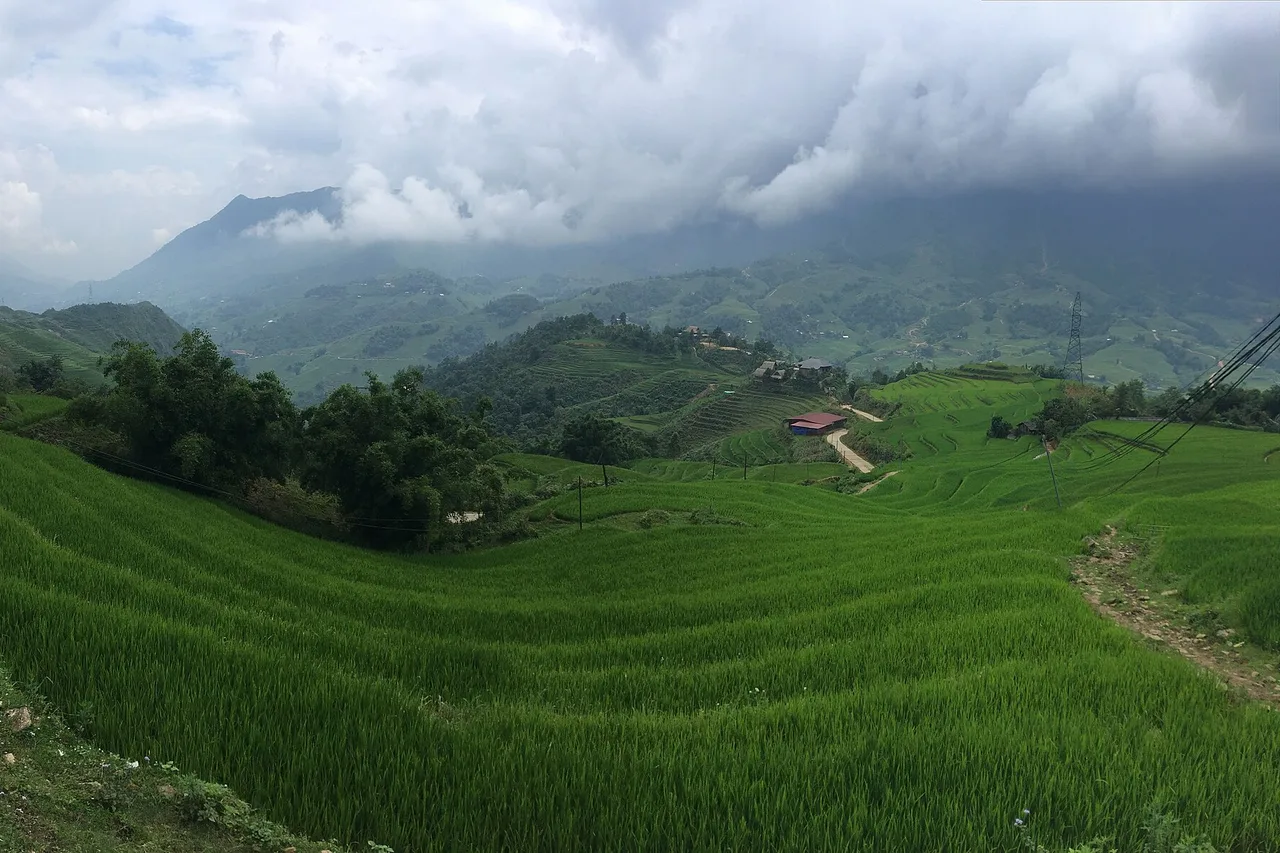
For Halong Bay, guides usually recommend October to April. In winter the sky is often hazy; in summer, boat trips can be cancelled at short notice because of storms. To pick the right bay, see our comparison Halong Bay or Lan Ha Bay.
Central Vietnam: Hue, Hoi An, Da Nang and Nha Trang
The centre doesn't follow the rest of the country: here most rain falls in autumn, not in summer. On the coast around Hue the rainy season begins in August or September and peaks in October and November. Further south, on the coast around Nha Trang, it runs from August or September to December. The ADAC gives February to May as the best time for Hue.
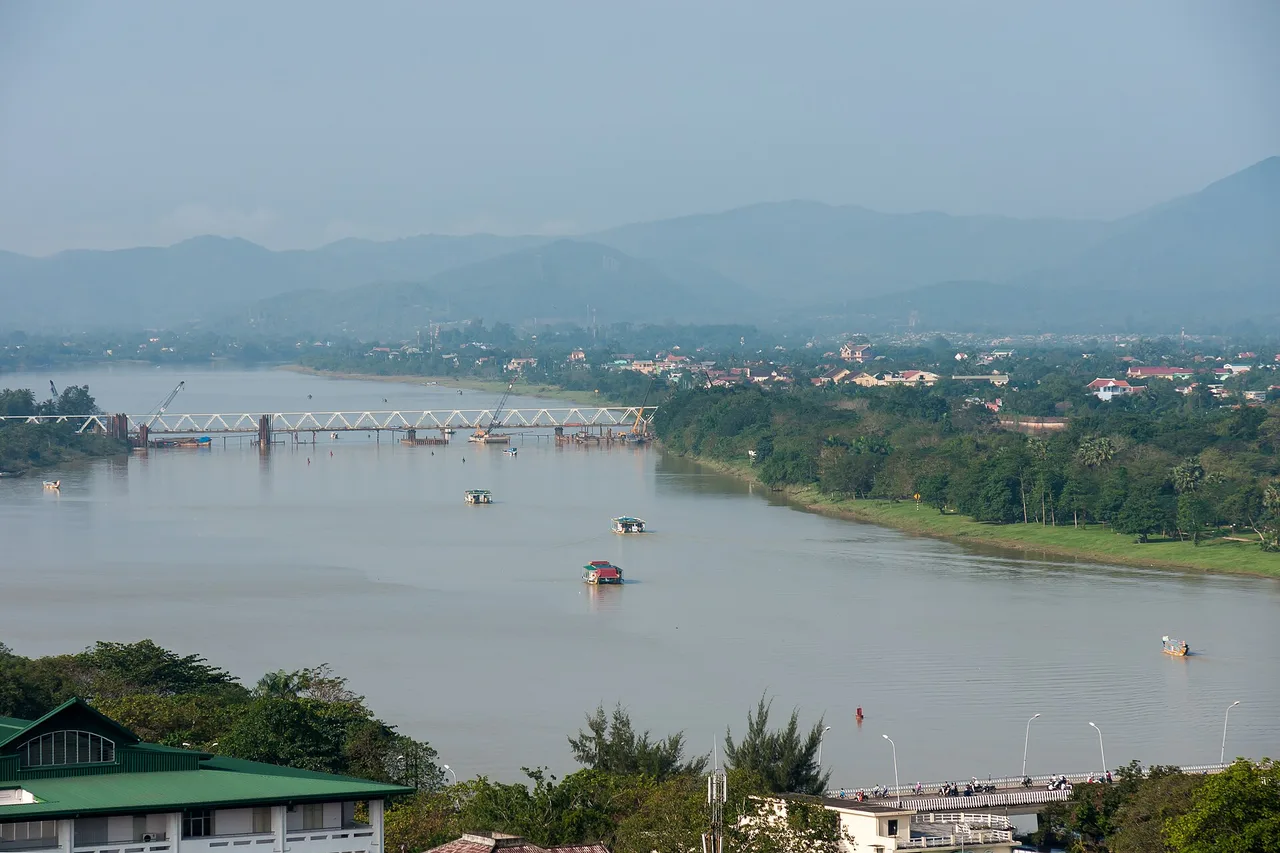
The trickiest case is Hoi An. The old town sits low on the Thu Bon River, and the worst floods usually come between mid-October and late November. The water often rises overnight and drops just as quickly. In autumn 2025, floods in central Vietnam killed at least 35 people; the old town was affected and reopened to visitors in early November.
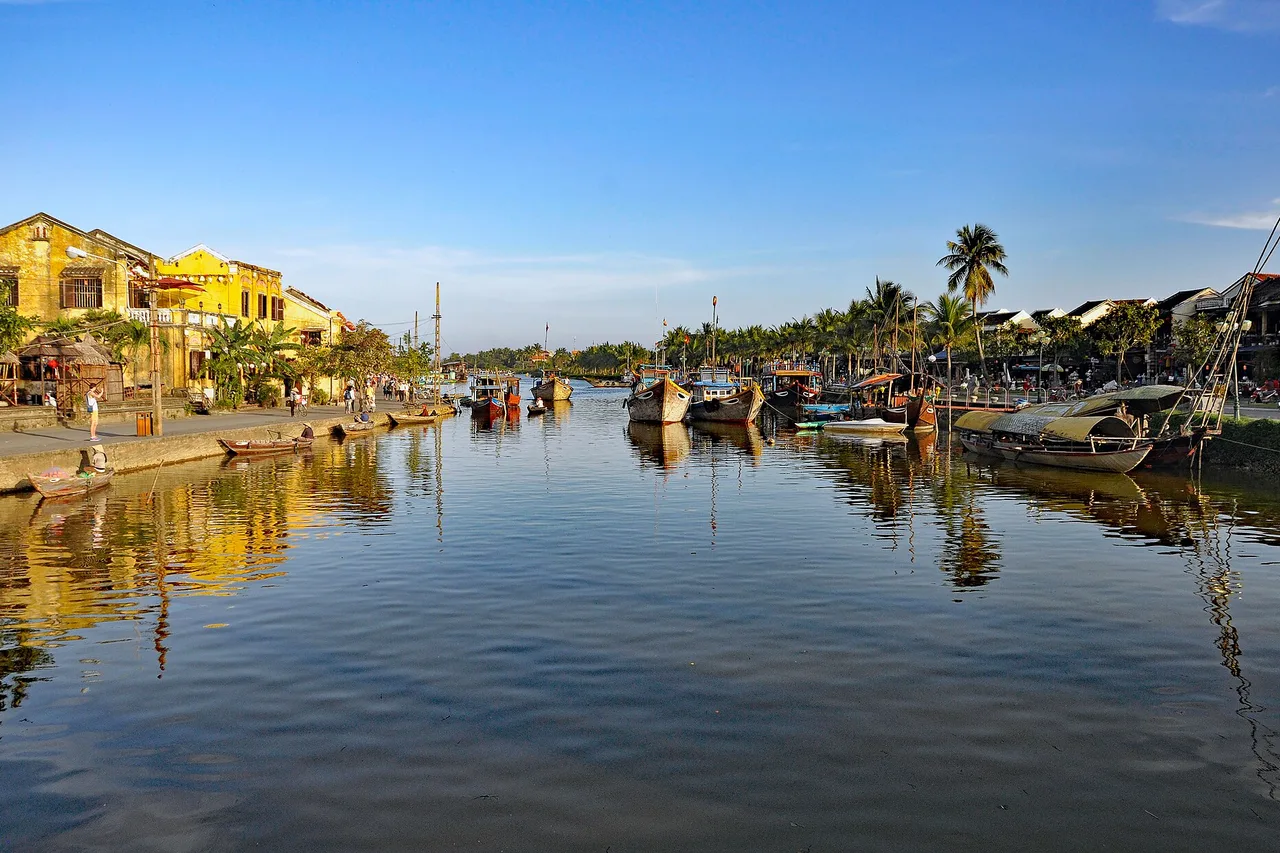
On the other hand, February to August is a good time in the centre for beaches and the old town. From June to August it gets very hot but usually stays dry – exactly when the north and south are in their rainy seasons. If you fly to Vietnam in summer, Da Nang and Hoi An are often the best place to be.
Southern Vietnam: Saigon, the Mekong Delta and Phu Quoc
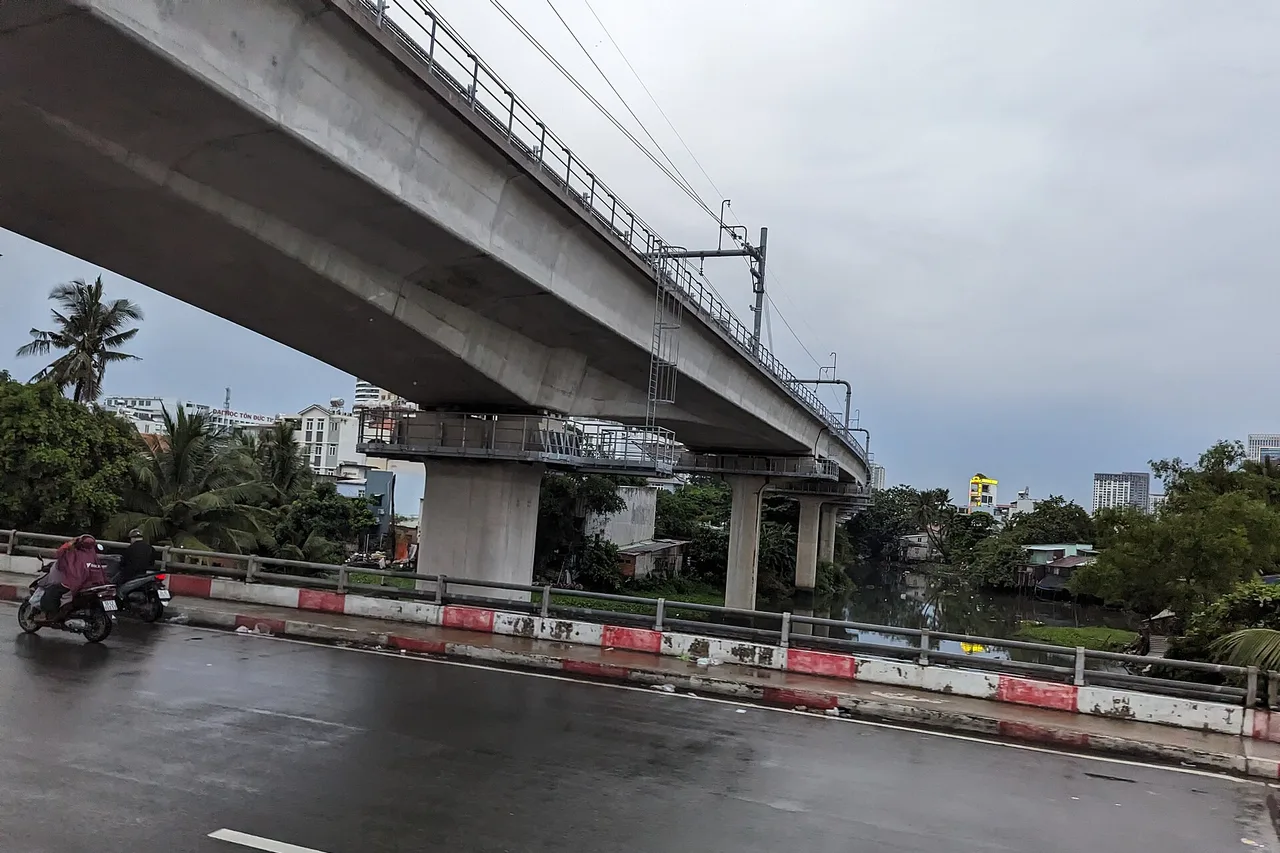
The south is warm all year. The dry season lasts from November to April, and the rainy season starts in May. The ADAC also recommends November to April for the Mekong Delta, because in the other months heavy rain and river flooding can make trips harder. March and April are the hottest months.
The southern rainy season is no reason to cancel. It mostly brings heavy but usually short showers, after which life in Saigon carries on as usual. For boat trips in the delta and beach days, though, the dry season is clearly better.
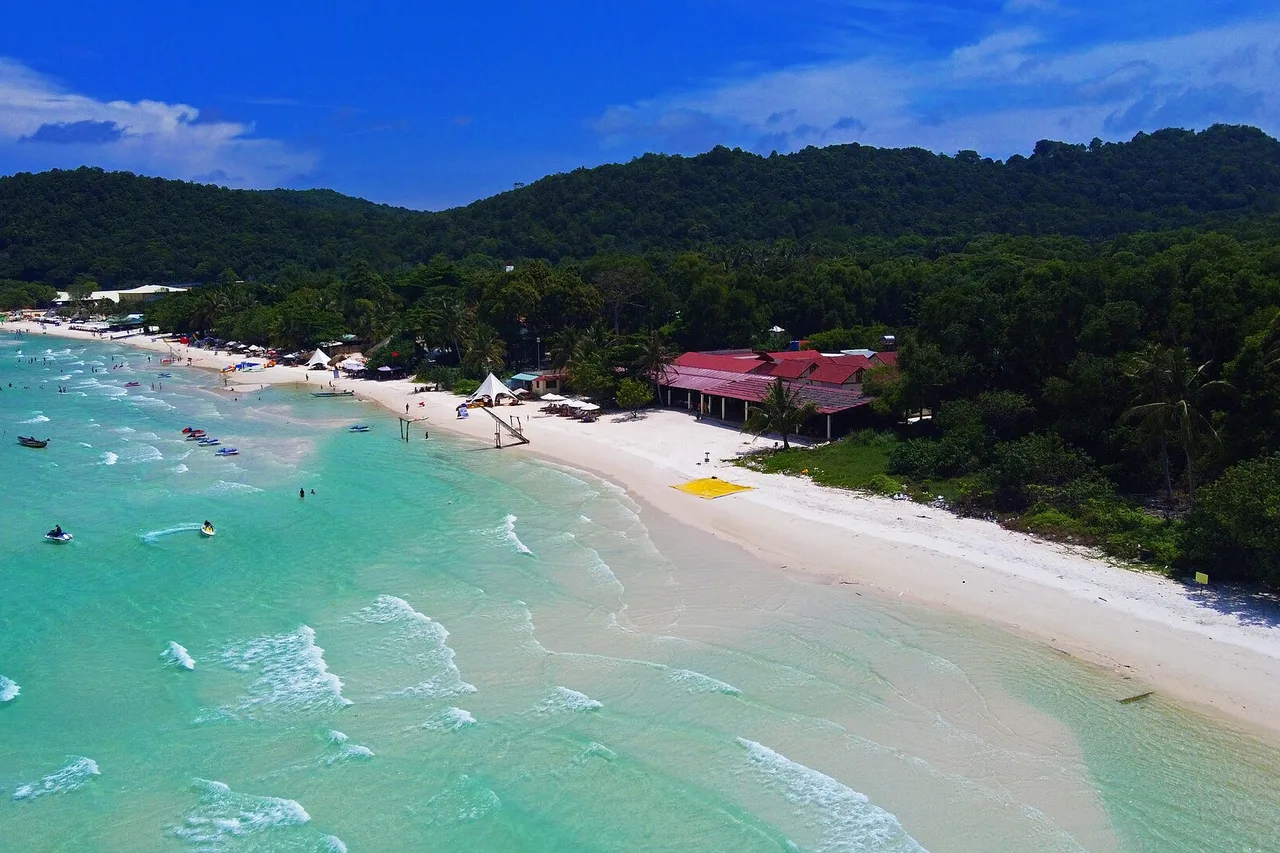
On Phu Quoc island, beach season runs from November to April; from May to around October there is more rain and the sea is rougher. For a winter beach week, it is one of the most reliable places in the country.
A north-to-south trip: which month works?
February to April is the window when all three regions work at the same time. In February the north can still be cool and grey; in April the south gets very hot – March is often the best compromise.
October and November are ideal in the north, and the rainy season is ending in the south. The problem is the centre: this is flood season in Hue and Hoi An. If you travel in autumn, keep the centre short with buffer days, or skip it.
June to August is the hardest time for a full trip: the north and south are in their rainy seasons and only the centre is dry. If you have to travel in the summer holidays, focus on Da Nang, Hoi An and Hue. A ready-made route is in our 2-week Vietnam itinerary.
Tết, typhoons and dates for 2026–2027
Tết, Vietnamese New Year, falls on 6 February 2027; New Year's Eve is the evening of 5 February. In early October 2026, a seven-day official holiday for the public sector was set for 4 to 10 February 2027. Around Tết, trains, buses and domestic flights fill up and many family businesses close for a few days. If you travel then, book your journeys early – in return you will see the country in full celebration.
Typhoons: on average Vietnam is hit by six to eight typhoons or tropical storms a year, mostly between summer and late autumn. In practice, boat trips and domestic flights can be cancelled at short notice. Travel insurance that covers weather disruption and a free day before your flight home from Hanoi or Saigon are sensible precautions at that time of year.
And prices? Peak season for flights from Europe is in the winter months and around Tết. For when to book, see our guide to cheap flights to Vietnam.
Our verdict
For a first trip through the whole country: March, or more broadly February to April. For the north alone: October to early December, or March to May. For winter beaches: the south and Phu Quoc. For summer: the centre around Da Nang and Hoi An. And in October and November: Hoi An and Hue only with some slack in your plans.
What not to miss in each region is in our 15 highlights from north to south. All our guides to the country are on the Vietnam blog.