Ninh Binh lies about 90 kilometres south of Hanoi and is often sold as a day trip. With two days and a night on the spot, though, you see more – and above all at better times: sunset from Hang Mua and the river at Trang An almost empty early in the morning. Here is the itinerary day by day, with transport, where to stay and the 2026 entry fees.
At a glance: two days, two areas
The area around Ninh Binh splits into two nearby zones. In the south are the village of Tam Coc and the Hang Mua lookout rock, a few kilometres apart. About eight kilometres further north is Trang An, with the ancient capital Hoa Lu in between. The itinerary follows that layout: the south on day one, the north on day two.
| Morning | Afternoon | Evening | |
|---|---|---|---|
| Day 1 | Transfer from Hanoi, room in Tam Coc | Bike ride through the rice fields, Bich Dong pagoda | Sunset from Hang Mua |
| Day 2 | Trang An boat ride from early morning | Hoa Lu, then Bai Dinh or head back | Arrive in Hanoi |
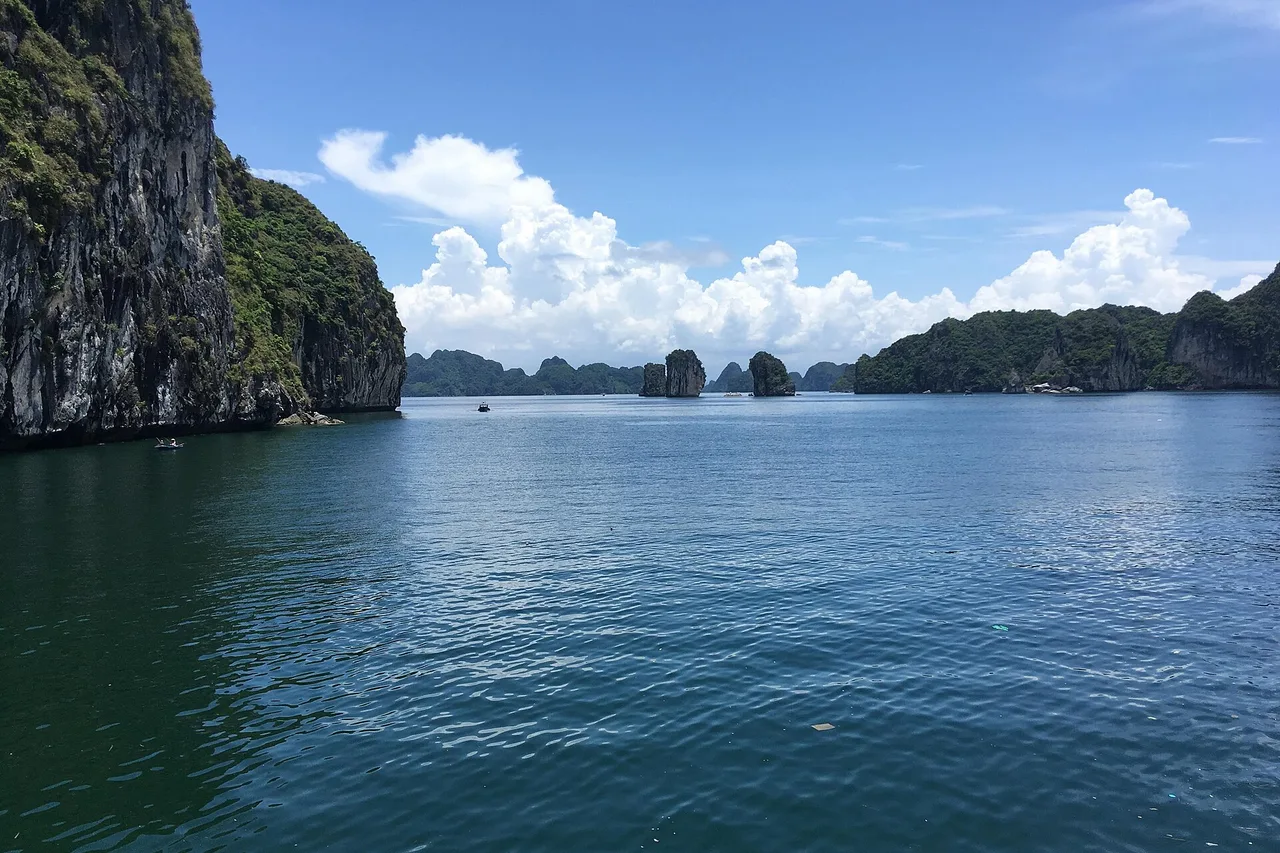
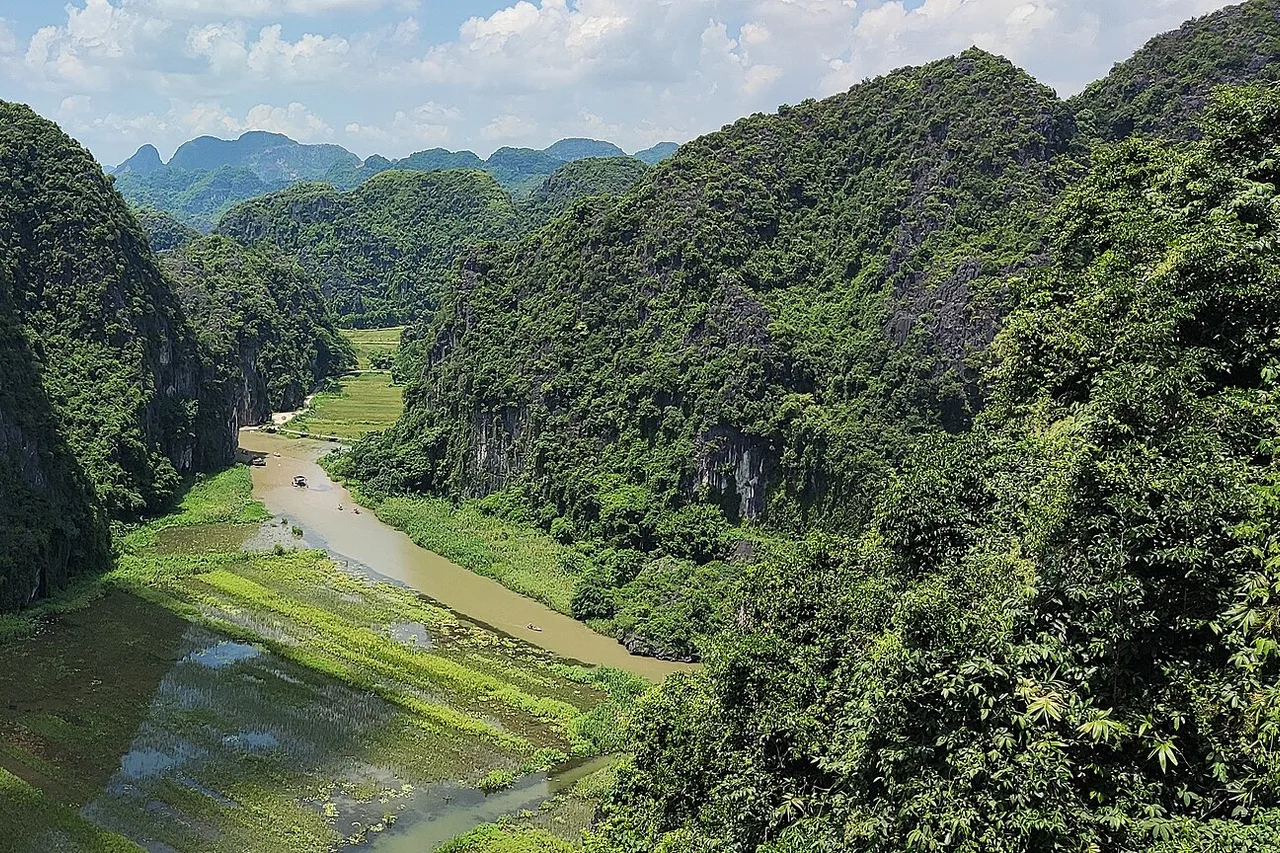
Ninh Binh is often called “Halong Bay on land”: the same limestone karsts as the bay, but rising from rice fields and rivers instead of the sea. The Trang An area has been a UNESCO World Heritage site since 2014 – Vietnam's first property listed as both natural and cultural.
Getting there from Hanoi
Ninh Binh is about 90 kilometres south of Hanoi. The most comfortable option is a limousine minibus that collects you in the Old Quarter and drops you in Tam Coc: according to a guide updated in September 2026, 200,000–350,000 VND (about €7 to €12), for an hour and a half to two hours. The train takes around two hours and costs 100,000–200,000 VND, but stops in Ninh Binh city; you then need a taxi or a Grab to Tam Coc.
Leave early. Arriving in the late morning gives you the whole afternoon for the rice fields and the evening for Hang Mua.
Day 1: rice fields, Bich Dong and sunset from Hang Mua
Once checked in, rent a bicycle (50,000–100,000 VND a day) or a scooter. The classic loop from Tam Coc is about 15 kilometres and takes two to three hours: flat lanes between rice fields and karsts, with water buffalo by the road. One stop along the way is Bich Dong pagoda, from the 15th century, built on several levels into the cliff (entry 20,000 VND).
If you would rather be on the water, take the Tam Coc boat in the afternoon: an hour and a half to two hours on the river, through three caves, Hang Ca, Hang Hai and Hang Ba. According to the province's official price list, entry is 120,000 VND per person (about €4), plus 150,000 VND for the boat, shared by two foreign visitors.
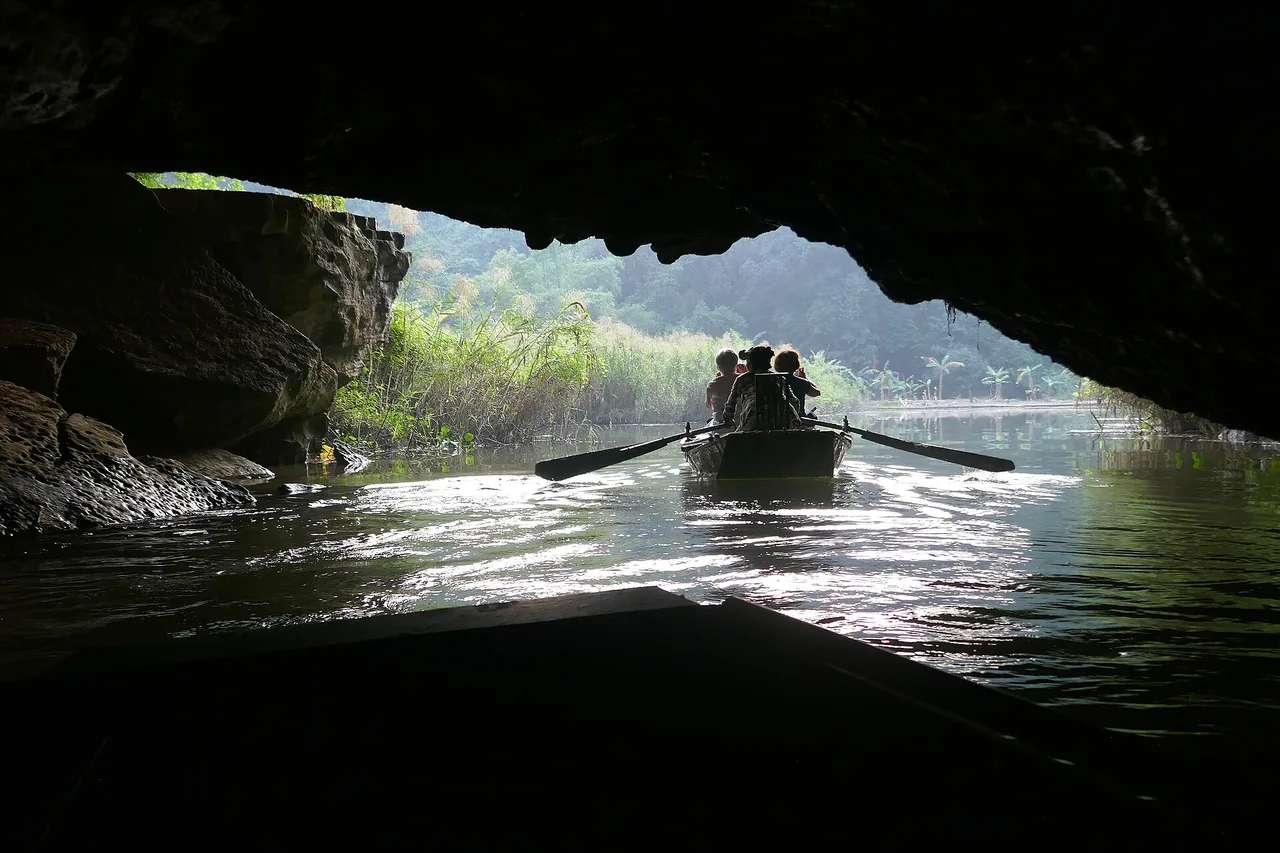
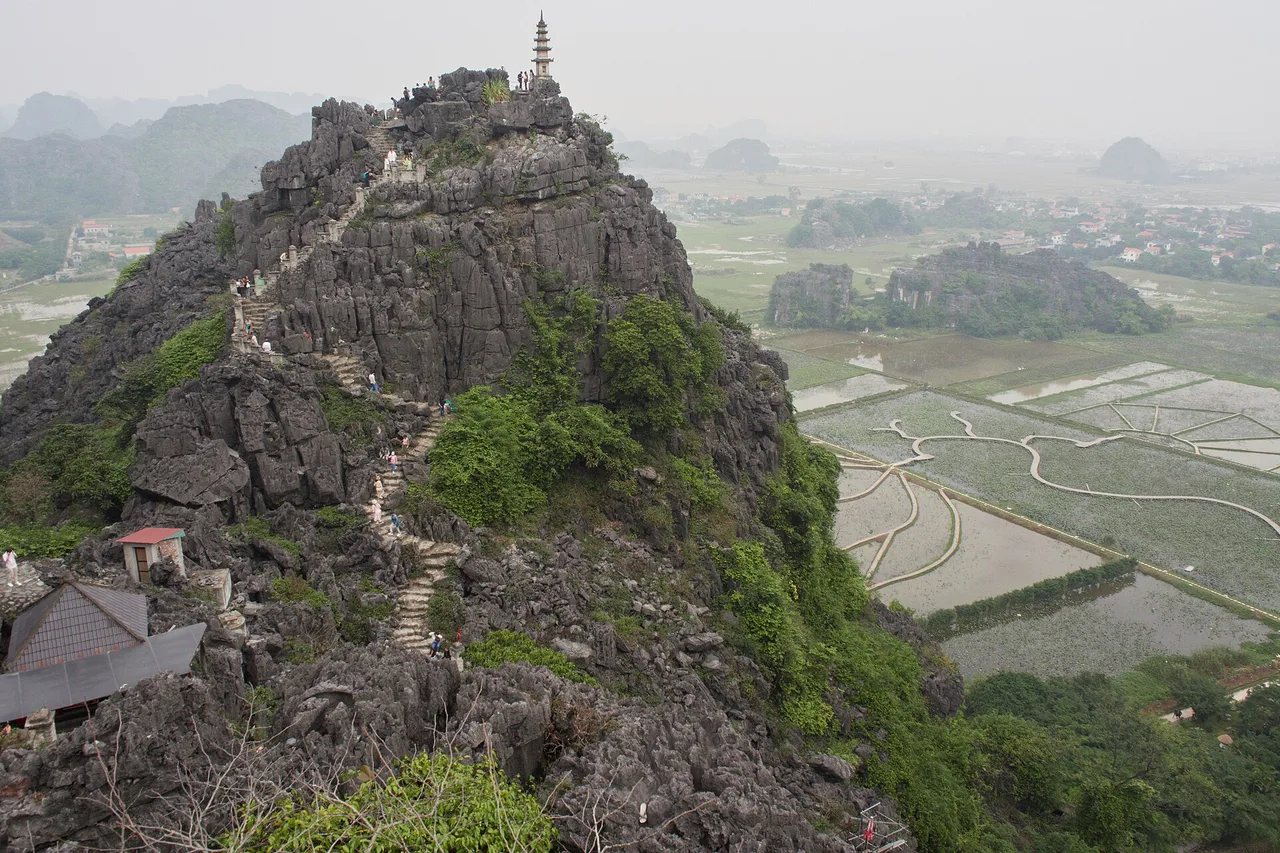
At least an hour before sunset, head for Hang Mua. Almost 500 stone steps climb the ridge to a small pagoda and the stone dragon. From the top you see the whole Tam Coc valley and the river you may have been rowed along that afternoon. Since 1 April 2026 entry costs 150,000 VND, about €5. Bring water and proper shoes: the steps are uneven and busy in the evening.
Day 2: Trang An in the early morning
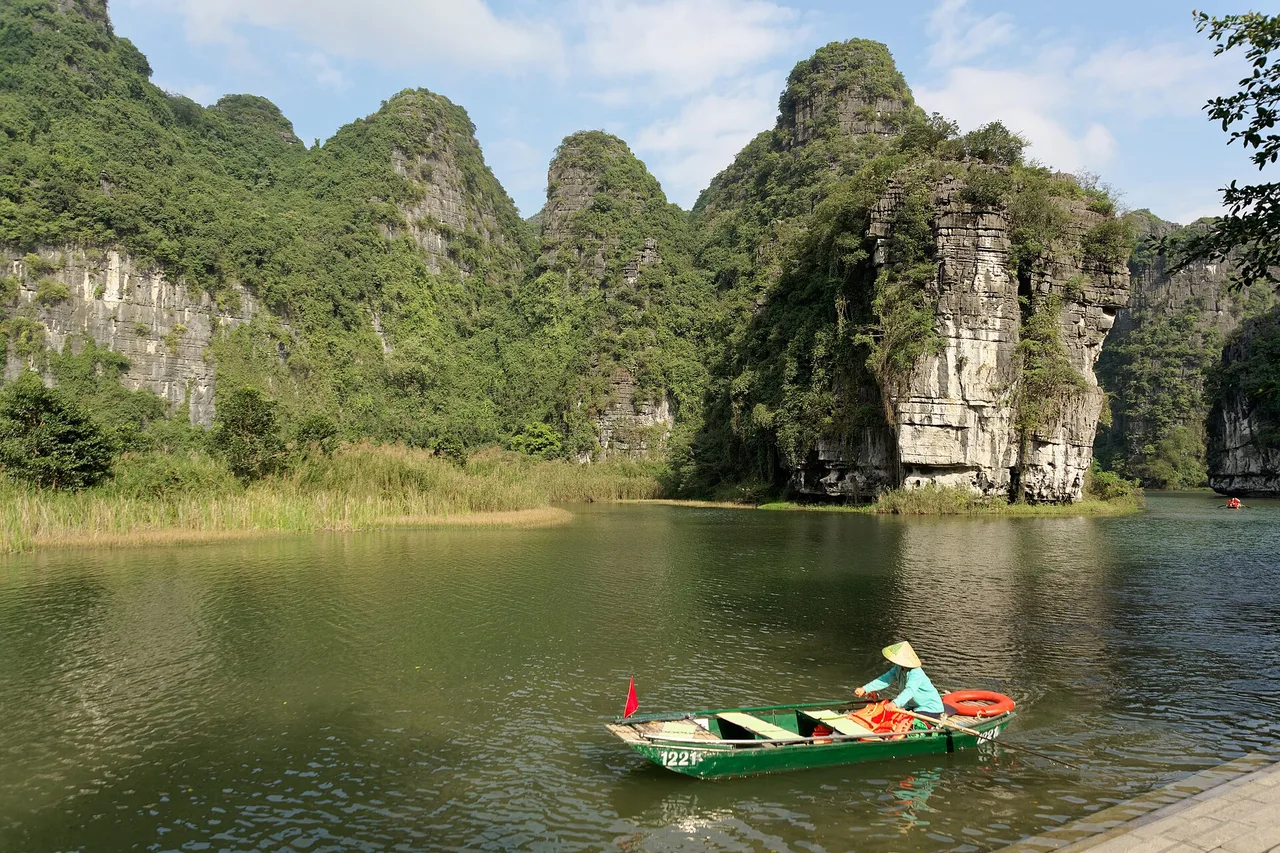
This is what the night on the spot is for. The Trang An boat ride is the longest and finest in the area: two and a half to three hours by rowing boat, under low caves and past small temples. There are three routes; according to a guide updated in August 2026, the first passes through nine caves and three temples. Since 1 January 2026 the boat costs 300,000 VND per person (about €10), 150,000 VND for children between 1 m and 1.3 m.
Be there at opening time. Early in the morning the river is almost empty, the air is still cool and the light falls low across the cliffs. From late morning, the day-trip coaches from Hanoi start to arrive.
Hoa Lu and Bai Dinh: the history
After the boat, Hoa Lu is on the way. In the 10th and 11th centuries it was the capital of Vietnam, under the Dinh and Le dynasties. Little remains of the city itself, but the two temples of kings Dinh Tien Hoang and Le Dai Hanh still stand among the limestone hills. The official price list gives 20,000 VND entry. An hour is enough.

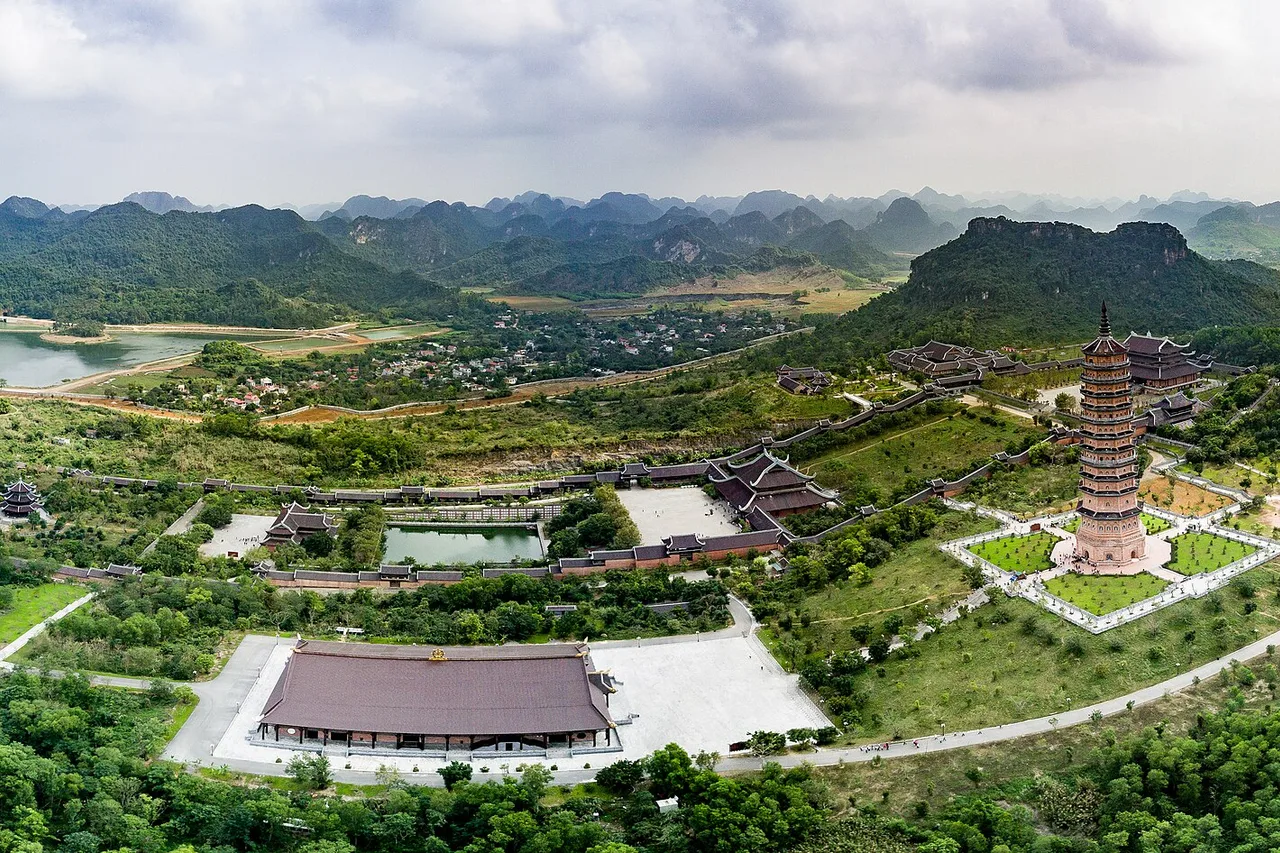
If you still have time, continue to Bai Dinh pagoda, often described as the largest Buddhist complex in the country: long galleries of statues, vast halls and a tall tower. Entry is free; according to the official price list, the electric shuttle from the car park costs 100,000 VND return. Allow two hours. With the drive back to Hanoi in the evening, the day gets long – in that case, skip Bai Dinh.
Full guide: Hanoi & Saigon Airport to City Centre: Bus, Grab, Taxi
Trang An or Tam Coc, if you only take one boat
Many travellers do only one of the two boat rides, since the scenery is similar. Trang An is longer, more varied and considered quieter, with fewer vendors on the water. Tam Coc is shorter and starts in the village; it is at its best when the rice is high. Our pick for two days: Trang An in the morning, and Tam Coc seen by bike and from the top of Hang Mua.
Where to stay, costs and the best season
Stay in Tam Coc, not in Ninh Binh city: the village sits among the rice fields, Hang Mua is a bike ride away, and evenings are quiet. According to a guide from August 2026, a simple guesthouse costs around 250,000 VND a night, mid-range 400,000–700,000 VND (about €13 to €23).
The entry fees on this itinerary – Hang Mua, Trang An, Hoa Lu and Bich Dong – add up to 490,000 VND per person, about €16. On top come the bike, transport, food and Bai Dinh if you go. For the cost of a whole trip, see our article on a 3-week Vietnam budget.
As for timing: the dry season runs roughly from November to April. The rice fields turn gold from late May to early June and from late September to early October, just before harvest; in between they are green. In winter the northern sky is often grey. More in our guide to the best time to visit Vietnam.
Our verdict
Two days with one night in Tam Coc is the right amount for Ninh Binh: sunset from Hang Mua on the first evening, Trang An at opening time on the second morning, Hoa Lu on the way back. On a day trip you would see the same places at the busiest hours.
To fit Ninh Binh into a longer trip, see our 2-week Vietnam itinerary and the 15 highlights from north to south. The real bay is compared in Halong Bay or Lan Ha Bay. All our guides are on the Vietnam blog.