Two travellers can spend the same fourteen days in Bali, in the same places, and end up with a fivefold difference on the final bill. That is not luck, and it is not haggling: it comes down to three or four decisions taken before departure. Here is the full calculation, item by item, from prices checked on 16 August 2026 — in rupiah, the currency you will actually hand over, converted once into euros.
What this budget counts — and what it does not
Three cautions before a single figure. First, everything is expressed in Indonesian rupiah, the currency you will actually spend, then converted once at the 13 August 2026 rate: €1 = 20,600 Rp. A budget written in euros first will always produce a nasty surprise at the cash machine.
Second, the international flight is not included, deliberately: it varies with your departure city, the season and how far ahead you book, by margins that would make any average unhelpful. Remember only this: for a thrifty traveller, the airfare often costs more than the fourteen days on the ground.
Full guide: Flights to Bali: When to Book and Which Stopover
Third, a point of method. The unit prices below were checked — a warung meal, a day of scooter hire, an entrance ticket. The totals are a construction: those prices applied to three ways of travelling. It is not a record of real spending, and nobody should present one to you as if it were.
Three ways to spend fourteen days
The table reads per person, for two people sharing a room — the most common set-up, and the one that halves the heaviest single item.
| Item (14 days, per person) | Backpacker | Mid-range | Comfortable |
|---|---|---|---|
| Accommodation (room shared by two) | 2,100,000 Rp ≈ €102 | 6,300,000 Rp ≈ €306 | 15,400,000 Rp ≈ €748 |
| Food and drink | 1,260,000 Rp ≈ €61 | 3,500,000 Rp ≈ €170 | 7,000,000 Rp ≈ €340 |
| Getting around | 840,000 Rp ≈ €41 | 2,100,000 Rp ≈ €102 | 4,900,000 Rp ≈ €238 |
| Sights and activities | 800,000 Rp ≈ €39 | 1,800,000 Rp ≈ €87 | 3,500,000 Rp ≈ €170 |
| Return crossing to the Nusa islands | 400,000 Rp ≈ €19 | 400,000 Rp ≈ €19 | 400,000 Rp ≈ €19 |
| Visa on arrival + tourist levy | 650,000 Rp ≈ €32 | 650,000 Rp ≈ €32 | 650,000 Rp ≈ €32 |
| eSIM, massages, contingency | 700,000 Rp ≈ €34 | 1,200,000 Rp ≈ €58 | 2,500,000 Rp ≈ €121 |
| Total over fourteen days | 6,750,000 Rp ≈ €328 | 15,950,000 Rp ≈ €774 | 34,350,000 Rp ≈ €1,667 |
| That is, per day | 480,000 Rp ≈ €23 | 1,140,000 Rp ≈ €55 | 2,450,000 Rp ≈ €119 |
The gap between the first and last column is fivefold, and it does not come from where people expect. Neither sightseeing nor paperwork drives it: accommodation and food do, together making up more than half of every column. Everything else is fine tuning.
Accommodation: the item that decides everything
Booking platforms price Bali in dollars; converted to euros, a night falls roughly as follows. A dorm bed: €4 – €13. A simple room in a guesthouse or small hotel: €13 – €35. A mid-range three-star hotel: €43 – €130. A villa with a private pool, the island’s signature image: €69 – €173.
Three levers move those figures far more than haggling does. Area first: for the same standard, Ubud and Sanur are markedly cheaper than Canggu or Seminyak — we set out what each one offers in our guide to where to stay in Bali. Season next: July, August and the two weeks around New Year command a premium, while May, June, September and October deliver the same weather without the crowds, as our month-by-month guide shows. Length of stay last: beyond a week in one place, a monthly rate negotiated directly changes the scale of the problem.
Eating: a twentyfold spread on the same street
This is where the gap is widest, and the easiest to steer. In a warung — the neighbourhood canteen — a full meal with a drink runs from 15,000 to 60,000 Rp, that is €1 to €3. A nasi goreng sits between 20,000 and 40,000 Rp, a nasi campur between 25,000 and 50,000. In a western restaurant in Canggu or Seminyak the same lunch becomes 120,000–250,000 Rp, and dinner with wine comfortably passes 500,000 Rp for two.
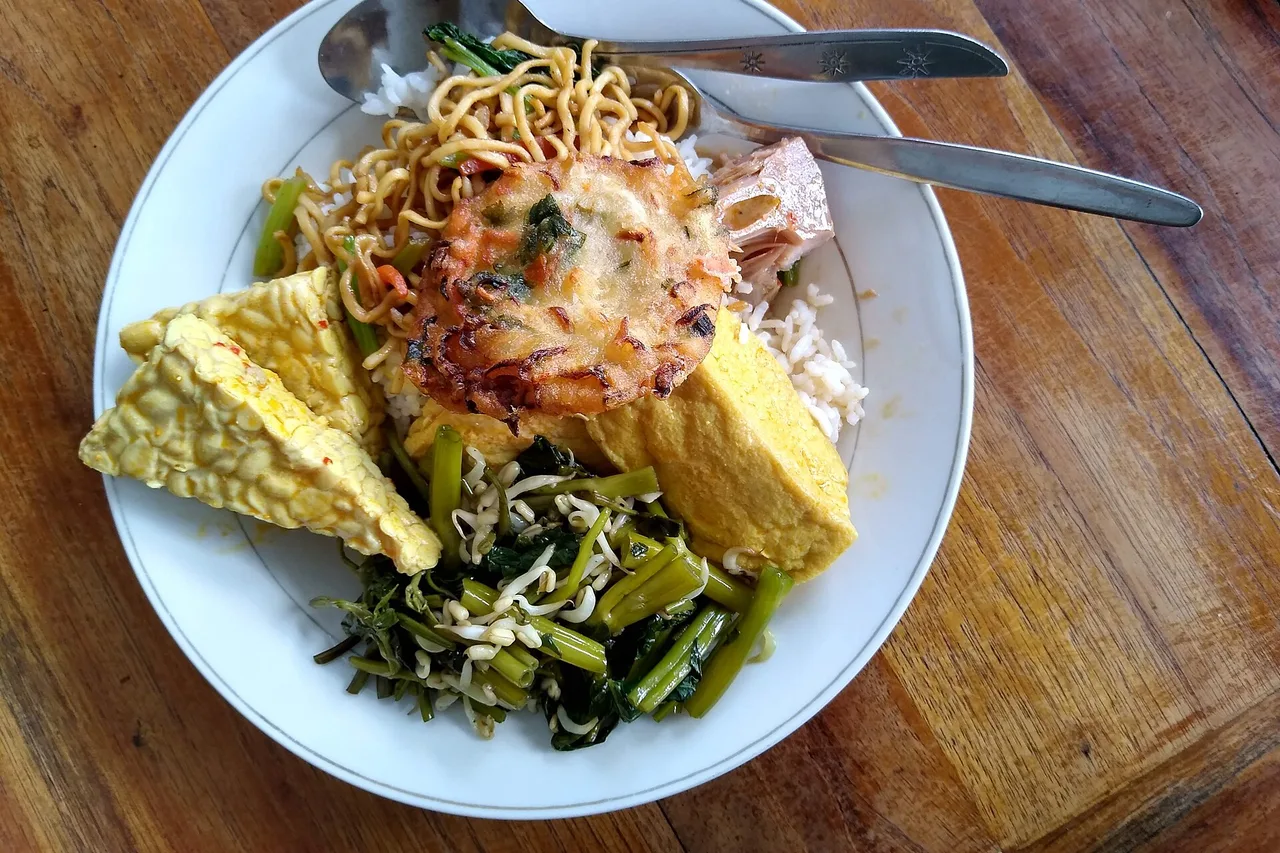
The lesson is not “only eat in warungs”. It is that this item is steered meal by meal, without giving anything up: a warung lunch at €1 and a restaurant dinner the same evening produce a day at €12 all in — the middle column of the table. Two habits that matter: five-litre water refills rather than individual bottles, and checking for the “++” on restaurant menus — tax and service, often 15 to 21%, added to the bill and rarely included in the listed prices.
Getting around: scooter, Grab or driver
Three regimes, three budgets. A 110–125cc scooter rents for 60,000 to 100,000 Rp a day (€3 to €5), petrol on top but negligible. It is by far the cheapest — provided you hold a valid motorcycle licence and insurance that covers two wheels, two points many travellers discover the truth about from a hospital bed.
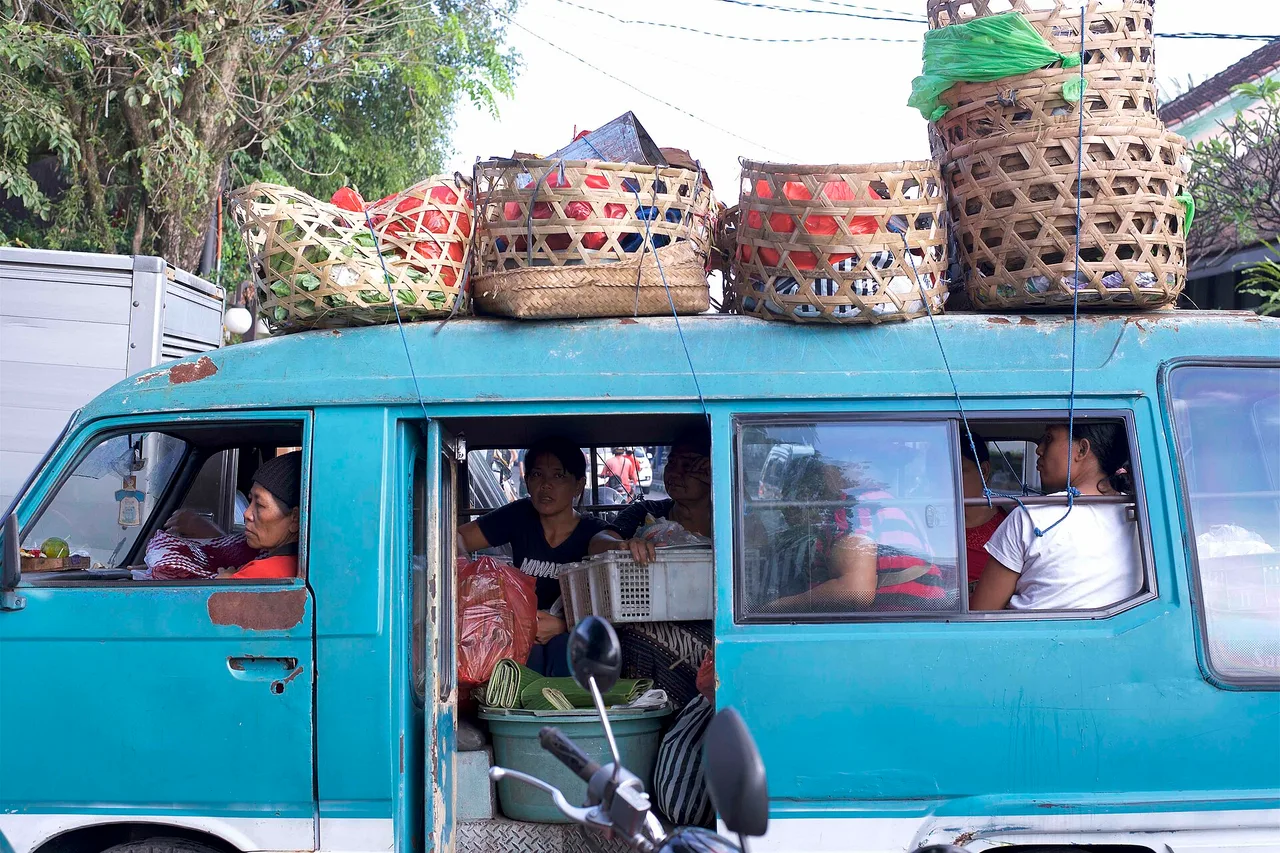
Grab and Gojek cover the south and Ubud: roughly 15,000–25,000 Rp for five kilometres by motorbike, 50,000–80,000 Rp by car. Finally, a private driver for a ten-to-twelve-hour day costs 700,000 to 900,000 Rp, fuel and parking included. Not included: entrance fees, the toll road (about 13,000 Rp) and the driver’s lunch, for which 30,000–50,000 Rp is the custom. Split between two, a driver day works out at €19 per person: expensive as a daily habit, very reasonable for one big touring day.
Full guide: Car Rental in Bali: Prices, Licence and Pitfalls
On this item, a rule of method: a scooter by the day is almost always dearer than the same scooter by the week, and street rental shops rarely display the long-term rate. Comparing two-wheeler rental firms before you arrive gives you a reference price — the one you hold up, on the spot, against the first figure quoted.
Entrance fees, and why you should check them at the gate
Here are the rates for a foreign adult visitor, checked on 16 August 2026: Ubud Monkey Forest 130,000 Rp · Uluwatu Temple 60,000 · Tirta Empul 75,000 · Tegallalang rice terraces 25,000 to 50,000 · Tanah Lot 75,000 · Besakih 150,000 · Tegenungan waterfall 30,000 · Sekumpul waterfall 150,000 to 250,000 · Mount Batur sunrise trek 215,000.
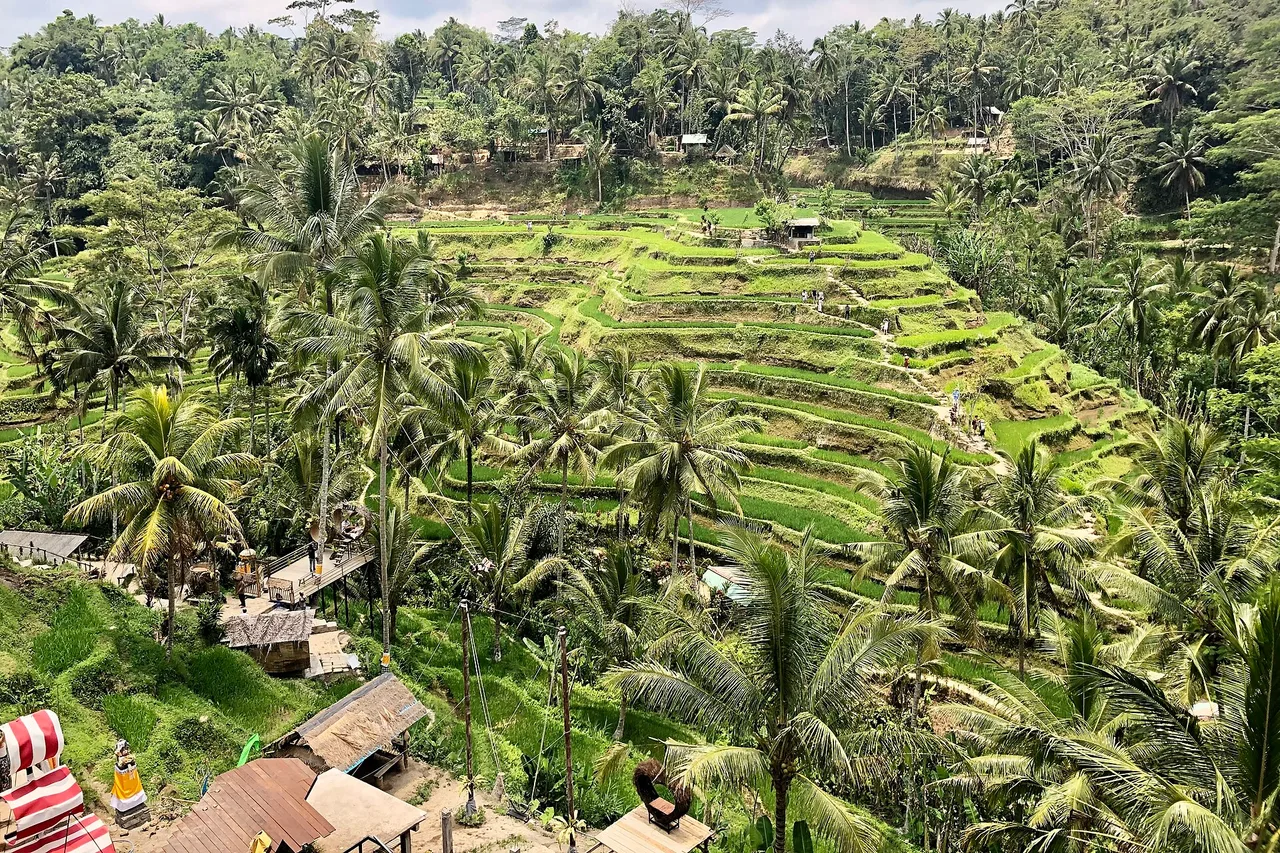
⚠️ One warning matters more than the figures themselves. These rates changed several times during 2026, and the available lists contradict one another: other sources quote Uluwatu at 150,000 Rp and Tirta Empul at 50,000. We used a single source for the whole table rather than assembling the most flattering values — but treat these as orders of magnitude and budget generously. Always add what nobody advertises: parking, sarong hire when it is not included, and the local guide where one is compulsory.
A clarification that holds for this whole chapter: the price of a guided outing and that of an entry fee are not directly comparable, because the first sometimes includes the second and sometimes does not. Checking what an outing includes before booking is more useful than comparing prices — it is the content that varies, rarely the price.
The two lines everybody forgets
The first is administrative and lands on arrival: the visa on arrival, 500,000 Rp for thirty days, and the tourist levy, 150,000 Rp per foreign visitor. That is 650,000 Rp — €32 — paid before you have even left the airport, and absent from every flight comparison site.
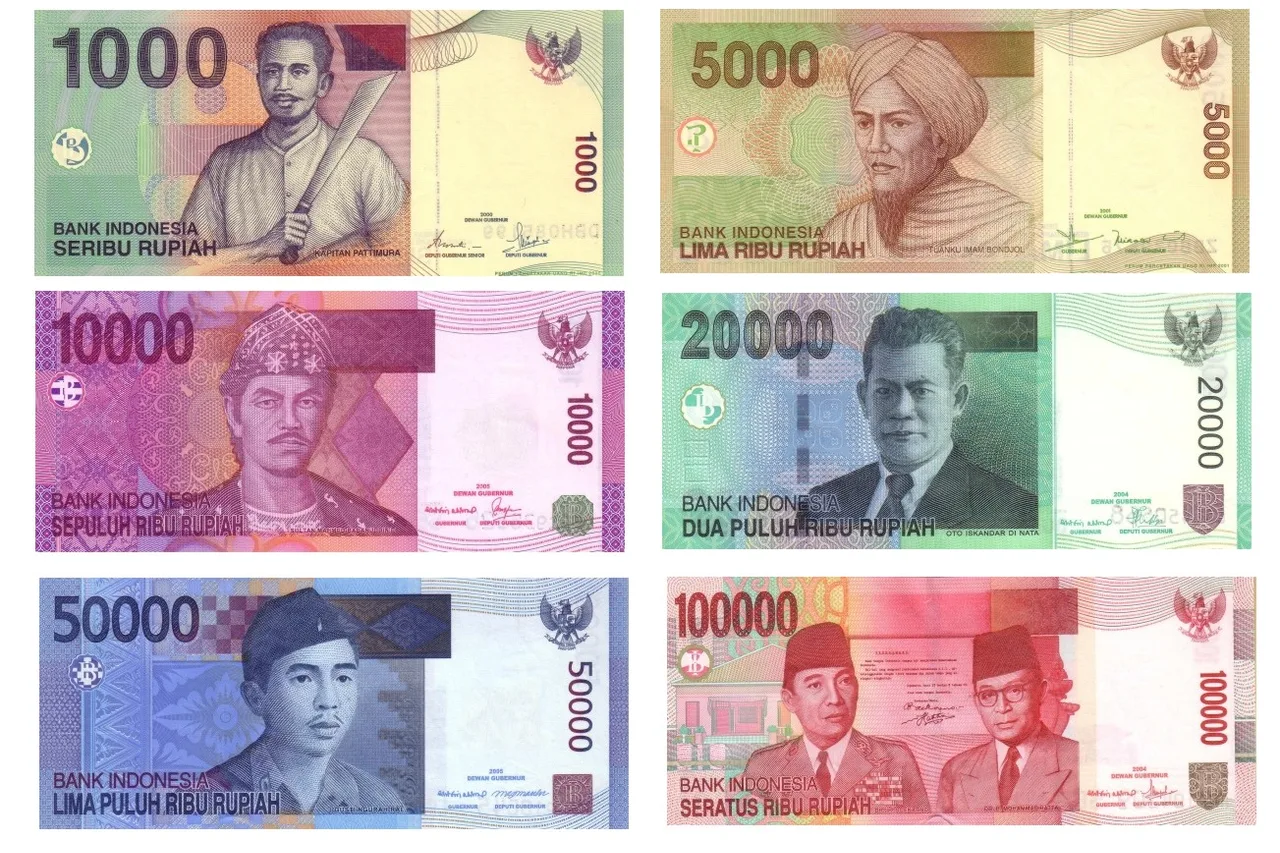
The second is subtler: cash. Much of the island still runs on notes, and cash machines charge a fixed fee per withdrawal on top of your own bank’s. Taking out larger amounts less often cuts that cost mechanically. Two habits: always decline the conversion the machine offers (dynamic currency conversion, whose rate is invariably poor) and count your zeros — between a 10,000 note and a 100,000 note there is a single digit, and the mistake always goes the same way.
What actually blows a Bali budget apart
Never the big items, which are already anticipated. It is four quiet leaks. The beach clubs of the south first, where a sunbed’s minimum spend wipes out a full day of the mid-range budget. Packaged excursions next, often two to three times the price of the same components bought separately — a driver for the day plus entrance fees almost always comes out cheaper.
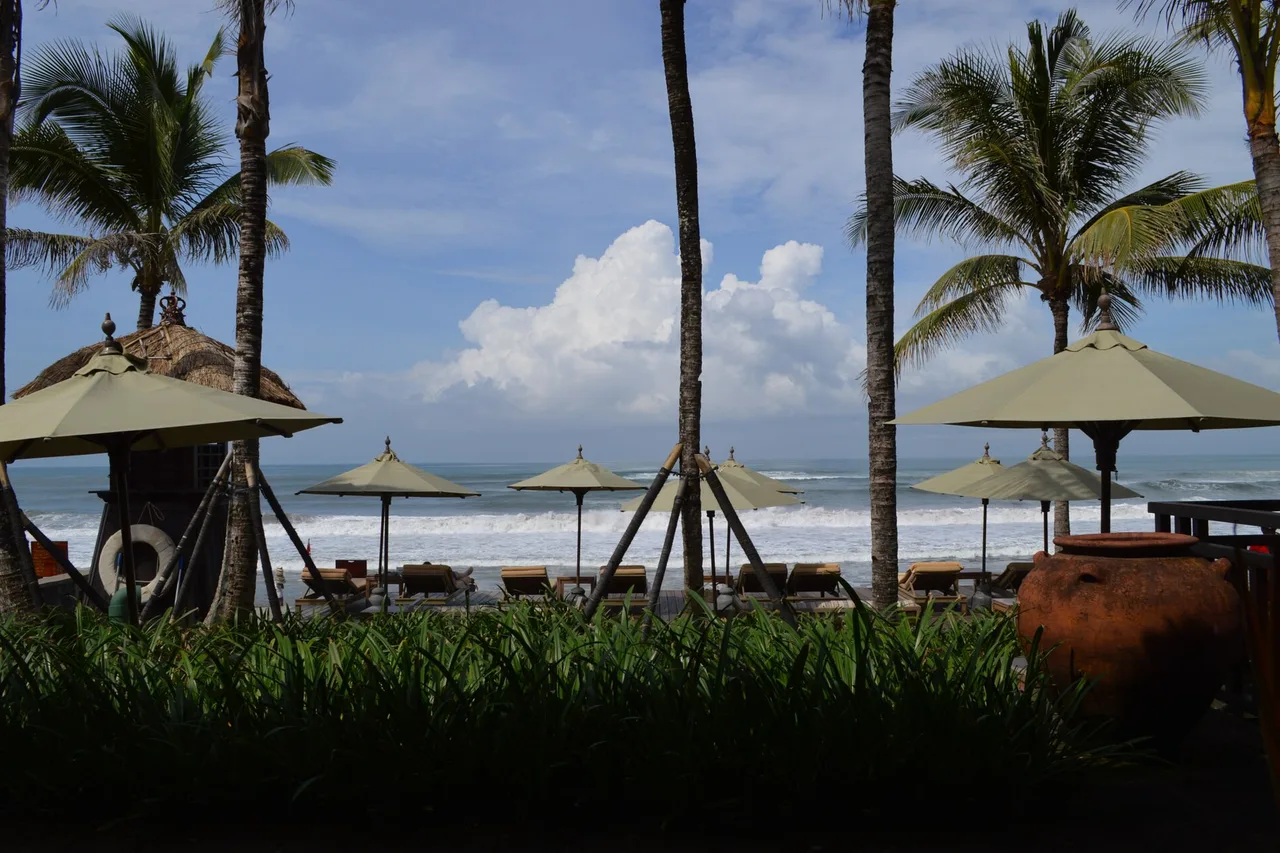
The restaurant “++” already mentioned, which inflates every bill by 15 to 21% while never appearing on the menu. And finally underestimated journeys: a Canggu–Uluwatu round trip by car eats half a day and a quarter of the daily transport budget, for a distance that looks short on a map. That is in fact the strongest argument for two or three bases rather than one — the full reasoning is in our two-week itinerary.
Spending less without giving anything up
Five decisions, taken before departure, beat all the haggling in the world. Travel in May, June, September or October: the same weather as August, without the high-season premium on accommodation. Stay in Ubud or Sanur rather than Canggu: the same standard structurally costs less. Spend at least five nights per base: fewer transfers, and access to longer-stay rates. Alternate warungs and restaurants rather than picking a camp. And rent a scooter by the week if you hold the licence, by the day if you do not.
Applied together, those five decisions bring the middle column — €774 for fourteen days — down towards €581, without cutting a single activity. That is what separates a tight budget from a cheap trip: the first makes choices, the second gives things up.
Top-rated activities in Bali, bookable online: