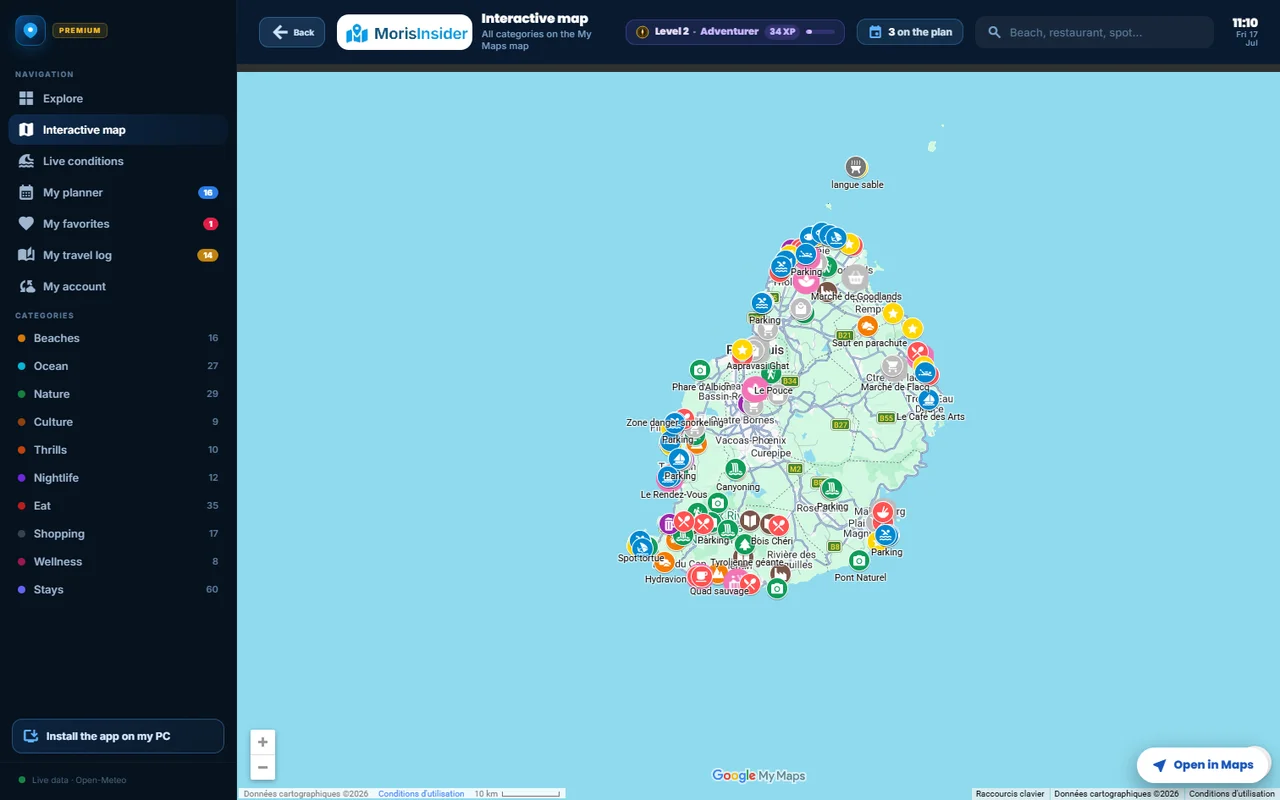
Some places sum up a whole island on their own. Le Morne is one of them. This mountain on a south-western peninsula blends everything that makes Mauritius magical: a summit steeped in history and listed by UNESCO, a translucent lagoon fanned by one of the best kite winds in the world, and a white-sand beach facing the ocean. Hike in the morning, kite in the afternoon, swim at sunset: Le Morne can be done in a day, but it deserves longer. To place every corner of the area at a glance, the island's map puts Le Morne and its surroundings on a single view, with today's weather included.
Budget tip: in Mauritius, some of your activities can cost you less. See how to save thanks to discounts on your activities.
We live here and run Moris Insider, the guide and map of Mauritius co-created with locals. No sponsored rankings, no invented figures: just what we genuinely know about Le Morne, to spare you timing mistakes and help you enjoy the best of it — whether you come for the mountain, the wind or simply the island's finest postcard.
Le Morne, far more than a mountain
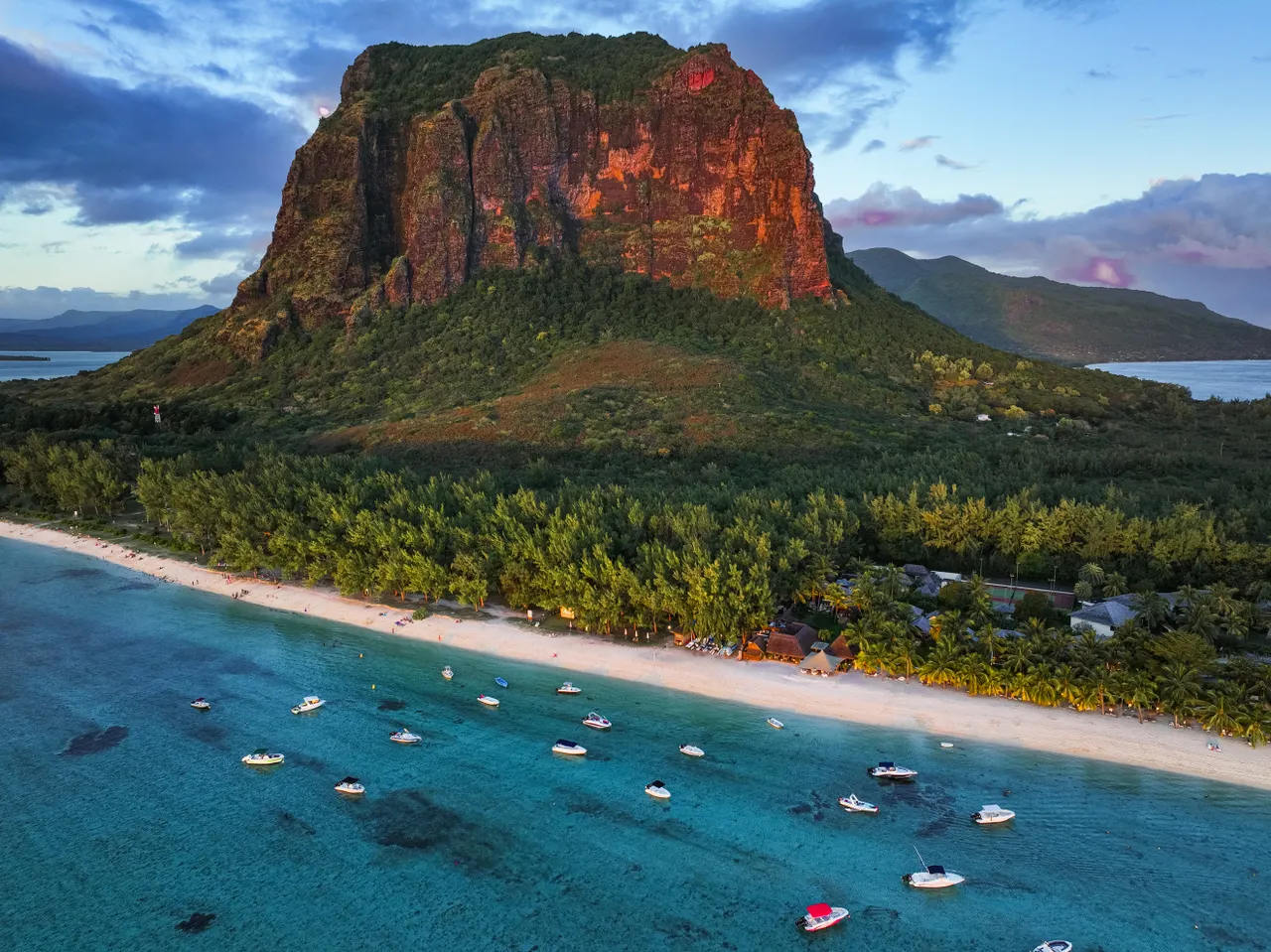
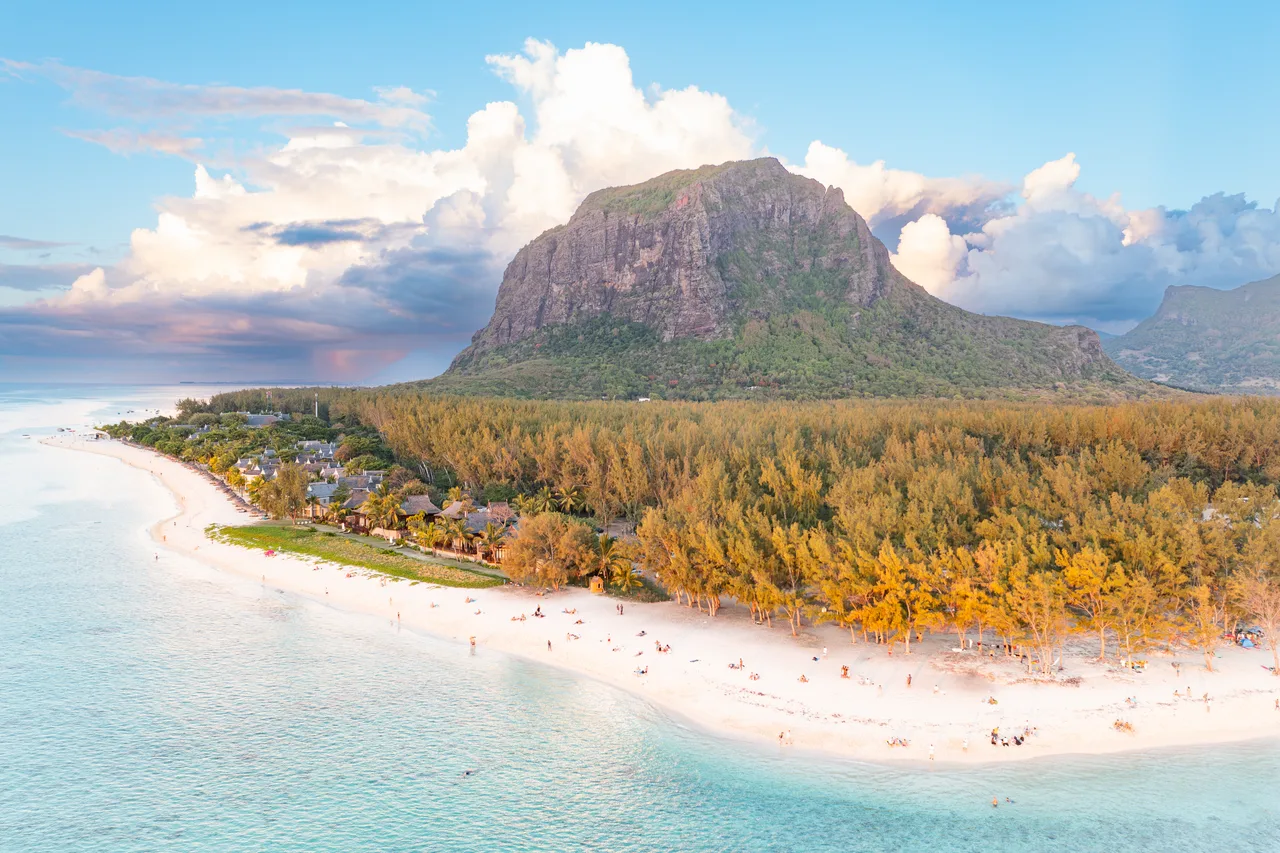
Le Morne Brabant is a 556-metre basaltic monolith at the extreme south-western tip of the island, on a peninsula ringed by the lagoon. You recognise it from afar by its massive, almost vertical silhouette that seems to rise straight out of the sea. But its true greatness is not geological: it is a place of memory.
In the 18th and early 19th centuries, escaped slaves (maroons) — those who had fled the plantations — took refuge on its steep slopes and in its near-inaccessible caves. The mountain became a universal symbol of resistance to slavery and the quest for freedom. It is on this basis that the Le Morne Cultural Landscape has been inscribed on the UNESCO World Heritage List since 2008. Knowing this completely changes how you look at the rock: behind the postcard lies a poignant story the island has never forgotten.
Hiking Le Morne Brabant
Good news: you can climb Le Morne. A public trail starts at the foot of the mountain and rises through an endemic forest of ebony trees, wild orchids and, with a little luck, the rare Mauritius kestrel. The first section, up to a plateau and its viewpoints, is within reach of any reasonably fit walker: it climbs, but nothing insurmountable.
The second section, up to the true summit, is another matter: steep, technical, with passages where you need your hands and, in places, fixed ropes. It is not advisable for beginners or in wet weather, when the rock turns slippery. For that stretch, a local guide is strongly recommended: they know the route, the weather and the history of the place. Allow roughly 3 to 4 hours round trip, set off early to beat the heat, and bring water, good shoes and sun protection. Before you head up, a look at today's weather and conditions will keep you from climbing in rain or strong wind.
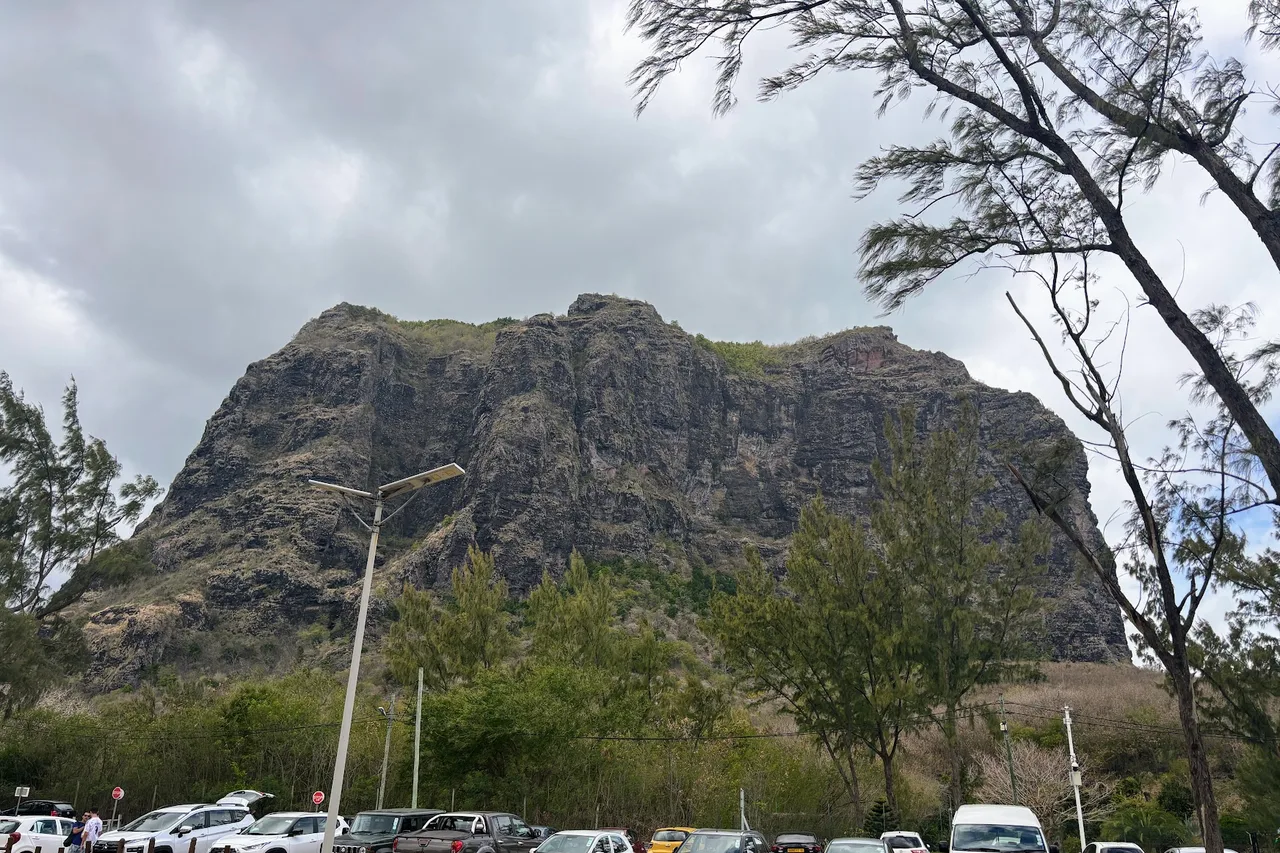
Kitesurfing: the legendary One Eye
If Le Morne is world-famous among watersports fans, it is for its wind. The peninsula is a paradise for kitesurfing, windsurfing and wing foiling, with a rare layout: a flat, shallow lagoon on the land side, and reef waves on the ocean side. Every level shares the same place.
The lagoon, warm and waist-deep across large stretches, is perfect for learning: several schools operate there and the sandy bottom forgives mistakes. Offshore, Le Morne's reputation is made on the waves, and above all on One Eye: a powerful, hollow left that peels along the reef, named after the eye-shaped rock visible at the foot of the mountain. It is a wave reserved for experts, one that forgives no error. Rider or curious onlooker, a glance at the thrill and board-sports spots helps you spot where the wind is best.
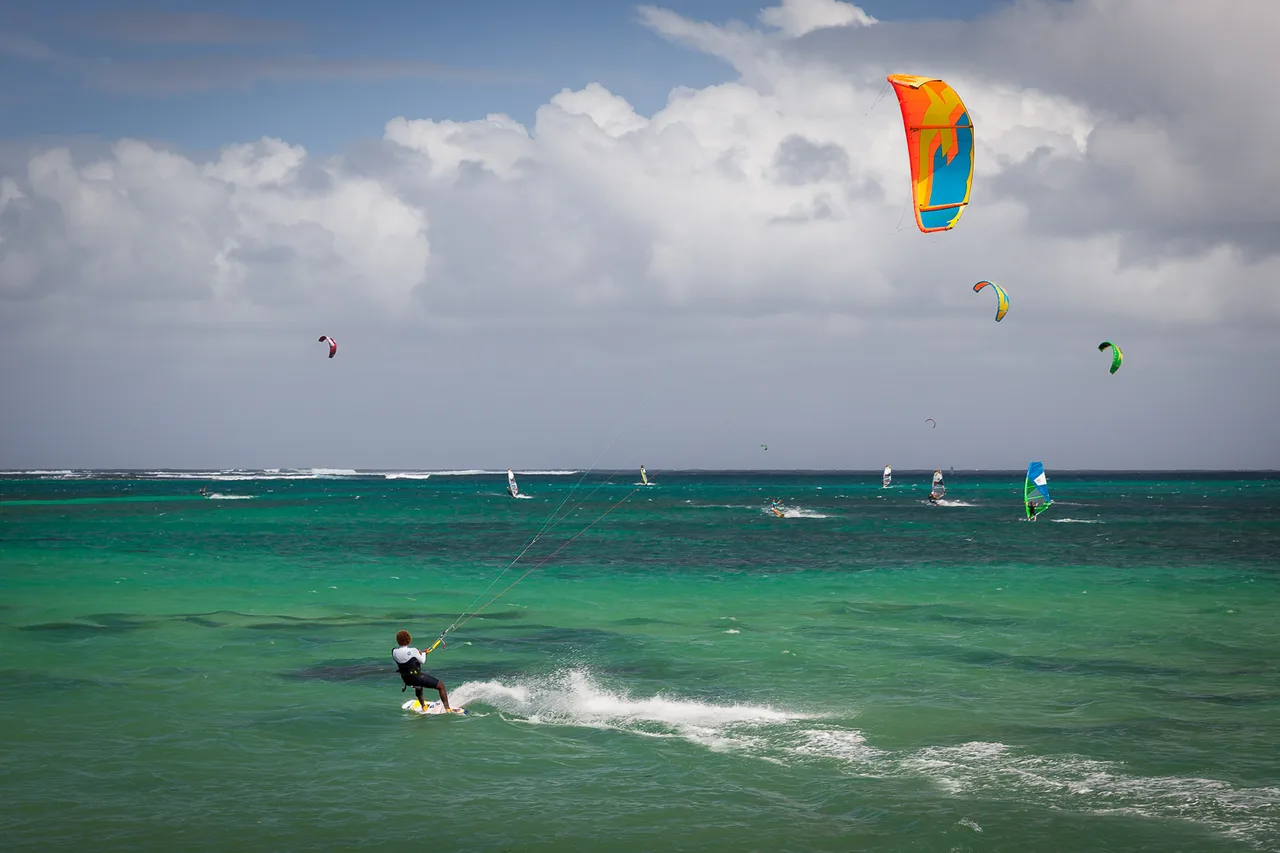
Le Morne beach and lagoon
Even without climbing or holding a kite, Le Morne is a treat. The Le Morne public beach is one of the finest on the island: a long ribbon of white sand, casuarina trees for shade, a turquoise lagoon and, as a backdrop, the mountain. The water is calm and shallow, ideal for family swimming and for snorkelling near the coral heads.
It is also one of the best places on the island for a sunset: the coast faces west, and the sky ignites behind the islet offshore. Arrive late afternoon, settle on the sand and let the light do the rest. To choose your beach by coast and current weather, let the app's beach selection guide you from one lagoon to the next.
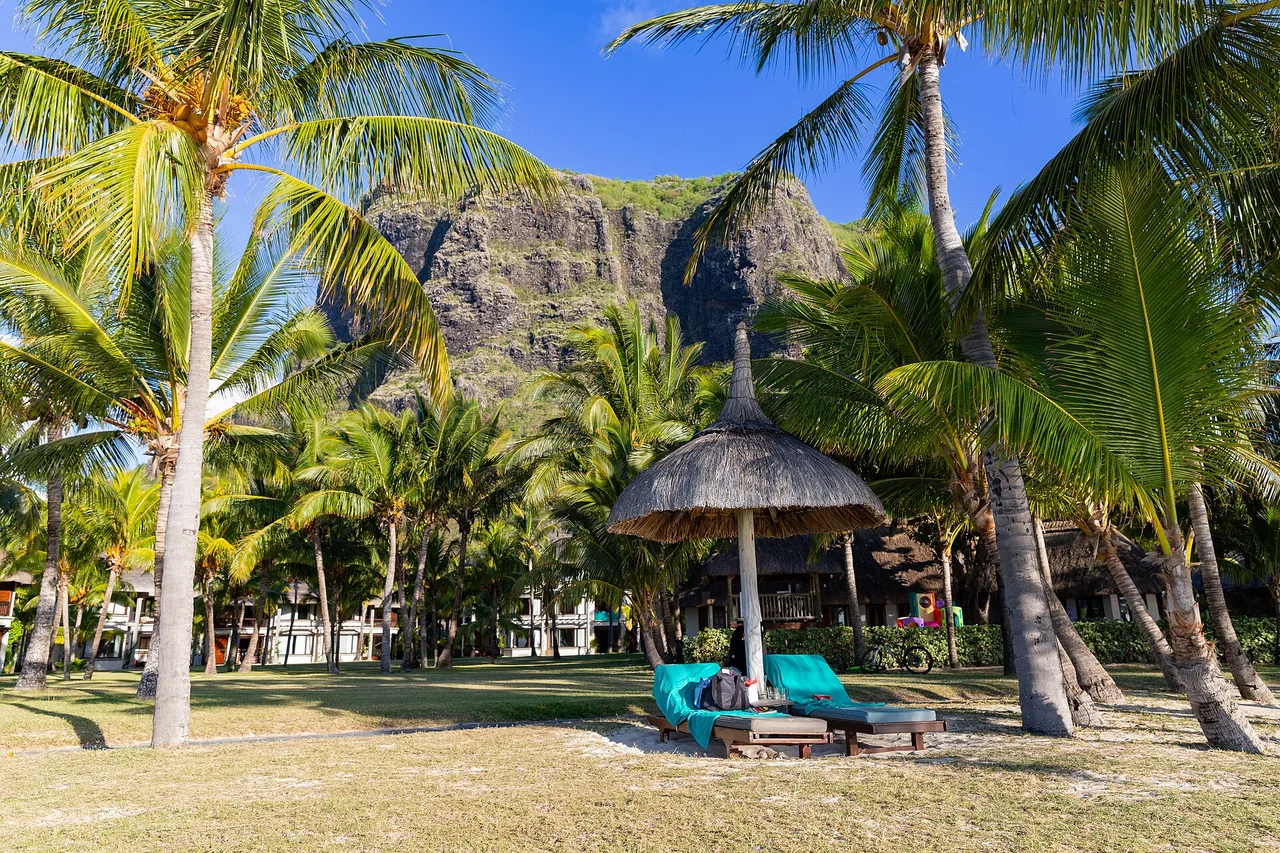
Around Le Morne: dolphins, islets and the south-west
Le Morne is not an isolated stop: it is the gateway to one of the island's most beautiful corners. Offshore, dolphins are often seen in the morning, as they come to rest near the Rivière Noire coast — a sight to watch respectfully, without chasing them. Nearby, boat trips head out to Île aux Bénitiers and its unreal water.
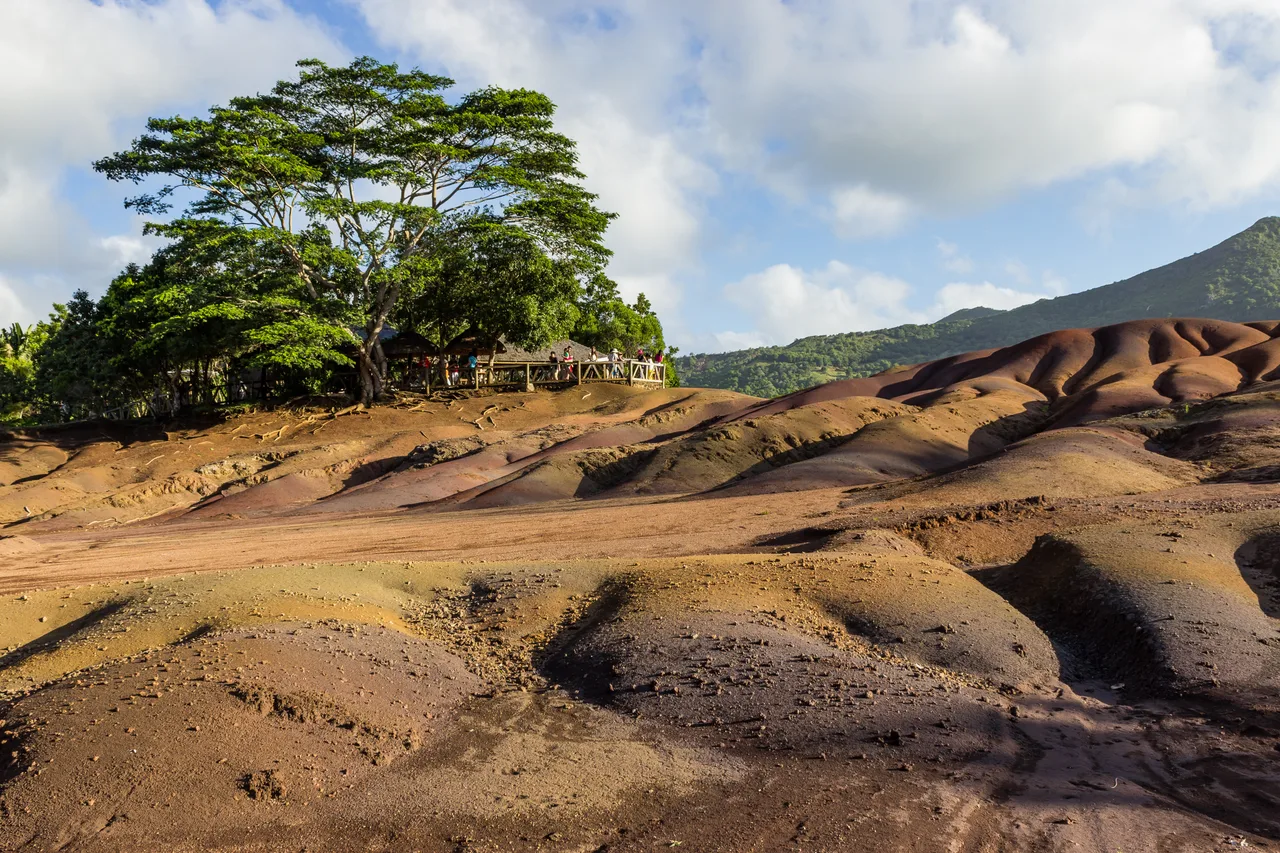
Heading inland, the south-west unfolds its wonders: the waterfalls and coloured earth of Chamarel, the mountain-road viewpoints, the forest and gorges of Rivière Noire. In short, you can easily spend several days exploring from Le Morne. To build a coherent trip, dip into the app's nature spots and link mountain, waterfalls and lagoon without zigzagging.
When to come: wind, seasons and weather
The best time depends on what you're after. For kitesurfing and sailing, aim for the trade-wind season: the south-easterly wind blows most steadily from May to October, peaking between June and August. That's the austral winter, cooler and windier — perfect on the water, a little brisk for sunbathing.
For hiking and the beach, the shoulder seasons (April–May and September–October–November) offer a fine balance: mild weather, warm sea and less wind on the trails. The austral summer (December to March) is hot and more humid, with possible tropical showers — not a deal-breaker, but worth watching for the Le Morne climb, which is best avoided in the rain. Either way, the south-west's weather changes fast: check it the very morning rather than the day before.
Explore the island like an Insider
Moris Insider brings together hundreds of spots checked on the ground, today's weather coast by coast and a day planner. €24.90 once, for life. 30-day money-back guarantee.
Discover the app →Practical info: access, parking, respecting the site
Le Morne is at the south-western tip of the island. From the north (Grand Baie), allow about an hour and a half along the west coast via Flic en Flac and Rivière Noire; from the airport (in the south-east), a little less. A rental car is by far the easiest way to get there and explore the area — buses serve the region but are slow. Parking is easy near the beach and the trailhead; arrive early at weekends.
Full guide: Renting a Car in Mauritius: Tips & Pitfalls to Avoid
On site, a few reflexes: set off early for the hike, leave no litter, keep to the trails and keep your distance from the dolphins at sea. The site is inhabited, cultural and protected: you cross it as a guest. To fit hike, kite and beach in without rushing, the planner to organise your days helps you spread activities according to the weather and your energy.
A local's final word
If we could keep just one Mauritian scene, many of us would choose Le Morne. Not only for its beauty — though sunrise on the mountain and sunset over the lagoon are unforgettable — but for what it tells. It is a place where nature and history answer each other, where you can sweat on a trail in the morning, fly across the water in the afternoon, and end barefoot in the sand thinking of those who, here, risked their lives for freedom.
Our advice: take your time. Don't reduce Le Morne to a photo. Climb with a guide, listen to the wind, salute the mountain. And if you extend into the south-west, keep room for the unexpected: that's often where, between two stops, Mauritius truly reveals itself. To plan what comes next, have a look at our 7-day itinerary.
The real Mauritius, in your pocket
Spots checked on the ground, real-time weather coast by coast and a day planner. €24.90 once, for life. 30-day money-back guarantee.
Discover the app →