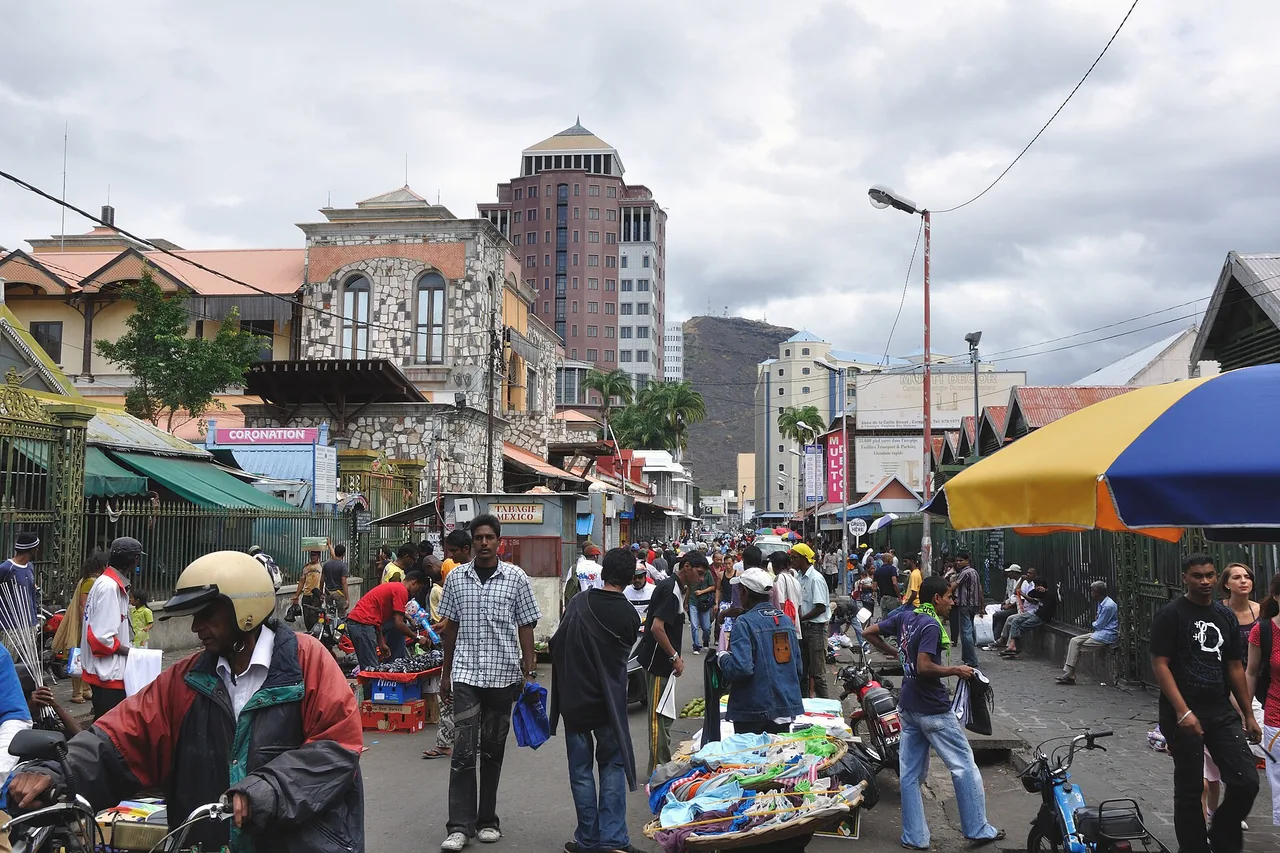
If you do only one "non-beach" thing in Mauritius, make it this: spend a morning in a market. This is where the island shows itself as it truly is — Creole, Indian, Chinese, European, all at once — between a pyramid of pineapples, a hand-painted sign promising miracle herbal teas and the smell of chilli cakes fresh out of the oil. The trick is picking the right market on the right day: each one has its own character and its own calendar. We live here, and this is our market tour — with the 225 places of the app to build the rest of the day around.
Budget tip: in Mauritius, part of what you do can cost you less. See how to save money with discounts on your activities.
We run Moris Insider, the guide and map of Mauritius co-created with locals. No "partner" shop to steer you towards, no commission waiting at the end of the lane: just the markets where we actually do our shopping, and how to enjoy them the Mauritian way.
Why markets are the true heart of the island
Mauritius was built in successive waves — enslaved Africans and Malagasy, Indian indentured workers, Chinese traders, French then British settlers — and nowhere is that blend as visible as in a market. The vegetable seller calls out in Kreol, the grocer chalks prices in rupees, the flower lady threads marigold garlands for the temple, and the dholl puri stand draws one shared queue across every community. A Mauritian market is the island in concentrate — a scene that will feel both familiar and wonderfully different whether you arrive from London, Mumbai or Johannesburg.
It is also, very practically, the best place to eat well and buy well: fruit is picked ripe, the street food is excellent and souvenirs usually cost less than in hotel boutiques — our guide to Mauritian street food will tell you what to taste once you are there. All that remains is choosing your market: here are the four genuinely worth the trip, from the most monumental to the most authentic.
Port Louis: the Central Market, a living monument
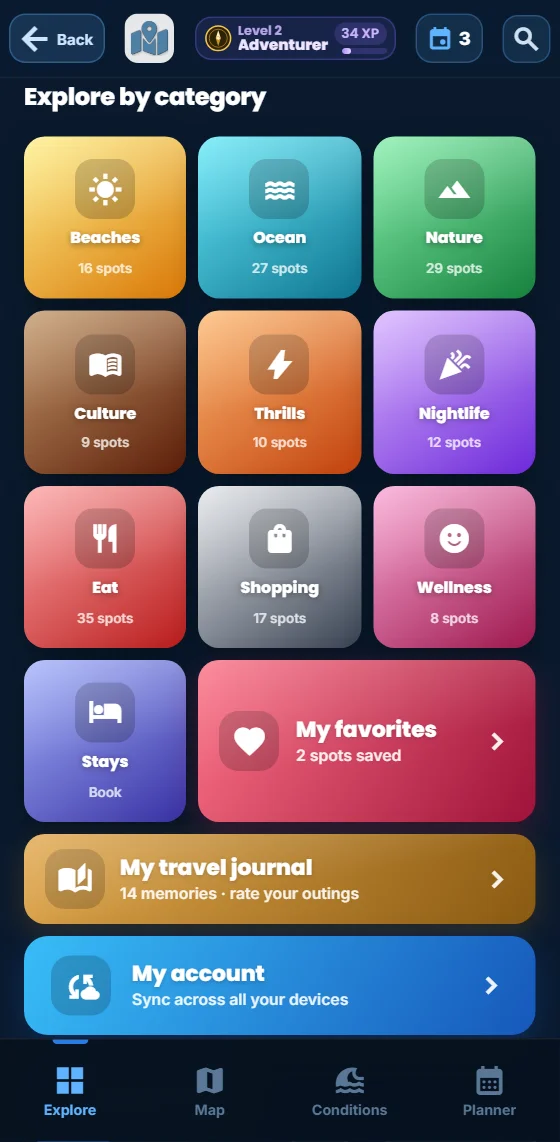
Start with this one. The Central Market of Port Louis, in the heart of the capital a few steps from the Caudan Waterfront, was born in 1839 under British rule: its Victorian wrought-iron gates still bear witness. Ravaged by fires, it was extensively renovated between 2001 and 2004 while keeping its original character — and its status as a monument of Mauritian daily life. It runs Monday to Saturday, roughly 5.30am to 5.30pm, and Sunday mornings only.
Inside, every world has its quarter: mountains of vegetables and tropical fruit, butchers and fishmongers, spices, and one of the most photogenic stalls on the island — the herbal tisane sellers, whose hand-painted signs promise to cure just about everything, from flu to heartbreak. Upstairs and in the adjoining lanes come the souvenirs, baskets, pareos and bagged spices: this is where the haggling begins.
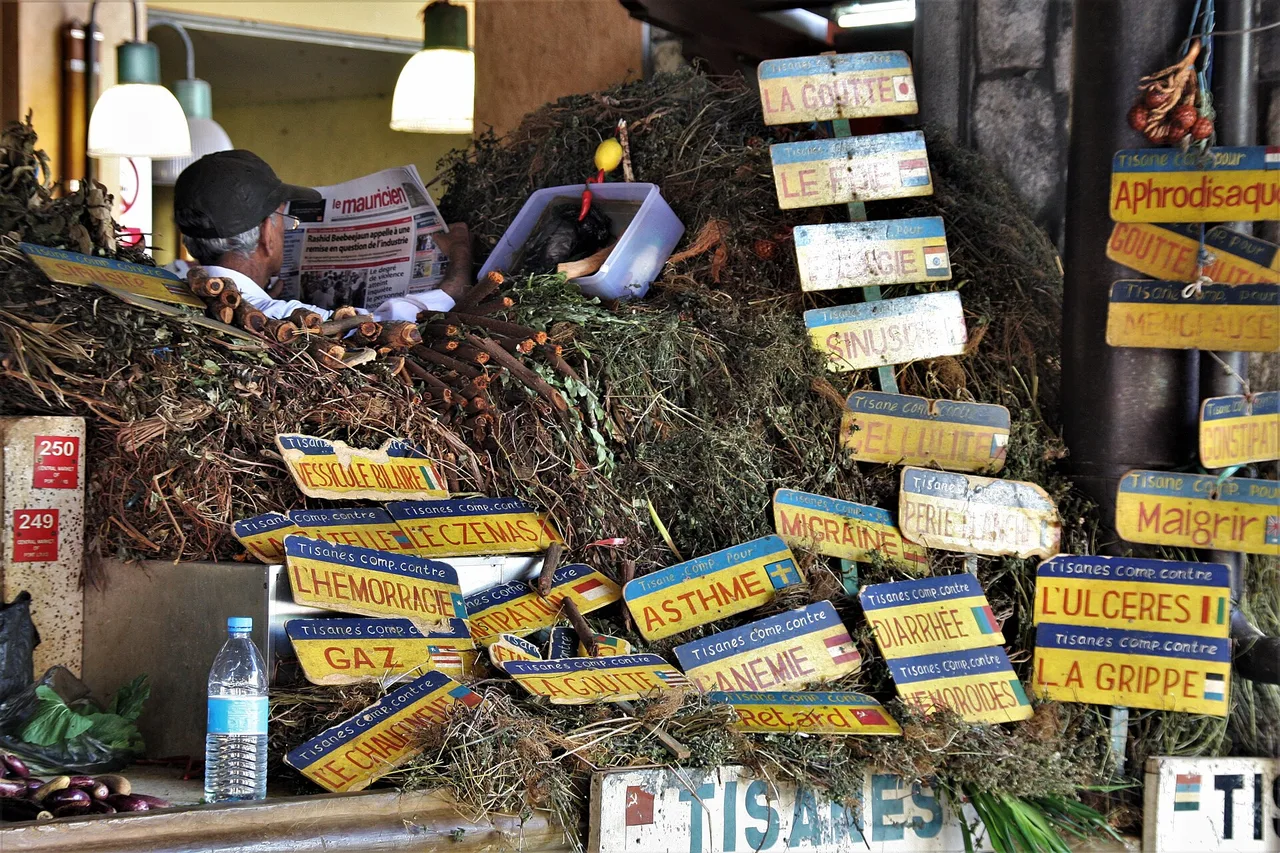
Our advice: come early on a weekday morning, when Port Louis residents do their shopping and the stalls are full. Grab a dholl puri at the counter, a glass of chilled alouda, and drift — the bazaar needs no map. Avoid Sunday afternoons and public holidays, though: the market sleeps.
Flacq: the biggest open-air market
In the east, the market of Centre de Flacq plays in another league: it is the largest open-air market on the island. It lives all week, but its big days are Wednesday and Sunday, when the permanent traders are joined by dozens of pop-up stalls: fruit, vegetables, spices, flowers, clothing, accessories, street food — whole lanes where you hear very few foreign languages and a great deal of Kreol.
Flacq is the ideal market to pair with an east-coast day: the beaches of Belle Mare, the lagoon of Trou d'Eau Douce, or the crossing to Île aux Cerfs. To plan the loop without surprises, the app's explorer map places the spots around Flacq and shows land and sea weather zone by zone — handy for knowing whether the lagoon will be glassy while you fill your basket, and for tracing a timed road trip on the real roads of the east.
Quatre Bornes and Goodlands: textiles and local life
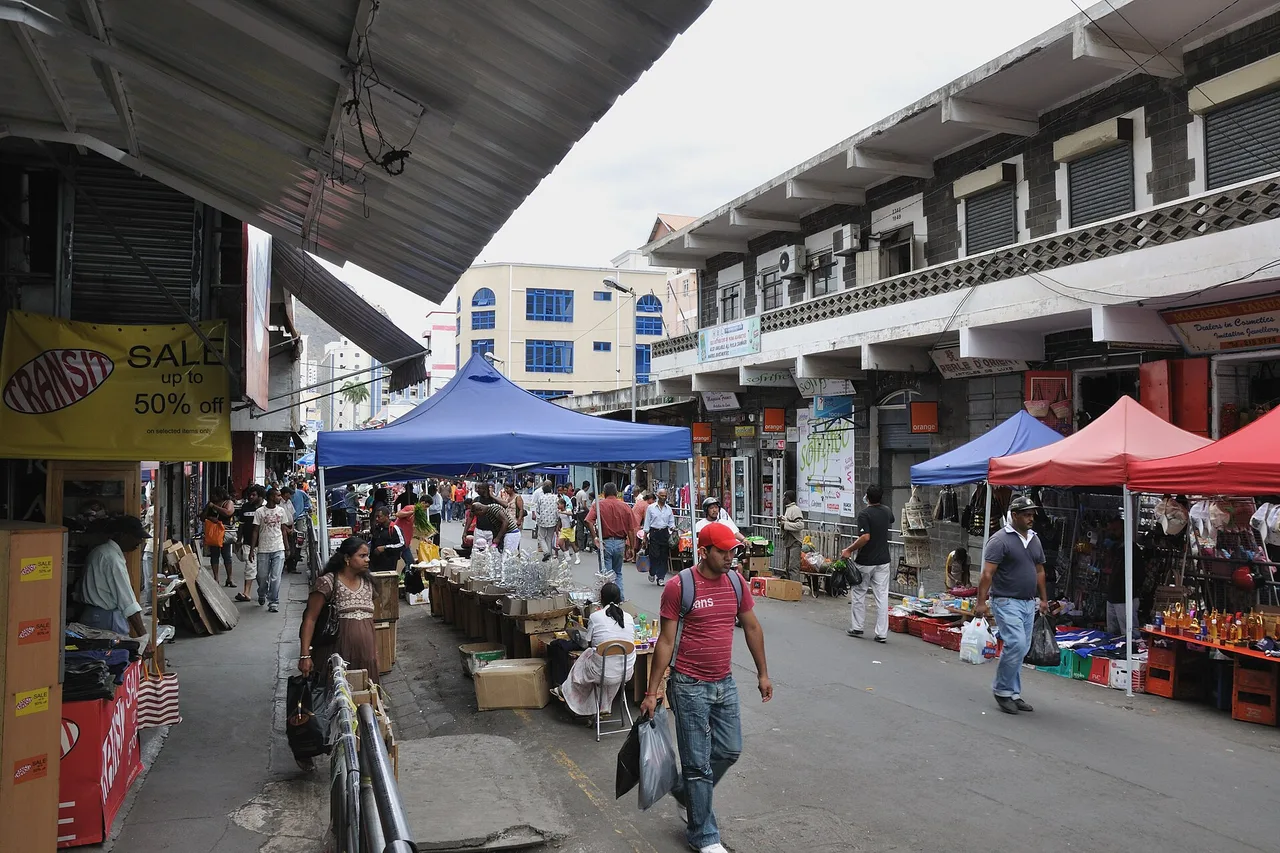
Up on the plateau, the Quatre Bornes fair is the country's textile institution: t-shirts, shirts, saris, pashminas, fabric by the metre, household linen — at prices that make visitors from the UK or South Africa smile. Its big clothing days are Thursday and Sunday; the atmosphere is dense, very local, and the best finds reward a good rummage. If you owe pareos to the whole family back home, this is the place.
Far in the north, Goodlands market is our favourite for one simple reason: tourists almost never come. On Tuesdays and Fridays the lanes fill with clothes, shoes and fabrics; on Wednesdays and Saturdays the fruit and vegetables of the northern planters take over. Nobody hassles you, prices are what Mauritians pay, and you leave with the rare feeling of having seen the island unfiltered. For more classic shopping, all the locals-approved Shopping spots are in the app, from village markets to the craft shops that genuinely earn their prices.
Mahébourg: the Monday market on the bay
In the south-east, Mahébourg offers the finest setting: a historic village on the bay of Grand Port, where the last great Franco-British naval battle was fought. Its covered market, opposite the bus station, runs every day — lagoon fish, dried octopus, fruit, vegetables — but Monday is the day to come: the fair then spills into the streets, from the waterfront to the lanes of the centre, and the whole south-east converges on the village.
Scalding chilli cakes, samosas, pineapple with chilli salt, handicrafts: a whole morning slips by before you move on to the National History Museum or the wild coast nearby. If your Mauritian week is already filling up, the app's agenda lets you pin each market to its right day — Monday for Mahébourg, Thursday for Quatre Bornes — and build the rest of the trip around those fixtures.
Explore the island like an Insider
Moris Insider brings together 225 hand-picked places, today's weather coast by coast and a road trip planner on the real roads. €24.90 once, for life. 30-day money-back guarantee.
Discover the app →Insider tips: haggle, taste, bring home
Come early. Every Mauritian market lives in the morning: at 8am the stalls overflow; by 3pm the best produce is gone. Early also means cooler — a market under the midday sun in the austral summer is an ordeal.
Pay cash, small notes. Rupees are easy to withdraw everywhere, but a 2,000-rupee note for three mangoes will complicate everyone's morning. Keep the change from earlier purchases.
Haggle in the right places. On souvenirs, textiles and handicrafts — especially in tourist bazaars like Grand Baie's, open daily — bargaining is part of the game, always with a smile. On fruit, vegetables and street food, prices are set for local customers: haggling there would be out of place.
Taste on the spot. Dholl puri, chilli cakes, samosas, alouda, pineapple with salt and chilli: market street food is one of the great Mauritian experiences, and the locals-approved Eat spots carry the experience far beyond the market lanes.
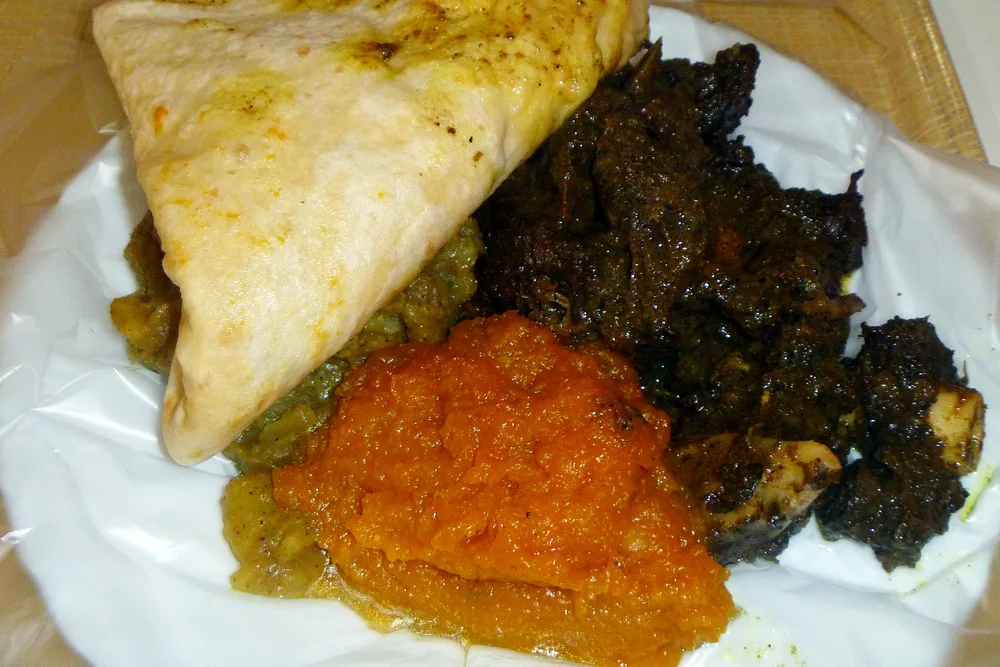
Bring home the useful things. Bagged spices, vanilla, Mauritian tea, chilli paste, woven baskets: light, typical, and bought directly from the people who sell them all year round. Just check your country's customs rules for fresh produce.
A local's word
A tourist photographs the market; a traveller shops in it. The difference is small: dare to ask the name of an unfamiliar fruit, accept the pineapple quarter handed over the stall, come back the next day to greet yesterday's vendor. Mauritians are proud of their markets — rightly so — and a simple "bonzour" opens the lanes in a different way.
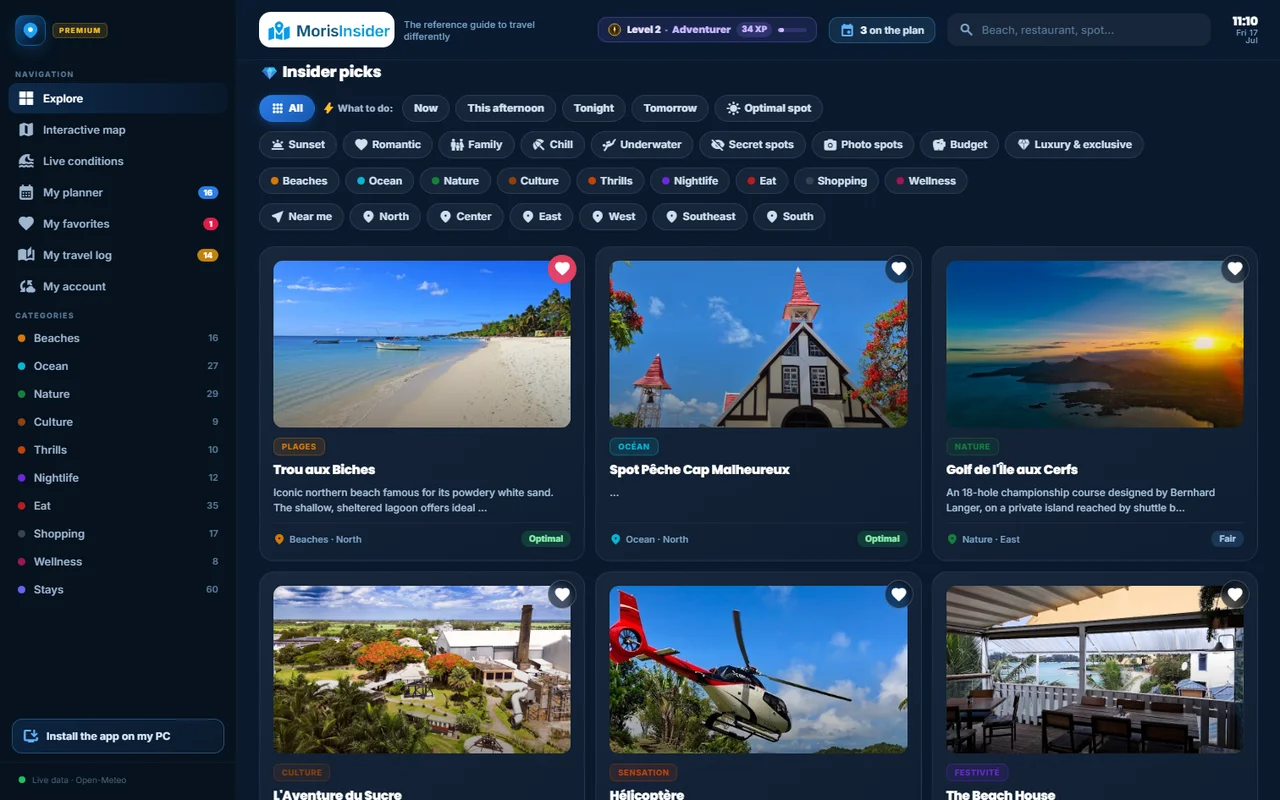
So put a market — at least one — into your Mauritian week. And note your finds as you wander: the app's travel logbook keeps your spots, notes and photos, from the first dholl puri to the last mango.
The real Mauritius, in your pocket
The interactive explorer map: 225 hand-picked places, live weather coast by coast and timed road trips. €24.90 once, for life. 30-day money-back guarantee.
Discover the app →