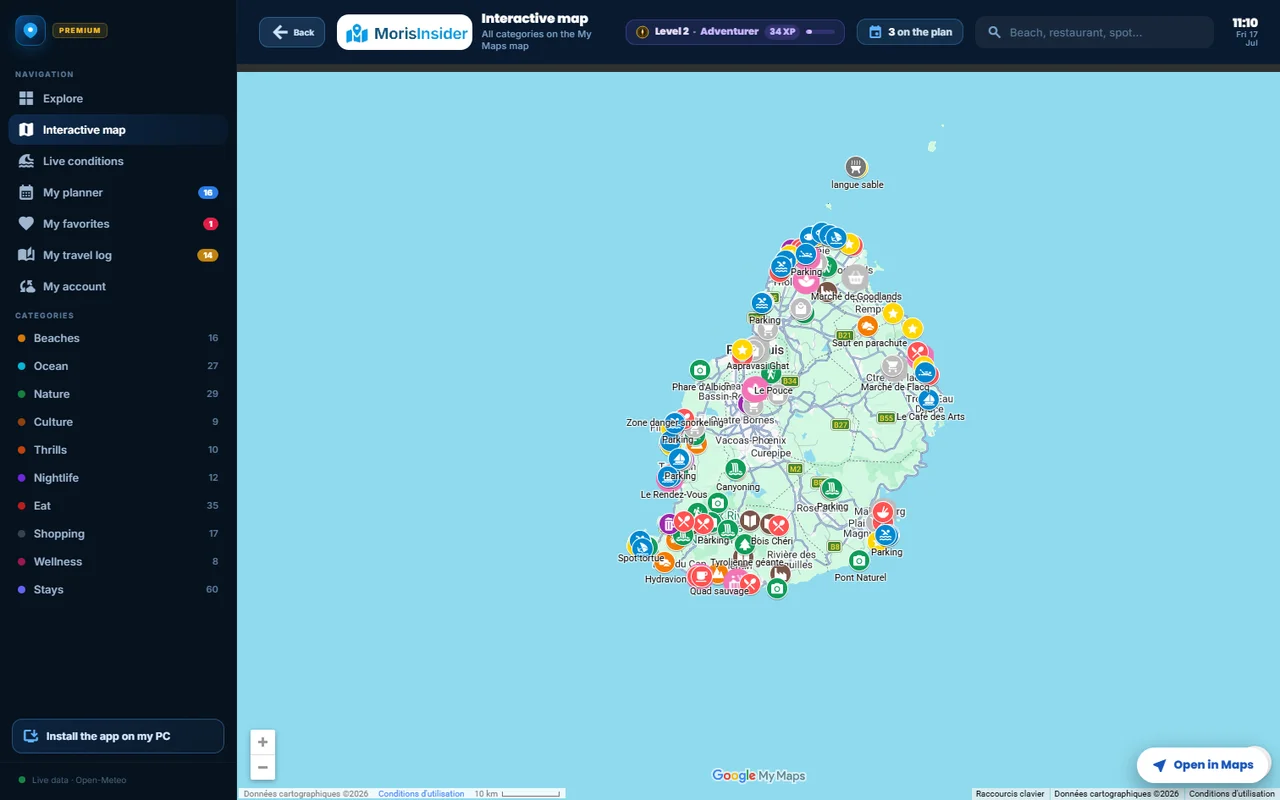
In Mauritius, a car is not a luxury: it is the key that unlocks the island. The finest beaches, the wild south and the inland waterfalls are reached neither by bus nor on an organised tour — but behind the wheel, at your own pace. Still, renting here has its rules: you drive on the left, insurance hides traps, and the deposit can surprise you. Here is the honest guide to renting smart, avoiding nasty surprises and driving with peace of mind. To picture everything a car opens up, the free island map pinpoints every spot at a glance, today's weather included.
Budget tip: in Mauritius, some of your activities can cost you less. See how to save thanks to discounts on your activities.
We live here and run Moris Insider, the guide and map of Mauritius co-created with locals. This guide invents nothing: no fixed prices, no sponsored ranking. Just the real rules of the Mauritian road and the reflexes that make the difference between a smooth holiday and a day wasted at a rental desk.
Should you rent a car in Mauritius?
Honestly, yes — as soon as you want to leave your hotel. The island is small (you can cross it in about two hours), but public transport does not keep up with a curious traveller. The bus is very cheap and picturesque, but slow, crowded at peak times and absent from remote corners. Taxis by the day are handy but soon add up if you move every day.
A car sets you free: leaving early for a still-empty beach, switching coasts with the weather, stopping at a roadside food van you spotted. It is also the only way to reach the secret beaches and the interior without depending on anyone. Even before you book, a glance at today's conditions already tells you which coast to favour.
Licence, age and paperwork: what really matters
Good news: the paperwork is light. For a tourist stay, your national driving licence is enough for around four weeks. An International Driving Permit is only truly needed if your licence is in a non-Latin script (Arabic, Cyrillic, Chinese); in that case a certified English or French translation also does the job. Always keep the original on you.
On age, the real constraint comes from insurers: most rental firms require a minimum of 21 and a licence held for more than a year. Some push to 23 or 25, or add a young-driver surcharge. Also bring a credit card in the driver's name for the deposit (prepaid cards are often refused) and your booking voucher.
Driving on the left: how it actually works
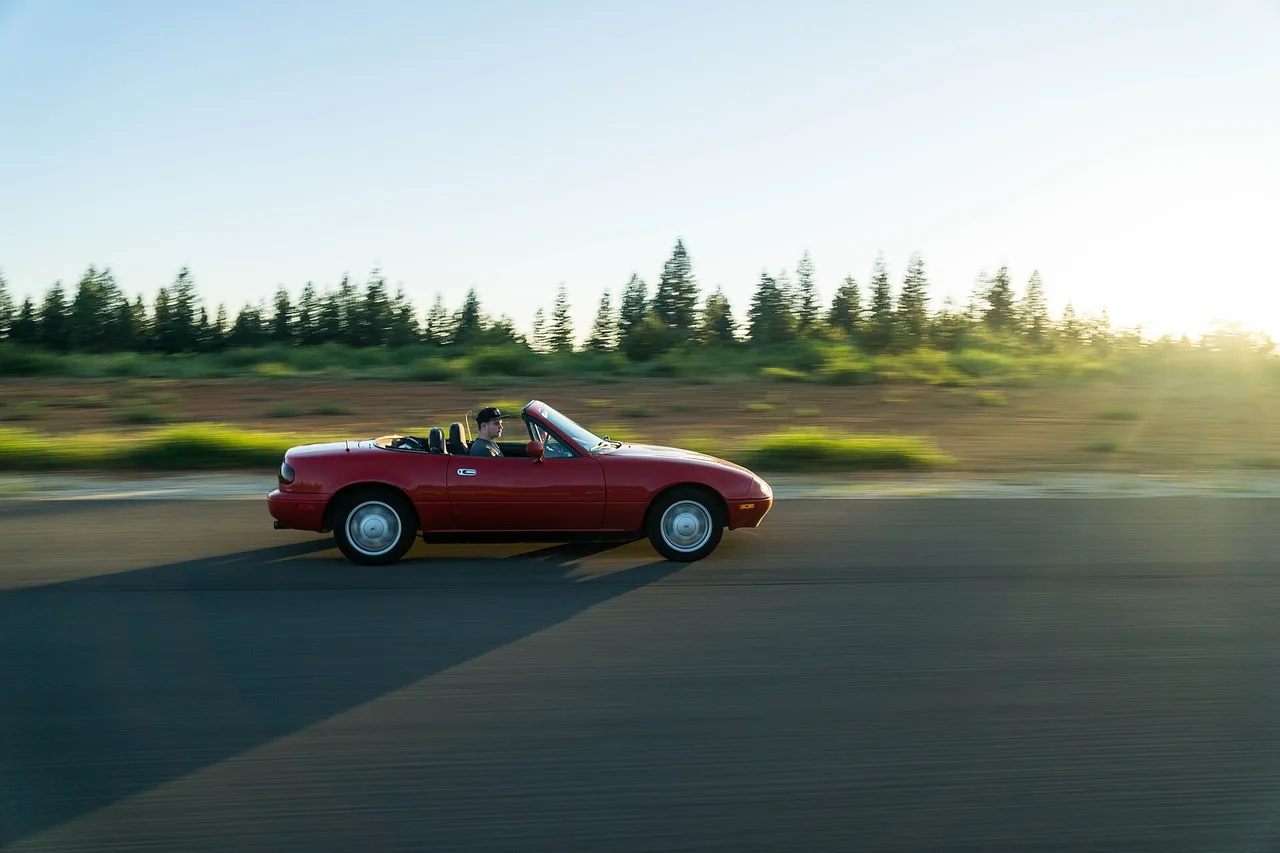
This is what worries people most, and it is really just a matter of habit. In Mauritius, a British legacy, you drive on the left and the wheel is on the right. The first few hours call for focus: keep in mind "the driver sits toward the centre of the road", and let a local or a passenger second you for the first kilometres.
The real test is the roundabouts, everywhere: priority goes to vehicles already on it, arriving from your right. Add narrow village roads, speed bumps, pedestrians, dogs and buses that stop without warning, and rule number one is to drive slowly. To avoid improvising your stops, the app's spot categories help you build a coherent route rather than zigzagging across the island.
Explore the island like an Insider
Moris Insider gathers hundreds of locally checked spots, today's weather coast by coast and a day planner. €24.90 once, for life. 30-day money-back guarantee.
Discover the app →Choosing your rental company: local firms or big brands
Two worlds coexist. The big international brands (airport desks, reassuring online booking) offer a standardised setup, but often pricier and with options charged à la carte. Local firms are generally more affordable, more flexible on hotel delivery, and run by people who know the island — provided you read the contract carefully.
Either way, book ahead in high season (December–January, July–August), ask for airport delivery at Plaisance (in the south-east) or at your hotel, and favour a small city car: it goes everywhere, parks easily and sips fuel. To line up pick-up and drop-off stress-free, the planner to organise your days keeps a slot for every step.
Full guide: Where to Stay in Mauritius: Which Coast to Choose
Insurance, deposit, inspection: the real traps
This is where the nasty surprises hide. Rentals almost always include basic insurance (CDW) with an excess that can be high in the event of damage. Two reflexes: ask for the exact excess amount, and know that windscreen, tyres and undercarriage are often excluded. An excess-waiver option or a well-chosen travel insurance spares you the scares.
The deposit is blocked on your credit card at pick-up: make sure your limit covers it. And above all, do a thorough walk-around inspection before leaving: film and photograph every scratch, rim, bumper and the fuel level, with the agent present. It is your best protection against a damage bill "discovered" on return.
On the road: motorway, roundabouts, villages
The network is better than you would expect. A motorway (M1, M2, M3) crosses the island north to south and serves the airport; the main roads are decent. Limits are 110 km/h on the motorway, 80 km/h on main roads and 50 km/h in towns, with cameras and checks. Seatbelts are compulsory front and rear, and drink-driving is a no: tolerance is close to zero.
The real challenge is not speed but the traffic around Port-Louis at peak times (morning and late afternoon), which can be heavy. Avoid the capital at those hours, beware of night driving (uneven lighting, pedestrians, unlit two-wheelers) and keep a margin. A look at today's weather also helps you dodge the tropical showers that make the road slippery within minutes.
Fuel, parking and practical life
Petrol stations are plentiful in towns and along the main axes, fewer in the wild south and the interior: fill up before heading into a remote corner. You will find unleaded and diesel; many take cards, but keep some cash just in case. Phone GPS works very well on the island — a local SIM or a data plan makes navigation comfortable.
Full guide: Mauritius eSIM: which network, which price — and when the tourist SIM wins
Parking is simple and often free outside town centres; in Port-Louis and the Plaines Wilhems towns, watch for paid zones (tickets to display, sold in booklets). For beaches, arrive early: the best shaded spots go fast at weekends. And jot your favourites as you go into your travel journal to find them again next time.

What a car opens up: the four corners of the island
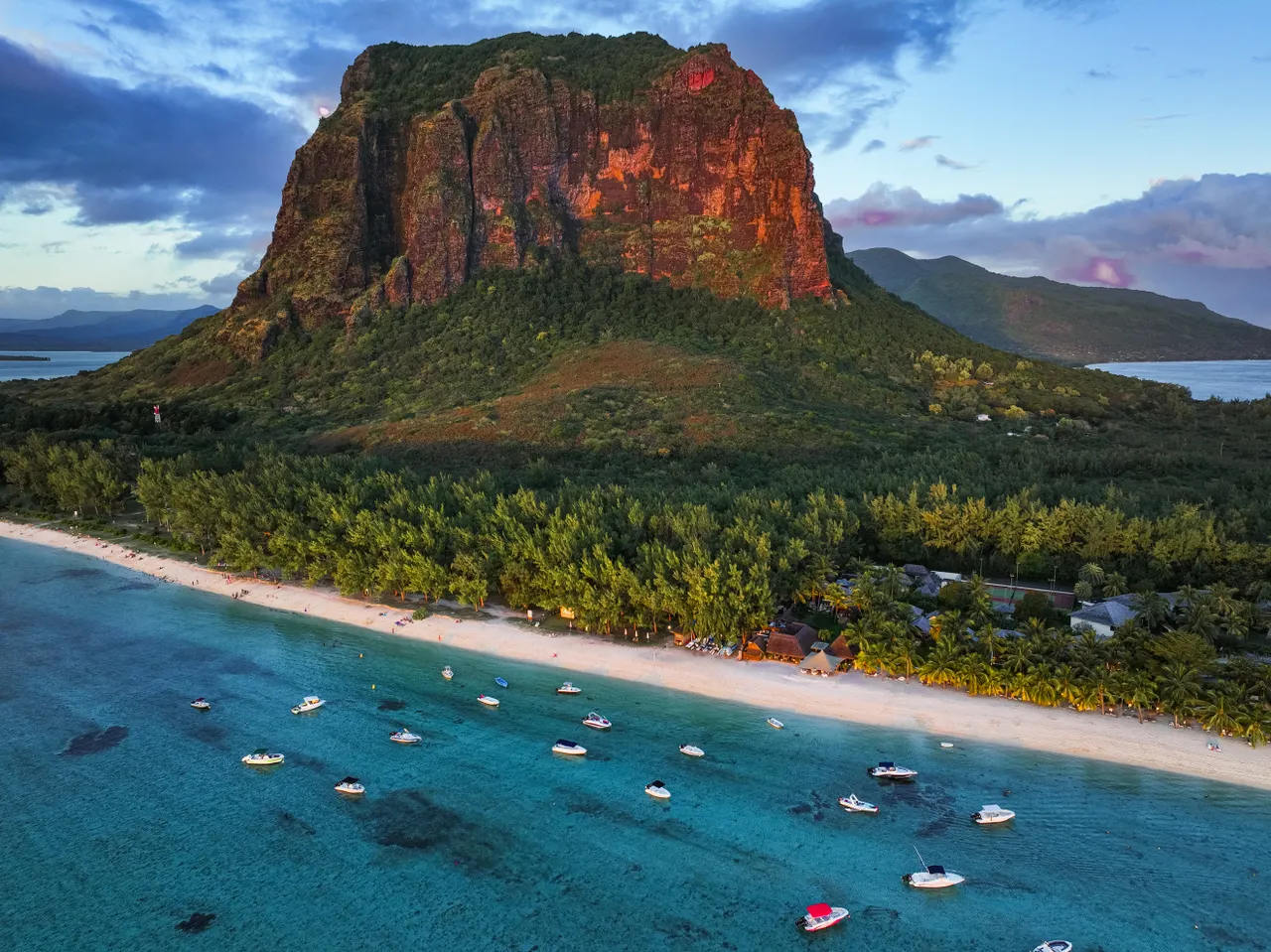
This is the real reward. In the north, Grand Baie and its lively beaches, Cap Malheureux and its red-roofed chapel. In the west, Chamarel, the Seven Coloured Earth and the mountain-road viewpoints. In the wild south, Gris-Gris, the cliffs and an ocean-battered coast that neither the bus nor the tours really serve.
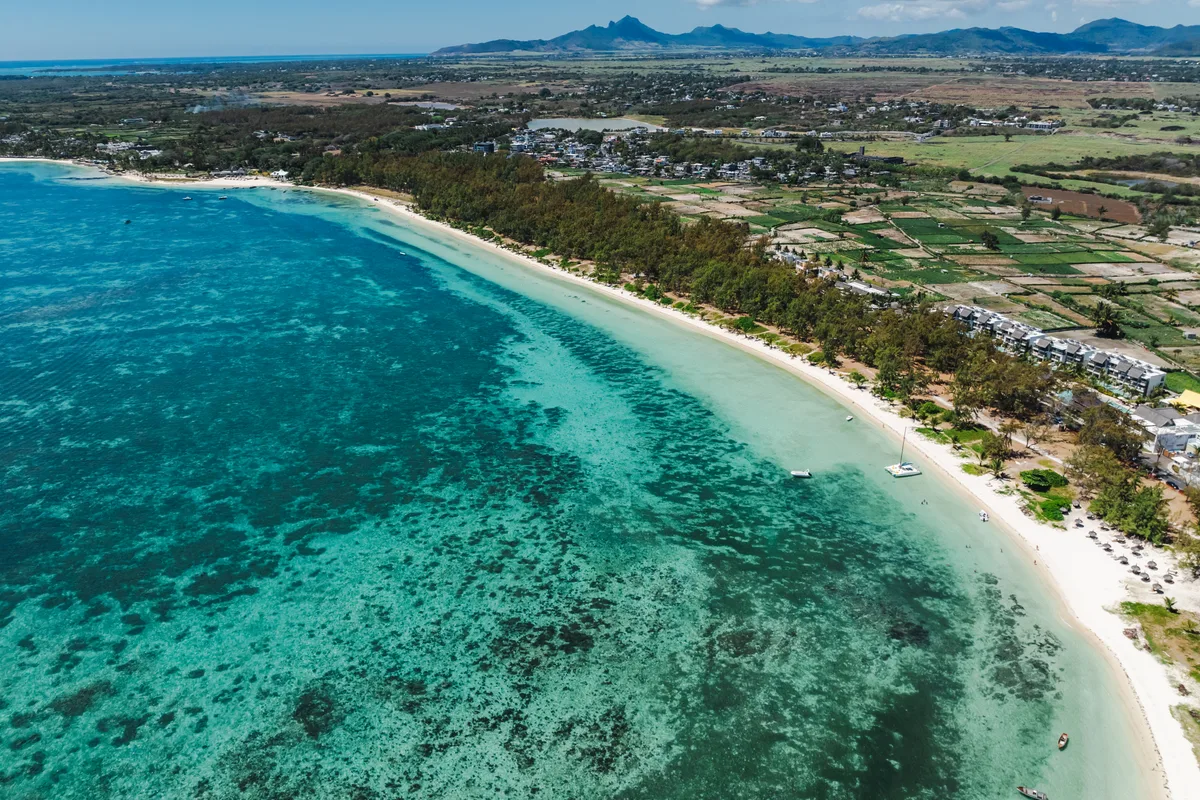
And in the east, the long beaches of Belle Mare and the Trou d'Eau Douce lagoon where boats leave for Île aux Cerfs. With a car, you shape your day around the wind and your mood rather than a bus timetable. So you miss no gem near you, let the app's beach selection guide you along the coast.
A local's final word
Renting a car in Mauritius is not just transport: it is what turns a beach holiday into a real discovery of the island. The freedom to set off at dawn, to stop where no one stops, to chase good weather from one coast to another — that is what a car gives you, and no tour will replace it.
Our only advice: drive slowly, read your contract, film the inspection, and let yourself go. The island rewards those who slow down. Plan your loops ahead with our 7-day itinerary, and always keep room for the unexpected: in Mauritius, the finest memories are often at the end of a side track.
The real Mauritius, in your pocket
Locally checked spots, real-time weather coast by coast and a day planner. €24.90 once, for life. 30-day money-back guarantee.
Discover the app →