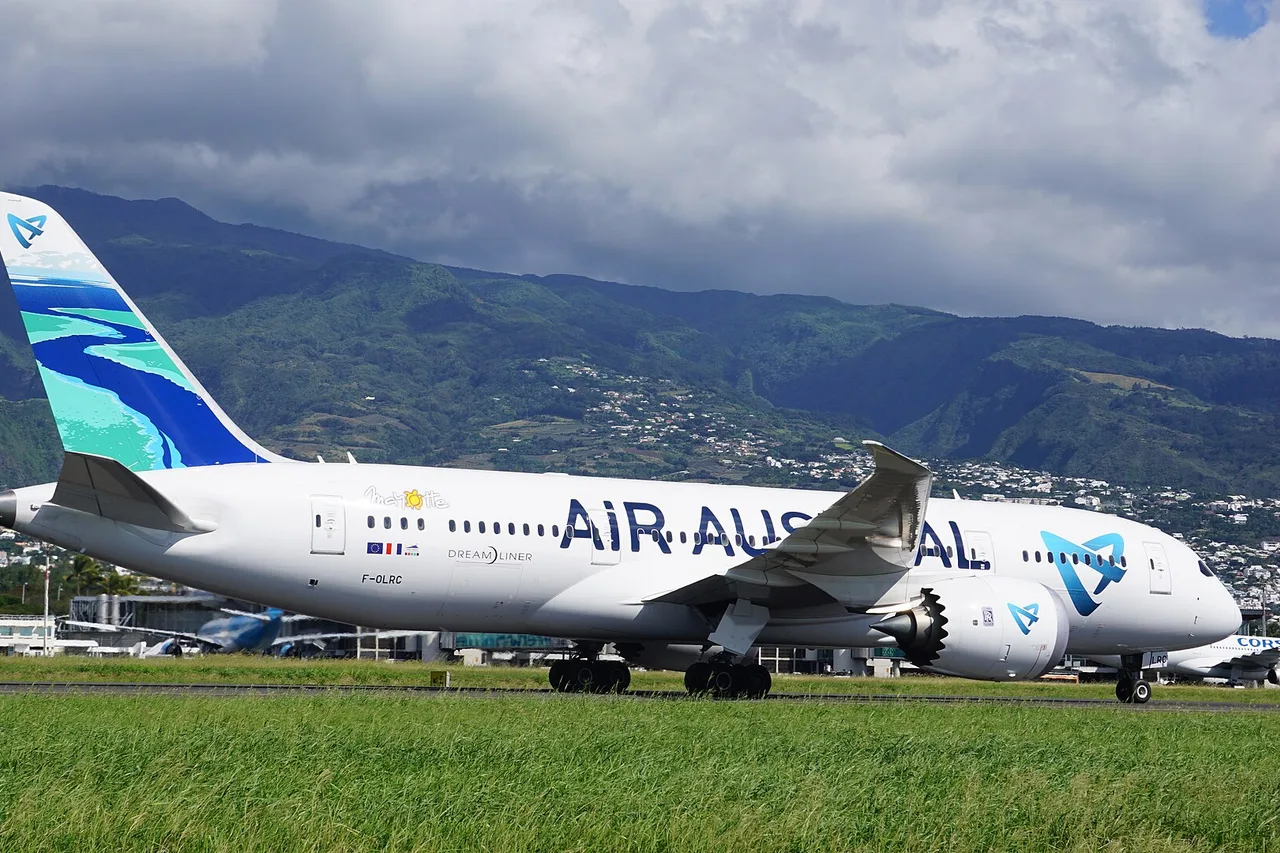
On Réunion Island, a car is not a comfort — it is the key to the island. The finest moments here — the Maïdo at dawn, the volcano before the clouds roll in, trailheads at 6 am — can only be reached behind the wheel. The good news: renting is easy and fairly affordable, provided you know the real prices, read the lines that bite — excess, deposit — and know what awaits your tyres, from the 420 bends of Cilaos to the coastal road. Here is the full guide, checked in September 2026.
Do you really need a car?
Let’s be honest: to follow the coasts, the Car Jaune network does the job for next to nothing — 2 € a ticket, 6 € a day, 15 € a week. But no bus climbs to the Maïdo at 5 am, none drops you at Pas de Bellecombe before the clouds, and trailheads are earned at dawn. That is the difference between seeing Réunion and merely crossing it.
The maths is quick: the island is visited in loops — the west and its lagoon, the wild south, the east and its waterfalls, three cirques at the end of three dead-end roads. Our 10-day itinerary shows it plainly: without a car, half the programme collapses. Verdict: yes, rent — but rent smart. Here is how.
The real rental prices in 2026
On long rentals (7 days and more), a small city car starts at 20-25 € per day — 200 to 250 € a week — with the island’s agencies. At the Roland-Garros airport counters, the same car runs closer to 35 € per day in low season, climbing to 65 € per day at the December peak, when the diaspora flies home just as holidaymakers land. An SUV goes for 60 to 90 € per day booked early.
Two lines to watch on the quote: the airport surcharge, billed 35 to 38 € per rental by several Roland-Garros brands — picking the car up in town, or from an agency that delivers, can erase it — and the options added by default: child seat, second driver, a GPS your phone replaces perfectly well.
The golden rule: book before you arrive, months ahead — up to 25 % saved, and above all the certainty of actually having a car. In high season the whole island rents at once and the fleets sell out. International networks and local firms share the market: compare both, looking less at the headline price than at what it includes — which brings us to the next point.
Excess, deposit, insurance: read before you sign
This is where the bad surprises hide. At the counter, a deposit of 400 to 1,500 € depending on the category is blocked on the main driver’s card for the whole rental — and many brands require a credit card in that driver’s name, not a debit card. Check your card limit before you fly and warn your bank: a refused hold at the desk means a rental that falls through.
The excess — what stays at your charge in case of damage — can be bought out: from the rental firm, through an independent policy that is often cheaper, or via certain premium bank cards that include it. Read what the buy-out covers: tyres, rims, underbody and windscreen — the first casualties of mountain roads — are regularly excluded.
Finally, the habit that costs nothing and saves everything: photograph the car from every angle, at pick-up AND at return, existing scratches included. Those time-stamped photos are your only evidence in a dispute — on Réunion as anywhere.
Driving on Réunion: what changes, what doesn’t
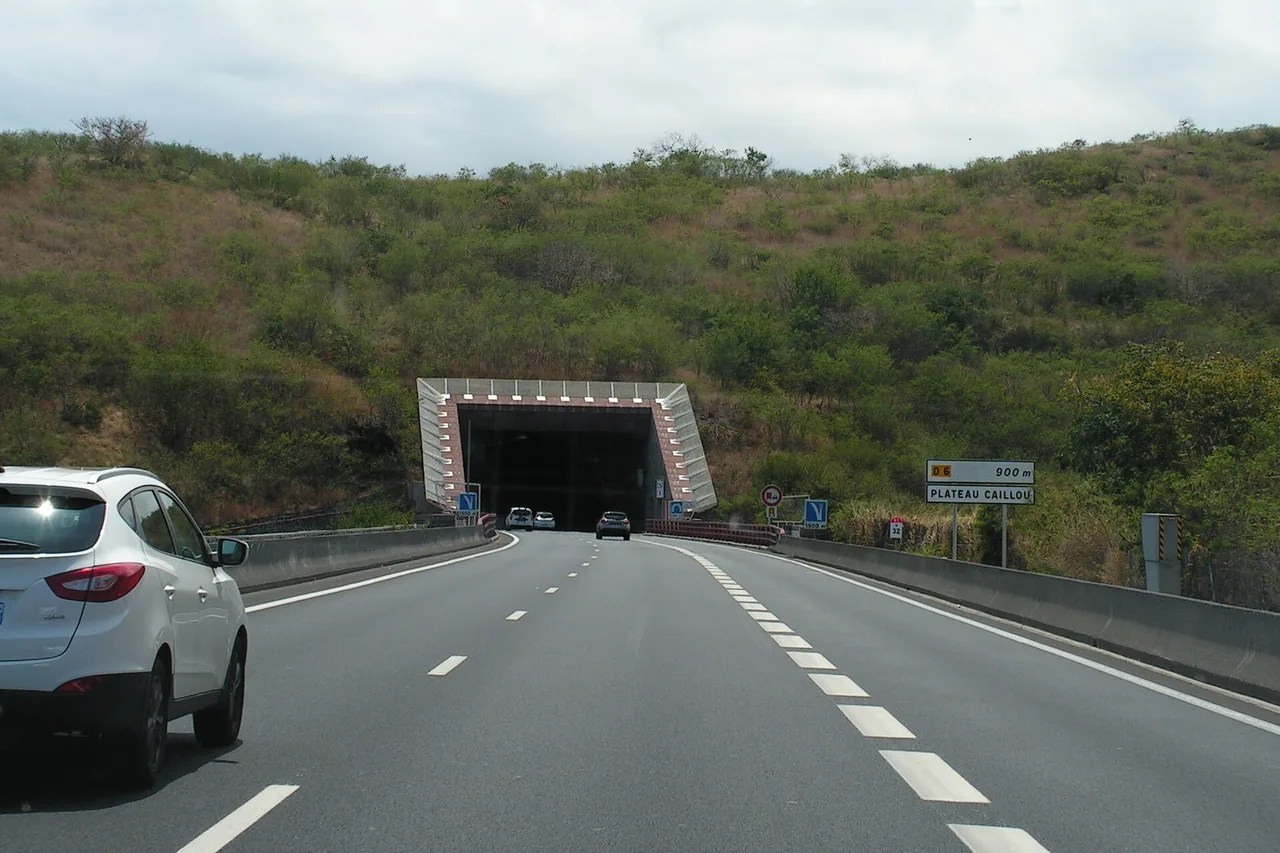
The exotic stops at the roadside: this is France. Driving on the right, the French highway code, alcohol capped at 0.5 g/L (0.2 g for new licences), and a French or EU licence is enough; from outside the EU, add an official translation or an International Driving Permit. The roads are all free — there is not a single toll on the island.
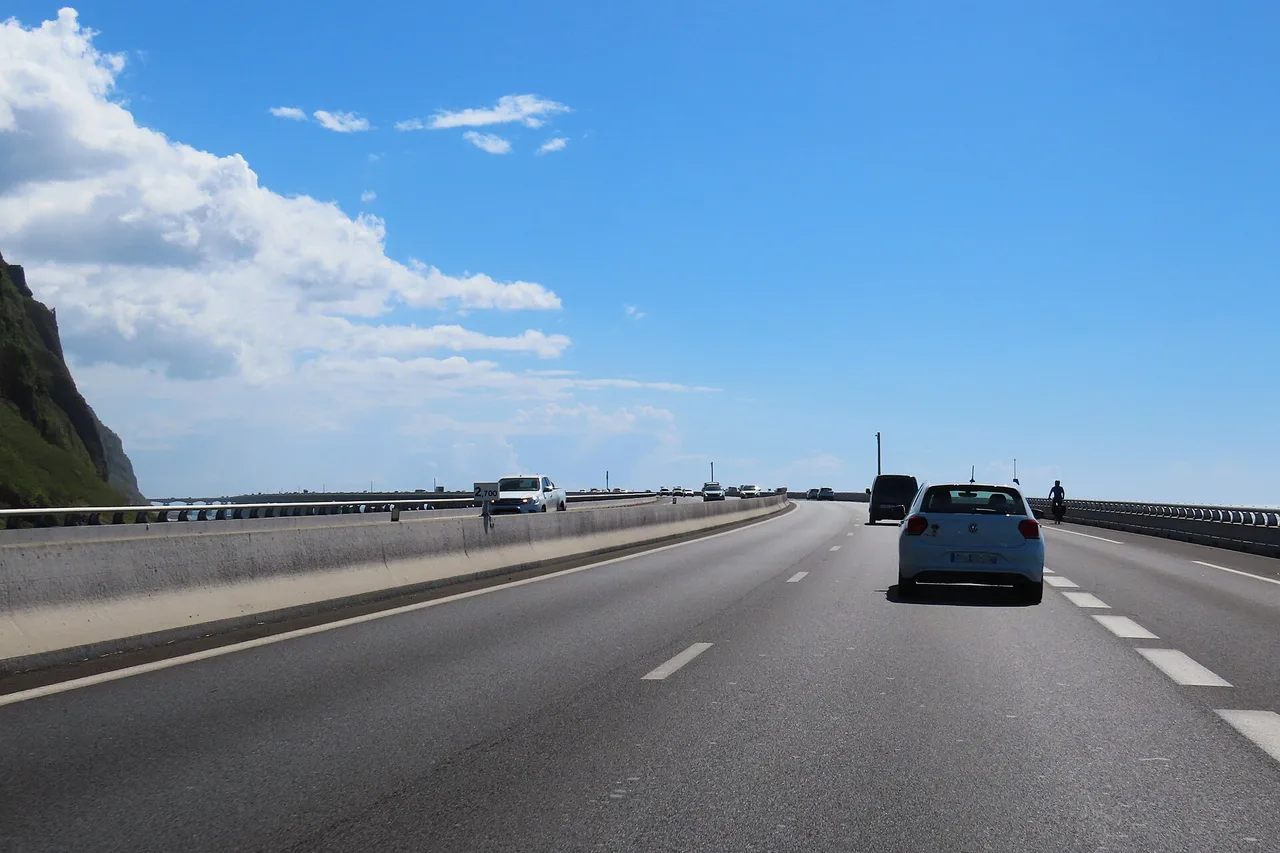
The backbone is the Route des Tamarins: an expressway on a balcony above the ocean, limited to 110 km/h (90 in the tunnels)… and closely watched — speed cameras are numerous, and the 140 km/h readings they catch regularly make the local press. Fuel, meanwhile, is not something you shop around for: its price is set each month by prefectoral decree, identical across the island — on 1 September 2026, 1.83 € per litre of unleaded, 1.68 € for diesel.
A word on the coastal road between Saint-Denis and La Possession: the great sea viaduct is in service, but the last section of the Nouvelle Route du Littoral remains under construction until around 2030 — and in heavy rain the old cliff road drops to reduced lanes, traffic jams included. More generally, the island rises early: the rush hours around Saint-Denis and the west are very real. Set your long drives at dawn — you will drive better, and the light is finer.
The mountains: the real driving test
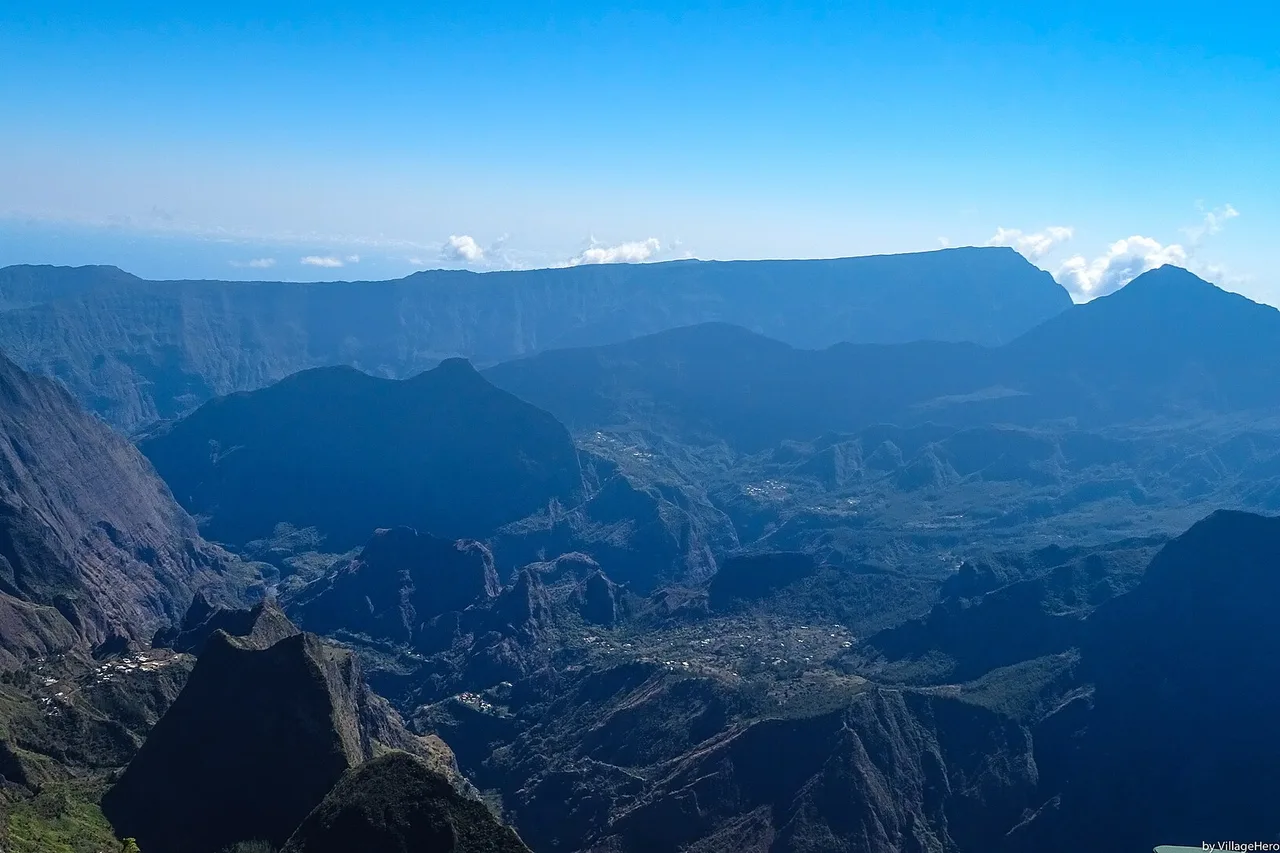
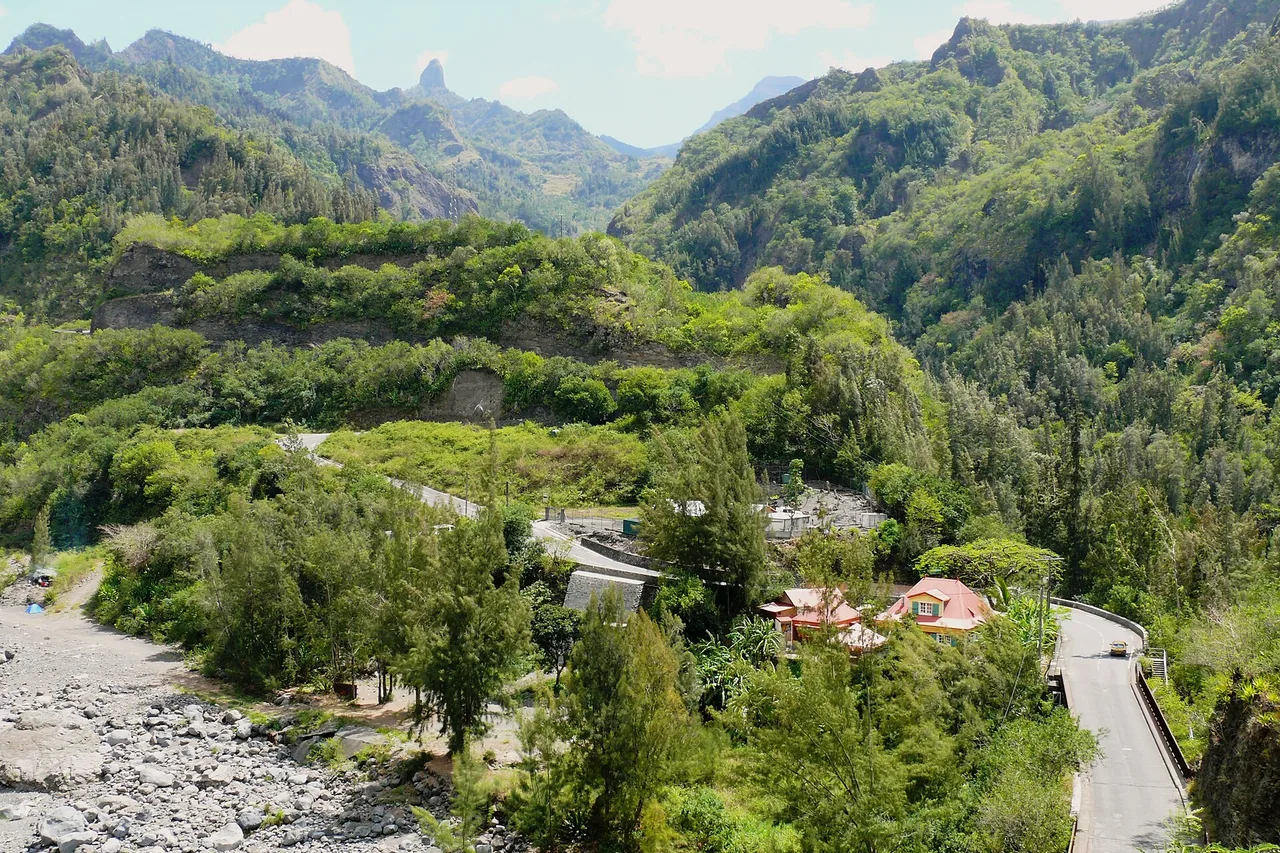
The traps of Réunion driving are not in town — they are at altitude. The Cilaos road strings together some 420 bends in 37 km — our guide to Cilaos tells the story of that mythical climb. Give a short horn blast in the narrow cuts, let the locals pass, and on the way down use engine braking in a low gear: brakes overheating over 1,200 metres of descent is the local classic.
Other local reflexes: fill up before climbing — petrol stations thin out with altitude —, beware the afternoon fog on the heights (leave early, come down before it settles), and in heavy tropical rain, simply renounce: flooded fords and rockfalls are not negotiable. Our guide on when to visit Réunion explains how the seasons work.
As for the vehicle, a small city car is enough — tourist roads are paved — but an engine with torque (diesels are popular here) makes the climbs back out of the cirques more serene. And the least predictable trap: leave nothing visible in the cabin, neither at trailheads nor at beaches — the smashed window for a bag left on the seat is the island’s most common theft. At the gates of Mafate, the guarded car park at Col des Bœufs (5 € a day, 14 € overnight) is worth every euro — our Mafate guide takes you there.
A local’s word
Renting on Réunion is no obstacle course: it is a mature, competitive market where the calendar sets the price far more than the brand. Book early, refuse the options you will not use, photograph everything, and spend the savings on carris and viewpoints. A small car, a full tank, a dawn start: that is all the logistics this island asks for — it takes care of the rest. To place the car within the whole budget, our guide to Réunion trip costs lays out every figure.