No, Reunion Island is not overpriced. It is a French overseas department, so expect European prices — but with quirks that change everything: fuel prices are capped by the préfecture, the island’s best assets (trails, lagoon, viewpoints) are free, and a Creole plate remains one of the cheapest meals in France. Here are the real numbers, item by item, all verified in September 2026 — no magic averages, just what you need to build YOUR budget around the way you travel.
The flight: the biggest and most elastic cost
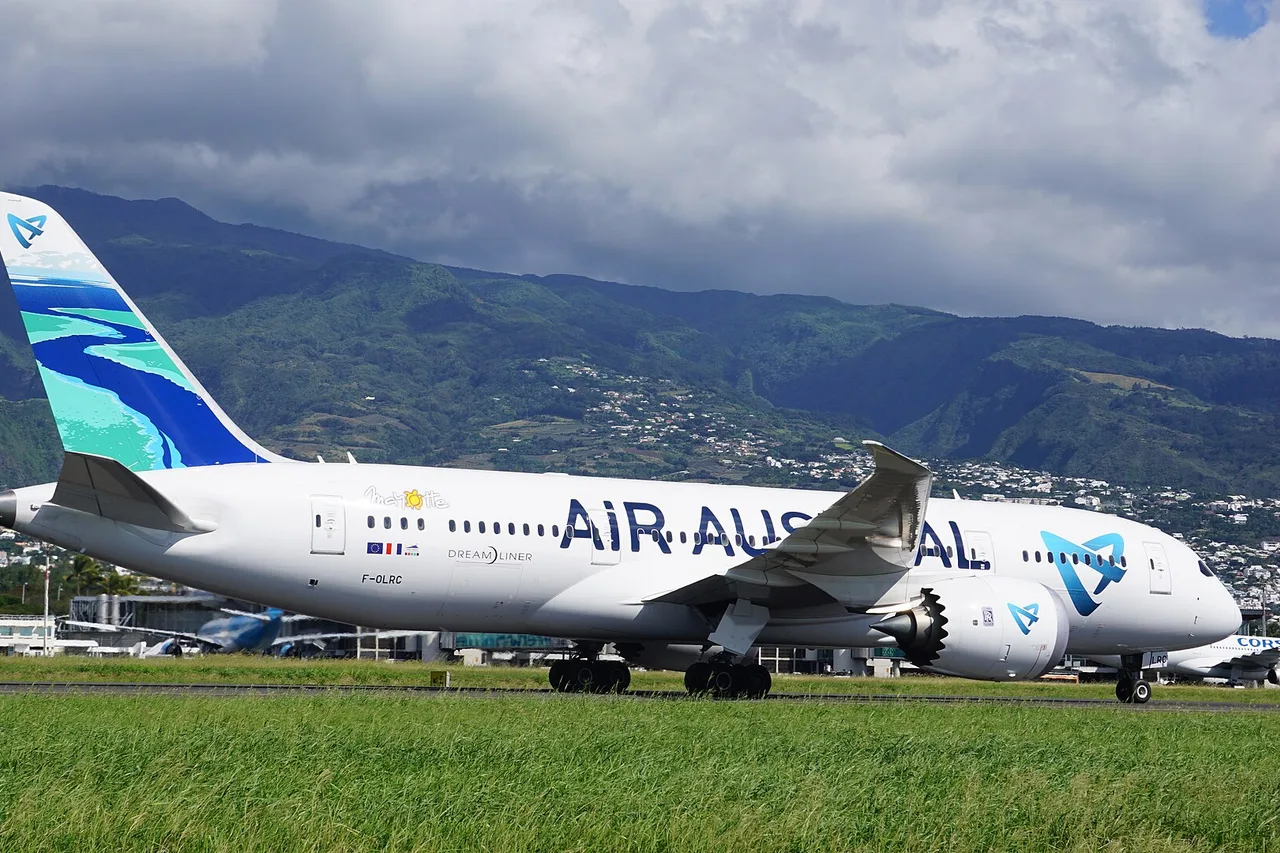
Airfare is where prices swing the most. For a Paris–Saint-Denis economy return, expect €400–650 in low season (February–March, November), €550–800 in shoulder season (May–June, September–October) and €700–1,100 — sometimes more — in high season, meaning July–August and the year-end holidays, when the Reunionese diaspora flies home alongside the tourists.
The rule that saves hundreds of euros fits in one sentence: book 3 to 4 months ahead, and if your dates are flexible, aim for November or the March–June window — the best fares happen to coincide with perfectly decent weather. Our guide to the best time to visit Reunion details, season by season, what the sky has in store for those savings.
Sleeping: from Creole guesthouse to boutique lodge
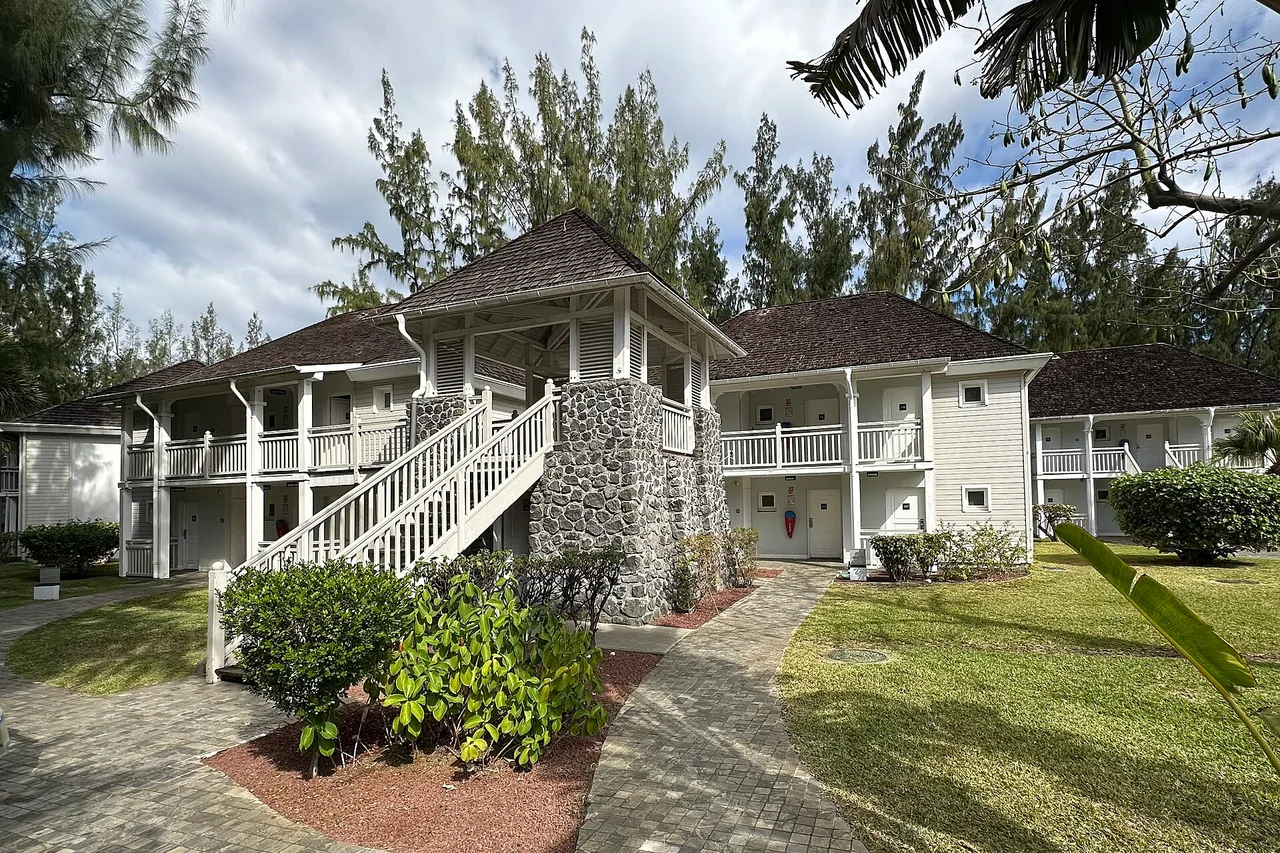
The backbone of Reunion accommodation is the chambre d’hôtes (guesthouse), at €50–150 a night depending on the coast, the view and the standard — breakfast usually included, and many hosts serve a table d’hôtes dinner, which elegantly settles the evening meal. Below that, simple gîtes and rentals; above, boutique hotels and ocean-view lodges that easily pass €200.
Full guide: Where to stay on Réunion Island: picking your area — and booking at the right time
In Mafate, the roadless cirque, you sleep in mountain huts: €60–75 half-board — wood-fire carri included, solar power, and a silence no shop can sell. Book far ahead, beds are scarce; our Mafate guide explains how.
The single tip that matters most over two weeks: rent somewhere with a kitchen. Market fruit, rice and home-cooked grains slash the food budget — more on that below.
Car, fuel and buses: getting around
A car is the real key to Reunion: trailheads are reached at dawn, before the clouds, and no bus climbs to the Maïdo at 5 a.m. On longer rentals (7 days and up), a small city car starts at €20–25 a day, i.e. €200–250 a week; bigger categories climb fast, and so does high season — book before you land.
Good news at the pump: fuel prices are set each month by prefectoral decree, identical across the island. As of 1 September 2026: €1.83 per litre of unleaded, €1.68 for diesel — no need to compare stations, the law has done it for you. Budget for small mountain extras too, like the guarded Col des Bœufs car park towards Mafate: €5 a day, €14 overnight.
Full guide: Renting a Car on Réunion Island: Tips and Pitfalls
No car? The Car Jaune intercity network is unbeatable value: €2 a ticket (connections included for 3 hours), €6 a day, €15 a week — and since 1 May 2026 the Region has halved season passes. Perfect for the coasts; honestly insufficient for the cirques and summits.
Eating: the gentlest line in the budget
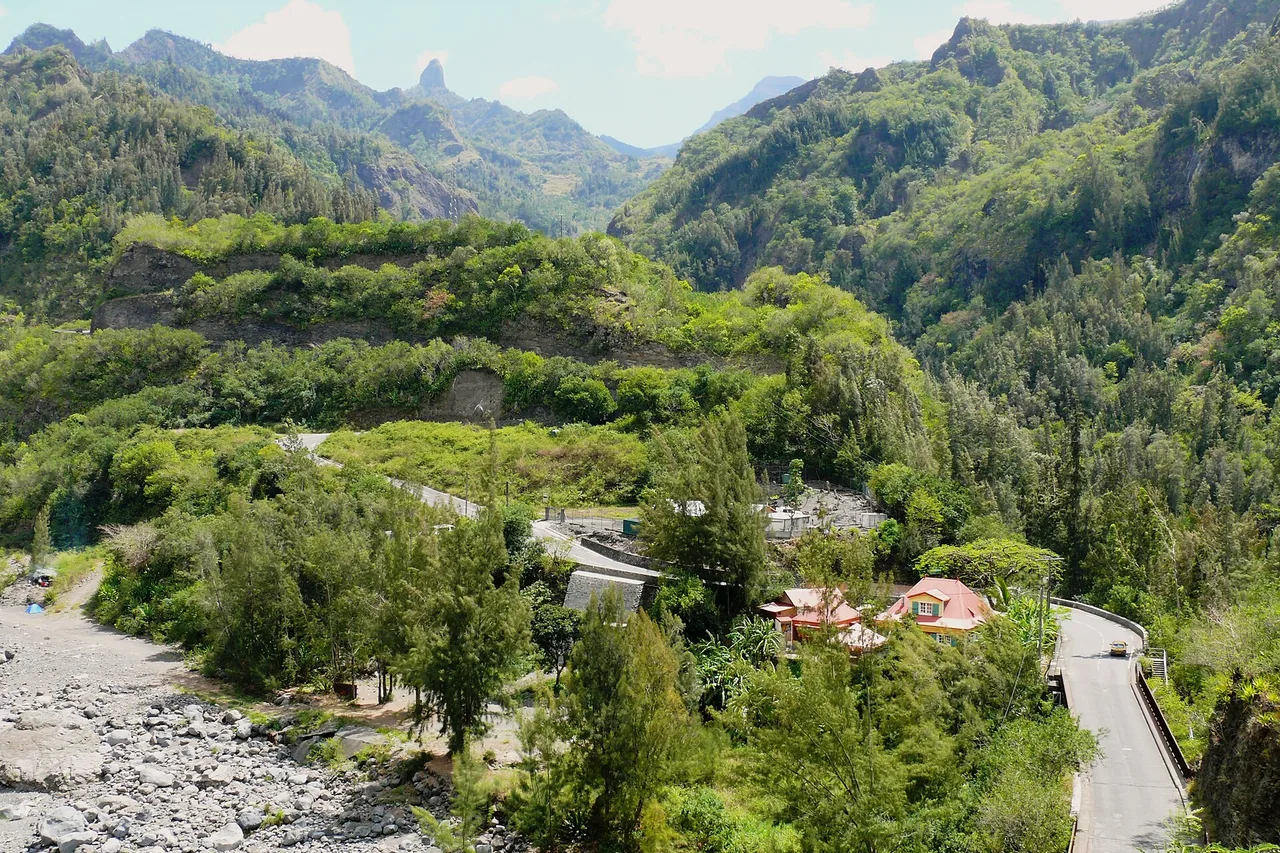
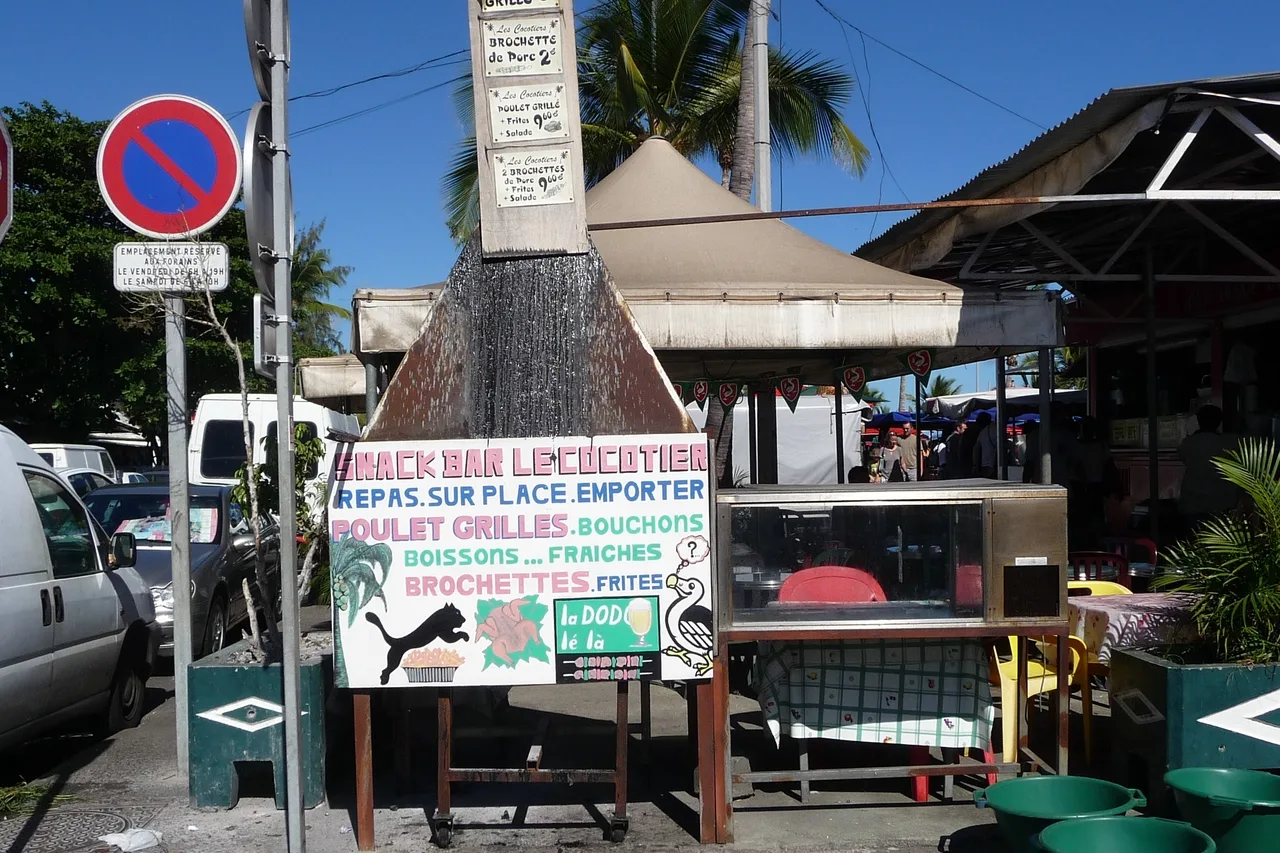
This is the trip’s best surprise. At the food trucks and snack bars, a takeaway carri or a Creole sandwich costs a few euros and fuels a full day of hiking; in the small Creole restaurants, the generous plate — carri, rougail, beans, rice — stays far cheaper than the tourist tables, and is usually better. French-style restaurants in the beach resorts, on the other hand, charge mainland prices.
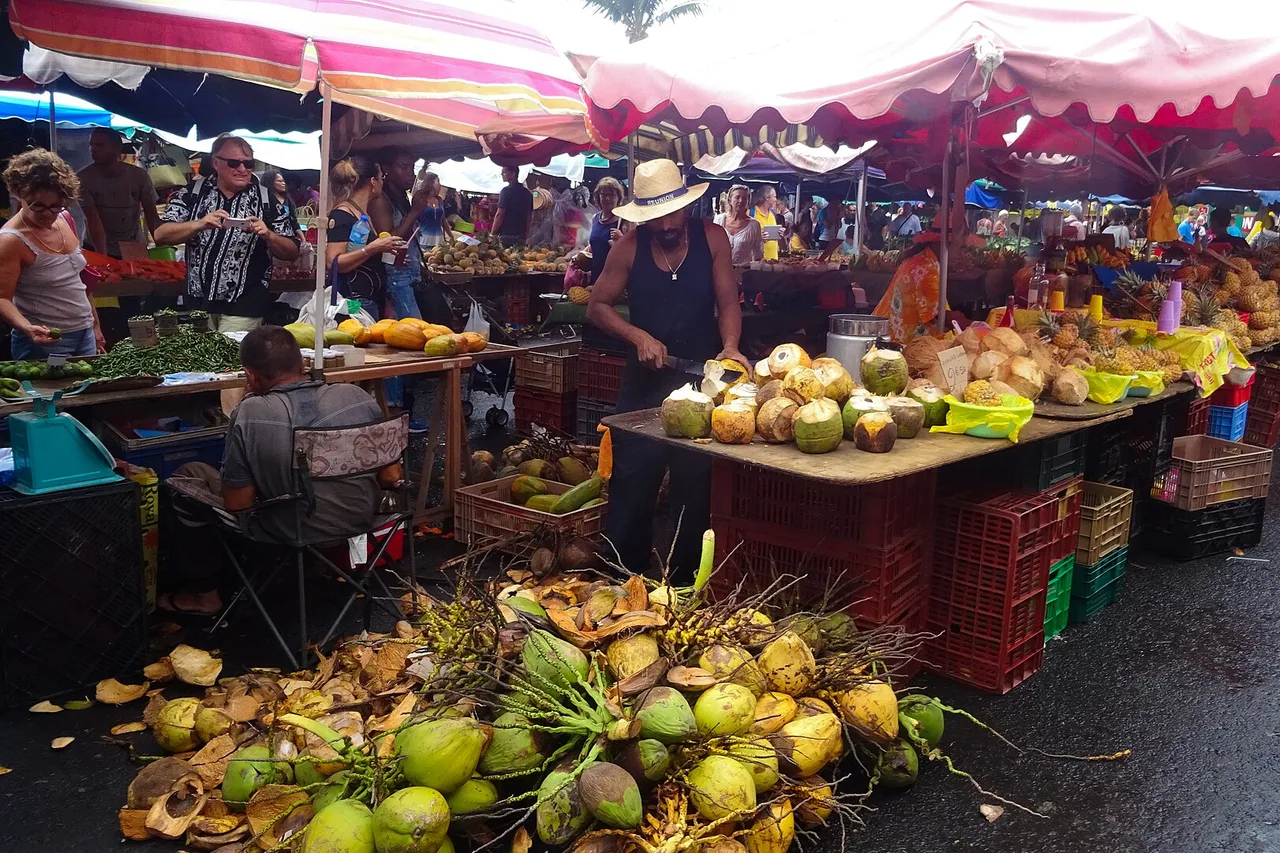
The other pillar is the open-air markets — Saint-Paul first among them, on Friday and Saturday morning: Victoria pineapples, mangoes, lychees in season, spices and vanilla, at prices that make you forget the supermarket import aisles, where mainland products cost noticeably more than in Europe. With a kitchen, you eat like royalty for little: market fruit for breakfast, a takeaway box at noon, a table d’hôtes at night — the perfect Creole rhythm.
Three traps to dodge, while we are at it: the “tourist-catcher” restaurants on the busy seafronts, expensive and soulless when the Creole table next door does better for half the price; bottled water bought out of habit, when tap water is drinkable in the vast majority of the island’s municipalities; and airport souvenirs — vanilla, spices and rhum arrangé are bought far better, and far cheaper, at the markets. A takeaway box eaten facing the ocean at Saint-Pierre beats many a €40 dinner.
Activities: the grandiose is free, the rest is a choice
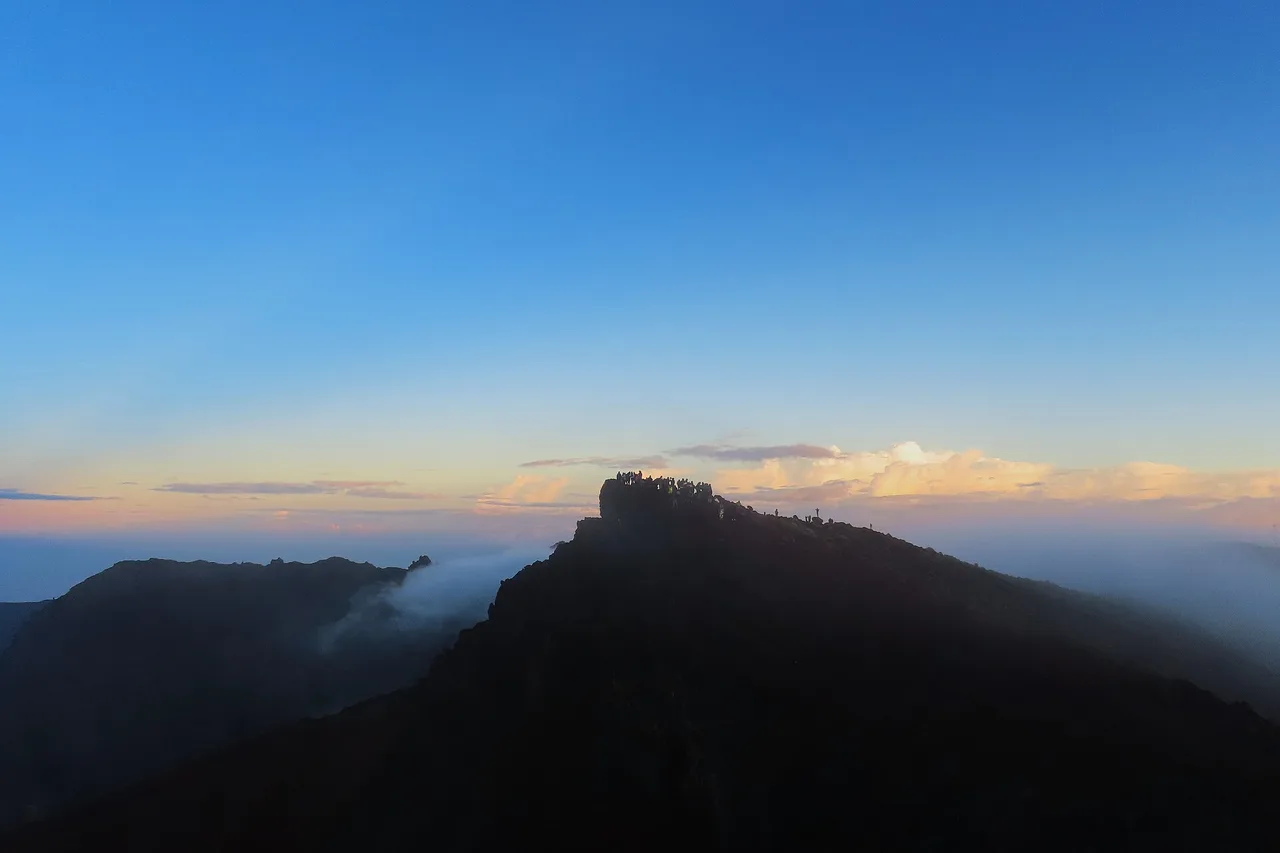
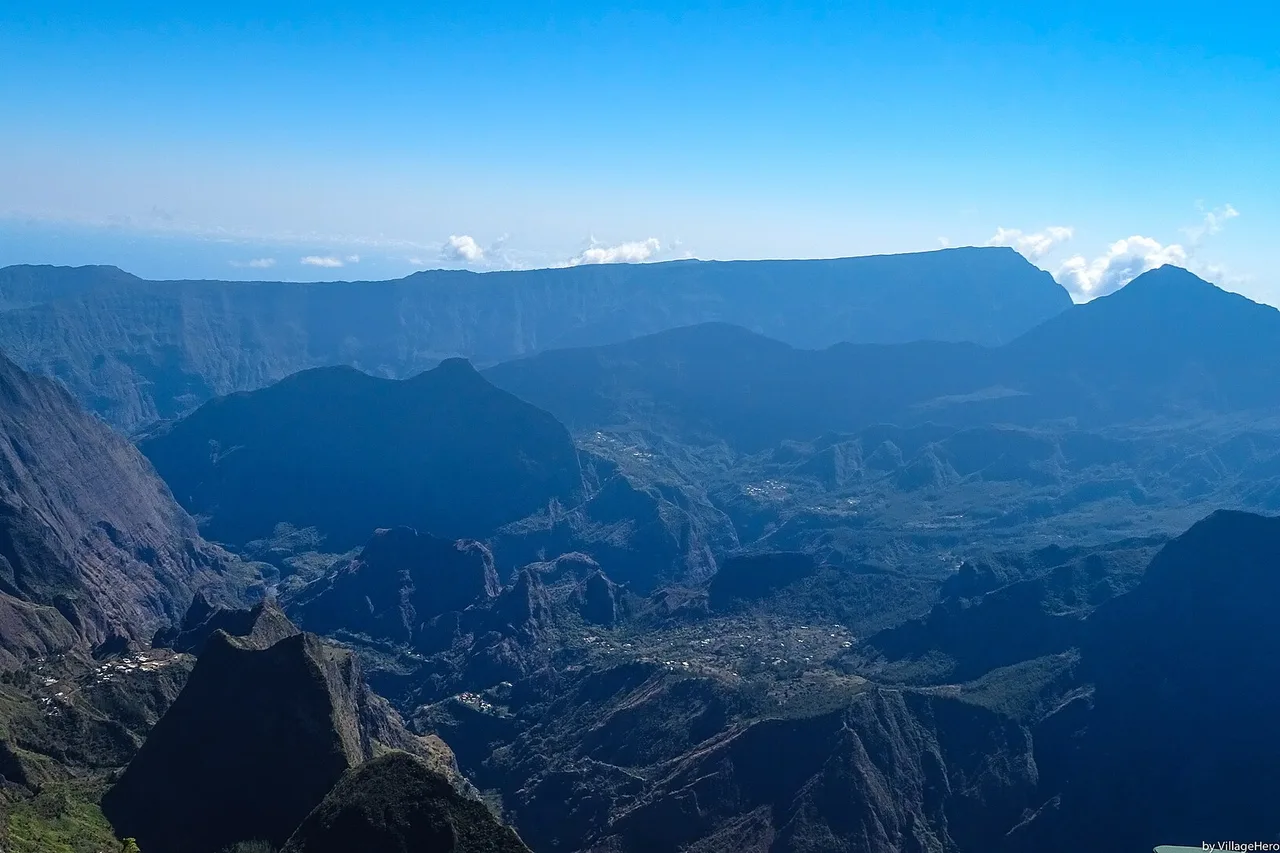
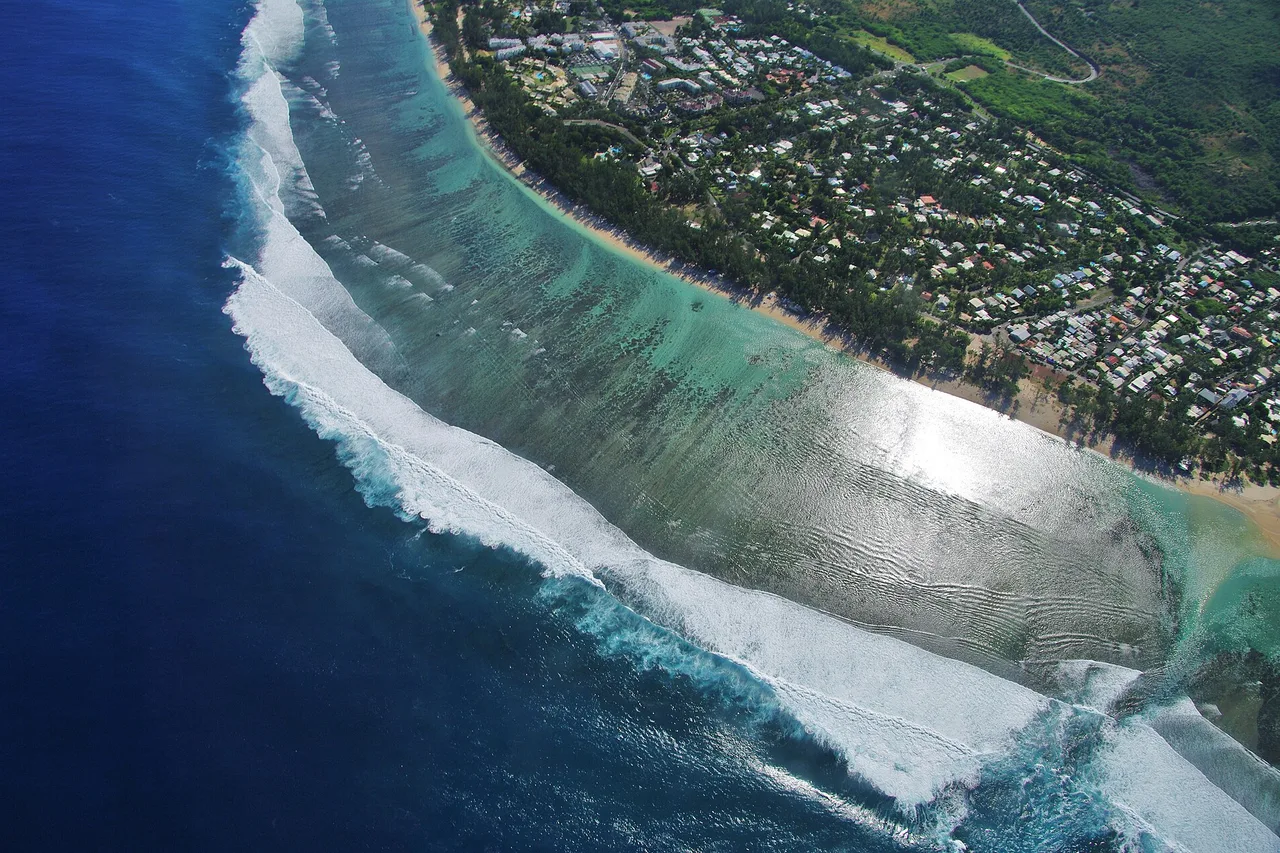
Remember this: the most spectacular things on Reunion cost nothing. Hundreds of kilometres of trails, sunrise at the Maïdo, Piton de la Fournaise from the Pas de Bellecombe, the waterfalls, the Saint-Pierre seafront: free. The lagoon and its fish, free — a mask and snorkel are enough, within the supervised zones.
Guided activities are picked like dishes from a menu. Canyoning in Cilaos: about €65 for a beginner run, €110 for the full Fleurs Jaunes. Whale-watching trips (regulated season 1 July–30 September): €40–90 — our guide to whale watching in Reunion covers the approach rules. And the big thrill, the helicopter flight: €99–160 for a 15–25 minute discovery flight, €220–305 for a 35–45 minute loop, €300–380 for the full island tour with Mafate and the Trou de Fer — heliport tax sometimes extra. One flight marks a lifetime; nobody needs all three.
Three sample budgets, per day and per person
Built from the prices above, excluding flights, travelling as a couple, per person — orders of magnitude to adjust, not promises:
Backpacker — €60–80 a day. Gîtes and simple rooms, a shared city car, takeaway boxes and home cooking, free activities: the whole island on foot, and what an island.
Comfort — €100–140 a day. Guesthouses with dinner, a car without counting detours, Creole restaurants, one or two paid activities over the stay — the trip most visitors actually take.
Treat — from €180 a day. Lodges and boutique hotels, a helicopter flight, canyoning and boat trips: the island without second thoughts.
Over two weeks, flights included, the realistic range thus runs from about €1,500 backpacking with discipline to €3,300 and up in comfort — our 10-day itinerary shows concretely where those days go.
One last practical point: you pay in euros, exactly as in mainland France — bank cards are accepted almost everywhere, cash machines are in every town, and travellers from outside the eurozone should simply check their card’s foreign-use fees before leaving. The island’s roads have no tolls, and in restaurants service is included: tipping is a kind gesture, never an obligation. The one small line not to forget in the spreadsheet is the tourist tax that many municipalities add to the night — from a few dozen cents to a few euros, paid to the host.
A local’s word
The Reunion budget is won on the calendar more than on the calculator: the same island costs a third less in shoulder season, flights and rentals included, with quieter trails. Book the flight and the car early, sleep with locals, eat Creole, and keep your euros for what cannot be done twice — a flight over Mafate, a whale trip in season. And beware the reflex “French department, therefore expensive”: here, the true luxury — dawn above the clouds, the lagoon, the ramparts — never goes through a till.