Most visitors only ever see Tenerife's north-east from the airport — and miss the island's twin urban heart: Santa Cruz, the port capital with its market hall, museums and Calatrava's white Auditorio, and San Cristóbal de La Laguna, the UNESCO-listed old town of colourful mansions and student bustle, ten kilometres uphill. A tram ride for €1.35 links the two centres at high frequency — that's all the logistics this trip needs. This guide covers what genuinely matters in each city, where the capital hides its golden beach, and when the museums are free; every price was checked on 30 October 2026.
La Laguna: the old town that sketched Latin America
San Cristóbal de La Laguna was Tenerife's first capital, and its historic core has been a UNESCO World Heritage Site since 2 December 1999 — Spain's first unfortified colonial town, whose chessboard street plan became the blueprint for many city foundations in Latin America. That sounds like a textbook; on the ground it feels light: the old town is flat, largely pedestrianised, and crossed in half an hour — if you didn't keep stopping.
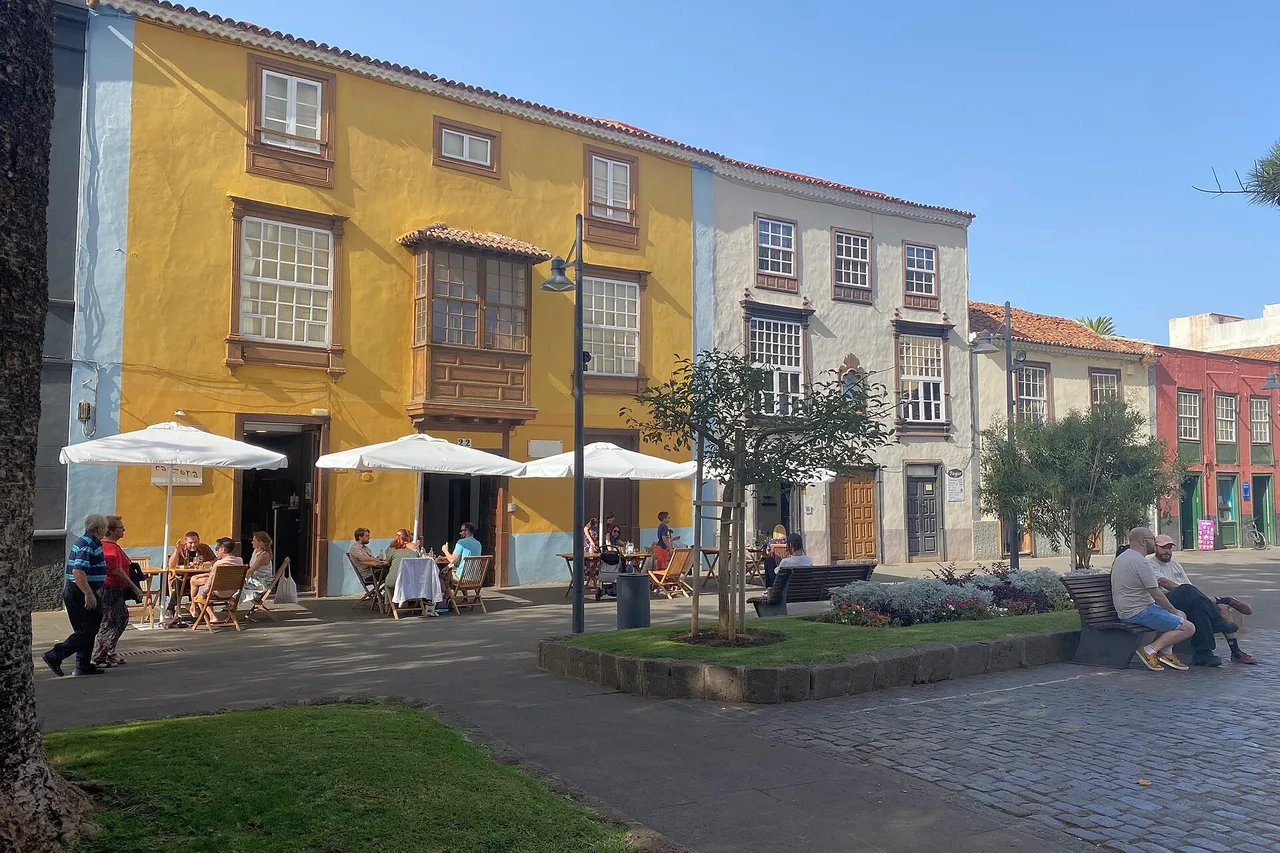
You will keep stopping: along Calle Obispo Rey Redondo and Calle San Agustín, Canarian mansions line up with carved wooden balconies and inner courtyards, many left open — a glance through the doorways is almost always rewarded. In between: students from the Canaries' oldest university, bookshops, tapas bars and cafés where a barraquito (the layered coffee with liqueur and condensed milk) is part of the programme. From the tower of the Iglesia de la Concepción — about a hundred steps, access depending on municipal opening hours — you overlook the rooftops all the way to the Anaga mountains.
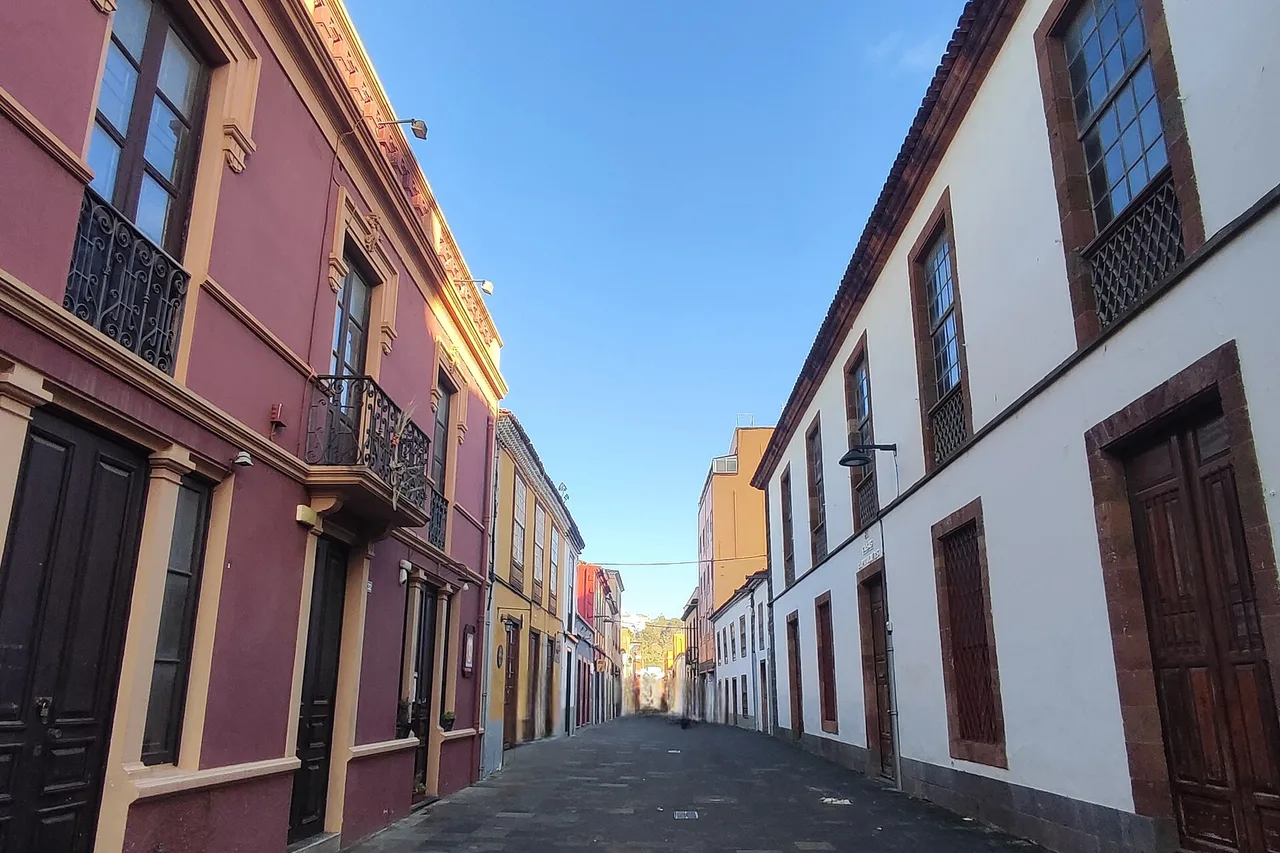
Worth knowing: La Laguna sits at over 550 metres. Expect a few degrees less than at the coast and, now and then, trade-wind clouds snagged on the rooftops — the jacket that feels absurd in the south is welcome here in the evening. And if you want to push on: La Laguna is the gateway to the laurel forests of Anaga, covered in detail in our Anaga hiking guide.
Santa Cruz: market hall, ramblas and a city made for strolling
Down by the sea, Santa Cruz de Tenerife runs on a different rhythm: a port city, an administrative capital, a shopping town — and surprisingly relaxed once you leave Plaza de España behind. The best starting point is the Mercado de Nuestra Señora de África (1944): a colonial-style courtyard complex where farmers, fishmongers and cheese stalls sum up the island on their own. Open Monday to Saturday 6 am–2 pm, Sundays 7 am–2 pm — come in the morning, when the stalls are full.

From the market it's a few minutes to Calle Castillo, the pedestrian shopping axis, and to Parque García Sanabria, a lush city park strewn with sculptures and century-old trees — the green pause between stages. Come in February and you'll find the city in a state of exception: the Carnival of Santa Cruz fills the streets from 19 to 28 February 2027; what happens then is told in our carnival guide.
The Auditorio, the Palmetum and the new waterfront
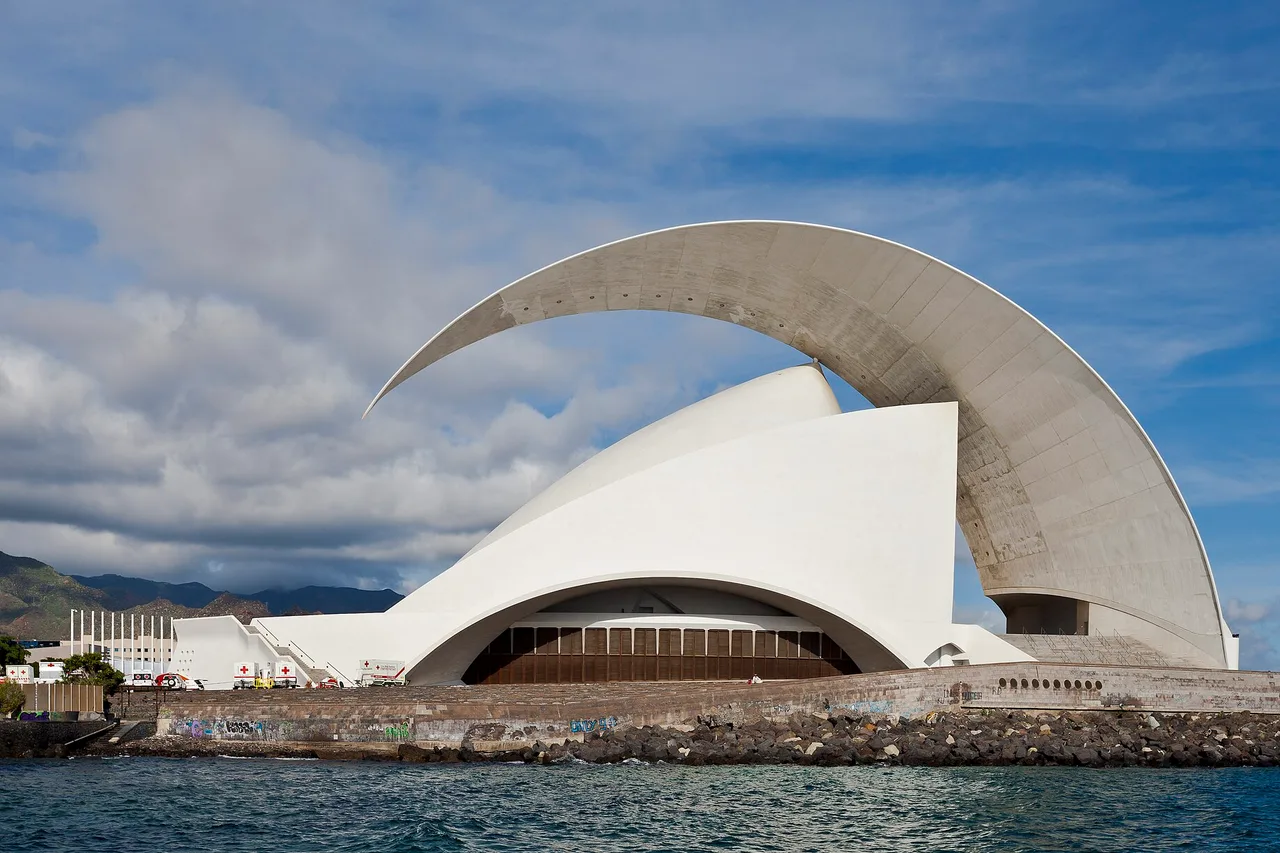
The city's postcard stands at the harbour's edge: the Auditorio de Tenerife, Santiago Calatrava's concert hall opened in 2003, whose white, free-floating concrete wing reads as a wave or a sail depending on the angle. Admiring it from outside costs nothing, and in the evening the waterfront promenade belongs to joggers and photographers.
Right next door lies one of Europe's most unusual green spaces: the Palmetum, a botanical garden holding one of the world's largest palm collections — built on a former landfill, with lookout mounds over city, port and the Anaga range. Open daily 10 am–6 pm (last entry 5 pm), online tickets around €6 (as of 30 October 2026). A good hour is enough; photographers stay longer.
Museums: when MUNA and TEA cost (almost) nothing
For grey days — or simply because they're good: the MUNA (Museum of Nature and Archaeology) explains how the Canaries were born and who lived here before the Spanish; its collection on the Guanches, Tenerife's first inhabitants, is the most important in the archipelago. Official tariffs, checked on 30 October 2026: €5 full, €3.50 reduced, under-8s free — and free for everyone on Fridays and Saturdays from 4 pm. The same price grid applies to the island council's sister museums, including the history museum in Casa Lercaro, La Laguna.
The TEA (Tenerife Espacio de las Artes), the black exposed-concrete building by architects Herzog & de Meuron between the market and the centre, shows contemporary art — access to the exhibitions is free (Tuesday–Friday 12–8 pm, weekends 10 am–8 pm). The light well and the slanting walkway through the building justify the detour on their own.
Las Teresitas: the capital's golden beach
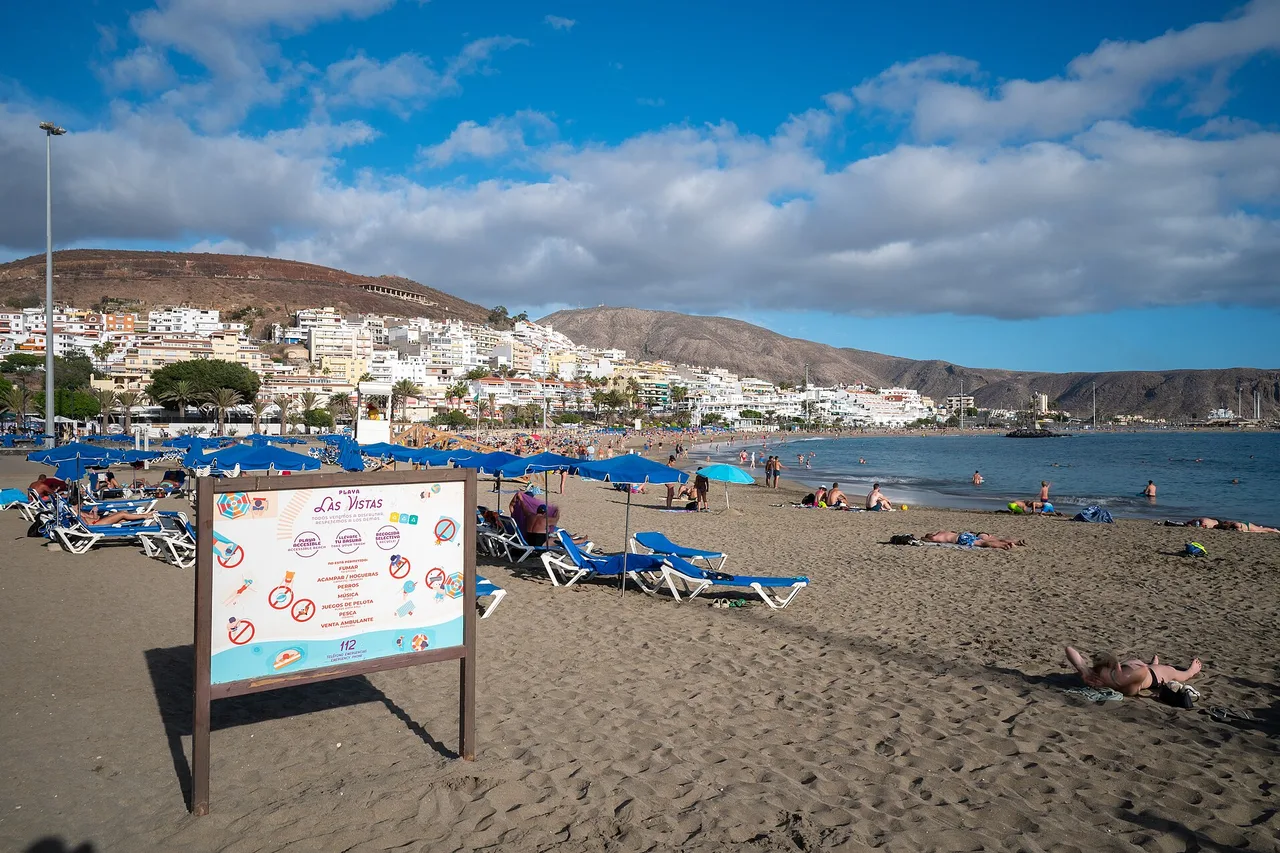
Santa Cruz can swim, too: fifteen minutes from the centre, next to the fishing village of San Andrés, stretches Playa de Las Teresitas — a kilometre and a half of golden sand beneath the steep Anaga slopes. The sand is an import with a history: roughly 270,000 tonnes of Sahara sand, shipped over in 1973 when the city built itself a beach (opened 15 June 1973). An offshore breakwater keeps the swell out and makes the bay one of the calmest swims on the island — city families know it well.
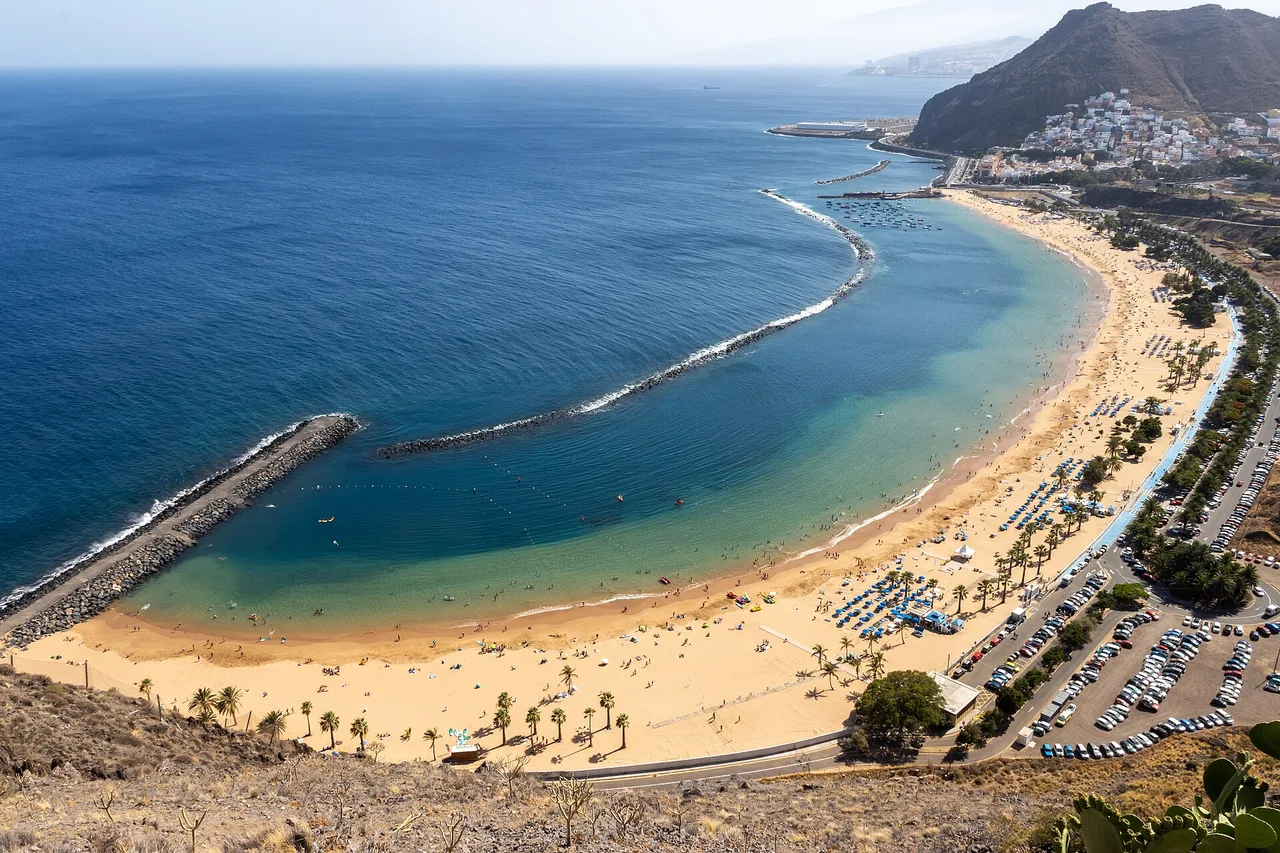
The honest comparison: Las Teresitas is no wild beach — at weekends half of Santa Cruz is here — but as a combination of city stroll and beach day it's unbeatable for convenience. To see how it ranks against Benijo, Bollullo and the rest of the island, read our guide to Tenerife's best beaches.
Practical: the tram, the rhythm and the route that works
Between the two cities, tram Line 1 runs at high frequency from morning to night, cutting through the university districts. A single ticket costs €1.35, or €1.10 via the ten+ app — prices we already surveyed for our trip-cost guide. No car is needed for this outing; coming from the south, take the Titsa buses or leave the hire car on the edge of town — the old town's lanes are closed to traffic anyway.
Good to knowIn high season, cars get booked up fast and prices rise as the dates approach. Comparing local rental companies before you go lets you lock in the car and the rate in Tenerife, with deposit and insurance shown upfront.
Rent a car in TenerifeLocal rental companies on LocalrentFull guide: Renting a Car in Tenerife: Pitfalls and Smart Tips
The route that has proven itself: the market hall in the morning and central Santa Cruz while the stalls are full — the tram up to La Laguna at midday — the afternoon among old-town courtyards and a barraquito — and on Fridays, the MUNA free from 4 pm to finish. Add Las Teresitas and the day becomes a day-and-a-half programme: one morning on the sand, the rest in the lanes. To fit the two cities into a full island week, see our list of 25 unmissable things to do in Tenerife.