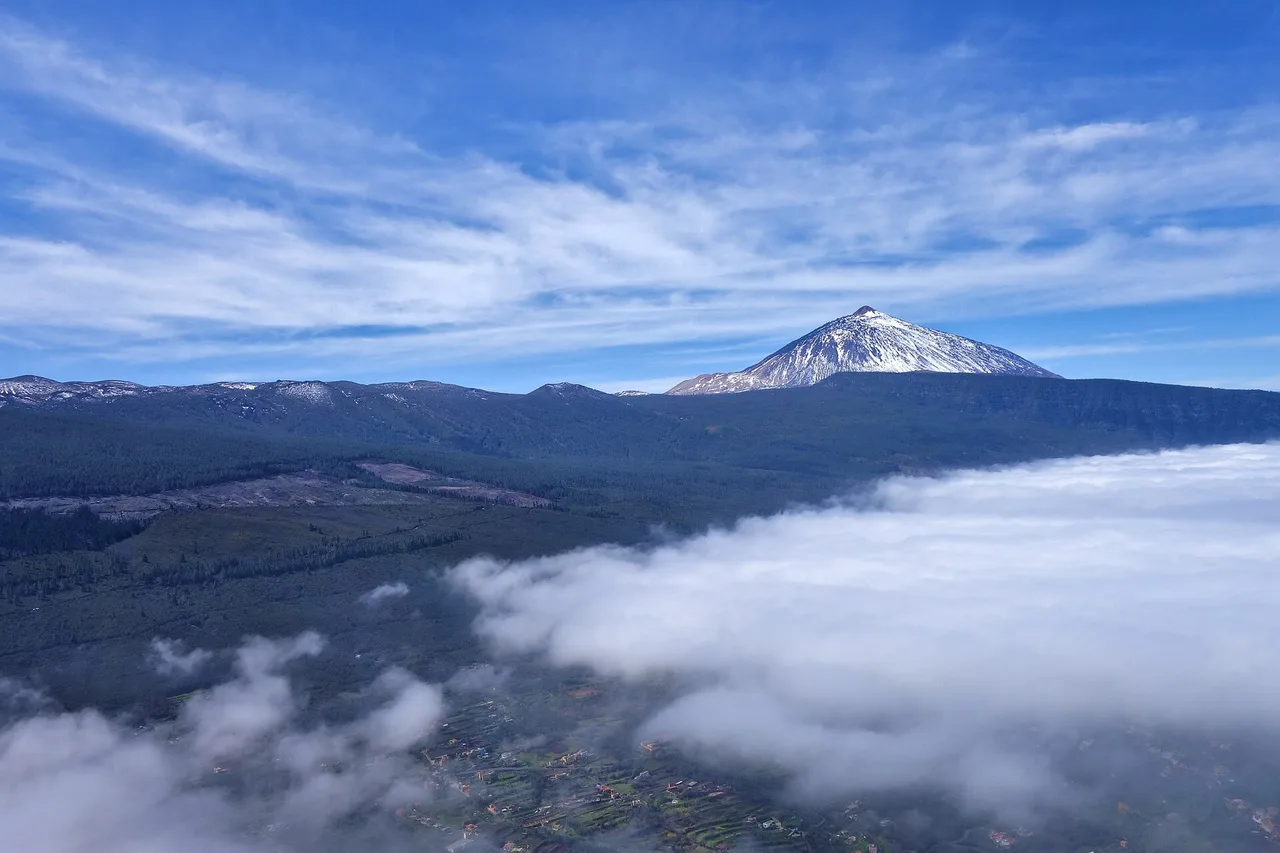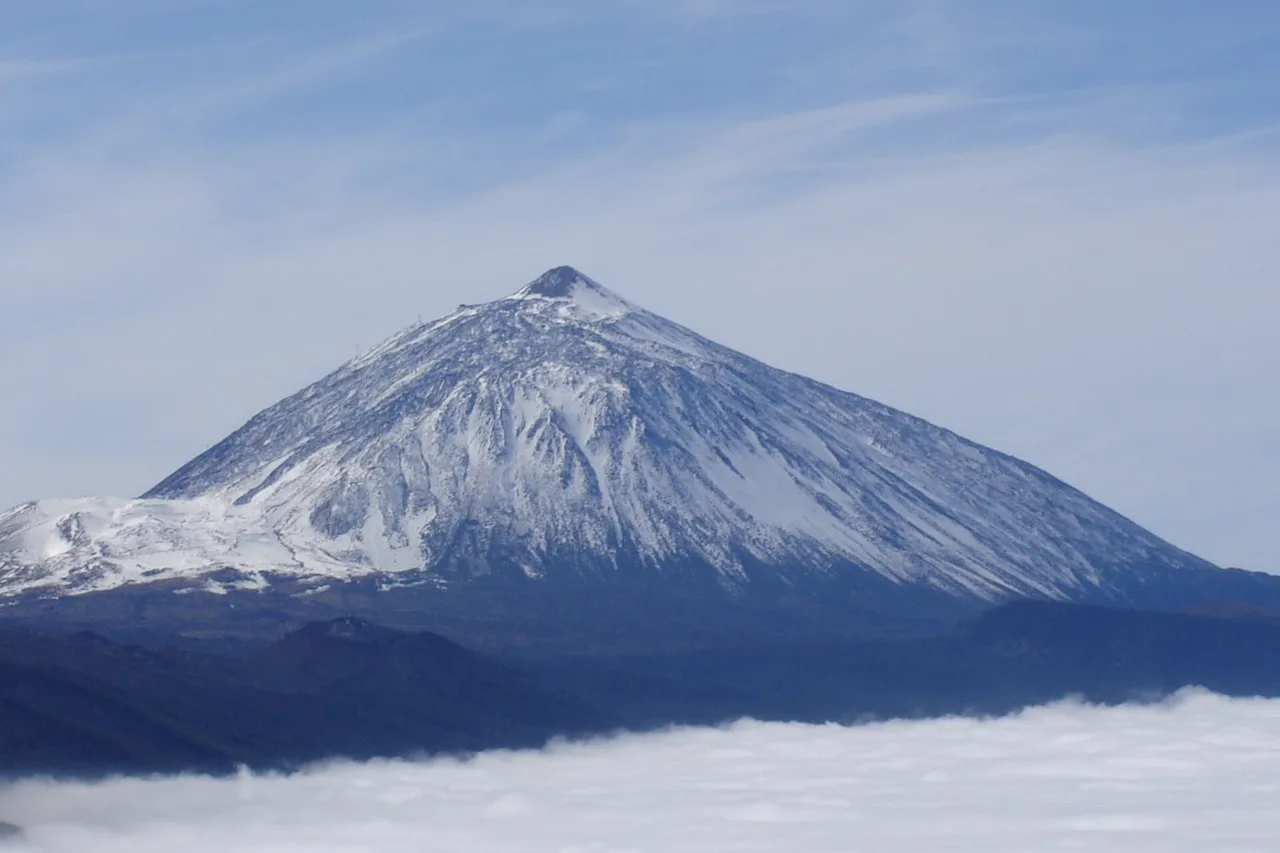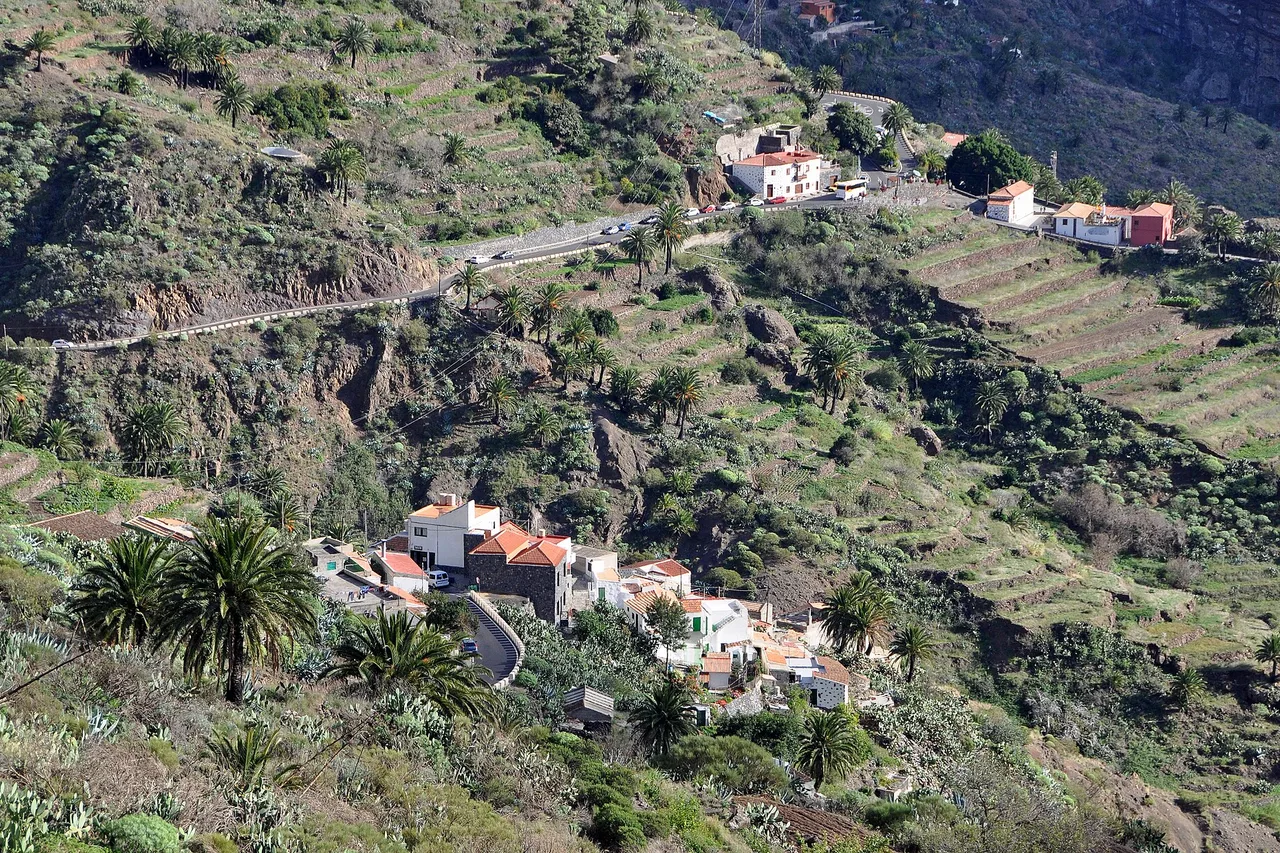
Tenerife can be tasted by the glass: ungrafted vines on black lava, shoots braided into plaits several metres long, plots running from the sea to nearly 1,700 m of altitude — and five appellations of origin on an island smaller than Majorca. Plus a back story that reaches all the way to Shakespeare. This guide explains what makes the island’s wine unique, how the five appellations differ, and where a visit and a tasting are genuinely worth it. Prices and facts checked on 12 November 2026.
From the legendary “Canary” to today’s bodegas
Vines arrived with the settlers right after the island’s conquest at the end of the 15th century — and quickly became its main export. In the 16th and 17th centuries, the sweet Canary malvasia was famous across half of Europe: the English drank it as “Canary”, and Shakespeare’s characters sing its praises more than once. Place names still carry the memory — Icod de los Vinos wears the wine in its name.
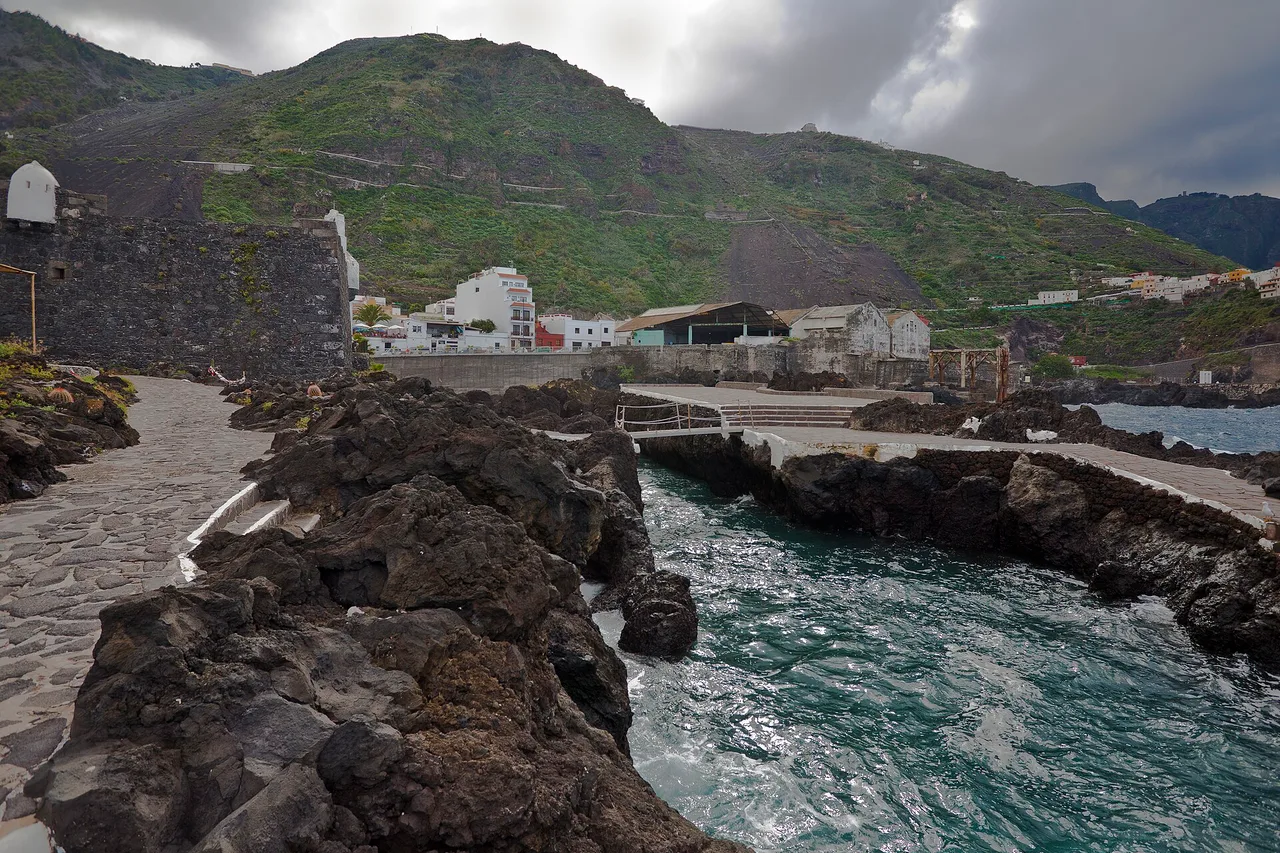
The hub of that trade was Garachico, then the island’s main port. In 1706 a lava flow buried the bay — exports moved elsewhere, and over the centuries the island turned to other crops. The revival is recent: small cellars, old grape varieties, and sommeliers from London to New York rediscovering the volcanic wines of the Canaries.
Lava, trade winds and ungrafted vines: a vineyard unlike any other in Europe
Three things set this terroir apart. First, the soil: volcanic ash and weathered lava hold water and give the wines a mineral, almost saline edge. Second, the climate: the trade winds push clouds onto the northern slopes while the south stays dry — conditions change completely within a few kilometres, and altitude does the work of seasons. Third, the real treasure: phylloxera, the pest that destroyed almost every European vineyard in the late 19th century, never reached the Canaries — vines here grow ungrafted, on their own roots, and varieties lost elsewhere survived.
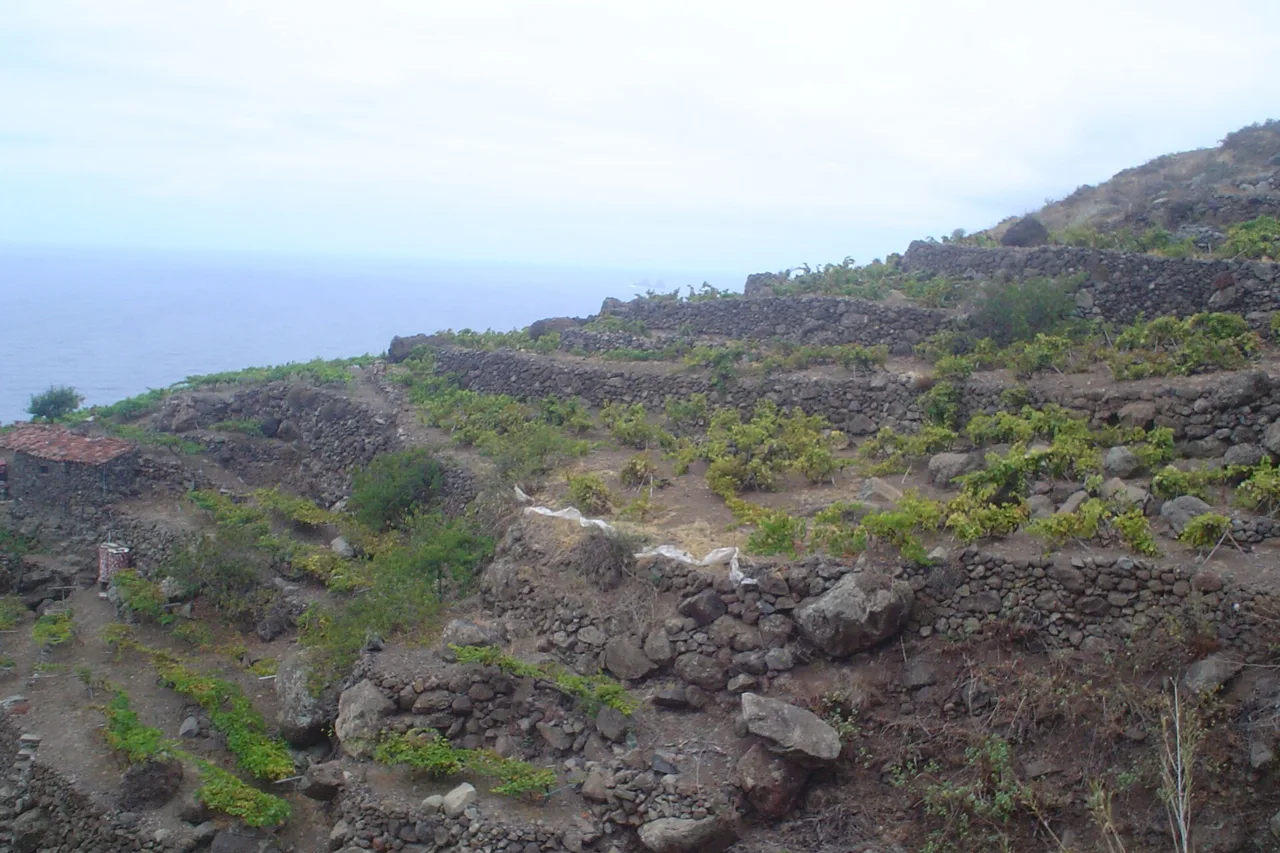
Honesty requires an update: that exception is now under watch. On 30 July 2025, a first phylloxera outbreak was confirmed in Tenerife for the first time, in Valle de Guerra (La Laguna); the authorities launched emergency measures, safety zones and thousands of field surveys. Nothing changes for visitors — but do not carry vine plants, grapes or soil between islands or back home: that is exactly how the pest travels.
The most spectacular curiosity grows in the La Orotava valley: the cordón trenzado, a training system unique in the world, where the shoots are braided into plaits several metres long. Some of these braided vines are many decades old — a living heritage you can spot from the road.
The island’s five appellations
Tenerife holds five appellations of origin (DO) — more than any other Canary island; the region-wide DO Islas Canarias sits alongside them:
Tacoronte-Acentejo (north) is the best known: about 80% of its production is red, mostly Listán Negro and Negramoll, with the island’s highest density of bodegas. Valle de La Orotava is the valley of the braided vines — the cordón trenzado yields some of the finest wines in the Canaries. Ycoden-Daute-Isora, in the north-west from Icod de los Vinos to Santiago del Teide, is the historic heart of the “Canary”, with fresh whites from Listán Blanco. Valle de Güímar, in the south-east (Arafo, Candelaria, Güímar), makes mostly whites, with vines climbing far up the slope. And Abona, in the south from Vilaflor to Granadilla, has the driest climate — and the highest plots.

Around Vilaflor, the highest town in Spain, some plots approach 1,700 m of altitude — among Europe’s highest vineyards. Grapes up here ripen weeks after those on the coast: on the same island, the harvest can be in full swing at the top while everything below is already in the cellar.
The grapes: Listán, Malvasía and other survivors
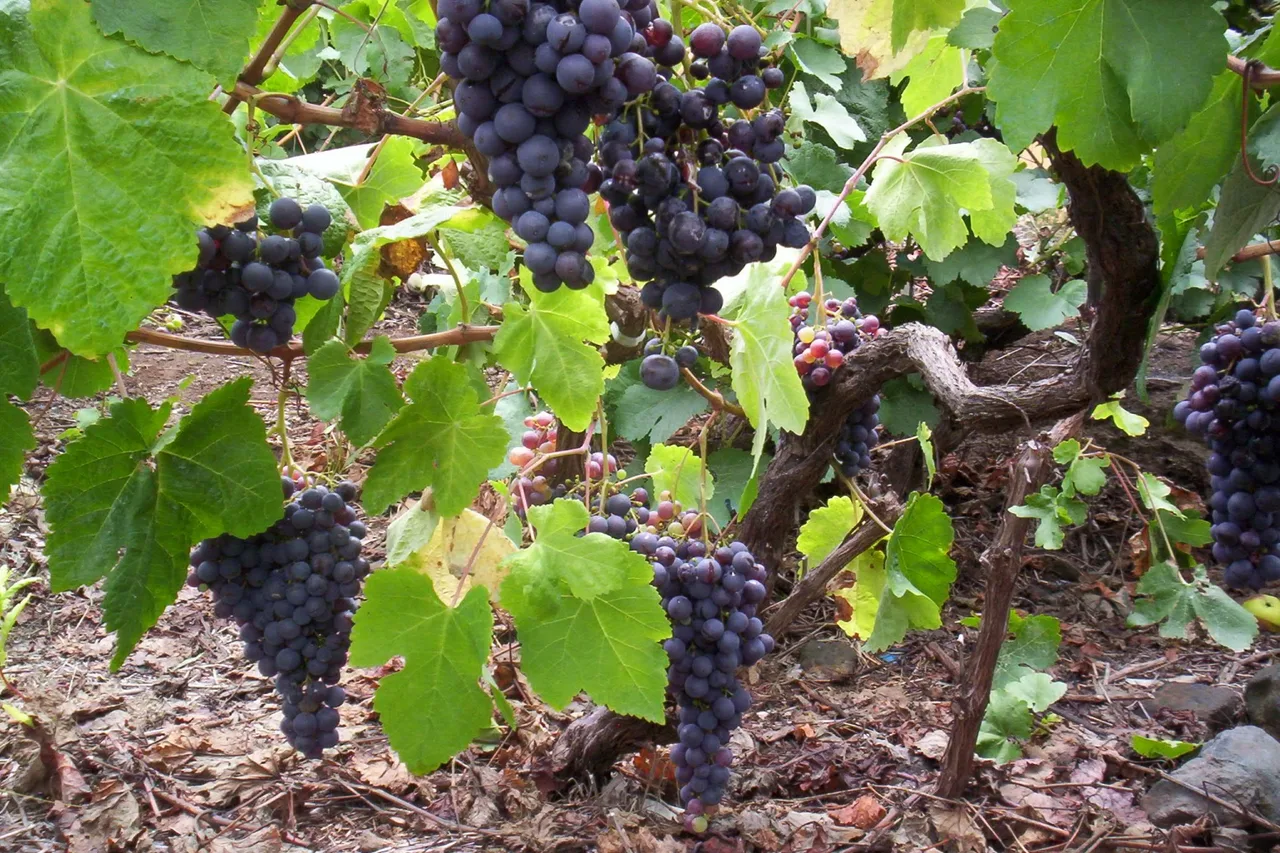
The banner of this article shows it: Listán Negro, the island’s flagship red grape — fruity, peppery, often with a smoky volcanic note in young wines. Its white counterpart, Listán Blanco, dominates the whites and changes remarkably with altitude and soil. Then come Negramoll (soft, elegant), the historic Malvasía aromática — the grape of the sweet “Canary” —, Vijariego and Baboso Negro. Many of these varieties barely exist outside the Canaries any more: the archipelago is a living museum of the grapes Europe knew before phylloxera.
Visiting and tasting: Casa del Vino, Monje and the rest
The best gateway is the Casa del Vino in El Sauzal, set in a 17th-century Canarian farmhouse: a wine museum, a honey museum, a tasting room and a wine shop with over 300 island references under one roof, plus the Xarko restaurant facing Mount Teide. Entry is free; only the tastings are paid, and they are best booked ahead. It is closed on Mondays — check the day’s opening hours before driving out.
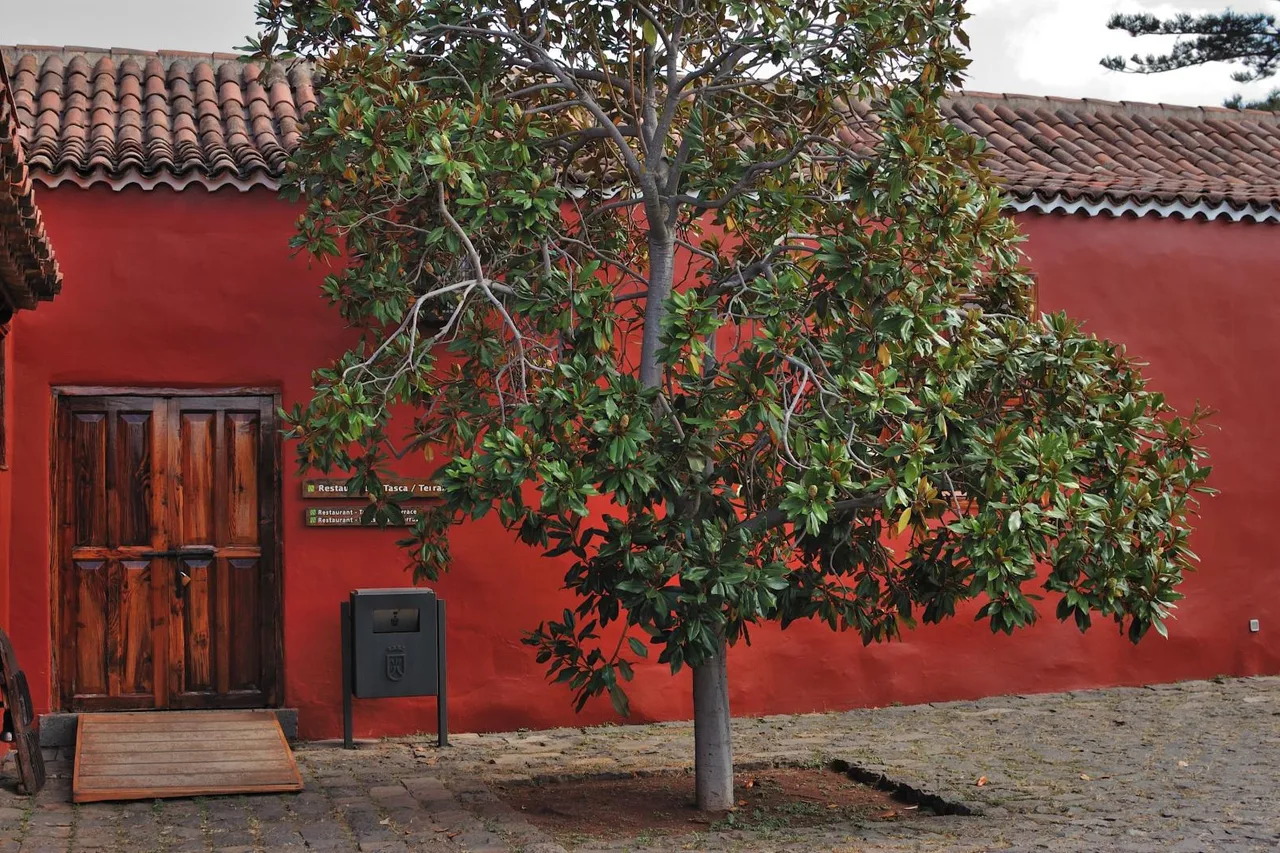
Right next door, Bodegas Monje is one of the island’s most visitor-friendly estates: a tour of the cellar and vineyard followed by a tasting, with cheeses or Canarian bites depending on the package. On booking platforms, expect roughly €17 to €35, with advertised start times at 11 am, 1 pm and 5 pm (checked November 2026 — confirm when booking). Many other bodegas are family farms with no ticket desk: calling or booking online is the rule, not the exception. Simple guided tastings start at around €14–22 in El Sauzal.
Good to knowIn high season the best slots go fast: booking ahead lets you pick your time, and many activities can be cancelled free of charge up to the day before.
See activities in TenerifeTours, tickets and day trips on GetYourGuideFull guide: Things to Do in Tenerife: 25 Unmissable Spots, Chosen by Locals
Practical: guachinches, harvest time and the drive back
The most popular way to drink the island’s wine is still a guachinche: a garage or terrace in the north where, by decree, the winegrower may only serve wine from their own harvest, for at most four months a year and with three simple dishes. Everything you need to know — including how to spot the real ones — is in our guachinche guide.
The harvest follows the altitude: it starts in high summer near the coast and can run into autumn in the heights of Abona — travel in August or September and you may well see crates between the rows. To pick your season, see our guide to the best time to visit Tenerife.
One sober word to finish: the island’s wine roads are mountain roads. Spain applies near zero tolerance for drink-driving — if you are touring bodegas, appoint a sober driver, take a taxi or book a guided tour. Advice on the car itself is in our car rental guide; to fit the wine regions into a full island week, follow our 7-day itinerary.
Good to knowIn high season, cars get booked up fast and prices rise as the dates approach. Comparing local rental companies before you go lets you lock in the car and the rate in Tenerife, with deposit and insurance shown upfront.
Rent a car in TenerifeCompare rental companies on Discover Cars