For two to three weeks of maps, messaging and some video, a data-only eSIM with 10 GB for 30 days is our sensible pick – at Saily that plan lists at $10.99 (checked 27 Sept 2026). Install it a day or two before you fly, on wifi; the clock only starts at your first connection in Thailand. The catch: a data eSIM has no Thai phone number. If you need one, or want genuinely unlimited data, a tourist SIM from AIS or True suits you better – 499 THB for 8 days, but with a passport and a face check at the counter.
The essentials in numbers
Figures read on 6 October 2026, sources given; prices move, so treat them as a snapshot.
- Data eSIM from home: Saily from $2.99 (1 GB / 7 days), $10.99 for 10 GB / 30 days (list prices per a comparison site, checked 27 Sept 2026).
- AIS tourist SIM (official page): 499 THB for 8 days, 699 THB for 15 days, 1,199 THB for 30 days – a Thai number, but passport and face check.
- Networks: AIS leads on coverage (8.9 out of 10, Opensignal); Saily: TrueMove H, AIS as backup (comparison sites).
- Pitfall no. 1: a data eSIM has no Thai number.
- When: a day or two before departure, on wifi; the clock starts at the first connection on the spot.
Three ways to stay online in Thailand
Three options: a data eSIM installed at home (we take Saily here), a Thai tourist SIM bought at the airport, or roaming on your home plan. The last is quickly ruled out: EU “roam like at home” covers the EU, Iceland, Liechtenstein, Norway, Ukraine and Moldova, not Thailand (European Commission, page of 13 July 2026).
| Option | Price (read on 6 Oct 2026) | Network | Worth knowing |
|---|---|---|---|
| Data eSIM from home (Saily) | 1 GB / 7 days: $2.99 · 10 GB / 30 days: $10.99 · 20 GB / 30 days: $19.99 | TrueMove H, AIS as backup (per comparison sites) | Installable before departure · hotspot allowed · no Thai number |
| AIS tourist SIM or eSIM | 8 days: 499 THB · 15 days: 699 THB · 30 days: 1,199 THB | AIS | Unlimited data at top speed, per AIS’s page · Thai number · passport and face check |
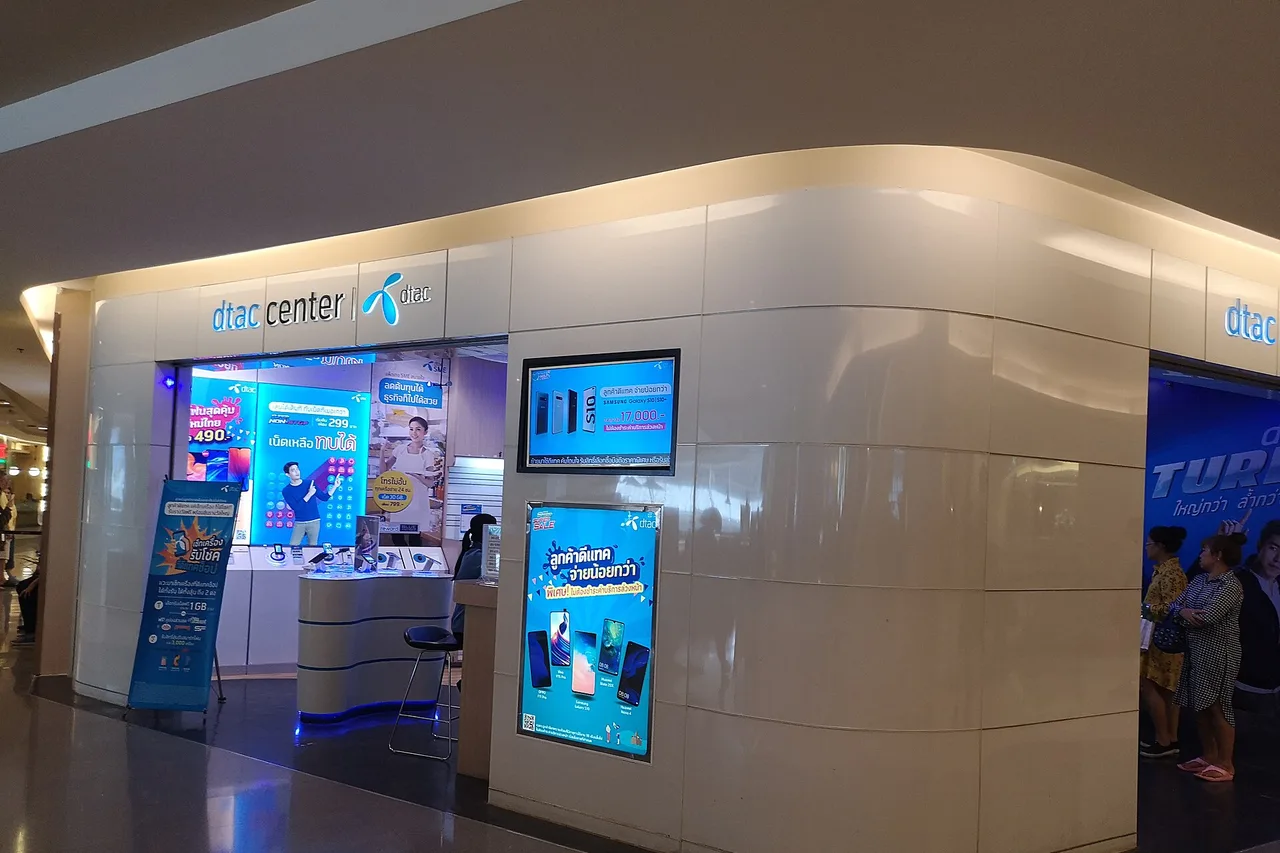
| True tourist SIM or eSIM | 8 days: 499 THB · 15 days: 699 THB · 30 days: 1,199 THB | True (merged with dtac) | Max. 3 SIMs per person and brand · passport required |
| dtac Happy Tourist (eSIM) | 8 days / 15 GB: 299 THB · 15 days / 30 GB: 599 THB | dtac (True group) | Both plans shown as “Out of stock” on dtac’s page |
| Roaming on your home plan | per your operator’s price list | a local operator’s network | EU roaming at domestic prices does not apply in Thailand |
The operators also sell their tourist plans as eSIMs (AIS’s official page shows a buy button), with the same registration: the real divide is a foreign data eSIM versus a Thai number, not plastic versus eSIM.
On price, two thresholds, with no invented exchange rate. Light or normal use: 10 GB / 30 days at Saily costs $10.99, the local 30-day SIM 1,199 THB – it would only win beyond 109 baht to the dollar. Unlimited: 1,199 THB stays below Saily’s $48.99 unlimited (30 days) as soon as a dollar is worth more than 24.5 baht. Guides use roughly 32 to 35 baht to the dollar (Traveltomtom: 699 THB ≈ $22; Visit Thailand Today: 300 to 450 THB ≈ $9 to $13).
AIS, True, dtac: what was measured
Three operators: AIS, True (TrueMove H) and dtac. True and dtac merged in 2023 and joined their networks in 2025 but remain two brands (Opensignal): in practice, two infrastructures.
Opensignal measures from real users’ devices (August 2026 report, 1 April to 29 June 2026). AIS is the most awarded (seven wins outright, three shared) and the only winner of coverage (8.9 out of 10; True and dtac 8.6) and consistent quality (75.1%; dtac 72.0%, TrueMove H 66.0%).

No network leads everywhere: dtac wins on reliability (907 points out of 1,000, AIS 893) and download speed (41.1 Mbps), TrueMove H on 5G availability (90.2%). In the South, where the islands are, the three run neck and neck: 34.5, 33.5 and 33.0 Mbps for AIS, dtac and TrueMove H. Opensignal stresses that time connected says nothing about reach in remote areas.

A travel eSIM’s network is stated by the provider. Saily blocks robots from its page; a comparison site (27 Sept 2026) and the indexed excerpt of its blog give TrueMove H as primary and AIS as backup. Whether the phone switches to AIS on the spot cannot be checked in advance: ask customer support if you are heading somewhere remote.
Islands and ferries: where the network choice shows
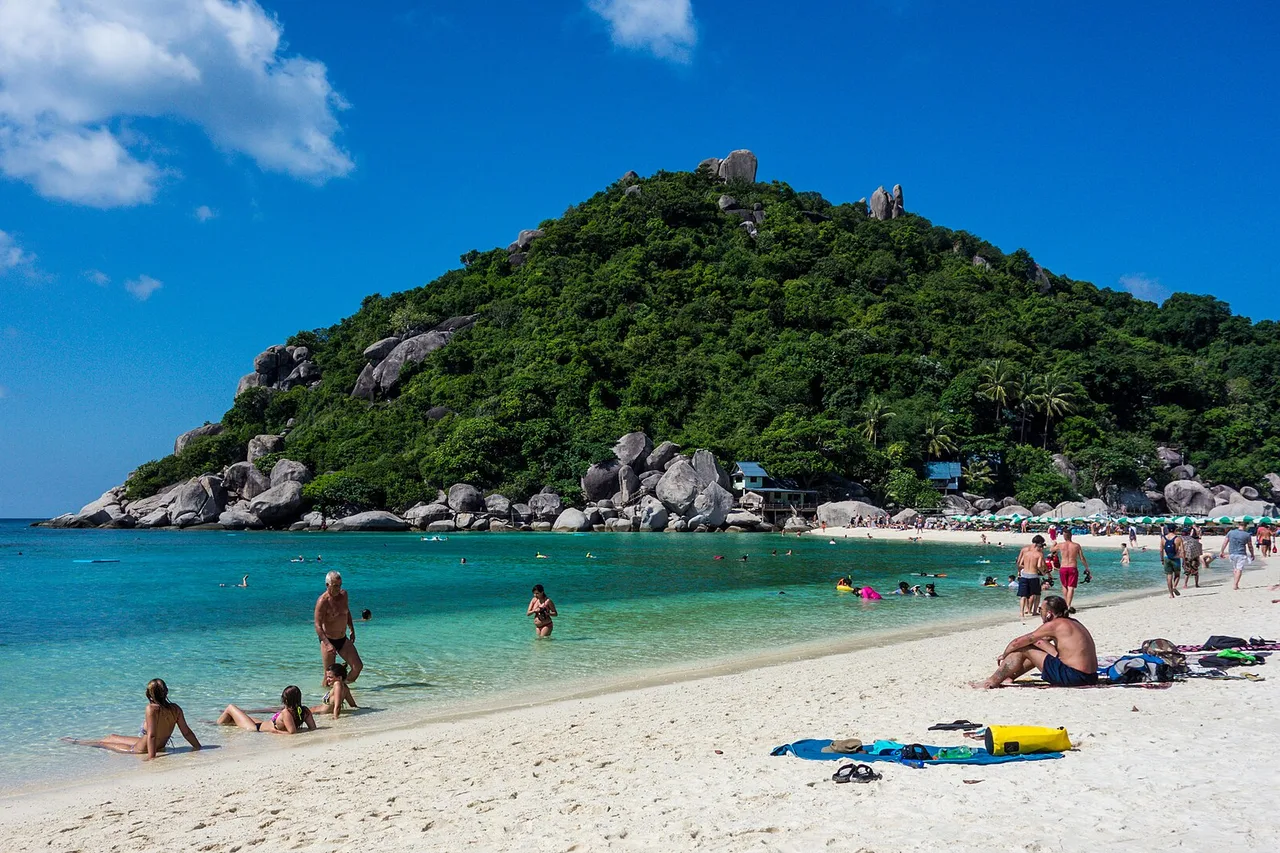
In Bangkok, Phuket or the towns of Koh Samui, the network matters little. On small islands and in national parks coverage thins out and no network is perfect (asiatravelrules.com, 3 Oct 2026).
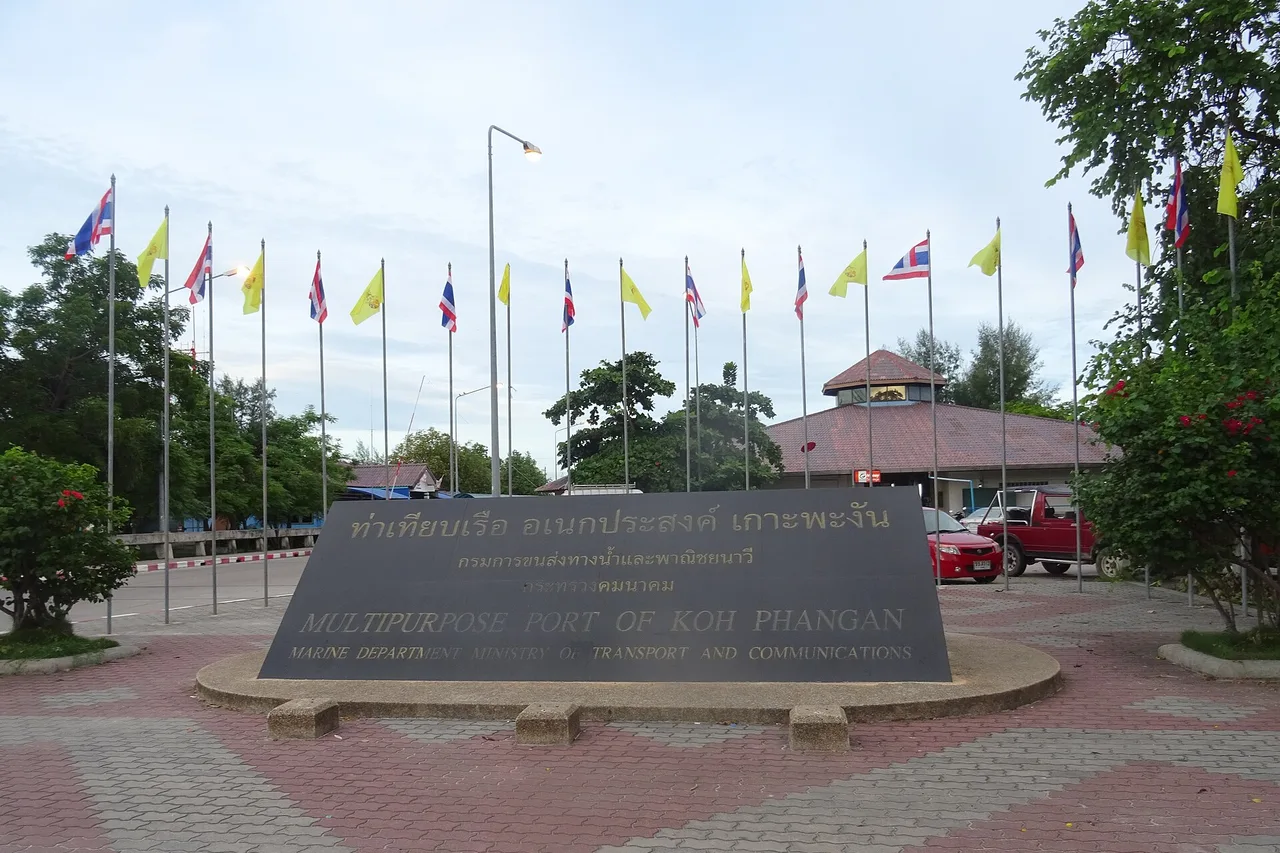
An eSIM seller (esim-now.com, 3 Oct 2026) – so not a neutral witness – gives detail: Koh Samui good, AIS better on the south coast; Koh Phangan good in the towns, AIS clearly better inland and in the north; Koh Tao good in the main areas; Koh Lipe moderate, sometimes 3G only, AIS superior. A French travel blog (Milesopedia, December 2025, undated measurements) recorded roughly 40 to 50 Mbps with Saily in Bangkok, 20 to 30 on Koh Samui (Chaweng) and about 15 in isolated spots on the same island.
On the big islands almost any solution works. For Koh Lipe, inland Koh Phangan or national parks, an AIS plan is, on these readings, the safer choice. Download offline maps and ferry tickets before boarding. To choose: Koh Samui or Koh Phangan, Phuket or Krabi; the whole route: our 15-day itinerary.
The airport SIM: passport, face check and cash
At Suvarnabhumi, AIS and True/dtac run counters in the arrivals hall, by the baggage belts and near immigration; the shops are open 24 hours according to Traveltomtom (September 2026). At Don Mueang: arrivals hall of terminal 1, roughly 5 am to midnight (Megaesim estimate, 29 Sept 2026). Counter prices can differ slightly from the websites.

Since 18 August 2025, the regulator NBTC requires a biometric liveness check for every new SIM registration (blink or hold still in front of the camera, facia.ai, 20 Aug 2025). A passport is required, the original according to Megaesim; three SIMs at most per person and operator; 60 days at most for a tourist SIM, with no extension by top-up (Nation Thailand, 31 Aug 2025; True). After that, AIS asks you to confirm your identity again, by SMS with your passport number to 4444161 or in a shop.
Two more snags: kiosks before customs take cash only (Traveltomtom) and an ATM charges 220 THB per withdrawal.
Does this registration apply to a foreign travel eSIM? The rules we found target SIMs from Thai operators. A comparison site (Visit Thailand Today, 29 Aug 2026) says no; without an official text, we do not write it as a guarantee.
Saily in Thailand: plans, network, conditions
The current list is on Saily’s page for Thailand; we could not read it because the page blocks robots. Prices therefore come from independent comparison sites (checked 27 Sept 2026):
| Plan | List price (USD) | Our reading |
|---|---|---|
| 1 GB · 7 days | $2.99 | Short stopover, otherwise hotel wifi |
| 3 GB · 30 days | $5.99 | Light use: maps and messaging |
| 5 GB · 30 days | $7.99 | One to two weeks, moderate use |
| 10 GB · 30 days | $10.99 | Two to three weeks with maps and some video |
| 20 GB · 30 days | $19.99 | Heavy use, or hotspot for two |
| Unlimited · 5 / 7 / 15 / 30 days | $14.99 / $20.99 / $38.99 / $48.99 | 5 GB a day at full speed, then 1 Mbps |
Per comparison sites and indexed excerpts: data only, no number or SMS, no hotspot restriction, a 180-day window to activate. The clock starts at the first connection to a supported network in Thailand, or 180 days after purchase; data roaming must be switched on (Travelesimexpert, 11 Sept 2026).
Reliability: Saily belongs to Nord Security, the company behind NordVPN (press release of 18 Apr 2025). Trustpilot, 6 October 2026: 4.7 out of 5, 31,993 reviews (83% five-star, 3% one-star), replies to negative reviews usually within 24 hours. That speaks for customer service, not for the signal on your island.
Five checks before you pay
- Is my phone compatible? Apple: iPhone XS, XR and later; two networks at once only if unlocked or on the same carrier (Apple Support). Android: see settings.
- Do I need a Thai number? Yes for verification texts from delivery apps and restaurant bookings; usually not for maps, WhatsApp and taxi apps (Visit Thailand Today).
- Is hotspot allowed? At Saily yes per comparison sites; elsewhere read first. And ask which network covers your islands.
- When does the clock start? At Saily at the first connection on the spot, 180 days after purchase at the latest.
- How much data? Benchmark: 15 GB for 8 days at the operators (dtac). 10 GB for 30 days covers maps, messaging and some video; streaming or sharing a hotspot: 20 GB.
If it all fits, the Saily eSIM for Thailand is the direct route: pick the plan, install the profile at home on wifi, switch on data roaming for the Thai line only after landing.
Pitfalls that cost money or time
Outdated prices. An old copy of AIS’s page (last modified per the server: 15 Feb 2023) still shows 299 THB for 8 days and 15 GB; the current page asks 499 THB.
“Unlimited” rarely is. Saily’s unlimited drops to 1 Mbps after 5 GB a day; dtac advertises “15 GB at Max Speed”. AIS’s page gives no limit; we did not read the terms of use.
Do not delete the profile. An eSIM’s QR code can generally be used once; once deleted, you need a new code from the provider (Esimpass, Yoho Mobile, both eSIM sellers).
Home SIM and arrival card. Switch off roaming on your home SIM. The digital arrival card TDAC is free, only at tdac.immigration.go.th, no earlier than 72 hours before arrival; a site charging fees is a middleman. Total trip cost: our three-week budget; getting between stops: getting around Thailand.