In Bali the question is never “how many kilometres”, it is “how many hours”. Thirty-six kilometres separate Ubud from the airport and take one to one and a half hours in normal conditions; Canggu is closer as the crow flies and further in time. Add a licence rule enforced far more strictly since April 2026, and whole neighbourhoods where ride-hailing apps cannot come and collect you, and you have the three things worth knowing before you choose.
The only variable that matters is time
A map of Bali lies. The island is barely a hundred and fifty kilometres across, yet distances here are counted in hours. From the airport: fifteen to twenty minutes to Kuta and Legian, twenty or sixty to Seminyak depending on traffic, forty-five to sixty to Canggu, one to one and a half hours to Ubud, twenty to thirty to Nusa Dua via the toll road. Those gaps come not from distance but from the network: two lanes everywhere, single-track lanes in the tourist areas, and no bypass.
Full guide: Car Rental in Bali: Prices, Licence and Pitfalls
Hence the first rule, which has nothing to do with transport: you do not choose how to travel, you first choose where to sleep so that you do not have to travel. That is the full reasoning of our guide to where to stay in Bali. With that settled, here are the six ways to move, and what each is really worth.
| Mode | Price bracket | Good for | The catch |
|---|---|---|---|
| Scooter | 60,000 – 100,000 Rp / day | Filtering through, short hops | Motorcycle licence AND an international permit |
| Grab / Gojek — bike | 15,000 – 25,000 Rp / 5 km | Short trips, alone, no luggage | Pickups barred in certain zones |
| Grab / Gojek — car | 50,000 – 80,000 Rp / 5 km | Two people, luggage, rain | Stuck in the same traffic |
| Private driver, full day | 700,000 – 900,000 Rp / 10-12 h | Big days out, families, the highlands | Tickets, toll and lunch on top |
| Self-drive car | Varies with the season | The north and east, outside towns | Driving on the left, parking |
| Trans Metro Dewata bus | A few thousand rupiah | Tight budget, main corridors | 15-20 min waits, only six lines |
The scooter: cheapest — and most policed since April 2026
Sixty to a hundred thousand rupiah a day, petrol on top but negligible: nothing comes close on freedom per euro, and in the clogged lanes of the south it is also the fastest. Read what follows before you rent, though, because enforcement has changed.
Your national licence is not enough. You need your home motorcycle licence and an International Driving Permit carrying the two-wheel category. That was already the rule; what changed is how it is applied. Since the “Dharma Dewata” task force launched in April 2026, checks are frequent and the announced tolerance for foreign offenders is zero. Expect 300,000 to 500,000 rupiah per missing document, and up to 1,000,000 for riding without a helmet, shirtless, or with a modified exhaust. An expensive detail: in 2026, a photo of the permit on your phone is generally not accepted — originals are required.
The real risk, though, is not the fine but the insurance. Most travel policies require the rider to be legally entitled to drive the vehicle. Crash without a valid licence and medical cover may be refused — in a country where a medical evacuation runs into tens of thousands of euros. Helmets are compulsory for rider and passenger, without exception.
Two words on the rental itself, since this is where the 2026 crackdown changes things. The street shop that hands you a scooter without an international licence also leaves you alone at the checkpoint: it is not the shop that will produce the paperwork. Going through a rental firm that documents the hire does not replace the licence — nothing does — but it at least avoids the badly maintained machine rented with no contract.
Grab and Gojek: where they work, and where they do not
Both apps cover the south and Ubud with prices shown up front: roughly 15,000 to 25,000 rupiah for five kilometres by bike, 50,000 to 80,000 by car. Simple, honest, and it settles the question of negotiated fares. But there is a limit guides rarely mention, and it ruins whole evenings.
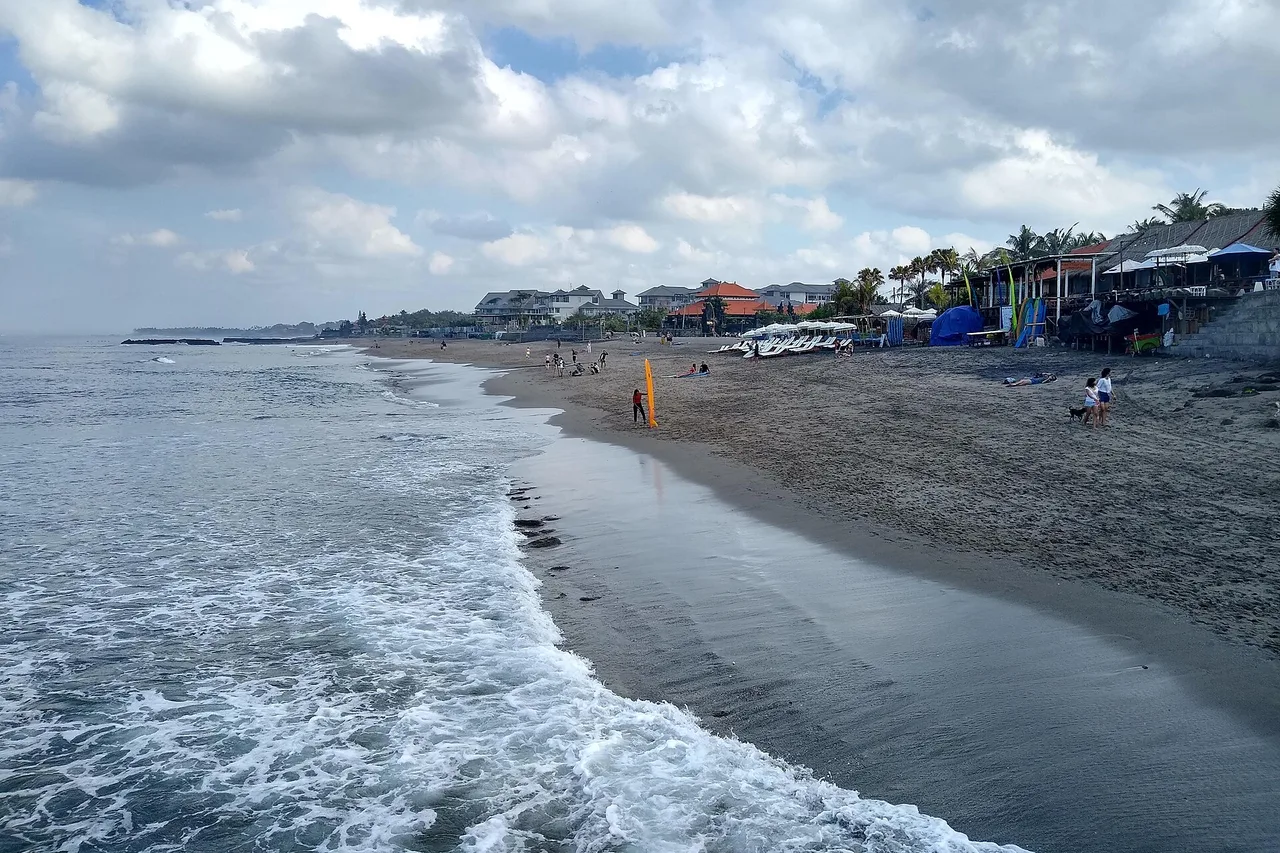
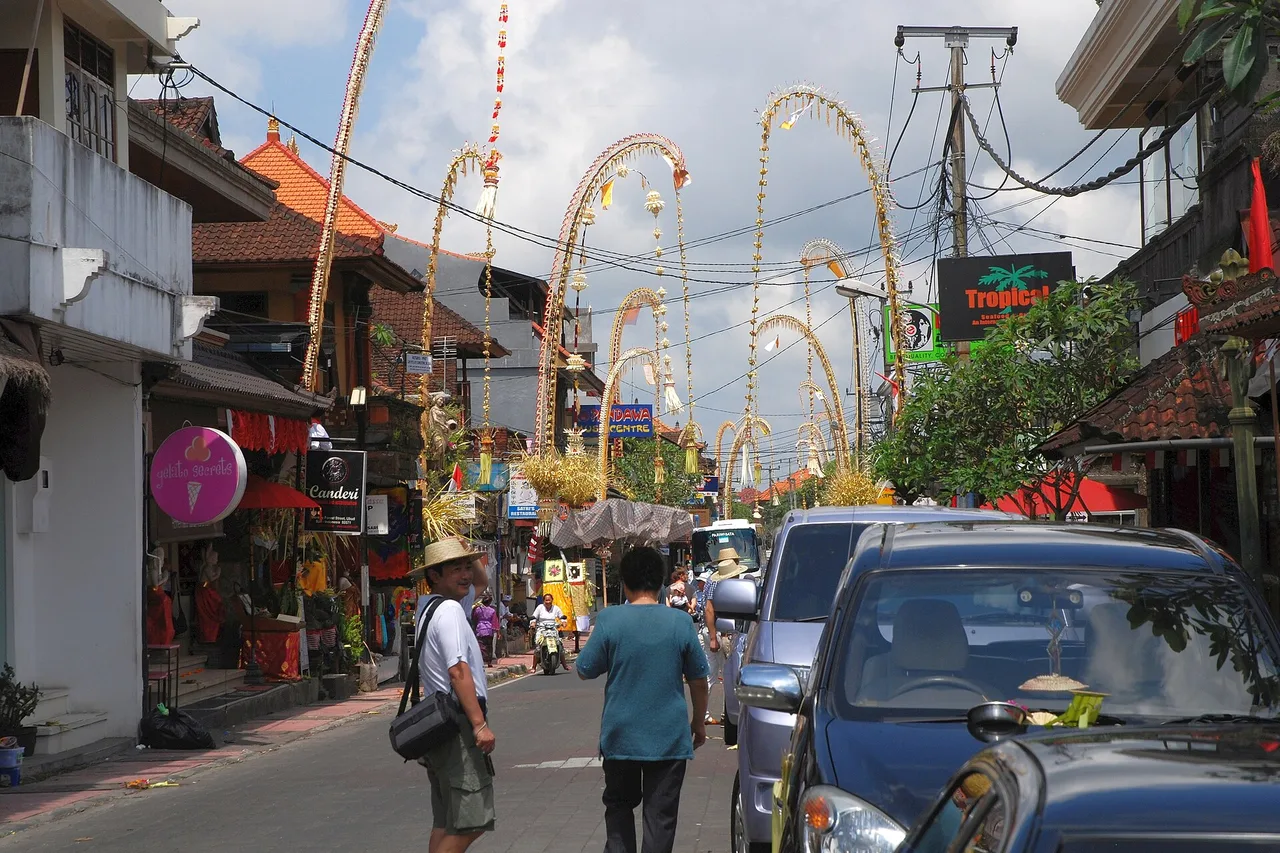
In certain areas these apps cannot come and pick you up. Central Ubud — around the market, the palace and the Monkey Forest — the surroundings of several Canggu beach clubs, and the zones near the Uluwatu temples enforce a de facto ban. It does not come from the state: every Balinese village is organised as a banjar, and the community claims the right to regulate transport on its own ground; the local taxi cooperative protects its livelihood there. In practice your ride is accepted then cancelled, or the driver asks you to meet him further away.
Two things to remember. First, drop-offs are never a problem: you can always be dropped anywhere; it is collection that sticks. Second, the workaround is simple — walk two or three hundred metres out of the zone before ordering, or take a local taxi for that leg. This is not a scam, it is a local rule: quietly working around it is fine, arguing about it on the spot goes nowhere.
The private driver: what the rate covers, and what it does not
Seven hundred to nine hundred thousand rupiah for ten to twelve hours, fuel and parking included. Split between two, that puts the day around four hundred thousand rupiah each: expensive every day, very reasonable for one big loop — the eastern temples, the northern waterfalls, a sunrise at Batur.
What the rate does not cover, and which catches everyone out: site entrance fees (often more than the driver himself on a busy day), the motorway toll — about 13,000 rupiah — and the driver’s lunch, for which 30,000 to 50,000 rupiah is customary. It is not an imposed surcharge, it is a custom; skipping it is noticed. The full list of entrance fees is in our fourteen-day budget breakdown.
A word on booking: a driver found through your accommodation or recommended to you costs the same as a platform and knows the road. Agree the finishing time before setting off — beyond twelve hours, overtime is charged, and rightly so.
Self-drive: rarely the right call
This is the rarest option among visitors, for good reasons. You drive on the left, traffic is dense and governed by custom more than by the highway code, parking is a permanent problem in the south, and the price gap with a driver is small once fuel is paid. For a comparable figure, someone else drives, parks and knows the shortcuts.
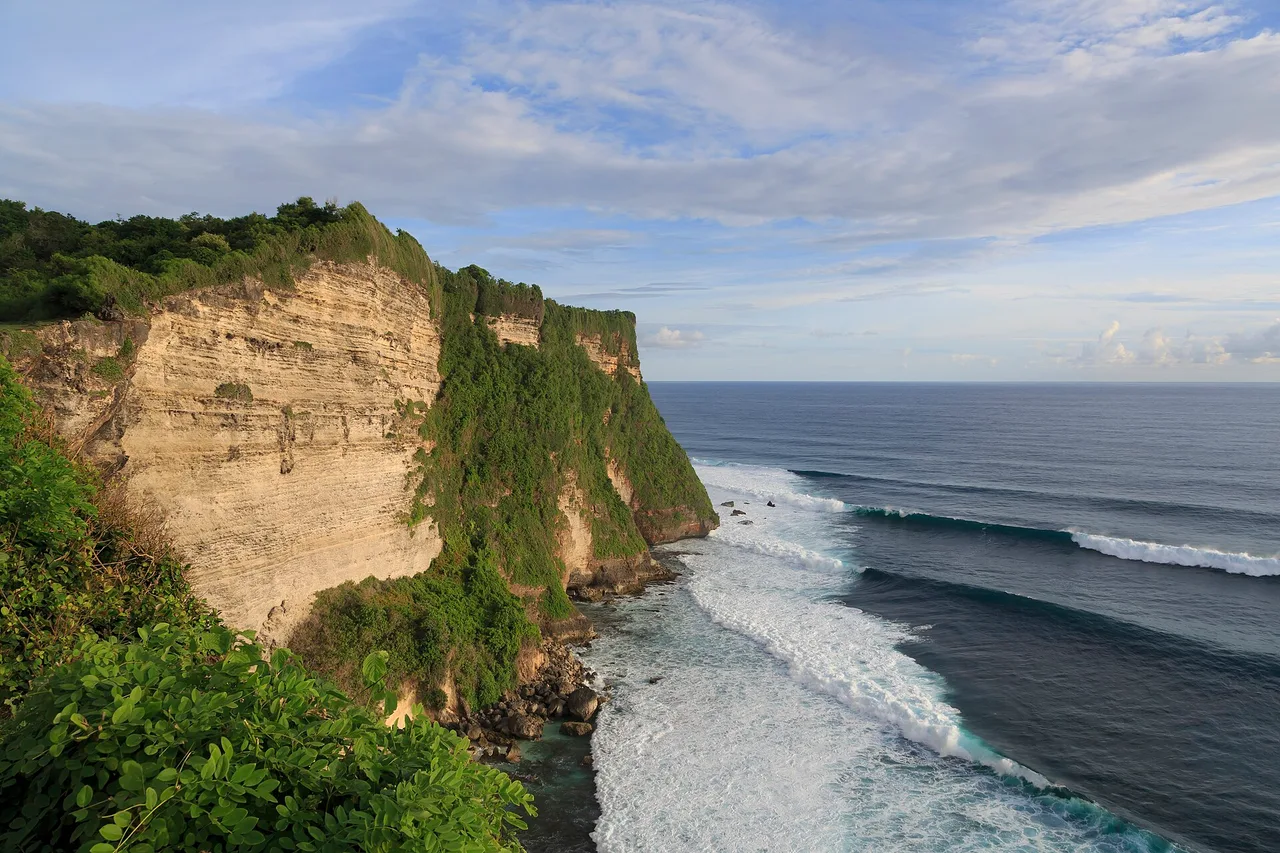
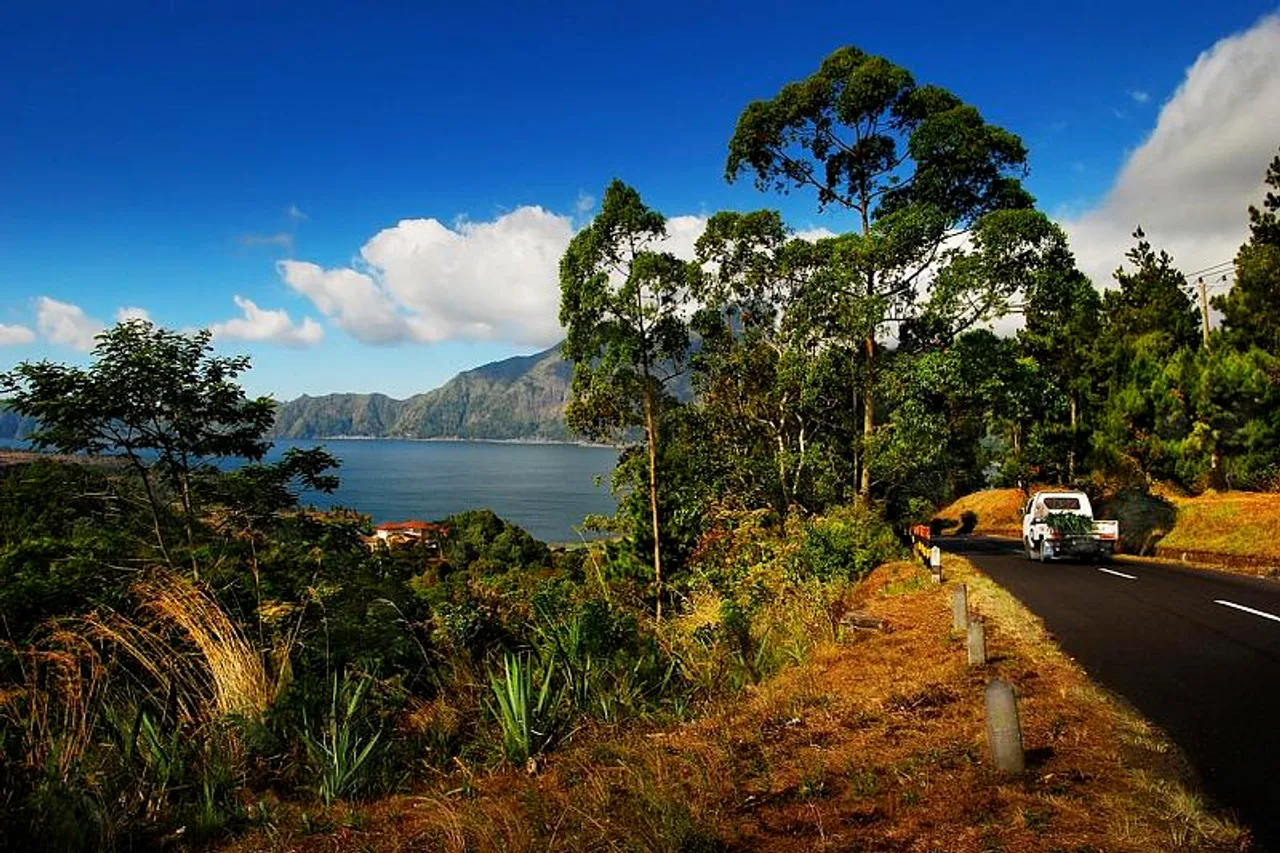
There is one case where it holds up, though: the north and east, outside the towns. On the road to Munduk, Amed or Sidemen the traffic disappears, distances become distances again, and independence has real value. If your route circles the island rather than shuttling between three beaches, the question is worth asking — see our two-week itinerary.
If you go for the car anyway, one practical point: local rental firms and airport desks charge neither the same prices nor the same excesses, and the gap widens beyond three days. Comparing local rental firms before arrival mainly avoids the cash deposit, still common outside the big chains.
Public transport does exist
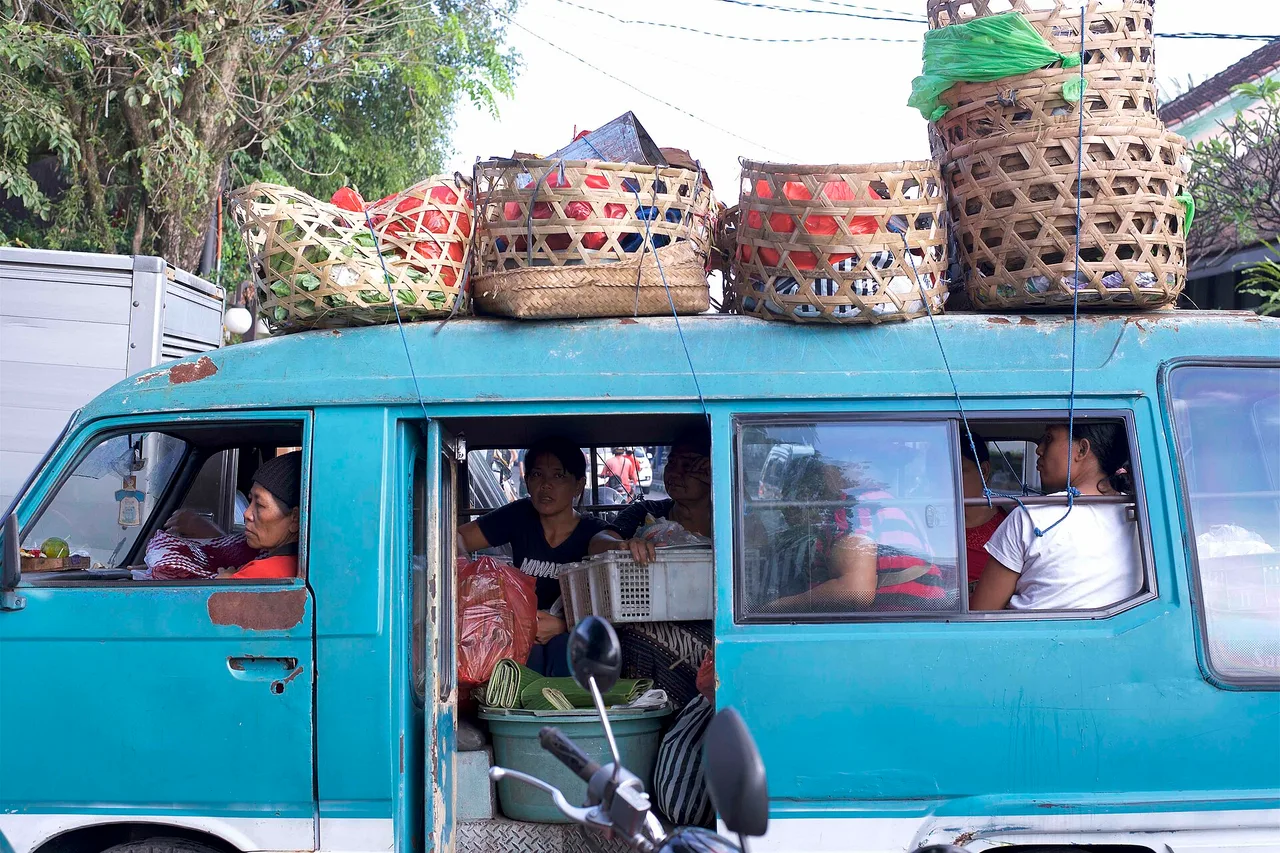
You often read that there is “no public transport in Bali”. That is untrue, and it is changing. The public Trans Metro Dewata network, suspended from 31 December 2024 to 20 April 2025 while its funding and its transfer from national to provincial government were settled, runs again on all six lines, with a bus every fifteen to twenty minutes. The fare is trivial, the buses are air-conditioned, and the lines serve the main southern corridors and Denpasar.
Alongside it, the Kura-Kura shuttle is a private service aimed at visitors, linking tourist areas, shopping centres and a few sights. Both share the same limit: they follow corridors, and most of what you want to see is not on a corridor. Use them for one specific, predictable trip, not to structure a holiday.
Do not count on the promised metro either: the first stone of the airport – Kuta – Seminyak – Berawa – Cemagi line was laid on 4 September 2024 for an announced 2028 opening, yet in 2026 no construction is visible.
Crossing to the islands
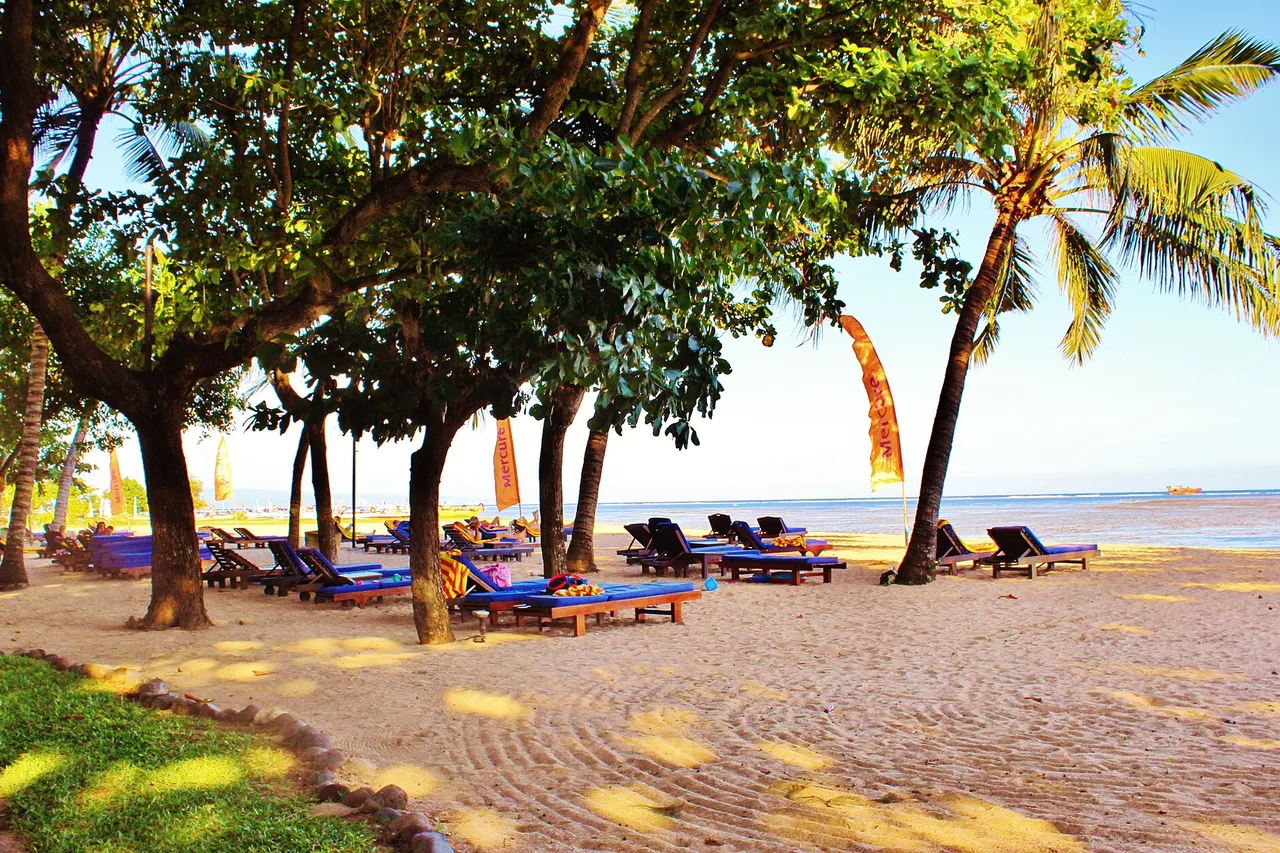
Boats are a full transport mode here. From Sanur, whose modern terminal has been coming into service in stages since November 2022, Nusa Lembongan is about thirty minutes away by fast boat; the crossing to Nusa Penida costs 150,000 to 250,000 rupiah one way. Departures run roughly from six in the morning to six in the evening, and stop entirely on Nyepi.
For the Gilis and Lombok, departures are mostly from Padang Bai in the east: a fast boat takes an hour and a half to two hours, from around 400,000 rupiah. The public ferry to Lembar takes four to five hours, with departures every sixty to ninety minutes. One precaution belongs here: the Lombok Strait can cancel a crossing, especially from December to March. Never schedule a crossing on the day of your international flight.
The airport, arriving and leaving
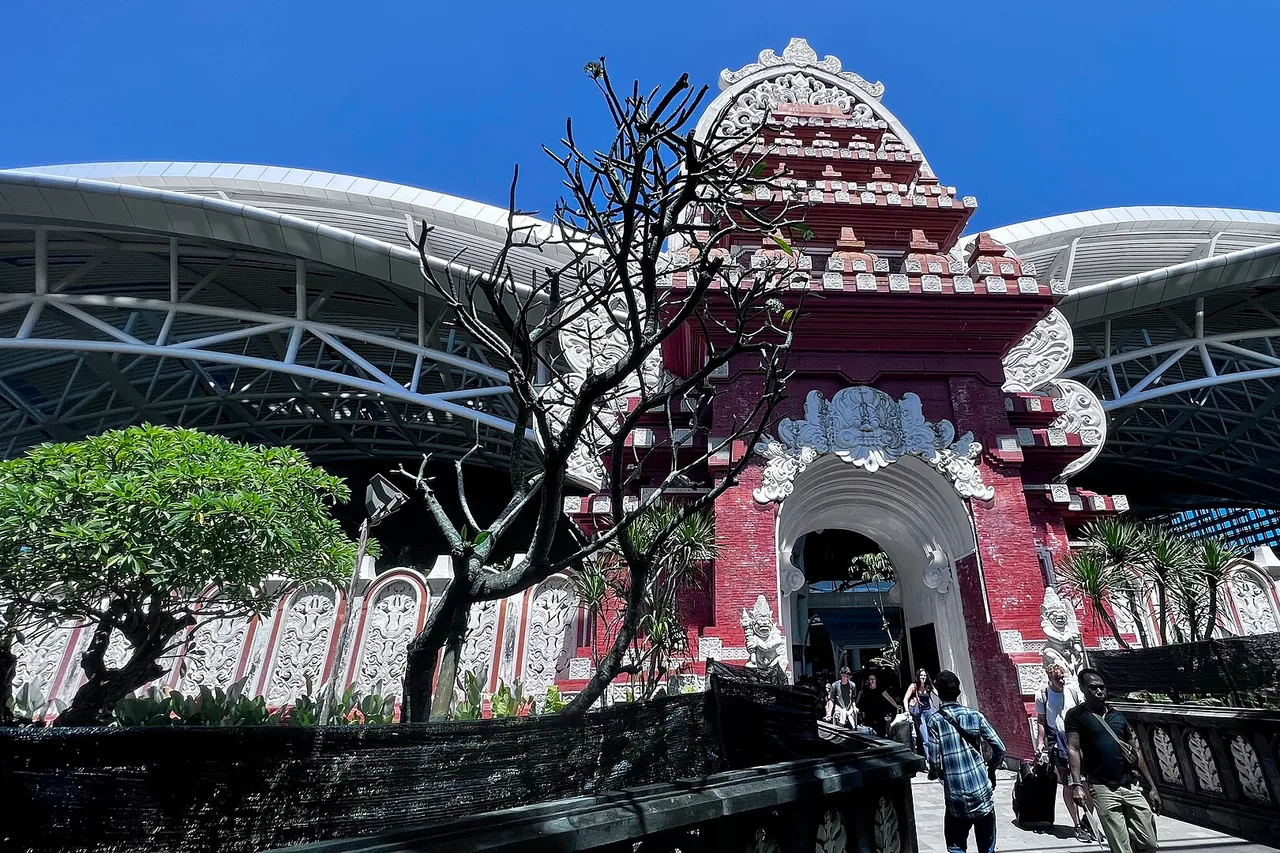
Good news: Grab and Gojek both operate at Ngurah Rai — Grab with an air-conditioned lounge, Gojek with signposted pickup zones. It is generally the cheapest and least disputed option on arrival. Official counter taxis cost more but leave immediately, and a transfer booked in advance has the merit of a known price when you land at two in the morning with suitcases.
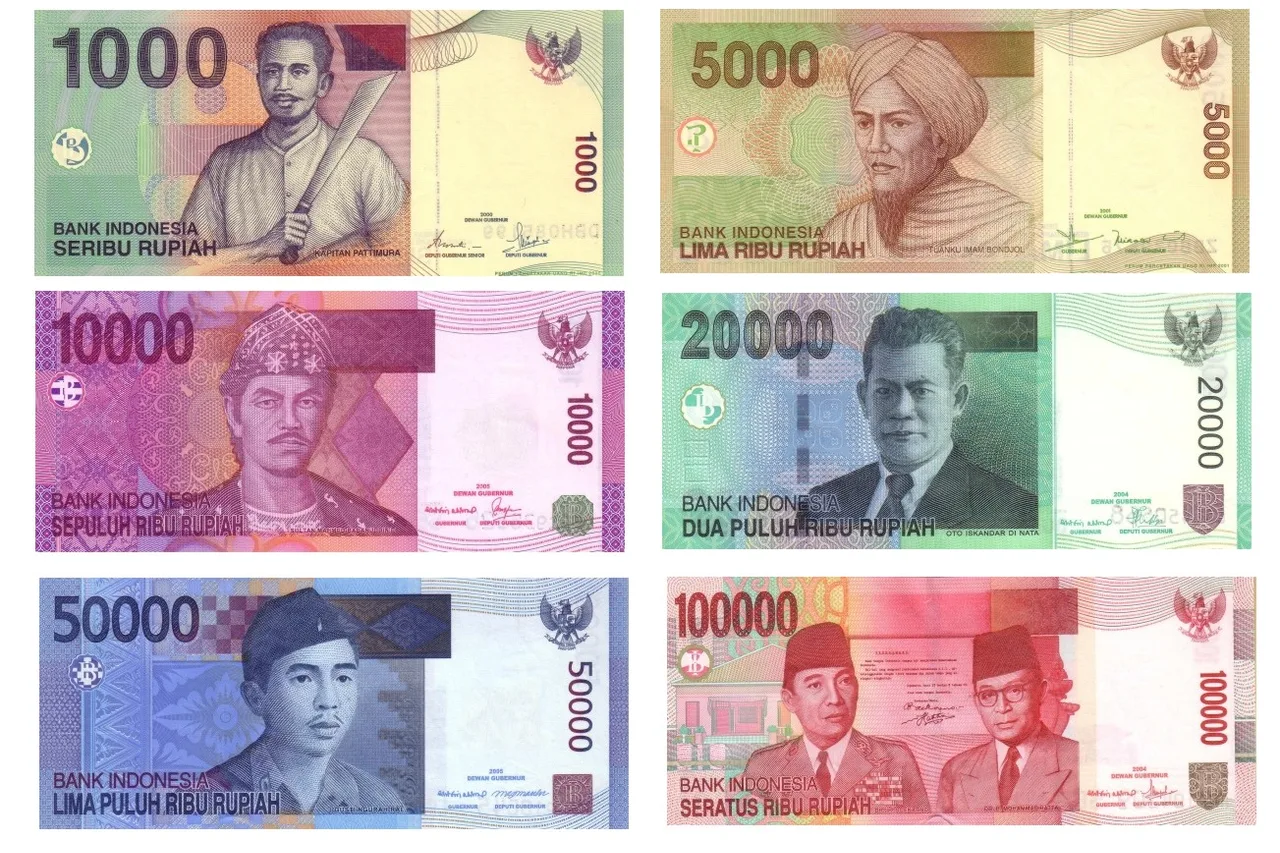
Two habits for departure. First, double the quoted travel time if you leave Canggu or Ubud in the late afternoon: that is precisely when one hour becomes two. Second, keep cash: fuel, parking, short hops and any fines are rarely paid by card.
For the return the constraint flips: it is no longer price that matters but the hour. An early-morning flight from the north or east of the island is arranged the day before, and a transfer ordered in advance is here less a saving than a guarantee — that a vehicle will be there at four in the morning, when no app answers.
Full guide: Bali airport transfer: taxi, Grab or pre-booked?
Which option for which trip
A week in the south, no motorcycle licence: Grab and Gojek for everything, plus one or two private-driver days for Ubud and the east. It is the most common combination, and it works.
A long stay, with a motorcycle licence and an international permit: a scooter by the week, topped up with a car and driver on long-distance or rainy days. Best freedom-per-euro there is — provided both documents are in your pocket, not at home.
With young children: a private driver on excursion days, Grab by car the rest of the time, and a base you can walk from. A scooter is not a reasonable option three to a saddle, whatever you see going past on the road.
On a tight budget: a scooter if your licence allows, Trans Metro Dewata on the main corridors, and a trip built around two bases rather than one. Transport is the item that compresses most easily — the figures are in our two-week budget, and the quieter months in our month-by-month guide.