In Mauritius, fishing is not a brochure activity: it is a way of life you can read on every coast. Pirogues coming home at first light, still silhouettes on the rocky points at dusk, big game boats racing for the deep blue — this island has always fished, and it knows how to welcome those who want to try. This guide covers the three Mauritian fisheries — big game offshore, the lagoon, the shore — with their seasons and, above all, the question everyone overlooks: when to wet a line. The places below are all part of the 225 places of the app, with fact-checked local guides.
Budget tip: in Mauritius, part of your activities can cost you less. See how to save money with discounts on your activities.
We run Moris Insider, the Mauritius guide and map co-created with locals. No operator pays to appear here: we simply tell you how fishing is lived on the island, with its good windows and its unwritten rules.
An island that has always fished
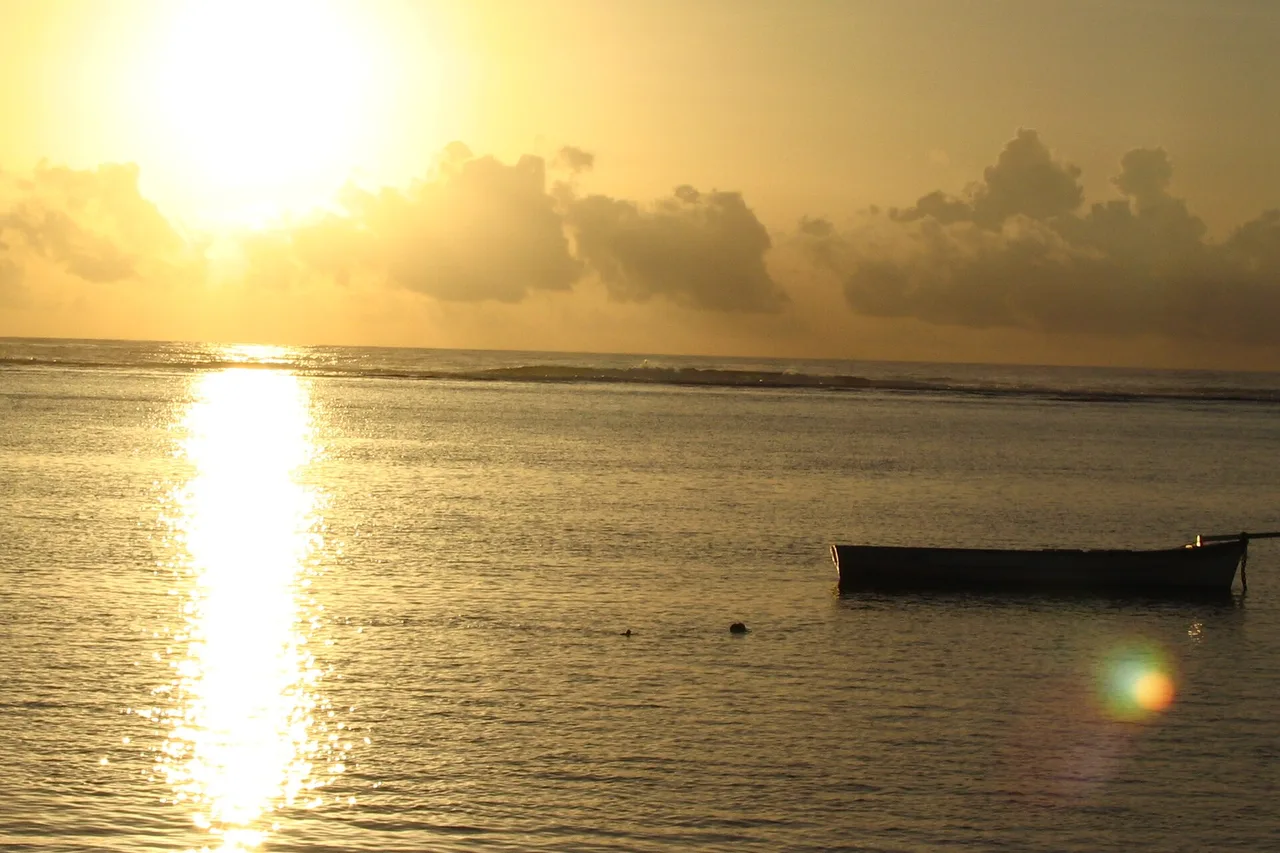
Before it was a destination, Mauritius was an island of fishermen. Every coastal village has its landing stage, its brightly painted pirogues and its regulars who know the lagoon like their own kitchen. Fishing here takes three distinct forms. Big game fishing first: marlin and tuna country, beyond the reef, where the ocean shelf plunges fast into deep water — a rare geographical gift, because off Mauritius the truly deep starts just minutes from the moorings. Lagoon fishing next: handline or light trolling from a pirogue, between the coral heads. And shore fishing, the most discreet and most Mauritian of all: casting from a basalt point at the hour when the light drops.
All three can be tried — and all three depend on the same thing: the sea of the day. Before choosing your fishing, borrow the local reflex: a glance at the sea conditions zone by zone, because a coast that is sheltered in the morning can pick up in the afternoon.
Black River, big game capital
On the west coast, Black River (Rivière Noire) holds a title nobody disputes: it is the historic capital of Mauritian big game fishing, with family outfits that have been running boats since the 1970s. The recipe has not changed: leave at first light, coffee on board, and head for the blue — the drop-off is so close that lines go in quickly. On the fight card: blue and black marlin, sailfish, yellowfin tuna, wahoo (the ocean’s missile) and dorado (mahi-mahi). The North holds its own too: boats also leave from Grand Baie to work the grounds off the northern islands.
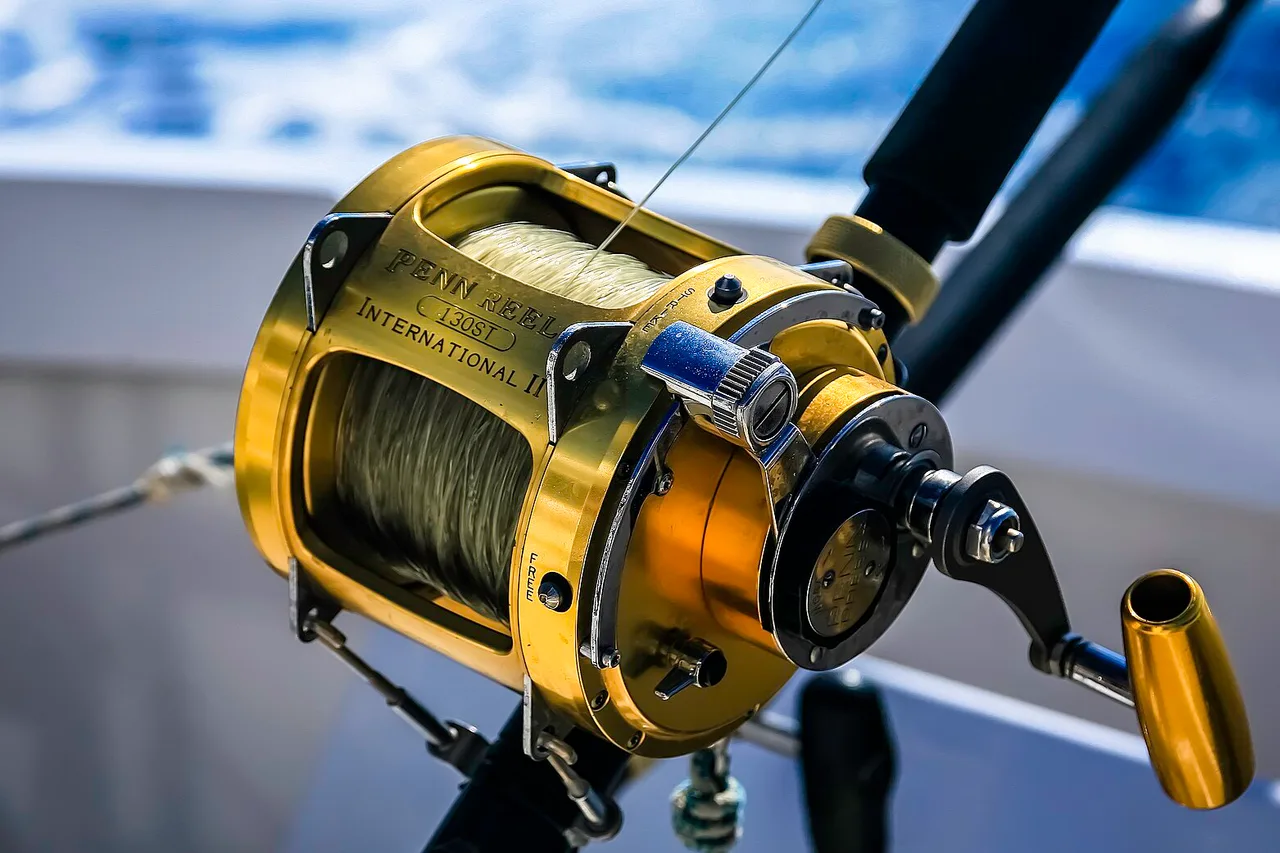
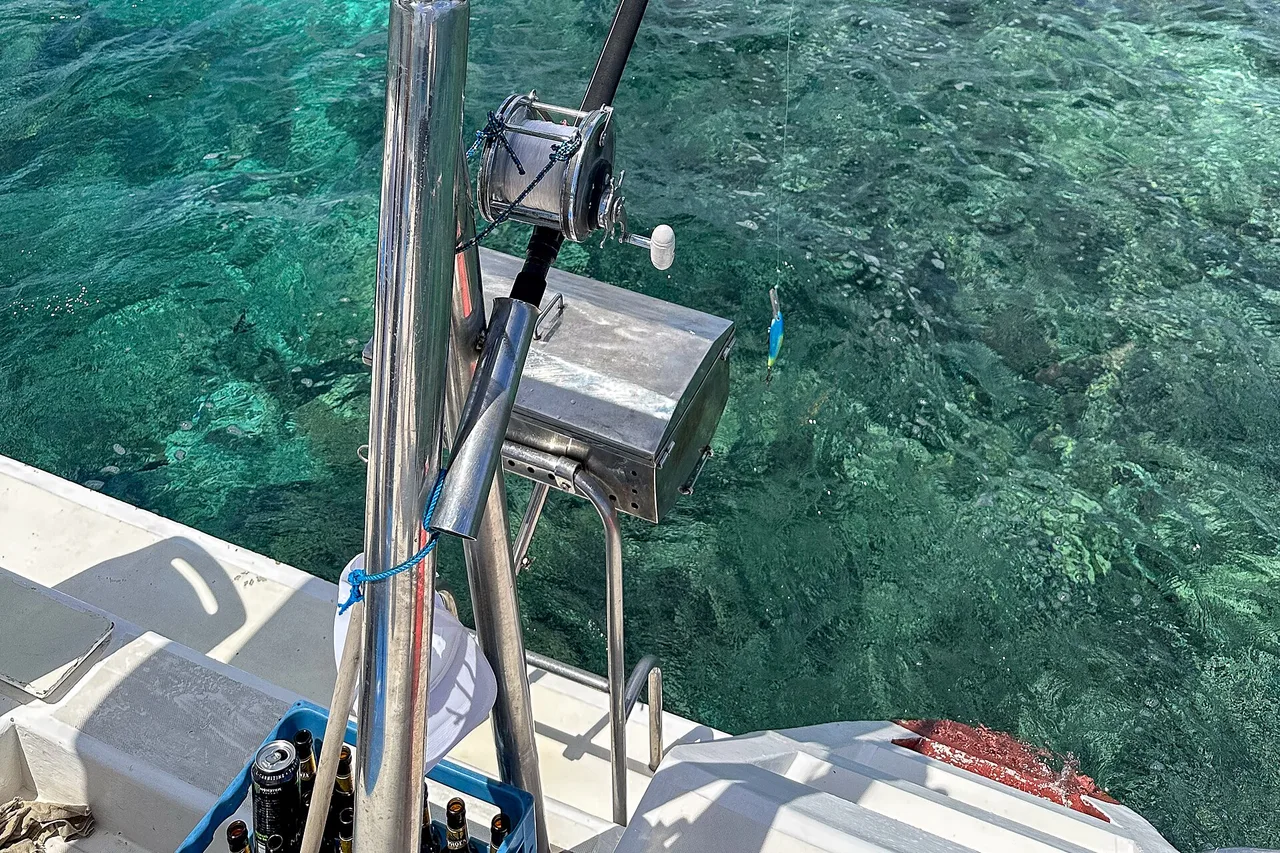
In practice, a trip is booked with an operator: equipped boat, rods, reels and lures provided, and a crew that sets the spread and backs you up during the fight. The classic formats are the half day (the essentials, leaving at dawn) and the full day, which buys time to hunt further offshore. Two reflexes before booking: ask about the boat’s release policy — some publish a genuine catch & release commitment for marlin — and confirm the day before, depending on the marine forecast. The big game trips from Black River and Grand Baie have their own guides in the Ocean category of the app, with local advice.
Explore the island like an Insider
Moris Insider gathers 225 hand-picked places, today’s weather coast by coast and a fishing mode that crosses tide, moon and pressure. €24.90 once, for life. 30-day money-back guarantee.
Discover the app →The seasons, species by species
There is fishing all year round in Mauritius — but not for the same fish. The main event is the austral summer, November to April: warm water brings the marlin along the drop-off, and this is the window that die-hard anglers cross the planet for, dreaming of a “grander”. Around that peak, the regulars break the calendar down like this: yellowfin tuna fires mostly from January to May, wahoo shows up rather from September to December, and dorado keeps the austral winter busy, from April to September. Sailfish can turn up almost any time of year.
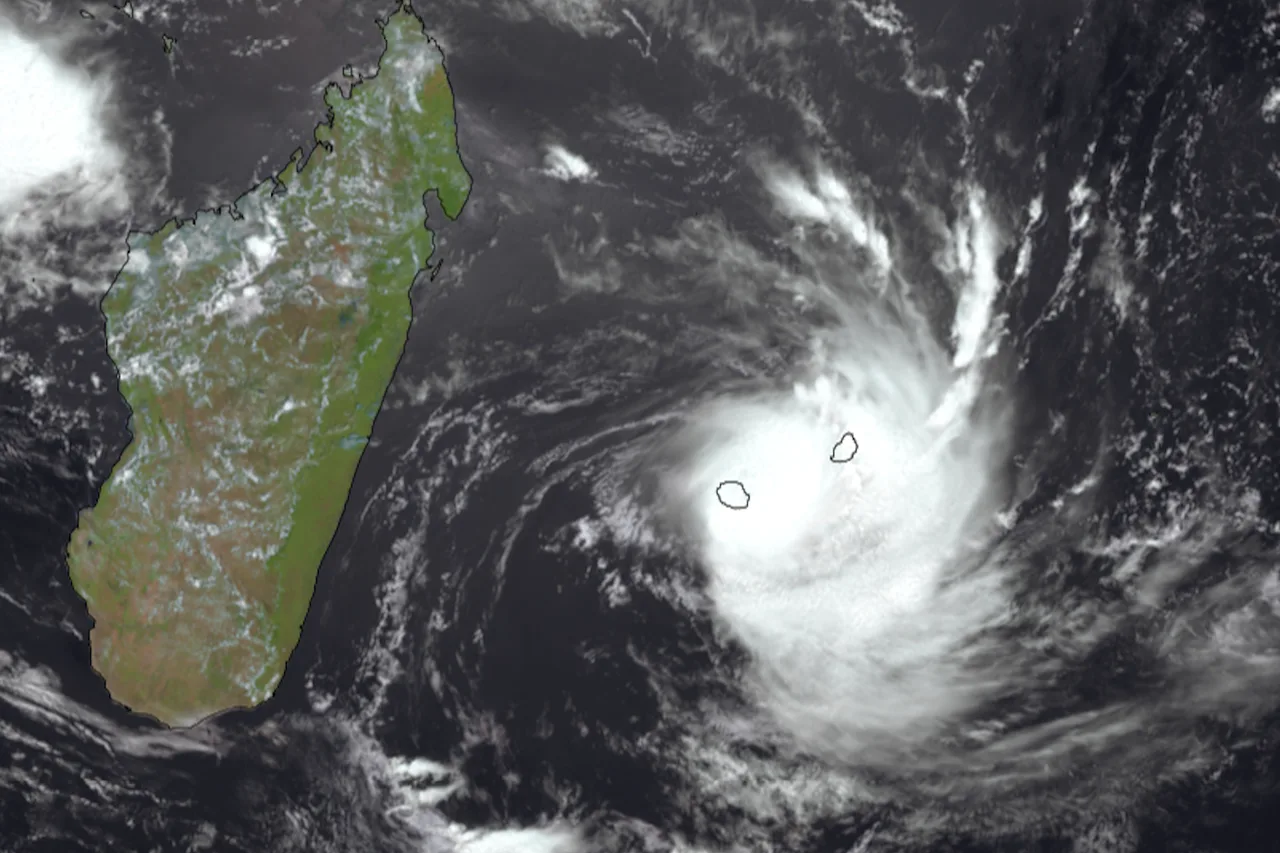
The logic to remember: there is no bad season, only different targets. The austral winter (June-September) is cooler and windier — trips depend more on the swell, especially on the south and east coasts exposed to the trade winds. And if you come in the hot season, keep an eye on cyclone weather: we wrote about how the island lives through its cyclone season — on alert days, nobody goes out, full stop. For travellers from India, the UK or South Africa flying in on direct routes: the November-April marlin window conveniently overlaps the best travel season.
Lagoon and shore: how locals fish
The most authentic Mauritian fishing makes no noise. It is a Mahébourg retiree pulling in his handline at the lagoon’s edge, a family trolling a line behind the pirogue on a Sunday, a village teenager throwing a lure from a basalt point in the last hour of light. If you want a taste of that fishing, the golden rule is simple: go accompanied. A local fisherman knows where the fish move, at what hour, and — just as important — where fishing is allowed at all.
Because not all of the lagoon is open: in the marine protected areas, such as the Blue Bay marine park or Balaclava, you do not fish — you go in with a mask instead, and that is exactly as it should be (our 12 best snorkeling spots make the case). Elsewhere, zones and practices are regulated: ask locally rather than assume. Tackle-wise, a simple travel spinning rod is enough to have fun from the shore — and for the exact places, we keep our six shore-fishing spots, scouted with island fishermen, in the app’s selection: trusted addresses we shield from the crowd, like our secret beaches.
Tide, moon, pressure: the day’s windows
Two anglers, same spot, same lure: one goes home empty, the other bends the rod. The difference is usually the hour. Mauritian fishermen cross four signals, and none of them is folklore: the tide first — slack water and the turn wake up fish that hunt in the current; the moon next — around the new and full moon, solunar activity peaks; barometric pressure — a pressure drop over a few hours often triggers the bite, before the flat calm settles in; and finally the golden hours, those minutes around sunrise and sunset when the whole lagoon starts feeding.
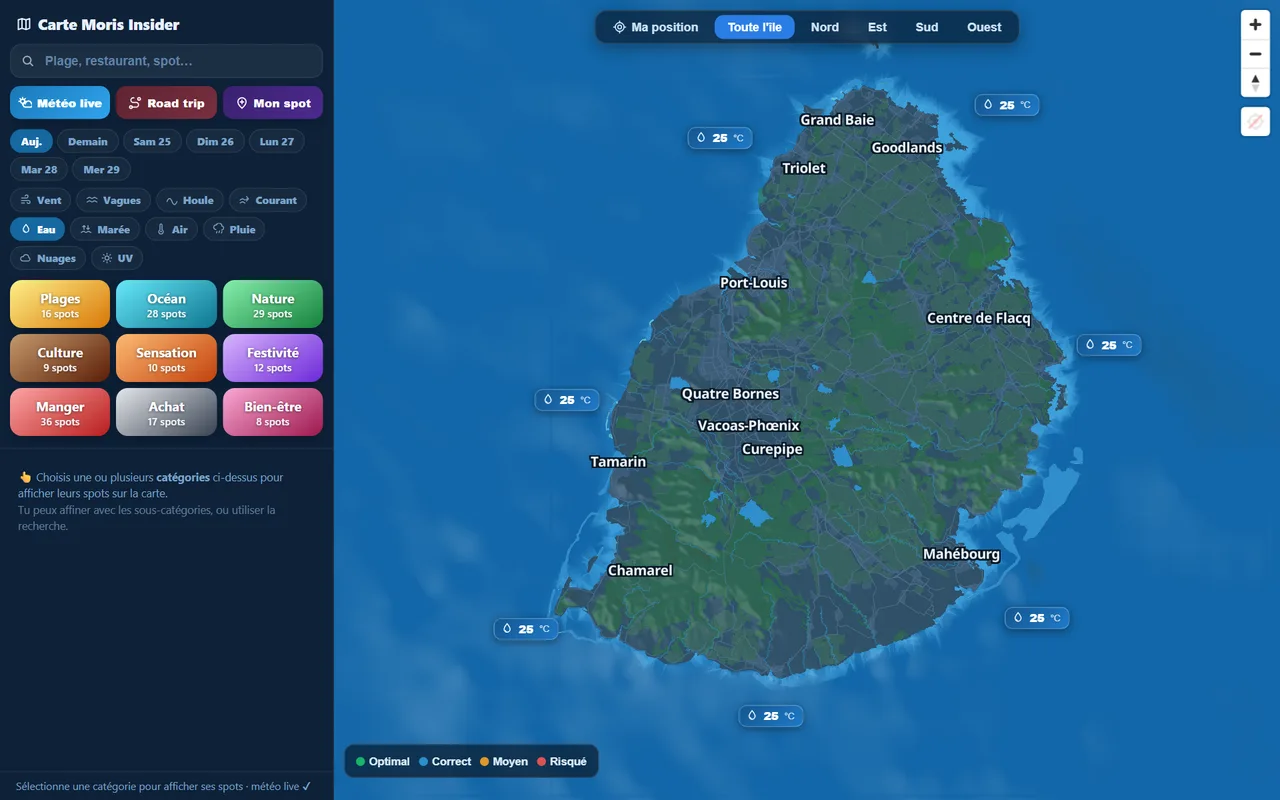
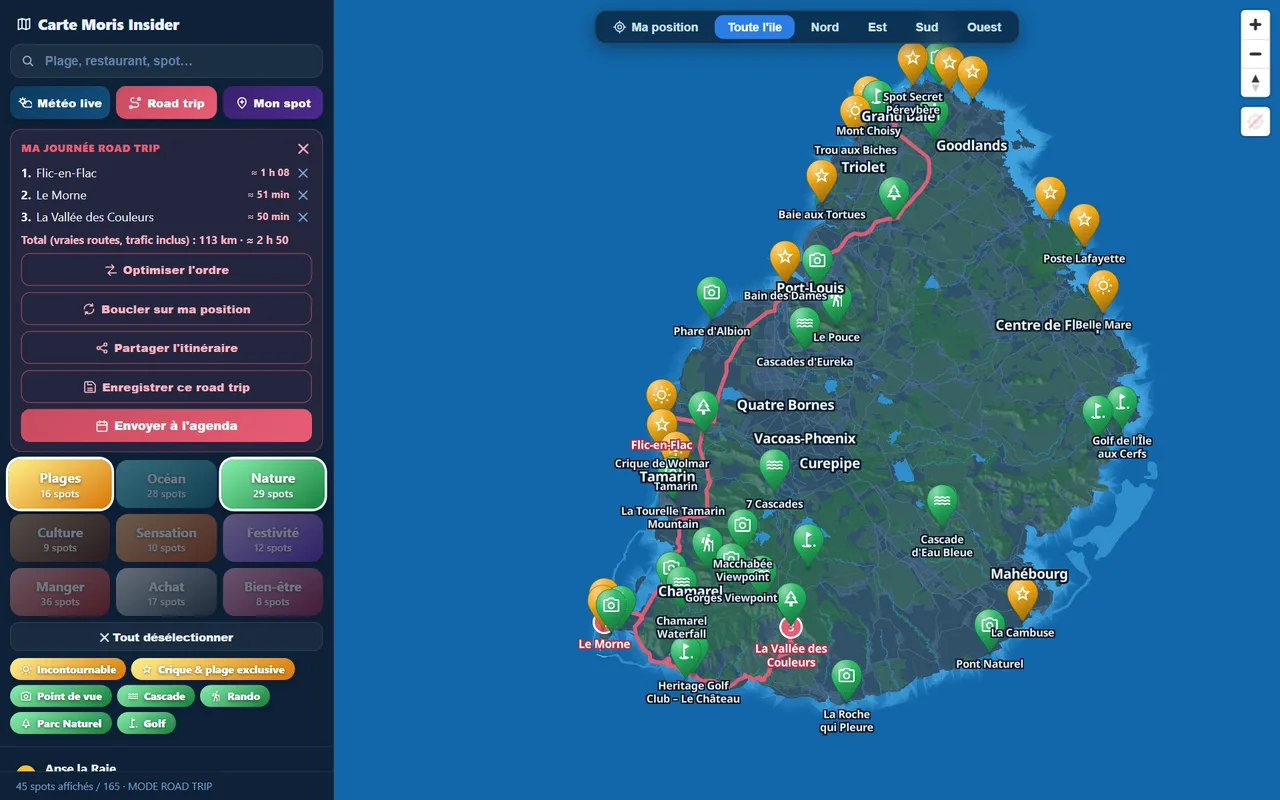
Crossing those four curves in your head is a full-time job — so we put it in the app. The fishing mode of the Live Conditions computes a daily score for every zone of the island from the tide, the moon phase, the three-hour pressure trend and the golden hours. The verdict, its factors, the best hour-by-hour windows and hourly weather are all part of the app. And since fishing is a zone-by-zone game, the explorer map shows today’s sea on every coast — wind, swell, and where to go when your spot is blown out.
Fishing with respect for the island
The Mauritian sea gives a lot; it deserves something back. One: what you will not eat goes back in the water — recreational shore and lagoon fishing is happily practised no-kill, and a fish released quickly, kept wet, almost always swims off strong. Two: offshore, if the fight is what you came for, pick a boat that releases its marlin — the trophy looks just as good in a photo. Three: never fish in the marine parks or near swimmers, and never trample the coral to gain three metres. Four: safety first — exposed points take walls of water on big-swell days; if the sea is up, the window will still be there tomorrow.
One last local habit: log your sessions. The spot, the tide, the hour, the lure, what bit — that is how you learn your lagoon. The app’s travel log keeps your catches, notes and photos, and the planner slots the morning session before the afternoon programme — because in Mauritius you can put the rod away at 10am and sit down to a fish curry at noon.
The real Mauritius, in your pocket
The interactive explorer map: 225 hand-picked places, real-time weather coast by coast and a fishing mode with the day’s windows. €24.90 once, for life. 30-day money-back guarantee.
Discover the app →