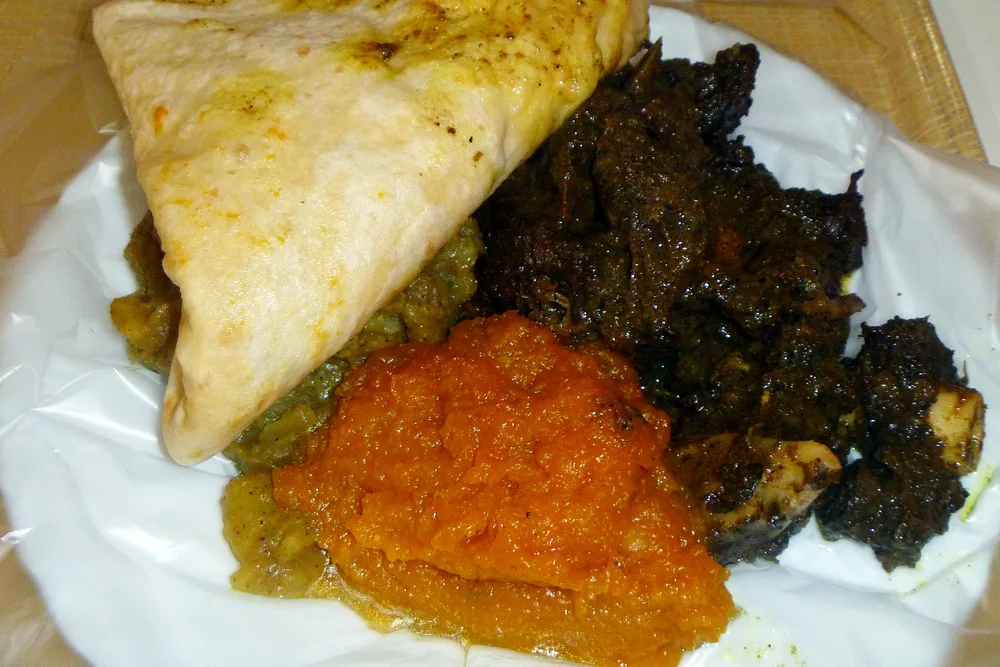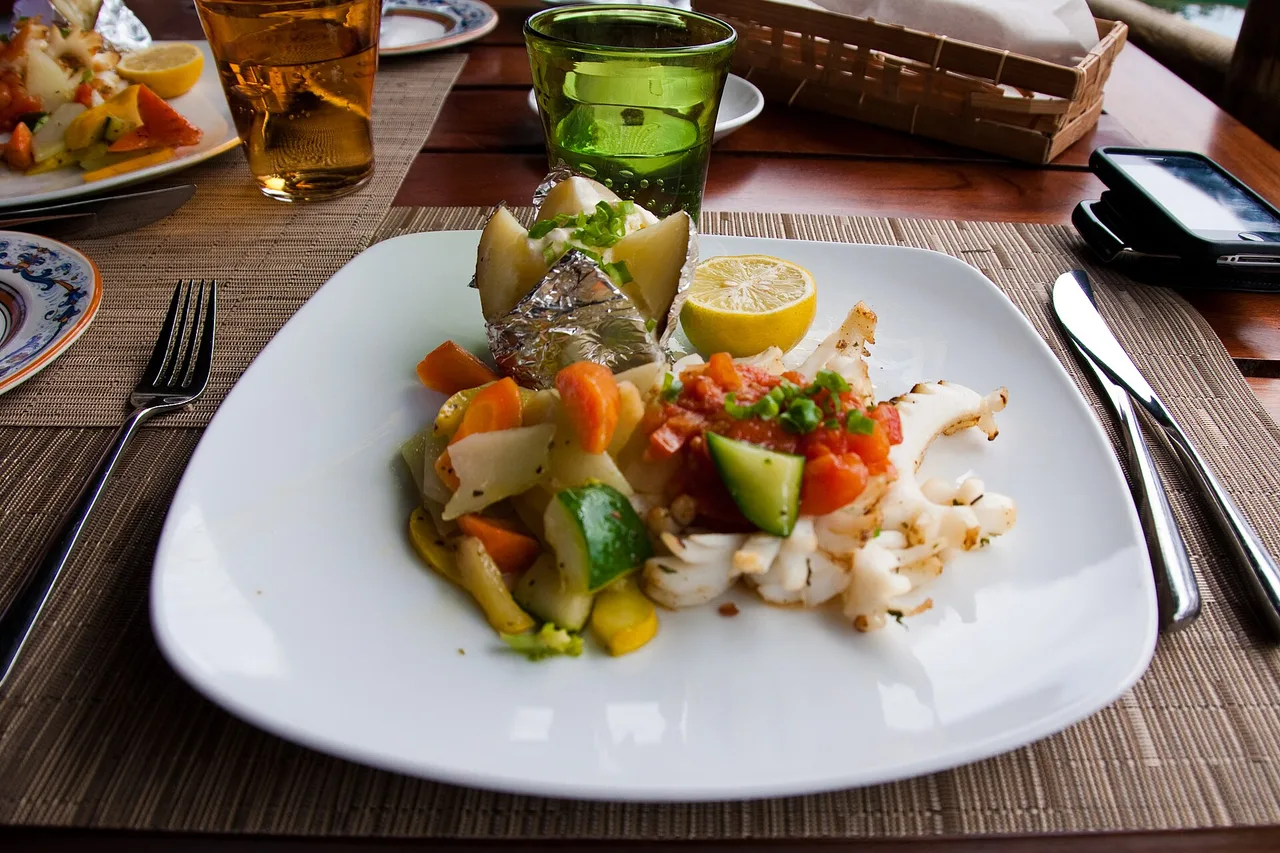
In Mauritius, rum is not an airport-shop souvenir: it is two centuries of liquid history. The whole island was shaped by sugar cane — its fields still ripple from the coast to the mountains — and where there is cane, there is rum. A mountain distillery, a former sugar factory turned museum, homemade rhum arrangé at a table d'hôte: here is where to taste it at the source, from locals who know the difference between a tasting and a tourist trap. Every place in this guide is among the 225 places of the app, with sheets verified on the ground.
Budget tip: in Mauritius, part of your activities can cost you less. See how to save money with discounts on your activities.
We run Moris Insider, the Mauritius guide and map co-created with locals. No distillery pays to appear here: we simply take you where we take our own friends when they want to understand what the island pours into its glasses.
The island born of cane
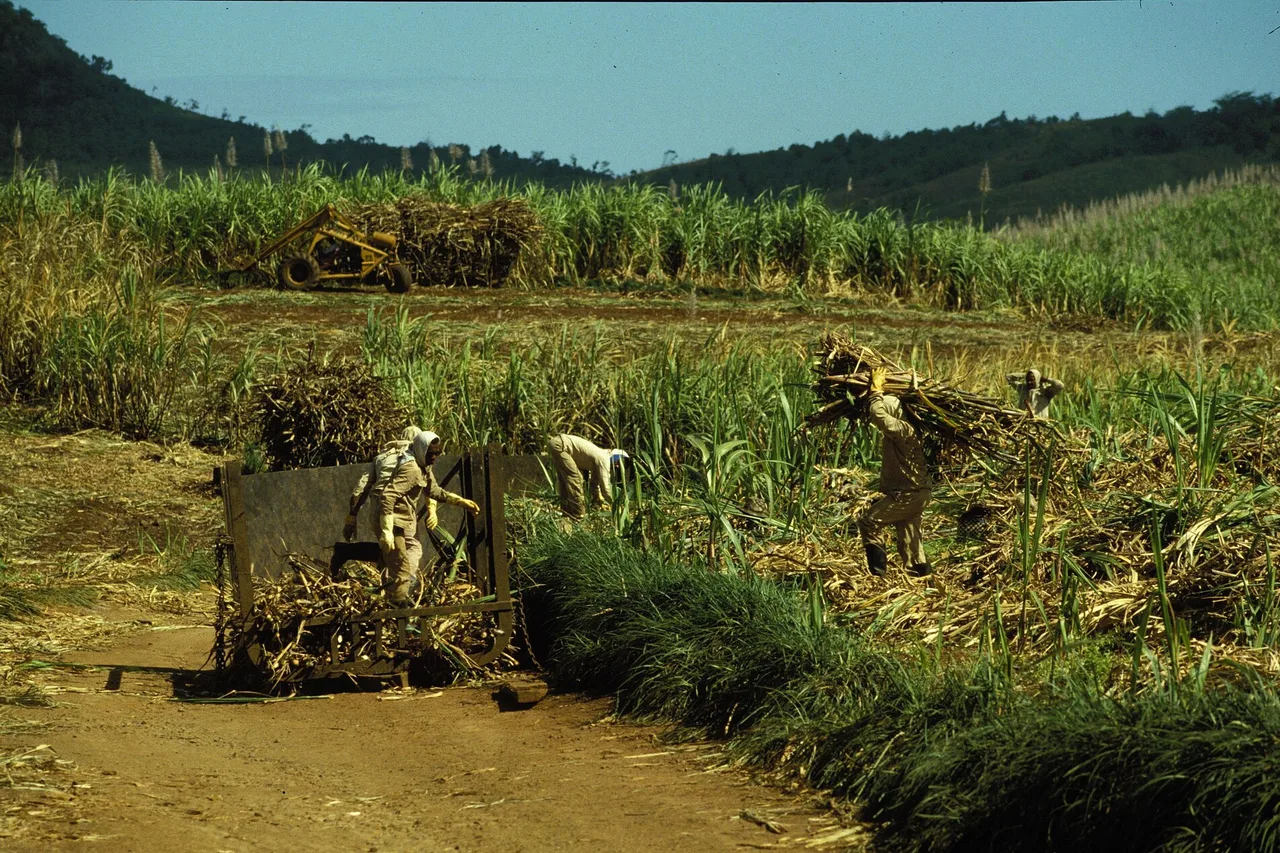
It all begins in the 17th century, when the Dutch introduced sugar cane to a still untouched island. The colonists who followed — French, then British — made it the heart of the economy: for two centuries, Mauritius was a sugar island, and its landscapes still tell the story. Drive anywhere between two coasts and you will cross cane fields, dotted with pyramids of volcanic stones piled up by hand by generations of workers.
Rum is the natural child of that history — with a nuance connoisseurs will appreciate: because Mauritian cane was long reserved for sugar, the island first distilled molasses, the dark syrup left once the sugar is extracted. That is the so-called "traditional" rum, round and warm. Agricole rum — distilled from pure cane juice, grassier and more floral — arrived more recently, and it is what gave the island its distilleries worth visiting.
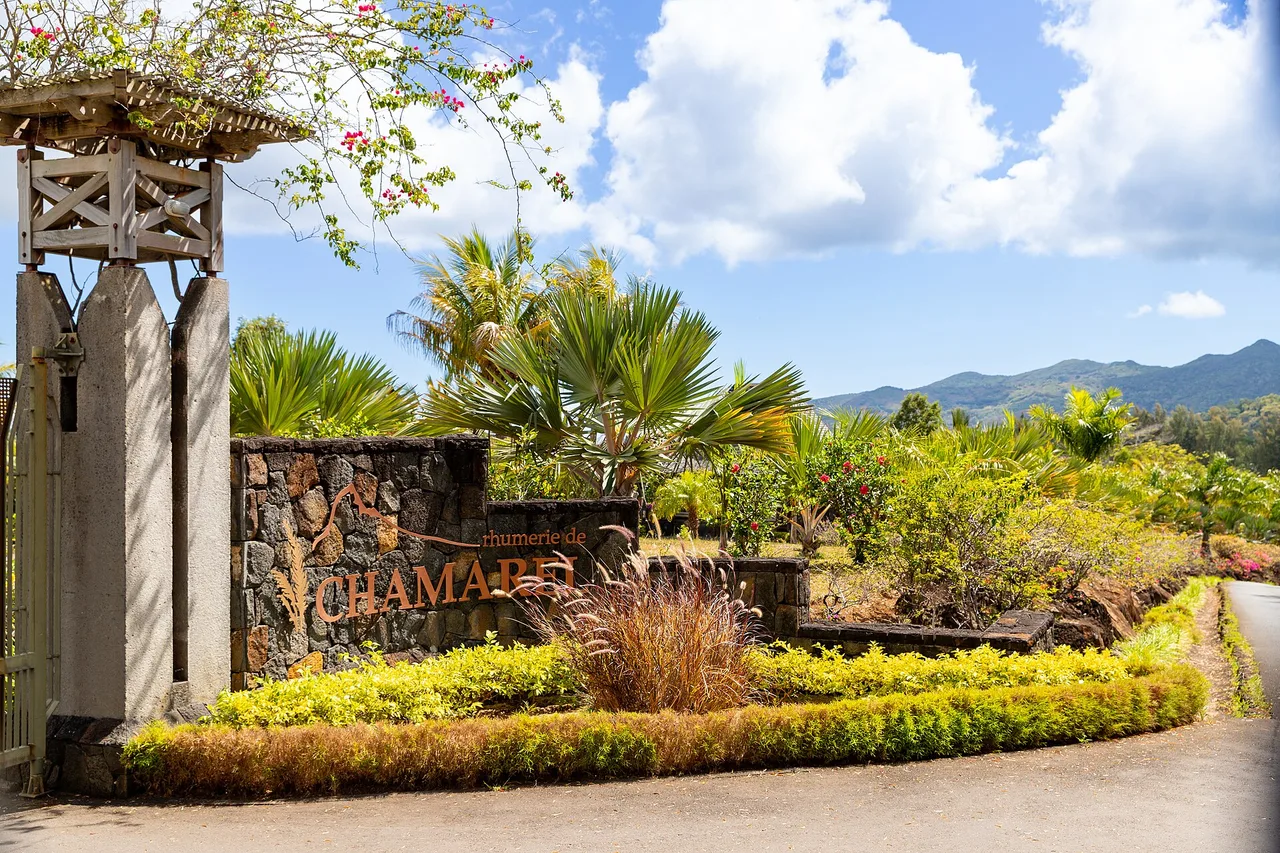
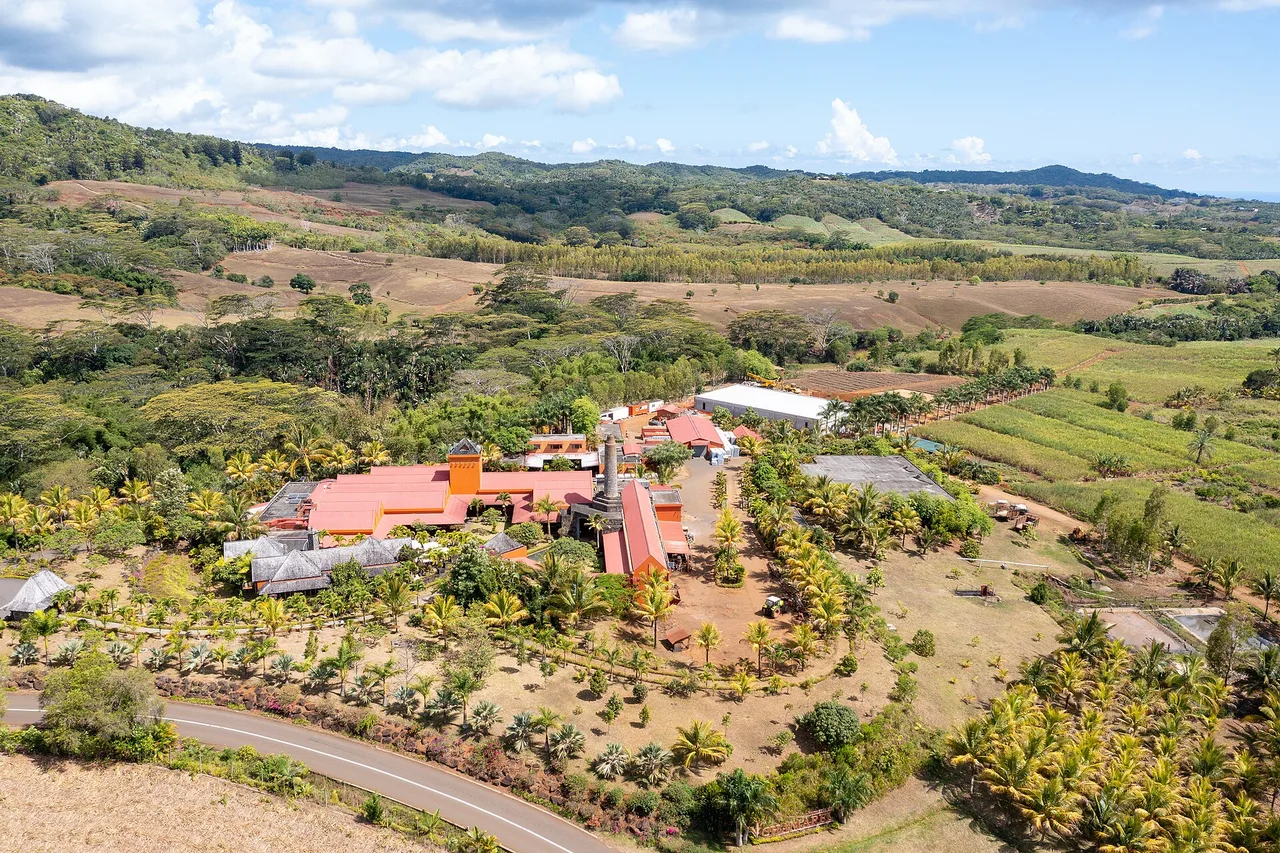
Rhumerie de Chamarel, the star of the South-West
Nestled at around 300 metres of altitude in the fertile mountains of the Chamarel plain, the Rhumerie de Chamarel is the distillery we show our guests first. Its claim to fame: it is one of the few houses on the island to grow and press its own cane, on site, and distil it into a pure-juice agricole rum. The guided tour walks you through the whole chain — fields, crushing, fermentation, stills — before the tasting that concludes it.
The place is worth the trip beyond the glass: the distillery's contemporary architecture, set amid the plantations, is superb, and the estate also houses a shop and a refined à la carte restaurant. Its full sheet is in the Culture category of the app, with visiting tips from locals — including this one: come late morning, take the tour, then stay for lunch.
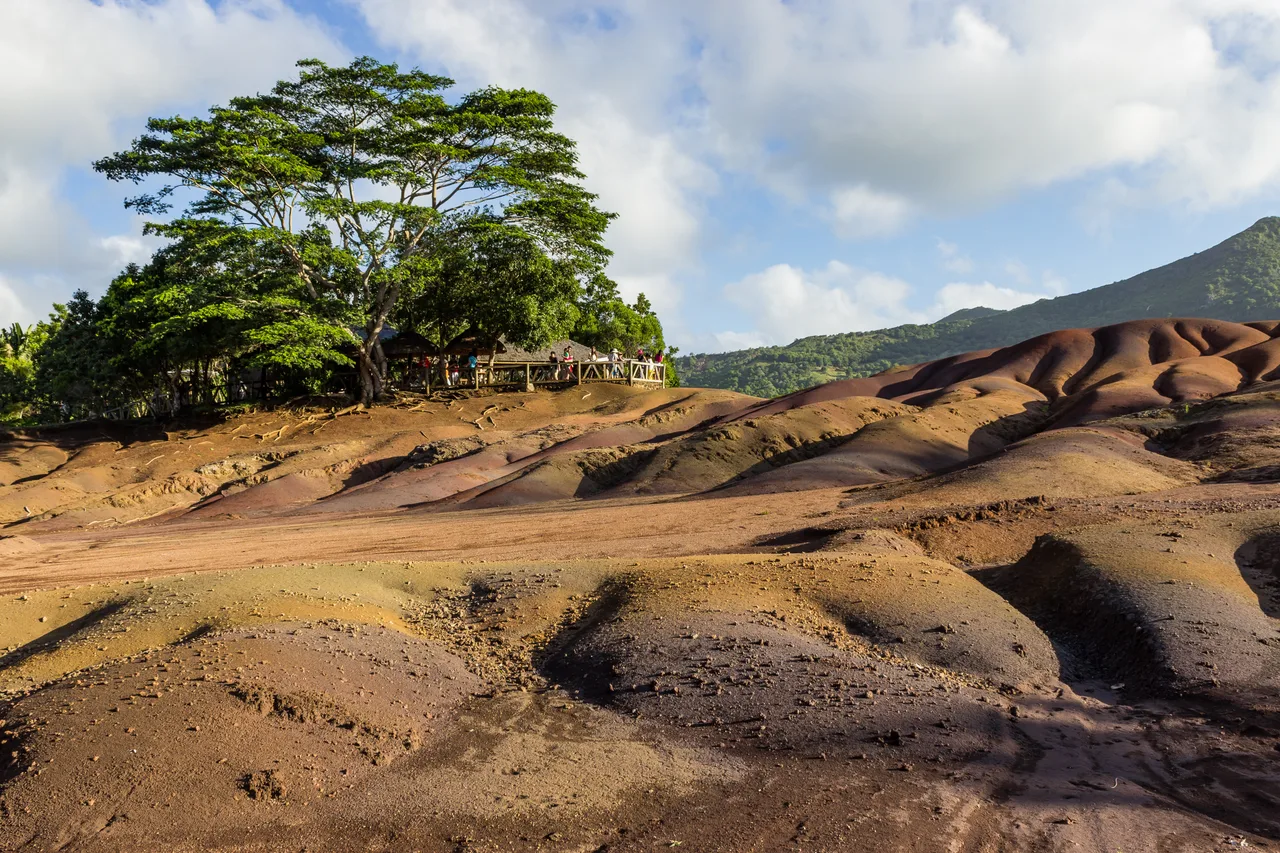
The obvious bonus: you are in Chamarel, one of the most spectacular corners of the island. The Seven Coloured Earth and its waterfall are a few minutes' drive away — enough to turn the visit into a full South-West day.
Explore the island like an Insider
Moris Insider gathers 225 hand-picked places, today's weather coast by coast and a road trip planner on real roads. €24.90 once, for life. 30-day money-back guarantee.
Discover the app →L'Aventure du Sucre: understanding rum through sugar
To grasp where Mauritian rum comes from, you have to go through sugar — and the best place for that is L'Aventure du Sucre, at Beau Plan in the North. This former sugar factory, founded at the end of the 18th century and in operation until 1999, has been turned into a modern, surprisingly lively museum: period machinery still in place, an interactive route, and the island's whole history told through its favourite plant — from slavery and indentured labour to today's industry.
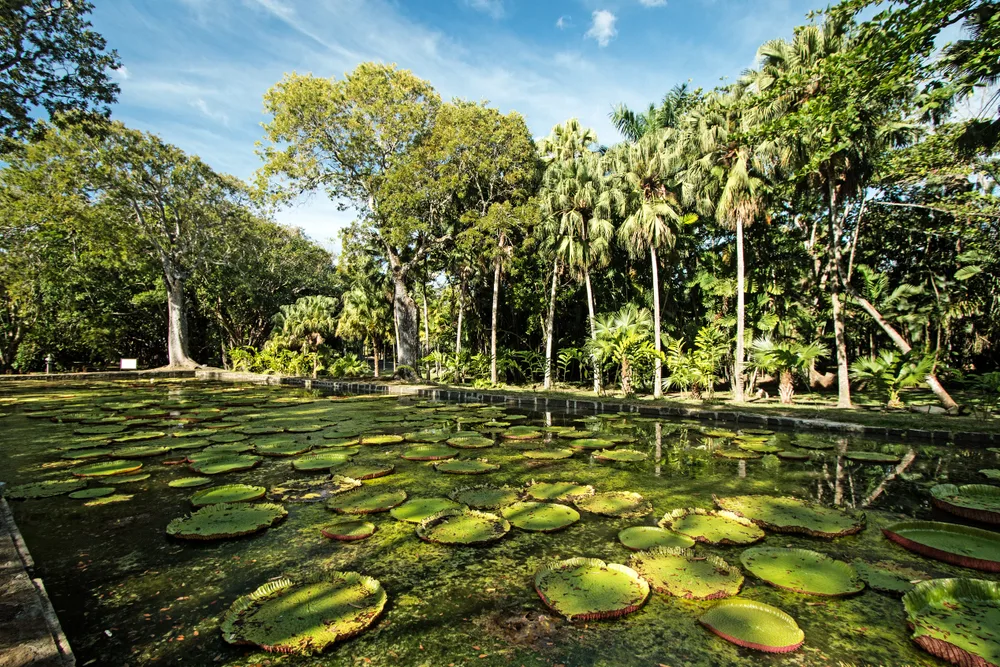
The end of the route is a reward: a guided tasting of unrefined sugars and local rums, which puts your taste buds back in order after the history lesson. The site is next door to the famous Pamplemousses botanical garden: the two combine naturally into a full day in the North, sheltered from the hottest hours.
New Grove, Arcane and rhum arrangé
Not every Mauritian bottle comes with a tour. On supermarket shelves, restaurant lists and in duty free shops, you will meet the island's historic brands — New Grove with its barrel-aged molasses rums, Arcane with its pure-juice expressions, among others. Tasting them through the trip, one evening facing the lagoon, is part of the rum route too — often for just a few dozen rupees more than a soft drink.
And then there is the national institution: rhum arrangé. Island fruit, spices, sometimes a whole vanilla pod, macerated for weeks in rum — every family has its recipe, every table d'hôte serves its own at the end of the meal. You will also find it at the island's markets, where stalls sell candied fruit and spices to prepare your own at home. Two historic estates — one in the North, one in the South — complete this rum route with their distilleries and colonial mansions; their detailed sheets are part of the app's selection, the one we keep for addresses where you want to stay a step ahead of the crowd.
Planning your rum route
Two days are enough to cover the subject, one in each half of the island. South-West day: Seven Coloured Earth and Chamarel waterfall in the morning, tour and lunch at the Rhumerie, then down to the wild South to finish facing the cliffs. North day: L'Aventure du Sucre at opening time, Pamplemousses garden next, beach in the late afternoon.
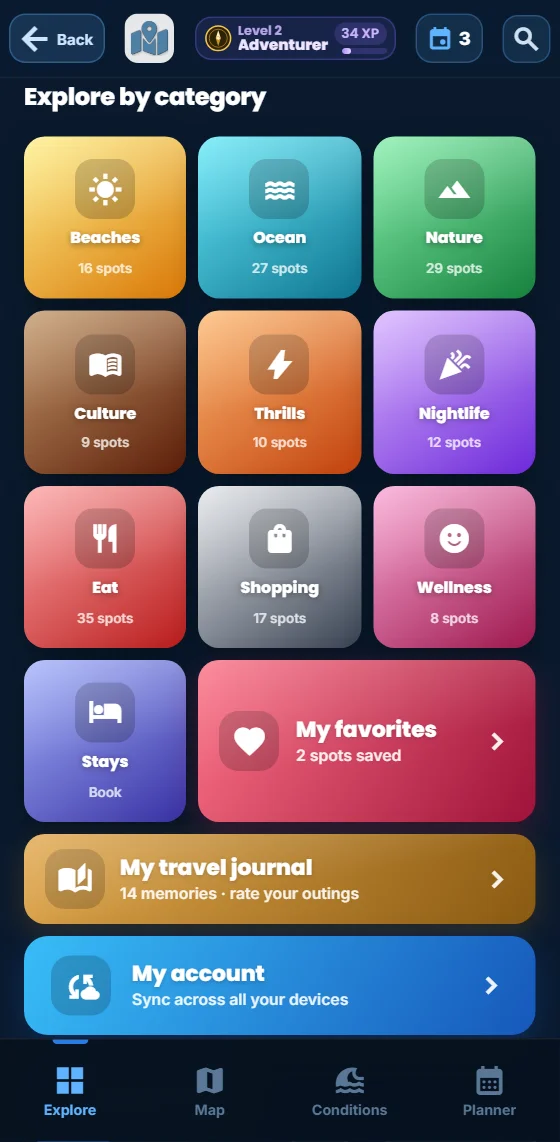
To line all this up without juggling fifteen tabs, the explorer map traces a timed road trip on the island's real roads — distillery, waterfall, viewpoints and evening beach in the right order — and the agenda arranges the day hour by hour, tasting included. The designated driver picks their slot: Mauritius does not joke about drink-driving, and neither do its police checks.

Tasting like a local
A few local reflexes, to finish. One: taste agricole rum neat, no ice, no cola — it is the only way to hear what the cane has to say. Two: keep rhum arrangé for the end of the meal, as Mauritians do. Three: at a tasting, order matters — whites first, aged next, arrangés last. Four: if a bottle wins you over, buy it at the distillery shop: you will find cuvées there that never travel as far as airport shelves. Five: check your country's customs allowance before filling the suitcase — and wrap bottles in clothes, in checked luggage.
A local's word, to finish. The best rum of your trip may be neither the oldest nor the most expensive: it will be the one a table d'hôte grandmother pulls out of a cupboard, making you swear not to ask for the recipe. Write it down anyway: the app's travel journal keeps your tastings, notes and photos — and on your next trip, you will know exactly which door to knock on.
The real Mauritius, in your pocket
The interactive explorer map: 225 hand-picked places, real-time weather coast by coast and timed road trips. €24.90 once, for life. 30-day money-back guarantee.
Discover the app →