Below the surface, Mauritius changes scale: the lagoon is only the antechamber. Past the reef, a few minutes by boat brings you to basalt arches, drop-offs plunging into the blue, wrecks colonised by coral and passes where the current turns the reef into a moving picture show. All of it in water that almost never drops below 23°C — enough to dive twelve months a year, from a first breath underwater to a muscular drift dive. This guide tours the island underwater, coast by coast, with the levels required and an honest answer to the season question. The centres and launch points below are all part of the 225 places of the app, with fact-checked local guides.
Budget tip: in Mauritius, part of your activities can cost you less. See how to save money with discounts on your activities.
We run Moris Insider, the Mauritius guide and map co-created with locals. No dive centre pays to appear here: we simply tell you how the underwater island is actually dived, with its levels, its seasons and its rules.
The island below the surface: what awaits
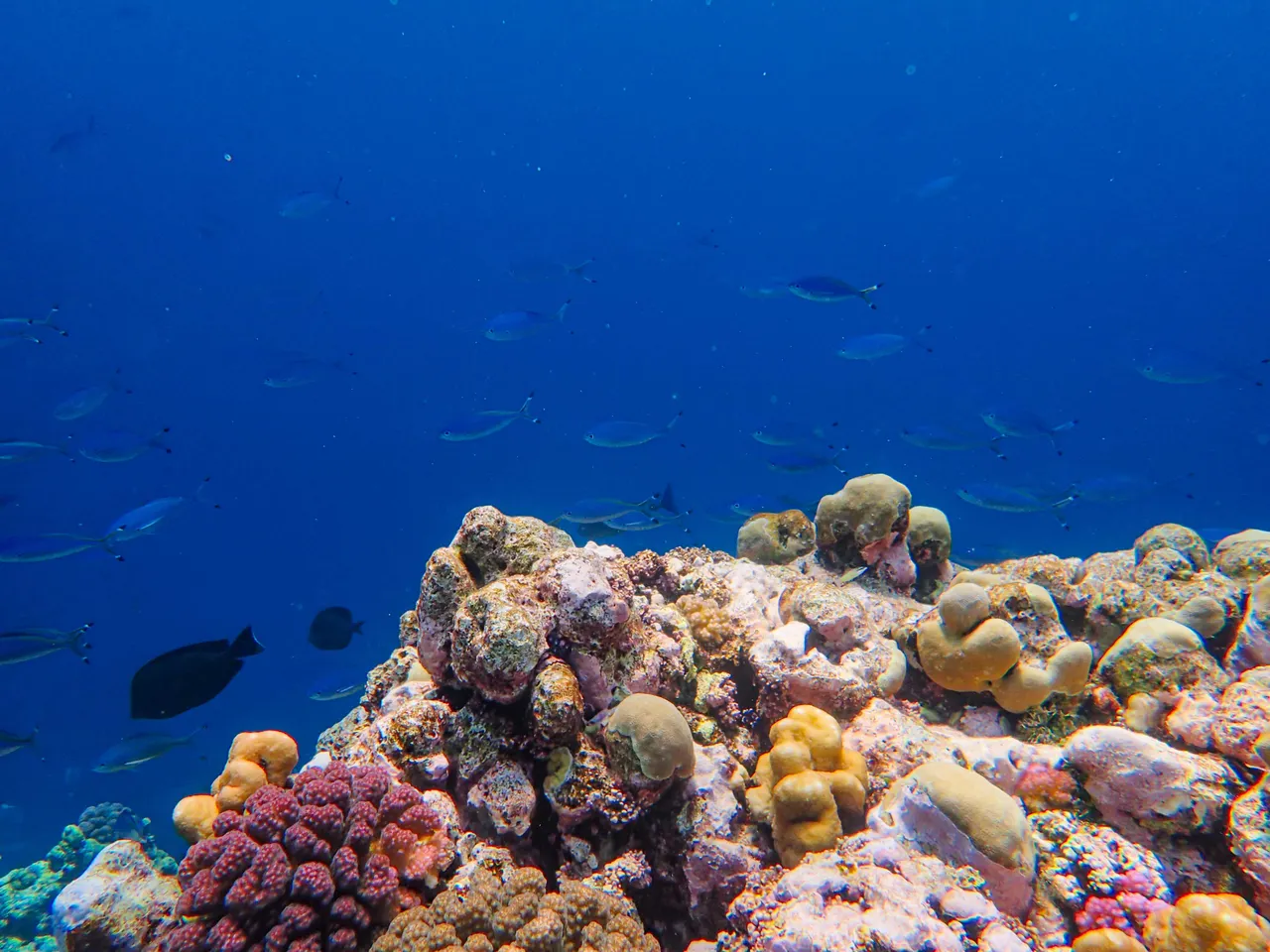
Mauritius is a volcanic island sitting on a base that falls away fast: barely past the coral barrier, the seabed dives towards the deep blue. That relief is what makes Mauritian diving so rich — you go from a 3-metre coral garden to a 30-metre drop-off in a quarter of an hour by boat. The scenery: basalt arches and chimneys, canyons, deliberately scuttled wrecks turned into reefs, coral heads patrolled by endemic clownfish, giant moray eels, discreet stonefish, passing turtles, schools of trevallies and — depending on season and luck — rays and dolphins offshore.
The island is dived coast by coast, and each coast has its character: the sheltered, spectacular west; the north rich in wrecks and drop-offs around its islets; the wild east swept by the current of the passes; the gentle, protected south-east — ideal for starting out. The logic of this guide is simple: we tour the island in that order, then talk seasons and levels.
The West: Flic en Flac and the Cathedral
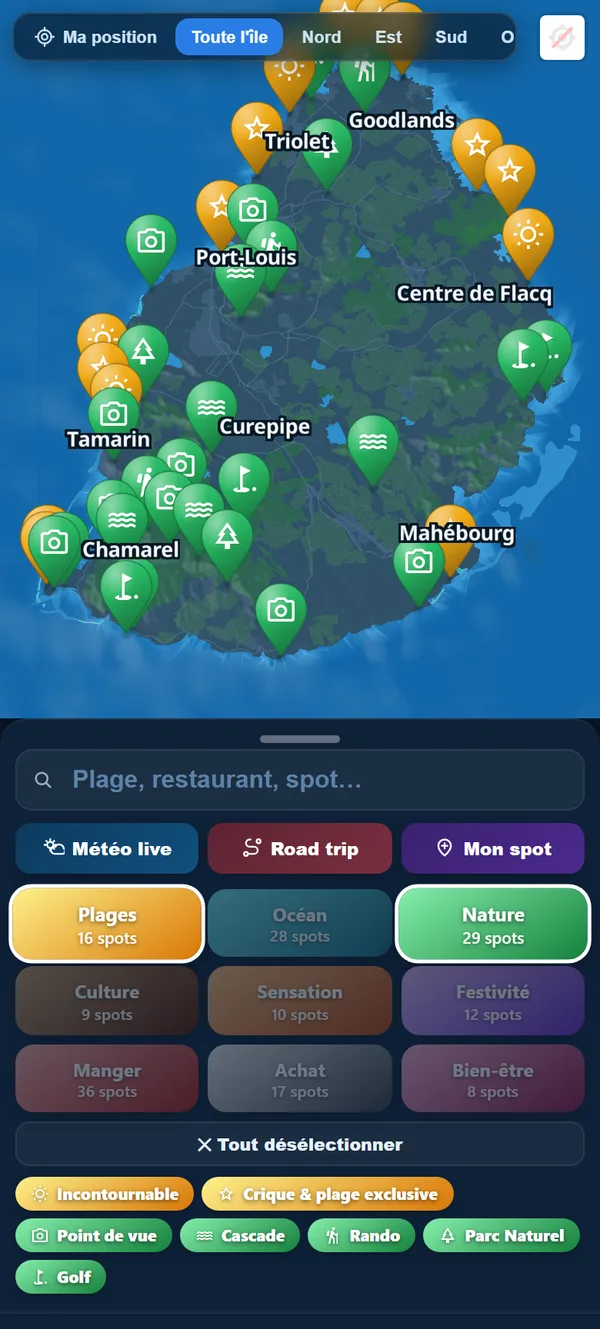
If Mauritian diving has a postcard, it is the Cathedral, off Flic en Flac: an architecture of boulders and arches forming an underwater nave, with church-like shafts of light, between 18 and 30 metres deep. Ocean swell rarely gets in: the west coast is sheltered from the trade winds, which makes it the most consistent sector of the island — diveable in clear water almost all year round. The depth, however, is not negotiable: the Cathedral is a dive for comfortable certified divers, not a discovery site.
Around it, the Flic en Flac plateau lines up site after site: drop-offs, canyons, sand flats where rays settle. It is also one of the best-equipped sectors for dive centres — Sun Divers, in Flic en Flac, is known precisely for these “architectural” dives. The centres of every coast are in the Ocean category of the app, with local advice on every listing.
Explore the island like an Insider
Moris Insider gathers 225 hand-picked places, the day's weather coast by coast and sea conditions zone by zone. €24.90 once, for life. 30-day money-back guarantee.
Discover the app →The North: the wrecks and Coin de Mire
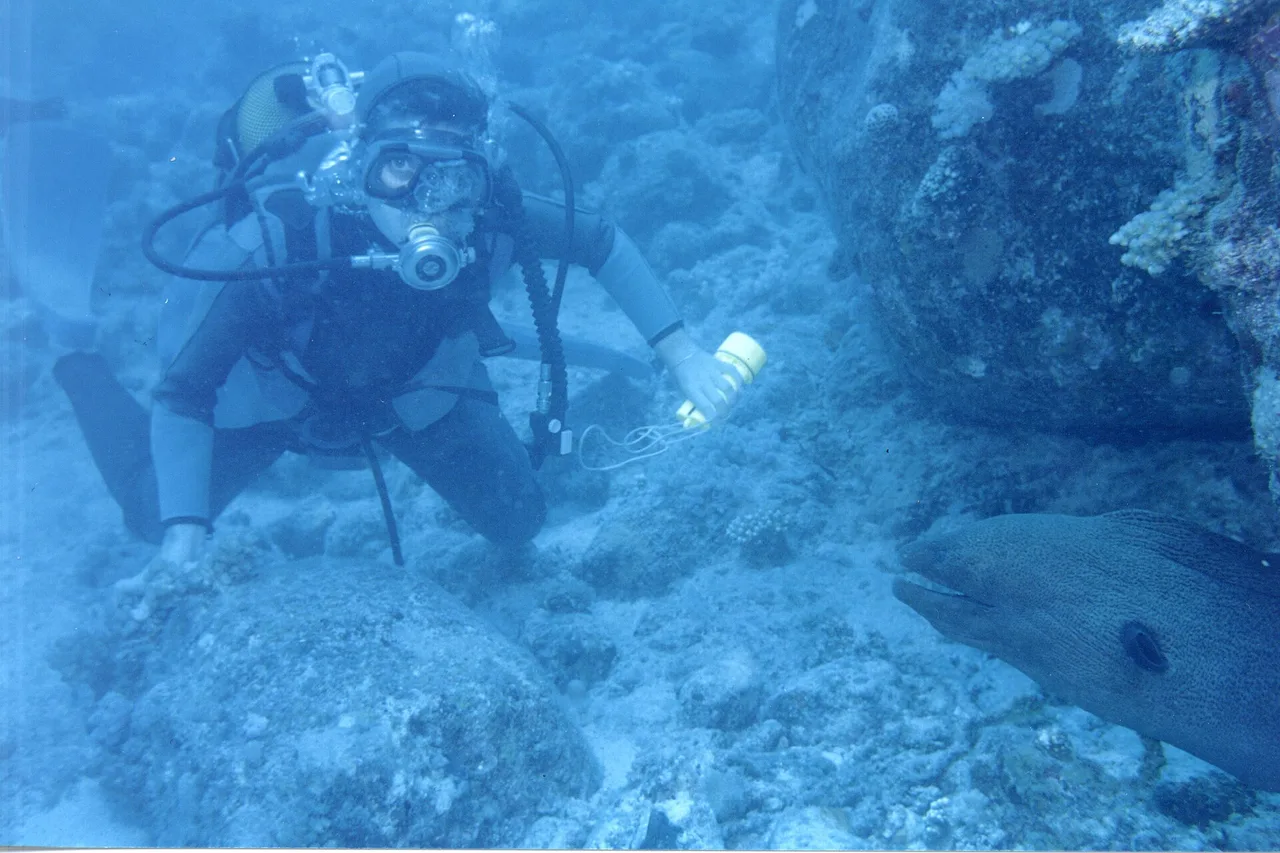
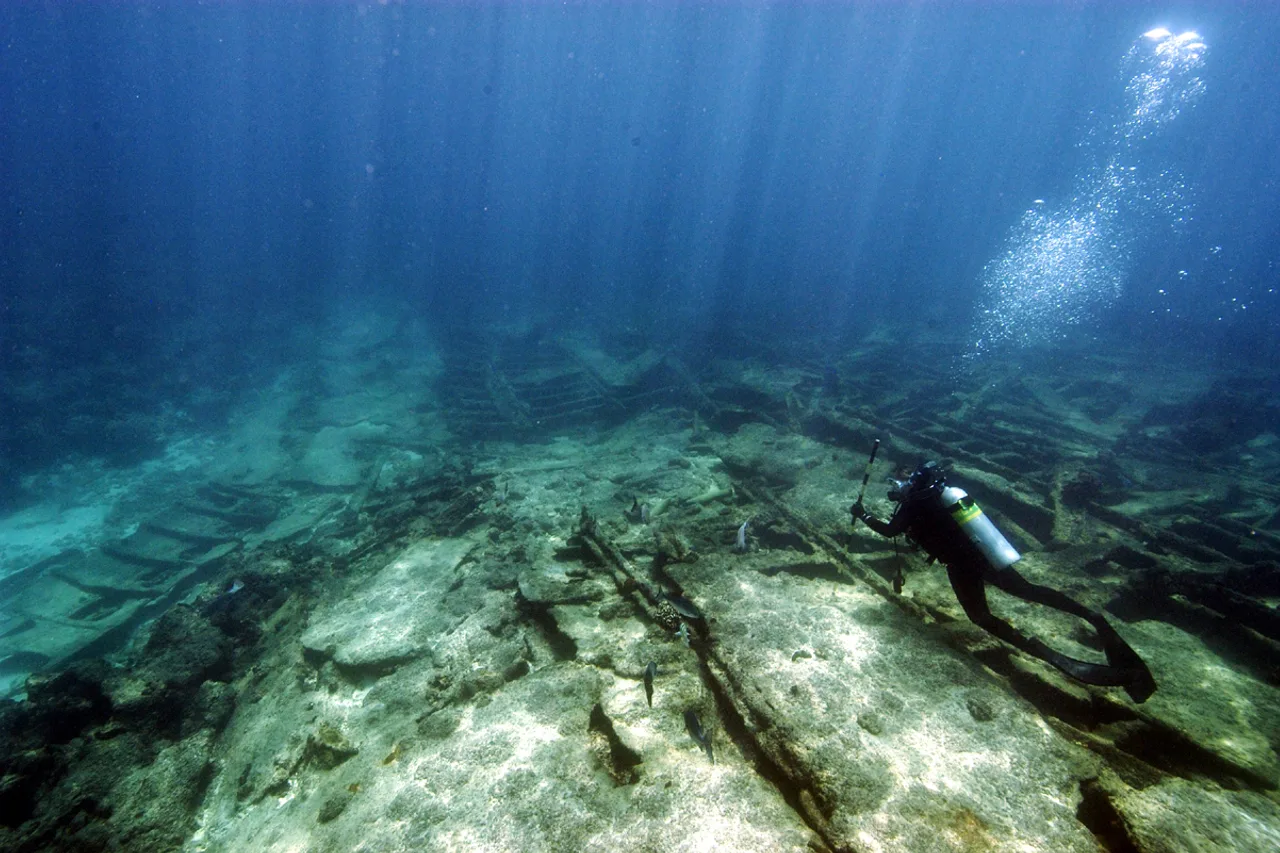
The north of the island plays a different tune: wrecks turned into reefs. The most famous is the Stella Maru, a Japanese trawler deliberately scuttled in 1987 off Trou aux Biches: resting between 18 and 24 metres, entirely colonised by coral, it is accessible from entry-level certification — and it is inhabited. Two giant moray eels hold court there, one of them in the chimneys; that is exactly the scene in the photo that opens this article. Further out, facing Coin de Mire — the wedge-shaped islet that closes the horizon of the northern beaches — the wreck of the Djabeda, a Japanese fishing vessel sunk in 1998, stands upright on the sand at around 34 metres, covered in pink soft coral: a deep dive for experienced divers, with the islet's drop-offs and canyons as neighbours.
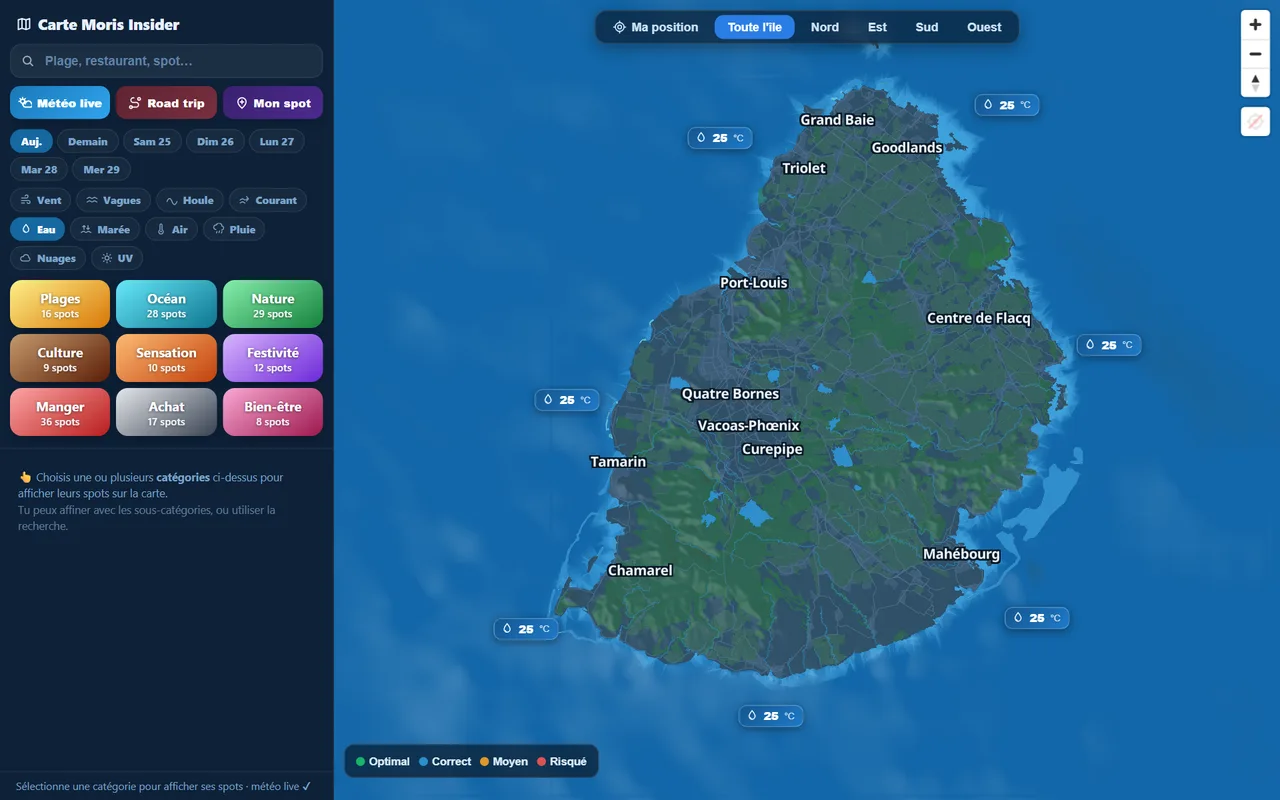
The northern centres — like Sunset Diving, well placed for the sector's reefs and wrecks — run these outings from Trou aux Biches and Grand Baie. A local's tip: ask for the Stella Maru in the early morning, when the light falls into the chimneys and the morays are out. And to see at a glance who dives where, the explorer map shows the whole island's spots by category — handy for fitting the morning dive around the afternoon plan.
The East and South-East: drifts and Blue Bay
The east coast is wild Mauritius: fewer hotels, more wind — and the island's finest drift dives. In the big passes that cut through the reef, the current carries you along the relief while trevallies, barracudas and — in a nursery area well known to the centres — young whitetip reef sharks, perfectly harmless, parade past. Dive Passion, on the east coast, has made these drift dives its speciality. The principle of a drift is simple but demanding: you don't fight the current, you ride it — reserved for divers already at ease, and the outing depends on the sea of the day.
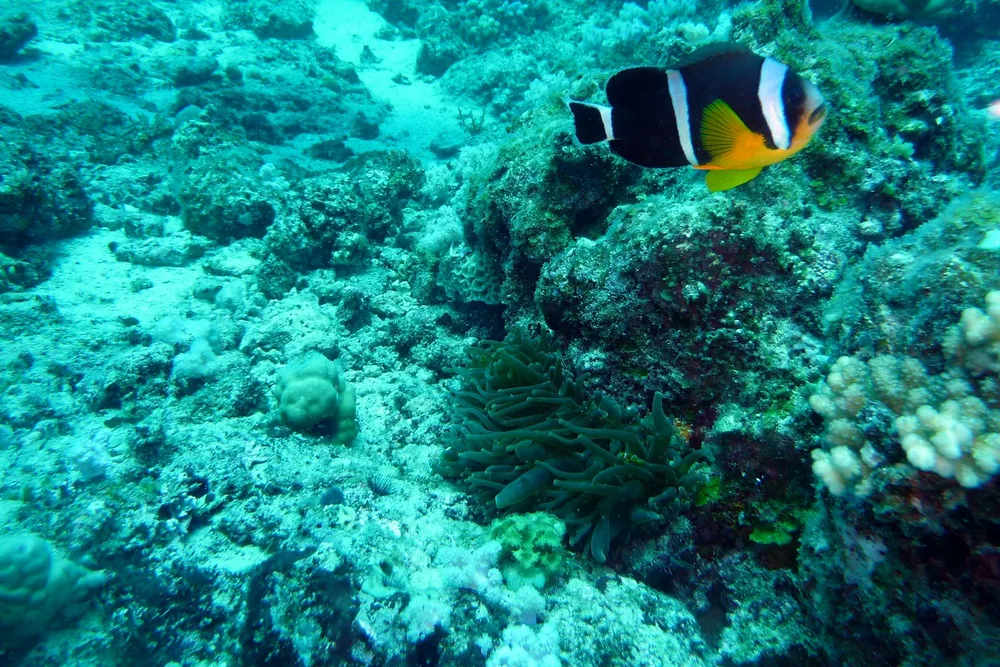
In the south-east, a complete change of mood: the Blue Bay marine park is a protected area of intact coral gardens in calm, shallow water. It is the cradle of Mauritian first dives — Blue Bay Divers, a human-scale centre right on the beach, takes complete beginners into the water in ideal conditions. Protected means protected: no fishing, no touching, no anchoring wherever you like. If you are still hesitating between tank and snorkel, our 12 best snorkeling spots cover the surface side of the question.
When to dive: the season, honestly
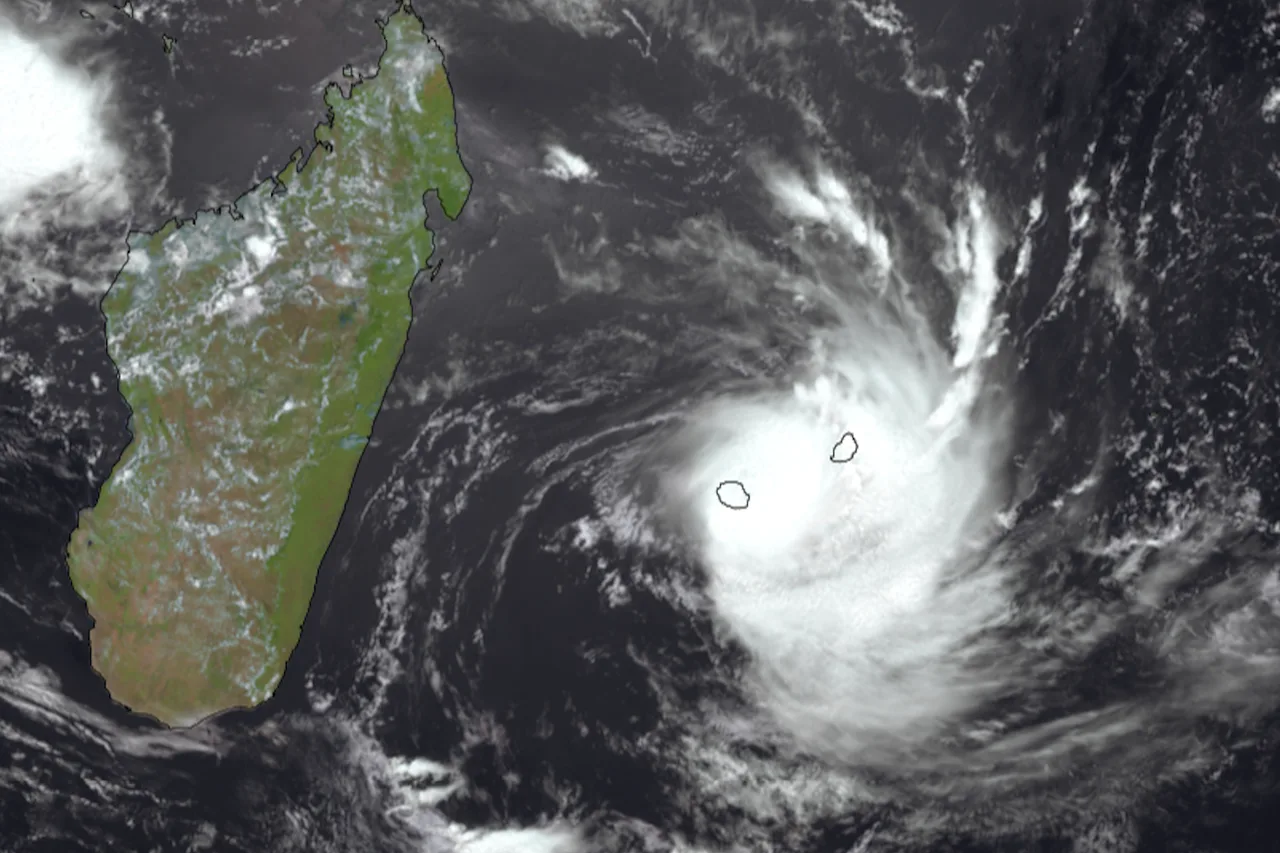
The good news first: there is no closed season. Mauritian water swings between around 23°C in the heart of the austral winter (June-September) and 28-29°C in summer (November-April) — a 5 mm suit in winter, 3 mm in summer, and the matter is settled. What really changes with the season is not the temperature: it is the wind. The austral winter blows the south-east trades, which raise the sea on the east and south coasts — the drift dives in the passes turn capricious — while the west and north, in the lee, keep diving quietly. Summer flips the picture: calmer sea everywhere, warmer water, often superb visibility… with one caveat from January to early March, cyclone season — we have told the story of how the island lives through its alerts: on flag days, nobody goes out, and the lagoon clouds over until it passes.
The real local rule comes down to two reflexes: choose your coast according to the day's wind, and check the sea before booking. That is exactly what the app's live Conditions do, zone by zone: wind, swell and sea state on each coast, today and the following days — enough to know in ten seconds whether it is a Cathedral day or an eastern-pass day.
Levels, first dives and respecting the reef
Wherever you stand, the island has a dive for you. Never dived? The intro dive needs no certification — an instructor takes you into a few metres of calm water, and Blue Bay was made for it. Entry-level / Open Water certified? The Stella Maru, the western gardens and most sites between 15 and 20 metres are yours. Experienced? The Cathedral, the Djabeda and the eastern drifts are your playground. Three rules apply to everyone: always dive with a centre (the reef, the passes and the local weather are not to be improvised), respect your stops and your level — the beautiful deep sites will wait until you are ready — and keep your hands to yourself: coral is not touched, morays are not fed, and protected areas like Blue Bay or Balaclava have rules that are followed to the letter.
One last Insider reflex: log your dives. The site, the depth, what you met — that is how you progress and how you remember. The app's travel log keeps your outings, notes and photos — and on the day after a dive, while the nitrogen clears, the island has plenty to keep you busy on dry land.
The real Mauritius, in your pocket
The interactive explorer map: 225 hand-picked places, real-time weather coast by coast and sea conditions zone by zone. €24.90 once, for life. 30-day money-back guarantee.
Discover the app →