“Campervan or 4×4?” is a false dilemma, and an expensive one. The 4×4 answers a question about terrain: the F-roads. The campervan answers an entirely different one: where you sleep. These are two independent axes — and most Icelandic campervans are two-wheel drive, so they are banned from F-roads. Framing it as a single choice collapses a two-dimensional decision and makes you pay for use you will never get. Here is how it actually resolves: first by your dates, then by what nothing insures.
The question is wrongly framed, and that is what costs money
“Campervan or 4×4?” comes up on every trip-planning forum, and the wording already contains the mistake. The two vehicles do not answer the same question.
The 4×4 answers the terrain: it gives access to the Highland F-roads, and to nothing else. The campervan answers accommodation: it decides where you sleep, not where you may drive. These are two independent axes, and conflating them produces two symmetrical errors: paying for a 4×4 whose capability you will never use, or renting a campervan believing it opens the Highlands.
Full guide: Where to Stay in Iceland on the Ring Road: When to Book
The second is the more common, because it is counter-intuitive: most converted campervans rented in Iceland are two-wheel drive. The usual models — converted Kangoos, Doblòs, Caddys — are ideal for a summer on the main routes with nights at campsites, and they are banned from every F-road. The 4×4 campervan exists, it sleeps up to four, and it is a markedly more expensive product: it is not the same rental.
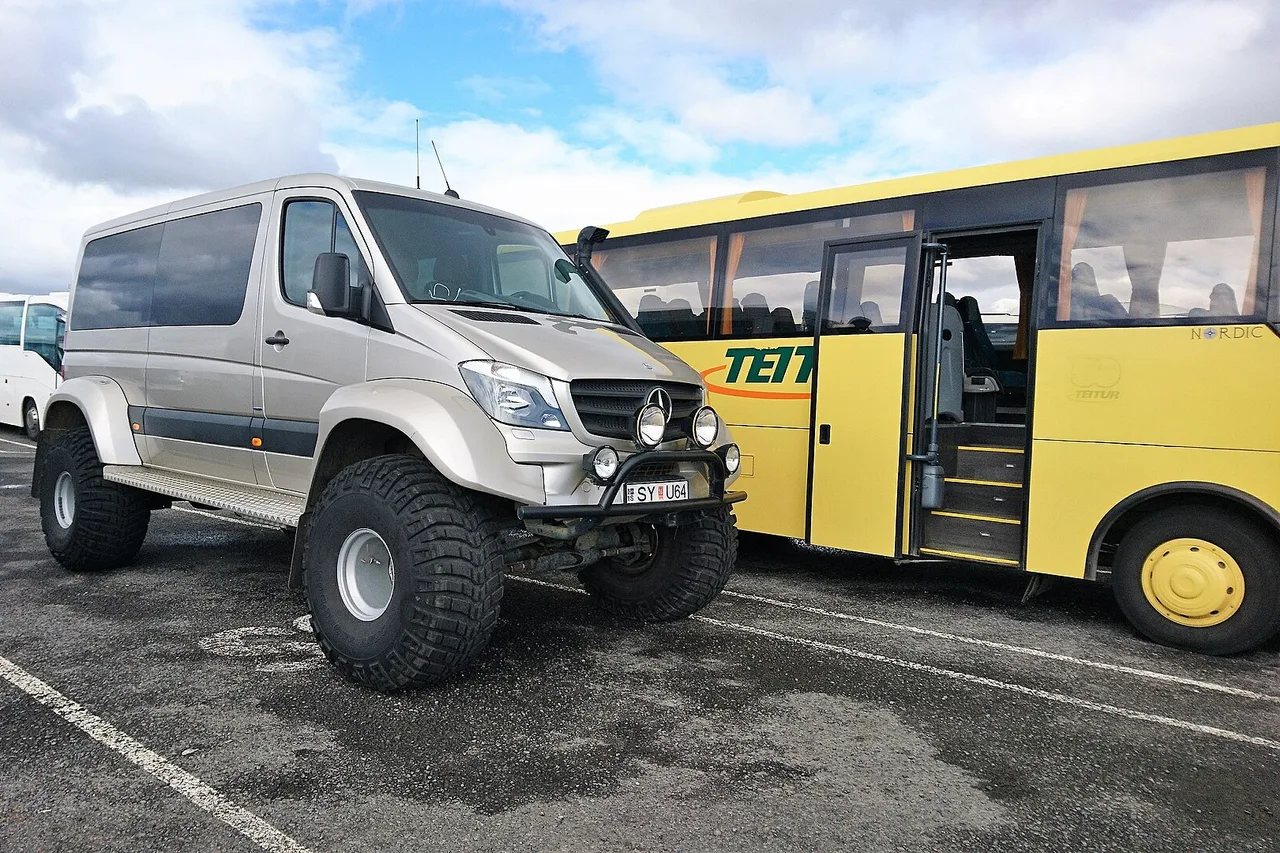
So let us reframe it properly, as two questions answered in this order:
① Do I need the F-roads? — a question of dates and itinerary, not of taste, and we will see why.
② Where do I sleep? — campsite, guesthouse, hotel. Only here does the campervan enter.
Answer the first, and the second becomes easy. Answer them out of order, and you pay the difference.
The terrain axis: a question of dates, not of preference
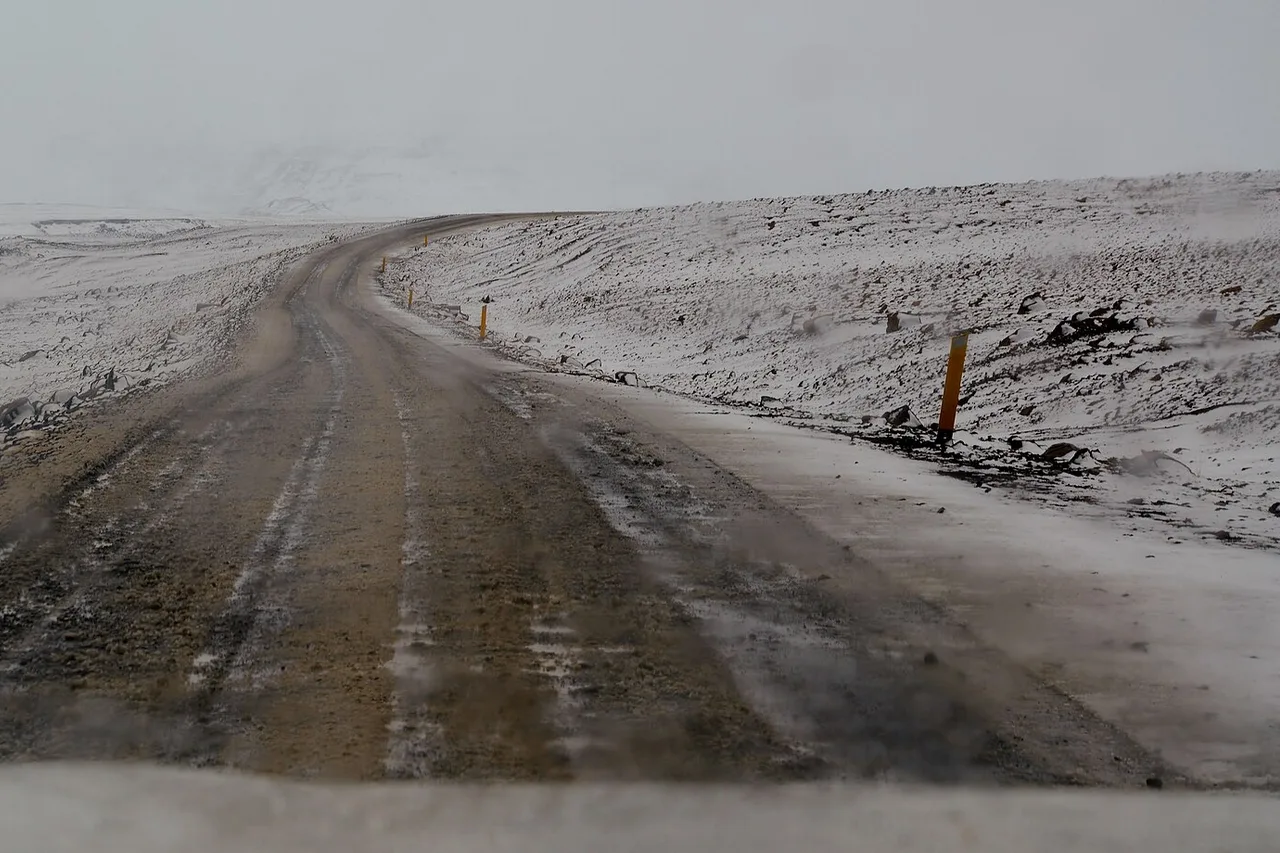
Here is the fact most comparisons forget to mention, and which settles the 4×4 question in about half of all cases: the F-roads are shut for most of the year.
They do not all reopen at once, nor on a fixed date. They reopen one at a time, with the thaw, and Vegagerðin — the Icelandic road administration — opens none of them without an inspection on the ground. One year does not resemble the last. At the end of March 2026, for instance, every Highland F-road was still closed.
| Track | What it opens | Usual window |
|---|---|---|
| F35 Kjölur | The north–south crossing, easiest of the big tracks | late May → early June |
| F208 · F225 | Landmannalaugar and Fjallabak | mid-June → late June |
| F249 | Þórsmörk — the one on the sign above | mid-June → late June |
| F88 · F910 | Askja and the northern interior | early July → mid-July |
| F26 Sprengisandur | The great interior crossing | early July → mid-July |
Read that table as a calendar constraint, because that is what it is. A 4×4 rented for a trip in May buys nothing on the F-roads: they are shut. It buys better grip on gravel and more ground clearance — real value, but not what you thought you were paying for. The premium, meanwhile, is very much there: 30 to 50% more, rental and fuel taken together.
And if your dates do fall inside the open window, the next question is your actual itinerary, not your appetite for adventure. A two-wheel drive is fine for roughly 90% of the sights: the whole Ring Road, the Golden Circle, the south coast, the Westfjords by their main roads. The remaining 10% is what the 4×4 sells you — and it is worth the detour, but you have to want it by name: Landmannalaugar, Þórsmörk, Askja, Kerlingarfjöll.
A word on checking, because no article can replace it: road status is read live on umferdin.is, on the day. An article published in August cannot know whether F26 will be open on 3 July next year. Nobody can — the thaw decides.
The line that really decides is not in the price, it is in the exclusions
Suppose the terrain question settled and the 4×4 justified. That leaves the point price comparisons never look at, and by far the most expensive.
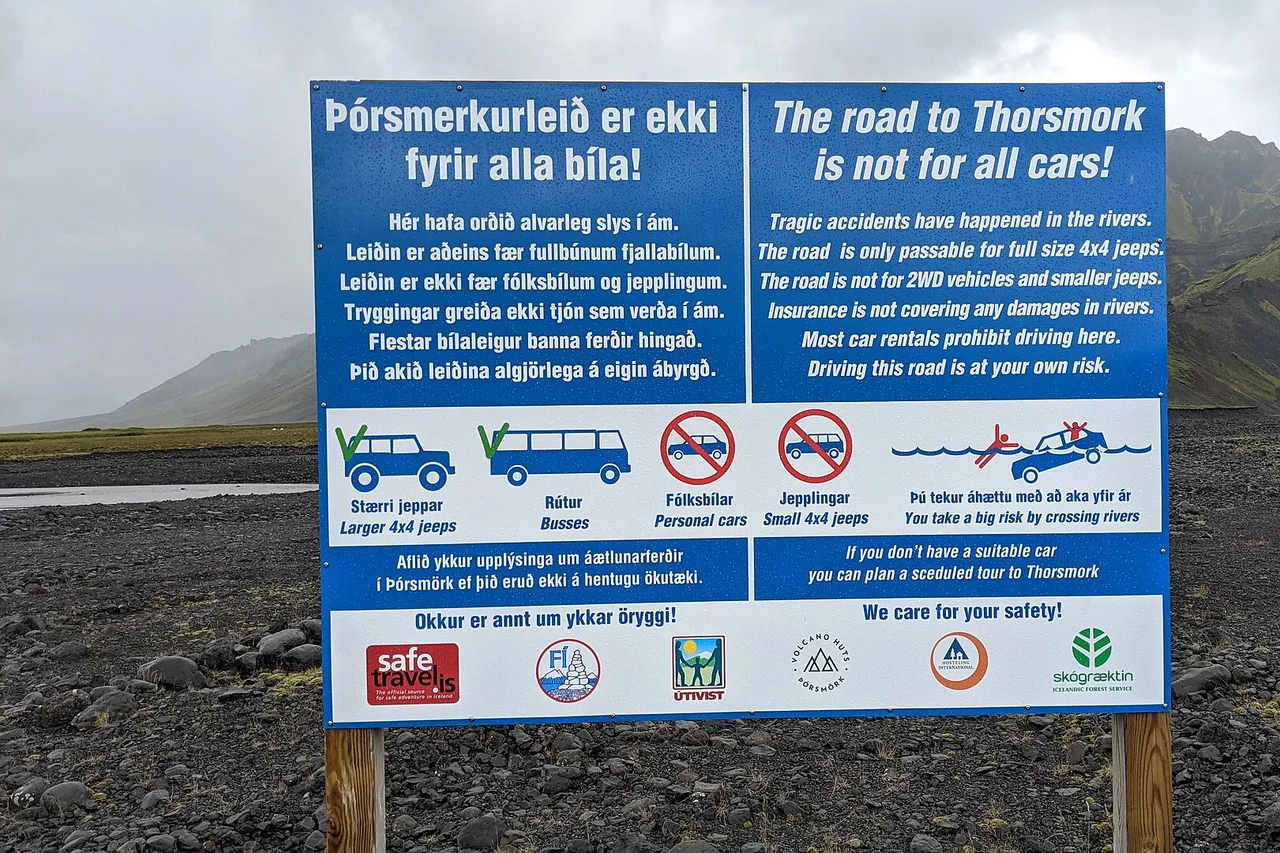
This sign stands at the entrance to the Þórsmörk road. It is bilingual, it is official, and it says six things in six lines: the road is only passable for full-size 4×4 jeeps; it is not for 2WD vehicles or smaller jeeps; serious accidents have happened in the rivers; “insurance is not covering any damages in the rivers”; most rental companies prohibit driving there; and you go at your own risk.
This is not a cautious blogger’s warning. It is the rule of the Icelandic rental market, and it holds everywhere, not only at Þórsmörk. Here is what each layer of insurance actually covers — and the lines that nothing covers.
| The risk | What covers it | What you still pay |
|---|---|---|
| Collision, leaving the road | basic CDW | the excess, €1000 to €3500 |
| Gravel chips, windscreen | separate “gravel” add-on | nothing if you took the add-on |
| Sand and volcanic ash | separate “sand and ash” add-on | nothing if you took the add-on |
| River crossing, water damage | no package at all | all of it |
| Undercarriage | no package at all | all of it |
| Off-road driving (illegal in Iceland) | no package at all | all of it |
| Door torn off by the wind | no package at all | all of it |
| An F-road in a 2WD | none — and it is illegal | all of it |
Two comments, and the second matters more.
First: basic CDW is not comprehensive cover, it is a floor. It leaves an excess of €1000 to €3500 and includes neither gravel, nor sand, nor tyres, nor the windscreen, nor theft. Gravel protection earns its keep the moment you leave Reykjavík: the secondary roads throw stones constantly, and a chipped windscreen is the single most banal claim in the country. Sand and ash protection is more specific — it is worth most on the south coast, around Vík and Mýrdalssandur, where a loaded wind can strip paint in minutes.
Second: the last five lines of the table are not high excesses, they are holes. River crossing, water damage, undercarriage, off-road driving, a door torn off by the wind: no package, at any price, takes them on. You are not paying an excess — you are paying all of it.
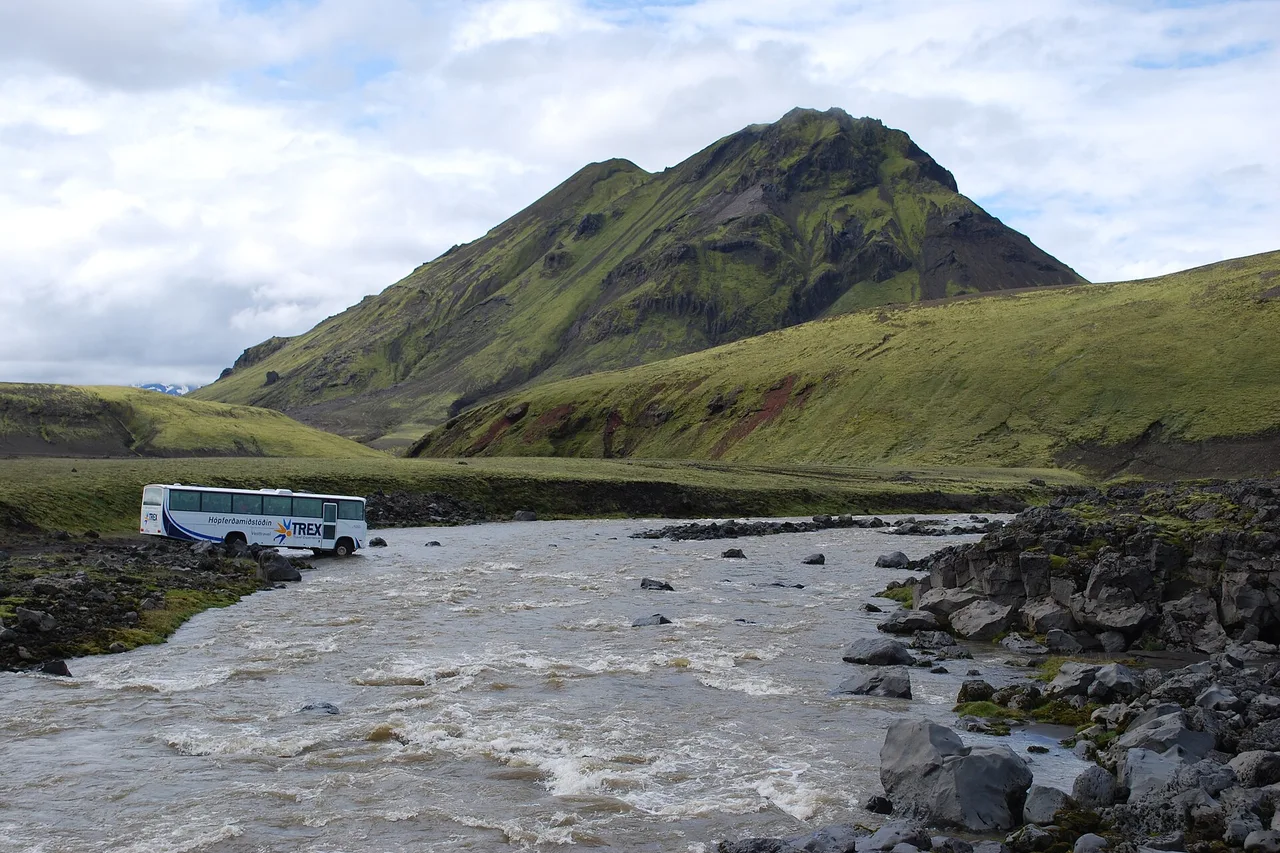
⚠️ One honest qualification, because it exists: a few agencies have recently begun selling a specific ford-crossing add-on. It is an exception rather than the market rule, and above all: it does not turn a ford into a safe manoeuvre. An Icelandic river changes flow within the day, as the sun melts the glacier upstream. The ford you crossed in the morning is not the same one at five in the afternoon.
The practical consequence turns the planning around: the real decision is not “which vehicle” but “which tracks do I allow myself”. Deciding in advance that you will cross no rivers is a perfectly respectable call — it leaves F35 and a good part of the Highlands open, and it removes the uninsurable risk at a stroke.
Comparing what it replaces: the campervan against what, exactly?
Now the second axis, the one about sleeping. It gets handled badly because it gets compared badly.
A campervan is not a more expensive car. It is a car plus accommodation. Compared with a car alone it always loses; compared with car + guesthouse it often wins. The second comparison is the meaningful one, and it is easy to run yourself: take the nightly price of the accommodation you would otherwise have booked, multiply by the number of nights, and add it to the price of the car. The detailed one-week budget gives the orders of magnitude for all three levels of lodging.
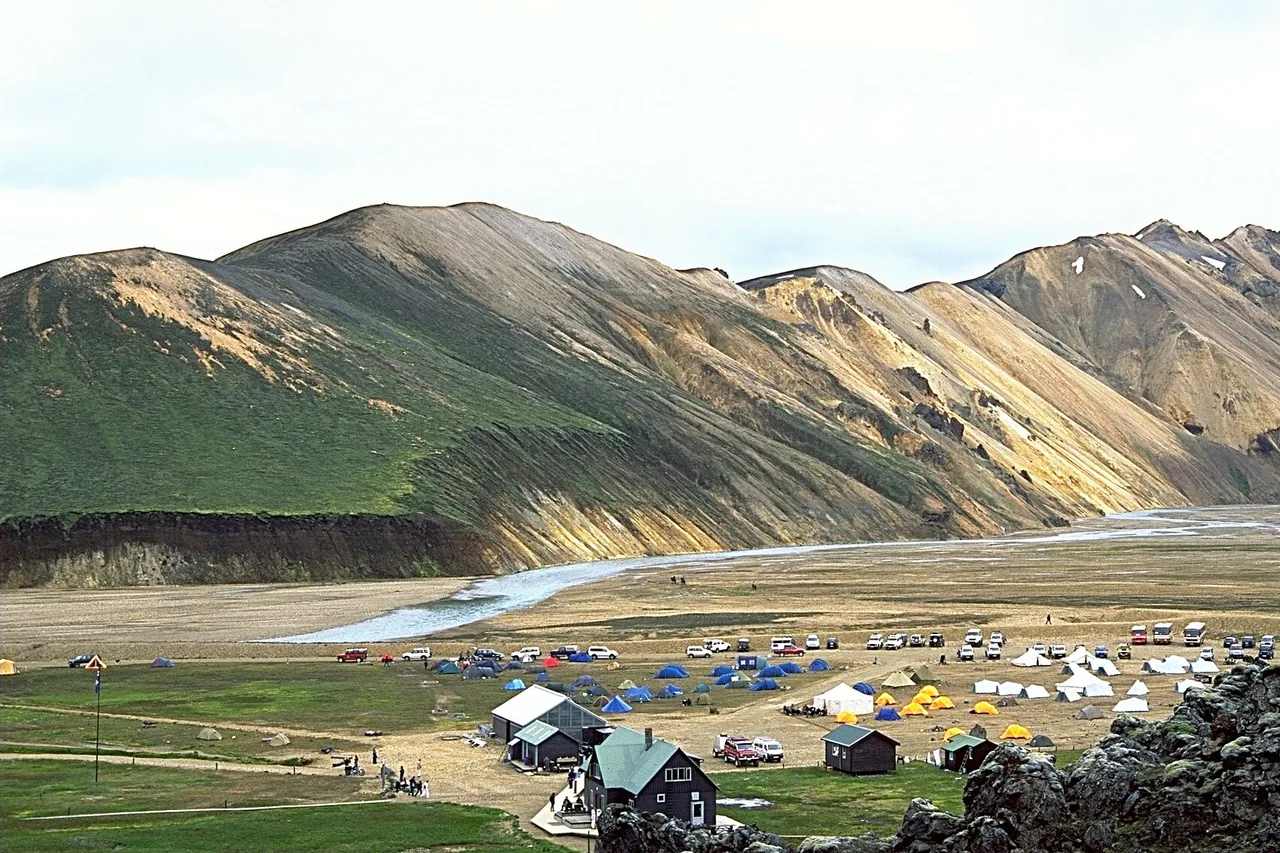
On that basis the campervan clearly wins in summer, when campsites are open and sleeping in it is comfortable. It loses its edge out of season, for a reason that is not economic at all: most sites close, and the nights turn harsh. It is the same constraint that locks the cheapest accommodation line onto the most expensive season — a well-known Icelandic quirk.
Two honest points about the campervan, rarely made. First, it drinks more and parks worse: on narrow, windy roads a tall body makes itself felt, and the Icelandic wind is not a figure of speech. Second, wild camping is tightly regulated in Iceland: the freedom people imagine when renting a van is narrower than it looks, and simply parking anywhere for the night is no longer a thing.
Full guide: Car Rental in Iceland: Prices, Insurance and F-Roads
What is decided before booking, and what is decided on the ground
Three moves are worth half the advice you will read elsewhere, on their own.
① Compare totals, not daily rates. True everywhere, decisive in Iceland, because the add-ons that matter — gravel, sand and ash, second driver — do not appear in the headline price but further down the booking funnel. Two quotes at the same daily rate are not the same price. Comparing on your real dates, add-ons included takes a few minutes and pays better than any economy made on the ground. Add to it the kilometre fee introduced on 1 January 2026, also billed separately — the budget calculation works out its break-even point.
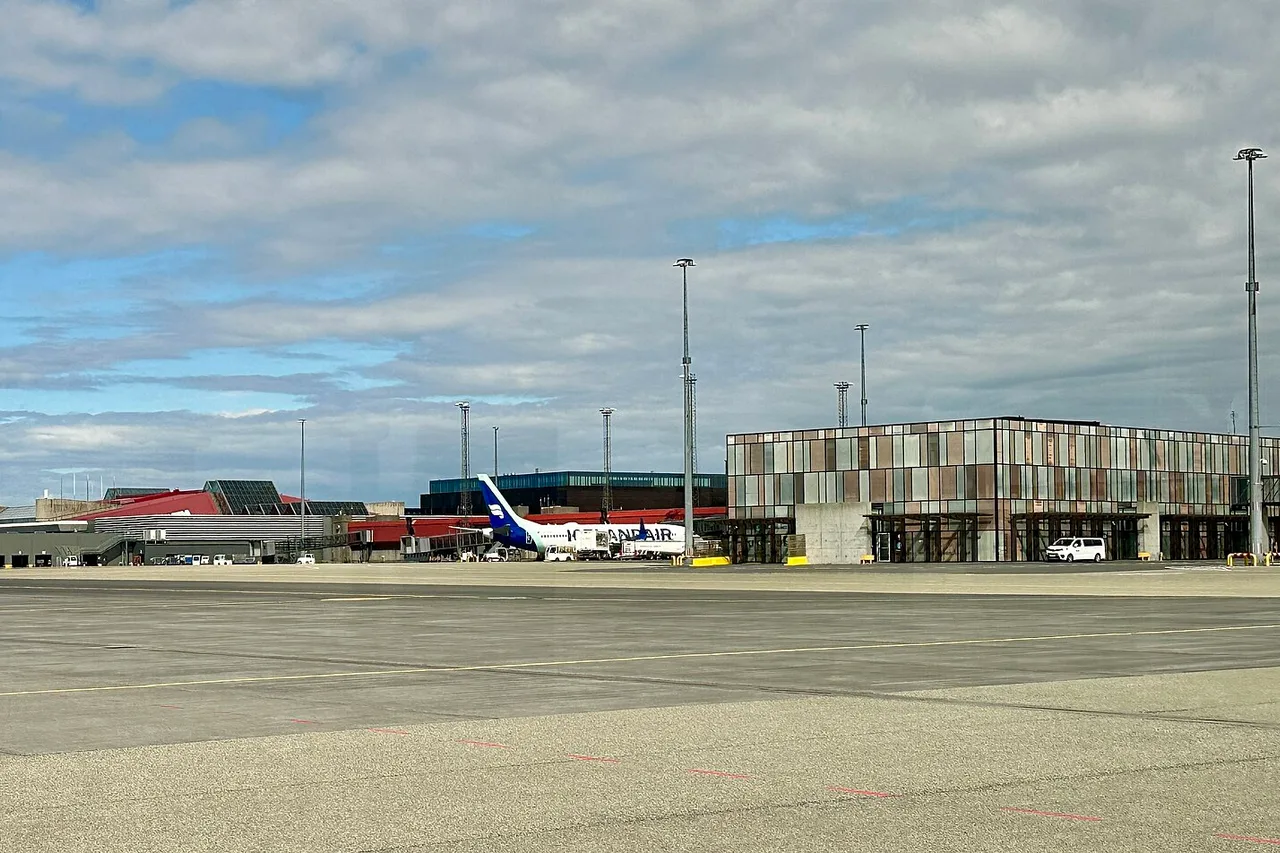
② Do not collect the car at Keflavík at one in the morning. Many flights land in the middle of the night, and the first drive then becomes the most dangerous of the trip: flight fatigue, the wheel on the unfamiliar side for some, wind and sometimes ice. A transfer into Reykjavík for the first night costs less than a day of rental — which you save by moving the pick-up to the next morning. It is the rare piece of advice that improves both safety and budget.
③ Photograph the vehicle at pick-up, from every angle. The most frequent dispute in Iceland concerns tiny gravel chips nobody can date. Two minutes of timestamped photos settle the discussion at drop-off.
On the ground, one rule deserves to be remembered: the wind decides, not you. It is the wind that tears doors off — a damage which, as we saw, no package covers. Always hold the door as you open it, park facing into the wind, and give up without regret when a forecast gust exceeds what you know how to handle. The comparison of the seasons spells out what each period really demands of a driver.
And if your nights are meant for more than sleeping, note that the vehicle is also what lets you go and find the clear sky: that is the whole point of the northern lights guide, where mobility counts for more than location.
The short answer, case by case
Let us be direct, since the question deserves an answer and not only a method.
Any trip outside June–September → an ordinary car, with gravel protection. The F-roads are shut: the 4×4 sells you none of what you think you are buying. Keep the money for extra nights.
Summer, Ring Road and the classic sights → an ordinary car or a two-wheel-drive campervan, depending on whether you want to sleep in it. This is by far the most common case, and it needs no 4×4 at all.
Summer, with Landmannalaugar or Askja on the list → 4×4 mandatory, and the question becomes the fords. Decide before you leave which ones you allow yourself, knowing that none is insured.
Summer, Highlands and nights in the vehicle → a 4×4 campervan, the most expensive of the four. A legitimate choice, provided you know it stacks both premiums rather than one.
The thread running through all four is the same: your dates and your itinerary choose the vehicle, not the other way round. The day you stop asking “campervan or 4×4” and start asking “F-roads or not, and where do I sleep”, the question resolves in two minutes — and often costs a few hundred euros less.