"April for the cherry blossom, November for the maples." The second half of that answer still holds. The first is out of date, and the figures say so: Tokyo’s average opening date moved from 29 March to 24 March in a single generation. Worse, and nobody puts it in the right order: the bloom forecast is published in January, months after your flight is paid for. So you do not plan a trip around a forecast. Here is what you plan it around instead.
The short answer, and why yours is probably out of date
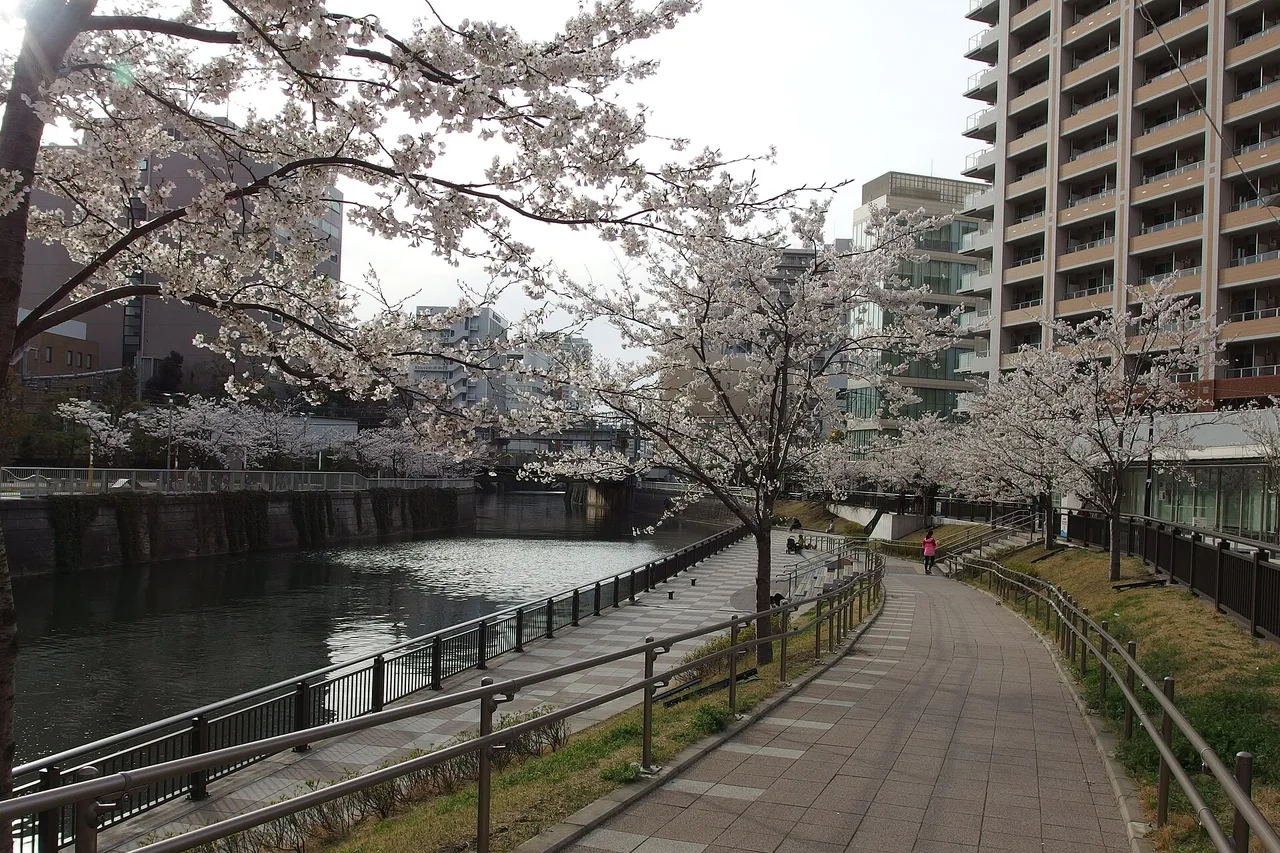
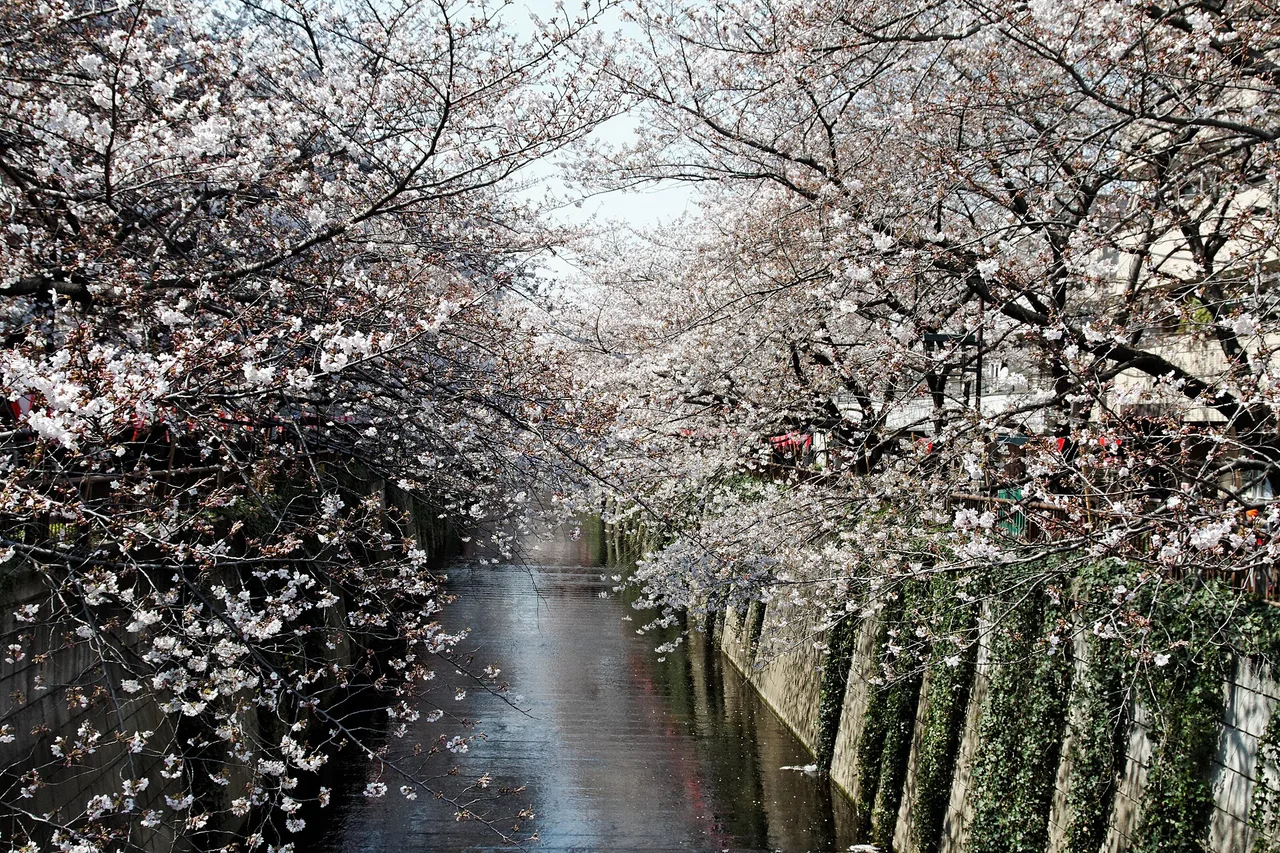
If what you remember is "the first week of April for the cherry blossom", you remember advice that was correct — thirty years ago. Between 1961 and 1990, Tokyo’s cherry trees opened on 29 March on average. Between 1991 and 2020, that average moved to 24 March. Five days in a single generation, and the movement continues: 1.2 days per decade since 1953, twelve days nationally for the Somei-yoshino, the variety you see everywhere.
This is not a specialists’ quarrel. It is the difference between seeing blossom and seeing green trees. In 2026 Tokyo opened on 19 March and reached full bloom on 28 March. A traveller arriving on 5 April, following the older advice, arrived a week after the peak.
| City | First bloom 2026 | Full bloom 2026 |
|---|---|---|
| Tokyo | 19 March | 28 March |
| Kyoto | 23 March | 1 April |
| Sapporo | 25 April | 28 April |
So the useful rule fits in one sentence: for Tokyo and Kyoto, aim at the second half of March, not the first week of April. And if the blossom really matters to you, there is a second chance few people use — the north. Sapporo opened on 25 April in 2026, a full month after Tokyo: the same season, shifted, in a city nobody thinks to look for it in.
🔴 The real problem: the forecast lands after your ticket
Here is the piece almost no guide puts in the right order, and it changes the whole approach. The first bloom forecasts are published in January, roughly three months ahead, then revised weekly. But a long-haul flight to Japan has to be booked six to ten months ahead for a spring fare you can live with.
In other words: by the time the forecast exists, you have already paid. All the advice inviting you to "watch the forecasts to pick your dates" describes an operation most travellers cannot perform. That is not a detail of method — it inverts the entire sequence.
The right way round comes in three steps, and it is far calmer. One: book on the historical average — second half of March for the centre of the country — accepting a margin of several days from the outset. Two: build an itinerary that crosses latitude rather than staying put, because a trip running down to Kyoto or up towards the north multiplies your chances of hitting it right somewhere. Three: use the forecast, once published, to reorder the cities, never to move the flight.
Full guide: Cheap flights to Japan: when to book, Haneda or Narita
That also makes fare comparison more decisive here than elsewhere: the date is chosen first and the price second, and a three-day shift often changes the fare more than the season does — fares to Japan can be compared across a spread of dates at once, which is the only way to see that gap before you commit.
How long the blossom actually lasts, and what hanami is
A second illusion costs people their trips: believing "cherry blossom season" lasts a month. For one tree in one city, it lasts about ten days. Peak arrives five to seven days after opening; the tree then stays genuinely beautiful for ten to fourteen days. One hard shower or a gust of wind removes half of that.
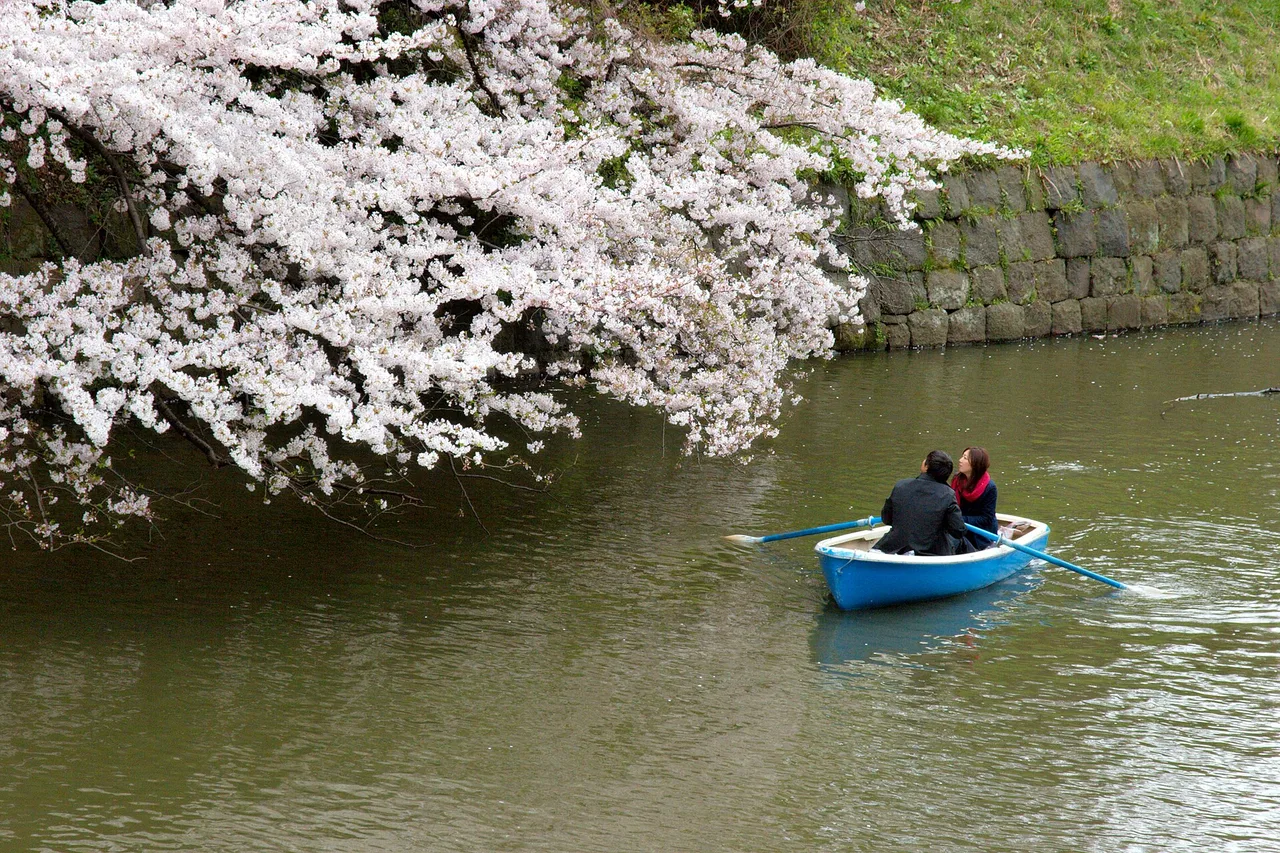
What spreads over a month is the blossom front — its march from south to north. That is not the same thing, and confusing the two leads people to book three weeks "to be safe" in a single city, which achieves nothing: the city will have finished.
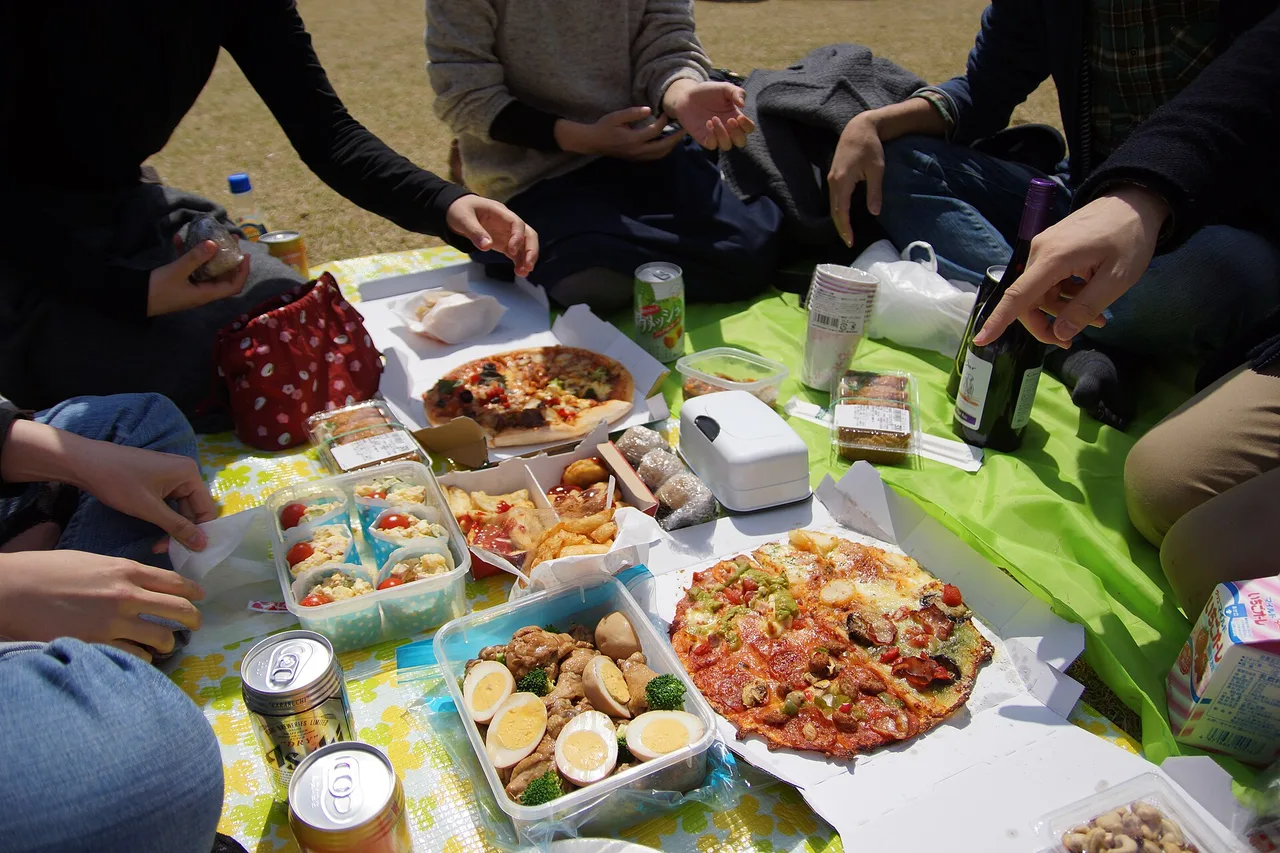
A word, finally, on what you will actually find, because the photographs do not say it. Hanami is a meal. You spread a groundsheet under the trees, share dishes and drinks, and stay for hours, often late. It is warm-hearted and it is very busy: in Tokyo’s well-known parks, the good spots are taken by seven in the morning. If you want the calm of the photographs, go at dawn or pick a neighbourhood park — they are everywhere, and they are the same trees.
The year, month by month
The table below gives a verdict for each month. It carries no temperatures: the only values we verified are the autumn ones, and filling twelve cells from memory would have produced a table that looked rigorous and was invented.
| Month | What happens | Verdict |
|---|---|---|
| January | Dry cold, clear skies, snow on northern temples | 👍 good |
| February | Quietest month, plum blossom | 👍 good |
| March | Cherry trees open from mid-month | ⭐ excellent |
| April | End of bloom, then Golden Week | ⚠️ date it |
| May | Green and settled — before the rains | ⭐ excellent |
| June | Rains reach Tokyo around 7 June | 👎 avoid |
| July | Heavy heat, rains end, festivals | 👎 avoid |
| August | Hottest month, Obon, typhoon peak | 👎 avoid |
| September | Typhoon peak, heat easing | ⚠️ date it |
| October | Settled skies, first colour in the north | ⭐ excellent |
| November | Maples over Kyoto and Tokyo | ⭐ excellent |
| December | Late colour in the south, New Year at month end | 👍 good |
Two months carry "date it" rather than a clean verdict, and that is deliberate. April is excellent in its first half and awkward in its second, because of Golden Week. September is pleasant late in the month and exposed to typhoons in the middle. Neither is judged by the month, but by the fortnight.
🔴 Golden Week 2027: the trap right after the blossom
This is the most common and most expensive mistake, and it follows from a good intention. You aim for the blossom, you allow a margin "just in case", you slip by a week — and you land squarely in Golden Week.
In 2027 it runs from Thursday 29 April to Wednesday 5 May: Showa Day on 29 April, then Constitution, Greenery and Children’s Day from 3 to 5 May. It is one of the country’s three travel peaks, alongside New Year and Obon. In practice: Shinkansen seats go very fast, hotel rates climb sharply, and the best-known sites move at a shuffle.
One scheduling point, because it catches out even organised travellers: Shinkansen reservations open exactly one month before departure. For a journey on 29 April 2027, that means 29 March 2027 — and you need to be there. If your dates are fixed, book trains the minute booking opens, and hotels much earlier still.
The other two peaks work the same way. New Year stops the country from 31 December to 3 January — only 1 January is an official holiday, but the whole span behaves like one, and many shops and restaurants close. Obon, three days in August, empties the cities and fills the trains in the other direction.
Autumn: the best answer, and nobody gives it
Here is what we would recommend for a first trip, and it runs against everything that gets sold. Go in autumn. Not because maples beat cherry blossom — that is a matter of taste — but because the season is immeasurably easier to book.
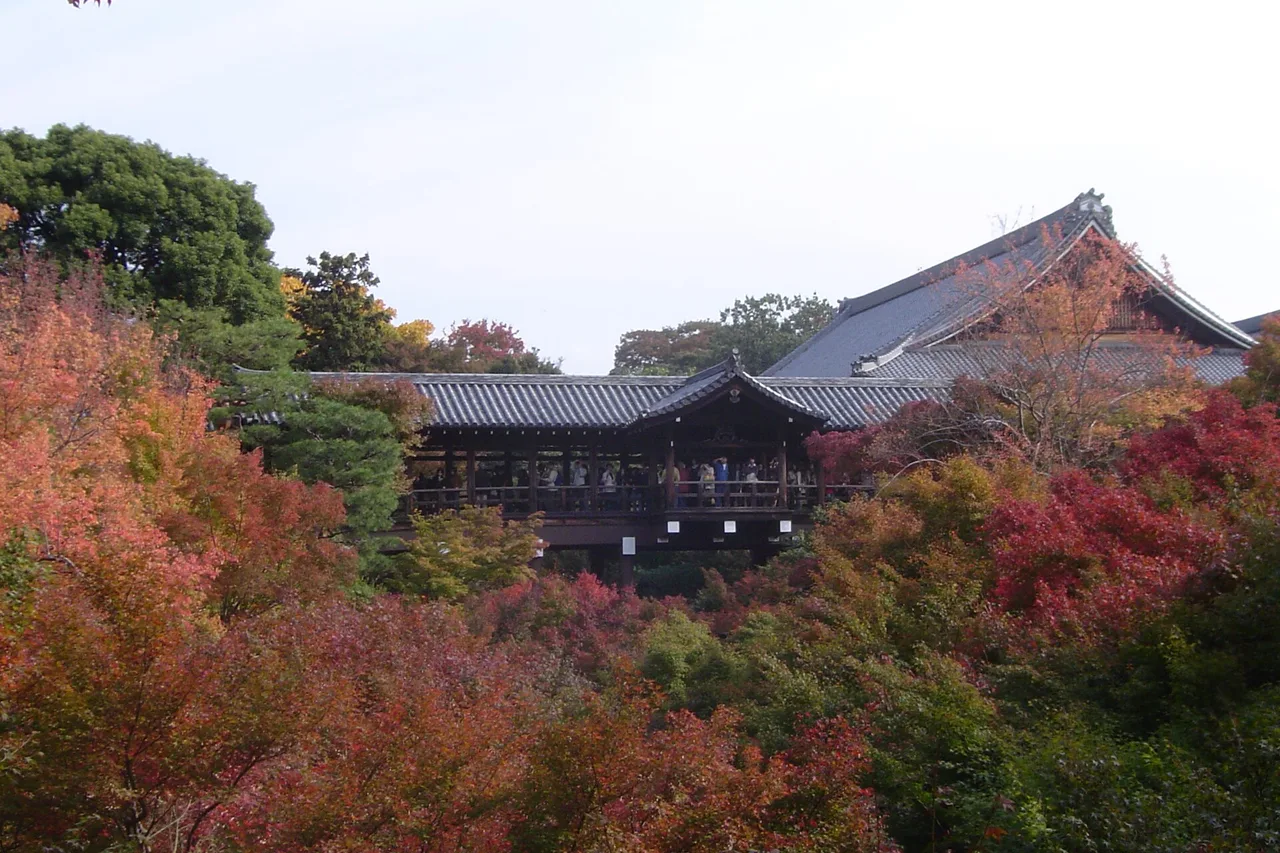
The colour runs from late October to late November depending on latitude and altitude, with settled temperatures of 15 to 22 °C. That is a five-week window against ten to fourteen days in spring. Booking ten months ahead against a five-week window is a reasonable bet; doing it against a ten-day window is not.
Three further advantages spring does not have: steadier skies, visitor numbers spread over five weeks instead of concentrated into two, and no major public holiday in the period at all — no Golden Week, no Obon, no New Year. It is probably the best combination of the year, and the one least talked about.
One honest caveat all the same: Kyoto’s landmark sites in November are very busy, and some temples run evening illuminations with timed entry that sell out weeks ahead. Timed entries and autumn illuminations can be booked online — one of the rare cases where booking far ahead genuinely changes the experience, not merely the price.
June to September: what the difficult season really changes
Three months are marked "avoid" in the table, and it is worth saying exactly why — because the reality is less frightening than the reputation, and the saving larger than people expect.
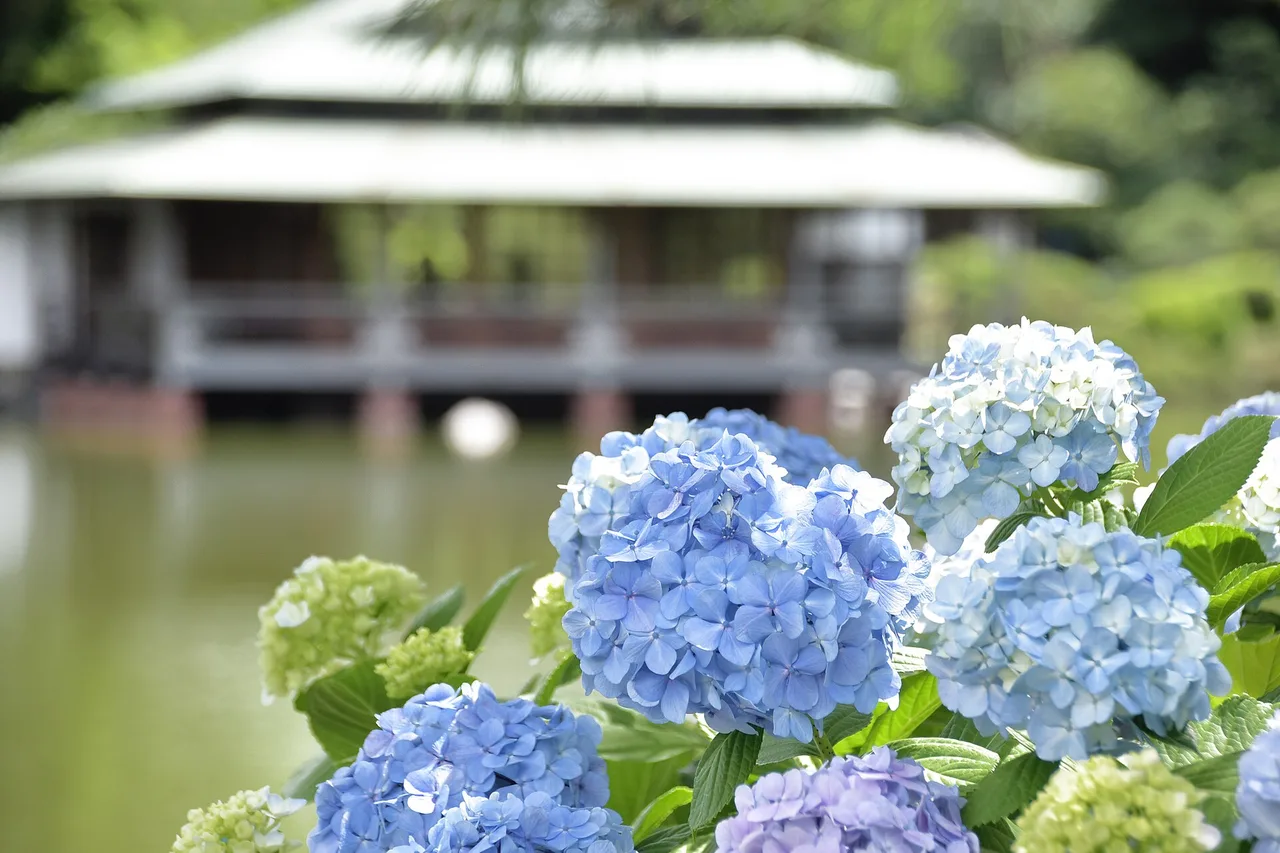
The summer rains reach southern Kyushu around 1 June and Tokyo around 7 June; in 2026 Okinawa and Amami had them from 3 and 4 May. They clear the whole country by early August. This is not a continuous wall of water: it is showers, often brief, between which sightseeing works perfectly well. The real discomfort is the humidity, not the rain.
Then comes the serious subject: typhoons. The season runs June to October with a clear peak in August and September — on average three approaches per peak month, one of which makes landfall. A typhoon cannot be worked around: trains stop, domestic flights are cancelled, and you stay where you are for twenty-four to forty-eight hours. If you travel in August or September, keep a spare day before any return flight, and plan nothing unrecoverable the day before you leave.
August stacks everything: the heaviest heat, the typhoon peak, and Obon. It is the only month we would frankly advise against — except for the summer festivals, which are magnificent and happen only then.
Winter, the most underrated season
January and February appear in no brochure, which is precisely their appeal. Skies are dry and clear on the Pacific side — Tokyo, Kyoto, Osaka — sites are empty, prices at their lowest of the year, and Mount Fuji is never so visible as in winter.
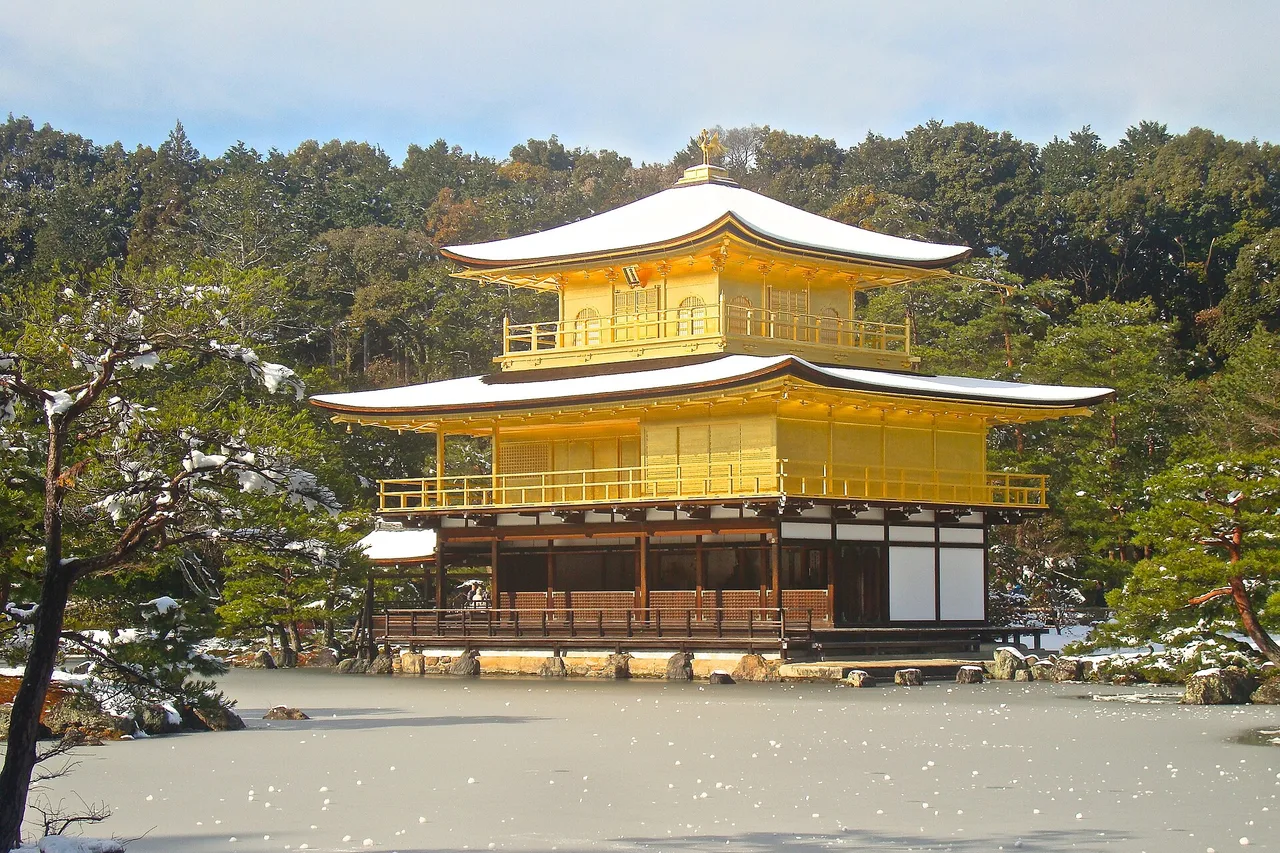
February is the quietest month of the year. Plum trees flower then, a few weeks before the cherries, in the same gardens and with nobody in front of them. And there is the snow bet: Kinkaku-ji under snow happens only a few days a year, cannot be booked, and gives you a picture spring never will.
Two real caveats: the north and the Sea of Japan coast get very heavy snowfall, which is a reason to go but complicates moving around; and late December runs into New Year, with its closures and full trains. So aim for mid-January to late February, not the holidays.
Note too that winter is the season where an itinerary is re-planned on the move most often — a closed road, snow forecast, a clear sky over Fuji you have to seize that day. Japan belongs to neither the European Union nor the European Economic Area, so your plan covers nothing there: an eSIM activated on landing costs less than a day of roaming, and it is what makes those calls possible.
Full guide: Japan eSIM: networks, prices and traps before you buy
The verdict, by type of trip
First trip, dates flexible: late October to late November. A five-week window, settled skies, no major public holiday. It is the safest answer, and almost nobody gives it.
You want the blossom, genuinely: the second half of March for Tokyo and Kyoto — not the first week of April. Build an itinerary that crosses latitude, and accept the margin of error: it is part of the trip.
You can only travel in April: the first fortnight, and stop before the 29th. Beyond that Golden Week 2027 begins, and everything changes in price and density.
Tight budget: June, or mid-January to February. These are the two troughs of the year. June is paid for in humidity, winter in dry cold — and winter has the best skies of the twelve months.
You are going in August or September: keep a spare day before the return flight, because of typhoons. The full cost of a trip at that time is in our two-week budget.
You are still unsure about getting around: the season changes the rail answer too — peak trains fill up in March and November. Our JR Pass arithmetic and our two-week itinerary both start from those dates.