It’s the great Indian Ocean question, and it deserves better than a brochure answer. Mauritius or Réunion? Two sister islands, 45 minutes apart by plane, that seem opposite in every way: lagoon versus volcano, beach versus trail, rupee versus euro. We know both — Moris Insider was born in Mauritius and grew up facing Réunion. Here is the honest face-off, point by point, with figures checked in September 2026 — and the best answer may well be: do both.
Sister islands with almost nothing in common
On the map, barely 220 kilometres of ocean separate them, and they share the same time zone — no jet lag from one to the other. Everything else diverges. Réunion is France: an overseas department with the euro, French roads and pharmacies, and an outsized mountain rising from the sea. Mauritius is an independent state: you pay in rupees (about 54 rupees to the euro), drive on the left, and hear Creole, French and English — with a coral reef circling almost the entire island.
The cliché says: Mauritius for the beach, Réunion for the mountains. It’s well founded — but each island hides a piece of the other: Réunion has its lagoon, Mauritius has its mountains. The real question is one of proportion: what will you do with your days?
Beaches and lagoon: advantage Mauritius
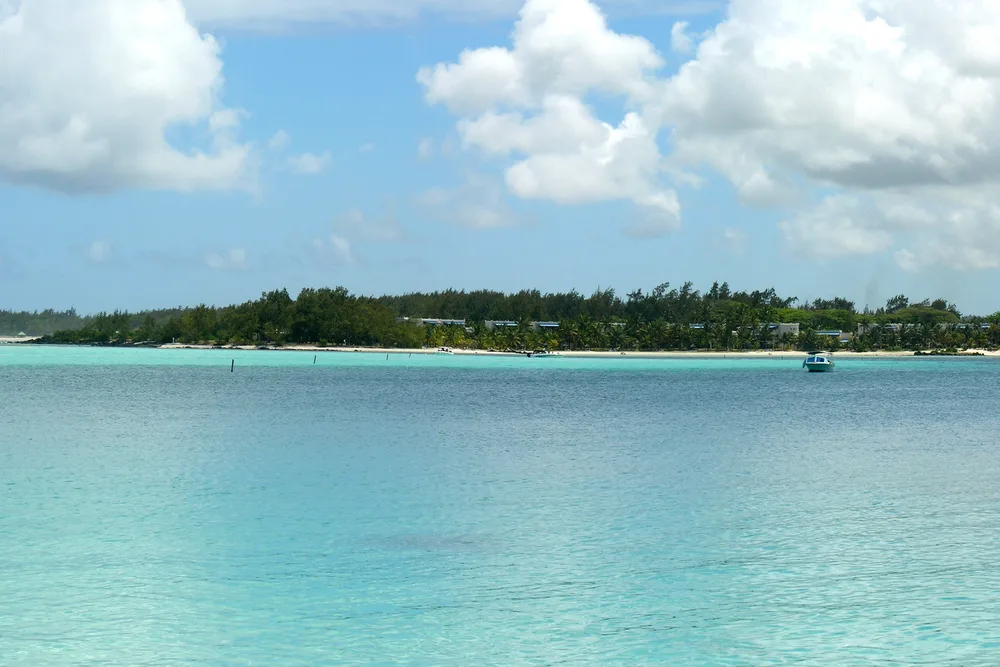
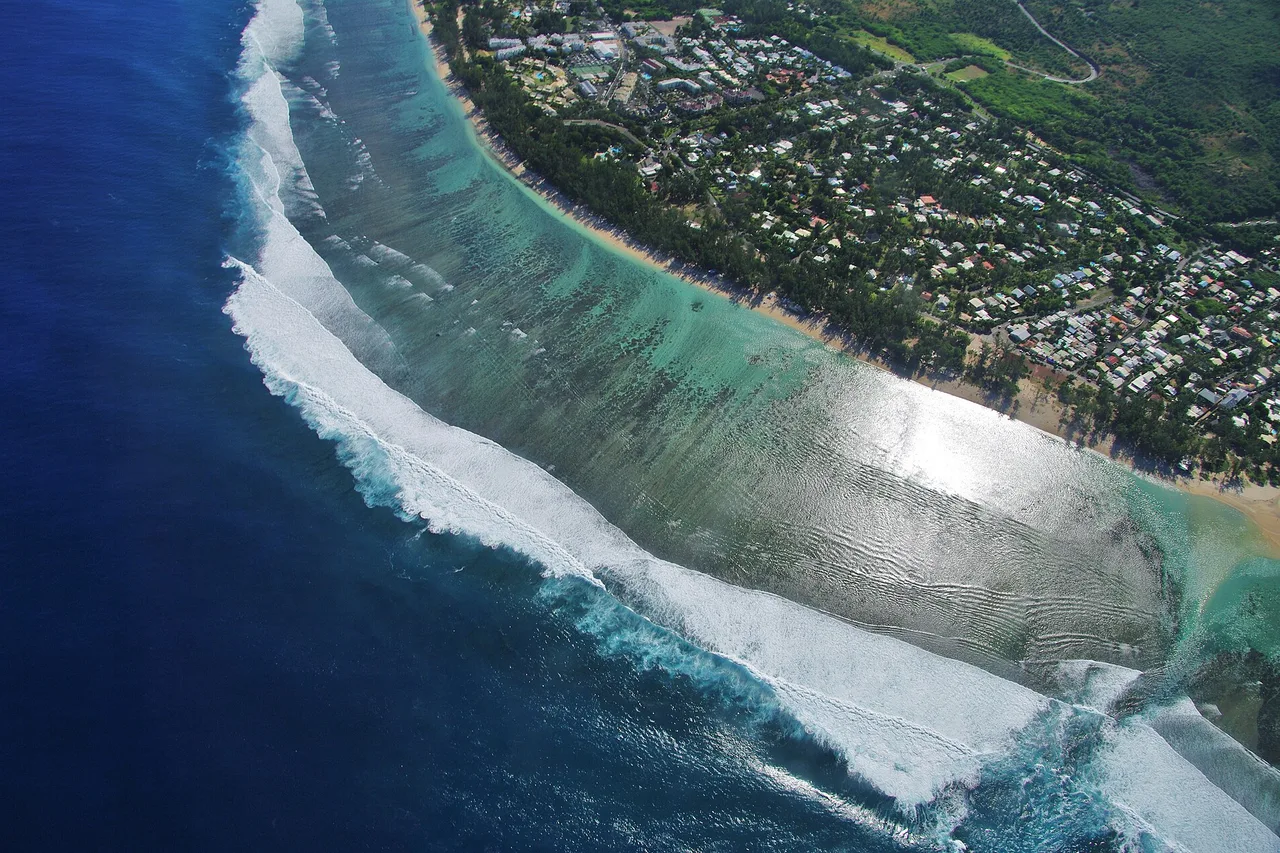
This one is over quickly. In Mauritius, the reef creates a calm lagoon along most of the coastline: turquoise water, public white-sand beaches all around the island, snorkelling straight off the beach — Blue Bay is the most famous example — and world-class kitesurfing at Le Morne. You swim everywhere, every day, without thinking twice.
On Réunion, let’s be honest as always: ocean swimming has been regulated since the 2017 prefectoral decree and is concentrated on the west-coast lagoon — L’Ermitage, La Saline — and supervised zones. It’s a genuine family delight, and fin-mask-snorkel has been allowed again in the reserve since February 2025, but it remains a few kilometres of coast, not a whole island. Our guide to Réunion’s beaches and lagoons explains exactly where and how to swim. For a pure beach holiday: Mauritius, end of discussion.
Hiking and vertical nature: advantage Réunion
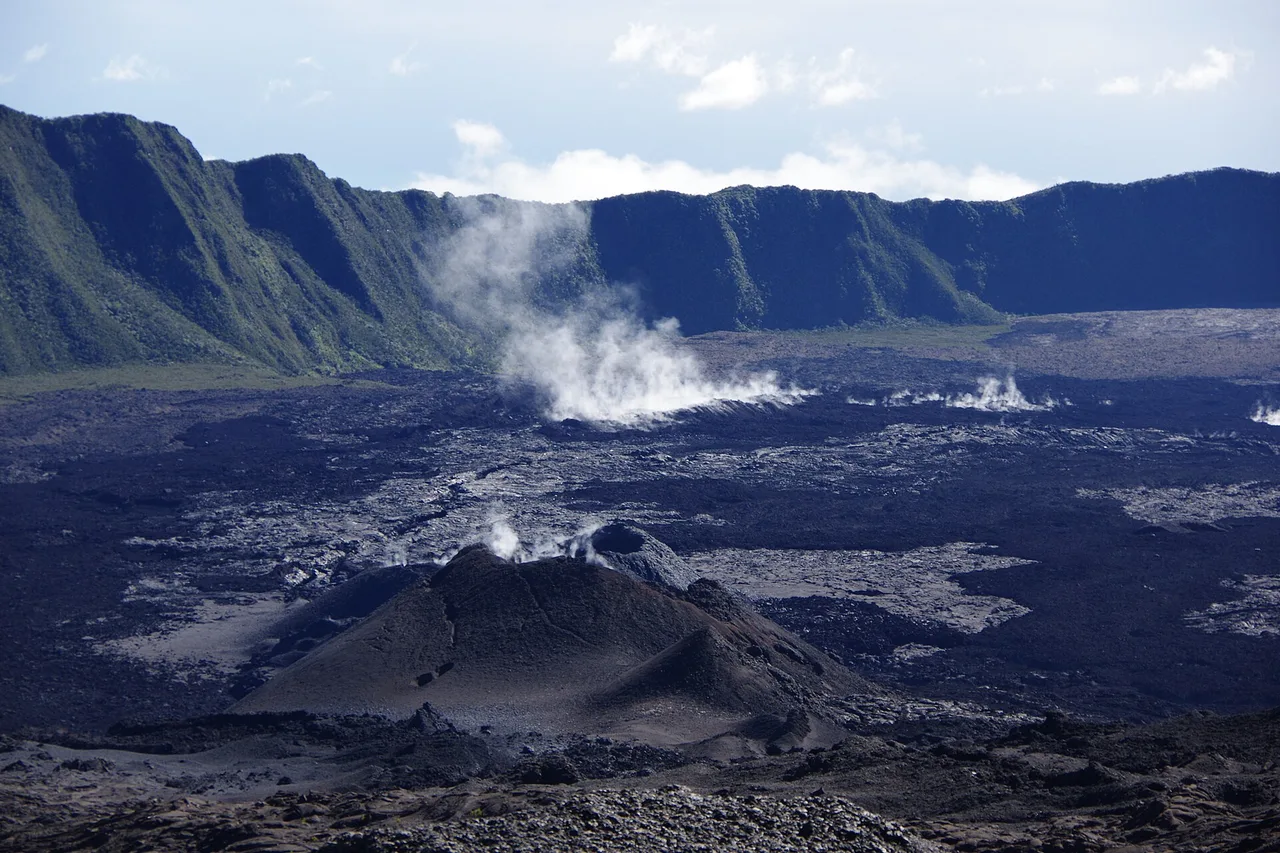
Now flip the board. Réunion is one of the world’s great hiking arenas: three UNESCO-listed cirques — including Mafate, where no road enters and you sleep in mountain lodges at €60-75 half board —, hundreds of kilometres of trails, dizzying waterfalls and Piton des Neiges at 3,070 metres, the roof of the Indian Ocean. Add Piton de la Fournaise, one of the most active volcanoes on the planet — it put on a show again from February to early April 2026.
Full guide: Things to Do in Réunion Island: 25 Unmissable Spots, Chosen by Locals
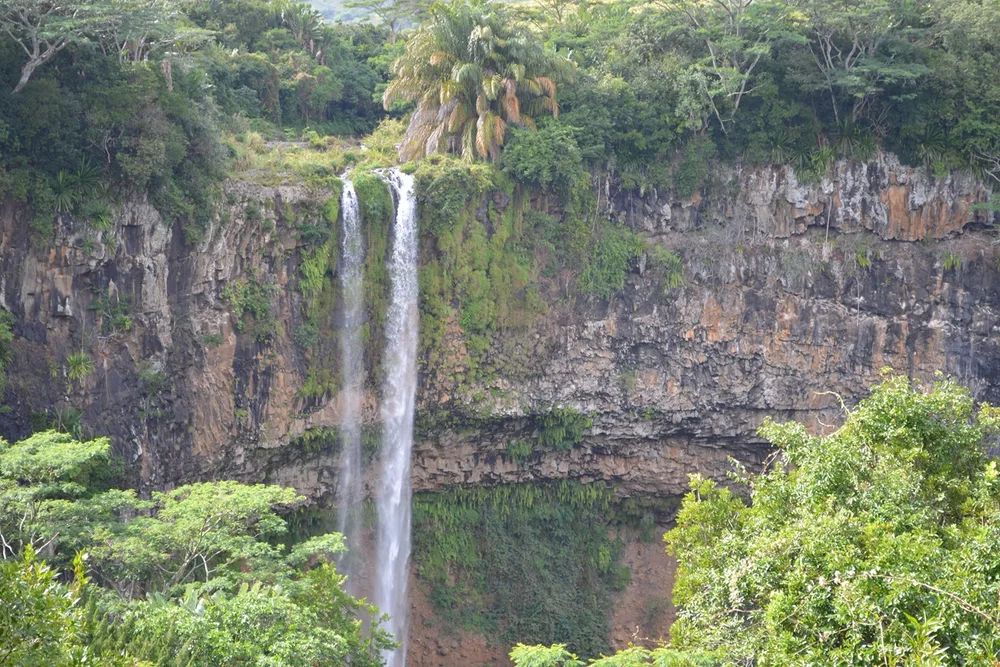
Mauritius’ highest point tops out at 828 metres (Piton de la Petite Rivière Noire). The island still offers fine walks — Le Morne Brabant, the Black River Gorges, the coloured earths and waterfalls of Chamarel — but these are half-days, not expeditions. For hikers, trail runners and lovers of landscapes you have to earn: Réunion wins by a landslide, and that’s exactly as it should be.
Climate and seasons: one ocean, two faces
Good news: the calendar is the same. The austral winter, May to October, is the fine season on both islands — dry, sunny, neither too hot nor too cool. The austral summer (November to April) is hot, humid and exposed to cyclones: Réunion’s official season runs 15 November to 30 April, and Mauritius lives in the same basin. Our guide When to visit Réunion breaks down the mechanics.
The difference lies elsewhere: Réunion is an island of microclimates. Its east coast receives 3,000 to 5,000 mm of rain a year while Saint-Gilles, in the west, stays under 700 mm — you change worlds in an hour’s drive, and the summits demand a fleece at dawn. Mauritius, lower and smaller, is far more uniform: weather there is a question of windward or leeward coast, not altitude. An austral-winter bonus, mostly on the Réunion side: humpback whales, with regulated boat trips at €40-90 during the framed season, 1 July to 30 September.
The budget, line by line
For flights from Europe (Paris as the benchmark), Réunion often comes out slightly ahead: expect €400-650 return in low season, €550-800 mid-season, €700-1,100+ in high season. To Mauritius, promotions start around €550 in low season, but the direct-flight average sits closer to €800-1,100, peaking in July-August and December-January — book early either way.
On the ground, the logic flips. Réunion charges French prices: guesthouses at €50-150, a rental city car from €20-25 a day on longer rentals, fuel prices fixed by prefectoral decree — our trip budget and car rental guides lay out every figure. Mauritius plays across a much wider range: beachfront resorts can be very expensive, but guesthouses, street food — a dholl puri costs pocket change — and local tables make the island very affordable once you step outside the resort bubble, with an exchange rate that favours the euro. Honest verdict: neither island is “low cost”; Mauritius can cost less than Réunion — or ten times more, depending on the pillow you choose.
Full guide: Where to stay on Réunion Island: picking your area — and booking at the right time
Culture, food and everyday life
This is the most underrated line of the comparison, and it matters enormously once you land. Mauritius is a crossroads: Indian, Creole, Chinese and European heritages share the same street — Tamil temples, mosques, churches, Chinese shops — and above all the same plate: dholl puri eaten on the go, biryani, rougaille, fried noodles, tea from the plantations. People switch between Creole, French and English in a single conversation, which makes the island remarkably easy for almost everyone.
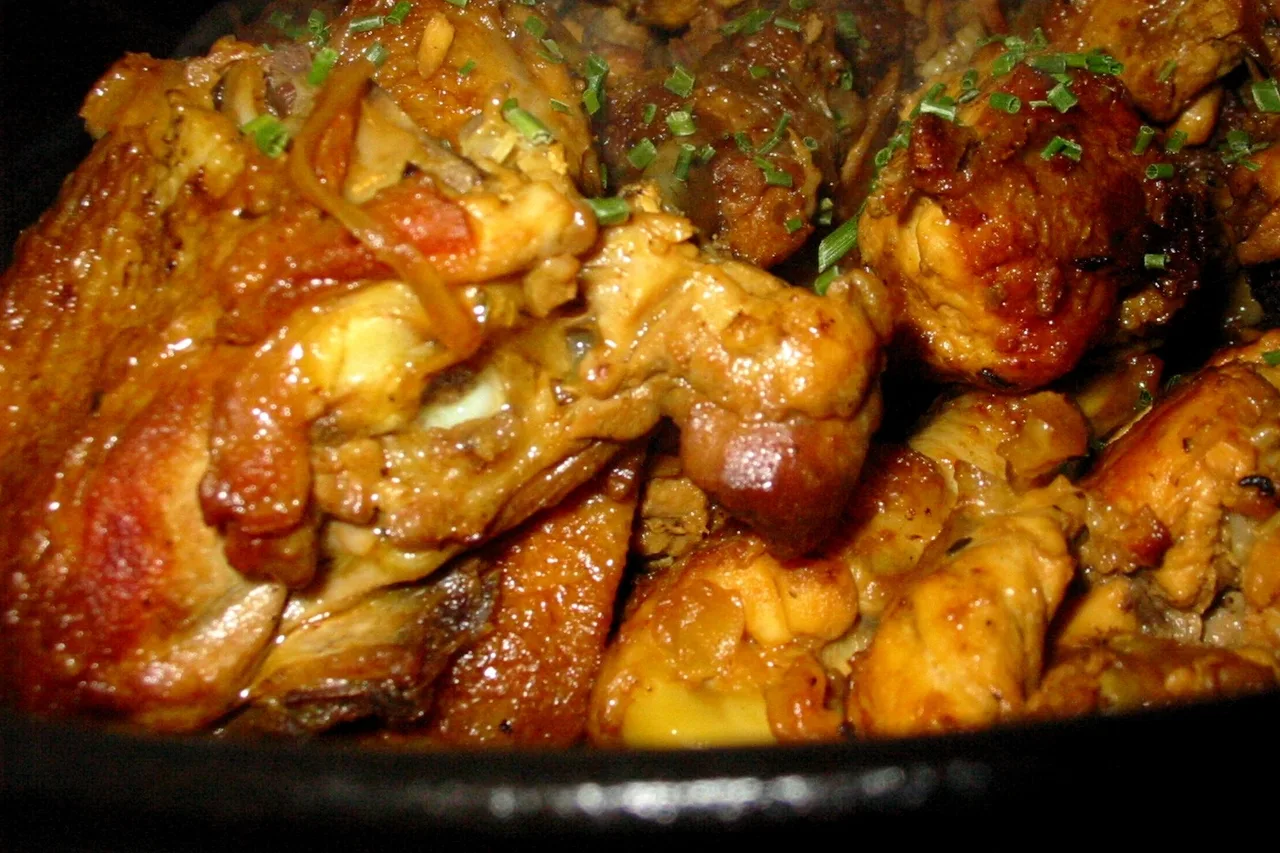
Réunion is Creole AND French: the street markets of Saint-Paul and Saint-Pierre, carri served in takeaway trays at trailheads, rhum arrangé shared at the gîte, Creole houses and village festivals — all with the quiet comfort of a French department in the background: pharmacies, hospitals, roads and bakeries just like in mainland France. Two cousin Creole cultures, two moods: Mauritius more cosmopolitan and turned toward its visitors, Réunion more intimate, living first for itself — which is exactly what charms the travellers who choose it.
Why not both?
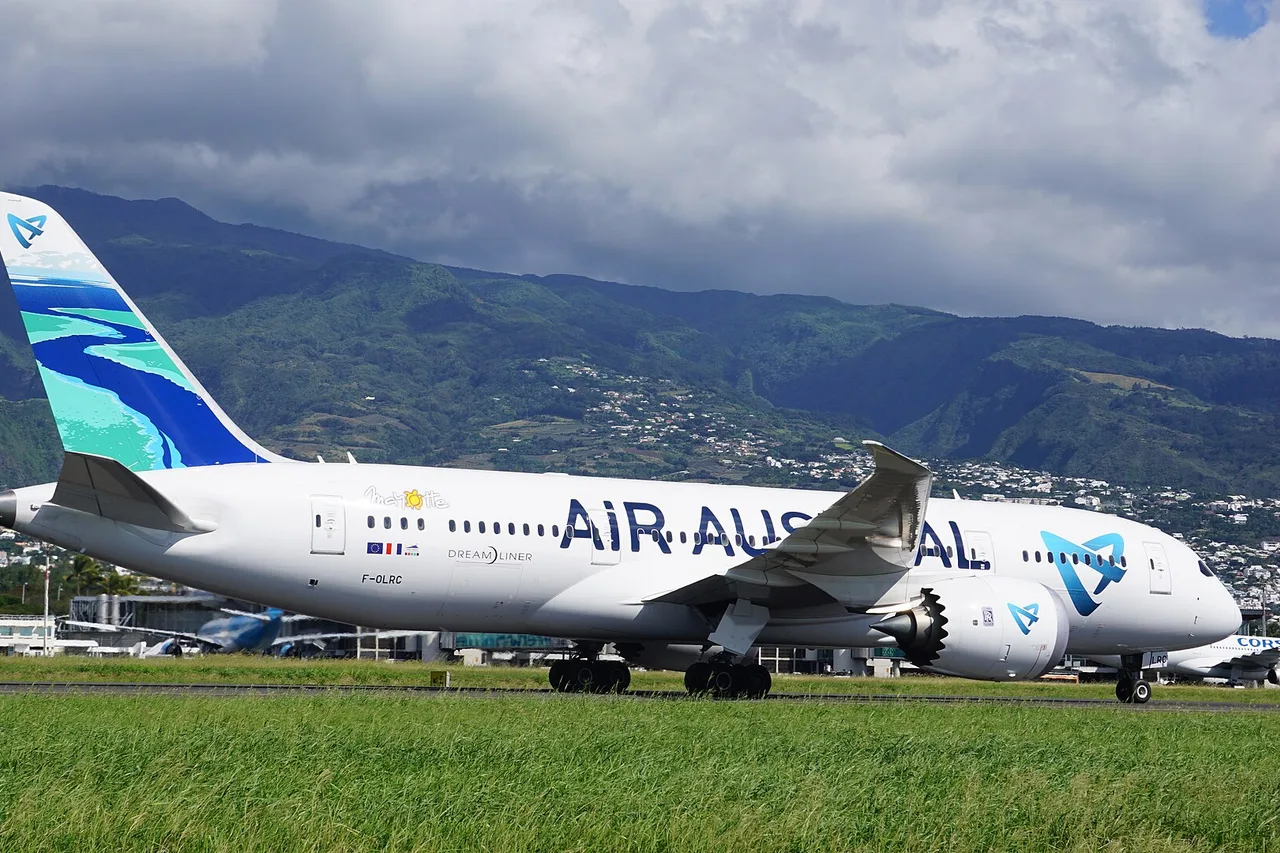
Here is the dilemma’s best-kept secret: you don’t have to choose. About 45 minutes of flying separate the islands, with daily connections on Air Austral, Air Mauritius and Air France, from Saint-Denis and even Saint-Pierre. Round trips start at roughly €210-250, more in high season — December, January, July.
Formalities stay simple: on Réunion, an ID card is enough for EU citizens; Mauritius requires a passport valid six months beyond arrival and a return ticket — with a visa-free tourist stay of up to 90 days for most visitors, EU citizens included. One trap for the distracted: you drive on the right in Réunion, on the left in Mauritius. The recipe that works: from 12 days, spend a week on cirques and volcano — our 10-day itinerary tailors easily — then a week on the Mauritian lagoon to rest your legs. Effort first, hammock second.
The local’s verdict
Honeymoon, lazy days, morning snorkelling and rum at sunset: Mauritius, and let no one talk you out of it. Dawn trails, cirques, a live volcano and views you earn with your legs: Réunion, ten times yes. With children, both work — Réunion’s western lagoon is a fine playground, Mauritius remains the easier island to live with. And if you’re still hesitating after all this, the answer is already written: take both — you don’t cross the Indian Ocean that often. To plan the Mauritian half, our Mauritius blog covers the island in depth, spot by spot.