Underwater, Tenerife is exactly what it is above the surface: a volcano. Lava arches, black drop-offs, caves and a wreck resting some twenty metres down replace the coral gardens of the tropics — with water between 19 and 24 °C all year round and visibility reaching 20 to 30 metres on good days. This guide sorts out honestly what is genuinely worth it: the best dive sites, the snorkelling coves, the rules around El Puertito’s turtles, and the real prices of try dives and certified diving — all checked on 20 October 2026.
Why Tenerife is different underwater
If you arrive from the Red Sea or the Maldives, adjust your expectations: Tenerife has no coral reef, but frozen lava — arches, chimneys, overhangs and walls dropping into deep blue. Parrotfish graze between the boulders, moray eels and octopuses wait in the cracks, and rays and angel sharks settle on the sandy patches. The water is never tropical, never cold: 19 to 20 °C from January to March, 23 to 24 °C in September and October — diving here is a year-round sport, which is precisely what sets the island apart from almost all of Europe.
Full guide: Things to Do in Tenerife: 25 Unmissable Spots, Chosen by Locals
The second thing that sets it apart runs along the west coast: the strip of sea between Teno and Rasca is a protected area, the ZEC Teno-Rasca — around 69,500 hectares where pilot whales and dolphins live all year. Diving there is guided and restrained — and if you would rather watch those animals from the surface, everything you need is in our guide to whale watching in Tenerife. Underwater visibility reaches 20 to 30 metres on good days, usually at its best in late summer and autumn when the Atlantic calms down.
The El Peñón wreck at Tabaiba
The island’s best-known dive lies in the east, off the small town of Tabaiba: El Peñón, a retired tugboat from the port of Santa Cruz, deliberately scuttled in 2006 to create an artificial reef. It rests heeled about 30 degrees to starboard: the superstructure starts at around 20 metres, and the deepest edge sits at roughly 32 metres. The boat was partly stripped before sinking, which makes it an easy wreck to read and a comparatively safe one to explore.
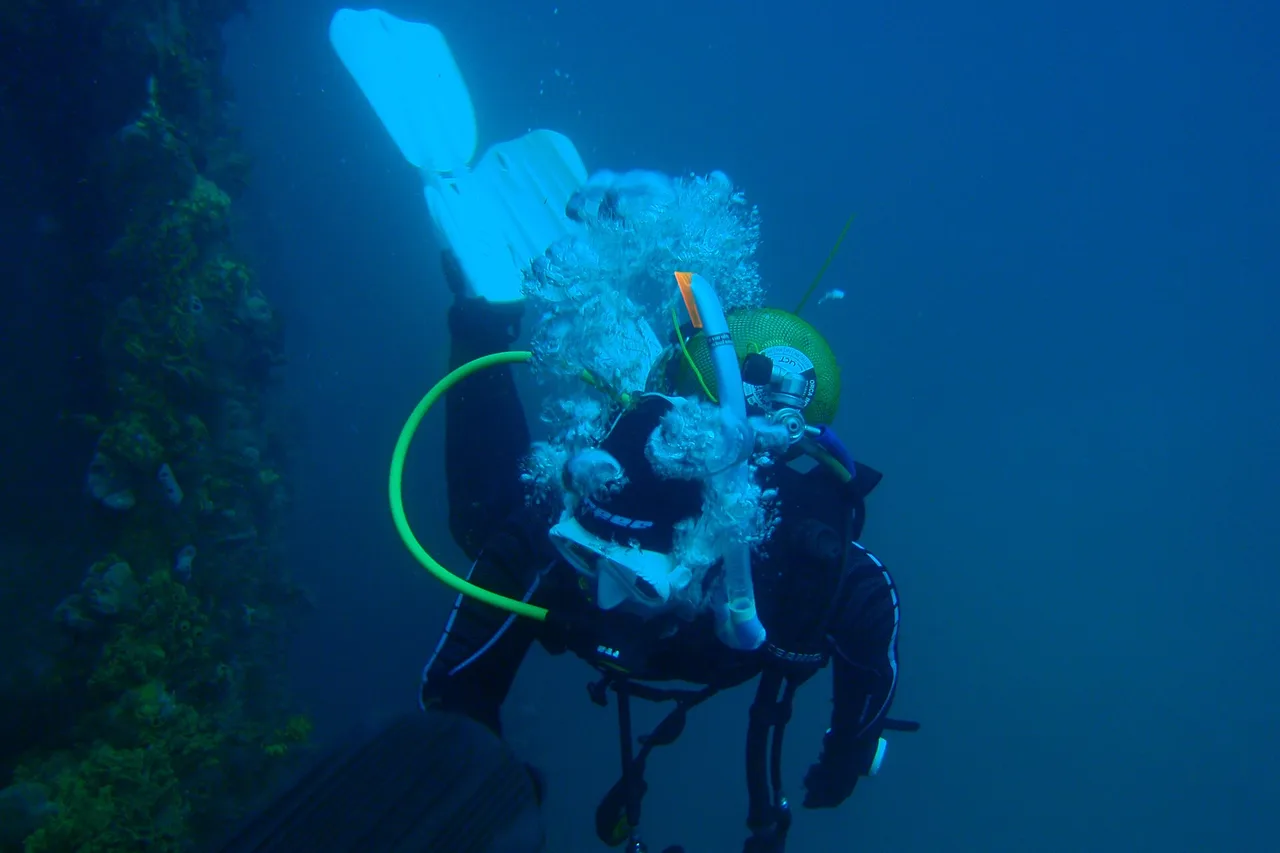
You reach it from the shore — entry is next to Tabaiba’s dive centres, and a line of buoys marks the way out. Down below, morays and octopuses hold the crevices, barracudas patrol open water, rays rest on the sand. Honestly, though, this is not a first-week dive: most of the wreck lies beyond 20 metres and current can pick up — local centres treat it as a dive for experienced divers and brief the ascent point before entry. If your certification is brand new, start with the shallow reefs of the south coast.
Montaña Amarilla and the south coast
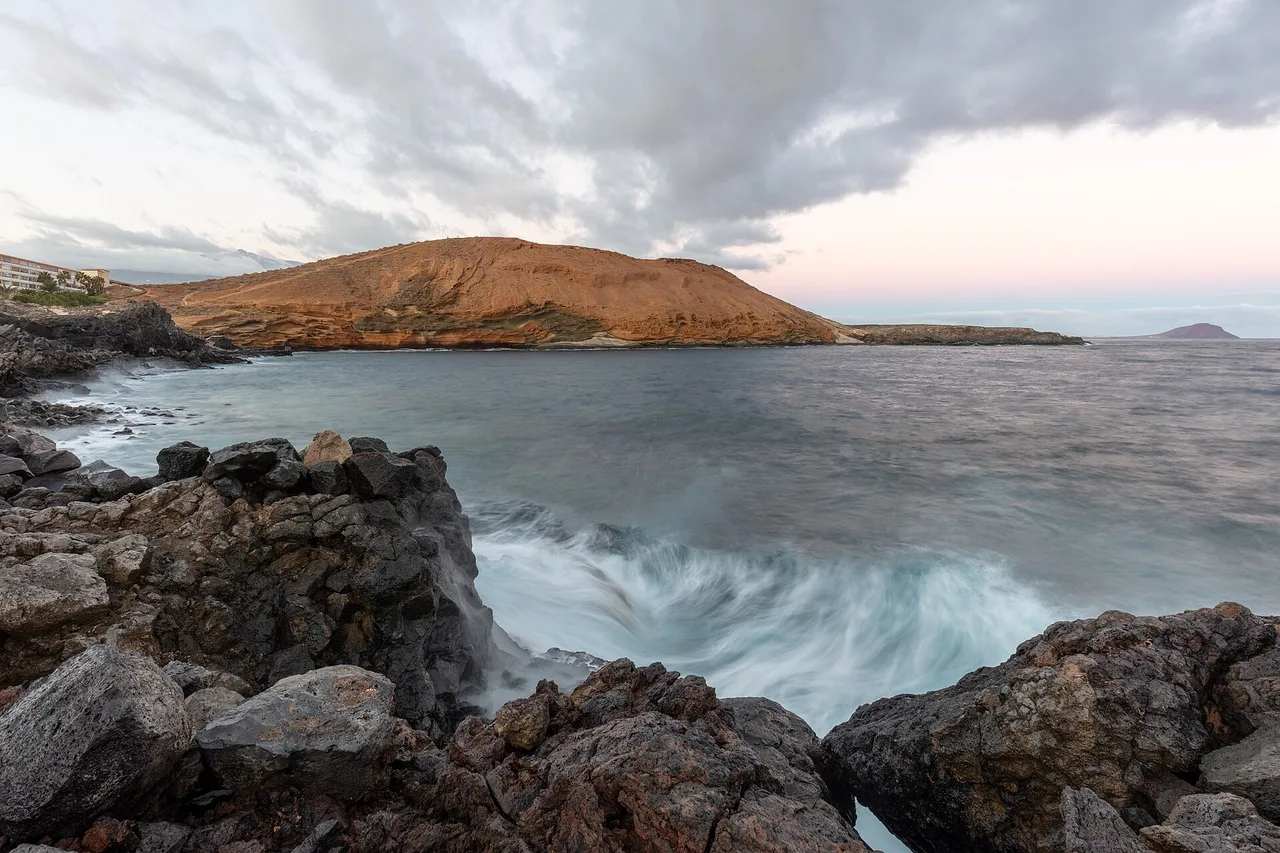
At Costa del Silencio, Montaña Amarilla pushes into the sea — a yellow tuff cone whose underwater side looks like a lunar landscape: terraces, small caves and arches of pale volcanic rock at shallow depth. The area is protected, and the entry is easy, so snorkellers, try divers and training groups share the bay. In calm seas it is one of the island’s most beautiful easy sites; once swell gets in, visibility drops and the charm goes with it.
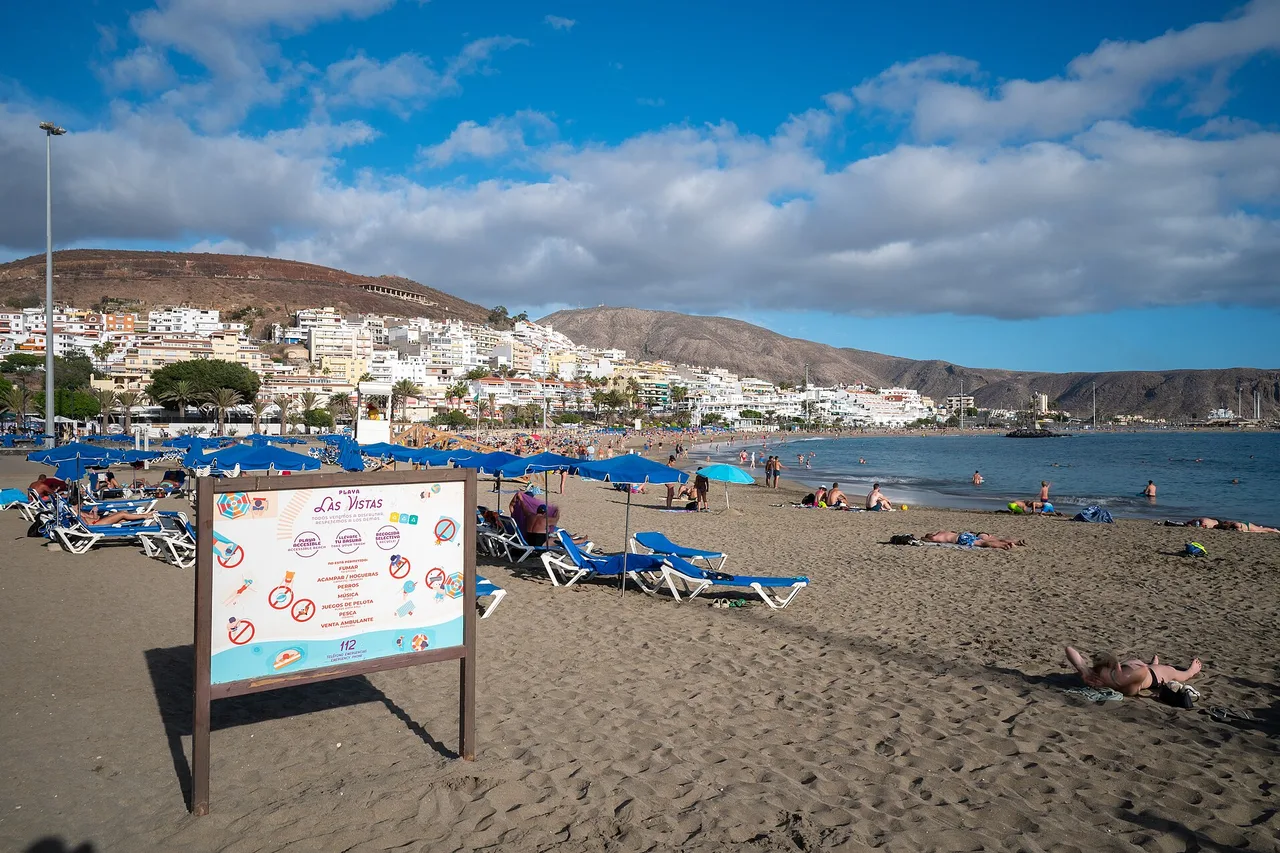
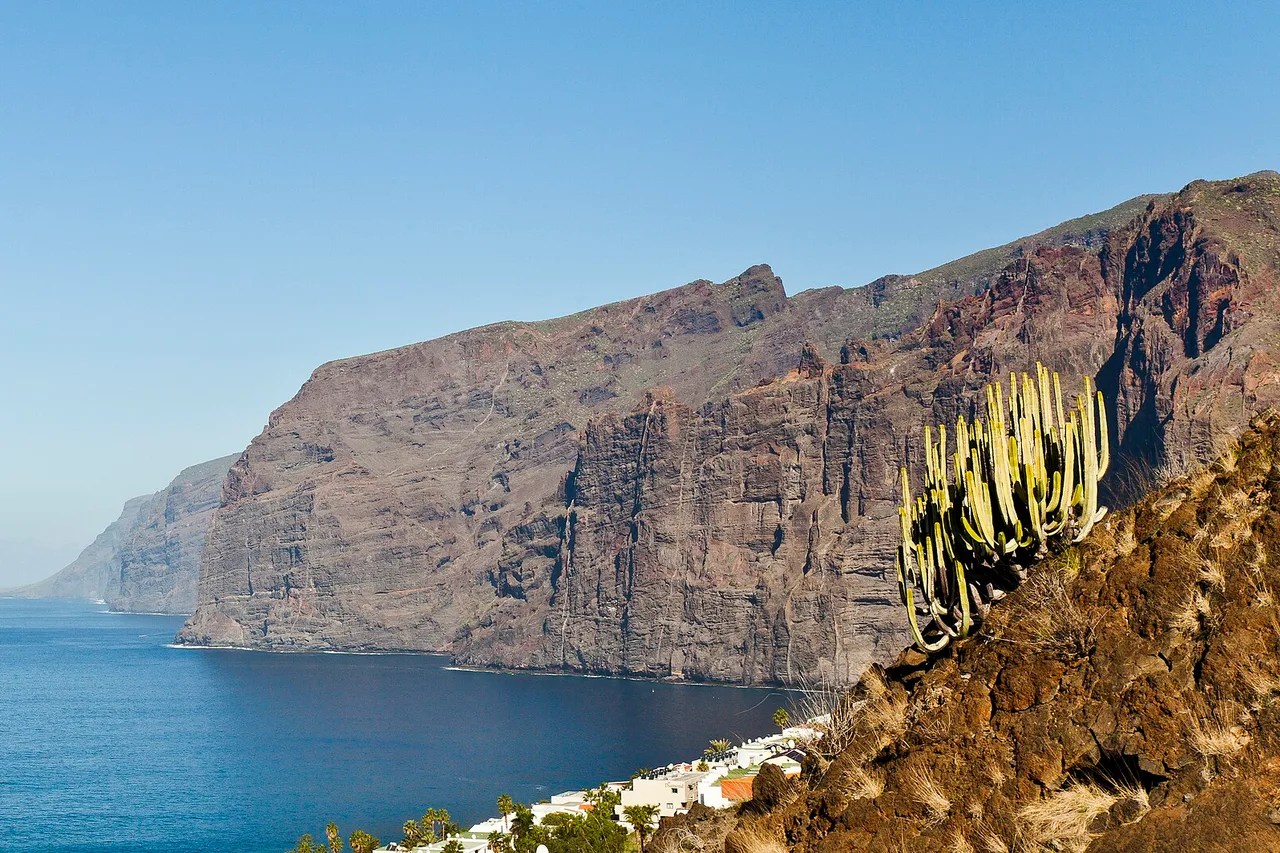
A little further east, Abades offers a sheltered bay with a small reef close to shore: seagrass meadows, octopuses, trumpetfish, sometimes a ray — all at depths a child with a mask can explore. On the west side, around Los Gigantes, the walls fall away underwater as steeply as the famous cliffs above: centres work by boat there. To know which coast has the calmest sea in which month, see our article on the best time to visit Tenerife — as a rule of thumb, the south-west stays diveable most often.
El Puertito’s turtles: rules first, dream second
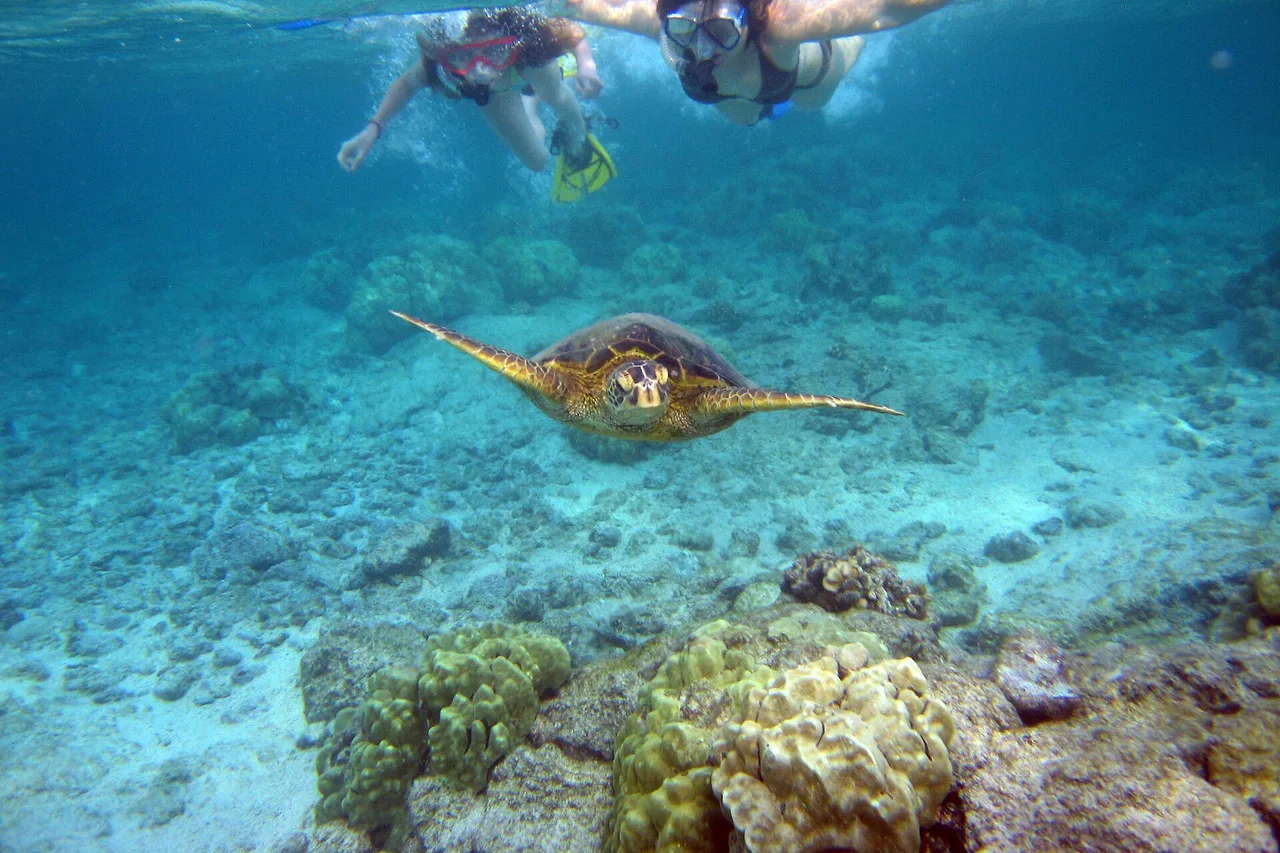
Few Tenerife images are as famous as the green turtles of the little cove of El Puertito de Armeñime — and few demand as much honesty. The truth: the bay was a reliable meeting point for years, but sightings have become rare in recent years. Nobody can promise you a turtle, and you should be wary of anyone who does. Part of the problem was people themselves: years of feeding, touching, chasing.
Hence rules that are simple and non-negotiable: never feed (it is prohibited, and it makes the animals sick), keep about 5 metres away, touch nothing, do not follow the animal. To see marine life without betting on one cove’s luck, the best option is a guided snorkelling trip inside the protected area — from about €45 as checked on 20 October 2026, usually by boat or kayak along the west coast. Chance still plays its part, but the guides know the coves where the odds are best.
Try dives, certifications and prices
Getting started is easier than many think: a supervised try dive (“bautismo”, from around age 8) requires no certification. Prices checked on 20 October 2026: from about €65 for a beginner session with theory and a shallow dive from Los Cristianos, around €85 for 20 minutes underwater with a boat trip from Puerto Colón, and up to about €105 for the 40-minute version. Photos or videos of your dive usually cost €25 more. Book online — morning slots go fast in high season.
If you already hold a certification, a two-dive guided package in the south starts at about €125, and full equipment rental comes to roughly €10 per day. Centres ask for your certification card (Open Water as a minimum) and, depending on the site, a recent logbook. As for snorkelling — masks and snorkels are sold in every resort; what matters is not the gear but the spot: sheltered bays like Abades rather than open beaches. To place the underwater day within your overall trip, our Tenerife budget guide does the maths.
Safety, seasons — and Mount Teide after a dive
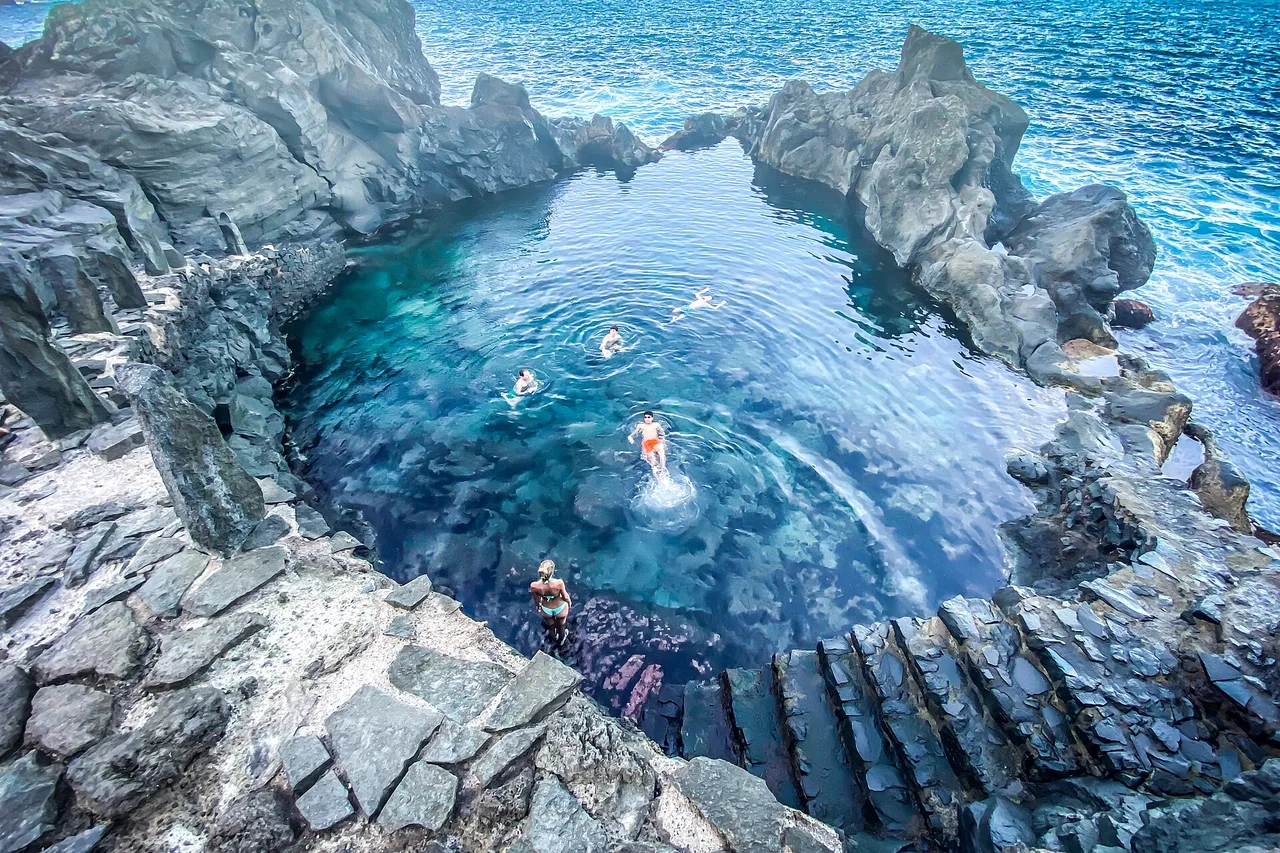
The Atlantic is not a pool, and Tenerife’s rules are quickly learned. One: red flag means nobody gets in, snorkel or not, not even “just five minutes”. Two: in winter, swell hammers the north coast — its sea pools and snorkelling coves become unusable, and you swim in the south and west instead. We cover this in detail in our guide to the island’s natural pools. Three: most snorkelling spots have no lifeguards — never swim alone, and make sure someone on land knows where you are.
The most important rule comes last, because in Tenerife it is so easy to break: no altitude after diving. Between your last dive and a flight, allow 18 to 24 hours — and the Teide cable car drops you at 3,555 metres, so the volcano deserves the same caution as the plane. Schedule Teide before your diving days, never after; to get that day right, follow our Teide guide. Then you get to keep both: the view from the roof of Spain — and the memory of the moment the lava tipped into the blue beneath your fins.