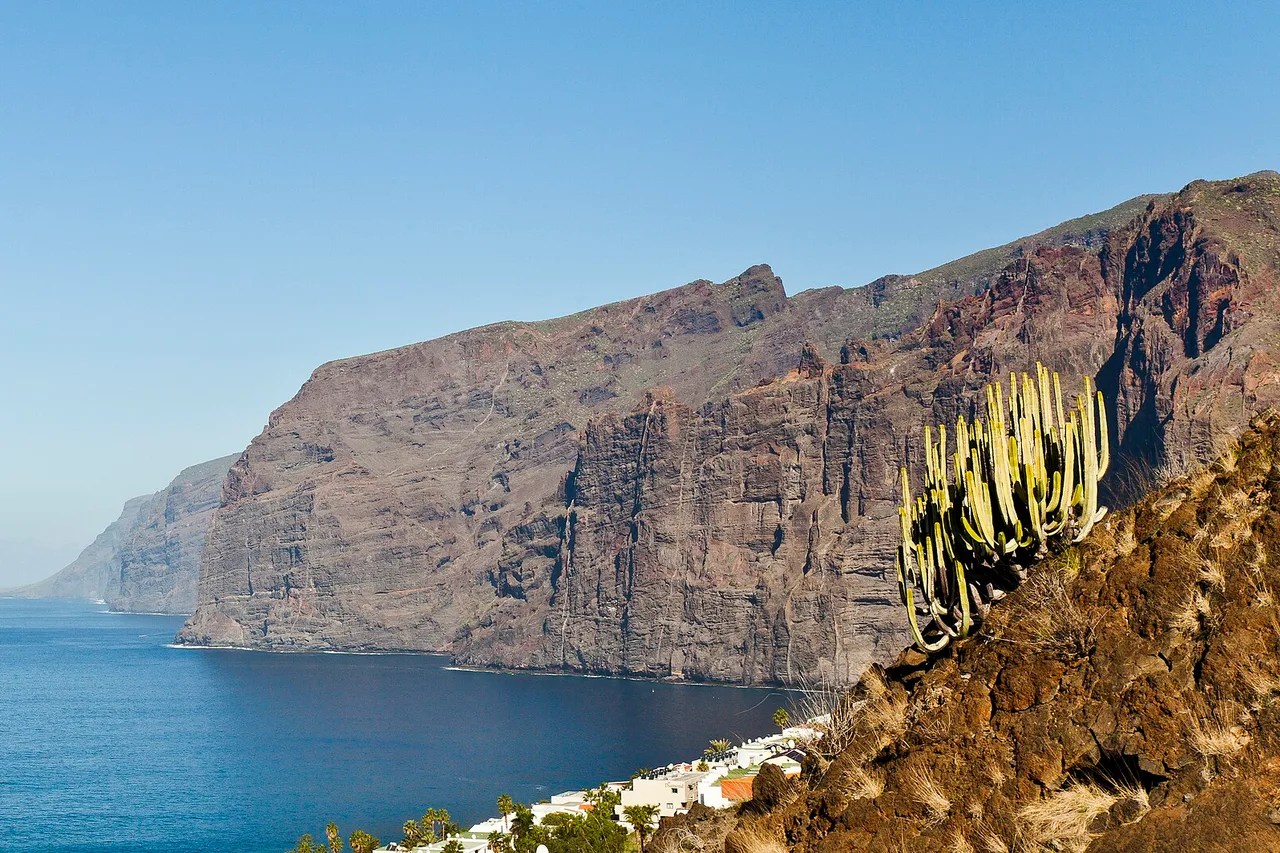
From a distance it looks as if someone took an axe to the island: at Los Gigantes, the Teno massif plunges 300 to 600 metres straight down into the Atlantic — the Guanches called these walls “Muralla del Infierno”, the Wall of Hell. At their feet sit a small marina, a black-sand beach and the island’s best starting point for whale watching. This guide sorts out honestly what’s worth it: the cliffs seen from the sea, Los Guíos beach, the regulated Masca gorge and the sunsets beside La Gomera — all prices checked on 22 October 2026.
The cliffs: a wall you have to read from the sea
The Acantilados de Los Gigantes are the broken edge of the Teno massif, one of the oldest parts of Tenerife: dark basalt, scored by ravines, dropping almost plumb into the sea for several kilometres between the village and Punta de Teno. Depending on the stretch, the walls measure 300 to 600 metres — the Shard would fit nearly twice over on the tallest sections. Below the waterline the slope keeps falling just as steeply, which is exactly what the island’s dive clubs love about it — see our guide to diving in Tenerife.
The first great view is free: the Mirador de Archipenque, on the road above the village, serves the whole wall in profile with La Gomera on the horizon. But don’t be fooled — from land you only ever see the edge. The cliffs only reveal their true size from the water, when the boat slides under the face, engine off, falcons circling far above. That’s why a boat trip is hard to avoid here.
The marina: boarding point for the pilot whales
The compact Los Gigantes marina is the island’s northernmost departure point for whale-watching trips — and the one with the shortest ride to the show. Right off this coast begins the ZEC Teno-Rasca protected area: some 69,500 hectares of sea where pilot whales and bottlenose dolphins live all year round. A sighting is very likely, never guaranteed — be wary of anyone who “guarantees” it.
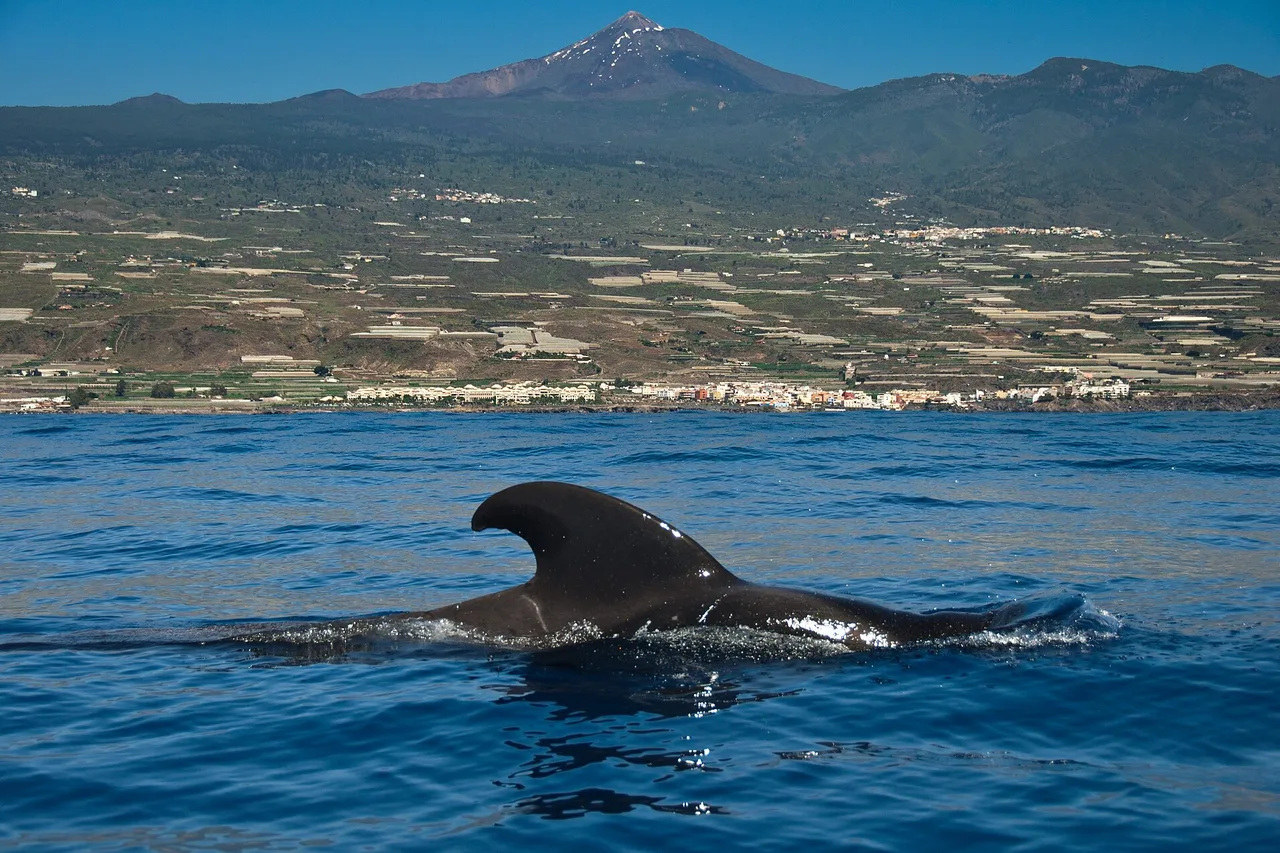
Prices, checked on 22 October 2026: 2-hour trips from about €40, three to four hours under sail with a swim stop below the cliffs for roughly €55 to €80, often with drinks and fruit on board. Look for the “Barco Azul” pennant: it marks boats officially licensed for whale watching, which keep their distance and never chase the animals — and nobody swims with cetaceans here. Mornings usually bring the calmest sea. Species and what a good trip looks like are covered in our guide to whale watching in Tenerife.
Full guide: Things to Do in Tenerife: 25 Unmissable Spots, Chosen by Locals
Playa de los Guíos: black sand under 500 metres of rock
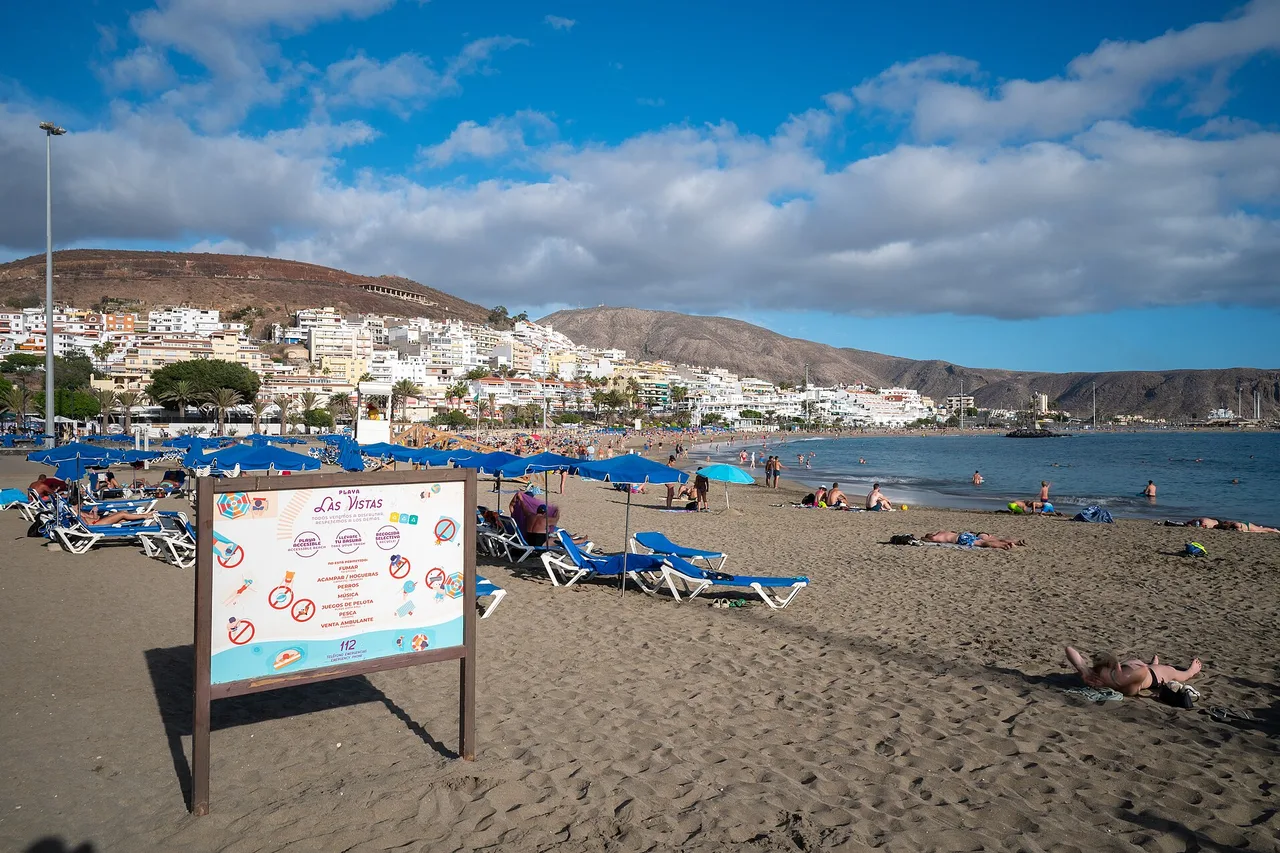
Right next to the marina stretches Playa de los Guíos: fine black lava sand framed by the first wall of the cliffs — few beaches in Europe come with a backdrop this dramatic. In the morning it sits in full sun; by late afternoon the wall casts its shadow: spend the day and you get both. Showers and a few beach bars are a short walk away.
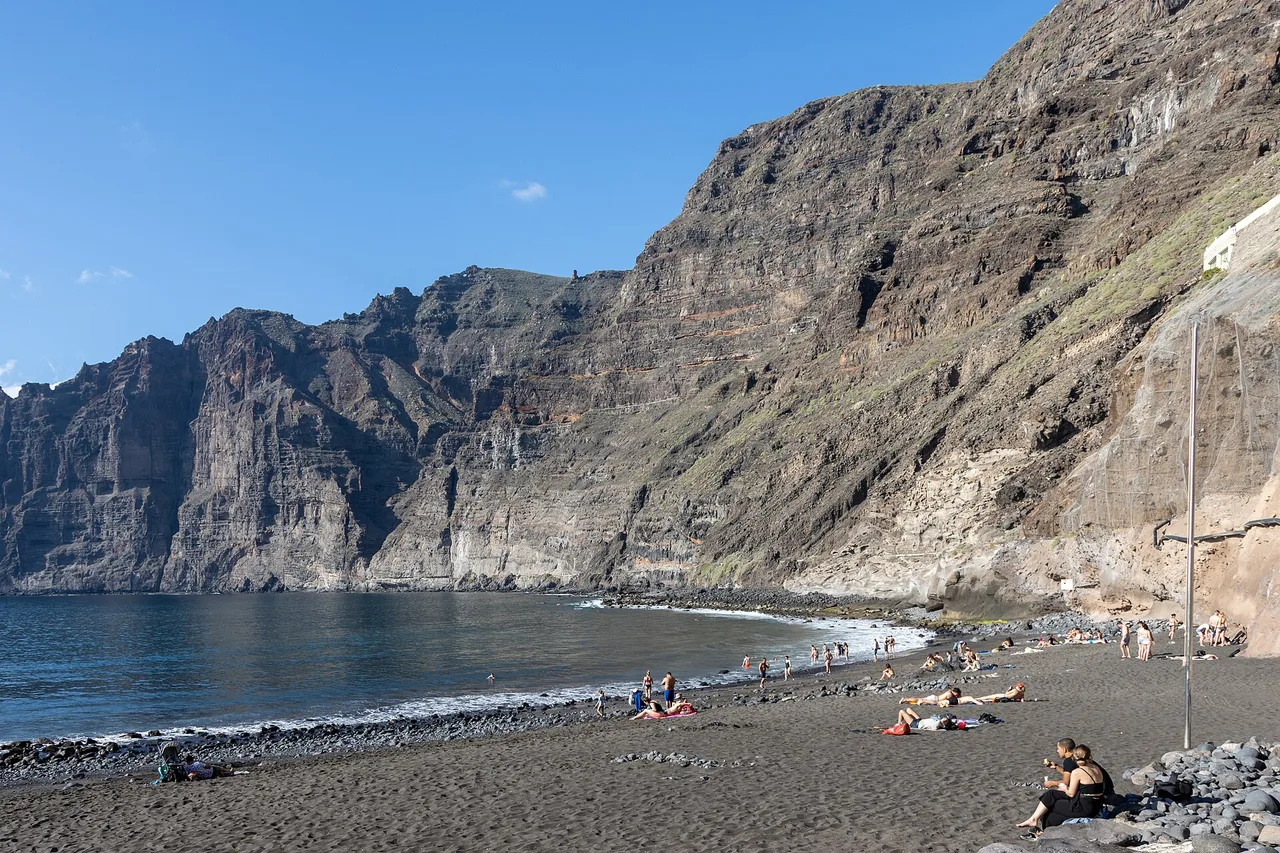
Honesty is part of the trip: this is the open Atlantic. Swell creates currents, especially towards the foot of the cliffs, and red flag means nobody enters the water — not even “just five minutes”. The sea is usually calmest in the morning, in summer and autumn. Hidden behind the rocks at the base of the wall is the small natural pool of Charco de Isla Cangrejo — reachable only in genuinely calm seas and with sure footing, otherwise you give it a miss. To see how the beach compares with the rest of the island, browse our guide to the best beaches in Tenerife.
The Masca gorge: the star hike — strictly regulated
The cliffs have a back door: the Masca gorge, dropping from the mountain village of Masca over about 4.5 kilometres and roughly three hours, between two rock walls, down to a small cove at the giants’ feet. Since regulation came in, entry is by online booking only through the official site (caminobarrancodemasca.com): as checked on 22 October 2026, a non-resident adult pays €28 entry plus about €10 for the compulsory shuttle from Santiago del Teide, minors half that; Tenerife residents hike free. Bring ID — it is checked.

Don’t underestimate the trail: it’s a genuine mountain hike with scrambly sections, closed shoes are compulsory — flip-flops are turned away at the entrance. At the bottom, two options: climb the 600 metres back up — or board the pre-booked boat to Los Gigantes, which throws in the whole wall seen from the sea as a bonus. More trails of this calibre are gathered in our guide to the best hikes in Tenerife.
Kayak, paddleboard and the sunset
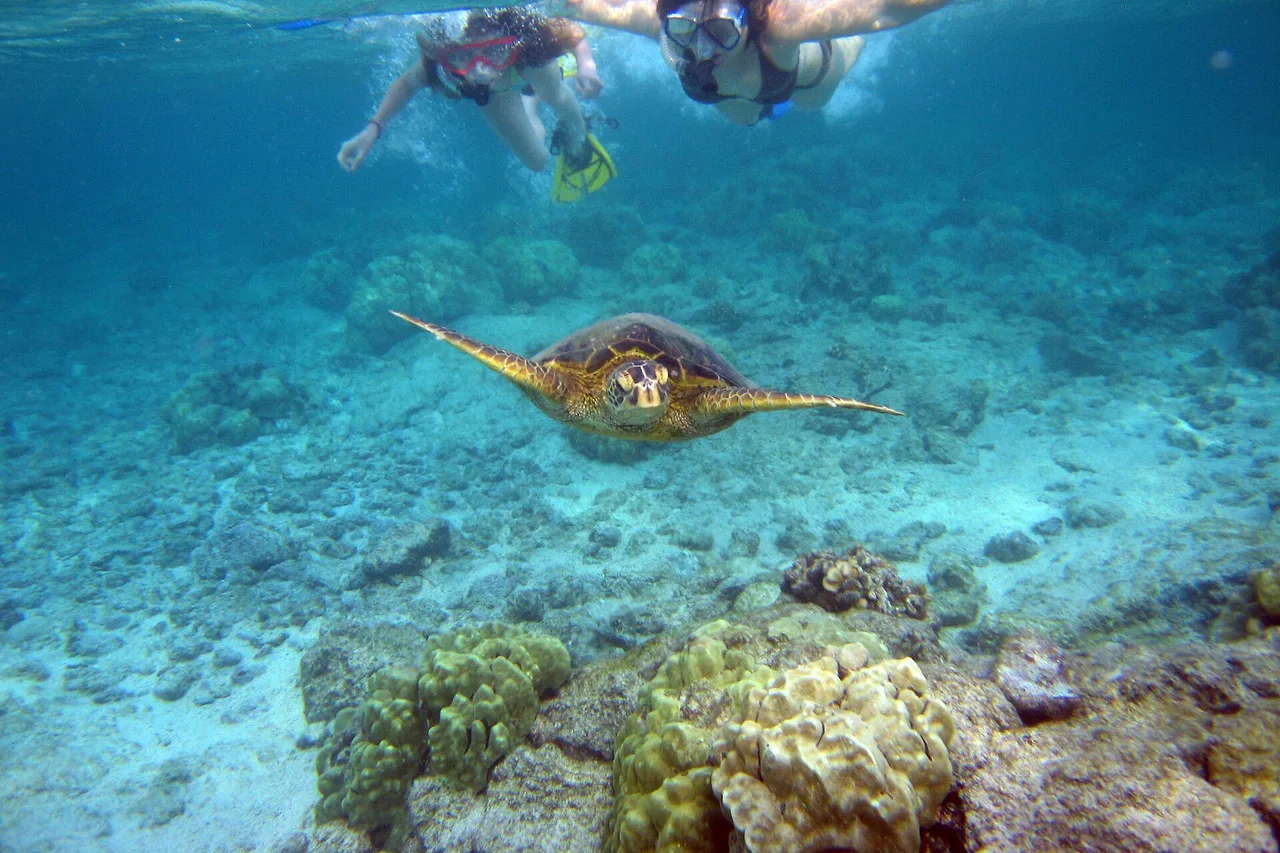
To approach the wall under your own power, there’s the kayak: guided trips from the marina last two to two and a half hours, cost — as checked on 22 October 2026 — from about €36 to €40 and almost always include a snorkelling stop in a cove below the cliffs. You won’t get closer to the rock — or quieter. Paddleboards are rented on the beach; stay close to shore, the offshore wind pushes you out faster than it looks.
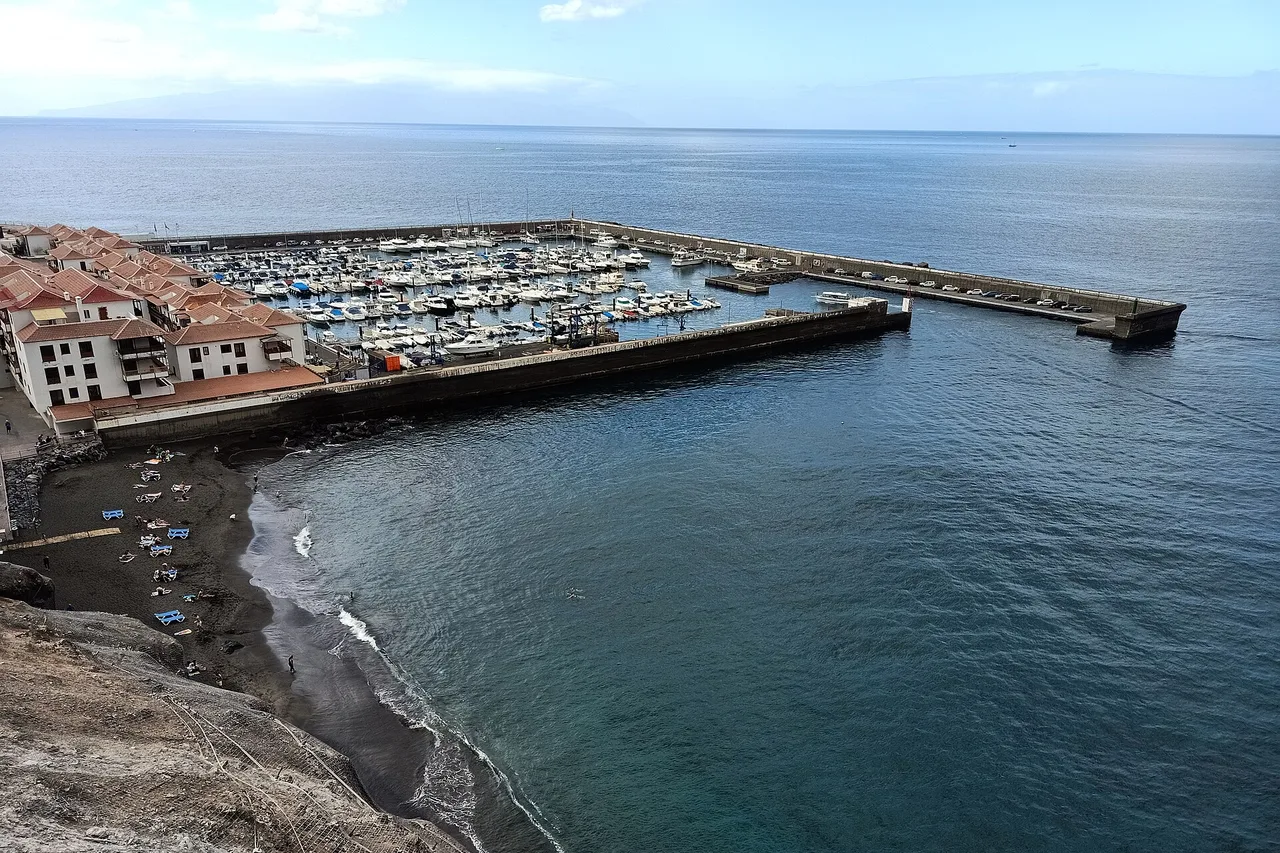
At the end of the day comes the town’s second speciality: the coast faces due west, and the sun drops into the sea beside the silhouette of La Gomera. The best posts: the beach itself, the harbour breakwater — or, with the wall in golden light, the Mirador de Archipenque above the village. To find out which months bring the clearest air, see our guide to the best time to visit Tenerife.
Practical: getting there, parking, staying
Los Gigantes sits at the end of the road that winds down from Santiago del Teide to the coast, about 40 minutes’ drive from the southern airport. The village lanes are narrow and steep: park in the car parks at the entrance and carry on on foot rather than inching down towards the harbour. Without a car you can arrive by public bus via Puerto Santiago; a hire car stays simpler — our advice is in the guide to renting a car in Tenerife.
As a base, Los Gigantes is the quiet alternative to the big south: closer to Masca, Teno and Garachico, far stiller in the evening than Playa de las Américas — with, in exchange, fewer restaurants and less nightlife. As a day trip, half a day does it: boat trip in the morning on a calm sea, beach at midday, then the wall in evening light. And if you only remember one thing: book the boat — seen from the water, these cliffs are a different place.