Renting a car in Tenerife is both remarkably easy and full of small traps. Easy, because the island is one of the cheapest places in Europe to hire a car, thanks to local firms that include as standard what others sell as extras. Full of traps, because an airport desk is where people sign too fast — and because 2026 changed several rules of the game: a new mandatory emergency beacon, a low-emission zone approved in Santa Cruz, restricted access to the village of Masca. This guide sorts it out: where to rent, what to check before signing, what Spanish law now requires, and what driving in Tenerife is really like, from the hairpins of Anaga to snow on Mount Teide. Every dated fact was checked at publication, on 9 September 2026.
Do you actually need a car in Tenerife?
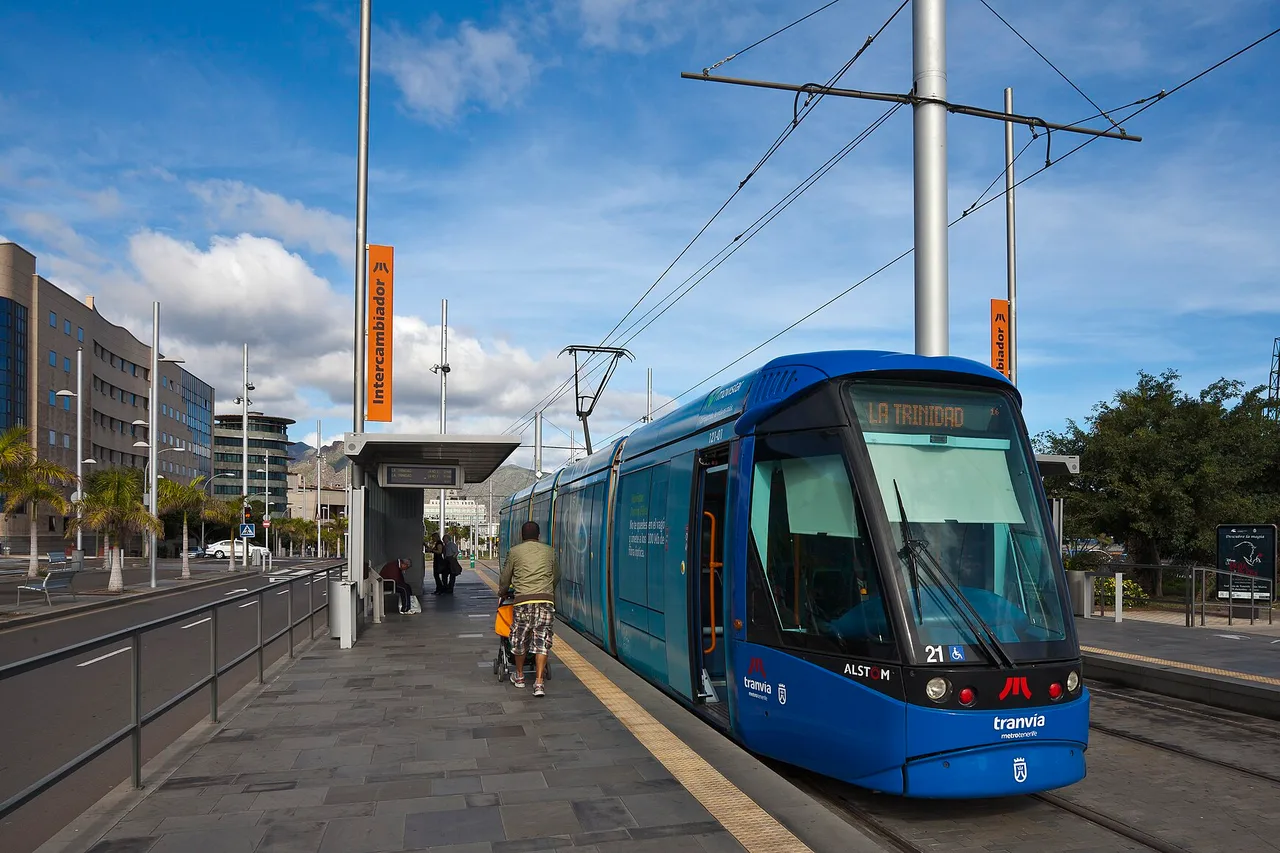
Honest answer: not everyone does. The Santa Cruz – La Laguna tram and the green Titsa buses cover the main corridors remarkably well for a few euros — our trip-cost guide details the fares. A resort-based holiday in the south can do perfectly well without a car. But as soon as the trip involves dawn starts at trailheads, isolated natural pools, viewpoints above the sea of clouds or a route around the whole island, the car becomes the natural tool again — and cheap fuel softens every kilometre. Nothing forces you to rent for the whole week either: many travellers combine three or four days of car for exploring with buses for the rest. It is often the best of both worlds, and the hotel car park will thank you.
Full guide: North or South: Where to Base Yourself in Tenerife
Local rental firms: the tip everyone learns eventually
This is THE Canarian peculiarity, and it changes everything. The archipelago's local brands — Cicar, Autoreisen, PlusCar — offer terms the rest of Europe simply doesn't know: fully comprehensive insurance with no excess included in the displayed price, unlimited mileage, a full-to-full fuel policy and, in most cases, no deposit and no credit-card hold. Present at both airports and in the tourist areas, they make comparison almost unfair: the price displayed is the price paid, and you return the car without sweating over a stone chip. Two honest caveats. First, these are the conditions observed at publication: your contract at booking time is what counts. Second, quality gets around — in high season, which in the Canaries means winter, the local fleets sell out fast. Book early; it is the only "hack" that truly matters.
The classic desk traps (and how to defuse them)
Rental surprises look the same everywhere, and Tenerife is no exception when you book the lowest headline price through an international broker. One: the fuel policy. Avoid "full/empty" — you pay for an overpriced tank and return the car empty, to the company's benefit. Insist on full-to-full. Two: the excess. A very low daily rate often hides an excess of several hundred euros, then a "full protection" sold at the desk for twice the online price; always compare the all-inclusive price, not the headline one. Three: the deposit. International brands often block a significant sum on a credit card in the driver's name — debit cards are frequently refused. Four: the condition report. Photograph the car from every angle, fuel gauge and windscreen included, at pick-up and at return; time-stamped phone photos are your best defence. Five: one-way returns — dropping off in the north a car collected in the south is possible with several companies but rarely free by default: get the option priced at booking. Six: young-driver and second-driver surcharges, common with the internationals, often included with the locals. None of these traps is inevitable; all of them are defused before you sign.
What changed in 2026: V-16 beacon, LEZ, Masca
Three of this year's changes directly concern a visiting driver. The first is national: since 1 January 2026, warning triangles are no longer enough for vehicles registered in Spain — a DGT-approved connected V-16 light beacon must be on board, and rental cars, Spanish-registered, are covered. The company must supply it; take ten seconds to check it is in the glovebox before leaving the car park — missing it can cost around €80, and it is the driver who gets checked. The second is municipal: Santa Cruz approved its low-emission zone in 2026, covering the city centre between Calle Méndez Núñez, the Rambla de Santa Cruz and Avenida de Anaga. Entry into force was announced for around August-September 2026, but the enforcement network needs about eighteen months and fines will not apply before July 2029: follow the signs, and with a recent rental you have little to fear. The third is insular: the TF-436 to Masca, narrow and vertiginous, is now regulated. After a broken-down motorhome blocked the road for nearly twenty-four hours in spring, the Cabildo has restricted tourist vehicles between 9 am and 4 pm during risk periods since late July 2026 — residents, buses and emergency services still pass. Leave the car in Santiago del Teide and go up by bus: the village is better earned that way.
Everyday driving in Tenerife: hairpins, clouds and snow
The road network is a pleasant surprise: two free motorways, the TF-1 in the south and the TF-5 in the north, ring the island, and most of the network is well maintained. The interior, though, must be earned: tight hairpins, narrow lanes lined with stone walls, walking-pace crossings in the ridge villages. Spanish limits apply — 120 km/h on motorways, 90 on open roads, 50 in towns and 30 on most single-lane streets — and the speed cameras on the TF-1 are no legend. As for alcohol, the only rule worth having behind the wheel is: zero.

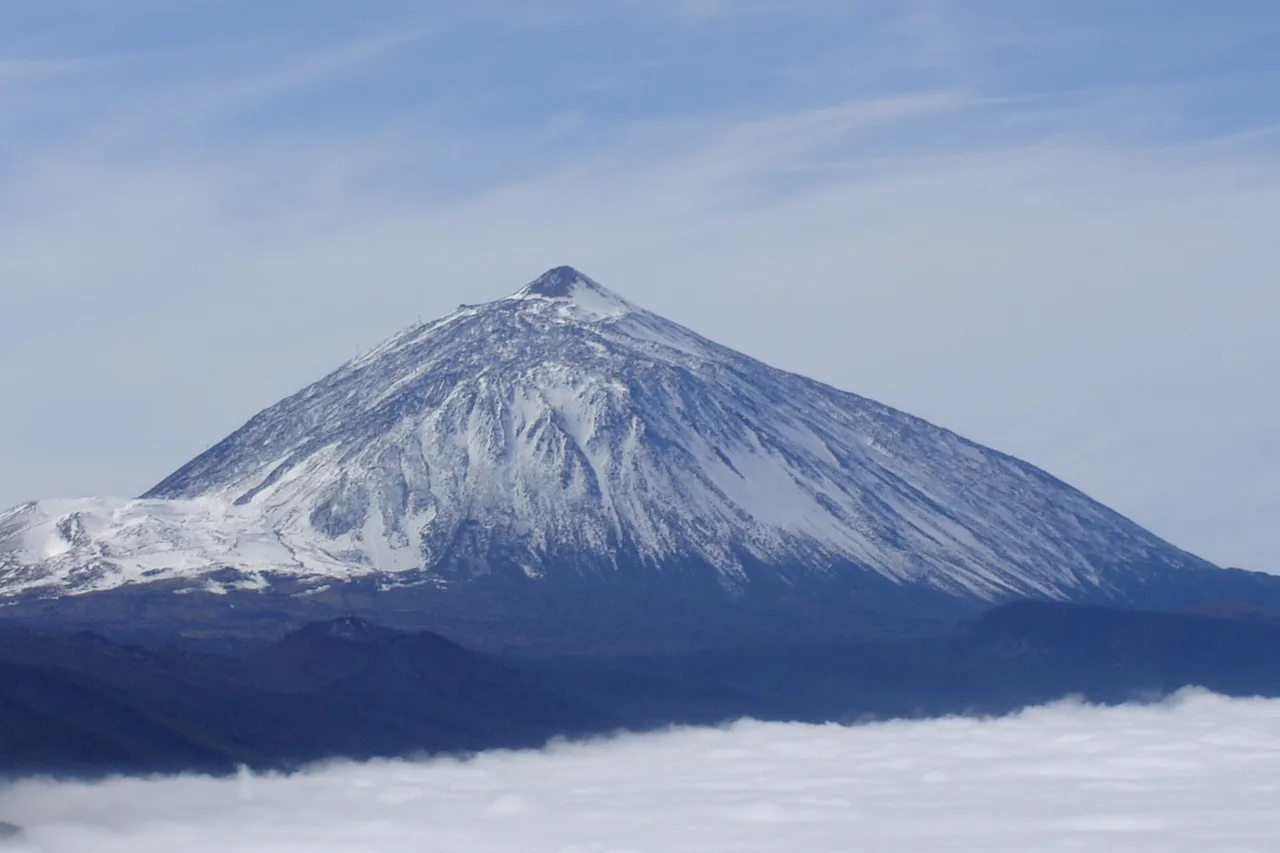
The real peculiarity is the weather. In twenty minutes of climbing you go from coastal sunshine to the dense fog of the sea of clouds — lights on, genuine caution — then out into the crystal air of the national park. In winter, snow and ice regularly close the access roads to Mount Teide: check road conditions before driving up, and don't expect winter equipment in a rental car. One last item to plan for: parking. Blue zones in the towns are paid during the day, and the small car parks at trailheads — Anaga first among them — fill up early. Leaving at dawn is not only about the light.
Our reflexes before signing — and before handing back the keys
Five habits carry the essentials of this guide. One: compare all-inclusive prices — insurance without excess, full-to-full fuel — never headline rates; at that game the local firms win almost every time. Two: book early if you come in winter, the Canarian high season. Three: at pick-up, photograph the car and check for the V-16 beacon and the reflective vest. Four: at return, fill up just before dropping off — in early September 2026, unleaded 95 sold for €1.28 to €1.33 per litre, some of the cheapest fuel in Europe — and keep the receipt. Five: allow a time margin at the airport; returning a car takes ten minutes, except on the day everyone returns theirs. The rest — the dream roads, the Teide caldera, the Anaga ridges — Tenerife takes care of on its own.