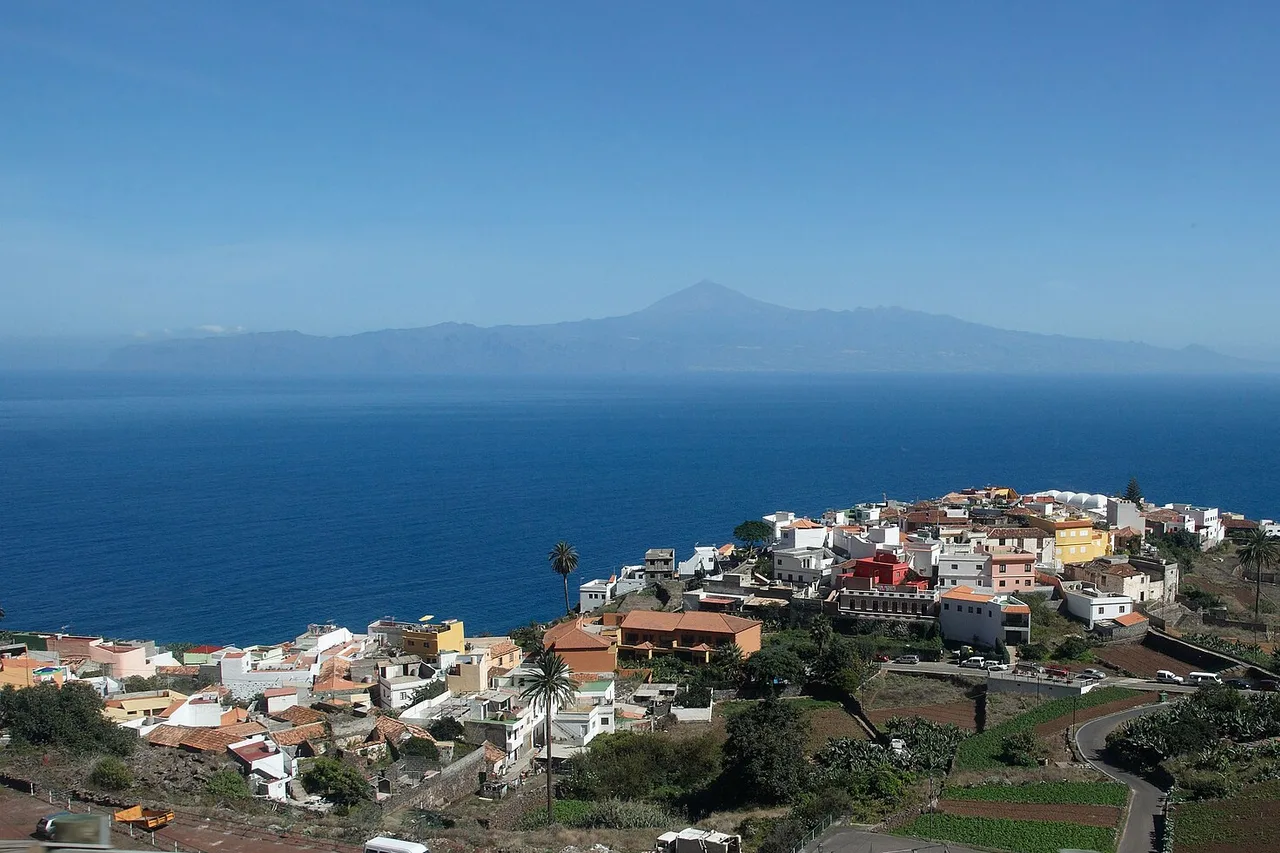
Tenerife is an island you think you can cover in three days and end up discovering in seven. Its 2,034 km² hide a 3,718-metre volcano, a laurel forest older than the ice ages, sea cliffs hundreds of metres tall, two or three climates running at once, and villages that never asked tourism for anything. Here is our one-week itinerary, road-tested on the ground: a loop with two base camps — four nights in the south-west, three in the north — that strings together the essentials without turning your holiday into a rally. And, crucially, the two bookings that are decided weeks in advance, plus the traps to avoid.
The logic of the route: two base camps, no wasted days
Tenerife is played by slopes: the south is dry and beach-minded, the north green and historic, and the mountain is a third country all of its own. Rather than radiating from a single point and swallowing kilometres, this itinerary sets up two base camps: nights 1 to 4 in the south or west (Costa Adeje, Los Cristianos, or quieter around Alcalá), nights 5 to 7 on the north side (Puerto de la Cruz or La Orotava). You move house exactly once, at the right moment — and the road between the two happens to cross what you should be seeing anyway.
Two things need booking long in advance, and they are your only real homework. The Teide summit permit (Telesforo Bravo trail): named, and no longer free since 2026 — €15 for non-residents — it is issued on tenerifeon.es, where every Monday at 7am Canary time a fresh week of slots opens, up to 56 days ahead; they vanish within hours. And the Masca gorge descent, booking mandatory since April 2025. Everything else can be improvised — in fact it should be: here the day is chosen in the morning, based on which slope has the clear sky, as our guide to the best time to visit Tenerife explains.
Day 1 — The south, feet in the golden sand
Land at Tenerife South, pick up the car, and keep the first day deliberately light: the gap between the morning plane and the first swim should be about an hour. Head for La Tejita, one of the island's longest natural beaches, backed by the ochre cone of Montaña Roja — pale sand, space, zero concrete. Next door, El Médano lives by the wind: it is the reference kitesurfing spot, and its laid-back seafront makes a perfect first lunch. Late afternoon, roll to your base camp and catch the sunset from the Los Cristianos seafront or La Caleta in Adeje. To pick your beaches for the week, our guide to Tenerife's beaches sorts the black sand from the golden.
Day 2 — Teide, from sunrise to the stars
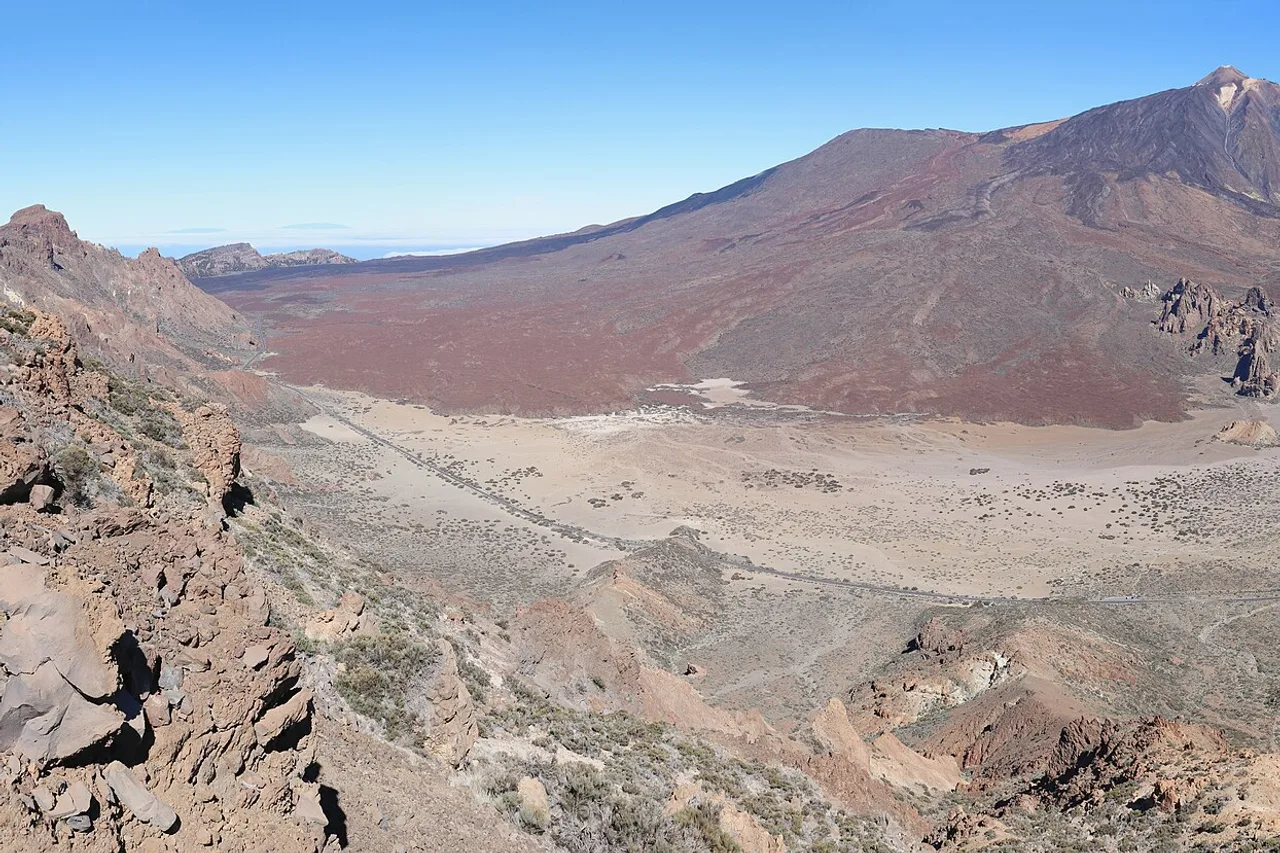
Leave early: the climb from the south passes through the sea of clouds before emerging into the Las Cañadas caldera, a lunar amphitheatre at 2,000 metres. The cable car lifts you to 3,555 metres in eight minutes (€42 return for a non-resident adult — book the first slot, when the air is at its clearest); from the top station, two viewpoints can be reached freely. The summit itself, at 3,718 metres, requires the Telesforo Bravo trail permit booked weeks earlier — without it you will not get past the barrier, and the checks are real. Back down, walk beneath the Roques de García, the most photographed silhouette in the park. Stay for sunset above the clouds, then for the stars: the park has one of the finest night skies in Europe. Our complete Mount Teide guide covers permits, trails and high-altitude weather.
Day 3 — Los Gigantes and Masca: the vertical west coast
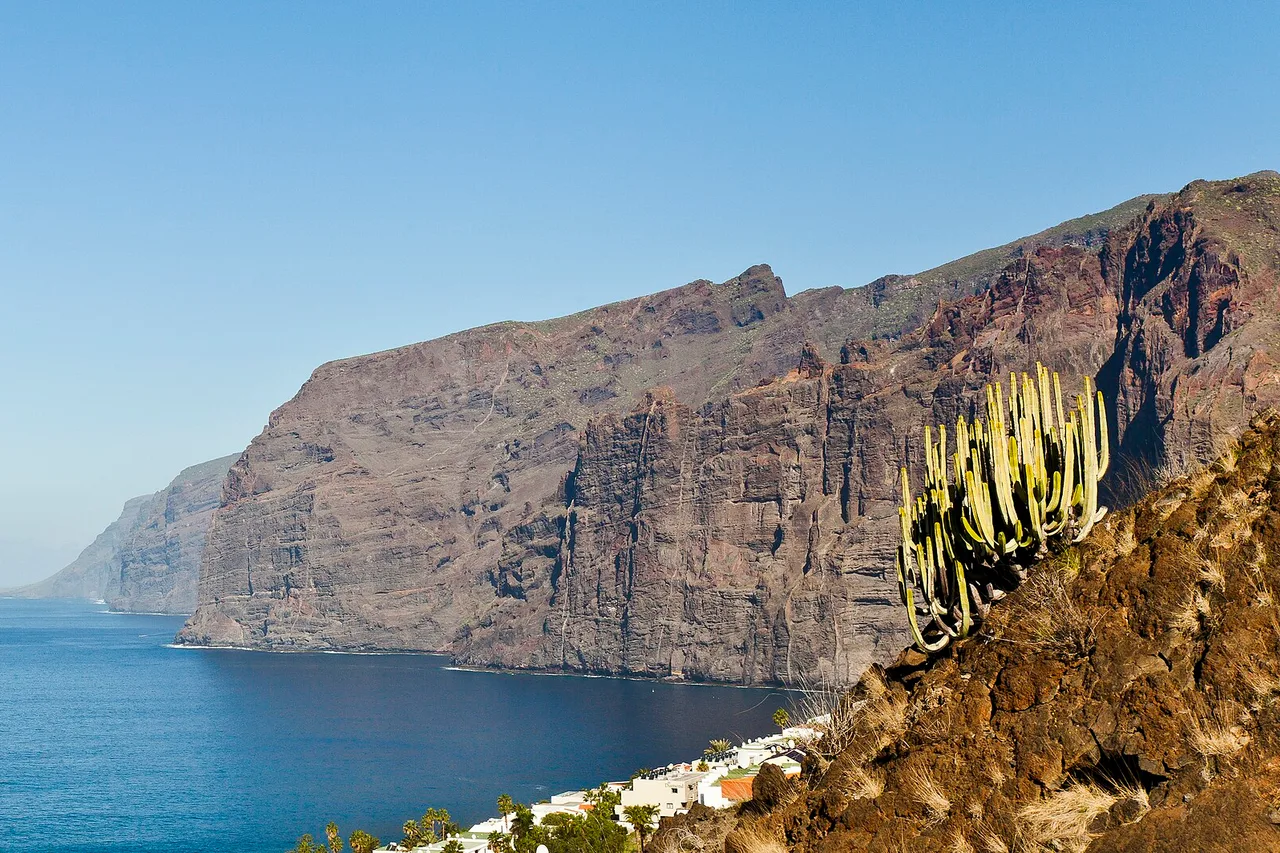
Cliff day. At Los Gigantes, dark walls drop hundreds of metres into a sea that is often glassy — the best free viewpoint is the Mirador de Archipenque, above the marina. The road then climbs to Masca, a hamlet clinging to its rock pinnacle in the Teno massif, at the end of a hairpin road that has to be earned (give a short honk on the blind bends — the locals do). The famous gorge descent to the ocean can no longer be improvised: booking has been mandatory on the official site since April 2025 — €40.66 per non-resident adult, helmet and insurance included, 25 people per 30-minute slot, children under 8 not admitted — and you exit by boat to Los Gigantes, ticket extra. Without a slot, the village, its terraces and the panoramic road already justify the detour. End-of-day swim at Playa de la Arena or in the coves of Alcalá — black sand, clear water.
Day 4 — Whales in the morning, idleness in the afternoon
The strait between Tenerife and La Gomera is home to a resident population of pilot whales — visible year-round, which is extremely rare — plus bottlenose dolphins; the area has been certified a Whale Heritage Site since 2021, a first in Europe. Sail in the morning from Los Gigantes or Puerto Colón, when the sea is calmest, and choose a licensed operator flying the official whale-watching flag: slow approach, engine off, no swimming with the animals. Count on two to three hours at sea. The afternoon belongs to the Costa Adeje beaches — El Duque for comfort, Diego Hernández for the wild cove — or to snorkelling in the western inlets. This is the itinerary's relief valve: it absorbs a late start and a do-nothing mood equally well.
Day 5 — Garachico and Icod: the swing to the north
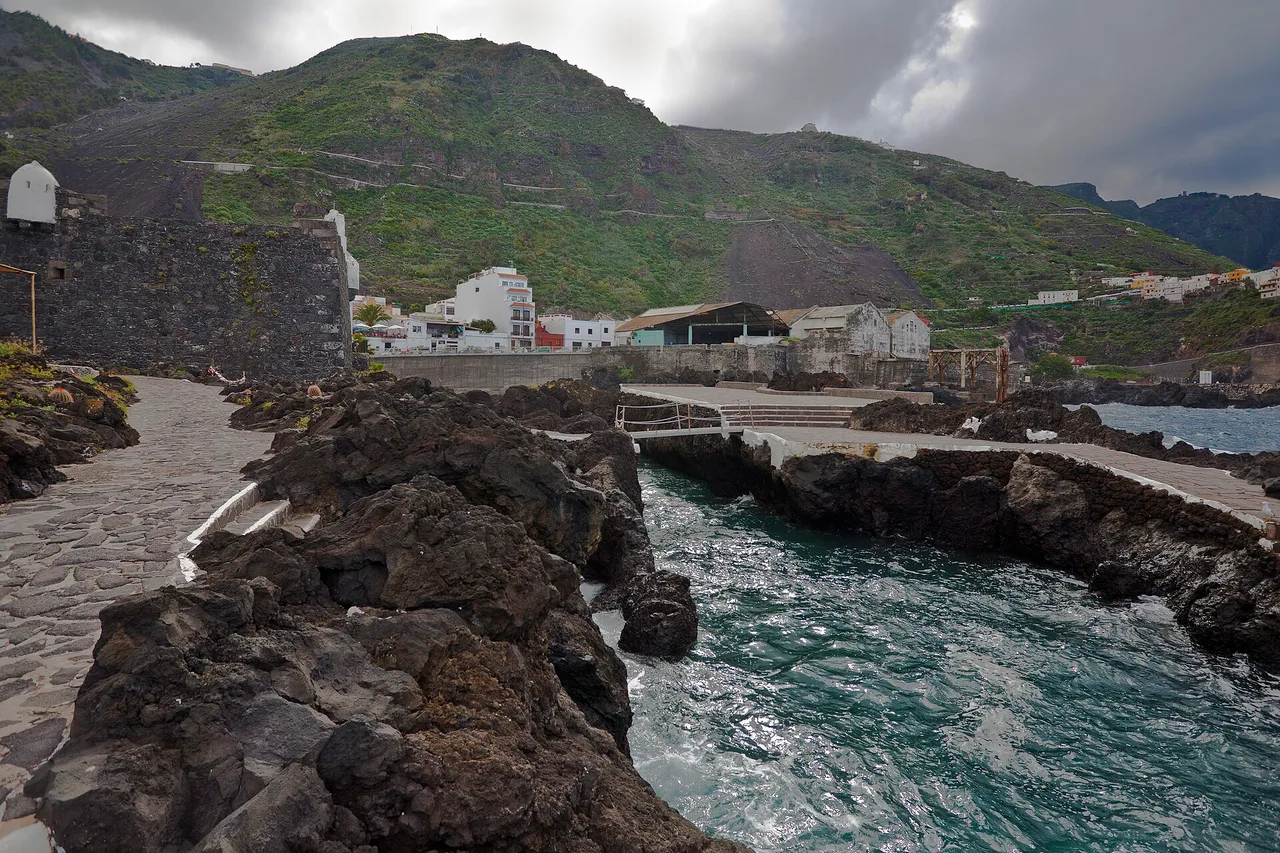
Moving day — the high way round. The road leaves the west through Santiago del Teide (in late January-February its flowering almond trees are a show in themselves) and tips over onto the north coast. Garachico was the island's great port until the 1706 eruption filled in its bay; the lava that ruined it left behind El Caletón, limpid natural pools where you swim when the ocean allows — in a heavy swell, settle for the spectacle, the Atlantic doesn't negotiate. The town itself is one of Tenerife's loveliest: shaded squares, convents, volcanic stone. Twenty minutes on, Icod de los Vinos lines up its historic centre and its legendary drago, a giant dragon tree several centuries old — the thousand years it is credited with is debated, its silhouette is not. Settle into the northern base camp for three nights.
Day 6 — Puerto de la Cruz, La Orotava and the black sand
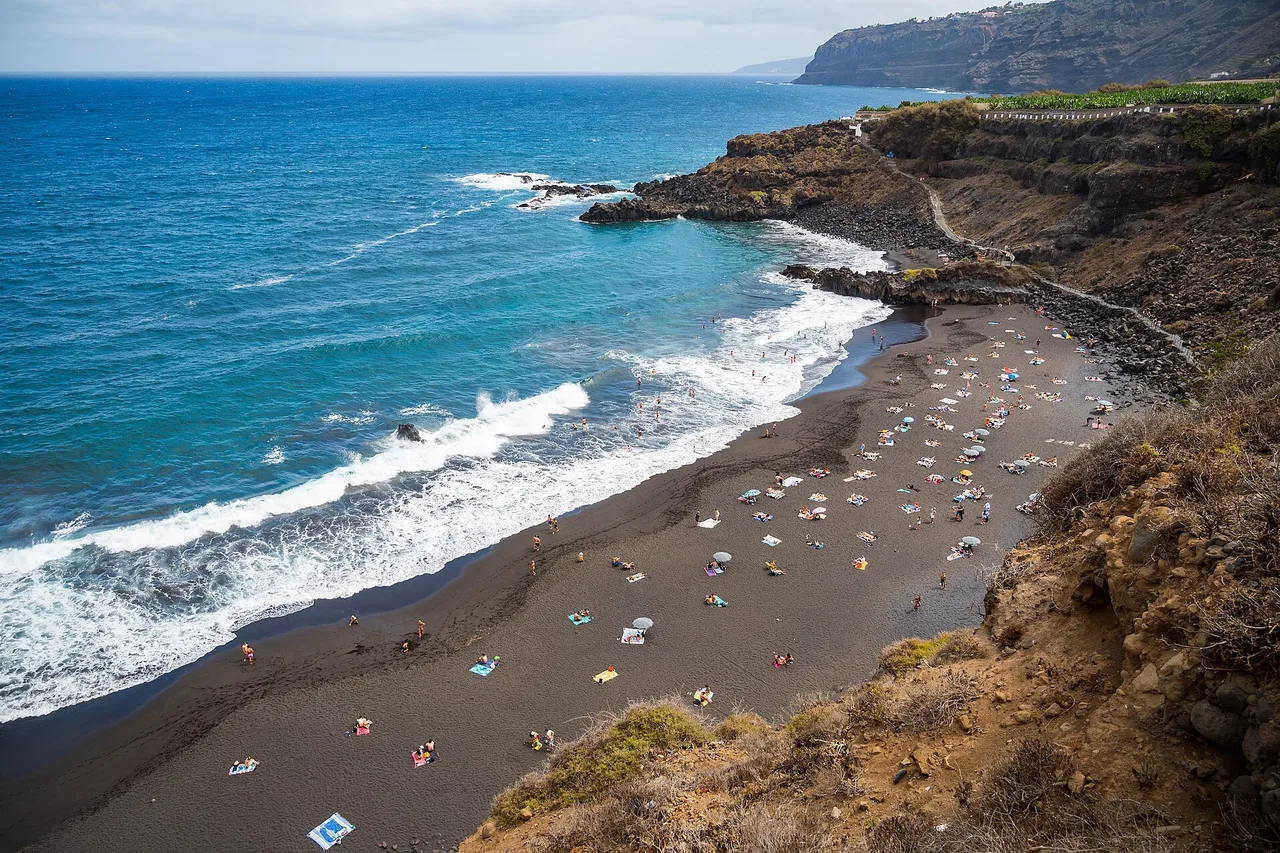
Puerto de la Cruz is the grande dame of the island's resorts, and it shows — in the good sense: a real Canarian town centre, a fishing harbour, terraces where you still hear Spanish. Then climb to La Orotava, ten minutes uphill: the old town stacks its carved-wood-balcony mansions above the most celebrated valley on the island, the one that drew superlatives from Humboldt. In the afternoon, walk in to El Bollullo: twenty minutes on foot through the banana plantations to a black-sand cove set beneath the cliffs, turquoise water over dark rock. The northern swell makes the rules — swim close to shore and never alone. In the evening, find a guachinche if the season allows: these family tables serve the estate's own wine and cooking with no menu and no fuss — the most local experience of the whole trip.
Day 7 — Anaga, the forest from before the ice ages, then La Laguna
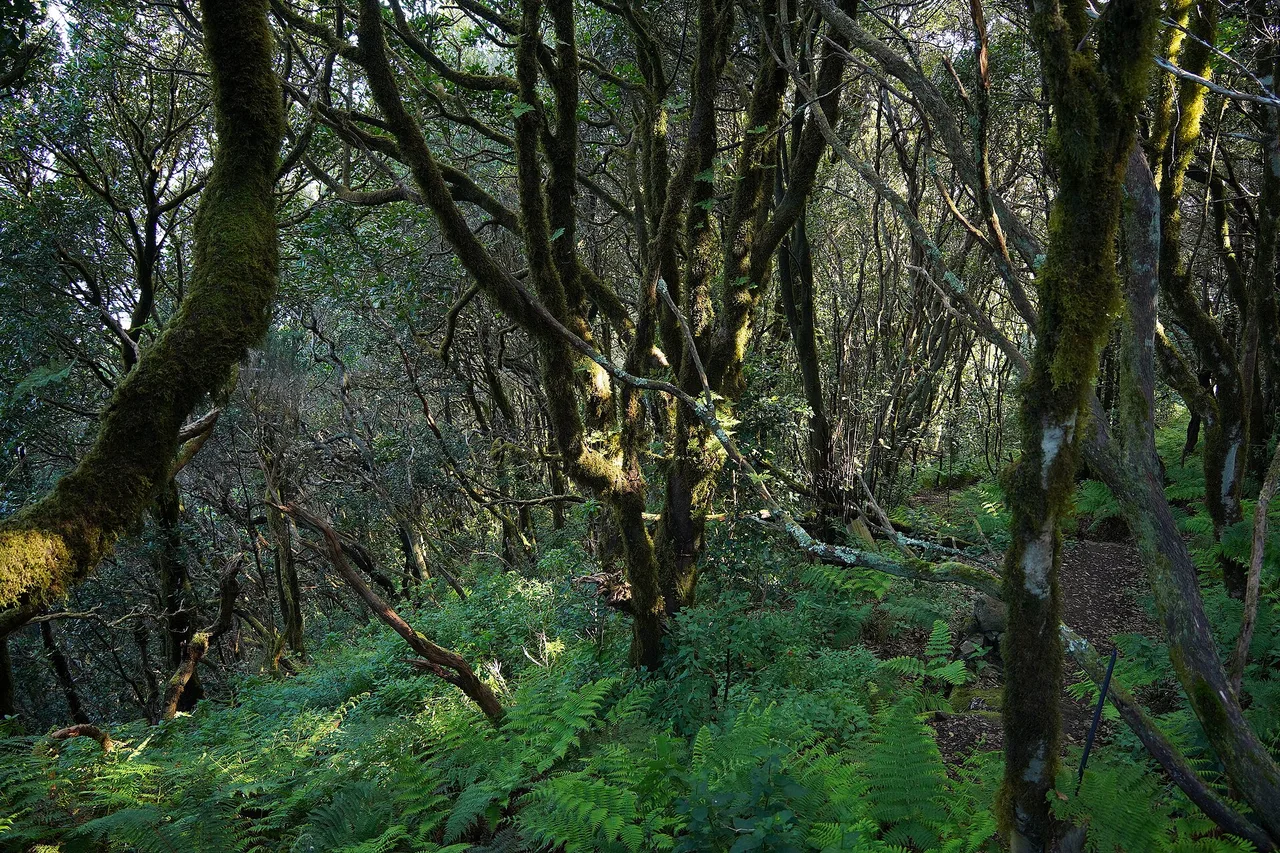
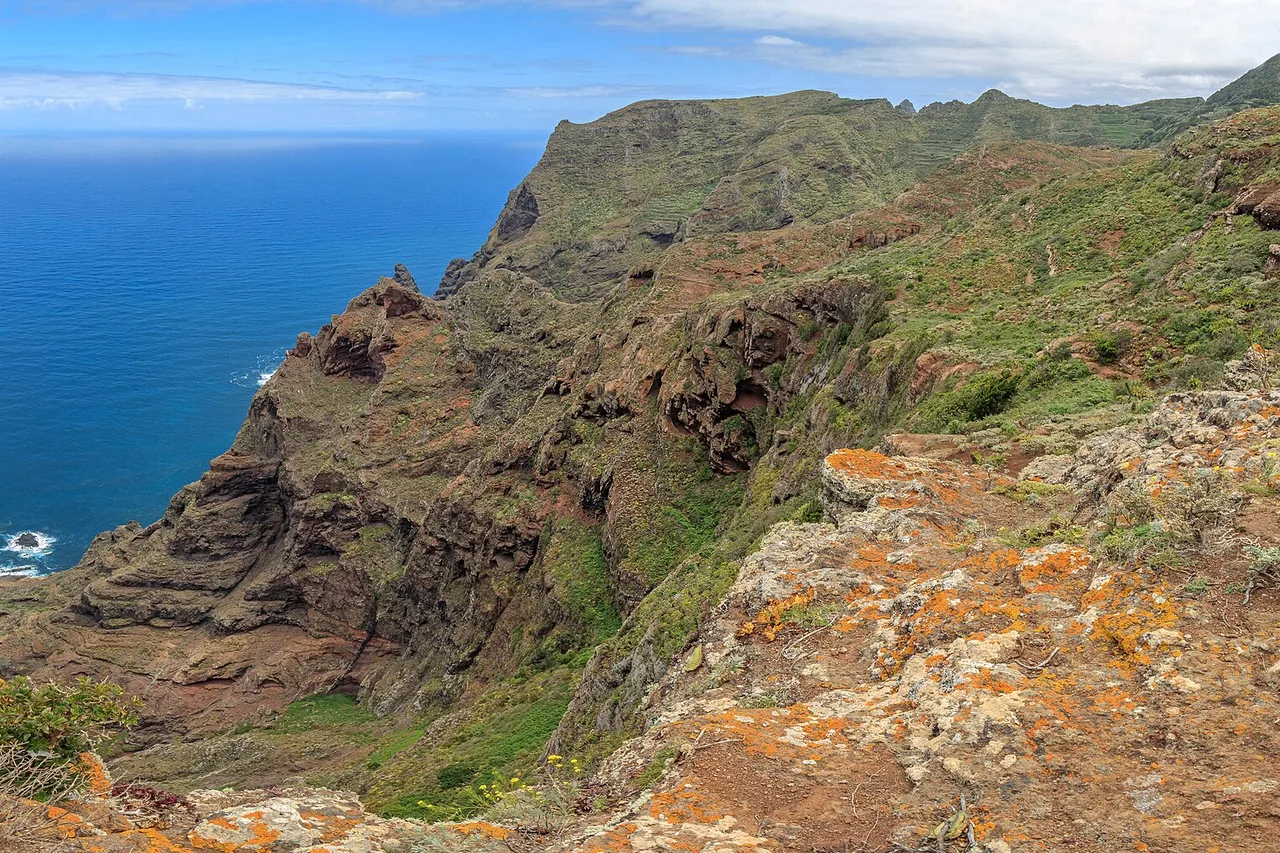
Save the most otherworldly for last. The Anaga massif, at the north-eastern tip, packs knife-edge ridges, perched hamlets and a laurisilva — a laurel forest inherited from the Tertiary era — that you cross in the mist of the trade winds. Start at the Cruz del Carmen visitor centre and its sensory trail, then take the vertiginous road down to Taganana and the coast. From the viewpoint above Benijo, the black sea stacks planted in the Atlantic form one of the wildest landscapes in the Canaries — but know this: the beach itself has been closed for two years because of rockfalls, and the stabilisation works were still blocked as of summer 2026; you admire from above, you don't go down. On the way to the airport, give two hours to La Laguna, the former capital, UNESCO-listed in 1999: its grid of colonial streets served as the model for the cities of the New World. If your flight leaves early, swap things round: Anaga moves to day 6 and the north to day 7 — our guide to things to do in Tenerife offers more interchangeable building blocks.
Adapting the route: 5 days, kids, no car
In 5 days: sacrifice day 4 (whales) and merge days 6 and 7 — Puerto de la Cruz in the morning, Anaga in the afternoon, La Laguna on the way to the plane. With children: the itinerary holds as is if you lighten day 3 (the Masca gorge is off-limits under 8 and long for the others — stick to the village); the cable car, the Garachico pools and the pilot whales are safe bets at any age. Without a car: honestly, the full loop doesn't exist by bus — Titsa connects the towns very well and even runs to Teide once a day, but not to Masca, the coves, or Anaga at dawn. If renting is out, base yourself in Puerto de la Cruz, do Teide, Anaga and La Laguna by excursion and public transport, and accept leaving the west for another time. One last tip, the most important: check the weather slope by slope every morning and swap days without a second thought — the island decides, and it rewards those who can change their plans.
Full guide: Renting a Car in Tenerife: Pitfalls and Smart Tips