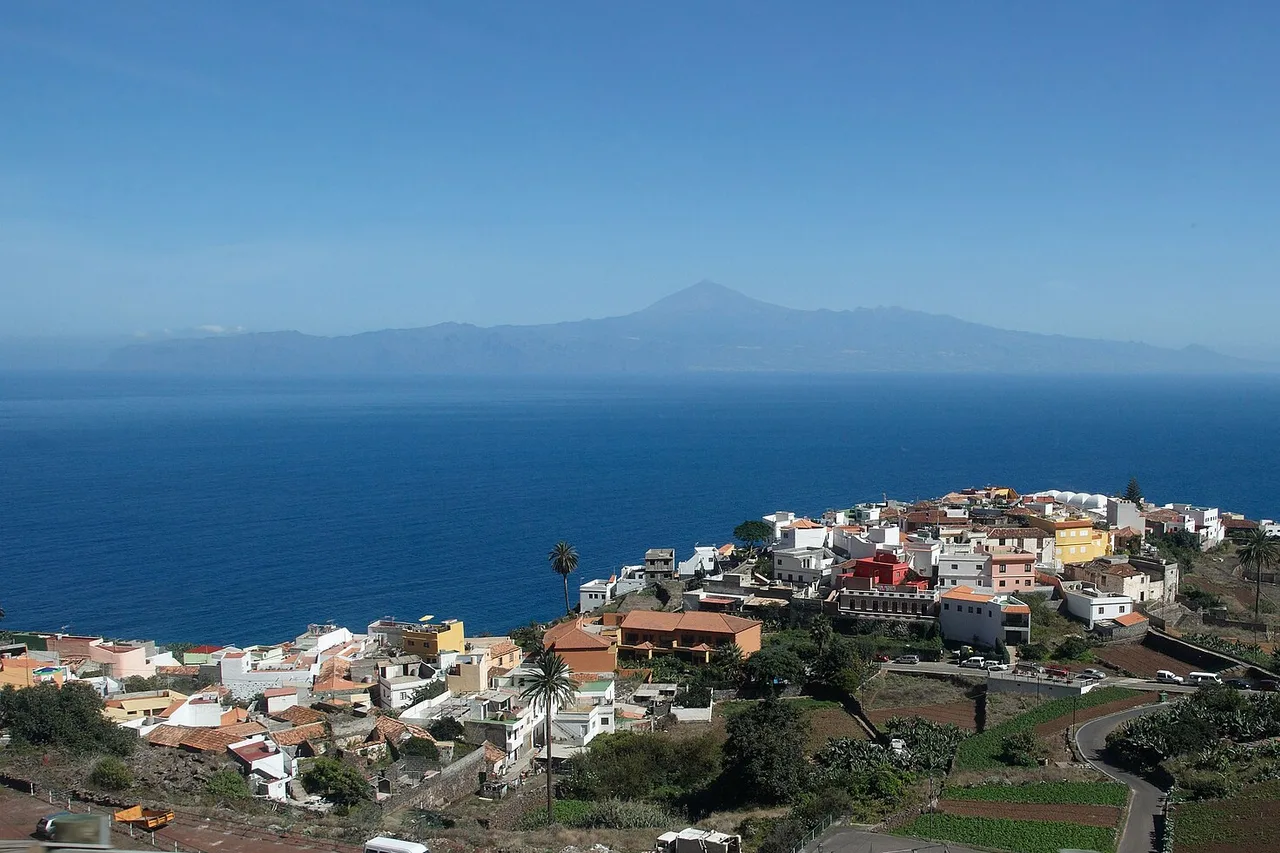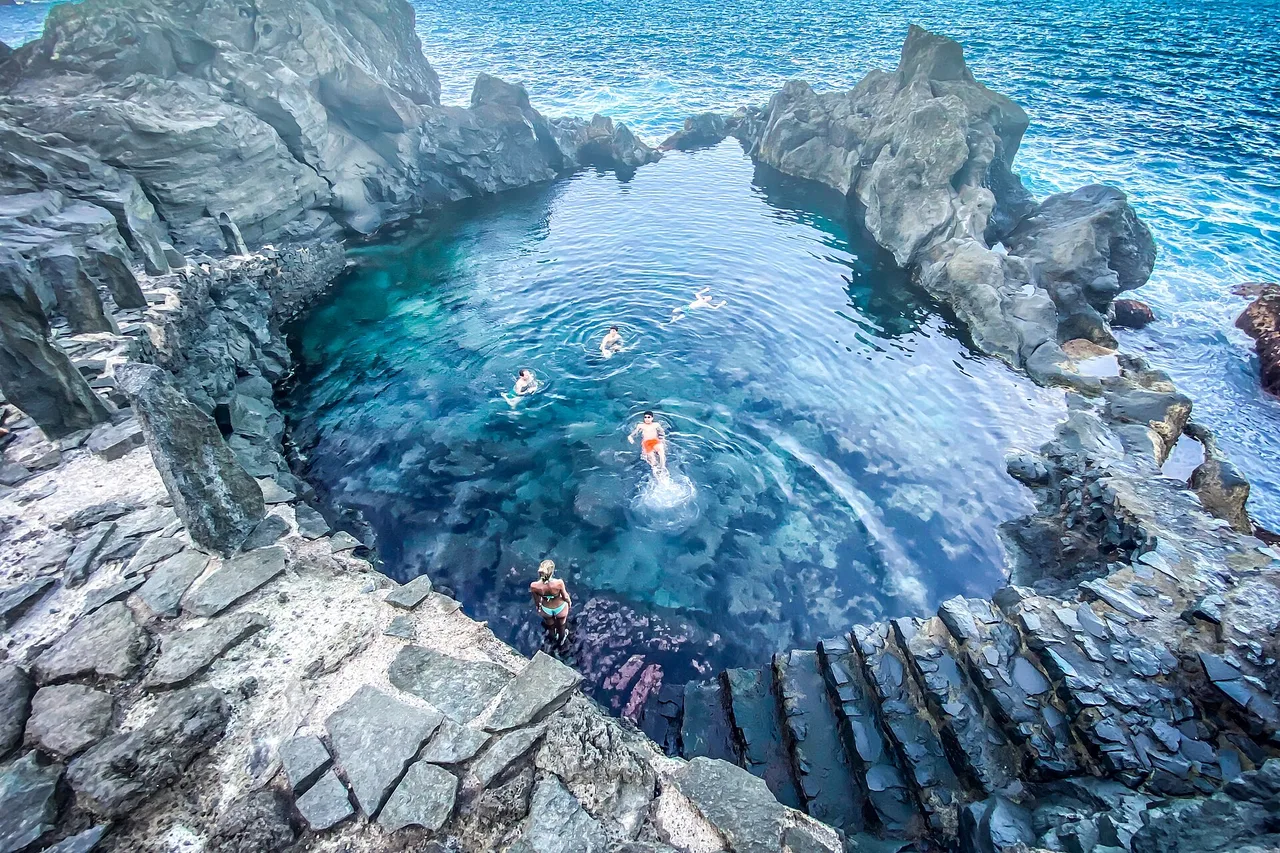
Tenerife invented another way to swim: in basins of lava that the ocean refills with every tide. Locals call them charcos — literally, puddles — and they are the north coast’s answer to a shoreline too steep and too battered for classic beaches. The water is crystal clear, the black-rock setting spectacular, and access is almost always free. But a charco is not a hotel pool: the Atlantic sets the opening hours. Here are the island’s most beautiful rock pools — and, above all, the swell and tide rules that make the difference between a magnificent memory and a sea rescue.
Why the island swims in lava
It all starts with the volcano. When a lava flow reaches the ocean it freezes on contact: platforms, hollows and arches form at water level, and the sea only has to fill them. Northern Tenerife is studded with them precisely because it is the island’s youngest coastline — in Garachico, the basins people swim in today were shaped by the flows of the 1706 eruption, the one that destroyed the island’s richest port. The other reason is practical: the north coast, exposed to the Atlantic swell, has few sheltered beaches — its black-sand coves are beautiful but often rough, as our guide to Tenerife’s beaches explains. Charcos are the local solution: a wall of rock between you and the waves, ocean water without its currents. Provided — and we will come back to this — the sea agrees to stay outside.
El Caletón in Garachico: the absolute classic
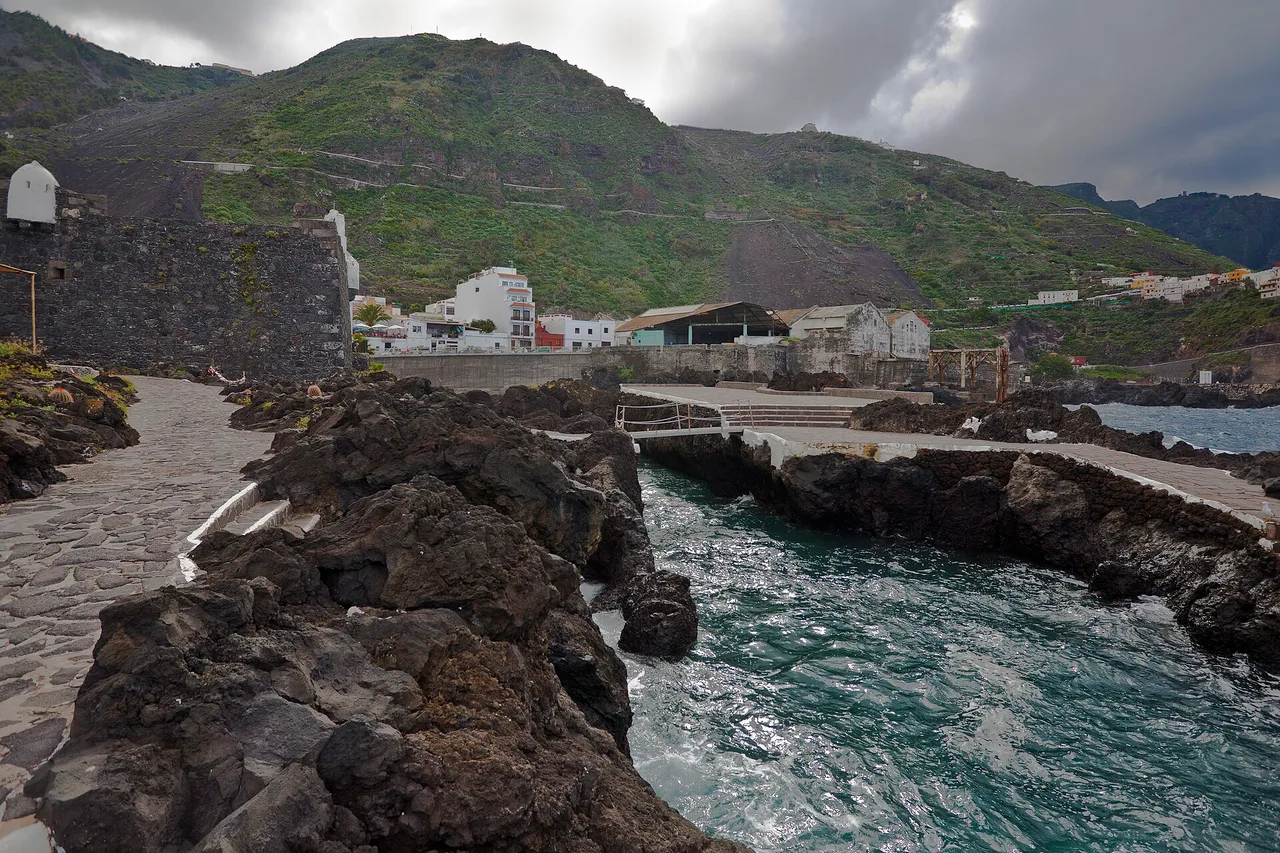
This is the island’s most famous ensemble, and the one most loaded with history: the pools of El Caletón occupy the very flow that buried Garachico’s harbour in 1706. The village turned catastrophe into treasure — walkways, stairs and low walls link a dozen turquoise basins, from paddling pools to deep tanks where people jump from the rocks. Access is free of charge, right in the village centre, and lifeguards watch the pools in high season. In winter, when the swell is heavy, access is simply closed: waves sweep across the whole platform, and the storm photos are enough to see why. Garachico deserves the stop anyway — Canarian lanes, shaded squares, one of the prettiest villages on the island — and our one-week itinerary gives it a prime spot on the north coast.
Bajamar and Punta del Hidalgo: the family choice
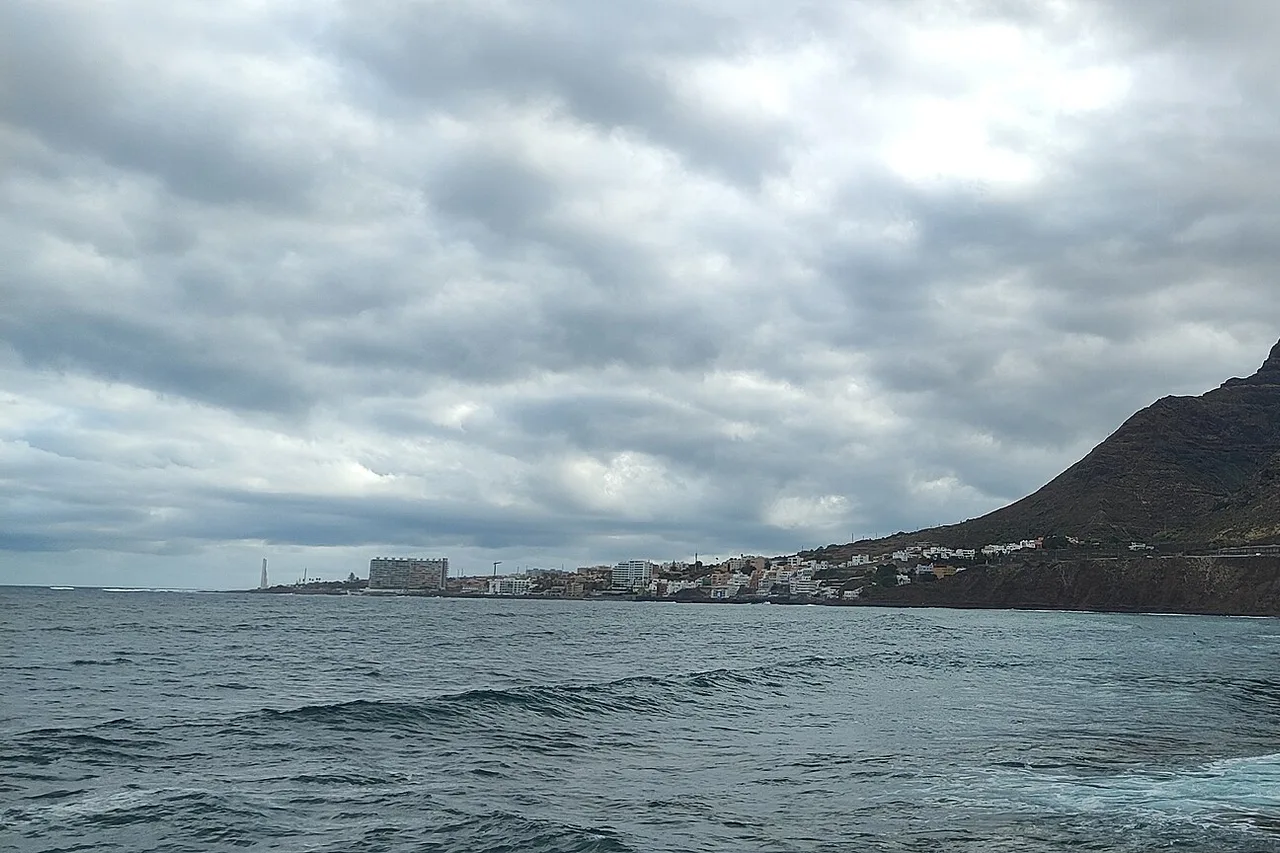
At the foot of the Anaga massif, on the north-east coast, Bajamar offers the most reassuring version of the concept: two large seawater pools and a children’s pool, protected by a wall that takes the swell so you don’t have to — the sight of waves exploding against it is part of the charm. Access is free all year round, lifeguards are on duty in the bathing season, the water’s cleanliness has earned a Blue Flag, and the whole site is accessible to visitors with reduced mobility. This is the charco we recommend without hesitation for families. Three kilometres away, Punta del Hidalgo adds its own wilder natural pool, with the futuristic lighthouse and the Anaga ridges as a backdrop — the two villages are linked by a coastal walk. If you are based in the north to explore Anaga and La Laguna, our guide to Anaga Rural Park rounds off the day naturally.
Charco de La Laja: the most photogenic — when it is open
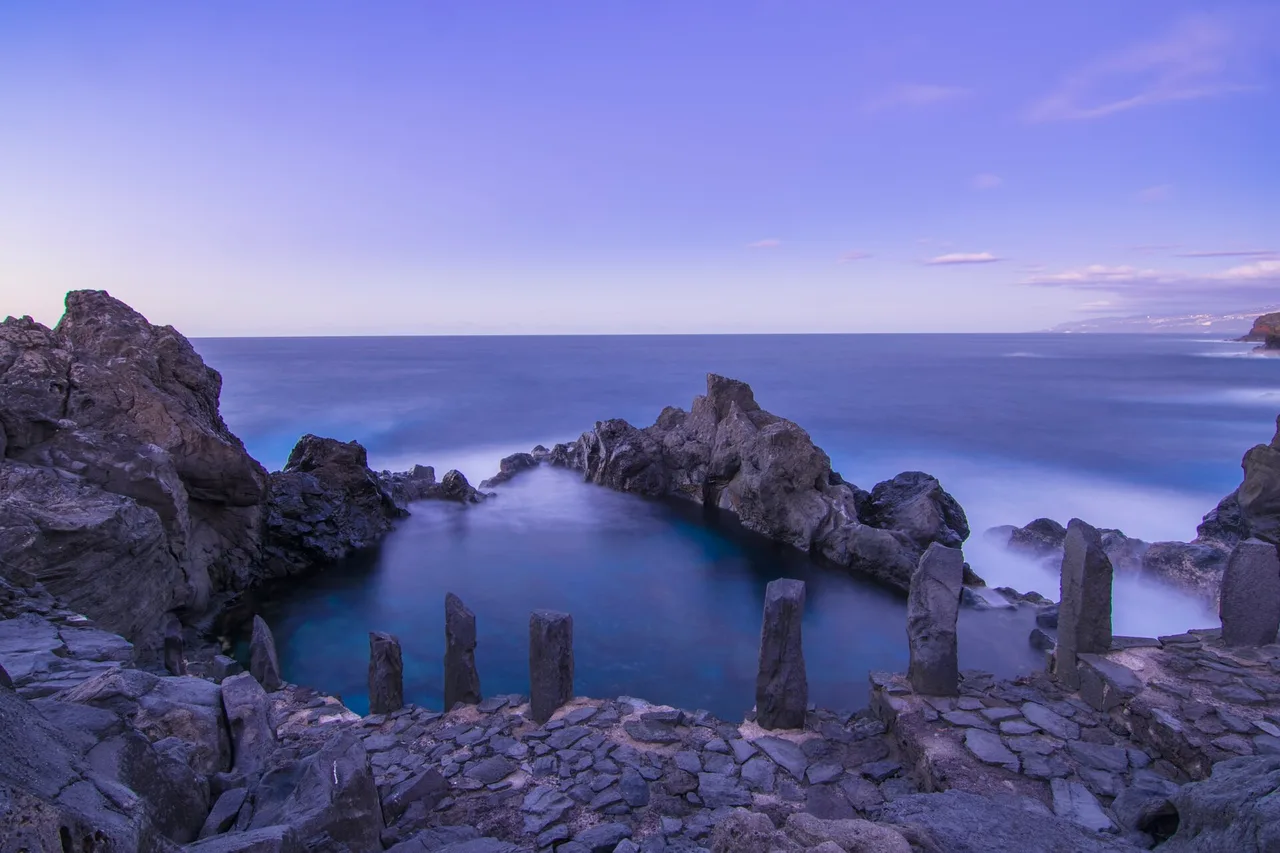
Hidden at the bottom of a stone staircase below the village of San Juan de la Rambla, the Charco de La Laja is probably the most photographed pool on the island: a perfect bowl ringed by lava, protected by its own natural wall, turquoise when the sea is calm. It is also the best example of how double-edged a charco can be. When the swell rises, the incoming water creates a suction effect that drags swimmers against the rock; accidents have happened here, and both the town hall and the Canarian police regularly close the site by decree — most recently in early 2025, after visitors kept climbing past the prohibition signs for a photo. The rule is simple: if access is closed or the signs are red, you do not go in. Full stop. On a glassy sea at low tide, though, this is one of the finest swims in the Atlantic.
Charco del Viento and the La Guancha pools
Our banner photo is this one: the Charco del Viento, on the coast of La Guancha between San Juan de la Rambla and Icod de los Vinos. A pool almost closed off by a ring of lava, water so clear you can count the pebbles, a staircase cut into the rock — and in season a small kiosk at the top of the path. You reach it via a lane off the TF-351 (Santa Catalina district), then steps; it is the most accessible “wild” charco in the north, and therefore the busiest in the municipality — aim for a weekday morning. Walkers can push on to its neighbours Charco Verde and Charco de La Arena, more isolated and reached on foot only. Further west, the coast of Los Silos hides the Charco de la Araña, a pool that only exists at low tide and vanishes at high tide — the most literal demonstration of who is in charge here. To pick your day by the state of the ocean, our guide on the best time to visit Tenerife explains the swell patterns and microclimates of the north coast.
The golden rule: the ocean decides
Everything above comes down to one sentence: a charco is only safe on a calm sea and a favourable tide. The local reflexes, in order: check the sea state before setting off (the northern swell peaks from October to March, but summer swells exist); aim for low tide or a falling mid-tide, when the basins are full but the ocean no longer washes over; watch the site for five minutes before getting in — if sets of waves are clearing the wall, the swim is over before it began; never swim alone, and never turn your back on the ocean; and respect every sign and every flag — they record past accidents, not excess caution. And it must be said plainly: the Charco del Tancón, near Puerto de Santiago, made famous by social media, is closed to swimming — a 300 € fine — and six people have died there in recent years, trapped in its cave as the tide rose. No photo is worth that. The charcos in this guide offer the same turquoise water, without the trap.
In practice: gear, timing, combinations
Three items change everything: water shoes (lava cuts, and sea urchins exist), a snorkelling mask (the basins connect to the ocean, fish included) and something warm for when you get out — the north coast is windy, which is precisely what named the Charco del Viento. As for timing, the winning combination is morning + low tide + calm sea: soft light, full basins, minimal crowds. The northern charcos pair naturally with the sights next door — Garachico with Icod and its dragon tree, Bajamar with La Laguna and Anaga, Charco del Viento with the San Juan de la Rambla coast — and they slot into a single “north coast” day within a week-long stay, as our list of 25 essential things to do in Tenerife lays out. One last local tip: residents swim in these pools all year round, with the water between 19 and 24 °C depending on the season. Get in slowly, stay near the ladders, and let the ocean remind you — always — that you are the guest.