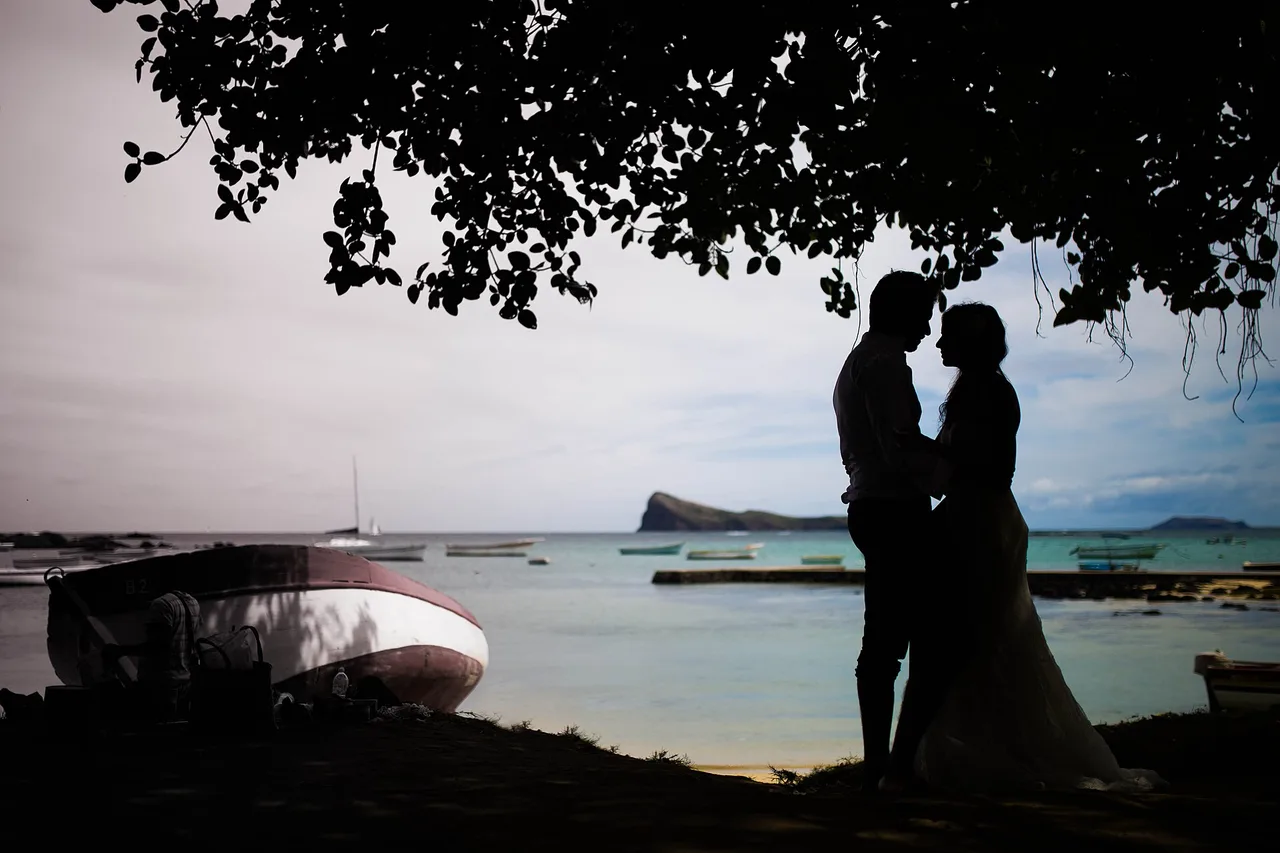
Mauritius may be the most-quoted honeymoon destination on Earth — which is exactly why it is so easy to get it wrong. Between "romantic" packages billed at a premium, a coast picked blindly and a marriage certificate left at home in a drawer, a Mauritian honeymoon can miss the best of the island entirely. We live here, and this is the guide we would hand to newly-wed friends: the right season, the right coast, the experiences that are genuinely worth it — with the 225 places of the app, sorted by mood, as our common thread.
Budget tip: in Mauritius, part of what you do can cost you less. See how to save money with discounts on your activities.
We run Moris Insider, the guide and map of Mauritius co-created with locals. This guide sells nothing but the island as it really is: what truly deserves a couple's time, what is pure marketing, and the few practical rules that change everything.
Why Mauritius — and for which couples
Let's start with the obvious, fully assumed: yes, the island ticks every postcard box. Turquoise lagoons, pale-sand beaches, green mountains plunging into the sea, some of the most celebrated hotels in the Indian Ocean. But what really makes Mauritius a great honeymoon destination lies elsewhere: it is an easy island. English and French are spoken everywhere, driving around is straightforward, people are disarmingly kind, and twenty minutes take you from a glassy lagoon to a tea plantation in the hills. For travellers from the UK, India or South Africa, the flight is direct and the time difference barely registers.
In other words, it is the ideal destination for a couple that wants both to unwind and to explore. Newly-weds who get bored by a pool will find hikes, markets, street food and fishing villages; those who just need to breathe after months of wedding planning will find beaches where absolutely nothing happens — which is exactly what they came for. The only "wrong profile" we ever meet: couples who arrive expecting a sealed romantic bubble, never leave the resort, and fly home without having seen the island. This guide exists to spare them that.
Which season for a honeymoon
This question always comes first, because most weddings happen between May and September — and the honeymoon follows. Good news: there is no bad season in Mauritius, only two different seasons.
The austral winter, May to October, is the safe bet: dry weather, clear skies, mild temperatures, zero cyclone risk. Perfect for hiking, road-tripping and packing the days with discoveries. In exchange, the lagoon is cooler and the wind blows harder on the east coast — a detail that matters when picking your coast, as we'll see below.
The austral summer, November to April, is the island in lush mode: bath-warm lagoon, blazing vegetation, full waterfalls, often gentler prices. The flip side: heat, humidity, tropical showers, and the official cyclone season running from 1 November to 15 May with a peak between January and March — statistically that means at worst a day or two disrupted, but better to know it when booking. Our month-by-month guide on the best time to visit Mauritius covers all of it.
Our local tip for honeymooners specifically: the shoulder seasons — October-November and April-May — offer the best balance of warm water, kind skies and reasonable crowds.
Which coast to choose
This is the decision that shapes the whole trip, far more than the choice of hotel itself. Each coast has a personality.
The west (Flic en Flac, Tamarin, Le Morne) is the coast of sunsets over the sea, calm lagoons and lively evenings. It is also the most wind-sheltered coast in the austral winter. The north (Grand Baie, Trou aux Biches, Pereybère) adds nightlife, wall-to-wall restaurants and a remarkably gentle sea almost all year round. The east (Belle Mare, Trou d'Eau Douce) lines up the island's longest beaches and sumptuous sunrises, but is markedly windier from June to September. The south, finally, is the wildest — the cliffs of Gris-Gris, hidden coves, spectacular coastal roads — perfect for day trips, more demanding as a full base.
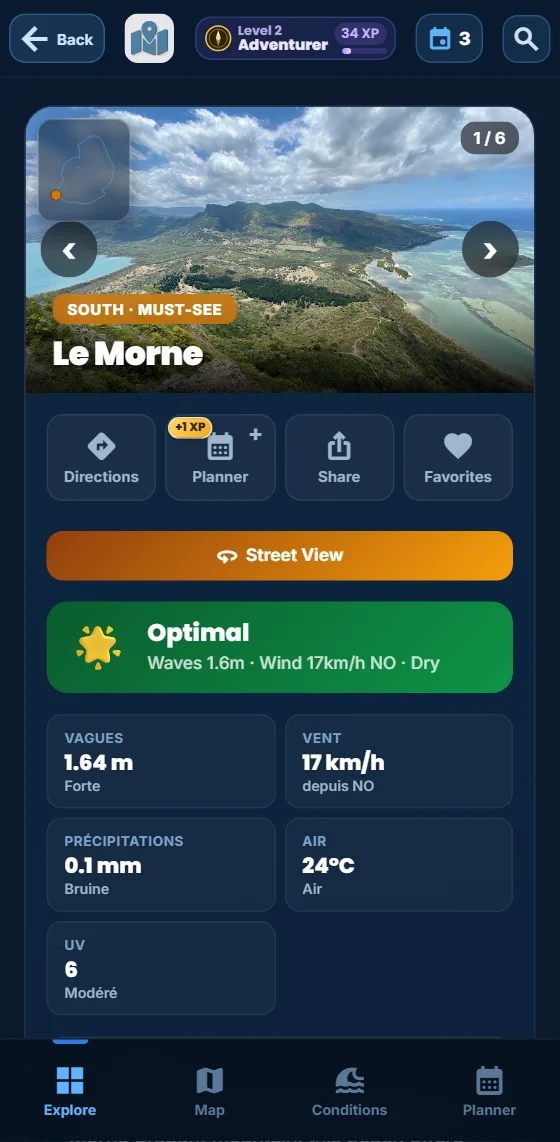
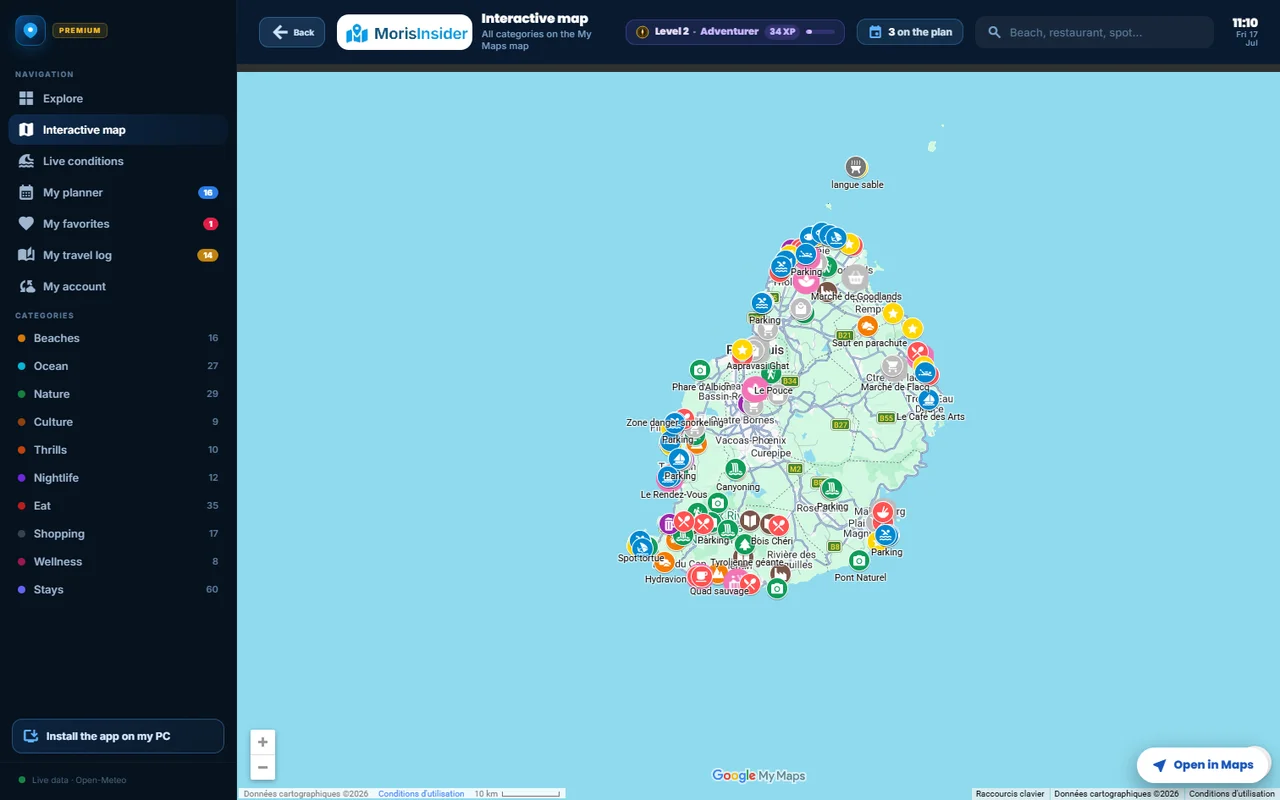
The honeymoon strategy we recommend without hesitation: combine two coasts. A week in the west or north for softness, a few nights in the east or south for a change of scenery. To decide for your exact dates, the explorer map shows land and sea weather zone by zone, wind and lagoon state included: two minutes are enough to see which coast will be kindest during your stay. And for the full lodging picture, our complete coast-by-coast comparison is here.
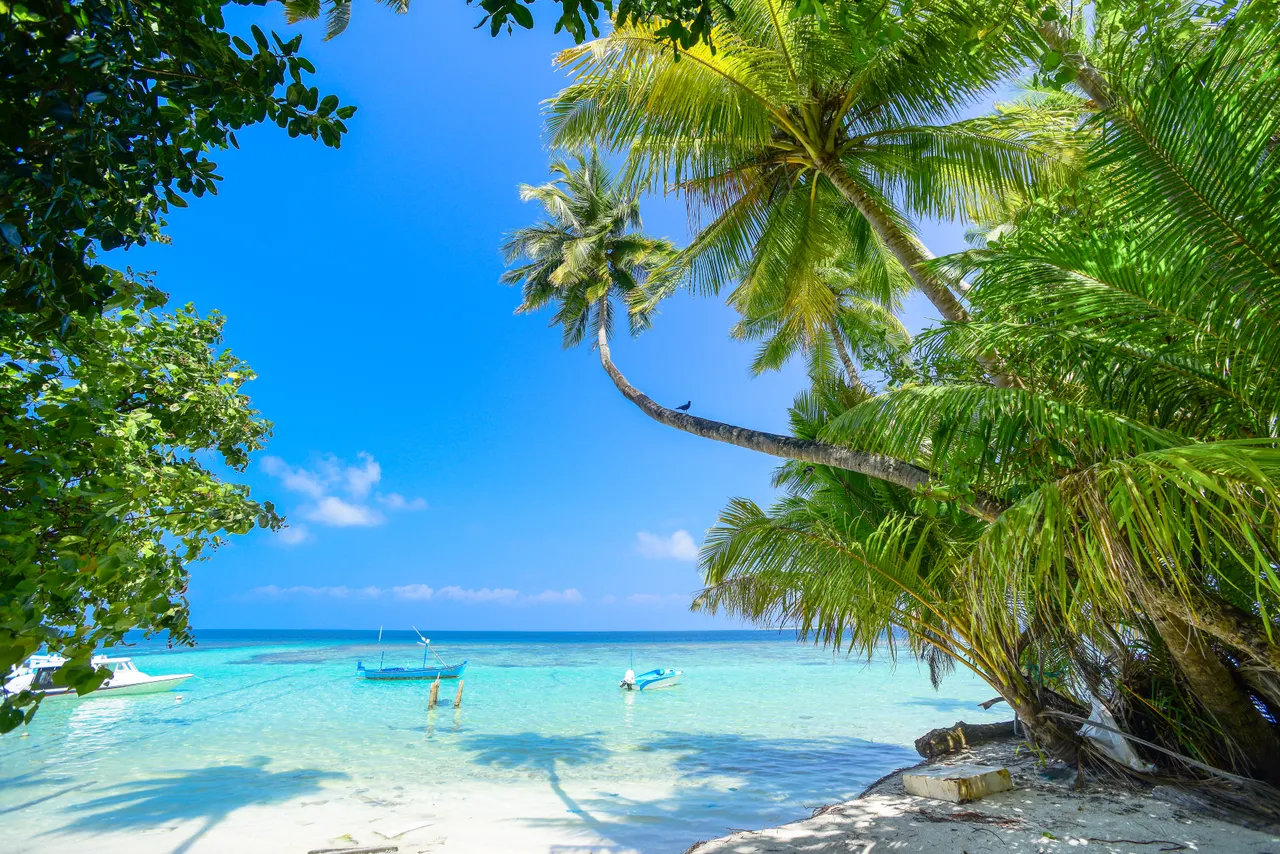
Romantic experiences truly worth it
Forget the standardised candle-lit dinner for a moment — it will be lovely, but it awaits you in every hotel on the planet. Here is what makes a honeymoon Mauritian.
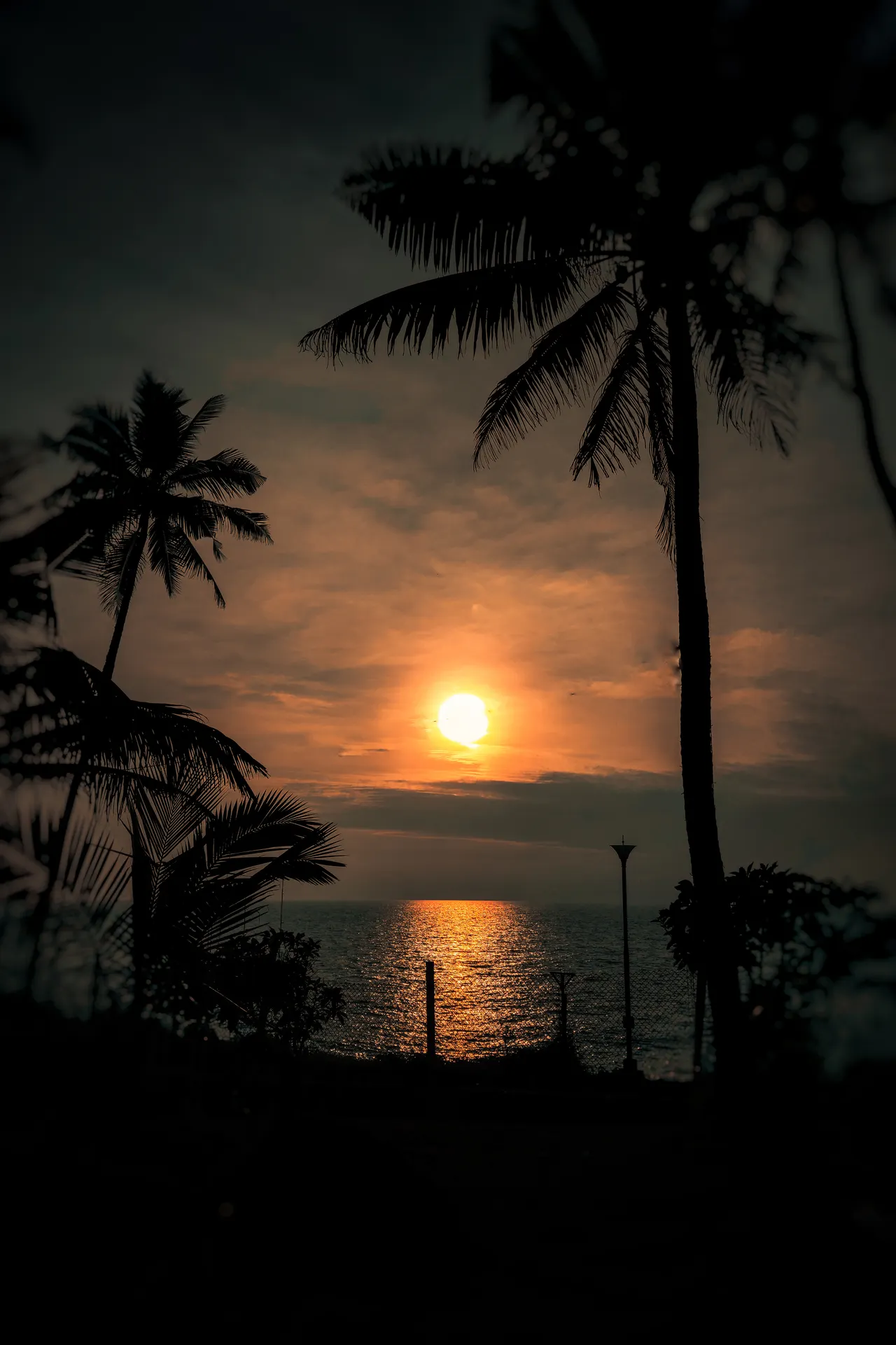
The sunset on the right side. At Trou aux Biches or on La Preneuse beach, the sun falls into the sea, not behind the mountains. A picnic on the sand at 5.30pm beats any hotel cocktail. The locals-approved beaches are all in the app, with the orientation that matters.
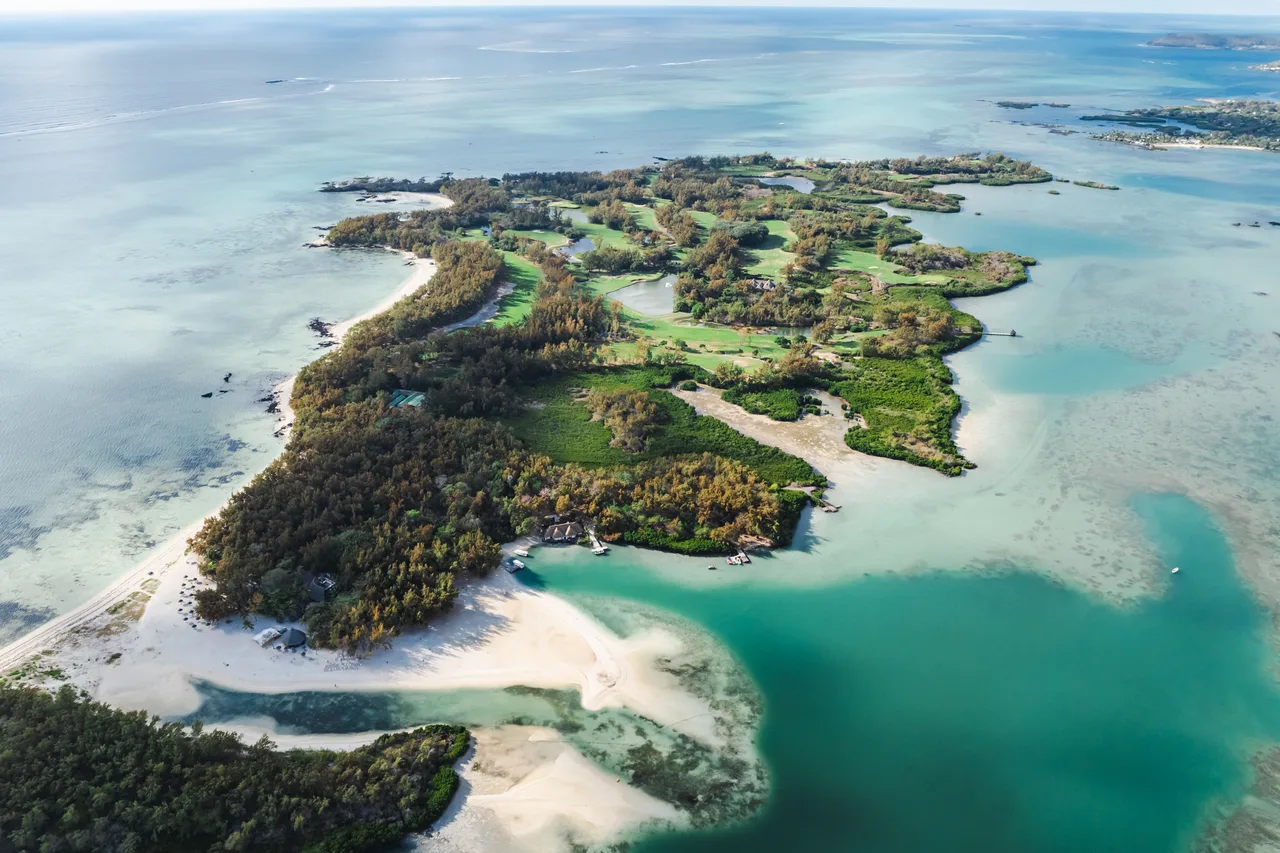
A catamaran day. The absolute classic, and for once the classic is right: the cruise to Île aux Cerfs in the east, or to Île aux Bénitiers and its Crystal Rock in the west, remains one of the most beautiful days two people can share here. Book directly with local operators rather than at the hotel desk: same boat, different bill.

A mountain at sunrise. Climbing Le Morne or Le Pouce together, early morning, then diving straight into the lagoon: the perfect distillation of the island. Chamarel — Seven Coloured Earth, waterfall, rum distillery — fills an entire day in the south-west, tasting included.
The locals' simple pleasures. A dholl puri eaten standing at the market, a stroll in the Pamplemousses garden, a midnight swim in a warm lagoon. The best honeymoon stories are almost never the most expensive ones.
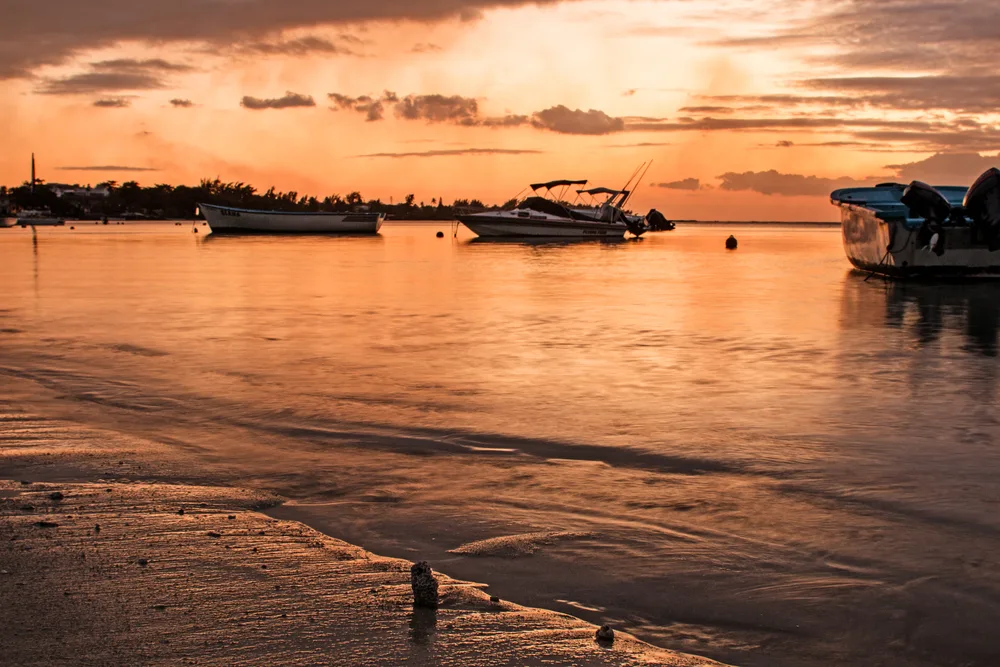
Explore the island like an Insider
Moris Insider brings together 225 hand-picked places, today's weather coast by coast and a road trip planner on the real roads. €24.90 once, for life. 30-day money-back guarantee.
Discover the app →The classic traps (and how to dodge them)
Trap #1: forgetting the marriage certificate. Nearly every hotel on the island offers honeymoon perks — room treats, a complimentary romantic dinner, small upgrades depending on the property. But they are triggered by showing your marriage certificate at check-in, and most brands limit the offer to a recent wedding: usually less than lifetime, sometimes up to 18. No document, no perks — and some hotels even reserve the right to adjust a "honeymooner" rate. A photo on your phone is not always accepted: slip a paper copy into the suitcase.
Trap #2: the full all-inclusive bubble. A fortnight without leaving the resort means missing one of the most endearing countries in the Indian Ocean. Even on an all-inclusive plan, keep two or three days for exploring — cars rent by the day, and the island crosses in ninety minutes.
Trap #3: booking everything at the hotel desk. Catamarans, dolphin outings, quad rides, excursions: the same services exist as direct bookings, often markedly cheaper. Always compare; your honeymoon does not need to fund a middleman.
Trap #4: the coast picked blindly. A September stay facing the trade winds, or a minute-by-minute plan that ignores the marine forecast, and disappointment settles in. The remedy takes two moves: choose your coast by season (chapter 3), then lay your wishes over the week with the app's agenda, which puts each activity on the right day for the conditions.
Trap #5: underrating alternative stays. Mauritian resorts are superb, but the island also hides guesthouses and lagoon-front villas that transform a honeymoon budget. The app's lodging tool helps cross-match coast, style and budget without drowning in comparison sites.
Getting married or renewing vows on the island
Many couples flip the order: toes-in-the-sand ceremony in Mauritius, party back home. It is entirely possible — a civil marriage between two non-residents is legal and recognised — but it cannot be improvised: the file must reach the Mauritian civil status office several weeks before the date, and you need to be on the island a few days ahead of the ceremony to finalise the formalities. In practice, hotels and local wedding planners orchestrate most of it — a genuine Mauritian craft, refined over decades.
A vow renewal, on the other hand, is a purely symbolic ceremony: zero paperwork, every hotel knows how to stage one, and the scenery does the rest. For a wedding anniversary, it is the zero-stress option.

A local's word
What we wish for the couples who land here is to fly home with more than hotel photos: the taste of a pineapple bought on the roadside, the memory of an old man pointing you to "his" beach, a tropical shower waited out together under a filao tree. Romantic Mauritius is not a stage set — it is a living, generous country that gives itself to those who wander a little off the marked paths.
So do settle in, enjoy your hotel — but leave room for the unplanned. And write it all down: the app's travel logbook keeps your spots, notes and photos — it is the first album of your married life, so it deserves to be filled properly.
The real Mauritius, in your pocket
The interactive explorer map: 225 hand-picked places, live weather coast by coast and timed road trips. €24.90 once, for life. 30-day money-back guarantee.
Discover the app →