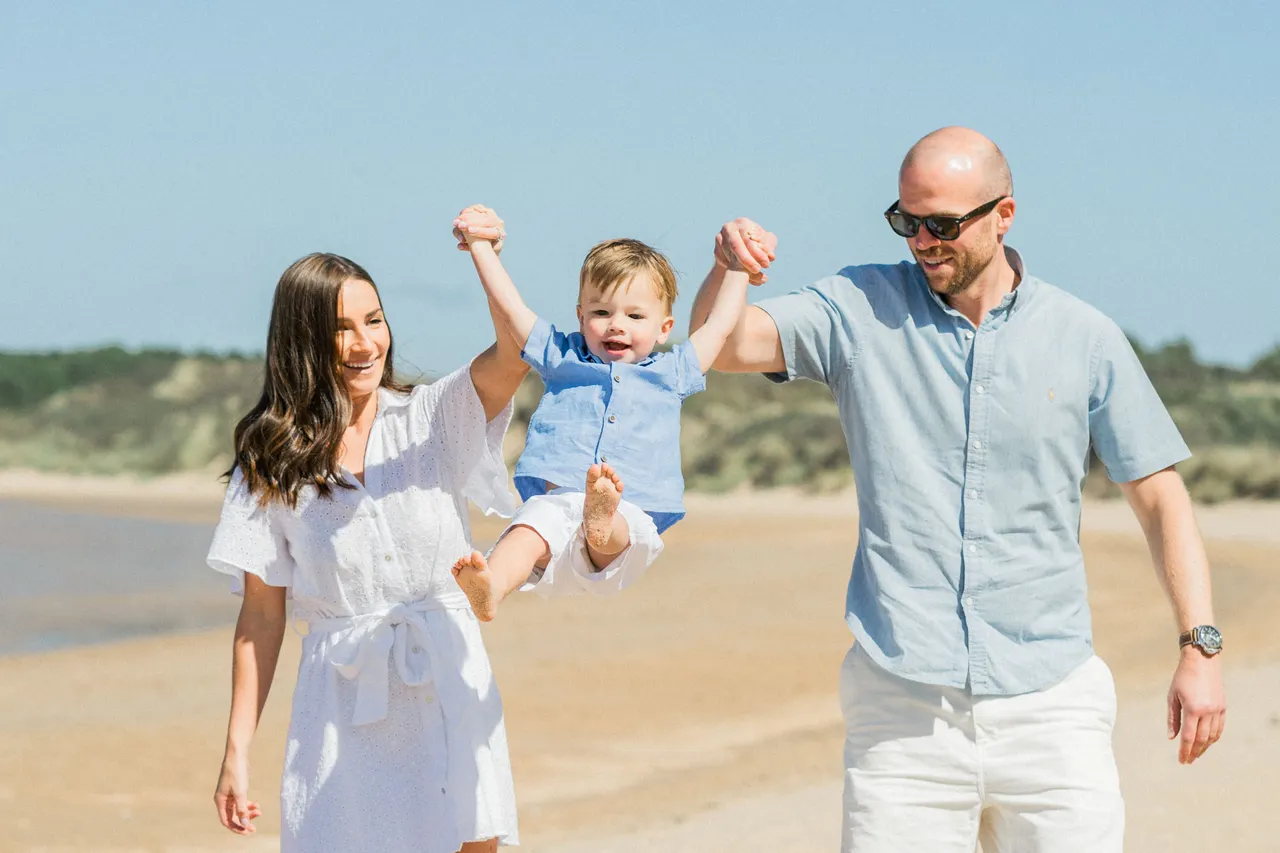
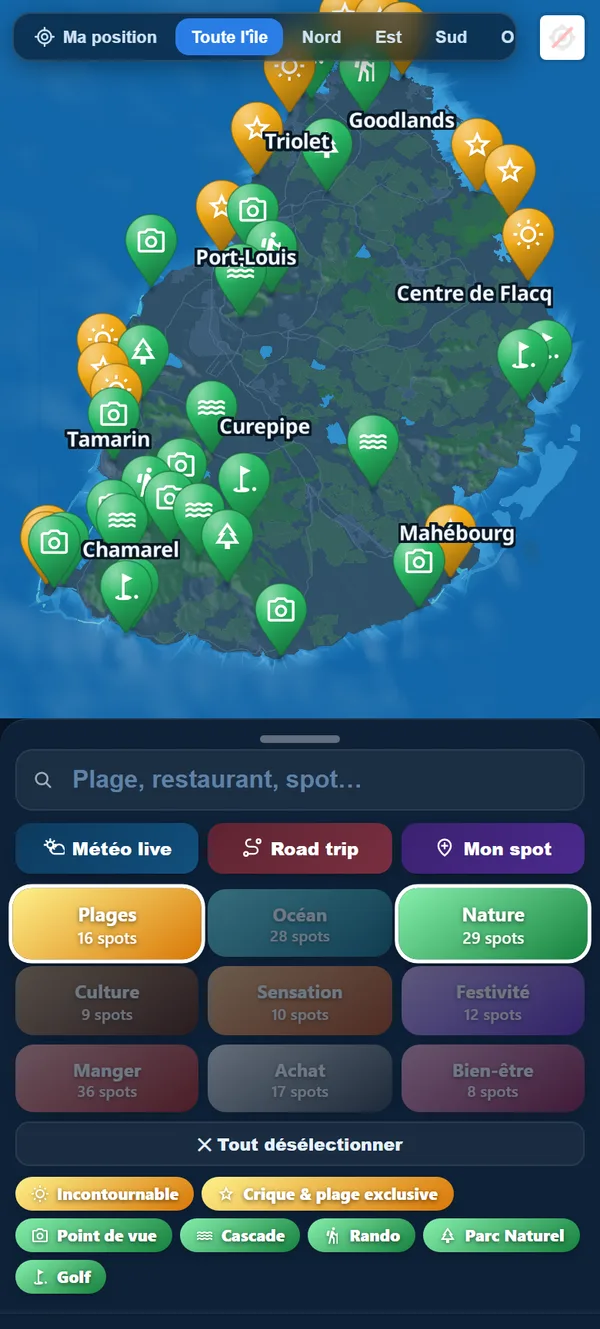
The short answer: yes, Mauritius works surprisingly well with a baby or toddler — better than almost any other long-haul destination. A non-stop night flight, only two to three hours of time difference, no malaria, and a lagoon that is often knee-deep and bath-warm. What parents still need to know — mosquitoes, sun, car seats, the right coast and the right season — is all here, with every fact verified on 27 October 2026. To find the quiet corners, there is the explorer map with spots across the whole island.
Budget tip: in Mauritius, some activities can cost less. See how to save with discounts.
Why Mauritius works so well with a baby
Add up what normally makes long-haul travel hard with a baby: long flights with connections, heavy jet lag, tropical diseases, thin infrastructure. Mauritius crosses almost all of it off the list. From Paris or Frankfurt you fly non-stop in about 11 and a half hours, overnight — the child sleeps through most of it. The time difference is only two hours in the European summer, three in winter: a toddler’s sleep rhythm barely moves.
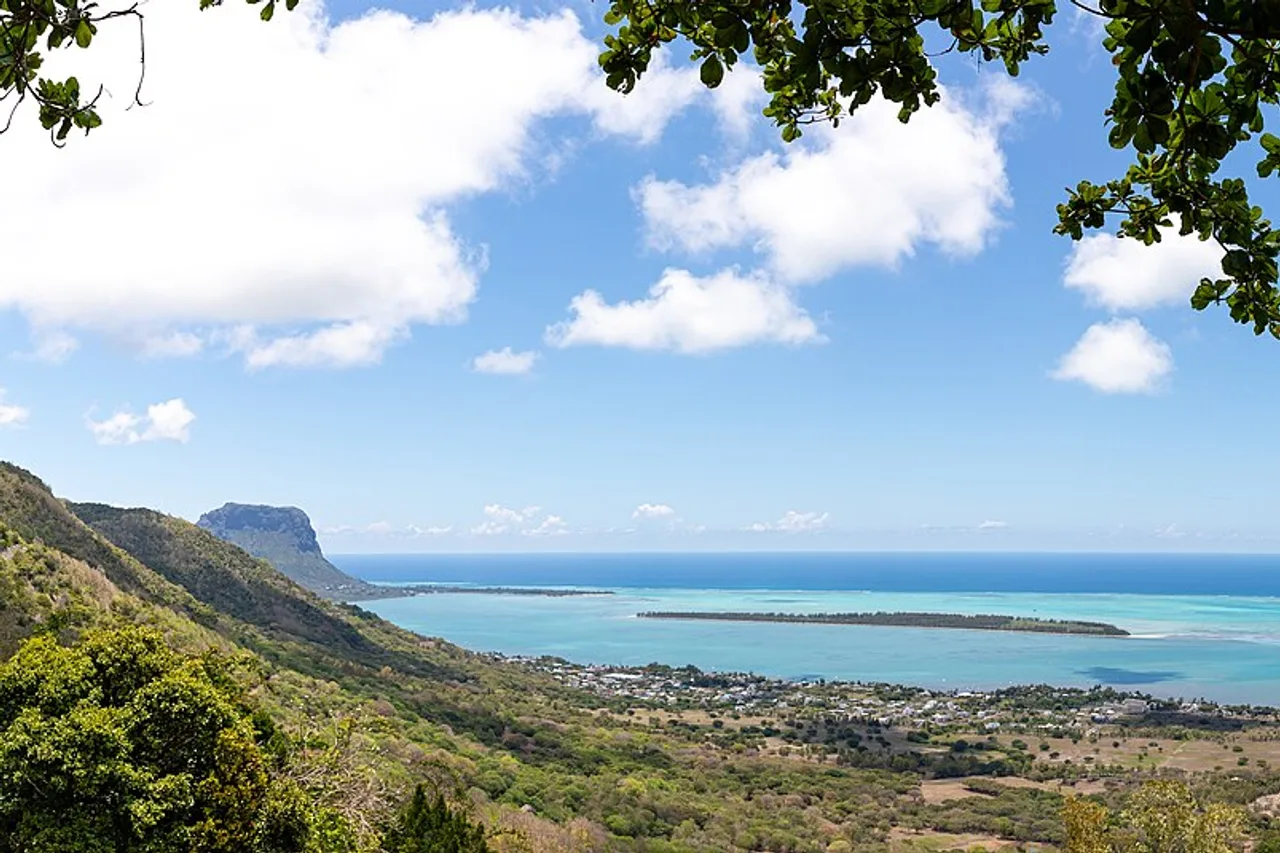
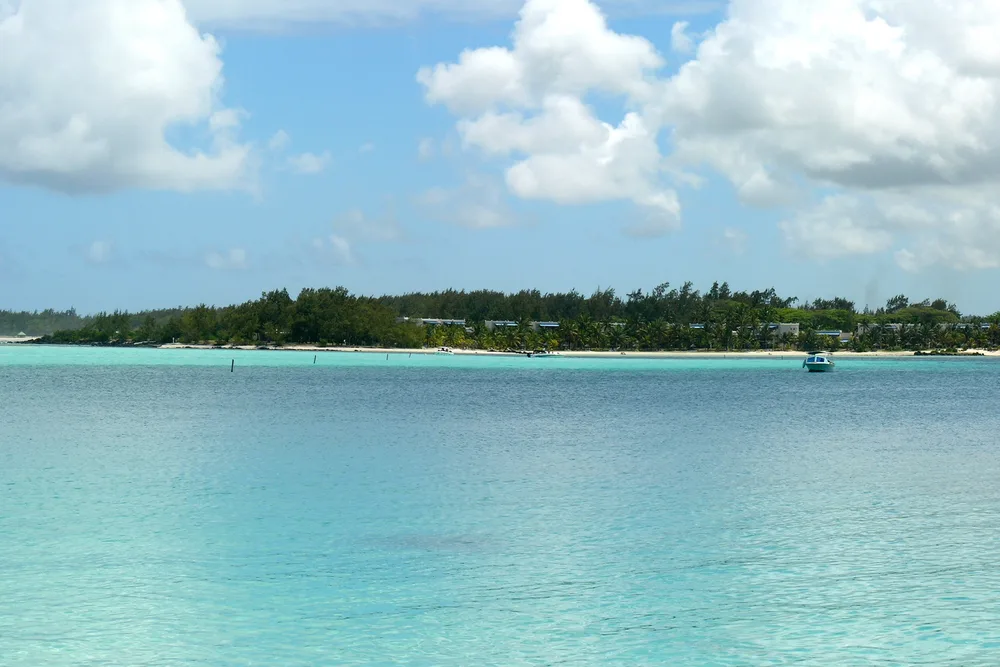
Then comes the essential point: there is no malaria risk in Mauritius — travel medicine services have recorded no local transmission for over two decades and do not prescribe prophylaxis. The island has lived off family tourism for decades, English and French work everywhere, and the standard of hotels and healthcare is far above most long-haul destinations. And the thing that matters most for small children: a reef shelters almost every beach — behind it, a shallow, calm lagoon replaces open-ocean swell.
The flight and the time difference: easier than you think
The flight is the part parents dread most — and usually the most harmless. Choose a night flight: take off in the evening, land in the morning, and the child sleeps through most of it. For babies up to roughly 10 kilos, most airlines offer a bulkhead bassinet — free but scarce: request it when you book, not at the counter.
Good to knowFlight prices often rise as departure gets closer: comparing now, and checking nearby dates too, is often enough to bring the bill down.
Compare flightsCompare airlines on AviasalesAgainst ear pressure, the oldest remedy in the world: breastfeed or bottle-feed during take-off and landing — swallowing equalises the pressure. For a toddler, a water bottle or something to chew does the job. And the time difference? With two to three hours, it is enough to live on local time from the moment you arrive: meals and bedtime on Mauritian time, plenty of daylight. After two or three early mornings it is done — the real jet lag of Asia or America simply never happens here.
Lagoons for little ones: where the water is calm and shallow
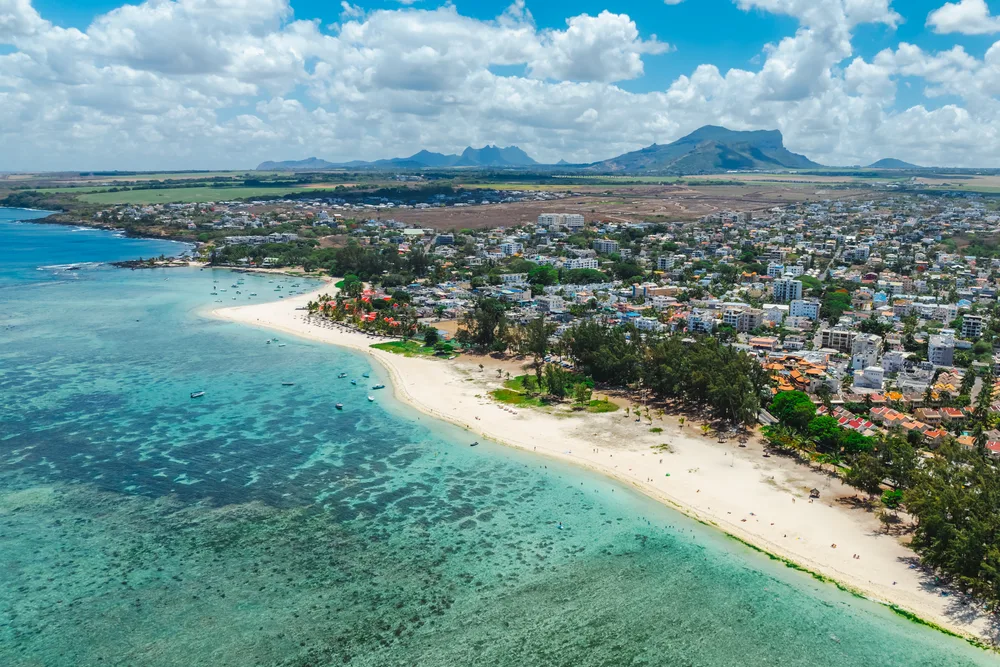
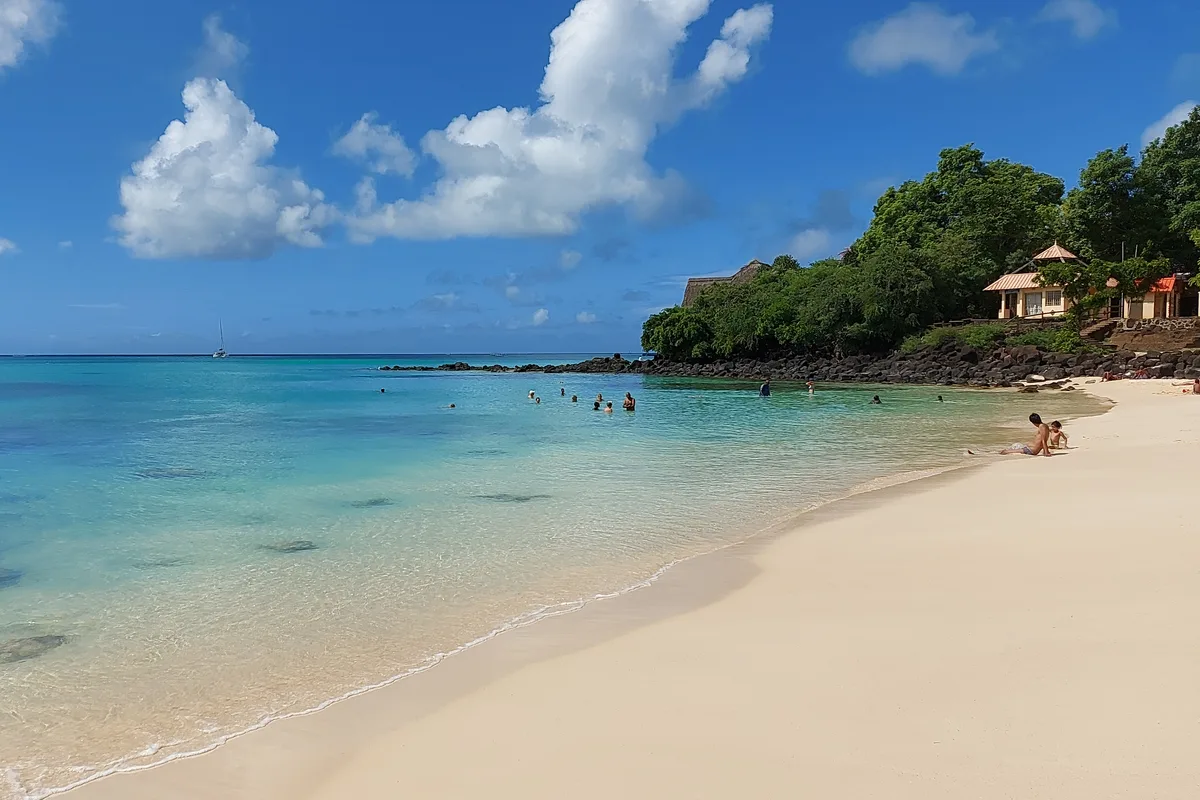
Not every coast is equal with a toddler — the choice of beach is half the holiday. The North is the gentlest corner of the island: at Trou aux Biches and Mon Choisy, the lagoon slopes gently over sand, you can still stand far from shore, and a toddler paddles at the edge in calm, ankle-deep water. The west coast around Flic en Flac is sheltered nearly all year, and Blue Bay, in the south-east, sits in a bay protected by the reef.
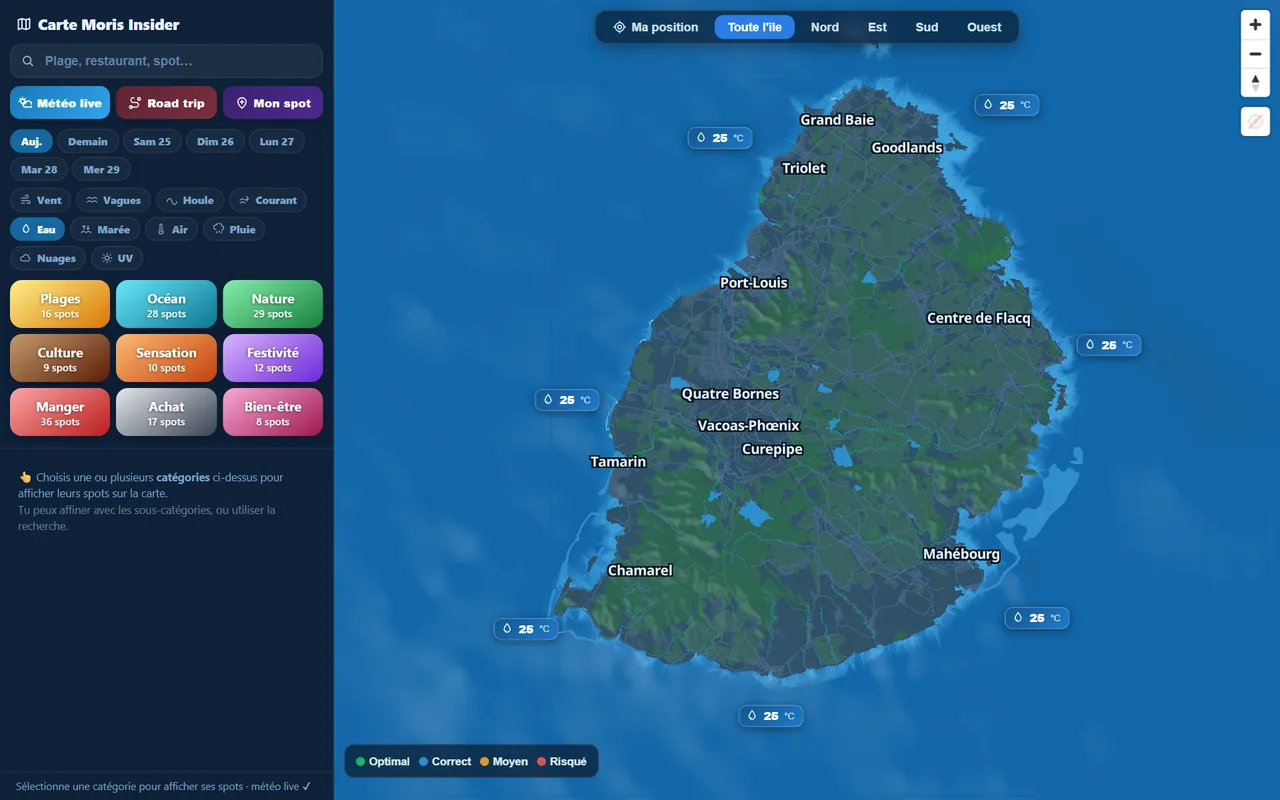
The east coast around Belle Mare is gorgeous — but from May to September the trade winds blow straight onto it and the lagoon turns choppy. In those months, the North and West are the safe bets. The water runs 23 to 29 degrees depending on the season. Two details that matter: even in thirty centimetres of water, closed water shoes (sea urchins, coral rubble, very rarely a stonefish), and a UV tent or parasol — more on that below. In the app, the island’s 225 addresses are sorted by category, beaches and their quirks included.

Health: mosquitoes, sun, water — the honest part
The good news first: no malaria, no prophylaxis. The honest follow-up: mosquitoes remain THE health topic on the island. In 2024 a dengue outbreak passed 7,000 cases, and between March and August 2025 the WHO confirmed 1,583 chikungunya cases; the US CDC has kept a Level 2 notice in place since. For a baby this translates simply: serious mosquito protection, without drama — a net over the bed, long light-coloured clothing in the mornings and evenings, air conditioning or a fan at night, and an age-appropriate repellent agreed with your paediatrician before departure.
At the paediatrician you also settle vaccinations: the standard schedule up to date, and hepatitis A recommended — the CDC lists it from one year, and in practice from six months for infants. Second topic: the sun, harsher here than in the Mediterranean. A baby under one simply does not go into direct sun: shade, a UV suit, a hat, and the hours from 10am to 3pm spent under the casuarina trees, on the terrace or in the room. For bottles, parents use still bottled water with low mineral content — every supermarket stocks it. And if something does happen: public hospitals treat free of charge, but for travellers the first stop is a modern private clinic — travel insurance that covers them belongs in the luggage like the passport.
Hotels with a baby: cots, baby areas, kids clubs
The island’s big resorts have lived off families for decades and are equipped accordingly: cot, high chair, steriliser and baby bath are part of the free standard kit in most houses, and many hotels let you pre-order nappies and formula so they are in the room on arrival. Kids clubs start almost everywhere at age three — at Beachcomber, for instance, the kids club is free for ages 3 to 11, and the Trou aux Biches property lists a baby area with free weekday-afternoon care for ages 1 to 3 in its factsheets. These details change: have the hotel confirm them before you book, along with evening babysitting rates.
Good to knowFor accommodation, booking early pays off: the best-located places go first, and prices often climb as the dates get closer. Here you can check availability in Mauritius and current rates for your dates.
Compare places to stay in MauritiusHotels and apartments on Booking.comThe alternative many parents underrate: renting an apartment or villa. A kitchen for purées and bottles, a washing machine, no buffet schedule, naps in a proper bed — with a toddler this is often more restful than any five-star programme. In exchange, you organise equipment and shopping yourself. Both work; it is a question of travel style.
Full guide: Where to Stay in Mauritius: Which Coast to Choose
Getting around: car seat, pushchair, carrier
The most important piece of kit of the whole trip looks unremarkable: the car seat. Do not count on a taxi having one — book the seat together with the rental car or the airport transfer (local rental agencies and drivers offer it as an option), or bring your own: a familiar seat helps on the plane too. The island is small but the roads are slow — allow an hour and a half rather than thirty minutes to cross it. The toddler trick: schedule drives over nap time, and the child sleeps in the seat instead of the room.
Full guide: Renting a Car in Mauritius: Tips & Pitfalls to Avoid
As for the pushchair: fine inside the hotel grounds, much less so elsewhere — uneven pavements, and beaches obviously. A baby carrier is the more versatile tool in Mauritius: on the beach, at the market, in the Pamplemousses botanical garden. To plan the legs of a day, routes are timed to the minute on real roads — with a baby, the difference between a 40- and an 80-minute drive is not a detail.
Nappies, formula, pharmacies: what you can buy locally
Reassurance on nappies first: the island’s supermarkets — Super U, Intermart, Winner’s — sell international nappy brands in every size, at prices close to Europe. Formula is different: it exists, but not necessarily your brand — and a baby who knows its milk does not enjoy experiments on holiday. The safe calculation: pack the whole stay’s supply of your usual formula, plus two or three days of reserve.
Pharmacies are plentiful and well stocked in tourist areas like Grand Baie or Flic en Flac: children’s paracetamol, rehydration salts and the usual basics are all there. Your own small kit still belongs in the luggage: fever suppositories, a thermometer, disinfectant, the usual medicines with a copy of the prescription. Baby jars exist, just in a narrower choice than at home — the island compensates with ripe bananas, mangoes and avocados that mash with a fork.
The best season to come with a baby
With a baby, the shoulder season is the high season. May-June and September-October are the most pleasant windows: 24 to 27 degrees, dry air, fewer mosquitoes, reasonable prices. The southern winter (June to August) works well too — around 24 degrees in the afternoon, lagoon at 23: plenty for paddling at the shallow edge, as long as you pick the coast sheltered from the wind (the North and West, then).
Summer, from November to April, is the hot, humid, cyclone season: 30 degrees and above, sticky nights, more active mosquitoes — doable with air conditioning and mosquito discipline, but not the first choice for a first visit. In every season, the island’s coasts rarely share the same weather at the same time: a glance at the weather zone by zone decides each morning which side is the calm one today — and the weekly planner puts the beach days on the right coast, nap included.
FAQ
Is Mauritius suitable for a trip with a baby?
Yes — among long-haul destinations it is one of the easiest: a direct overnight flight (about 11.5 hours from Paris or Frankfurt), only 2-3 hours of time difference, no malaria, calm shallow lagoons, and hotels fully equipped for babies.
Is there malaria in Mauritius?
No — travel medicine services have recorded no local transmission for over two decades and do not prescribe prophylaxis. Mosquitoes still deserve respect: a dengue outbreak in 2024, and 1,583 chikungunya cases confirmed by the WHO in 2025. A net, long clothing and an age-appropriate repellent are essential.
How bad is the jet lag for a baby?
Barely there: Mauritius is only 2 hours ahead in the European summer, 3 in winter. Live on local time from arrival and the rhythm resets within two or three early mornings.
Can you buy nappies and baby formula locally?
International nappy brands, yes, in every big supermarket (Super U, Intermart, Winner’s). Formula exists too, but not necessarily your brand: pack the whole stay’s supply of your usual milk. Pharmacies are plentiful and well stocked.
Is the app paid?
Yes: €24.90 once, for life, no subscription. Every function included — the island’s 225 addresses, hour-by-hour weather zone by zone, routes, the weekly planner, the trip journal and partner discounts. 30-day money-back guarantee.