It is THE question every traveller asks before booking: north or south Tenerife? And it is a real question, because these are almost two different islands: in the south, a sun-baked desert lined with beach resorts; in the north, green valleys, historic Canarian towns and a sky that plays with the clouds. There is no single right answer — only the answer that fits your trip. Here is the honest comparison, area by area, with the climate, the atmosphere and the pitfalls to know before you hit "book".
Two islands in one: what the trade winds really change
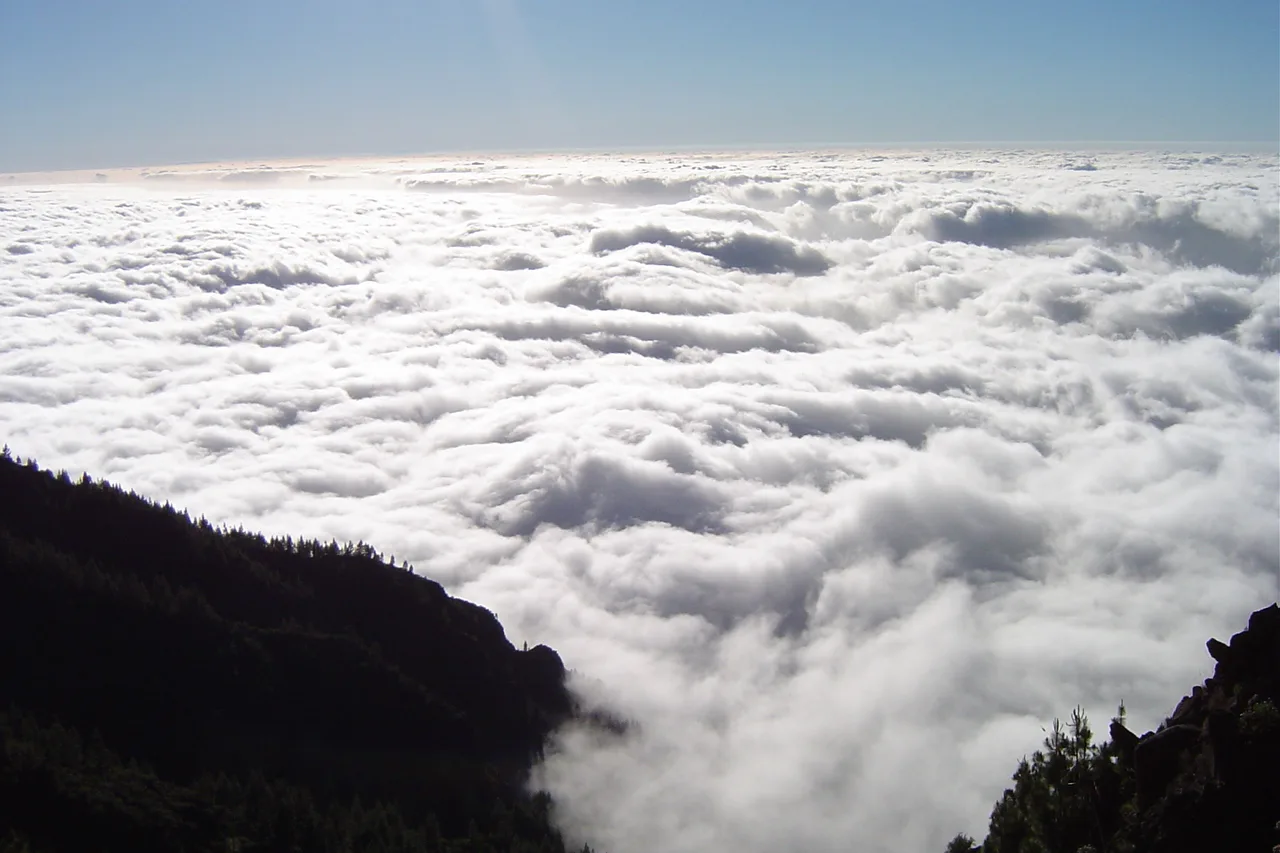
It all starts with a weather phenomenon you can see with the naked eye: the trade winds. These north-easterlies push Atlantic moisture against the northern slopes, where it condenses into a sea of clouds between 600 and 1,800 metres of altitude — magnificent from above, greyer from below. The Teide massif acts as a barrier: the south, on the leeward side, stays dry and sunny almost all year. In practice, the north is greener and a few degrees cooler, with more rain from November to March; the south keeps daytime temperatures of 20-24 °C year-round and sunshine even in midwinter. The ocean is the same for everyone: 19-20 °C from January to March, 23-24 °C in September-October. For the season-by-season detail — including the calima, the Saharan sand wind — our guide to the best time to visit Tenerife lays it all out.
The south: Los Cristianos, Las Américas, Costa Adeje
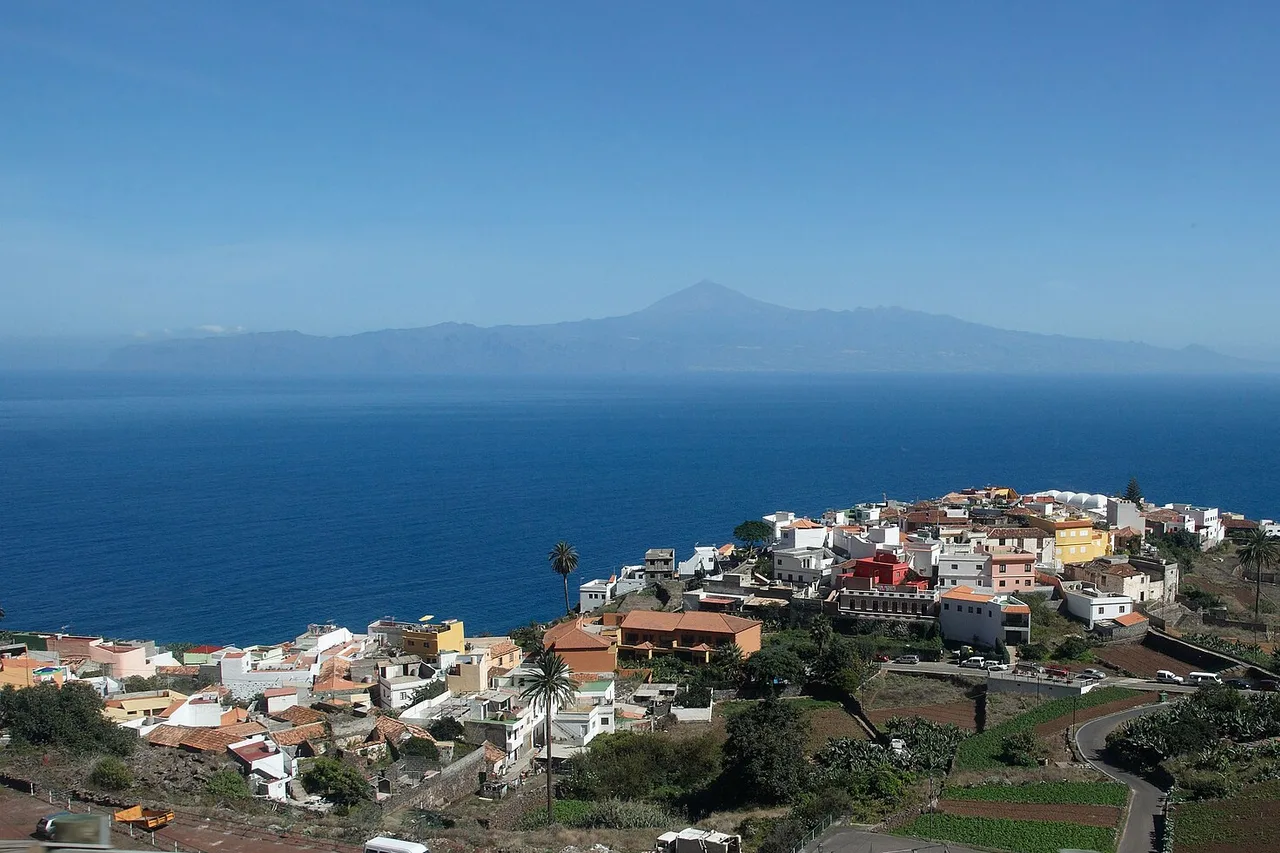
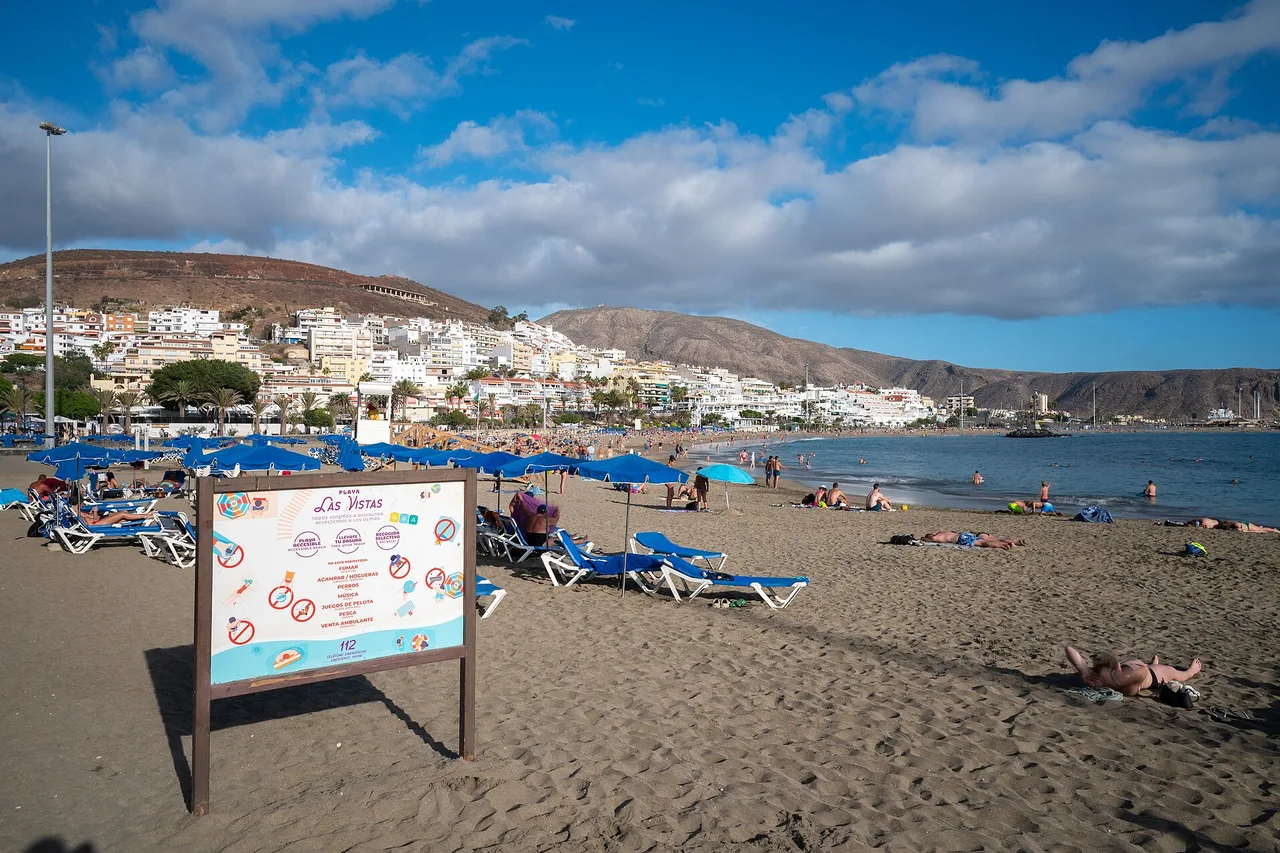
The Los Cristianos – Playa de las Américas – Costa Adeje triangle holds most of the island's tourist beds, along a developed coastline where you can walk for miles on the seafront. The three run into each other but have different characters. Los Cristianos has kept a core of real town life around its port — the ferries to La Gomera leave from here — and suits families and long winter stays. Playa de las Américas is the beating heart, the one with the bars, clubs and big avenues: you come for the energy, not the silence. Costa Adeje, newer and more upmarket, lines up large hotels around manicured beaches such as El Duque. What they share: near-guaranteed sunshine, sheltered beaches and a huge choice of activities — including the whale-watching trips covered in our guide to whales and dolphins in Tenerife.
Full guide: Things to Do in Tenerife: 25 Unmissable Spots, Chosen by Locals
El Médano: the south with wind, kites and bare feet
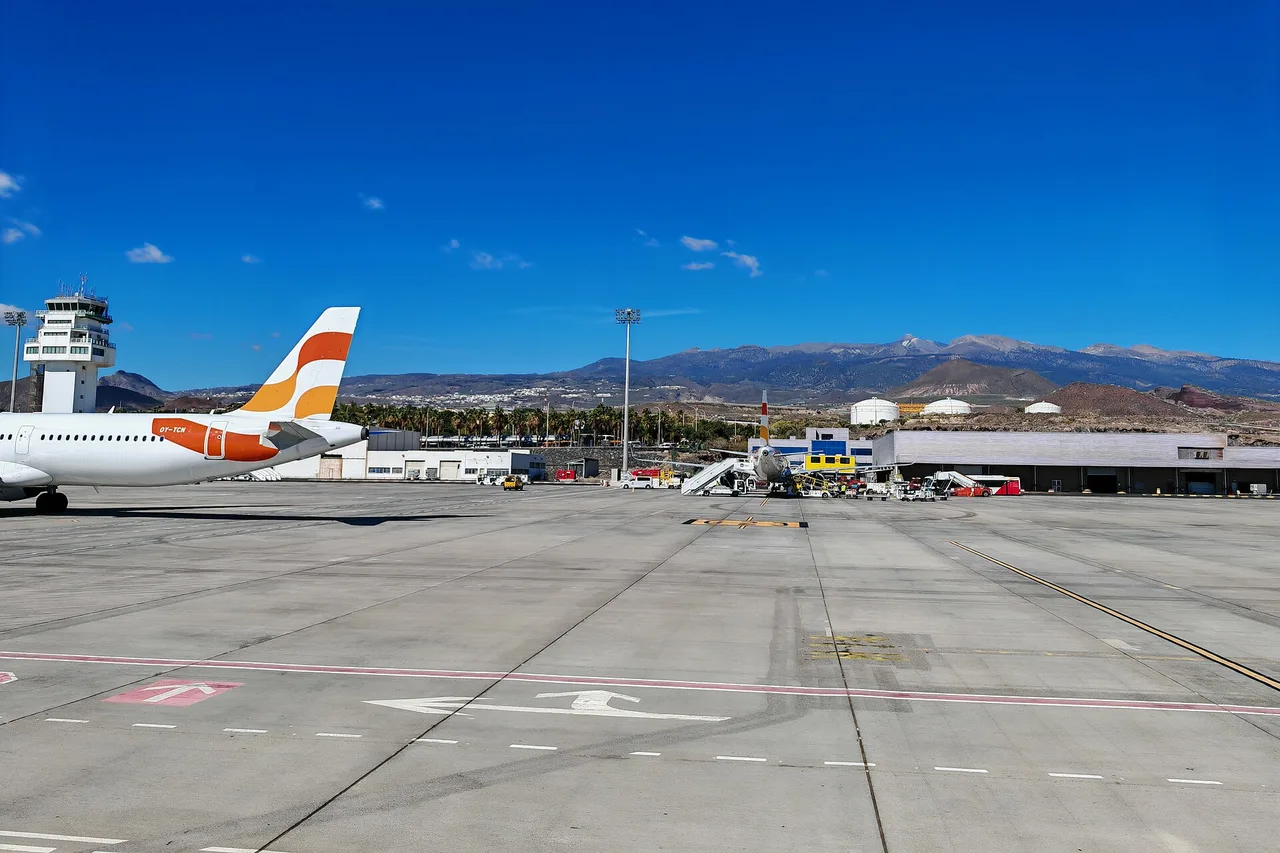
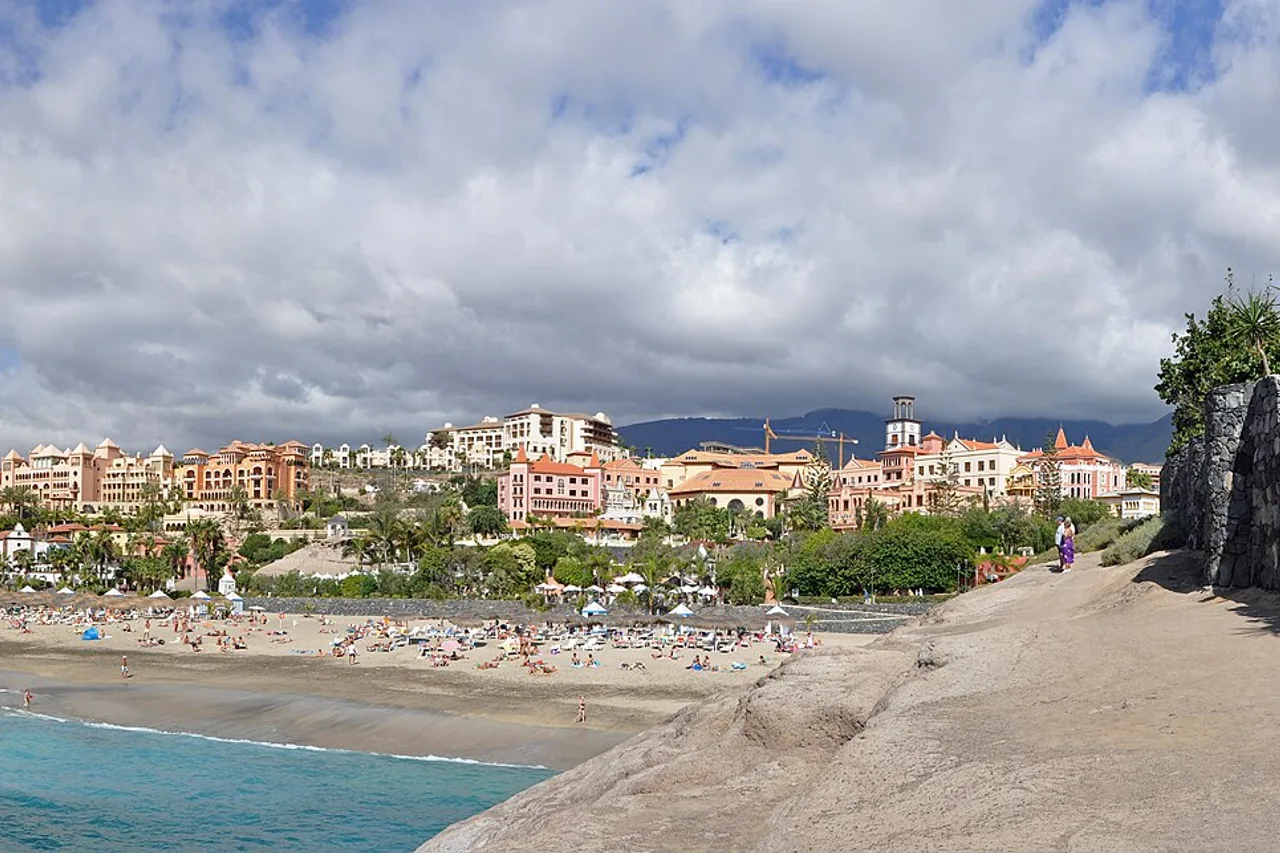
Fifteen minutes from the big resorts, El Médano is another world: a seaside town that has stayed Canarian, cafés where people linger in wetsuits, and the island's longest natural beach beneath the red cone of Montaña Roja. This is Tenerife's windsurfing and kitesurfing spot, renowned far beyond the Canaries: the trade winds blow with fine regularity here, especially from April to September. That is the flip side — you don't pick El Médano for sheltered sunbathing; the wind is part of the deal. You pick it for the laid-back vibe, the real local life… and the southern airport ten minutes away, handy for a first or last night. Neighbouring La Tejita, a long tongue of pale sand under the mountain, ranks among the island's finest wild beaches — our beach guide sets it against its rivals.
Puerto de la Cruz: the north that invented Canarian tourism
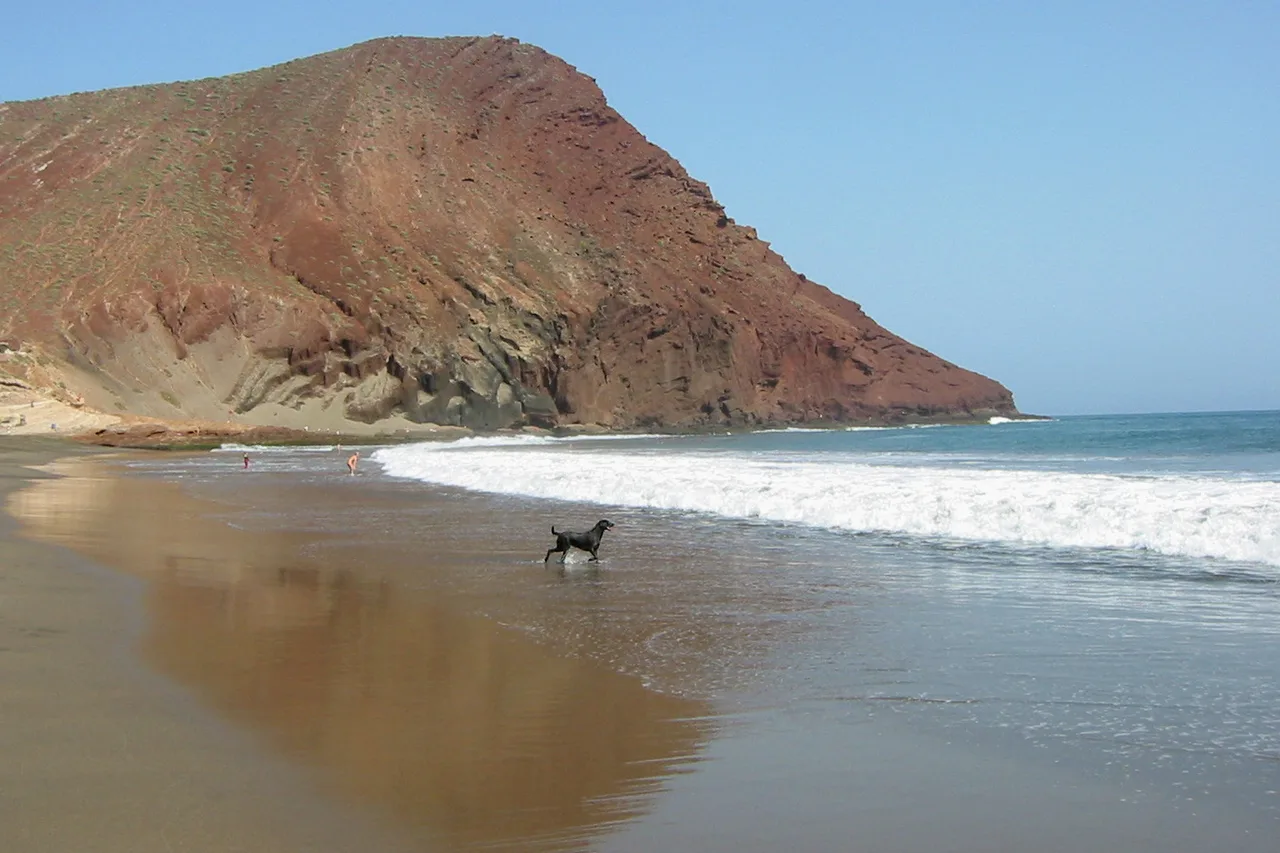
Puerto de la Cruz has been welcoming travellers for over a century — long before the south existed — and it shows: this is a genuine Canarian town with a harbour, shaded plazas and shopping streets that live all year round. You swim at Playa Jardín, a landscaped black-sand beach facing the Atlantic, or at Lago Martiánez, the grand seawater pool complex — a paid one, unlike the natural charcos along the coast. All around, the Orotava Valley unrolls banana plantations and villages with carved wooden balconies, with Mount Teide as the backdrop. Staying in the north means accepting a more changeable sky and a rougher sea, in exchange for a greener, more authentic island that is perfectly placed for day trips: Icod and its dragon tree, Garachico and its natural lava pools, and the trails of Anaga.
La Laguna and Santa Cruz: stay like a local
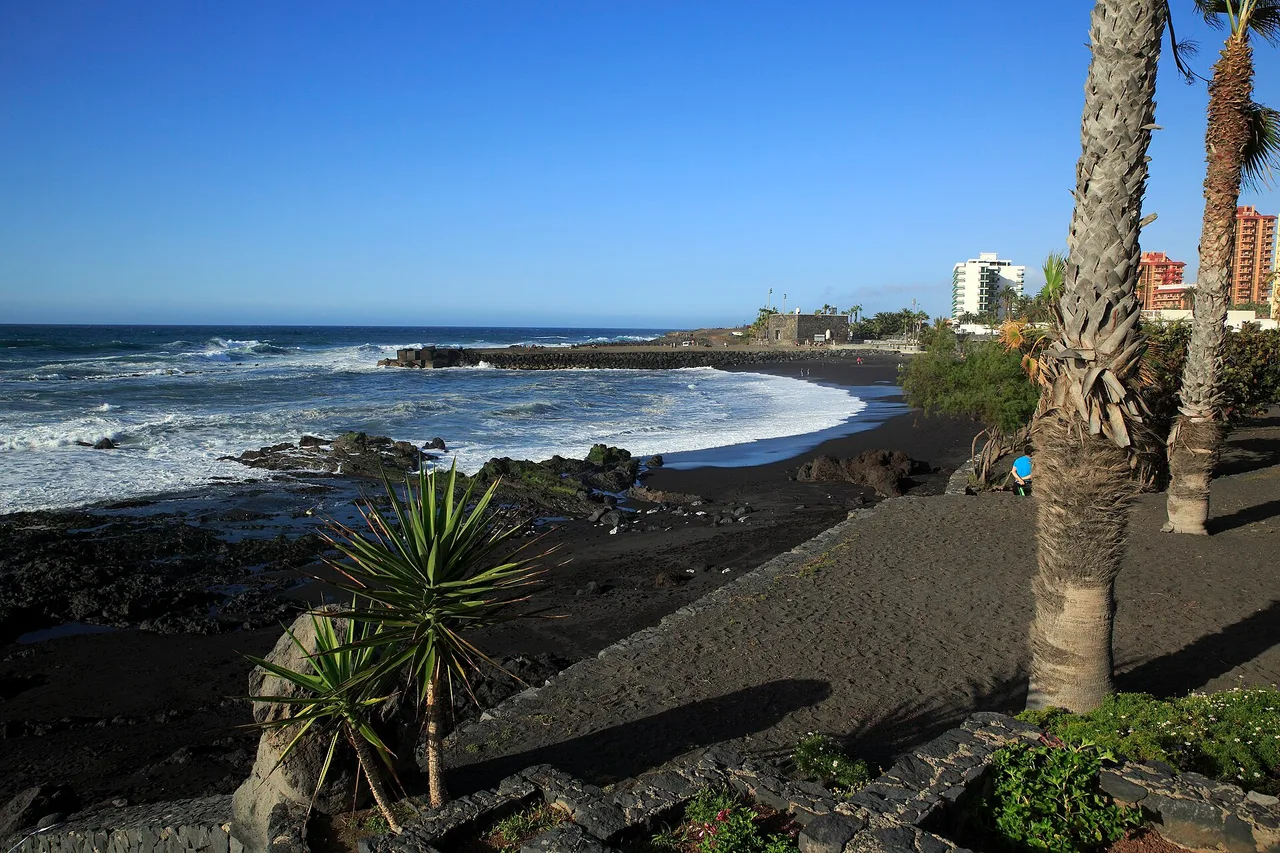
There is a third way few visitors consider: the two cities of the north-east. San Cristóbal de La Laguna, the former capital, has been a UNESCO World Heritage Site since 1999 — the first unfortified colonial town, whose 15th-century street plan became the model for cities across the New World. Colourful lanes, courtyards, student life: you sleep inside history here, at 600 metres of altitude — pack a light jumper for the evenings. Santa Cruz, the current capital, offers unfiltered Spanish city life: markets, museums, shopping, and the golden-sand bay of Las Teresitas at the foot of the Anaga mountains. Neither is a "resort" — that is precisely their charm. They suit travellers who want to understand the island as much as consume it, and who will travel — by bus or car — to reach beaches and trails.
The west, the quiet third candidate
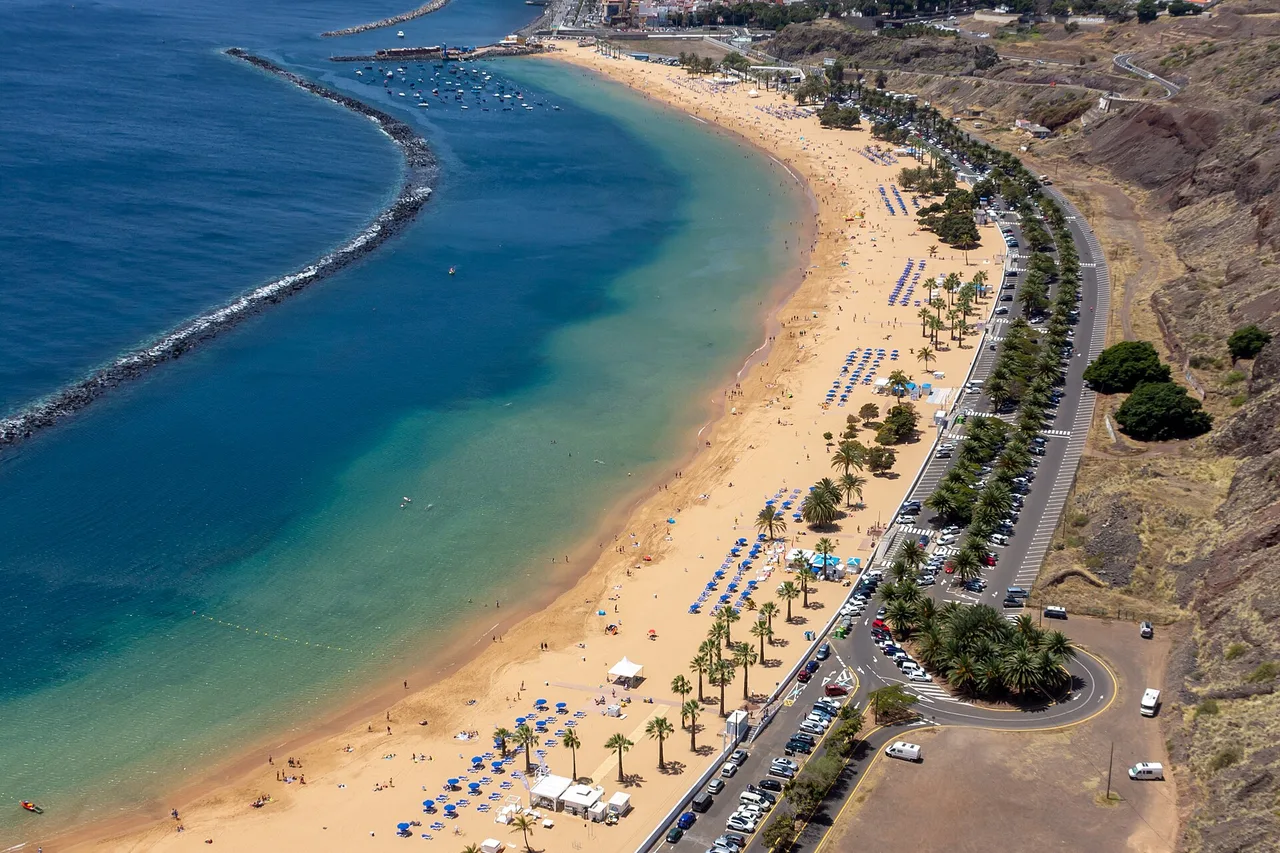
Between the two camps, the west coast plays its own tune. Los Gigantes and its neighbours Puerto de Santiago and Alcalá face the island's most spectacular cliffs plunging into the Atlantic; the mood is calmer than in the southern triangle, the sunshine almost as reliable, and the sheltered waters of the La Gomera channel are pilot-whale territory. Further north, Garachico offers full village immersion — small squares, old façades, lava pools born of the 1706 eruption — for those who want to sleep far from any resort. The west makes an excellent "hybrid" base: under an hour from both the southern beaches and the northern valleys, provided you have a car, as bus links here are slower than on the two main corridors.
The practical verdict: airports, buses, or both at once
One last criterion, too often forgotten: the island has two airports. Tenerife South, where most holiday flights land, sits at El Médano's doorstep and fifteen minutes from the southern resorts; Tenerife North, on the heights of La Laguna, mainly serves mainland Spain and the other islands. Staying at the opposite end from your arrival airport means starting and ending your holiday with a crossing. A very doable crossing, mind you: bus line 343 links Puerto de la Cruz to Costa Adeje via both airports — about fifty minutes airport to airport — and the motorway rings the island. Hence our real local's tip: don't choose — split the stay in two. Three or four nights in the south for the beach, the same in the north for the valleys and historic towns: it is the format that shows you the whole island, the one our 7-day Tenerife itinerary follows. And if you keep just one rule: first trip in winter, go south; hikers, culture lovers and repeat visitors, go north. Both are Tenerife — the rest of the site helps you fill the days, wherever you sleep.
Full guide: Tenerife airport transfers: bus, taxi or private pickup — which one?