How much does a Tenerife trip really cost? Less than you might think — and for a very specific reason: the Canary Islands live under their own tax regime, which makes fuel, restaurants and groceries markedly cheaper than in mainland Europe. Yet the island also knows how to charge full price for its parks and excursions, and the gap between a smart trip and an expensive one comes down to a few simple choices. Here is the budget item by item — transport, food, activities, accommodation — with real prices checked in 2026, not averages copied from year to year. And one piece of good news to finish: the best of Tenerife costs nothing at all.
Why Tenerife costs less than you'd expect
The secret is called IGIC: the Canary Islands' indirect tax, set at 7 % on most goods and services, where mainland Spain applies 21 % VAT. You see the difference everywhere, starting at the pump: in early September 2026, unleaded 95 sold for €1.28 to €1.33 per litre in the province of Santa Cruz de Tenerife, diesel around €1.42-1.46 — figures mainland Europe can only dream of. The same logic applies in cafés, restaurants and supermarkets: like for like, the bill is kinder. Two honest caveats, though. Island logistics make some imported goods pricier — cosmetics, mainland brands, equipment — and the most touristy corners of the south charge tourist-zone rates: walking three or four streets back from the seafront is often enough to watch prices drop. A Tenerife budget isn't fate — it's geography.
Getting around: a €1.10 tram, Titsa buses, rental cars
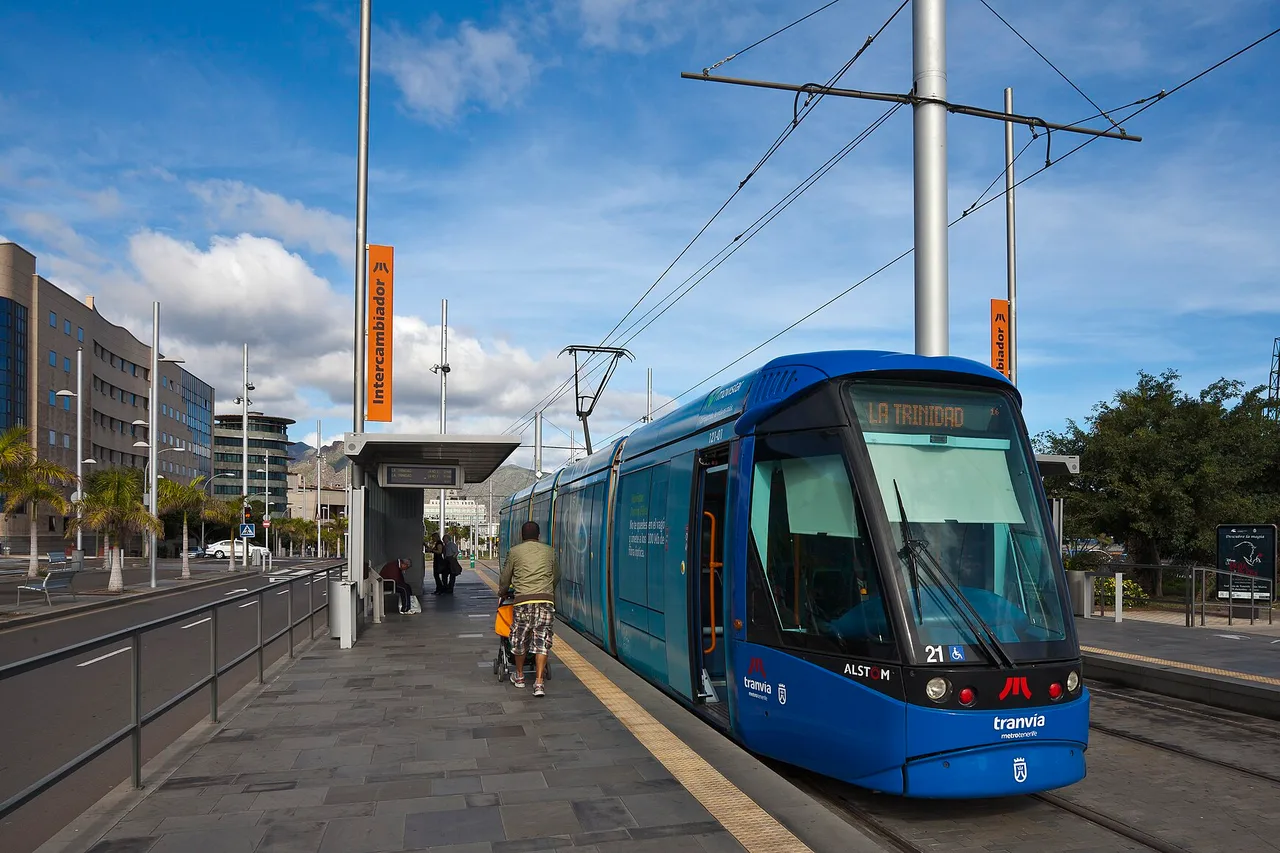
Public transport is one of the island's genuine bargains. The tram linking Santa Cruz to La Laguna costs €1.35 a ride — or just €1.10 paid through the ten+ móvil app. The green Titsa buses cover the whole island with distance-based fares: expect roughly €3.20 to €3.70 between the South Airport and the Costa Adeje resorts, and up to €13.55 for the longest crossings such as Puerto de la Cruz – South Airport. The rechargeable ten+ card (€2, top-ups from €5) cuts fares by 20 to 30 % depending on distance, and same-day returns get 10 % off on journeys over 20 km. A rental car remains the best way to roam — local firms are famously competitive, and cheap fuel sweetens every kilometre — but it isn't compulsory for a settled stay: our 7-day itinerary spells out what works by bus and what needs a steering wheel.
Full guide: Renting a Car in Tenerife: Pitfalls and Smart Tips
Eating: guachinches, menú del día and markets
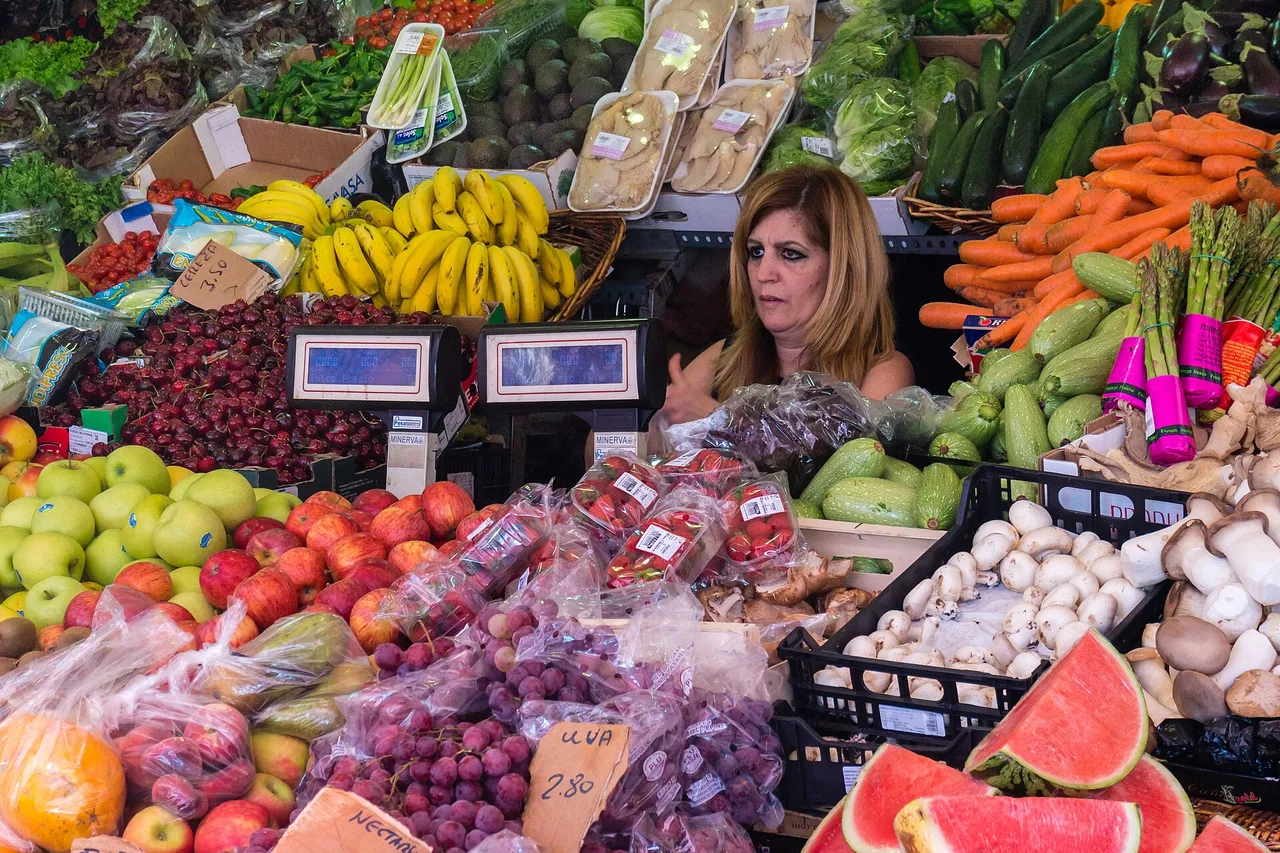
This is where Tenerife rewards the curious most. The local tradition is the guachinche: a plain dining room at a northern wine-grower's, a few hearty Canarian dishes, the estate's own wine — and a bill of €12 to €18 per person, wine included. Around Tacoronte, La Orotava or El Sauzal you eat very well for €10-15. On weekdays the menú del día — starter, main, bread, drink, dessert or coffee — runs at €9 to €13 in neighbourhood restaurants; in spring 2026 we noted a full €11 menu in Adeje, a few streets behind the hotels. The golden rule holds everywhere: the more a menu is translated into four languages with photos, the more it costs. If you'd rather cook, covered markets such as the Mercado de Nuestra Señora de África in Santa Cruz — the one in our banner photo — sell local fruit, cheese and fish at prices that remind you this is a farming island before it is a tourist destination.
Activities: what costs money, and what's worth it
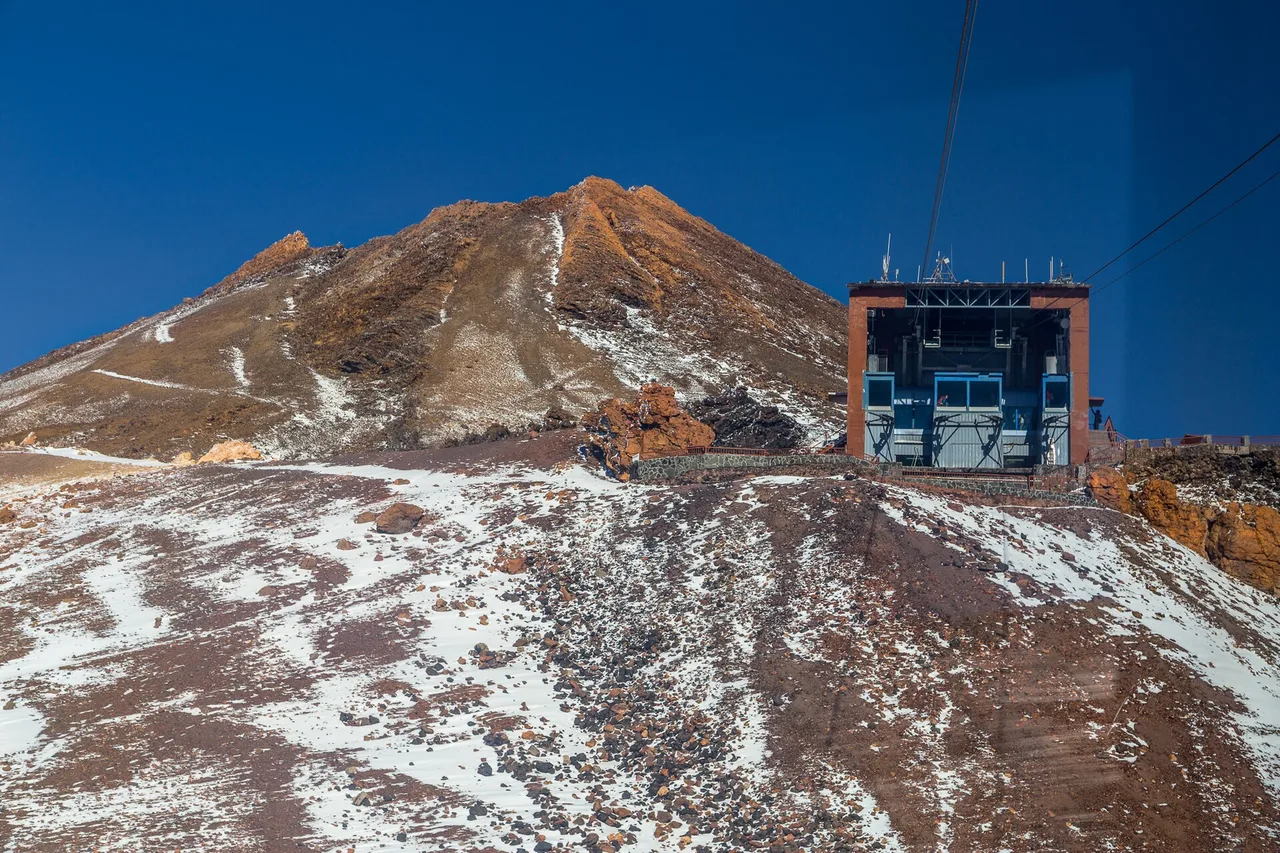
This is where a budget can take off — or not. The big paid classics are upfront about their rates: the Teide cable car costs €42 return for non-residents, reaching the summit requires a €15 permit (once free, paid since 2026) — our guide to climbing Mount Teide covers both —, and the Masca gorge hike books at €40.66, boat pick-up not included. A whale-watching trip costs between €33 and €79 depending on the boat and duration. As for parks, Siam Park sells adult entry at around €42-44 depending on where you buy, and the combined Loro Parque « Twin Ticket » at €70 — €49 for ages 6-11, free under 6. None of these prices is outrageous for what you get; the real budget mistake is trying to do everything in one week. Pick two highlights and leave the rest to the island's free side — it is vast.
Full guide: Things to Do in Tenerife: 25 Unmissable Spots, Chosen by Locals
The big secret: the best of Tenerife is free
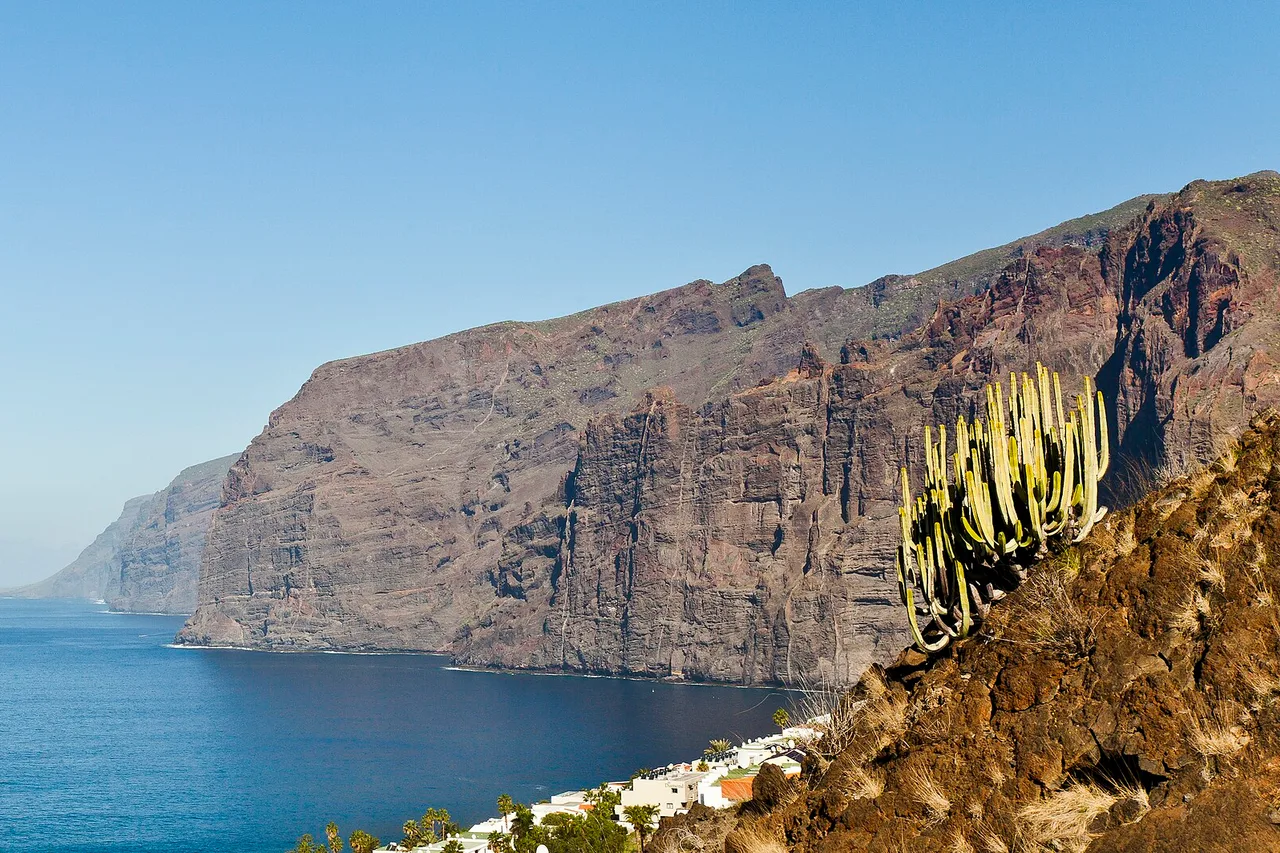
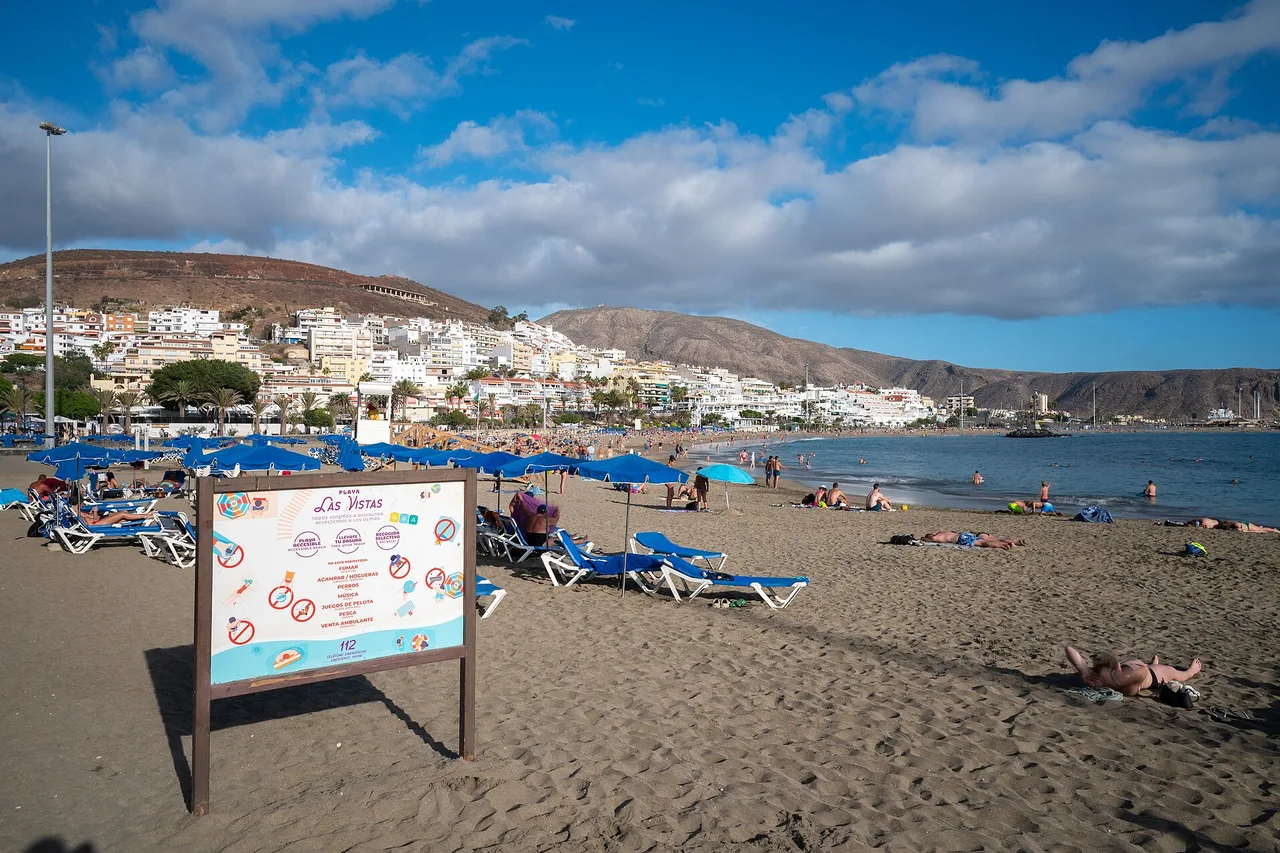
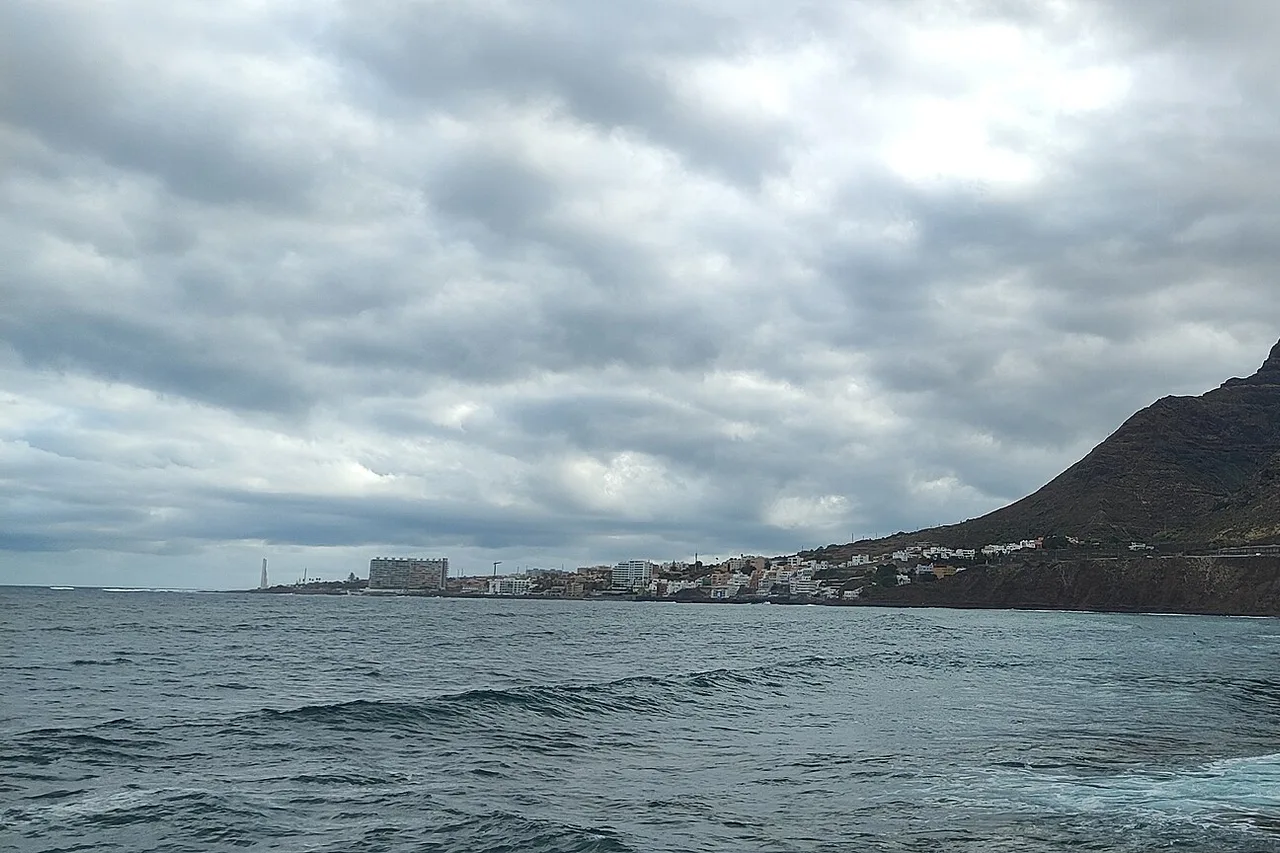
Add up what costs nothing: every one of the beaches, from the black sand of the north coast to the broad pale stretches of the south. The most spectacular natural pools — El Caletón in Garachico, the lifeguarded basins of Bajamar — are free to enter, while Puerto de la Cruz's famous Lago Martiánez charges admission. The trails of Anaga and its laurel forest cost nothing to walk, permit included for the Bosque Encantado — it is nominative and limited, but doesn't cost a cent. Add the sea of clouds seen from the ridges, the balconied villages of the La Orotava valley, sunsets over Los Gigantes, the hum of a Sunday market: most of what draws travellers to Tenerife simply has no ticket booth. A tight budget is no punishment here — it is almost an itinerary.
Sleeping, flying — and three honest daily budgets
That leaves the two big items, too date-dependent for any honest fixed figure: the flight and the bed. Remember the logic rather than a price: the Canaries' high season is winter, when Europe hunts for sunshine — that is when flights and hotels peak, especially during school holidays. Like for like, Costa Adeje gathers the priciest addresses; Puerto de la Cruz, La Laguna or Santa Cruz hold the better deals, as our north or south comparison explains. For everything else, here are three orders of magnitude built from the prices above, excluding flights and accommodation: in thrifty mode — buses, guachinches, beaches and trails — a day holds at around €25 to €40. In middle mode — a shared rental car, restaurants, the occasional paid activity — plan on €60 to €90. In comfort mode — excursions, parks, tourist dining — you will pass €120 without trying. All three exist on the same island, often on the same street; the rest of the site helps you pick your side, and our when to visit guide your dates.
Five habits that shrink the bill
To finish, the simple habits that show up in all our receipts. One: load a ten+ card at the airport if you'll ride the bus more than twice — it pays for itself within a day. Two: eat where the menu is written only in Spanish; the three-or-four-streets-behind-the-seafront rule holds in every resort on the island. Three: before paying for a water park, remember that the island's finest pools — the lava charcos — are free, some of them lifeguarded, and memorable in a way no slide is. Four: book the quota-limited activities (Teide, Masca) directly on the official platforms at the listed price, rather than through resellers who add their margin. Five: fill the tank anywhere — fuel is cheap island-wide — and stock the cool box at a market rather than at the resort minimarket. None of these habits diminishes the trip; each one pays for another guachinche.